
2027 Most Popular Education Degree Programs Ranking in Williamsburg

Co-Founder and Chief Data Scientist
Choosing the right education degree program can shape your future in meaningful ways. This article introduces the 2027 Most Popular Education Degree Programs Ranking in Williamsburg, carefully compiled by the Research.com team of data scientists.
Designed to guide prospective students like you, this ranking highlights programs worth considering based on reliable data. Reading it will help you discover opportunities that match your goals and passions.
Exploring education degrees opens doors to rewarding careers and lifelong learning. Let this guide inspire you on your academic journey.
Key benefits of getting education degree in Williamsburg
- Salary for education degree graduates: Graduates in Williamsburg can expect rewarding salaries, such as $76,000 for Special Education Teachers and $77,200 for Instructional Designers, reflecting strong earning potential in education careers.
- Career paths: Education degree holders from popular Williamsburg colleges often pursue diverse roles like Early Childhood Educators or ESL Teachers, opening doors to fulfilling and impactful professions.
- Online degree benefits: Earning an education degree online offers flexibility and convenience, allowing graduates to balance life and studies while still accessing quality programs offered by Williamsburg institutions.
- 2027 Most Popular Education Degree Programs Ranking in Williamsburg
- What can I expect from education degree in Williamsburg?
- Where can I work with education degree in Williamsburg?
What can I expect from education degree in Williamsburg?
Picture this: you're at a beloved Williamsburg college, diving into your education degree without feeling the usual financial dread. The average cost here is pleasantly reasonable, especially if you're an in-state student. Public institutions often offer tuition well below national averages, allowing you to focus more on lesson plans and less on balancing budgets. Graduates frequently recall the relief and gratitude that came from manageable tuition bills paired with targeted scholarships and financial aid designed specifically for education majors.
Imagine walking through campus knowing that your investment unlocks not just textbooks but rich field experiences in local Williamsburg-James City County Public Schools-priceless on-the-job training wrapped into an affordable package. These real-world internships make every tuition dollar stretch further, turning classroom theory into confident teaching practice.
This blend of accessible cost and high-value experiential learning creates an empowering atmosphere where future educators feel supported, engaged, and ready to make a difference in Virginia's schools without the anxiety of crushing debt.
Where can I work with education degree in Williamsburg?
With an education degree earned near the historic charm of Williamsburg, graduates swiftly discover the rhythm of local classrooms alive with curious eyes and eager minds. Picture yourself joining Williamsburg-James City County Public Schools, where over 1,200 passionate staff members shape futures from playful kindergartners to determined high school seniors. Graduates often share stories of stepping into STEM or special education roles, transforming challenges into triumphs.
Others find fulfillment in intimate private K-12 schools nestled just beyond the city, savoring the chance to craft tailored lessons that nurture close-knit student communities. Those from the College of William & Mary frequently describe the rewarding balance between teaching youth and contributing to higher education as instructors or program coordinators, fueled by the college's rich academic environment.
Some graduates enthusiastically embrace Williamsburg's educational nonprofits, weaving their knowledge into tutoring initiatives and community projects. Whether developing curriculum at the Williamsburg Area Arts Commission or mentoring at the Williamsburg Learning Collaborative, these paths blend purpose with genuine connection. Here, education degrees don't just open jobs-they unlock vibrant, meaningful careers in a city where learning is alive at every corner.
Graduates with an education degree in Williamsburg often find their wallets pleasantly surprised, landing mean annual salaries that spark excitement about their futures. Imagine a recent graduate from a popular local university stepping into an elementary school classroom, earning around $70,740 yearly, enough to live comfortably while honing their craft.
Others dive into specialized realms; for example, a special education teacher in Williamsburg can expect to pull in about $76,000 per year, a figure that highlights the value placed on inclusive learning. Those passionate about designing curriculum and learning experiences might pursue roles as instructional designers, earning approximately $77,200, crafting the future of education itself.
ESL teachers, teaching the vibrant stream of diverse students shaping Williamsburg's community, make a solid $65,430 annually, translating to nearly $31.46 hourly-an encouraging wage for opening doors to new cultures and languages.
Meanwhile, early childhood educators nurture the youngest minds, earning about $41,410 on average, a salary that reflects their vital role in laying the foundation for lifelong learning.
These figures echo the experiences of recent grads who cherish the balance between competitive pay and Williamsburg's moderate living costs-a harmony that makes pursuing an education degree here a gratifying investment.
- Education degree programs in Williamsburg cost between $25,000 and $35,000 per year, including tuition and fees.
- Starting salaries for education graduates average around $45,000 annually, with experienced educators earning about $65,000 or more.
- Local school districts and nearby metropolitan areas offer steady job opportunities for education degree holders.
- Financial aid, grants, and loan forgiveness programs are commonly available to help reduce education costs.
- Educators must complete a state-approved teacher preparation program and pass licensure exams to get certified in Williamsburg.
Imagine starting your journey at Christopher Newport University, where finishing an associate degree in education feels like laying the first cornerstone of your teaching career-usually about two years of full-time classes, lively campus discussions, and hands-on practice. Graduates often describe this period as a whirlwind of discovery, a foundational two-year sprint that quickly opens doors to entry-level roles or further learning.
Step up to a bachelor's degree at the College of William & Mary, and you're looking at around four full academic years. Students recount the excitement of balancing core education methods with specialized subjects, weaving what they learn into a clear path toward state certification-a perfect blend of challenge and accomplishment.
For those chasing advanced wisdom, Williamsburg's master's programs offer flexible pacing, one to two years depending on whether the student juggles work or dives full-time, often fueling personal growth and professional momentum. Doctoral candidates speak of a longer, immersive three- to seven-year odyssey focused on transforming education through research and leadership.
Pursuing an education degree is not just about meeting enrollment prerequisites and mastering classroom theories-it’s also about maximizing your overall learning experience and career readiness. Prospective students should start by researching each program’s unique offerings, such as innovative teaching methods, internship opportunities, and robust student support services. Engaging in campus tours, attending open house events, and speaking with alumni can provide invaluable insights into campus culture and the practical aspects of education. Additionally, leveraging digital resources like rankings and detailed program analyses can help you compare course quality and educational outcomes; for example, many prospective students find that checking out reviews from in demand education schools helps guide their decision. Finally, nurturing a habit of continuous learning by joining professional networks, seeking mentorship, and taking advantage of career counseling services can set you on the path to long-term success in the education field.
Imagine juggling your toddler's nap schedule while attending lectures-that's the reality for many online education students in Williamsburg. Local universities offer these flexible online degrees, letting graduates complete coursework from their living rooms without sacrificing family time or a 9-to-5 job. One alum recalls submitting assignments while sipping coffee in the early morning hours, embracing the freedom that on-campus programs can't always provide.
Contrast this with walking freshly waxed hallways of Williamsburg's traditional campuses, where on-campus students thrive in vibrant classrooms filled with hands-on practicum experiences. Graduates often reminisce about spontaneous hallway chats with professors and the buzz of study groups-benefits that ripple beyond textbooks and syllabi, creating networks that last well into their teaching careers.
Cost-wise, Williamsburg's public institutions offer comparable tuition whether online or onsite, but on-campus learners factor in housing and commuting. Both paths share rigorous accreditation through CAEP, ensuring your degree holds respected weight no matter how you choose to learn in this historic cityscape.
Navigating the path to becoming a licensed teacher in Virginia involves several key steps designed to ensure expertise and safety in the classroom. First, candidates must complete an approved teacher preparation program, which includes both foundational coursework and a supervised student‐teaching internship. Next, you’ll need to pass the Praxis exams required by the Virginia Board of Education: Praxis Core Academic Skills for Educators (reading, writing, mathematics) and the Praxis Subject Assessments for your teaching field. After successful completion, submit your application through the Virginia Department of Education’s licensure portal, including official transcripts, Praxis scores, and results of a fingerprint‐based background check. Once provisional licensure is granted, new teachers must complete the Virginia Induction Program within their first two years, which offers mentorship and targeted professional development. Following induction and three years of satisfactory teaching performance, you can apply for a renewable Professional License. If you hold an out‐of‐state license, Virginia offers reciprocity for many credentials-but be sure to review subject‐specific requirements early in your planning. For those curious about alternative entry paths or less intensive certification routes, explore What is the Easiest Teaching Degree to determine which program best aligns with your experience and goals. Understanding these licensing steps upfront helps streamline your journey from student to full‐fledged educator in Williamsburg, ensuring you meet all legal and professional standards.
Embarking on an education degree in Williamsburg means navigating a landscape shaped by both opportunity and investment. The median total cost hovers around $25,914 for in-state students, a figure that graduates fondly recall balancing with creative budgeting and the excitement of becoming future educators. For out-of-state students, this number climbs substantially to approximately $68,270, reflecting the broader commitment required to join the vibrant academic community here, particularly at renowned institutions like The College of William & Mary.
Imagine a graduate remembering their time pouring over lesson plans in cozy Williamsburg cafés, mindful of tuition costs but buoyed by scholarships and part-time assistantships that made their dream feasible. Living expenses typically range from $12,000 to $15,000 annually, adding a tangible layer to the total cost. This nuanced picture illustrates the total tuition and fees for education degrees Williamsburg students encounter, a blend of financial dedication and rewarding personal growth.
Many find that the investment pays off not just in the classroom but in the life-changing career pathways opened to them. Graduates speak warmly of their transition from students to impactful educators or administrators, fueled by hands-on experience gained as they managed tuition and day-to-day expenses. Prospective students eager to explore diverse roles beyond teaching may discover unexpected avenues by visiting https://research.com/careers/best-jobs-you-can-get-with-an-education-degree-that-arent-teaching, expanding their vision of what this degree can unlock.
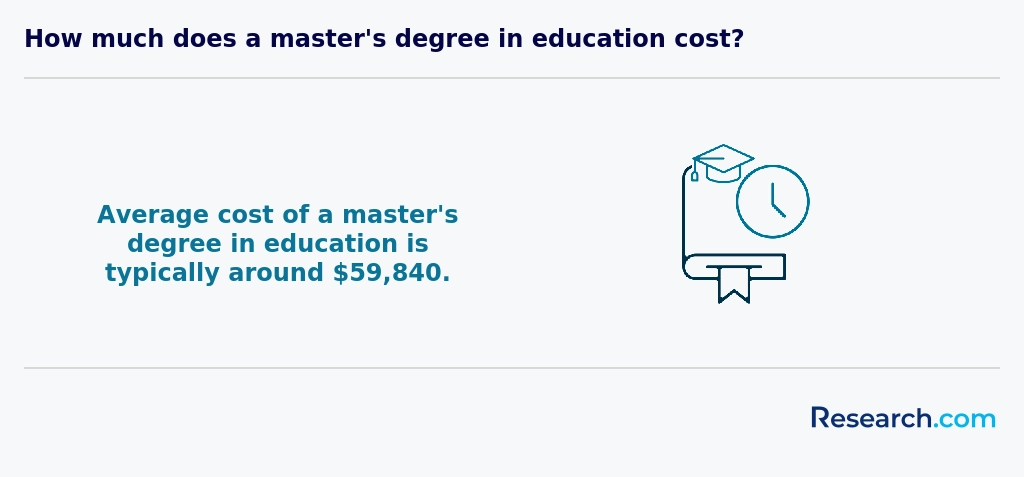
To become a licensed teacher in Virginia, graduates must complete a state‐approved educator preparation program, pass the required certification exams, and apply through the Virginia Department of Education (VDOE). First, candidates must pass the Virginia Communication and Literacy Assessment (VCLA) to demonstrate reading and writing proficiency. Next, prospective teachers select and pass the appropriate Praxis Subject Assessment(s) aligned with their endorsement area-such as Elementary Education or Special Education. Upon successful completion of exams, applicants submit official transcripts, exam scores, and a background clearance report to the VDOE for review. In addition to certification, ongoing professional development is mandated to maintain licensure. Educators must accrue Continuing Education Units (CEUs) through workshops, conferences, or graduate coursework, ensuring they stay current with instructional best practices and state standards. Many online programs offer flexible CEU options; for those comparing program affordability, our Affordable Online Education Degree Programs Ranking in Kentucky provides valuable cost benchmarks. By understanding these requirements early, Williamsburg graduates can streamline their path from degree completion to classroom impact, confidently meeting both state mandates and career goals.
Imagine walking the grounds of the College of William & Mary, knowing that your dreams of teaching are buoyed not just by passion but by real financial support. Many graduates recall how completing the FAFSA unlocked access to Pell Grants-think of it as tuition magic, offering up to $7,395 that doesn't require payback, easing the weight of yearly costs that can climb as high as $25,000. It's not just free money; it's freedom.
Then there's the Virginia Teaching Scholarship Loan Program, a secret handshake among Williamsburg education students. Eligible candidates receive loans up to $5,000 yearly, which vanish like a morning mist if you commit to teaching in high-need local schools. It's a pact: teach where you're needed, and your debt clears.
Picture juggling classes while working a work-study job on campus, gaining hands-on experience and steady income, just like many Williamsburg education majors do. Add to that local grants, the TEACH Grant-imagine $4,000 per year if you promise to serve underserved areas-and tuition reimbursement from school districts eager to invest in their future teachers. Financial aid here isn't just help; it's a community rallying behind you.
Discover the leading education degree programs in Williamsburg, VA, as determined by our comprehensive 2024 ranking based on enrollment popularity, graduate outcomes, and program quality. 1. College of William & Mary – Bachelor of Arts in Education • Program Length: 4 years (on-campus) • Average In-State Tuition: $9,596/year • Highlights: Rigorous liberal arts foundation, extensive student-teaching placements, CAEP-accredited. 2. Old Dominion University – Master of Education in Curriculum & Instruction (Online) • Program Length: 2 years • Average Tuition: $12,150/year (in-state) • Highlights: Flexible online format, hands-on instructional design projects, strong alumni network. 3. Thomas Nelson Community College – Associate of Applied Science in Early Childhood Education • Program Length: 2 years • Average In-District Tuition: $4,620/year • Highlights: Affordable pathway, practical practicum in local preschools, streamlined transfer agreements. 4. Regent University – Master of Arts in Educational Leadership • Program Length: 2 years (hybrid) • Average Tuition: $16,800/year • Highlights: Leadership practicums, cohort-based support, preparation for administrative certification. 5. Eastern Virginia Medical School – Master of Science in Instructional Design & Technology • Program Length: 2 years (online) • Average Tuition: $15,200/year • Highlights: Cutting-edge edtech integration, portfolio development, career services for instructional designers. For students prioritizing cost-effectiveness, don’t miss our Affordable Online Education Degree Programs Ranking in Kentucky, which offers additional insights into budget-friendly online options.
Landing a spot in an education program in Williamsburg often starts with the humble but crucial high school diploma or GED-like the key that opens the door to vibrant classrooms at local colleges. Imagine a recent graduate from a Williamsburg university sharing how submitting a solid GPA of around 3.0 felt like proving they could navigate both academics and life's curveballs. They vividly recall juggling placement tests in English and Math, essential gatekeepers that make sure candidates have the solid ground to teach others.
Many schools, mindful of evolving admission trends, might not insist heavily on SAT or ACT scores anymore, but transcripts still tell your story, reflecting dedication across years. Some campuses even ask for personal essays or heartfelt recommendations, connecting your passion for shaping young minds with the real-world joy of teaching in Williamsburg's schools.
For those eyeing advanced degrees, a bachelor's with a strong GPA and, sometimes, teaching experience or a valid Virginia license becomes the next chapter-cementing your commitment and readiness to grow as an educator in this community.
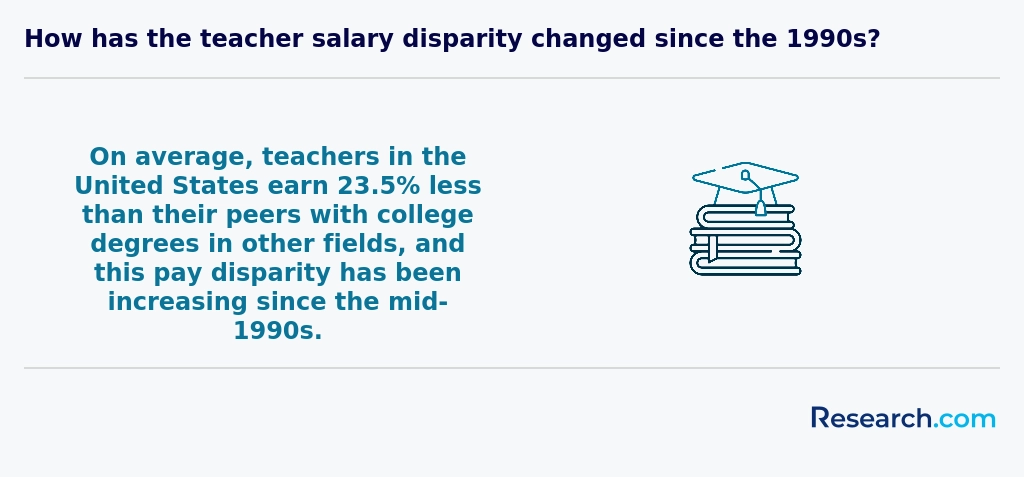
Evaluating the return on investment (ROI) of an education degree in Williamsburg, VA, is essential for prospective students balancing cost against long-term earning potential. On average, in-state students invest approximately $108,584 in tuition and fees over four years, while out-of-state attendees may spend up to $182,832. With starting salaries ranging from $38,640 for early childhood educators to $73,080 for instructional designers, most graduates recoup their tuition investment within three to five years of entering the workforce. Key ROI metrics to consider:
- Average Total Cost (In-State): $108,584
- Average Total Cost (Out-of-State): $182,832
- Median Starting Salary: $60,000
- Estimated Payback Period: 3–5 years To maximize ROI, students should explore cost-effective program formats-such as online or hybrid degrees-and leverage scholarships, grants, and work-study opportunities. For a broader comparison of budget-friendly online options, consult our Affordable Online Education Degree Programs Ranking in Kentucky, which highlights programs with the lowest total cost of attendance and competitive outcomes.
In Williamsburg, education degree programs immerse you in courses that feel like stepping into a vibrant classroom scene even before student teaching begins. Imagine sitting in a College of William & Mary lecture about Educational Technology, where instructors showcase the latest digital tools transforming local classrooms-sparking excitement about how those tools will empower future students.
Graduates often recall foundational courses like Foundations of Education, where theory bursts into life through discussions about real kids' learning journeys. These classes explore how minds grow, weaving in psychology and curriculum crafting that turn abstract ideas into lively lesson plans ready for Williamsburg's diverse schools.
Specialized tracks create a tailored roadmap: one graduate describes honing literacy skills for elementary classrooms, while another delved into science methods for secondary schools-each experience bringing clarity and confidence for hands-on practicum moments. These immersive courses echo Virginia's teaching standards and build emotional connections to the profession, making education degrees in Williamsburg feel like a calling more than a class schedule.
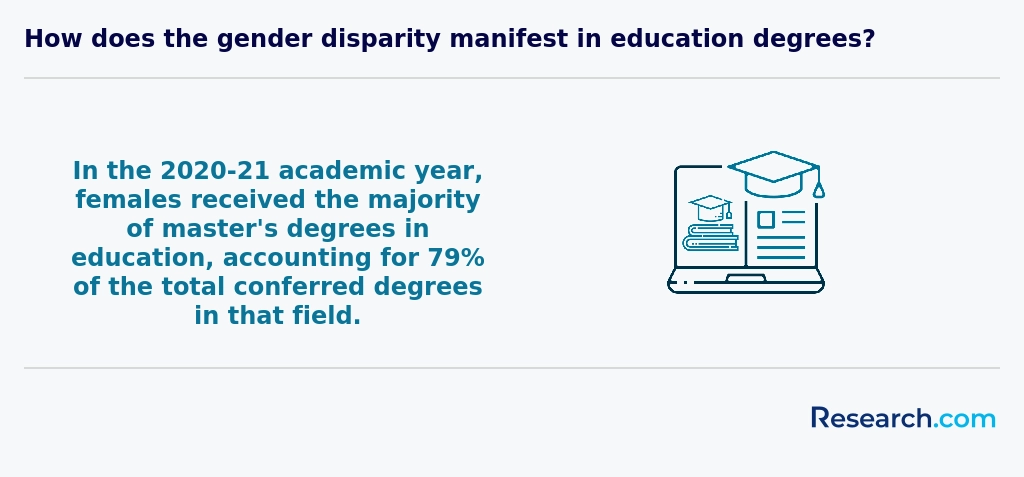
Graduates from Williamsburg's education degree specializations often find themselves immersed in vibrant classrooms or bustling administrative offices-all shaped by their focused studies. Imagine diving into Elementary Education where you become a crafting artist of young minds, mastering child psychology and teaching methods tailored to Williamsburg's youngest learners. Others gravitate toward Secondary Education, honing content expertise in subjects like math or science, perfectly suited for local middle and high schools. Those passionate about inclusivity embrace Special Education, preparing to support diverse needs with confidence and empathy, a reflection of Virginia's inclusive spirit.
Williamsburg teaching degree options also include Educational Leadership and Administration, where graduates channel their energy into becoming the visionary principals and policymakers shaping the school community's future. Popular colleges here provide real-world experiences-watching a Literacy specialization student enliven reading programs or a Curriculum and Instruction enthusiast tailor lessons grounded in Williamsburg's educational trends. For out-of-state hopefuls, understanding the nuances of licensing, including West Virginia teaching license reciprocity, is part of the journey.
When you set out to choose the best education degree programs in Williamsburg, picture yourself walking through the historic campus quads where graduates once pondered the same question. One graduate recalls juggling evening classes at a Williamsburg university with a hectic teaching job-a balancing act made possible by flexible program schedules. Another found joy in specialized degrees like special education that transformed their approach to classroom challenges. Williamsburg's education degrees aren't one-size-fits-all; you'll want to map your ambitions against local programs that emphasize accreditation and hands-on experiences within nearby schools.
If budget whispers in your ear, consider looking deeply into affordable education degrees Williamsburg offers, where some programs deliver value without skimping on quality. For creative minds, blending study with work feels seamless when programs allow part-time or online options. Some grads highlight how these choices sparked confidence, easing them into careers with real-world footing. Curious about financial options? Don't miss exploring the cheapest MFA programs online for comparison and inspiration.
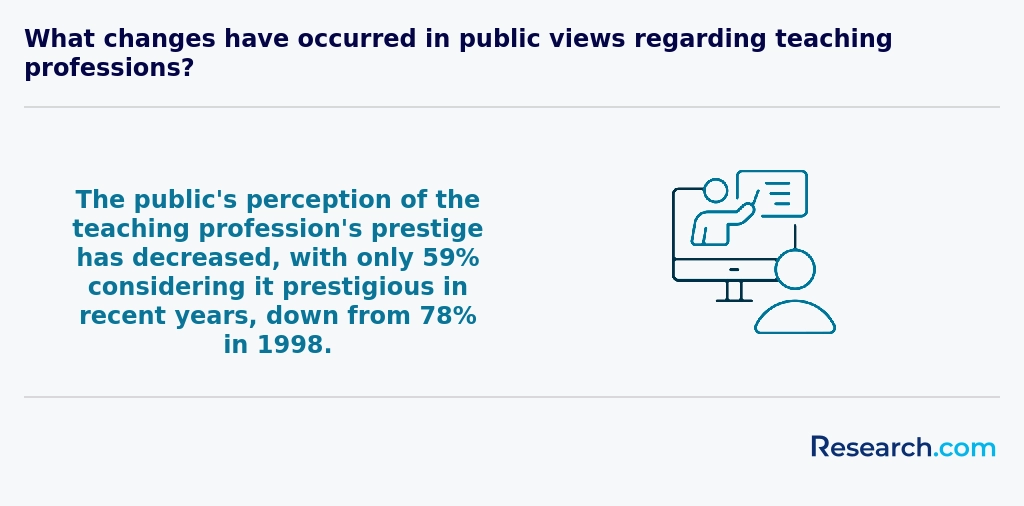
In Williamsburg, education degree jobs in Williamsburg unfold like a vibrant mosaic of possibilities. Graduates from institutions like the College of William & Mary often find themselves weaving through classrooms as elementary or secondary teachers, energized by the region's growing student population and expanding schools. The joy of guiding young minds, coupled with the steady 3% annual growth in teacher demand, makes this path both practical and deeply fulfilling.
Other graduates dive into administrative roles-becoming principals or program directors-where their leadership can shape entire school cultures. With an 8% projected national growth, these roles offer a chance for driven education graduates Williamsburg to amplify their impact and earn greater rewards. Some take the advising route, helping college peers flourish, leveraging Williamsburg's rich academic environment.
Special education and ESL teaching also sparkle as niches ripe with opportunity, highlighted by a notable 15% rise in ESL enrollments. Those seeking to blend passion with policy or community engagement often explore roles in youth services or advocacy, sometimes enhancing their skills through Arkansas teaching credentials. In Williamsburg, education careers are more than jobs-they're adventures in nurturing futures.

The education degree job market Williamsburg genuinely pulses with opportunity, inviting graduates to step into roles where their passion transforms communities. It's not just about teaching in the Williamsburg-James City County Public Schools system; it's about becoming a cornerstone in classrooms that prioritize inclusivity and innovation. Graduates from local programs often share stories of stepping into special education classrooms or leading ESL initiatives, where each day rewrites their definition of impact and fulfillment.
For those who dream bigger than K-12, the College of William & Mary becomes a gateway. Alumni often transition into roles as academic advisors or instructional designers, enjoying salaries near $58,000 while shaping academic journeys. With tuition affordable enough to inspire commitment, many even pursue internet colleges for doctoral studies in educational leadership, expanding their horizons beyond traditional teaching.
Teaching career opportunities in Williamsburg weave through community colleges and public schools alike, creating a tapestry of roles where education's future is crafted daily. The local demand simmers steadily, fueled by pockets of growth and a community hungry for dedicated educators ready to lead change.
2027 Most Popular Education Degree Programs Ranking in Williamsburg
Investing in one's education is a significant decision that can shape one's future, and the Research.com team is fully aware of the importance of making well-informed choices. To support prospective students in Williamsburg, we have carefully developed the "2027 Most Popular Education Degree Programs Ranking in Williamsburg." Our dedication to quality, credibility, and accuracy is demonstrated through rigorous research and detailed analysis applied in the creation of this ranking.
We utilized the following reputable data sources to ensure a thorough evaluation of education degree programs:
By consulting this ranking, readers will gain valuable insights into the most popular and trusted education degree programs in Williamsburg, empowering them to make confident and informed educational decisions. For more information on how this ranking was created, please visit our Research.com methodology page.

Frequently Asked Questions About education
Education degree students in Williamsburg can maximize their learning experience by actively engaging in both classroom and practical opportunities. Participating in local schools' student teaching programs allows them to apply theory in real-world settings, which is crucial for skill development. Williamsburg's proximity to several accredited institutions, such as the College of William & Mary, offers access to quality resources and mentorship from experienced educators.
Additionally, students should take advantage of workshops and certification programs focused on special education and technology integration, areas growing in demand nationwide. According to the Virginia Department of Education, graduates with hands-on experience in such fields see higher employment rates in the region. Networking through local education forums and professional organizations also broadens career prospects and enhances learning.
The education field in Williamsburg is evolving, with several emerging niches gaining attention among students and educators. One rapidly growing area is educational technology, which focuses on integrating digital tools to enhance teaching and learning. According to the Williamsburg Higher Education Consortium, enrollment in education technology programs increased by 18% from 2021 to 2023. Another niche is special education, particularly programs that train educators to support diverse learning needs, reflecting rising local demand.
Environmental education is also expanding as schools emphasize sustainability and climate awareness. Additionally, career and technical education, targeting workforce readiness, remains a strong interest for many Williamsburg students. These niches reflect broader US trends adapting to modern educational challenges and opportunities.
After completing an education degree in Williamsburg, preparing for the job market involves several strategic steps. First, gaining relevant experience through student teaching or internships is essential, as Williamsburg schools value practical classroom skills. According to data from the Virginia Department of Education, 85% of new teachers secure employment within a year, often through local networking. Building strong connections with local school districts and attending education job fairs in the Williamsburg area can significantly improve employment prospects. Additionally, obtaining necessary state certifications, such as the Virginia Professional Teaching License, is crucial before applying for teaching positions.
Further professional development, such as workshops on technology integration or special education, also enhances marketability. Using online platforms to create a professional portfolio demonstrating lesson plans and teaching efficacy may attract school administrators. Finally, staying informed about district needs and salary scales in Williamsburg helps graduates set realistic career goals and negotiate competitive contracts.
Employers in Williamsburg prioritize strong communication skills in education degree graduates. Effective verbal and written communication is essential for managing classrooms and interacting with students, parents, and colleagues. According to the Williamsburg Education Association's 2023 report, 68% of local schools consider this the most critical skill.
Classroom management ability is also highly valued. Graduates who can maintain a positive learning environment and handle diverse student needs tend to be preferred by Williamsburg school districts. A survey by the Virginia Department of Education found that 59% of regional principals seek this competency.
Additionally, adaptability and knowledge of educational technology are increasingly important. With many Williamsburg schools integrating digital tools, graduates familiar with tech-enhanced teaching methods have an advantage.
Finding internships in Williamsburg related to an education degree involves utilizing local resources and university career centers. The College of William & Mary, a prominent institution in Williamsburg, offers dedicated internship programs and partnerships with nearby K-12 schools, which can provide practical classroom experience. According to the College's 2023 Career Services report, over 60% of education students participate in internships before graduation.
Students should also explore public school districts like Williamsburg-James City County Public Schools, which occasionally offer internship opportunities. Additionally, community centers and educational nonprofits in Williamsburg often seek interns, providing diverse learning settings.
Networking events and job fairs hosted by local institutions can also be valuable for securing internships in education-related fields.
In Williamsburg, obtaining an education degree significantly enhances career mobility and advancement opportunities in the local job market. According to the Virginia Employment Commission, educators with a bachelor's or higher in education typically experience a 10% faster job placement rate compared to those without formal credentials. The city's school districts often prioritize candidates holding state-accredited degrees for leadership and specialized teaching roles.
Additionally, higher degrees such as a Master's in Education can lead to roles in administration and curriculum development, with salaries averaging 15% higher than entry-level teaching positions in Williamsburg schools, as reported by the National Center for Education Statistics.
Continuous professional development tied to education degrees also enables educators to qualify for promotions and enhanced responsibilities in Williamsburg's evolving educational landscape.
Studying for an education degree in Williamsburg equips students with skills that extend beyond traditional teaching methods, preparing them for interdisciplinary roles in various sectors. Williamsburg's colleges emphasize collaboration between education, psychology, and social sciences, reflecting a broader trend in US higher education. According to the National Center for Education Statistics, programs in the region integrate coursework in technology, cultural studies, and leadership, fostering versatile professionals.
Local institutions also offer practical experiences in diverse community settings, which enhances students' ability to address complex educational challenges involving health, policy, and technology. This interdisciplinary approach aligns with workforce demands, where 65% of education graduates in Williamsburg report engagement in roles outside conventional classrooms within two years of graduation (Williamsburg Education Board, 2023).
Choosing between a thesis and a non-thesis education degree program in Williamsburg depends on your career goals and learning preferences. Thesis programs typically require students to conduct original research and write a detailed paper, which is ideal if planning to pursue a doctorate or work in research or academia. Non-thesis programs focus more on coursework and practical skills, suitable for those aiming for leadership positions or direct application in educational settings.
According to data from the Virginia Department of Education, Williamsburg offers several master's programs with both options, allowing flexibility. Consider your time availability: thesis tracks may take longer due to research demands. Also, some local school districts prefer candidates with non-thesis degrees for administrative roles. Consulting academic advisors and reviewing local employment trends can help clarify the best choice for you.
Students based in Williamsburg interested in studying education abroad have several pathways through U.S. higher education institutions. Many programs encourage participation in exchange programs or partner with universities in countries like the United Kingdom, Canada, and Australia. William & Mary, the city's primary university, offers study abroad opportunities that include education courses and international teaching practicums.
According to the Institute of International Education, about 14% of U.S. education students engage in some form of study abroad experience, often enriching their cross-cultural teaching skills. Williamsburg students benefit from localized advising centers that help coordinate placements while ensuring credits transfer seamlessly into their education degrees.
Additionally, online hybrid programs provide flexibility by combining domestic coursework with short international residencies, minimizing time away from campus yet maximizing global exposure.
Part-time job opportunities in Williamsburg that complement education degree studies are diverse and practical for gaining relevant experience. Many students find roles as teacher assistants in local public and private schools, where they support classroom management and help deliver lessons. This direct engagement enriches understanding of educational theories and student needs. According to the Williamsburg-James City County Public Schools, teacher assistant positions often accommodate student schedules.
Another popular option is tutoring. Williamsburg's community centers and libraries regularly seek tutors to assist younger students in subjects like reading and math, allowing education majors to apply instructional skills. These jobs often pay between $12 and $20 per hour, based on local averages.
Additionally, childcare centers and after-school programs offer positions that develop classroom management and interpersonal skills, critical for future educators. These roles provide hands-on experience working with children of various ages and backgrounds.
Education students in Williamsburg have access to various networking opportunities that can enhance their academic and professional growth. Local institutions like The College of William & Mary often host events, workshops, and career fairs specifically for education majors, fostering connections with faculty and local school districts. According to the college's 2023 career services report, over 70% of education students participate in such events.
Additionally, professional organizations such as the Virginia Education Association have local chapters that welcome student members, offering conferences and mentorship programs. These activities provide valuable contact with experienced educators and potential employers within the Williamsburg area and beyond.
Community partnerships with nearby schools also enable students to build networks through practicum and internship placements. These real-world experiences are critical for establishing lasting professional relationships and gaining insight into the field from a regional perspective.
Alumni networks in Williamsburg offer significant advantages to students pursuing education degrees. These networks provide valuable opportunities for mentorship, allowing current students to learn from experienced graduates who understand the local education landscape. Reports from the Virginia Department of Education highlight that connections made through alumni networks often help in securing student teaching placements and early career jobs within Williamsburg's public and private schools.
Participation in alumni events fosters professional development and increases access to exclusive job listings shared within these communities. A 2023 survey from the Williamsburg Teacher's Association found that 68% of recent education graduates benefited from networking opportunities provided by alumni groups. Such connections can be crucial in a competitive job market.
Furthermore, alumni networks support collaboration on research and continuing education initiatives, enhancing both personal growth and student success in the Williamsburg area.
Customizing an education degree program in Williamsburg allows students to align their studies with specific career ambitions. Many local institutions offer flexible curricula, including elective courses focused on special education, curriculum design, or educational technology. According to the Virginia Department of Education, tailoring your coursework to these niches can enhance job prospects in the region's growing school districts.
Additionally, Williamsburg students can pursue internships and practicums in nearby public and private schools, gaining practical experience relevant to their career goals. The College of William & Mary, for example, supports partnerships that help customize training for future educators.
Choosing programs with certification options or advanced degree tracks helps further specialization in areas like administration or counseling, key for leadership roles.
Education students in Williamsburg face several common challenges during their studies. One key issue is balancing demanding coursework with required field experiences, such as student teaching placements in local schools. These practical components are essential but often stressful due to time constraints and classroom management demands. According to the Virginia Department of Education, over 65% of education majors in Williamsburg report difficulty managing these dual responsibilities.
Another challenge is securing quality placement opportunities in diverse classrooms. Williamsburg's varied school demographics require students to adapt to different learning environments, which can be overwhelming for those new to hands-on teaching.
Financial pressure is also significant. Many education students in Williamsburg rely on part-time work to support themselves, yet teaching programs often limit available time for paid employment. This can increase student loan dependency, as noted by the National Center for Education Statistics.
With an education degree in Williamsburg, you can pursue several professional certifications that enhance your teaching career. The most common is the Virginia teaching license, required to teach in public schools. To obtain this, candidates typically complete an accredited teacher preparation program and pass the Virginia Communication and Literacy Assessment (VCLA) and Praxis exams.
Beyond licensure, educators can earn certifications in specialized areas like Special Education, English as a Second Language (ESL), or Reading Specialist. These certifications require additional coursework and passing related tests.
For aspiring administrators, Williamsburg offers pathways to certification as school principals or superintendents, often requiring a master's degree and relevant work experience.
To write a winning application for an education program in Williamsburg, start by clearly demonstrating your passion for teaching and learning. Highlight any relevant experience, such as volunteering or tutoring, to show commitment.
Focus on your academic achievements, including GPA and coursework related to education. Williamsburg institutions often value candidates with strong communication and leadership skills, so provide concrete examples.
Many programs require letters of recommendation; choose references who can speak to your dedication and potential in education.
Finally, tailor your personal statement to reflect your goals within Williamsburg's unique educational community, aligning with local school needs and demographics. According to the Williamsburg School District, graduates with such focused applications have a higher acceptance rate.
Education careers in the United States, including Williamsburg, are increasingly influenced by global trends. Worldwide, educators are expected to adapt to diverse classrooms and integrate technology effectively. Within Williamsburg, education degree programs emphasize these skills to meet both local and international demands.
According to the U.S. Bureau of Labor Statistics, employment for preschool, primary, secondary, and special education teachers is projected to grow by about 9% from 2022 to 2032. This growth reflects a global recognition of education's vital role in economic development and social progress.
Many U.S. education degrees incorporate comparative education studies, which provide students in Williamsburg with insights into global teaching methods and policies, broadening career opportunities beyond the local level.
Global perspectives thus shape education programs, preparing Williamsburg graduates to engage with diverse learners and educational challenges worldwide.
Gaining practical experience while studying for an education degree in Williamsburg is essential for career readiness. Many local colleges, such as The College of William & Mary, integrate student teaching internships within their curricula, allowing students to work directly in nearby public and private schools. According to the Virginia Department of Education, hands-on classroom experience is a requirement for licensure, typically involving 12 to 16 weeks of supervised teaching.
Additionally, students can participate in tutoring programs, after-school activities, and educational workshops organized by community centers in Williamsburg. These opportunities provide real-world skills alongside academic coursework. Practicums and service-learning projects are also common in education programs, emphasizing practical skill development.
Choosing the right concentration within an education degree program in Williamsburg involves understanding your career goals and local demand. Williamsburg offers concentrations such as Elementary Education, Special Education, and Educational Leadership, each aligning with specific paths. According to the Virginia Department of Education, Williamsburg and surrounding counties have a growing need for special education teachers, reflecting statewide trends.
It is important to consider program accreditation and licensure requirements, which vary by concentration. For example, some concentrations require passing state exams or completing student teaching in local schools. Reviewing course offerings at Williamsburg-area institutions can help identify a fit for your interests and strengths.
Additionally, networking with local educators and attending education fairs in Williamsburg can provide insight into which concentrations lead to employment opportunities in the region. Data from the National Center for Education Statistics show that education graduates with specialized credentials tend to have higher job placement rates, supporting the value of targeted concentrations.
- 2027 Most Popular Education Degree Programs Ranking in Washington
- 2027 Most Popular Education Degree Programs Ranking in Baltimore
- 2027 Most Popular Education Degree Programs Ranking in Dover
- 2027 Most Popular Education Degree Programs Ranking in Philadelphia
- 2027 Most Popular Education Degree Programs Ranking in Wilkes-Barre
- 2027 Most Popular Education Degree Programs Ranking in Pittsburgh
- 2027 Most Popular Education Degree Programs Ranking in Columbia
- 2027 Most Popular Education Degree Programs Ranking in Orangeburg
- 2027 Most Popular Education Degree Programs Ranking in Greenville
- 2027 Most Popular Education Degree Programs Ranking in Charleston
See What Experts Have To Say About Studying Education
Read our interview with Education experts

Nooshan Ashtari
Education Expert
Professor & Book Author
University of Southern California

Alan J. Singer
Education Expert
Professor of Teaching, Learning and Technology
Hofstra University

- Top 10 Effective Networking Tips for Students https://www.unfc.ca/blog/networking-tips-for-students
- Financial Aid - Brooklyn College https://www.brooklyn.edu/case/high-school-students/financial-aid/
- Skills Employers Look for In Graduates https://careerdc.com.au/resources/what-skills-employers-want/
- Networking Tips and Advice for Students https://schoolshouldbe.com/post/networking-tips-and-advice-for-students/
- Students: This is How You Should Prepare for the Job Market https://www.agencycentral.co.uk/articles/students-this-is-how-you-should-prepare-for-the-job-market/
- Why The Flipped Learning Model Matters at Williamsburg Christian Academy - Williamsburg Christian Academy https://williamsburgchristian.org/why-the-flipped-learning-model-matters-at-williamsburg-christian-academy/
- Apply for a Scholarship - WCF https://williamsburgcommunityfoundation.org/apply-for-a-scholarship-3/
- How to Pick Your Concentration for Your M.Ed. Degree | ACE Blog https://ace.edu/blog/how-to-pick-your-med-concentration/
- Seven Major Challenges Facing Education in the 21st Century https://www.internationalschoolparent.com/articles/seven-global-education-challenges/
- Abridged Bachelor of Educational Studies https://www.lynchburg.edu/academics/majors-and-minors/abridged-bachelor-of-educational-studies/





