
2027 Most Affordable Education Degree Programs Ranking in West Virginia

Co-Founder and Chief Data Scientist
Choosing the right education degree program in West Virginia can be challenging, especially when balancing quality and affordability. This article presents the 2027 Most Affordable Education Degree Programs Ranking in West Virginia, developed by the Research.com team of data scientists to guide you toward smart decisions.
By exploring this ranking, you'll discover programs that offer excellent value without compromising on education quality. Pursuing a degree in education opens doors to meaningful careers and personal growth. Let this resource help you find the best path to achieve your goals with confidence and clarity.
Key benefits of getting education degree in West Virginia
- Salary for education degree graduates: Graduates in West Virginia can expect rewarding salaries such as $77,200 for Instructional Designers and $76,000 for Special Education Teachers, reflecting strong earning potential in education careers.
- Career paths: A recent graduate from West Virginia University found opportunities as an ESL Teacher earning around $65,430 or as an Early Childhood Educator, allowing flexibility to pursue roles that match passion and skill.
- Benefits of online degrees: Earning an education degree online through institutions like Marshall University offers convenience and affordability, empowering students to balance work, life, and study while advancing their careers confidently.
- 2027 Most Affordable Education Degree Programs Ranking in West Virginia
- What can I expect from education degree in West Virginia?
- Where can I work with education degree in West Virginia?
What can I expect from education degree in West Virginia?
The cost of earning an education degree in West Virginia is more manageable than many expect, especially at public universities like West Virginia University. Graduates often share how paying under $10,000 per year for in-state tuition made pursuing their passion for teaching feel much more attainable. This affordability means you can focus on gaining valuable classroom experience and building your skills without overwhelming financial stress.
Many students find that scholarships and financial aid opportunities further lighten the financial load, allowing them to seize the chance to invest in their futures. Imagine completing your student teaching practicum in a local K-12 school, supported by a program that values both your growth and budget. This balance of quality education and reasonable costs creates an encouraging environment where dedication to becoming an inspiring teacher truly shines.
Whether you choose a Bachelor's or a Master's program at well-regarded institutions like Marshall University, you'll often find your education shaped by rich, hands-on experiences that prepare you for West Virginia's unique rural classroom challenges-and this comes at a price that lets your dreams take flight without heavy debt.
Where can I work with education degree in West Virginia?
Graduates with an education degree in West Virginia often find themselves stepping confidently into roles as licensed K-12 teachers, especially in high-demand subjects like math, science, and special education. Many who studied at institutions such as West Virginia University or Fairmont State University share how their programs' strong ties to local schools smoothed their path to certified teaching positions across the state.
Others discover rewarding careers in early childhood education centers or preschools, supporting foundational learning that shapes young minds. This is a growing field, and graduates with early childhood specialization are welcomed warmly in communities eager for quality educators.
For those aiming higher, roles in school leadership-such as principals or curriculum specialists-are within reach, especially with additional certification. Many graduates recall how leadership programs in West Virginia's colleges bolstered their skills and confidence to lead schools and districts effectively.
Beyond traditional classrooms, education degree holders find meaningful work in adult education and workforce development at community colleges, helping non-traditional students succeed. Knowing this potential can inspire you to pursue diverse career paths that impact learners of all ages across West Virginia.
Graduates with education degrees from institutions like West Virginia University or Marshall University often find promising salary prospects right within the state. For example, elementary school teachers typically earn a mean annual wage near $70,740, which reflects rewarding growth beyond the initial starting salary. Imagine stepping into a classroom in Charleston or Morgantown, knowing your dedication can bring a meaningful income and impact young lives every day.
Those pursuing special education roles enjoy even higher average pay, around $76,000 annually, highlighting the value placed on specialized skills. For graduates passionate about early learning, becoming an early childhood educator offers a solid starting salary of approximately $41,410, supporting your journey in shaping foundational education.
Instructional designers, an emerging career path for education grads, command salaries averaging $77,200, blending creativity with technology to innovate learning experiences. ESL teachers earn about $65,430 per year, illustrating steady demand for language education in West Virginia's diverse classrooms.
Knowing these figures can inspire you to pursue advanced certifications or professional development, just like many graduates who balance coursework with hands-on teaching practice. Your commitment can transform these salary ranges into a stable and fulfilling career, well-aligned with West Virginia's cost of living and lifestyle.
- Tuition for education degrees at public universities in West Virginia ranges from $7,000 to $10,000 per year for in-state students.
- Community colleges offer more affordable options with costs often under $5,000 annually, while private schools can charge twice as much as public institutions.
- Early-career salaries for education graduates typically start between $38,000 and $42,000 per year, rising to $50,000 to $55,000 with experience and certification.
- There is strong demand for teachers in rural and underserved areas, especially in special education, STEM, and early childhood education.
- State certification requires completing an accredited degree, passing Praxis exams, and completing student teaching hours.
Completing an education degree in West Virginia generally takes about four to five years for undergraduates pursuing a Bachelor of Science in Education, like those attending West Virginia University or Shepherd University. Many graduates recall balancing their general education courses with hands-on student teaching placements, which are essential for licensure. While traditional full-time students often finish in four years, some find taking additional courses part-time or managing work commitments extends their timeline a bit, and that's perfectly okay.
Graduate students pursuing a Master of Education or similar degrees at institutions such as Marshall University typically spend one to two years completing their programs. Some choose part-time or online paths, allowing them to juggle jobs and family while advancing professionally. This flexibility is a real advantage for many working educators in the state.
Doctoral candidates often dedicate three to six years, tailoring their research and coursework around personal and professional demands. This commitment brings the rewarding challenge of deeper expertise in education, one that graduates frequently describe as transformative and empowering.
Remember, the key is perseverance and embracing each step of your journey toward becoming a confident, prepared educator in West Virginia.
To find affordable education options in West Virginia, prospective students should consider exploring the cheapest online education schools in West Virginia, which offer flexible and budget-friendly paths to earning an education degree. These online programs can provide students with the opportunity to balance their academic pursuits with personal and professional commitments, all while gaining the essential skills and knowledge needed to succeed in the education sector. By weighing factors such as tuition costs, program length, and available specializations, students can make informed decisions about their educational journey and set themselves up for success in their future careers.
Choosing between an online and on-campus education degree in West Virginia really depends on your lifestyle and learning preferences. Graduates from West Virginia University often share how the online programs allowed them to balance family and work while accessing lectures and discussions anytime, offering unmatched flexibility. This suits many who need to fit study into a hectic day.
In contrast, graduates from Marshall University value the on-campus experience for the face-to-face interactions with professors and classmates, which build strong communication skills vital for teaching. Being physically present on campus also made it easier to tap into resources like libraries and tutoring - an advantage many fondly remember.
Remember, both paths lead to the same certifications, but on-campus programs immerse you in the traditional classroom environment, while online options offer freedom and convenience. Keep in mind, student teaching requires some in-person involvement, so no matter which route you choose, real-world experience is part of your journey in West Virginia.
Evaluating the true value of an education degree in West Virginia means weighing total program costs against expected salary gains. On average, in-state tuition and fees for a four-year education degree total approximately $39,000, while living expenses and miscellaneous costs bring the overall investment to around $108,584. By contrast, graduates entering roles such as ESL teachers (mean annual wage $63,130) or instructional designers ($73,080) can recoup tuition costs in as little as 1.5 to 2 years, assuming full-time employment. Key factors influencing ROI include: • Specialization choice – High-demand areas like instructional design or special education often command premium salaries, shortening payback periods. • Residency status – In-state students benefit from lower tuition; out-of-state students should plan for a longer recoup period based on their $182,832 total cost. • Financial aid leverage – Maximizing grants and scholarships (e.g., West Virginia Higher Education Grant, Promise Scholarship) reduces debt and accelerates ROI. • Employment outlook – With statewide teacher shortages and projected 5% job growth, securing a position quickly enhances net returns. Actionable steps to optimize ROI: 1. Compare program costs against median starting salaries in your chosen field. 2. Prioritize institutions offering robust financial aid and loan forgiveness options. 3. Explore flexible online pathways and affiliate partnerships- for example, expanding your search with the Affordable Online Education Degree Programs Ranking in Gainesville, FL can reveal additional cost-effective models. By systematically analyzing these variables, prospective educators can make data-driven decisions that align financial investment with long-term career goals.
The average cost of education degree programs in West Virginia can vary significantly depending on whether you attend a public or private institution. Most students at public universities, such as those attending well-regarded colleges known for their education programs, pay an average in-state total tuition around $9,578. This more affordable path allows many graduates to focus on developing their teaching skills without overwhelming debt, creating a strong foundation for their future careers in education.
Out-of-state students or those choosing private institutions often encounter higher costs, with median total tuition and fees reaching about $32,344. These expenses can feel daunting, but many students find that these investments pay off in terms of smaller class sizes, specialized programs, or additional resources offered by private colleges. Graduates from these paths often share how their education experiences, enriched by such opportunities, make the cost worthwhile.
Remember that tuition is just one piece of the financial puzzle. Additional costs like books, supplies, and living expenses also shape the total investment needed. For students seeking guidance on managing these costs and exploring affordable options, it's helpful to look into the cheapest online education schools in West Virginia. Many find online programs to be a flexible, budget-friendly alternative that still prepares them thoroughly for a career in education.
Understanding the total tuition and fees for education degrees West Virginia offers can empower you to plan effectively and pursue your passion for teaching with confidence and clarity.
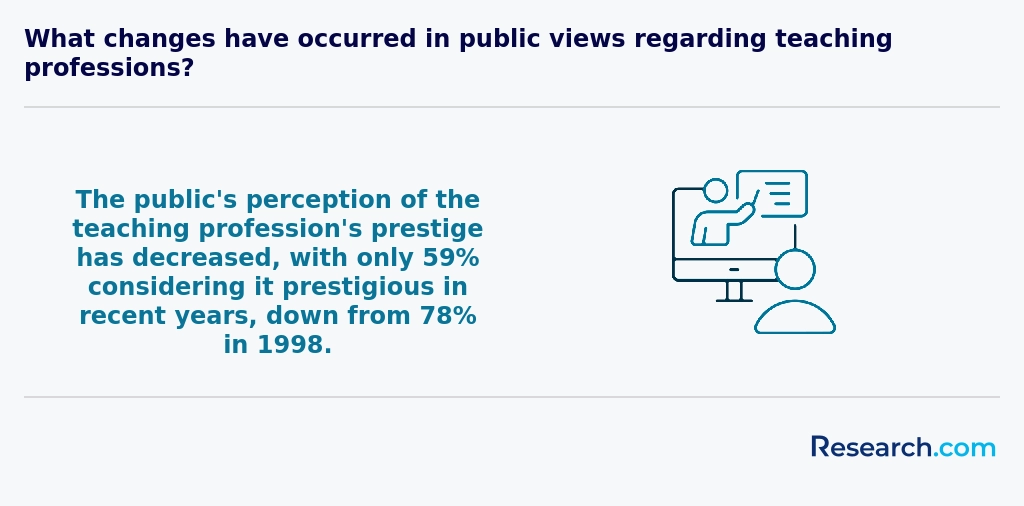
The education landscape is rapidly evolving as technology, innovative teaching practices, and interdisciplinary studies reshape traditional learning models. Forward-thinking institutions in West Virginia are increasingly integrating digital tools, personalized learning platforms, and research-driven methodologies to enhance educational quality and student engagement. This shift not only broadens the scope of teaching techniques but also creates new pathways for career advancement in the field. Students and educators are encouraged to stay informed about emerging trends such as virtual reality in the classroom, data-driven decision making, and collaborative online learning environments. These advancements are fostering a more adaptive and resilient workforce, ready to meet the challenges of an ever-changing educational climate. Additionally, with the rise of digital learning, interdisciplinary opportunities are becoming more prominent. For example, some students are exploring careers that bridge the gap between education and information management, such as pursuing an affordable online library science masters degree, which complements traditional education degrees with essential technology and research skills. This focus on innovation not only benefits individual career trajectories but also contributes to the overall improvement of educational standards across the state. By embracing emerging trends, future educators can develop a comprehensive skill set that prepares them to thrive in diverse settings and drive forward the future of education.
If you're pursuing an education degree in West Virginia, financial aid can be a real game-changer. Many graduates from West Virginia University and Fairmont State University share how the PROMISE Scholarship relieved their tuition burdens, covering mandatory fees and allowing them to focus fully on their teaching studies without financial strain. This merit-based aid rewards your hard work and keeps costs manageable.
Federal aid is another cornerstone. By filling out the FAFSA, you open doors to Pell Grants, which provide up to $7,395 annually with no repayment required, and the Federal Supplemental Educational Opportunity Grant that supports those with exceptional need. These grants helped past students at Shepherd University stay on track while juggling part-time jobs.
Additionally, loan forgiveness programs in various counties offer incentives if you teach in high-need districts after graduation-many grads speak of this as the perfect blend of giving back while easing debt.
Work-study options also allow you to earn while you learn on campus, a practical way to gain experience and offset costs. Navigating these resources early can empower your journey toward becoming an inspiring educator in West Virginia.
Ensuring your education degree is accredited and meets state certification standards is crucial for a successful teaching career. In West Virginia, accredited programs must be approved by the West Virginia Department of Education (WVDE) and recognized by national bodies such as the Council for the Accreditation of Educator Preparation (CAEP). Key requirements include:
- State Program Approval: Institutions must demonstrate alignment with WVDE standards for curriculum, faculty qualifications, and clinical experiences.
- National Accreditation: CAEP accreditation signals rigorous quality controls and ongoing program improvement.
- Licensure Exams: Candidates must pass the Praxis Core Academic Skills for Educators and Praxis Subject Assessments relevant to their specialization.
- Background Checks and Professional Conduct: A clean criminal background check and a demonstration of ethical conduct are mandatory for clinical placements and licensure.
- Continuing Education and Renewal: After initial licensure, educators complete 6 credit hours or 90 hours of professional development every five years to maintain certification. Program graduates benefit from comprehensive support, including exam preparation workshops and mentorship during student teaching. Additionally, prospective students interested in low-cost online options may compare programs in other regions, such as our Affordable Online Education Degree Programs Ranking in Gainesville, FL.
To enroll in an education degree program in West Virginia, you'll first need a high school diploma or GED-this is the foundation that unlocks your path toward becoming an inspiring teacher. Graduates from popular programs at institutions like West Virginia University often share how meeting this simple prerequisite built their confidence to face more challenging academic tasks ahead.
Most schools expect standardized test scores such as the SAT or ACT, though some programs have embraced test-optional policies, making the journey more accessible. Imagine preparing your application knowing your past efforts in English, math, social studies, and science classes strengthen your candidacy-this core knowledge is essential to connect with future students effectively.
Maintaining a GPA around 2.5 to 3.0 is typical, reflecting steady commitment and determination. Many education programs also require background checks and fingerprinting to ensure safety during student teaching, a step many graduates recall as a meaningful milestone in their professional growth.
Letters of recommendation and personal statements give you a chance to share your passion-something former students often highlight as the moment they truly felt their teaching dreams taking shape in West Virginia's welcoming academic community.
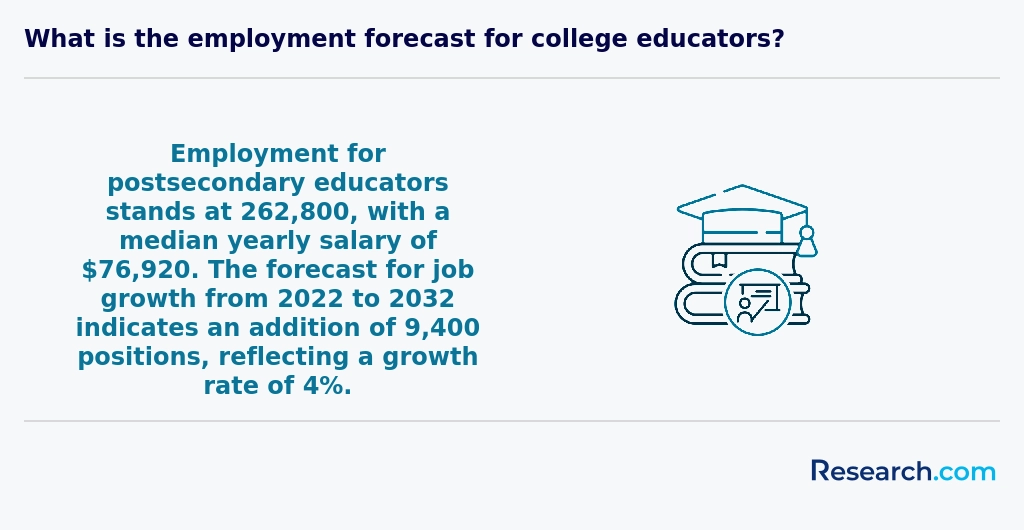
To teach in West Virginia public schools, you must complete a series of state-mandated steps ensuring you’re prepared and qualified.
- Graduate from a CAEP-accredited education program in West Virginia
- Pass the Praxis Core Academic Skills tests (reading, writing, math)
- Pass Praxis Subject Assessments for your chosen teaching area
- Complete a supervised student-teaching residency (minimum 12 weeks in a classroom)
- Submit a criminal background check and fingerprinting through the West Virginia State Police
- Apply for your Professional Teaching Certificate online via the West Virginia Department of Education
Alternate-route certification programs are available for career changers holding a bachelor’s in another field. For students seeking a shorter credential to begin educational roles sooner, consider the easiest associate's degree to get as a foundational step.
Education degree programs in West Virginia come packed with courses that truly prepare you for the classroom. Graduates from schools like West Virginia University often share how courses such as Child and Adolescent Development helped them understand the unique ways their future students learn and grow. These classes are not just theory-they open your eyes to real student challenges and triumphs.
You'll also dive into Curriculum Development and Instructional Methods, where you learn to craft lesson plans that engage students and meet state standards. Picture yourself designing activities in Morgantown that make math or reading come alive for kids-that's the kind of skill these courses build.
Hands-on experience is just as vital. Many students speak about the rewarding student teaching in nearby schools, where they apply classroom management and communication skills daily. Plus, special education courses equip you with tools to support diverse learners, making your future classroom inclusive and rich.
When exploring education degree specializations in West Virginia, you'll find focused paths designed to prepare you for rewarding careers in classrooms and beyond. Graduates from schools like West Virginia University and Marshall University often share how immersing themselves in Elementary Education sharpened their ability to nurture young learners, while others found fulfillment specializing in Secondary Education, where they focused on subjects like math or English for middle and high school students.
Special Education remains a deeply impactful choice, teaching future educators to support students with diverse learning needs, a field that graduates describe as both challenging and incredibly rewarding. The state also emphasizes Early Childhood Education, reflecting the critical need for skilled teachers who shape the foundation of a child's learning journey.
For those drawn to leadership, Instructional Leadership offers pathways toward administration and policy roles. Others exploring Career and Technical Education appreciate how their degree prepares them to fuel workforce development in West Virginia's unique economic landscape. If you seek varied teaching program options West Virginia is known for, consider these specializations as a way to align your passion with community needs.
Financially, studying here stands out as affordable, and with scholarships available, graduates often reflect on how the investment was well worth the lifelong impact. Those interested in related fields might also explore an affordable online library science masters degree to complement their skills.
To choose the best education degree in West Virginia, start by reflecting on your passion within education-whether it's teaching elementary students, working in special education, or stepping into school administration. Graduates from universities like West Virginia University often share how pinpointing their career goals early shaped their degree choices and opened doors in local schools. Opt for programs with strong accreditation such as those following CAEP standards to ensure your degree is respected across the state.
Consider affordability too; West Virginia offers several affordable education degree programs West Virginia students rave about, especially through public universities where annual costs remain below the national average. Many students find financial relief through scholarships like the PROMISE Scholarship, helping to turn their educational dreams into reality without overwhelming debt.
Practical experience is key. Look for degrees that include student teaching or internships; many West Virginia graduates recall how hands-on classroom time made them confident and job-ready. Flexibility also matters-part-time or online options accommodate working adults balancing life, making programs more accessible. Exploring resources like the West Virginia Higher Education Policy Commission can guide you toward programs with strong graduation and job placement rates. For those interested in flexible and affordable learning options, you might explore resources such as Affordable Online Education Degree Programs Ranking in Gainesville, FL as well.
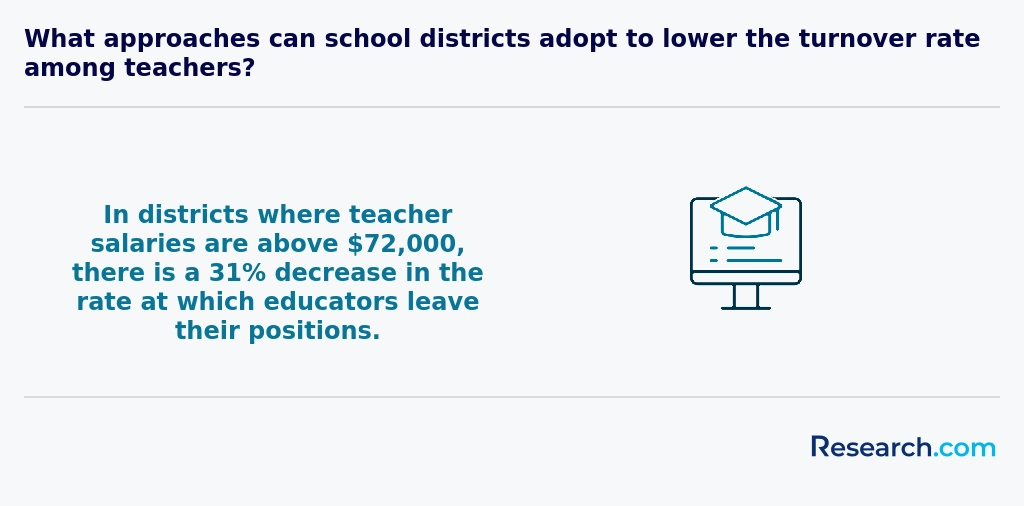
If you're pursuing an education degree in West Virginia, you'll find diverse career paths waiting for you across the state. Many graduates from well-known institutions, like West Virginia University, quickly step into roles as elementary or secondary school teachers, shaping young minds with passion and dedication. These positions require a teaching license from the West Virginia Department of Education and offer the rewarding chance to impact communities directly.
Other graduates find fulfillment as special education teachers, addressing vital needs for about 9% of students requiring specialized support. Meanwhile, some choose to become school counselors or educational coordinators, roles that provide essential guidance and develop programs to help students succeed. If you're drawn to innovation beyond the classroom, consider adult education instructor positions, which are often linked to community colleges or workforce initiatives.
Many education graduates also explore administrative roles, stepping into leadership as principals or district administrators after further study. Students looking for accelerated paths can explore options like the top 6 month associate online degree programs to start their journey quickly.
Choosing a career within education degree career opportunities in West Virginia opens up meaningful work that truly transforms lives across the state. Every day, graduates express a deep sense of purpose knowing their efforts help shape the future.
For those wondering about jobs with education degree in West Virginia, public schools, private institutions, and community programs consistently offer openings, supported by state demand and affordable university programs, making this a great time to enter the field.
The job market for education degree holders in West Virginia remains encouraging, particularly as retirements and growing student enrollment create steady demand in the years ahead. Graduates from well-known institutions like West Virginia University or Fairmont State University share how hands-on practicum experiences prepared them to confidently step into classrooms across rural and urban settings. This practical readiness is vital in strengthening your teaching career outlook in West Virginia through 2027, making your degree a valuable asset.
While salaries may be modest compared to national averages, averaging around $52,000, many find the benefits package and lower living costs in West Virginia balance financial expectations. Some graduates have enhanced their prospects by obtaining certifications in special education or STEM, opening doors beyond traditional teaching roles.
Cost-effective tuition at state schools means entering this field without overwhelming debt-an advantage echoed by alumni who pursued work-study and scholarship opportunities. If affordability is a priority for you, exploring easy online degree programs can also provide flexible pathways into education.
Altogether, education degree job opportunities in West Virginia offer solid ground for beginning your teaching journey with a promising blend of stability, community impact, and personal fulfillment.
2027 Most Affordable Education Degree Programs Ranking in West Virginia
Investing in your education is a significant decision that can profoundly impact your future, and the Research.com team is keenly aware of the importance of making well-informed choices. To support students seeking affordable education opportunities, we have carefully developed the "2027 Most Affordable Education Degree Programs Ranking in West Virginia." Our dedication to quality, credibility, and accuracy is demonstrated through rigorous research and thorough analysis underpinning this ranking.
We utilized the following reputable data sources to ensure a comprehensive evaluation of education degree programs:
By reviewing this ranking, readers will obtain valuable insights that empower them to choose the most cost-effective education degree programs in West Virginia. To learn more about how our rankings are created, please visit our Research.com methodology page.

# 2 position
Salem University
Master of Education


# 5 position
West Virginia University at Parkersburg
Bachelor of Science in Education


# 11 position
Glenville State University
Bachelor of Arts in Education

# 12 position
Glenville State University
Master of Arts in Teaching


Frequently Asked Questions About education
Education degree students in West Virginia can maximize their learning by actively engaging in field experiences, which are a key part of licensure programs. West Virginia's Teacher Preparation Program standards, supervised by the West Virginia Department of Education, emphasize hands-on classroom involvement to improve practical skills.
Students should also take advantage of partnerships between universities and local schools, allowing early exposure to diverse learning environments. According to the National Center for Education Statistics, West Virginia public schools employ over 24,000 teachers, offering wide opportunities for observation and practicum placements.
Additionally, pursuing professional development workshops and joining education-focused student organizations can enhance understanding of current teaching methods and policies.
Emerging niches within the education field in West Virginia reflect broader national trends emphasizing technology, inclusivity, and specialized support roles. One notable area is educational technology integration, where teachers learn to apply digital tools effectively in classrooms. The West Virginia Department of Education has increasingly supported these skills to enhance remote and hybrid learning models.
Special education remains a critical focus, with rising demand for professionals skilled in trauma-informed teaching and speech-language pathology. According to the National Center for Education Statistics, West Virginia schools report a higher percentage of students needing special education services compared to the national average.
Additionally, there is growth in early childhood education and behavioral intervention specialties, responding to statewide efforts to improve school readiness and mental health support.
After completing an education degree in West Virginia, preparing for the job market involves several strategic steps. Graduates should first obtain state licensure through the West Virginia Department of Education, which is essential for teaching positions. West Virginia's teacher salaries average around $49,000 annually, slightly below the national average, so exploring districts with additional benefits can be helpful.
Networking through local education conferences and joining professional organizations like the West Virginia Education Association increases job opportunities. Gaining practical experience via substitute teaching or tutoring can improve employability.
Additionally, job seekers should utilize West Virginia's workforce services and school district websites to find current openings. Keeping skills updated with endorsements or advanced certifications enhances competitiveness in this evolving field.
Employers in West Virginia highly value education degree graduates who demonstrate strong communication and classroom management skills. According to the West Virginia Department of Education, effective verbal and written communication is essential for fostering student engagement and collaboration with parents and colleagues.
Analytical and critical thinking skills are also important, as teachers must adapt lessons to diverse student needs and evaluate learning outcomes. West Virginia schools increasingly emphasize technology proficiency, reflecting growing classroom digitalization trends reported by the National Center for Education Statistics.
Finally, cultural competency and adaptability are crucial when working in West Virginia's rural and urban school settings, allowing teachers to address varied community backgrounds with sensitivity and flexibility.
Finding internships in West Virginia relevant to an education degree involves exploring several local resources. Many universities, such as West Virginia University and Marshall University, have dedicated career centers that connect students with internships in public schools and educational organizations. The West Virginia Department of Education also offers information on student teaching placements and other practical training opportunities.
Additionally, organizations like the West Virginia Teacher Residency Program provide structured internships and apprenticeships tailored to education majors. Networking through local school districts can be effective, as about 91% of graduates from WV education programs find employment in-state within a year, indicating strong local connections.
Utilizing platforms like Handshake and attending regional educational job fairs increases access to internship listings. Finally, contacting local nonprofits supporting youth education can uncover additional internship options focused on community learning and development.
Holding an education degree in West Virginia significantly enhances career mobility and advancement opportunities. According to the West Virginia Department of Education, individuals with a bachelor's or higher degree in education are more likely to qualify for advanced teaching roles, administrative positions, and specialized roles such as curriculum specialists or instructional coordinators.
Data from the Bureau of Labor Statistics indicates that West Virginia's median wage for education professionals with advanced degrees is approximately 15-20% higher than those with only a high school diploma. Additionally, obtaining certifications tied to education degrees can lead to promotions within public school systems across the state.
Continued professional development and higher education credentials are also highly valued in West Virginia's education sector. Many school districts offer salary increments based on degree levels, incentivizing degree attainment for career growth.
Studying for an education degree in West Virginia offers strong preparation for interdisciplinary roles by emphasizing collaboration across various subjects and community needs. Many programs integrate coursework from psychology, sociology, and technology, helping students develop a broad skill set. For instance, West Virginia University's College of Education trains future educators to design inclusive curricula that meet diverse learners' needs.
Statewide, education degrees combine theory with practical experience, often through partnerships with local schools and organizations. According to the West Virginia Higher Education Policy Commission, this approach enhances problem-solving and communication skills that are essential for interdisciplinary work.
Choosing between a thesis and a non-thesis education degree program in West Virginia depends on your career goals and learning preferences. Thesis programs typically emphasize research and require students to conduct original studies, which can be beneficial for those planning to pursue doctoral degrees or academic careers.
Non-thesis programs often focus more on practical skills and coursework, appealing to students aiming for direct employment in teaching or educational administration. According to the West Virginia Higher Education Policy Commission, several state universities offer both options, with tuition averaging around $7,000 per year for in-state graduate students.
Consider your interest in research, time commitment, and professional aspirations when deciding between these paths.
Students based in West Virginia who wish to study education abroad have several pathways to consider. Many universities within the state, such as West Virginia University and Marshall University, offer partnerships with foreign institutions, allowing students to participate in exchange programs or short-term study abroad opportunities focused on education.
According to the Institute of International Education's 2022 Open Doors Report, approximately 1,250 West Virginia students studied abroad, with education-related fields growing steadily in participation. These programs often provide credits applicable to education degree requirements.
Additionally, students can seek education-focused internships or research experiences abroad through scholarships like the Gilman Scholarship, which supports US undergraduates receiving Pell Grants. These options provide exposure to global educational systems while completing degree requirements in West Virginia.
In West Virginia, students pursuing education degrees often seek part-time jobs that align with their academic goals and professional growth. Common opportunities include teacher's aides, tutoring positions, and childcare roles, which offer valuable classroom experience. According to the West Virginia Department of Education, nearly 10% of education students work in these roles while studying.
Local schools and community centers frequently hire part-time assistants, enabling students to observe teaching methods and build communication skills. Additionally, literacy programs across the state provide tutoring jobs that help improve reading skills among younger children, further complementing education degree coursework.
Such jobs enhance practical learning and strengthen resumes for future teaching positions in West Virginia's school systems.
Education students in West Virginia benefit from several strong networking opportunities through both academic institutions and professional organizations. Universities such as West Virginia University and Marshall University offer education majors access to career fairs, guest lectures, and student organizations focused on teaching and educational leadership.
Additionally, the West Virginia Department of Education promotes partnerships with local schools, allowing students to connect with practicing educators during clinical placements and internships. This hands-on experience is crucial for building professional networks.
Statewide groups like the West Virginia Educational Service Cooperatives provide workshops and conferences where students can meet education professionals. According to the National Center for Education Statistics, West Virginia had approximately 38,000 teachers in 2023, highlighting a substantial community for emerging educators to engage with in the state.
Alumni networks offer significant advantages to education degree students in West Virginia by providing access to professional connections and mentorship opportunities. Graduates from state universities like West Virginia University often stay engaged, helping current students navigate job markets and gain practical insights.
These networks facilitate internships and employment referrals, crucial in a state where education jobs are competitive. According to the West Virginia Higher Education Policy Commission, nearly 70% of education graduates find employment within a year, partly due to support from alumni contacts.
Additionally, alumni often contribute to continuing education and scholarship programs, promoting student success. Their shared experiences within West Virginia's unique educational landscape enhance learning beyond the classroom.
Customizing your education degree program in West Virginia allows you to align your studies with your specific career goals. Many state universities offer flexible degree tracks where you can choose concentrations such as special education, educational leadership, or curriculum development. For example, West Virginia University provides options to add endorsements that enhance your teaching credentials.
Additionally, some programs include practicum and internship opportunities in local schools, helping you gain hands-on experience relevant to your career interests. According to the West Virginia Higher Education Policy Commission, tailoring your program can improve your job readiness in the state's education sector.
Elective courses and graduate certificates also provide ways to specialize further in topics like technology integration or administration. This approach helps you build a unique skill set suited to current education trends and regional needs.
Education students in West Virginia often face several challenges during their degree programs. One major issue is the shortage of experienced faculty, which can affect the quality of hands-on teaching practice and mentorship. According to the West Virginia Department of Education, rural schools-which many students must train in-frequently lack resources and diverse student populations, limiting real-world experience.
Additionally, financial strain remains a significant obstacle. The average tuition for in-state public universities is lower than the national average, but many students still encounter difficulties affording books, fees, and living expenses. The West Virginia Higher Education Policy Commission reports that roughly 25% of education majors receive Pell Grants, indicating economic need.
Finally, adapting to evolving state certification requirements and standardized testing standards can complicate the path to licensure. Students must stay current with both academic coursework and state policies, which requires strong time management and support systems.
With an education degree in West Virginia, you can pursue several professional certifications that enhance your career prospects. The most common certification is state licensure for teaching grades K-12, which requires passing the West Virginia General Knowledge and Praxis exams. According to the West Virginia Department of Education, specialized endorsements are also available in subjects like special education, ESL, and administration.
Additionally, educators may seek National Board Certification to demonstrate advanced teaching skills, a credential recognized nationwide. Other notable certifications include those for school counselors and speech-language pathologists, requiring specific graduate coursework and exams.
Overall, these certifications expand opportunities beyond classroom teaching into leadership and specialized roles within West Virginia's education system.
When applying for an education degree program in West Virginia, a clear and focused application is essential. Start by thoroughly researching the requirements of your chosen institution, such as West Virginia University or Marshall University, both recognized for their teacher education programs. Highlight your academic achievements, relevant experience, and commitment to teaching in your personal statement. Be specific about your career goals and how the program aligns with them.
Include strong letters of recommendation, preferably from educators or employers familiar with your skills. Remember to maintain a clean, error-free application and meet all deadlines. According to West Virginia Higher Education Policy Commission, meeting GPA criteria-often around 2.5 to 3.0-is important for admission eligibility.
Globally, a career in education is viewed as both vital and evolving. In the United States, including West Virginia, education professionals are essential in shaping future generations and supporting community development. According to the National Center for Education Statistics, about 3.7 million public school teachers work nationwide, with West Virginia employing approximately 14,000 teachers. Education degrees offer opportunities to work at many levels, from early childhood to higher education.
Internationally, educators are often respected for their role in cultural exchange and innovation. U.S. programs emphasize not only teaching skills but also understanding diverse learning needs and global educational trends. For West Virginia students, pursuing an education degree can open doors to careers that impact both local schools and broader educational initiatives.
Gaining practical experience during an education degree in West Virginia typically involves student teaching, internships, and field observations. West Virginia requires teacher candidates to complete a student teaching placement, which generally lasts one semester and provides hands-on experience in classrooms. This experience lets students directly engage with lesson planning, classroom management, and student assessment under a licensed mentor's supervision.
Additionally, many universities collaborate with local schools for internships and practicum opportunities. According to the West Virginia Department of Education, these partnerships enhance practical learning while meeting certification standards.
Students can also benefit from programs like WESTEST, which emphasize real-world teaching skills alongside academic coursework.
Choosing the right concentration within an education degree program in West Virginia starts with understanding your career goals and interests. Concentrations often include early childhood, special education, secondary education, and educational leadership. According to the West Virginia Higher Education Policy Commission, special education remains a high-demand field due to growing statewide needs.
Consider the student population and schools where you wish to work. For example, focus on early childhood education if you are passionate about working with younger children in West Virginia's public schools, where nearly 20% of students are in elementary grades. Reviewing program outcomes, licensure requirements, and job placement statistics from state universities can also guide your choice.
- 2027 Most Affordable Online Education Degree Programs Ranking in Virginia
- 2027 Most Affordable Online Education Degree Programs Ranking in Ohio
- 2027 Most Affordable Online Education Degree Programs Ranking in Kentucky
- 2027 Most Affordable Online Education Degree Programs Ranking in Pennsylvania
- 2027 Most Affordable Online Education Degree Programs Ranking in North Carolina
- 2027 Most Affordable Online Education Degree Programs Ranking in Indiana
- 2027 Most Affordable Online Education Degree Programs Ranking in South Carolina
- 2027 Most Affordable Online Education Degree Programs Ranking in Georgia
- 2027 Most Affordable Online Education Degree Programs Ranking in New Jersey
- 2027 Most Affordable Online Education Degree Programs Ranking in Michigan
See What Experts Have To Say About Studying Education
Read our interview with Education experts

Nooshan Ashtari
Education Expert
Professor & Book Author
University of Southern California


- The Future of Education: Emerging Trends Reshaping Learning Environments http://www.gesseducation.com/gess-talks/articles/future-education-emerging-trends-reshaping-learning-environments
- Online Learning vs Traditional Learning Comparison https://advantagesschool.com/online-learning-vs-traditional-learning/
- How to Choose a Concentration for Your Master of Education 3 Questions to Consider https://www.aiuniv.edu/degrees/education/articles/how-to-choose-an-education-specialization
- Future Ready | West Virginia Department of Education https://wvde.us/future-ready
- Skills Employers Look for in Business Graduates – EU Business School https://www.euruni.edu/blog/skills-employers-look-for-in-business-graduates/
- Financial Aid - Get Money for College - CFWV.com https://www.cfwv.com/financial-aid/
- Education degree - Tłumaczenie po angielsku - Słownik angielsko-polski Diki https://www.diki.pl/slownik-angielskiego
- How to Become a Teacher in West Virginia | Requirements & Qualification https://moreland.edu/teacher-certification-program-online/west-virginia/teacher-certification-requirements
- Education Technology Trends to Watch in 2065: 10 Innovations Shaping the Future of Learning https://www.digitallearninginstitute.com/blog/education-technology-trends-to-watch-in-2026
- Teacher Salary with a Master’s Degree https://www.educationdegree.com/articles/teacher-salary-with-masters-degree/



