
2027 Most Popular Education Degree Programs Ranking in Iowa

Co-Founder and Chief Data Scientist
Choosing the right education degree program can shape your future and open doors to rewarding careers in Iowa. This article presents the 2027 Most Popular Education Degree Programs Ranking in Iowa, created by the Research.com team of data scientists to guide you in making an informed decision.
By exploring this ranking, you'll gain clear insights into which programs stand out locally, helping you focus your efforts on paths that truly matter. Pursuing an education degree offers meaningful opportunities to inspire and impact your community positively.
Discover the programs worth considering and take confident steps toward your future in education.
Key benefits of getting education degree in Iowa
- Graduates with an education degree in Iowa can expect strong salaries, such as Elementary School Teachers earning around $70,740 annually and Special Education Teachers making about $76,000 per year.
- Career options are diverse, including roles like Early Childhood Educators or Instructional Designers, giving graduates flexibility and the chance to find a path that fits their passion and skills.
- Choosing an online education degree from Iowa institutions offers convenience and allows students to balance work and study, making it easier to start or advance their careers without relocating.
- 2027 Most Popular Education Degree Programs Ranking in Iowa
- What can I expect from education degree in Iowa?
- Where can I work with education degree in Iowa?
What can I expect from education degree in Iowa?
The average cost of an education degree in Iowa vibrates around the sweet spot of affordability, especially when compared to national figures. Graduates from Iowa State University and the University of Northern Iowa often recount the relief of manageable in-state tuition, which typically ranges from $8,000 to $12,000 annually. This financial space allows them to breathe easier as they juggle rigorous class schedules and immersive student teaching placements.
Many remember the thrill of discovering state scholarships targeted specifically for future educators, easing the burden and transforming what could feel like a mountain of debt into a climb with clear, reachable steps. Hands-on experiences in real classrooms at the University of Iowa enrich the knowledge earned in lecture halls without the lingering anxiety of massive tuition bills weighing them down.
For these future teachers, the mix of moderate costs and applied learning feels like a carefully crafted recipe-one that blends passion, practicality, and Iowa's supportive educational ecosystem into a journey both inspiring and attainable.
Where can I work with education degree in Iowa?
Picture walking into a bustling K-12 classroom in Des Moines, where a freshly minted education graduate from the University of Iowa sparks curiosity in students through hands-on STEM activities. Here in Iowa, a degree in education is your ticket to becoming a licensed teacher, ready to inspire in public or private schools across the state. Graduates from Iowa State University recall their excitement stepping into roles as special education teachers or bilingual instructors, meeting the demand for diverse learning environments.
Beyond the chalkboard, education grads have found their rhythm leading schools as principals or curriculum coordinators, often building on their foundation with advanced credentials. Imagine guiding an entire school's learning vision, a path many from the University of Northern Iowa proudly pursue.
Then there's the joy of early childhood education-graduates embracing the energy of preschool classrooms or daycare centers, nurturing the littlest learners with care and creativity under programs like Iowa's Statewide Voluntary Preschool Program.
For those craving the academic vibe, community college advisory roles or instructional coordination offer energetic, impactful careers, frequently filled by education specialists passionate about adult education. Creative minds also flourish crafting curriculum or shaping educational technology at nonprofits or state agencies, turning their education degrees into engines for innovation.
Graduates walking out of education programs at Iowa State University or the University of Iowa often find themselves stepping into roles with salaries that surprise and satisfy. Picture a newly minted elementary school teacher earning a mean annual wage of about $70,740, enough to start building that dream life right in the heart of Iowa. That first-year exhilaration mixes with financial breathing room-a welcome contrast to some tight student budget months.
Special education teachers enjoy an even steadier ride, bringing home around $76,000 per year. Imagine the pride of making a real difference while earning a salary that reflects the skill and heart invested. ESL teachers clock in about $65,430, blending cultural exchange with respectable paychecks, often welcomed in Iowa's increasingly diverse classrooms.
For those envisioning a leap toward innovative roles, graduates who venture into instructional design see average salaries near $77,200. Here, Iowa grads craft the future of education from behind the scenes, designing engaging courses and training.
Even early childhood educators, fresh from any Iowa college hallways, earn roughly $41,410, a solid start for nurturing the youngest minds.
- Education degree programs in Iowa are available at public universities, community colleges, and private institutions, with bachelor's degree costs ranging from $20,000 to $35,000 for in-state students.
- Starting salaries for entry-level teachers in Iowa average about $40,000 annually, increasing to $55,000-$60,000 with experience and additional qualifications.
- There is a stable demand for teachers in Iowa, with shortages in special education, math, and science creating more job opportunities, especially in rural areas.
- All education degree programs must be state-approved to meet Iowa Board of Educational Examiners certification requirements for teacher licensure.
- Practical classroom experience through mandatory student teaching is included in most programs to help build teaching skills and improve job prospects.
Imagine stepping onto the campus of the University of Iowa, eager to shape young minds. For most, that journey to a bachelor's degree in education spans about four full years of immersive study, blending lively lectures, hands-on training, and eye-opening student teaching. Many graduates from Iowa State University reflect on this period as both challenging and deeply rewarding, feeling equipped to enter classrooms with confidence.
If you yearn for more-perhaps to become an educational leader or counselor-you might dive into a master's program. Many in Iowa find that with dedication, a Master of Education can be wrapped up in as little as one intense year or stretched over three calming years part-time, fitting your life rhythm.
For the bold few setting sights on a doctorate, preparing to pioneer research or lead educational transformation, the journey can weave through three to six years. Part-time options allow you to balance work and study, making that dream attainable without losing your footing.
- Bachelor's degree in education: Approximately 4 years full-time
- Master's degree in education: 1 to 2 years full-time, longer if part-time
- Doctoral degree in education: 3 to 6 years full-time or part-time
Before enrolling in any Education degree program in Iowa, verifying accreditation and understanding state licensure requirements are essential for ensuring your credentials are recognized and respected. Most reputable programs in Iowa hold accreditation from the Council for the Accreditation of Educator Preparation (CAEP) or its predecessor bodies (NCATE and TEAC). These accreditations signal that a program meets rigorous standards for curriculum quality, faculty expertise, and student outcomes. Iowa’s Board of Educational Examiners (BOEE) oversees teacher licensure. To qualify for initial licensure, candidates must: 1. Graduate from a BOEE-approved teacher preparation program. 2. Pass the Praxis Core Academic Skills for Educators tests (reading, writing, mathematics). 3. Complete a background check, including fingerprinting. 4. Fulfill required field experiences (typically 12–16 weeks of student teaching). Upon earning a valid Iowa teaching license, educators can pursue endorsements in specialized areas such as Special Education or English as a Second Language (ESL). Maintaining licensure requires ongoing professional development-20 renewal credits every five years-ensuring teachers stay current with pedagogical innovations and state standards. For those exploring online pathways, quality and affordability can vary widely. To identify top online options, review our Affordable Online Education Degree Programs Ranking in Georgia, which highlights programs that balance cost with CAEP accreditation. This proactive step not only safeguards your investment but also equips you with the credentials needed to thrive in Iowa’s dynamic educational landscape.
Picture a morning at the University of Iowa: on-campus education students shuffle between buildings, fueled by coffee and spontaneous hallway chats with professors. They dive into hands-on practicum in nearby schools, feeling the pulse of real classrooms-a sensory burst impossible to replicate online. These graduates often recount how face-to-face moments spark unexpected friendships and mentorships that anchor their teaching journeys.
Meanwhile, across Iowa's sprawling rural landscape, online learners juggling jobs and families log in from kitchen tables or cozy corners. Iowa State University's online program crafts a digital tapestry where virtual discussions and multimedia lectures shape flexible, personalized paths. Graduates reflect on the freedom to pause coursework for family moments, a rhythm that transforms education into a truly lived experience.
Both paths demand clinical hours in local schools, weaving students into Iowa's educational fabric. While on-campus students embrace campus vibrancy and local face time, online learners cherish adaptability without losing rigor or connection. Tuition balances out, but online students shrug off commuting costs, carving their own route through Iowa's rich teacher preparation tradition.
Becoming a certified teacher in Iowa involves a multi-step process overseen by the Iowa Board of Educational Examiners (BOEE). First, candidates must complete an education degree program accredited by a recognized agency and approved by the BOEE. Most programs include mandatory student teaching experiences, ensuring hands-on practice in K–12 classrooms. After graduation, aspiring educators must pass the Praxis® Core Academic Skills for Educators tests (reading, writing, mathematics) and the appropriate Praxis® Subject Assessments for their chosen endorsement area. Applicants submit an online licensure application through the BOEE Portal, providing official transcripts, test score reports, and a background check. Iowa offers two main licenses: the Initial License (valid for three years) and the Professional Service License, which requires completion of an approved induction program and at least three years of teaching under supervision. Educators renew their professional license every five years by completing 12 continuing education credits or an advanced degree-options that allow teachers to stay current with best practices and emerging classroom technologies. Alternative route pathways, such as the AEA’s Teach Iowa program, enable individuals with bachelor’s degrees in other fields to earn licensure through accelerated coursework and mentored teaching. These programs often include online components, making it easier for career changers to balance work and study. For those exploring flexible online options beyond Iowa, see the Affordable Online Education Degree Programs Ranking in Georgia for additional program ideas and cost comparisons. Understanding Iowa’s certification and licensure requirements is essential for any prospective educator. By fulfilling these steps-accredited coursework, Praxis exams, student teaching, and ongoing professional development-candidates ensure they meet state standards and are fully prepared to make a positive impact in Iowa’s classrooms.
The average cost of a education degree in Iowa paints a hopeful picture for many aspiring teachers. Graduates from popular education programs at universities like the University of Iowa or Iowa State University often reflect on balancing a median in-state total cost of about $36,710. This figure captures tuition, fees, and essential expenses, making it feel attainable while still preparing students well. Imagine stepping into a vibrant classroom after years of studying at a state institution known for its supportive community and strong education resources.
One graduate recalls budgeting carefully around this cost, knowing that clinical hours and student teaching placements added layers to their expenses-but also richness to their learning. These experiences shape new teachers ready to inspire future generations. When comparing to out-of-state costs, which near $49,880, Iowa residents clearly benefit from the reasonable pricing tied to local education degree tuition fees Iowa 2027.
Private colleges like Drake University or Loras College come with a higher price tag but also offer generous scholarships that many students successfully tap into. This mix of investment and aid fuels a deeply rewarding journey. With programs often combining rigorous academics and practical teaching experiences, the overall financial picture is nuanced but manageable, especially with support like the Iowa Tuition Grant.
For those seeking an affordable education school in Iowa, the landscape offers diverse choices and real opportunities to navigate costs creatively while chasing a passion for teaching.

When exploring education degree programs in Iowa, one crucial aspect to consider is affordability. The cost of tuition, fees, and living expenses can significantly impact a student's decision. Fortunately, Iowa offers a range of options for affordable education, including community colleges and universities with competitive pricing. For those seeking an affordable education school in Iowa, it's essential to research and compare the costs of different institutions. By doing so, students can find a program that fits their budget and still provides a high-quality education, setting them up for success in their future careers.
Imagine walking through the vibrant halls of the University of Iowa, a future educator fueled not just by passion but by the relief of financial aid easing the way. Many graduates describe the magic of the FAFSA unlocking Pell Grants-up to $7,595 a year-that feel like a gift wrapping their dreams in reality. Meanwhile, part-time work through federal work-study programs becomes more than a paycheck; it's a stepping stone, seamlessly blending classroom theory with real-world practice.
Over at Iowa State University, education majors often lean on the Iowa Tuition Grant if attending private colleges nearby, a quiet hero making tuition less daunting. Graduates speak warmly of the Iowa Teacher Student Loan Forgiveness program, where committing to high-need schools transforms tens of thousands in debt into newfound freedom-a lifeline specific to the heart of Iowa's educational landscape.
Scholarships from alumni and foundations, alongside competitive grants from groups like the National Education Association Foundation, spark moments of joy and motivation, weaving a hopeful financial tapestry that surrounds aspiring Iowa educators.
Dreaming of stepping into classrooms across Iowa? First, you'll need the sturdy foundation of a high school diploma or equivalent to unlock those doors. Imagine a graduate from the University of Iowa, who recalls feeling the thrill upon submitting official transcripts showing a solid GPA around 3.0-a numerical handshake assuring the admissions team readiness for the challenge. Many education hopefuls remember the gentle tension before sending in their ACT scores or passing the Praxis Core tests, milestones proving they've got the skills to inspire future minds.
Picture prepping for fingerprinting and background checks like a rite of passage, a symbol of trustworthiness embraced by Drake University education candidates, reminding them that safety and heart go hand in hand. A graduate reflects on how completing prerequisite courses in English and math felt like assembling their toolkit before heading into the vibrant world of teaching.
Interviews and recommendation letters often become a stage to show communication skills-where nervousness turns into pride-connecting aspiring educators to the Iowa spirit of care and commitment.
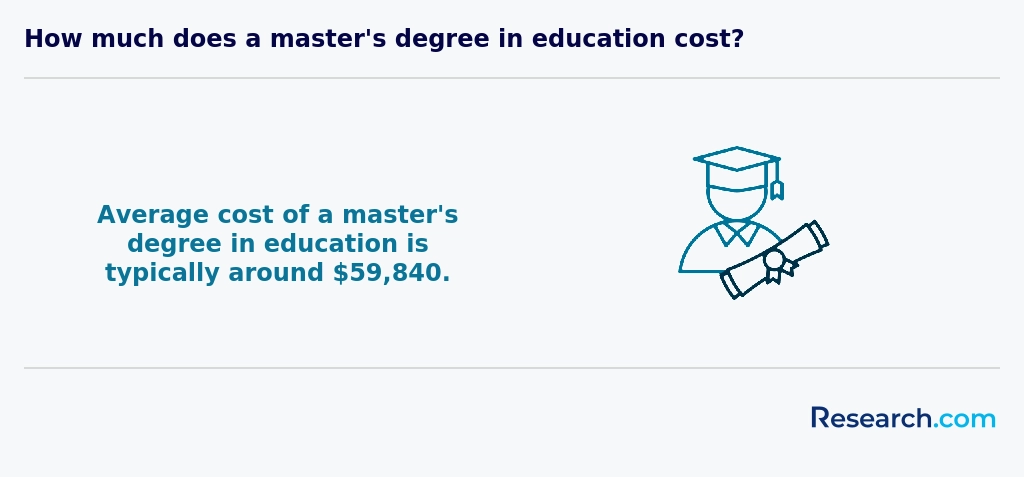
Understanding the long-term value of an education degree in Iowa involves more than listing tuition and salary figures-it requires a clear view of payback periods, lifetime earnings, and potential debt payoff strategies. On average, Iowa residents invest between $28,000 and $45,000 per year for a bachelor’s in education. With entry-level ESL teachers earning approximately $63,130 annually, the typical four-year degree pays for itself in under seven years, assuming steady career progression and state teaching stipends. Early childhood educators, earning around $38,640, recoup their investment within eight to nine years, while instructional designers, with salaries near $73,080, can expect an even faster break-even point of five years. Beyond base salaries, graduates benefit from incremental raises tied to advanced certifications and master's degrees, which often yield 10%–20% salary increases. Factoring in pension plans, health benefits, and loan forgiveness programs-especially for those serving in rural or high-need districts-the lifetime ROI can exceed $1.2 million over a 30-year career. Strategic use of scholarships and assistantships further shortens payback time; for example, students leveraging programs listed in our Affordable Online Education Degree Programs Ranking in Georgia often secure additional funding that can be applied to Iowa-based institutions. When evaluating ROI, consider application timing to maximize federal and state grants, and explore blended or online pathways that reduce living costs without compromising experience. By aligning specialty endorsements-such as special education or ESL-with high-demand areas, prospective teachers can boost starting salaries and accelerate return on investment, ensuring their educational journey yields both personal fulfillment and financial security.
Imagine stepping into a bustling classroom at the University of Iowa, where the heartbeat of education courses comes alive. Graduates recall diving deep into Foundations of Education, exploring the long journey of American schooling as if unfolding a storybook, setting the tone for understanding today's classrooms. In the vibrant halls of Iowa State University, students often find themselves unraveling the mysteries of Educational Psychology, learning why a shy sixth grader suddenly blooms when the right teaching style clicks.
At Drake University, future educators craft dynamic lesson plans through Curriculum Development and Instructional Design, honing creativity to connect with diverse minds. Many remember the thrill of mastering Classroom Management-turning chaos into calm, making a noisy room buzz with focused energy. Other courses like Assessment and Evaluation equip you to celebrate small victories in student progress, while Special Education courses inspire graduates to champion every learner's unique journey.
The tech-savvy crowd at the University of Northern Iowa embraces Instructional Technology, integrating digital tools to spark curiosity and ignite learning. These courses, blending theory with hands-on practice across Iowa's notable institutions, shape educators who feel ready, confident, and eager to make a difference.
In Iowa, education degrees bloom with diverse specializations that energize teaching dreams from the very first day on campus. Picture a recent graduate from a popular Iowa college, thriving in Elementary Education, where every lesson shapes young minds in reading and math-like planting seeds in a fertile field. Another friend pursued Secondary Education, diving deep into science and social studies, mastering content to inspire middle and high schoolers to ask "why?" and "how?"
Special education calls out to those with a heart for difference, preparing graduates to become champions for students with unique learning needs-this path is especially vital in Iowa's growing schools. Early Childhood Education sparks joy in those who wish to nurture the littlest learners, while Education Administration and Leadership groom future principals navigating the complex currents of school life.
Embracing cultural shifts, ESL and Bilingual Education empower teachers to connect deeply with Iowa's dynamic classrooms. These popular education majors in Iowa colleges give students real impact. Many find financial reprieve through scholarships, a practical consideration alongside the exciting career routes. If you're looking to blend passion and practicality, exploring the cheapest online master's in library science could complement your journey.
Choosing the best education degree in Iowa is like tailoring a custom suit-it must fit your ambitions, style, and future classroom perfectly. Imagine a recent graduate from Iowa State University, who embraced the wide spectrum of education programs available, from special education to leadership tracks. Their secret? Aligning passions with practical licensure pathways that ensure smooth entry into K-12 teaching roles. The feeling of stepping confidently into a local Iowa school district, backed by a CAEP-accredited program, is unmatched.
Cost whispers loudly in the ears of many. While public universities hover around $9,400 annually for in-state students, private colleges leap above $25,000. Luckily, Iowa offers robust aid and scholarships, easing the road for hopeful educators. Graduates often recall juggling finances with hopeful anticipation, knowing that programs with solid reputations and state exam success rates set them apart.
Flexibility shapes the journey too. Online options from universities like the University of Iowa invite those balancing jobs or family, offering a chance to dive into education without uprooting life. For those hunting affordability and convenience, consider exploring the Affordable Online Education Degree Programs Ranking in Georgia for inspiration beyond borders. Choose wisely and your degree becomes more than paper-it's a launchpad for change.
Ultimately, the best education degrees in Iowa are those that fit your unique story and fuel your lifelong love of learning.
Graduates from Iowa's renowned colleges often step into vibrant roles beyond the classroom, painting their careers with bold strokes of possibility. Imagine a new licensed teacher in Cedar Rapids energizing a middle school science class with hands-on experiments, while another graduate from a flagship state university takes the reins as a dynamic curriculum director in Des Moines, shaking up traditional lesson plans to fuel student curiosity. These journeys exemplify the flourishing education degree career opportunities in Iowa, where campuses provide a launchpad to roles from school counselors guiding students through personal and academic challenges to instructional coaches mentoring weary teachers toward renewed passion.
Many graduates cherish the chance to enrich communities as adult education instructors, offering evening courses that transform lives. Along the path, some pursue advanced certifications through accelerated online degree programs for working adults, blending practical experience with academic growth. The soul of Iowa's teaching and education jobs in Iowa lies in this tapestry of energetic educators crafting futures with empathy and innovation.
Imagine stepping out of a bustling classroom at the University of Iowa or Drake University, diploma in hand, ready to dive into Iowa's steady sea of teaching opportunities. The education degree job outlook in Iowa reveals a landscape where the demand for passionate K-12 teachers, special education instructors, and school counselors flows reliably across urban corners and rural stretches. Graduates find purpose in classrooms where growing communities nurture future generations, a career path reflecting not just employment but impact.
Many recent graduates describe the state's certification process as a welcoming gateway, especially with alternative licensure options easing entry for those drawn to underserved rural districts. This balance of accessibility and responsibility resonates with those forging teaching careers Iowa 2027 promises-a future marked by sustained, if modest, growth.
Costs remain reasonable; studying in institutions like Iowa State University allows in-state students to pursue degrees costing $9,000 to $11,000 annually, often supplemented by scholarships. For those seeking a flexible start or career pivot, exploring college courses for older adults online opens even broader doors, blending lifelong learning with evolving classroom dynamics.
2027 Most Popular Education Degree Programs Ranking in Iowa
Investing in your education is a significant decision that can profoundly impact your future, and the Research.com team recognizes the importance of providing reliable guidance for prospective students in Iowa. To support informed decision-making, we have carefully developed the "2027 Most Popular Education Degree Programs Ranking in Iowa." Our dedication to quality, credibility, and accuracy is demonstrated through thorough research and analysis behind this ranking.
We utilized the following reputable data sources to ensure a comprehensive evaluation of education degree programs:
By consulting this ranking, readers will obtain valuable insights into popular education degree programs in Iowa, empowering them to make well-informed educational choices. For more information on the creation of this ranking, please visit our Research.com methodology page.


Frequently Asked Questions About education
Education degree students in Iowa can maximize their learning experience by engaging actively in both coursework and practical settings. Many Iowa universities require extensive student teaching, which provides hands-on classroom experience under supervision. Research from the Iowa Department of Education highlights that over 90% of education students complete field placements, improving their preparation for real-world challenges.
Students should also take advantage of mentorship programs and professional development workshops often offered by institutions such as the University of Iowa and Iowa State University. These opportunities help build critical skills and networking connections within Iowa's educational community. Additionally, staying informed about state-specific teaching standards and continuing education requirements supports long-term career success.
Emerging niches within the education field in Iowa reflect broader national trends emphasizing innovation and inclusivity. One key area is educational technology, where Iowa schools increasingly seek professionals skilled in digital tools to enhance remote and hybrid learning environments, especially following shifts during the COVID-19 pandemic.
Another growing focus is special education, with demand rising due to expanded awareness and services for students with diverse learning needs. According to the Iowa Department of Education, enrollment in special education programs showed a consistent increase over recent years.
Additionally, bilingual education is gaining attention as Iowa's student population becomes more diverse, prompting schools to hire educators fluent in multiple languages. Finally, adult and continuing education programs are expanding to support workforce development amid Iowa's evolving economy.
Preparing for the job market after completing an education degree in Iowa involves several key steps. First, gaining practical experience through student teaching or internships is essential, as Iowa requires a teaching license that includes supervised classroom hours. The Iowa Department of Education reports that hands-on experience greatly improves employment prospects.
Networking is also important; joining professional organizations like the Iowa State Education Association can offer job leads and professional development. Additionally, candidates should focus on obtaining endorsements in high-demand subjects such as special education or STEM to increase job opportunities.
Finally, staying informed about Iowa's teacher shortages can guide applicants to districts with the greatest need, enhancing their chances of employment.
Employers in Iowa seek education degree graduates with strong communication skills. Being able to clearly convey ideas to students, parents, and colleagues is essential for success in classrooms and school communities.
Classroom management skills are also highly valued. According to the Iowa Department of Education, effective discipline and creating a positive learning environment directly impact student achievement.
Analytical skills and the ability to use data to assess student progress are increasingly important as schools emphasize personalized learning approaches. Familiarity with educational technology tools is a plus, given Iowa's integration of digital resources in teaching.
Finally, collaboration and adaptability stand out as crucial. Teachers often work in teams and must adjust to diverse student needs and evolving educational standards.
Finding internships in Iowa for education degree students involves leveraging several local resources and networks. Many universities with education programs, such as the University of Iowa and Iowa State University, have partnerships with nearby school districts that offer internship placements. These internships often include classroom experience and student teaching, which are crucial components of teacher certification.
The Iowa Department of Education provides guidelines and support for student teaching internships, ensuring placements meet state standards. Additionally, websites like IowaWORKS list local internship opportunities relevant to education careers. Networking through professors and attending local education job fairs can also increase chances of securing a quality internship.
In Iowa, earning an education degree significantly improves career mobility and advancement opportunities. Teachers with bachelor's degrees are eligible for higher salaries and leadership roles within schools, such as department heads or curriculum coordinators. According to the Iowa Department of Education, educators with advanced degrees often experience faster promotions and access to specialized positions, including administration.
Higher qualifications can also increase job security in Iowa's public school system, which values continuing education. Many districts offer salary incentives for master's degrees or additional certifications. The Bureau of Labor Statistics reports that Iowa's demand for qualified educators remains steady, making degree holders more competitive in the job market.
Studying for an education degree in Iowa provides strong preparation for interdisciplinary roles by blending core teaching skills with a broad understanding of related fields. Many Iowa programs emphasize collaboration across disciplines such as psychology, sociology, and technology, equipping students to address diverse classroom needs. According to the Iowa Department of Education, over 60% of teacher preparation programs integrate coursework in areas like child development and digital literacy.
This approach helps future educators adapt to evolving educational settings, including special education and community outreach. Graduates often gain practical experience through partnerships with schools and local organizations, fostering skills in communication and problem-solving.
Such interdisciplinary training aligns with the state's focus on holistic student support, preparing educators who can work effectively across multiple domains to enhance learning outcomes.
Choosing between a thesis and a non-thesis education degree program in Iowa depends largely on your career goals and interests. Thesis programs typically require original research and a detailed written project, which can be beneficial for students considering doctoral studies or research-based roles.
Non-thesis programs often focus more on coursework and practical experience, making them suitable for professionals aiming to advance directly into teaching or administrative positions. According to the Iowa Department of Education, around 60% of graduate education students opt for coursework-heavy tracks, reflecting local demand for hands-on skills over research.
Consider also the time commitment; thesis programs may take longer to complete due to research demands. Ultimately, choosing a program requires assessing how each option fits your long-term professional plans.
Students based in Iowa who seek to study education abroad have several pathways to consider. Many Iowa universities with College of Education programs offer study abroad options, allowing students to earn credits while experiencing international teaching methods. For example, the University of Iowa and Iowa State University provide partnerships with institutions worldwide.
Beyond direct programs, Iowa students may participate in exchange programs through organizations like CIEE or ISEP. These programs typically include education-focused placements and cultural immersion, which enrich teaching skills and global awareness.
Financial aid and scholarships for education study abroad are often available through Iowa's state funding initiatives and university-specific awards, making international study more accessible for residents.
Students pursuing education degrees in Iowa can benefit from various part-time job opportunities that complement their academic goals. Tutoring K-12 students is a popular choice, allowing hands-on experience with lesson planning and student engagement. According to the Iowa Department of Education, demand for qualified tutors has grown by 12% over recent years, making this a practical option.
Additionally, many schools and community centers offer assistant roles or substitute teaching positions, providing exposure to classroom management and instructional techniques. Some universities in Iowa also hire education majors as peer mentors or lab assistants in education departments, supporting both study and professional development.
These roles help build valuable skills while balancing coursework and can improve future job prospects in the competitive Iowa education sector.
Education students in Iowa benefit from numerous networking opportunities that support their academic and professional growth. Universities such as the University of Iowa and Iowa State University offer education clubs and honor societies, which connect students with peers and experienced educators. These organizations often host workshops, guest lectures, and career fairs, providing valuable contacts in the field.
The Iowa Department of Education frequently collaborates with higher education institutions to facilitate internships and student teaching placements across the state. These practical experiences enable students to build local professional relationships in school districts. Additionally, statewide conferences like the Iowa Association of Colleges for Teacher Education foster connections between students, faculty, and education leaders. According to the Iowa Workforce Development, such networking can increase job placement rates by up to 15% for recent graduates.
Alumni networks play a crucial role for education degree students in Iowa by offering valuable support and professional connections. Graduates from Iowa's colleges, such as the University of Iowa and Iowa State University, often join active alumni groups that provide mentorship opportunities and career guidance. According to the Iowa Board of Education, over 85% of education graduates find employment within one year, partly due to connections made through alumni networks.
These networks also share job openings and invite members to exclusive workshops or conferences, enhancing practical knowledge. They foster a community that encourages collaboration and lifelong learning within Iowa's educational system.
In Iowa, students can tailor their education degree programs by selecting specific concentrations or endorsement areas that align with their career goals. Many universities offer options such as special education, early childhood education, or English as a second language (ESL). These specialized tracks help prepare educators for particular student populations or teaching environments.
Additionally, practical experience is emphasized through student teaching placements, often customizable by grade level or school type. According to the Iowa Department of Education, schools require endorsement in subject areas relevant to Iowa's workforce needs, which encourages students to focus their studies accordingly.
Flexibility in coursework allows for electives in administration, counseling, or technology integration, broadening potential career paths within education.
Education students in Iowa often face several challenges during their degree programs. A significant difficulty is balancing rigorous coursework with required classroom observations and student teaching hours. These practical components can demand 10 to 15 hours per week, adding pressure on time management.
Additionally, Iowa has experienced teacher shortages, which puts extra stress on education students who worry about job stability and placement after graduation, as reported by the Iowa Department of Education.
Financial concerns are also common; while some programs offer financial aid and scholarships, the average cost of attending an Iowa public university hovers around $9,100 per year for in-state students, according to the National Center for Education Statistics.
Lastly, adapting to evolving certification requirements, including passing the Iowa Teacher Standards tests, can pose hurdles for many aspiring educators in the state.
With an education degree in Iowa, graduates can pursue several professional certifications to enhance their career opportunities. The Iowa Board of Educational Examiners offers licensure for various teaching roles, including elementary, secondary, and special education. Most teaching positions require passing the Praxis exams and completing a state-approved teacher preparation program.
Beyond basic teaching licenses, educators can earn endorsements in areas like literacy, English as a second language (ESL), and educational leadership. According to the Iowa Department of Education, about 80% of new teachers hold one or more endorsements, which improve job prospects and salary potential.
Additional certifications include administrative licenses for principals and superintendents, requiring further graduate study and experience. These credentials are critical for leadership roles within Iowa's school districts.
Applying for an education degree program in Iowa requires careful preparation to stand out in a competitive field. Start by thoroughly researching the specific program and institution to tailor your application accordingly. Many Iowa colleges value clear, concise personal statements that demonstrate your passion for teaching and commitment to education.
Focus on showcasing relevant experiences such as volunteer work, internships, or classroom observations, as Iowa schools emphasize practical engagement. According to Iowa College Aid, programs often look for candidates with a minimum GPA of 3.0, so include your academic achievements.
Strong letters of recommendation, preferably from educators or supervisors familiar with your skills, also strengthen your application. Finally, meet all deadlines and submit required materials carefully to increase your chance of acceptance.
Education careers in Iowa are shaped by a global demand for skilled teachers and education professionals. The U.S. Bureau of Labor Statistics projects a 5% growth in education jobs nationally through 2031, reflecting steady international interest in education as a field.
Globally, many countries look to the U.S. education system for innovative teaching methods and leadership models. Iowa, known for its strong public education framework, offers opportunities for degrees in teaching, administration, and counseling, aligning with global standards for educator qualifications.
According to Iowa's Department of Education, the state emphasizes culturally responsive teaching, a growing global trend that prepares educators to work effectively in diverse classrooms.
Prospective students in Iowa can find that their degrees provide a competitive edge both locally and internationally, supported by accreditation standards recognized worldwide.
Students pursuing an education degree in Iowa can gain practical experience through required fieldwork and student teaching placements. Most Iowa teacher preparation programs mandate supervised classroom hours, typically ranging from 12 to 16 weeks, allowing students to work directly with K-12 students under the supervision of certified educators.
In addition, Iowa colleges often partner with local school districts, providing diverse settings for hands-on learning. These partnerships enable students to experience real classroom management, lesson planning, and instructional strategies.
The Iowa Department of Education reports that nearly 90% of education graduates complete their required practicums in-state, ensuring familiarity with Iowa school standards and regulations.
Students may also engage in tutoring or volunteering, which further enhances practical skills and community connections while studying.
When choosing a concentration within an education degree program in Iowa, consider your career goals and interests first. Iowa offers popular tracks such as elementary education, secondary education, special education, and educational leadership. According to the Iowa Department of Education, demand is high for special education teachers, with an expected growth rate of around 5% through 2030. Exploring student teaching opportunities or internships can help you experience different areas before committing. Additionally, review licensure requirements on the Iowa Board of Educational Examiners website to ensure your concentration aligns with certification needs in your preferred teaching grade or specialty.
- 2027 Most Popular Education Degree Programs Ranking in Wisconsin
- 2027 Most Popular Education Degree Programs Ranking in Nebraska
- 2027 Most Popular Education Degree Programs Ranking in South Dakota
- 2027 Most Popular Education Degree Programs Ranking in Missouri
- 2027 Most Popular Education Degree Programs Ranking in Kansas
- 2027 Most Popular Education Degree Programs Ranking in North Dakota
- 2027 Most Popular Education Degree Programs Ranking in Kentucky
- 2027 Most Popular Education Degree Programs Ranking in Oklahoma
- 2027 Most Popular Education Degree Programs Ranking in Tennessee
- 2027 Most Popular Education Degree Programs Ranking in West Virginia
See What Experts Have To Say About Studying Education
Read our interview with Education experts

Alan J. Singer
Education Expert
Professor of Teaching, Learning and Technology
Hofstra University


- Networking For Educators: How To Grow A Professional Circle - Carlow University https://www.carlow.edu/networking-for-educators/
- The 8 challenges of education in a changing world https://casvitrescantos.com/en/the-8-challenges-of-education-in-a-changing-world/
- How to Pick Your Concentration for Your M.Ed. Degree | ACE Blog https://ace.edu/blog/how-to-pick-your-med-concentration/
- Build Your Career with a Goal-Oriented Development Plan – Step by Step https://sundancecollege.com/blog/goal-oriented-career-development-plan-guide/
- Education Success | United Way of Central Iowa https://www.unitedwaydm.org/united-thrive/education-success
- Tips for Choosing Your Graduate Concentration - Graduate Programs for Educators https://www.graduateprogram.org/blog/tips-for-choosing-your-graduate-concentration/
- Iowa State Teacher Certification Guide | All Education Schools https://www.alleducationschools.com/teacher-certification/iowa/
- Teaching Degree Requirements in 2023 | Teachers of Tomorrow https://www.teachersoftomorrow.org/blog/insights/teaching-degree-requirements/
- Education Jobs on IowaWORKS https://workforce.iowa.gov/jobs/openings/education-jobs
- Iowa Financial Aid Application https://icaps.iowacollegeaid.gov/ICAPS/ApplicationProcess/ApplicationMainPage


