2027 Best Online Education Degree Programs Ranking in Charlotte, NC

Co-Founder and Chief Data Scientist
Choosing the right education degree program can be a game-changer for your future, especially if you're in Charlotte, NC. This article introduces the 2027 Best Online Education Degree Programs Ranking in Charlotte, NC, crafted by Research.com's skilled data scientists.
Our goal is to help you confidently explore top online programs that fit your goals and lifestyle. By understanding which programs stand out, you'll be better equipped to make smart decisions.
Embarking on an education degree is a rewarding step that can open doors to new opportunities and personal growth. Let this guide support your journey.
Key benefits of getting online education degree in Charlotte
- Salary for education degree graduates: Graduates with education degrees in Charlotte can expect competitive salaries, such as $76,000 for special education teachers and $41,410 for early childhood educators, offering financial stability and growth.
- Career paths: An education graduate from the University of North Carolina at Charlotte can explore diverse roles including instructional design, special education, and ESL teaching, creating many rewarding opportunities.
- Benefits of online degrees: Earning an education degree online through institutions like UNCC offers flexibility and affordability, letting students balance work and life while achieving their career goals efficiently.
- 2027 Best Online Education Degree Programs Ranking in Charlotte, NC
- What can I expect from online education degree in Charlotte?
- Where can I work with online education degree in Charlotte?
What can I expect from online education degree in Charlotte?
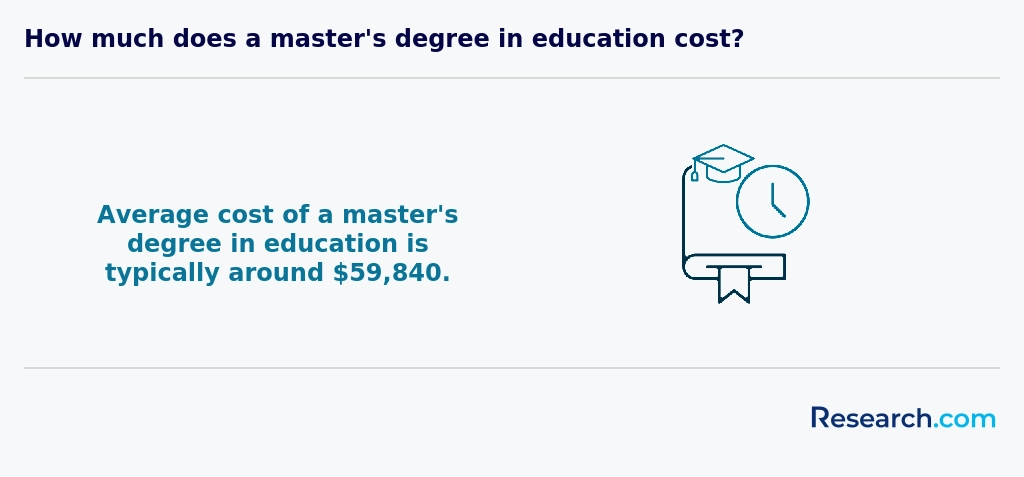
The average cost of an online education degree in Charlotte typically reflects the region's competitive tuition rates, especially at public institutions like the University of North Carolina at Charlotte (UNC Charlotte). Graduates often note that in-state tuition makes these programs more affordable, which can significantly ease the financial burden for local students. One graduate shared that managing tuition alongside work and family was feasible due to these reasonable rates combined with available financial aid.
However, costs can vary depending on the degree level and specialization. While bachelor's and master's programs in fields such as Early Childhood Education or Educational Leadership are competitively priced, students should carefully verify fees associated with licensure tracks, as these sometimes require additional expenses. Private institutions in Charlotte may offer more flexible schedules but often come with higher tuition, which some learners find worth the investment for enhanced networking opportunities.
Ultimately, prospective students benefit from detailed program research and budgeting based on their individual needs, balancing cost with the robust support and accredited quality offered by Charlotte's universities.
Where can I work with online education degree in Charlotte?
Graduates with an online education degree in Charlotte often find diverse career paths within the city's broad educational network. For many, the Charlotte-Mecklenburg Schools (CMS) system offers accessible roles like classroom teaching, instructional coordination, or special education support. These positions appeal to those eager to impact thousands of local students directly, especially graduates from institutions such as the University of North Carolina at Charlotte who appreciate the district's scale and structure.
Others pursue opportunities in private or charter schools, where state teaching licenses earned through online programs open doors. Graduates frequently mention the rewarding challenge of supporting STEM and ESL programs, areas growing in demand according to local education authorities.
Some alumni find fulfilling careers beyond K-12 education, choosing early childhood centers or colleges like Central Piedmont Community College for roles in student support or education technology. These settings offer a chance to shape education innovation and connect with learners in varied stages of their journey.
Additionally, the rise of remote learning creates unique remote roles designing curricula or training within Charlotte's corporate sector, matching the flexibility many online graduates value.
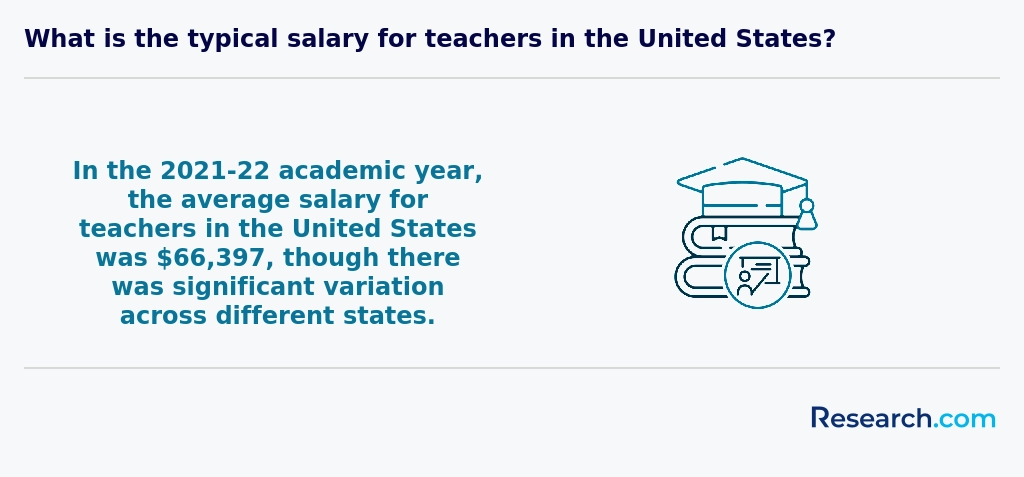
Graduates of online education programs in Charlotte often find competitive salaries that can support a comfortable lifestyle. For instance, elementary school teachers in the area earn a mean annual wage of about $70,740, while special education teachers typically make around $76,000. These figures reflect full-time roles and can vary depending on experience and certifications.
Online degree holders who pursue roles such as instructional designers see average salaries near $77,200, highlighting diverse career paths beyond traditional teaching. Many Charlotte graduates from institutions like the University of North Carolina at Charlotte report feeling optimistic about their earning potential due to local demand for qualified educators.
It is important to recognize that salaries for online education degree holders in Charlotte may differ from national averages given regional economic factors. A graduate might expect to start at a lower wage but can increase earnings significantly by gaining endorsements or advanced degrees through online programs.
Ultimately, combining practical experience in Charlotte schools with the flexibility of online education degrees offers hopeful graduates a promising chance to grow their careers in education while earning competitive pay.
- Online bachelor's degrees in education in Charlotte cost between $10,000 and $25,000, while master's degrees range from $15,000 to $35,000.
- Many accredited online programs in Charlotte meet North Carolina state licensure requirements for teacher certification and financial aid eligibility.
- Starting salaries for education graduates in Charlotte average around $43,000 per year, increasing to $55,000-$65,000 mid-career and over $70,000 for specialized roles.
- The Charlotte-Mecklenburg Schools district frequently hires qualified teachers, with steady demand expected over the next decade, especially for those with advanced training.
- Online education degrees often include local field experiences or student teaching, required for North Carolina teaching licenses used in Charlotte public schools.
Completing an online education degree in Charlotte varies widely, reflecting individual circumstances and program specifics. For example, an associate's degree often requires about two years, providing a foundation to later transfer into a bachelor's degree at a local institution like the University of North Carolina at Charlotte. Graduates frequently share how balancing work and family makes part-time study the preferred choice, extending completion time but offering needed flexibility.
Bachelor's degrees typically aim for four years full-time, yet many online learners accelerate to three years by enrolling in extra courses or year-round terms offered by schools such as Queens University of Charlotte. One graduate explained that this flexibility allowed finishing sooner without sacrificing personal obligations.
Master's programs usually span one to two years full-time but can stretch longer if pursued part-time, common among working teachers in Charlotte's educational community. The pace is influenced by term length, course load, transfer credits, and availability of accelerated options, underscoring that no single timeline fits all.
Earning an online education degree is only the first step; aspiring teachers in North Carolina must also navigate state licensure to ensure classroom readiness and compliance. Below is an overview of the key requirements and pathways to become a certified teacher in North Carolina: 1. Approved Teacher Preparation Program • Graduate from a NC State Board-approved program-either an Educator Preparation Program (EPP) at a regionally accredited institution or an alternative lateral entry pathway. • Maintain the program’s minimum GPA requirements, typically a 2.7 overall or higher. 2. Praxis Examinations • Praxis Core Academic Skills for Educators: reading, writing and mathematics assessments. • Praxis Subject Assessments: content-specific exams aligned with your intended teaching area (e.g., Elementary Education, Special Education). • Achieve the North Carolina Department of Public Instruction’s (NCDPI) passing scores for each exam. 3. Criminal Background Check & Fingerprinting • Complete an FBI and state criminal history check through the NCDPI-approved vendor. • Submit fingerprints electronically; clearance must be granted before licensure. 4. Application via ECOS Portal • Create an Educator Certification Online Services (ECOS) account. • Upload official transcripts, Praxis score reports, and verification of program completion. • Pay the licensure fee and track application status in ECOS. 5. Alternative Licensure Routes • Emergency License: valid for one year if you hold a bachelor’s degree and secure a paid teaching position while completing a provisional EPP. • Residency License: for career changers enrolled in a provisional program, allowing full-time teaching under mentor supervision. 6. Continuing Professional Development • Complete at least 10 hours of structured professional development annually. • Renew your Standard Professional 2 license every five years by meeting NCDPI’s renewal criteria (e.g., advanced degree, additional endorsements). For candidates exploring cost-effective teacher preparation options or comparing tuition, you may also review the Most Affordable Online Education Degree Programs Ranking in Mequon, WI to gauge how program features and fees measure up against North Carolina requirements.
Online and on-campus education degrees in Charlotte offer distinctly different experiences while ultimately leading to the same qualifications. Graduates from local universities often highlight how online programs provide the freedom to study around busy schedules, making it easier to balance work and family commitments. For instance, a student pursuing an online degree at a well-known Charlotte institution praised the ability to access lectures anytime without the stress of commuting.
In contrast, those attending on-campus programs at Charlotte colleges emphasize the value of face-to-face interaction with professors and peers. These students benefit from immediate feedback during hands-on teaching practicums and enjoy stronger connections through campus events and study groups.
Cost also plays a role; online degrees sometimes reduce expenses by eliminating commuting and facility fees. However, the immersive environment of on-campus learning can offer more direct access to internships through partnerships with nearby schools, which some graduates found invaluable for practical experience.
Both pathways require dedication, but the choice often depends on individual circumstances and learning preferences within Charlotte's educational landscape.
To become a licensed educator in North Carolina through an online program, graduates must follow state requirements to ensure classroom readiness and compliance:
- Enroll in a State Board of Education-approved program with both coursework and supervised practicum.
- Complete the required student teaching hours or internship under qualified supervision.
- Pass the PRAXIS Core and PRAXIS II specialty exams in your subject area.
- Submit official transcripts, exam scores and a background check to the NC Department of Public Instruction.
- Maintain licensure through continuing professional development credits.
For cost-efficient options, consider exploring cheapest online colleges to support your journey.
The average cost of an online education degree in Charlotte reflects a varied landscape, influenced heavily by residency and the choice between public and private institutions. For many, the total tuition and fees for education degree Charlotte students pay notably differ based on these variables. Graduates from public universities in Charlotte often find the cost more manageable, with median in-state total costs around $3,012, making it an accessible path for residents who seek quality education without overwhelming debt.
Out-of-state students typically face higher expenses, with median costs near $10,920, reflecting the premium often placed on non-resident enrollment. Private institutions and specialized master's programs, although not explicitly detailed in current data, can be significantly more expensive, sometimes reaching into the upper tens of thousands per year. Former students from popular Charlotte colleges frequently mention balancing tuition costs against the added benefits of flexibility and comprehensive online resources that these programs offer, enhancing their overall value despite financial considerations.
When examining the average cost of online education degree Charlotte NC programs, graduates emphasize the importance of considering not just tuition but ancillary fees and materials as well. Many share positive experiences with scholarship opportunities and financial aid, which alleviate some financial pressures. For those weighing career options post-graduation, exploring https://research.com/careers/education-careers can offer valuable insights into the return on investment and professional pathways tied to their degree choice, reaffirming the significance of informed decision-making in education financing.

- University of North Carolina at Charlotte – Master of Education (M.Ed.) in Curriculum & Instruction: 100% online, CAEP-accredited, 30 credits, average tuition $600/credit, designed for teachers seeking advanced curriculum design skills.
- Queens University of Charlotte – Master of Arts in Educational Leadership: hybrid format with evening synchronous sessions, state-approved licensure track, small cohorts for mentorship and networking.
- Johnson C. Smith University – Bachelor of Science in Early Childhood Education: cohort-based online program aligned with NC certification requirements, part-time options over 2–4 years, strong emphasis on play-based learning strategies.
- Central Piedmont Community College – Associate of Applied Science in Early Childhood Education: career-focused curriculum with in-state tuition under $5,000/year; for flexible entry-level credentials, explore easy associate degrees.
- University of Phoenix (Charlotte Campus) – Master of Education in Curriculum & Instruction: monthly start dates, competency-based modules, HLC-accredited, comprehensive career support services.
Financial aid for online education degrees in Charlotte is multifaceted, encompassing federal, state, institutional, and private resources. Graduates from UNC Charlotte often recall how applying for the Free Application for Federal Student Aid (FAFSA) unlocked Pell Grants-which can cover up to $7,395 annually-making their studies far more affordable. However, not all students qualify for these, highlighting the importance of exploring additional options.
State-level aid from the North Carolina State Education Assistance Authority offers targeted grants and scholarships, particularly benefiting community college students and those pursuing teaching credentials. Local scholarships from Charlotte institutions also play a crucial role; online education students frequently cite these as vital in reducing their tuition burden.
Employment benefits and loan forgiveness programs add another layer of support. For example, many education professionals in Charlotte find relief through the Teacher Loan Forgiveness Program after serving in qualifying roles. Still, navigating eligibility criteria can be complex, requiring careful attention.
Private scholarships from organizations like AACTE provide hope but involve stiff competition. Many students appreciate payment plans offered by their programs, which help balance financial pressures alongside work and study commitments.
After earning an online education degree in Charlotte, NC, graduates must complete the state’s licensure process to teach in public schools. First, you’ll need to finish an NC-approved educator preparation program that aligns with the North Carolina Department of Public Instruction (NCDPI) standards. Many prospective teachers compare program rigor and may even explore what are the easiest education degrees to find a pathway that fits their academic strengths. Next, candidates must pass the required Praxis examinations. For elementary or secondary certification, this usually includes the Praxis Core Academic Skills for Educators (Core) tests and the Praxis Subject Assessments in your specialization. It’s crucial to schedule your exams well in advance, as official score reports can take several weeks to reach NCDPI. Once you’ve completed coursework and exam requirements, submit an online licensure application through the NCDPI Educator Licensure Online (ELO) portal. You’ll upload official transcripts, test scores, and undergo a criminal background check. Application fees typically range from $55 to $100, depending on the license type. Upon approval, you’ll receive a Standard Professional 2 (SP2) license valid for six years. To maintain licensure, educators must complete continuing professional development (CPD) credits-usually 8 credits each renewal cycle-and meet any local district requirements. Reciprocity agreements also allow licensed teachers from other states to transfer credentials, provided they satisfy North Carolina’s exam and training benchmarks.
Enrolling in an online education degree program in Charlotte typically requires a high school diploma or GED, a baseline many graduates recall as manageable but essential. For those aiming at graduate degrees, like a Master's in Education from institutions such as the University of North Carolina at Charlotte, holding a bachelor's degree and maintaining a GPA near 3.0 is commonly expected. Some students remember the challenge of meeting these academic standards but appreciate how it prepared them for the program's rigor.
Standardized testing requirements vary; while some programs still ask for GRE scores, others have embraced test-optional policies, especially since the pandemic. This flexibility often alleviates stress for applicants balancing work or family commitments. Moreover, Charlotte's online programs emphasize technical readiness-graduates frequently mention the importance of reliable internet and comfort with educational technology, which smooths their learning journey.
Financial preparedness is another key aspect, with in-state tuition ranging roughly between $7,000 and $12,000 annually at public universities. Many students find scholarships or employer support critical, making this a practical consideration alongside academic criteria.
Lastly, international applicants share that providing credential evaluations and proof of English proficiency, like TOEFL scores, adds complexity but ensures clear communication is maintained, aiding their success in Charlotte's virtual classrooms.

Reviewing the extensive insights provided, prospective students should now feel well-equipped to navigate the online education landscape in Charlotte, NC. As you consider your educational future, remember to evaluate each program’s unique offerings-in terms of curriculum, flexibility, financial support, and long-term career benefits. It’s important to align your personal goals with a program’s strengths, ensuring you not only excel academically but also find meaningful opportunities for professional growth. Additionally, exploring resources such as the most affordable education schools in north carolina can provide further clarity on cost-effective options while maintaining high educational quality. Now is the time to take the next step in your journey: reach out to admissions advisors, attend virtual open houses, and delve into program reviews that match your aspirations. Your future in education starts with an informed decision – commit to a well-researched path that empowers you to make a significant impact in the classroom and beyond.
Online education degrees in Charlotte typically include a blend of foundational and specialized courses that equip students for real classroom challenges. Graduates from the University of North Carolina at Charlotte describe courses like educational psychology as particularly eye-opening, helping them understand student behaviors and learning styles in practical terms. Classroom management classes often feel immediately relevant, as many recall applying strategies from these courses during teaching practicums or substitute roles.
Instructional technology courses also receive positive feedback, especially given the increasing demand for digital literacy in classrooms. Students appreciate how the coursework integrates tools they encounter daily, preparing them for virtual or hybrid teaching environments common in Charlotte's schools.
Courses on curriculum development and diversity spur thoughtful reflection, encouraging future educators to design inclusive lessons. At Queens University of Charlotte, online learners highlight the value of leadership and specialized tracks like ESL instruction, which align with local licensure requirements and career goals.
Online education degrees in Charlotte typically offer a range of specializations designed to address local educational demands and student interests. Among these, elementary education remains a favorite, as graduates recall how coursework on classroom management and child development at popular Charlotte colleges prepared them to meet North Carolina's licensure standards. This focus fits well with the city's need for qualified kindergarten through fifth-grade teachers.
For those drawn to secondary education, Charlotte programs allow specializations in subjects like math or science-fields reflecting the city's emphasis on STEM education. Graduates describe feeling confident taking on middle and high school teaching roles after training that balances theory with practical application.
Special education stands out as another critical specialization responding to increasing demand for educators skilled in supporting students with diverse learning needs. Other online areas include educational leadership and administration, appealing to those interested in shaping school policies and driving change. Students also explore options such as curriculum and instruction or early childhood education, often encouraged by real-life examples shared by alumni at Charlotte's institutions.
Many working professionals choose programs reflecting practical concerns, including program costs and course flexibility, with some opting for an affordable online child development masters as a complementary credential. Overall, online education degree specializations Charlotte NC provide varied pathways aligned with both career goals and the evolving education landscape.
Choosing the best online education degree in Charlotte means weighing accreditation, program flexibility, and alignment with licensure requirements carefully. Graduates from institutions like the University of North Carolina at Charlotte often express satisfaction when their programs are accredited by bodies such as CAEP, as this ensures the degree is recognized and licensure-ready. Yet, it's important to question whether accreditation alone guarantees quality; some find more value in programs that offer practical licensure preparation, including Praxis exam support, which is essential in North Carolina.
Cost shouldn't be overlooked either. Many affordable online teaching degrees in Charlotte balance tuition rates with financial aid availability, making education accessible without sacrificing quality. One graduate's experience highlights how asynchronous courses enabled them to manage full-time work alongside their studies, illustrating the importance of flexible scheduling and realistic completion times.
Finally, consider career outcomes when exploring program options. Reviewing employment rates of alumni and engaging with services at schools like Queens University can reveal how well a program supports students post-graduation. For a thoughtful start, review the online bachelor's in education degrees offered locally to find a path that matches your goals.
Graduates with an online education degree in Charlotte find opportunities beyond the traditional classroom setting. Many pursue licensed teaching positions within Charlotte-Mecklenburg Schools, benefiting from steady hiring driven by the city's expanding school districts. These graduates describe a rewarding sense of impact working with diverse student populations across elementary, middle, and high school levels, reflecting the tangible value of their studies. However, several recognize that teaching roles often require patience and adaptability amidst changing educational policies.
Alternative career paths include educational administration, curriculum development, and technology integration-fields where graduates from local institutions like Central Piedmont Community College thrive. These roles, while sometimes necessitating further certification, offer stable and fulfilling work environments. Some students have leveraged their degrees in adult education programs, contributing to community workforce initiatives and appreciating the direct influence on local economic development. For those seeking less conventional trajectories, exploring corporate training or nonprofit education management also proves viable.
For an expansive view of how specialized skills can broaden opportunities, graduates often reference the value of interdisciplinary programs, as highlighted in child development degree job opportunities. This approach complements the variety of online education degree jobs Charlotte NC offers, allowing graduates to align their passion with evolving market demands.
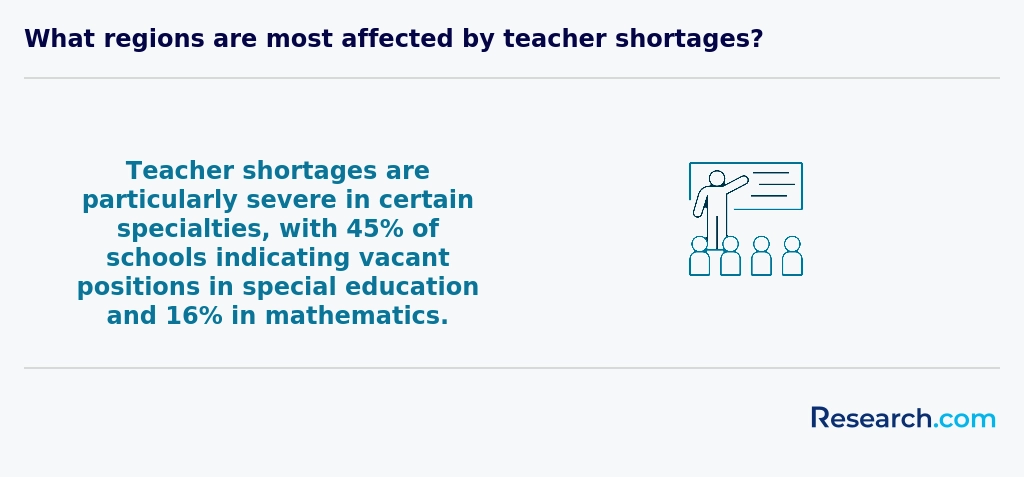
The job market for graduates with an online education degree in Charlotte is characterized by steady demand, particularly within the Charlotte-Mecklenburg Schools system, which employs over 14,000 teachers. Graduates from UNC Charlotte and Queens University often find opportunities as classroom teachers or instructional coordinators, benefiting from programs tailored to local licensing and job requirements. Many graduates share positive experiences about the flexibility and relevance of their online degrees in securing positions across K-12 schools and adult education programs. This thriving environment enhances the appeal of pursuing online education degree jobs in Charlotte NC.
However, salary growth can be modest compared to larger metropolitan areas, with average salaries around $59,000. Yet, many graduates report satisfaction with the balance of work and continuing education prospects. Alternative roles in educational consulting or ed-tech companies also provide appealing career pathways, reflecting the diverse Charlotte NC online teaching career opportunities available. Prospective educators should carefully consider local licensure pathways and may benefit from reviewing resources like the nevada teacher licensure process for comparative insights.
2027 Best Online Education Degree Programs Ranking in Charlotte, NC
Investing in your education is a significant decision that can shape your future, and the Research.com team understands the importance of making informed choices. To assist prospective students in Charlotte, NC, we have meticulously crafted the "2027 Best Online Education Degree Programs Ranking in Charlotte, NC." Our commitment to quality, credibility, and accuracy is reflected in the extensive research and analysis conducted to compile this ranking.
We utilized the following reputable data sources to ensure a comprehensive evaluation of online education programs:
By exploring this ranking, readers will gain valuable insights into the best online education degree programs available in Charlotte, NC, enabling them to make well-informed decisions about their educational journey. For more details on how this ranking was created, please visit our Research.com methodology page.
# 1 position
The University of North Carolina at Charlotte
Master of Special Education (K-12) General/Adapted Curriculum


Frequently Asked Questions About education
Students pursuing online education degrees in Charlotte can maximize their learning experience by engaging actively with course materials and participating in virtual discussions. Research from the National Center for Education Statistics shows that online learners who regularly interact with peers and instructors tend to achieve higher grades.
Utilizing Charlotte-area resources like the Public Library or local study groups can provide additional support. Time management is crucial; setting a consistent study schedule helps maintain focus and balance alongside personal commitments.
Many Charlotte institutions also offer virtual tutoring and career services, which online students should leverage to enhance skills and professional growth.
Emerging niches within education are quickly gaining traction in Charlotte and across the US higher education system. One key area is educational technology, where professionals develop and implement digital tools to enhance learning. This niche is driven by the rise of online and hybrid classrooms, a trend accelerated by the recent pandemic.
Another growing field is special education with a focus on inclusion and accessibility. Charlotte's school districts emphasize training educators to support diverse learners, reflecting national initiatives.
Additionally, career and technical education (CTE) programs are expanding, equipping students with practical skills aligned to local industry demands. For example, the Charlotte-Mecklenburg Schools system reports increasing enrollment in CTE pathways, highlighting workforce-driven education.
After earning an online education degree in Charlotte, preparing for the local job market involves several strategic steps. First, graduates should leverage connections with Charlotte-area school districts, as many offer job fairs and internship opportunities tailored for educators. According to the Charlotte-Mecklenburg Schools district, over 150 teaching positions are filled annually through such initiatives. Building a professional network through local education associations, like the North Carolina Association of Educators, can also improve employment prospects.
Additionally, focusing on obtaining North Carolina state teaching licensure is crucial. The licensure process ensures alignment with regional standards and increases chances of securing a teaching role. Familiarity with Charlotte-specific curriculum standards enhances candidacy when applying to local schools.
Finally, graduates should highlight their online learning adaptability-a skill increasingly valued due to Charlotte's growing emphasis on blended and virtual classrooms. Employers in the area often seek candidates adept in digital teaching tools and remote instruction methods.
Employers in Charlotte highly value education degree graduates who demonstrate strong classroom management skills. According to the North Carolina Department of Public Instruction, effective behavior management directly correlates with higher student achievement in local schools.
In addition, communication and collaboration are essential. Graduates must work well with diverse student populations and engage with parents and colleagues effectively. The Charlotte-Mecklenburg Schools district emphasizes these abilities for teacher candidates.
Instructional technology skills are increasingly important as many Charlotte schools integrate digital learning tools. Proficiency in these tools can boost employability.
Lastly, critical thinking and adaptability are sought after, ensuring educators can respond to evolving curriculum standards and student needs.
Finding internships in Charlotte relevant to an education degree involves strategic research and networking. Many local school districts, such as Charlotte-Mecklenburg Schools, offer internship opportunities for education students to gain practical experience. According to CMS data, over 150 schools participate in student teaching and internship programs annually.
Universities like the University of North Carolina at Charlotte often collaborate with these districts to place their online education students in internships. It is advisable to contact the university's career services or education department for guidance on application processes. Additionally, exploring nonprofit organizations focused on education and community programs in Charlotte can expand internship options.
Job boards like Handshake and local websites frequently list education internships specifically for Charlotte residents. Networking through professional groups such as the Charlotte Association of Educators also helps in discovering hidden opportunities. Starting early and preparing a clear resume highlighting teaching skills increases chances of securing a meaningful internship.
Obtaining an online education degree in Charlotte can significantly enhance career mobility and advancement. According to the Charlotte Business Journal, the region shows strong demand for qualified educators, especially in public schools and educational technology sectors. An accredited online degree offers flexibility, allowing working professionals to gain credentials without interrupting their careers.
The North Carolina Department of Public Instruction reports a 5% annual increase in teacher vacancies in Charlotte-Mecklenburg Schools, creating opportunities for certified candidates. Additionally, many employers in Charlotte prioritize candidates with formal education credentials for leadership positions, such as curriculum coordinators and educational administrators.
Online degrees from regionally accredited institutions comply with North Carolina licensure standards, ensuring transferability and recognition. The accessibility of such programs supports career growth by providing updated knowledge and skills that meet local educational needs.
Studying for an education degree in Charlotte equips students to excel in interdisciplinary roles by blending core teaching skills with knowledge from fields such as psychology, technology, and social sciences. Charlotte's growing educational institutions emphasize collaborative learning and critical thinking, helping graduates adapt to diverse professional environments.
According to the North Carolina Department of Public Instruction, Charlotte-Mecklenburg Schools serve over 146,000 students, creating a real-world context for applying interdisciplinary methods in classrooms and community programs.
Online education programs in Charlotte often incorporate coursework in data analysis, cultural competence, and educational technology, preparing students to meet the needs of varied learner populations. This broad skill set is essential for roles that require cross-sector collaboration, such as curriculum development, educational consulting, and policy advising.
Choosing between a thesis and a non-thesis education degree program in Charlotte depends on your career goals and learning preferences. Thesis programs involve conducting original research and writing a formal paper, ideal for students aiming for academic or research careers. Non-thesis options focus more on coursework and practical skills, suited for professionals targeting advanced roles in education practice or administration.
In Charlotte, many online programs align with these formats, reflecting the city's growing demand for educators skilled in both research and applied teaching methods, according to the Charlotte Chamber of Commerce. Understanding your future plans will help determine which pathway fits best.
Students in Charlotte seeking to study education abroad through online programs have multiple pathways. Many accredited universities across the United States offer fully online education degrees that accommodate international study components or global education perspectives. While physical study abroad options require travel, Charlotte students can access virtual exchange programs and globally focused coursework.
Local institutions like the University of North Carolina at Charlotte provide online education degrees with curricula incorporating international teaching methods.
According to the National Center for Education Statistics, approximately 14% of undergraduate students in North Carolina enrolled exclusively in distance education in 2023, reflecting growing online study interest.
Charlotte students may also explore partnerships between US schools and foreign universities that allow for credit transfer and combined online/in-person learning abroad, though these remain relatively limited.
Charlotte offers various part-time job opportunities that complement education degree studies, especially for those pursuing online programs. Positions like teacher assistants and after-school program aides provide hands-on experience with diverse student populations. According to the North Carolina Department of Public Instruction, Charlotte-Mecklenburg Schools employ over 150,000 students, creating demand for support roles in education.
Additionally, tutoring positions are popular, allowing students to apply their subject knowledge while earning income. Local libraries and community centers in Charlotte also hire part-time education workers for literacy programs and youth services.
These roles help build practical skills and enhance resumes for future full-time teaching careers.
Online education students in Charlotte benefit from diverse networking opportunities despite studying remotely. Local universities like the University of North Carolina at Charlotte often host virtual and in-person events, fostering connections between online learners and faculty. Professional organizations such as the Charlotte Chamber of Commerce provide networking events relevant to education professionals.
Additionally, Charlotte's rapid growth as a metropolitan hub creates chances for students to participate in education-focused workshops and seminars. LinkedIn groups and local online forums also help students build professional relationships within the Charlotte education community.
Research from the National Center for Education Statistics notes that 62% of online students in North Carolina engage in professional networking, highlighting its importance for career development.
Alumni networks provide vital support for online education degree students in Charlotte by connecting them with experienced graduates and local professionals. These networks often offer mentorship programs, career advice, and job referral opportunities, which can be especially valuable for online learners seeking local engagement.
Studies show that 85% of jobs are filled through networking, highlighting the importance of alumni connections. In Charlotte, many universities maintain active alumni groups that host events, both virtual and in-person, helping students build professional relationships within the city's education sector.
Additionally, alumni can share insights about Charlotte's specific education job market, aiding students in navigating employment trends and credential requirements unique to North Carolina. This localized support enhances career readiness and boosts job placement rates among online degree graduates.
Customizing an online education degree program in Charlotte allows students to align their studies with specific career objectives. Many local universities and colleges offer flexible curricula with elective courses, concentrations, and certificates to tailor learning experiences. For example, students can focus on special education, administration, or technology integration depending on their goals.
Charlotte is home to several accredited institutions providing such options, supported by North Carolina's emphasis on education workforce development. According to the North Carolina Department of Public Instruction, advanced certifications and targeted coursework improve job placement rates and salary outcomes for educators.
Online learners should also consider internships or partnerships with Charlotte-area schools to gain practical experience. This approach enhances resumes and broadens professional networks essential for career advancement in education.
Online education students in Charlotte face several common challenges. One primary issue is maintaining time management while balancing work, family, and studies. According to a 2023 report by the Charlotte Chamber of Commerce, nearly 60% of online learners in the area juggle professional duties alongside their education. Limited face-to-face interaction can hinder networking and collaboration opportunities, which are crucial in education degrees.
Access to reliable technology and high-speed internet also affects student success. While Charlotte has made strides in broadband access, digital divides persist, particularly in certain neighborhoods, according to the Federal Communications Commission.
Finally, students often report difficulty in staying motivated without direct supervision or in-person support, highlighting the need for robust online student services.
With an online education degree in Charlotte, you can pursue various professional certifications to enhance your career prospects. Popular options include the North Carolina Professional Teaching License, which is required to teach in public schools across the state. Many graduates also seek National Board Certification, a prestigious credential recognized nationwide.
Additional certifications include Special Education licensure or ESL (English as a Second Language) endorsements, which are in high demand locally due to Charlotte's growing diverse population. According to the Charlotte-Mecklenburg Schools 2023 report, such credentials improve job opportunities significantly within the district.
Other relevant options involve obtaining leadership certificates like the Educational Leadership or Administration Certification, suitable for those aiming for roles as principals or administrators in Charlotte-area schools.
Applying for an online education degree program in Charlotte requires careful preparation to stand out. Begin by thoroughly researching schools accredited by recognized bodies such as the Southern Association of Colleges and Schools Commission on Colleges (SACSCOC), which oversees many Charlotte institutions. Highlight your educational background, relevant work experience, and clear career goals.
Many Charlotte programs value a strong personal statement that explains your motivation and how the degree aligns with your ambitions. Include specific examples of teaching or leadership experiences when possible.
Additionally, request recommendation letters from professional or academic contacts familiar with your skills. Finally, meet all deadlines and double-check application instructions on the official university websites to avoid errors.
Education careers are increasingly valued worldwide, with a strong focus on global collaboration and multicultural understanding. In the United States, including Charlotte, education professionals are encouraged to adopt practices that foster inclusivity and prepare students for a globalized world. According to the U.S. Bureau of Labor Statistics, employment for teachers is expected to grow 4% from 2021 to 2031, reflecting steady demand.
Charlotte, as a growing urban center, benefits from diverse communities, which adds importance to educators skilled in global perspectives. Online education degrees offer flexible access to coursework emphasizing international education standards and culturally responsive teaching methods. National studies highlight the expanding need for professionals who can navigate global challenges in education policy and practice.
Gaining practical experience while studying for an online education degree in Charlotte is essential for career readiness. Many programs integrate virtual student teaching or practicum placements in local schools, allowing students to apply theory in real classrooms. According to the North Carolina Department of Public Instruction, Charlotte-Mecklenburg Schools offer partnerships that facilitate these field experiences for online learners.
Students can also engage in community-based education projects or tutoring, often coordinated through their university's career services. These hands-on opportunities help develop classroom management and instructional skills.
Additionally, some programs encourage participation in local professional organizations such as the Charlotte Teachers Institute, providing networking and mentorship crucial for gaining insights into educational practices specific to the region.
Choosing the right concentration within an online education degree program in Charlotte involves reflecting on your career goals and local demand. Charlotte's diverse school districts and education sectors often seek specialists in areas like special education and educational leadership, consistent with North Carolina Department of Public Instruction reports.
Research program options at accredited institutions offering online formats, noting concentrations such as curriculum development, administration, or instructional technology. The Charlotte-Mecklenburg Schools district, the largest in the state, often highlights needs in STEM education and leadership roles.
Consider licensure requirements if you plan to teach in North Carolina, as some concentrations align directly with state teaching certifications. Online programs tailored to these standards can improve your job prospects locally.
Additionally, reviewing local labor market data on education job openings can guide your choice, ensuring your concentration matches employment opportunities in Charlotte's education sector.
- 2027 Best Online Education Degree Programs Ranking in Bluefield, VA
- 2027 Best Online Education Degree Programs Ranking in Gainesville, GA
- 2027 Best Online Education Degree Programs Ranking in Greenville, NC
- 2027 Best Online Education Degree Programs Ranking in Morehead, KY
- 2027 Best Online Education Degree Programs Ranking in Norfolk, VA
- 2027 Best Online Education Degree Programs Ranking in Campbellsville, KY
- 2027 Best Online Master's in Education Degree Programs Ranking in Virginia Beach, VA
- 2027 Best Online Education Degree Programs Ranking in Washington, DC
- 2027 Best Online Education Degree Programs Ranking in Valdosta, GA
- 2027 Best Online Education Degree Programs Ranking in Cincinnati, OH
See What Experts Have To Say About Studying Education
Read our interview with Education experts

Nooshan Ashtari
Education Expert
Professor & Book Author
University of Southern California


- Guide to Online Education Degrees https://www.oedb.org/rankings/online-education-programs/
- Wingate Online https://www.wingate.edu/academics/adult-bachelor-degree
- Special Education Schools in Lockwood, Charlotte NC https://igniteachievementacademy.com/special-education-schools-in-lockwood-charlotte-nc
- How Long Does It Take to Earn an Online Degree? https://www.grantapprovals.com/blog/how-long-to-earn-online-degree.html
- Online and Adult Learning https://ncicu.org/online-and-adult-learning/
- Fully Online Programs https://www.cpcc.edu/admissions/online-learning/fully-online-programs
- Engaging Students in Meaningful Learning Experiences https://www.facultyfocus.com/articles/effective-teaching-strategies/engaging-students-in-meaningful-learning-experiences/
- USAJOBS - The Federal Government's official employment site https://www.usajobs.gov/
- Finding a Job https://www.nc.gov/working/finding-job
- Charlotte-Mecklenburg Schools Recruitment Home Page https://hiring.cmsk12.org/