
2027 Best Education Degree Programs Ranking in Champaign

Co-Founder and Chief Data Scientist
Choosing the right education degree program is a big step towards a rewarding career in Champaign. This article presents the 2027 Best Education Degree Programs Ranking in Champaign, carefully developed by the Research.com team of data scientists.
Designed to help you make informed decisions, the ranking highlights programs that offer quality education and promising futures. By exploring these options, you can find a path that fits your goals and passion for teaching.
Investing in an education degree opens doors to meaningful opportunities and personal growth. Let this guide support your journey towards a fulfilling profession.
Key benefits of getting education degree in Champaign
- Education degree graduates in Champaign can expect strong salaries, with special education teachers earning around $76,000 annually and instructional designers making about $77,200 per year, reflecting rewarding financial opportunities.
- Graduates from local universities often pursue diverse careers, from early childhood education to ESL teaching, offering a chance to impact various student communities and find fulfilling roles.
- Online education degrees provide flexibility and convenience, enabling students to balance work and study effectively, just like many successful graduates from Champaign's popular online programs experience.
- 2027 Best Education Degree Programs Ranking in Champaign
- What can I expect from education degree in Champaign?
- Where can I work with education degree in Champaign?
What can I expect from education degree in Champaign?
When considering the average cost of pursuing an education degree in Champaign, students often reflect on their personal journeys through programs like those at the University of Illinois Urbana-Champaign. In-state tuition typically runs around $17,000 per academic year, a figure that many graduates recall as an investment that opened doors to rewarding teaching careers. Out-of-state students face higher tuition, closer to $35,000, yet many find this justified by the strong support for scholarships and assistantships that ease the financial burden, especially at the graduate level.
Graduates frequently highlight how these costs translate into real opportunities, like hands-on student teaching placements within local schools, which cement both skills and confidence. The combination of competitive tuition with practical training creates a sense of purpose that resonates deeply. Many remember balancing coursework, fieldwork, and financial considerations-all reinforcing that the tuition paid is more than a number; it's the gateway to fulfilling educational roles shaped by Champaign's supportive academic community.
Where can I work with education degree in Champaign?
With an education degree in Champaign, teaching in the Champaign Unit 4 School District is a natural starting point. Graduates often recall the thrill of their first classroom, whether leading a lively elementary group or diving into specialized fields like math or special education. This district's diversity offers a daily blend of challenge and reward, fueling a genuine passion for making a difference.
Many graduates also find themselves drawn to private schools such as St. Thomas More Catholic or Edison Middle School, where smaller classes foster deep connections and tailor-made learning experiences. The chance to integrate unique educational philosophies or faith-based principles often inspires educators to nurture more than just academic growth.
Others expand their horizons by joining local colleges like the University of Illinois or Parkland College, engaging in roles from curriculum development to adult education. These paths allow graduates to shape education beyond traditional classrooms, embracing outreach and workforce training.
Education careers in Champaign aren't confined to teaching; alumni share fulfilling moments working in counseling, administration, or specialized support services that impact early childhood programs and professional development. These roles reflect an evolving need for passionate educators devoted to holistic student success.
Graduates with an education degree in Champaign can realistically expect diverse earning opportunities, often influenced by their chosen specialization. In Urbana-Champaign, for instance, elementary school teachers earn a mean annual wage of $70,740, reflecting rewarding prospects for those entering early childhood education at institutions like the University of Illinois Urbana-Champaign. This aligns with local reports of starting salaries around $40,000 and possibly exceeding $75,000 with experience and advanced degrees.
Special education teachers stand out, earning an average salary of $76,000, which may attract graduates passionate about making a difference in inclusive classrooms. ESL teachers, a growing field given Champaign's diverse communities, earn approximately $65,430, offering a promising pathway for those skilled in language education.
Instructional designers, often leveraging education degrees with a technology focus from local colleges, command some of the highest mean salaries near $77,200. The variety within education careers in Champaign illustrates how graduates can tailor earning potential to fit their skills and aspirations, making the degree more than just a credential-it is a gateway to meaningful, financially stable careers.
- Public universities in Champaign charge around $15,000 to $18,000 per year for in-state tuition, while out-of-state students pay about $30,000 annually.
- Private institutions' tuition typically ranges from $35,000 to $45,000 per year for education degrees.
- Master's programs in education cost between $12,000 and $25,000 in total, depending on the program type and length.
- Starting salaries for education graduates are about $45,000 to $50,000 per year in local K-12 teaching jobs.
- Experienced educators in Champaign can earn $65,000 to $75,000 annually, especially in specialized roles like counselors or administrators.
- Job growth for education professionals in Illinois is stable, with higher demand in special education and STEM teaching positions.
Completing an education degree in Champaign is often seen as a straightforward timeline, but the reality nudges us to think deeper. Most bachelor's programs at the University of Illinois Urbana-Champaign (UIUC) wrap up in about four years, blending rigorous coursework with hands-on student teaching. Graduates often describe this period as a transformative journey, balancing challenging theory with rewarding real classroom experiences.
Yet, when you consider master's degrees, the timeline expands to 1.5 to 2 years, sometimes longer if working professionals take evening or online courses. Many Champaign students appreciate this flexibility, sharing how fitting school around careers creates a fulfilling yet demanding path.
Doctoral candidates face an even broader range-three to six years-reflecting the depth and research intensity involved. UIUC's doctoral students often recount the challenge and pride in navigating comprehensive exams and their dissertations, which require persistence and passion.
These timelines are influenced not just by credit hours but by personal choices like enrollment status and life commitments, reminding us that education timelines are as unique as each student's story.
The difference between online and on-campus education degrees in Champaign often goes beyond mere convenience. Graduates from the University of Illinois Urbana-Champaign recall the energizing atmosphere of on-campus classrooms, where immediate feedback and hands-on internships sharpened their skills and confidence. They cherish the opportunity to build local networks through face-to-face interactions, something that's challenging to replicate online.
By contrast, many who pursued online education programs appreciated the freedom to study asynchronously, balancing work or family life without sacrificing progress. However, these students sometimes felt isolated, relying heavily on digital resources instead of the vibrant campus community that in-person learners enjoy. In Champaign, limited fully online education degrees push many toward hybrid models, blending flexibility with occasional on-campus engagement.
Financially, on-campus programs can strain budgets with tuition for residents averaging around $17,000 yearly, plus housing and commuting. Yet, for some, that investment pays off through access to campus libraries and counseling that enrich personal growth and academic success.
When considering an education degree in Champaign, IL, one crucial aspect to evaluate is the affordability of programs and the availability of financial aid. Prospective students should research institutions that offer competitive pricing without compromising on the quality of education. For instance, exploring the most affordable education schools in illinois can provide valuable insights into budget-friendly options that still meet high educational standards. Understanding the financial implications of pursuing an education degree, including tuition fees, living expenses, and potential financial aid packages, is essential for making an informed decision. By weighing these factors, aspiring educators can choose a program that aligns with their financial situation and career aspirations, ultimately setting them up for success in their educational journey.
The average cost of an education degree in Champaign, particularly at the University of Illinois Urbana-Champaign (UIUC), tends to balance quality and investment. In-state undergraduates face tuition and fees around $16,004 annually, a figure that reflects a commitment to one of the nation's leading public universities. Graduates from UIUC often recount how this investment was more than just a number-it was a stepping stone to developing meaningful skills and connections in education fields. For out-of-state students, costs rise notably, but so does the perceived value of diverse perspectives brought to campus communities.
Understanding the overall tuition and fees for education degree Champaign students encounter means considering more than just base tuition. Many who pursue graduate programs at UIUC report a deeper appreciation for how per-credit fees, sometimes exceeding $1,200 for residents, translate into specialized knowledge. Books, supplies, and student fees, which can add a few thousand dollars per year, become part of the financial equation students learn to navigate while focusing on their career goals.
Meanwhile, community colleges in the area offer a more economical path, with annual costs between $4,000 and $7,000 for in-district students. While these programs might not grant the same credentials as a university degree, they provide tangible, affordable access to education careers. Many students find satisfaction in this route's practicality and connection to local communities.
It is essential to explore scholarships, grants, and financial aid opportunities that significantly lower the barrier to entry. Students deeply invested in their future careers, such as those who prepare for the south carolina teacher certification test, know how careful planning around tuition and fees for education degree Champaign programs shapes their path forward.

Research data indicates that 90% of Education degree graduates from Champaign, IL institutions secure full-time employment in their field within six months of graduation. Graduates report an average starting salary of $58,000, with those entering specialized roles-such as Instructional Designers and ESL Teachers-often exceeding $63,000 in their first year. These strong placement figures reflect the robust partnerships between local school districts and university career services, which facilitate resume workshops, mock interviews, and direct referrals to K-12 and higher-education employers. Breakdown by specialization shows that Early Childhood Education alumni achieve a 92% placement rate in preschools and childcare centers, while Elementary and Secondary Education graduates find roles in public and private schools at an 89% rate. Instructional Design graduates benefit from connections with corporate and nonprofit training programs, boasting an 87% employment rate within the first year. Many alumni credit their success to capstone projects and practicum experiences that closely mirror real-world teaching and curriculum development scenarios. Career progression remains strong, with 45% of respondents earning promotions or salary increases within three years. Alumni list leadership roles such as department coordinators, instructional coaches, and program directors as common next steps. Continuous professional development-supported by local conferences and online workshops-further enhances their marketability. Prospective students seeking cost-effective pathways can compare program expenses by exploring our Affordable Online Education Degree Programs Ranking in Hays, KS, which highlights quality online options with comparable placement success and lower tuition rates.
For many education students in Champaign, financial aid is not just a safety net but a lifeline that transforms daunting tuition costs into achievable goals. Federal aid like Pell Grants-offered without repayment-can cover a significant portion of expenses, with awards up to $7,395 in the 2023-2024 year. Graduates often recall how these grants eased their financial worries early on.
State-level support, such as Illinois' MAP Grant, can cover up to full tuition at public institutions like the University of Illinois Urbana-Champaign, a beacon for education degrees. Imagine a future teacher relieved as this support removes debt barriers, allowing full focus on studies and community involvement.
Institutional scholarships from UIUC, especially those prioritizing aspiring educators, reward merit and financial need alike. Many students share how work-study programs or private local scholarships helped balance books and build resumes simultaneously.
TEACH Grants offer up to $4,000 yearly for those committing to high-need areas, turning educational passion into a practical investment with real-world impact.
Aspiring educators in Champaign, IL must secure state licensure to teach in public and private schools, a process that ensures high standards of classroom readiness and professional growth.
- State License Pathways: Most candidates pursue the Professional Educator License (PEL) through completion of an approved teacher preparation program, which combines coursework with supervised student teaching.
- Required Examinations: The Illinois Licensure Testing System (ILTS) mandates content-area tests and the edTPA performance assessment, designed to evaluate pedagogical skills in authentic classroom settings. Passing scores on both assessments are prerequisites for licensure application.
- Background Check and Ethics: A fingerprint-based criminal background check is required by the Illinois State Board of Education (ISBE), along with adherence to the ISBE Code of Ethics for Educators, to promote safe and equitable learning environments.
- Application Process: After meeting program and testing requirements, candidates submit their application and supporting documents via Teach Illinois, the ISBE’s online portal. Timely submission and accurate transcripts can expedite approval.
- License Renewal and Professional Development: Educators must renew the PEL every five years by completing 120 professional development hours or holding an advanced degree in education. Workshops, conferences, and accredited online courses count toward renewal credits.
- Alternative Routes: Career changers without a traditional education degree can explore the Educator Licensure Program (ELP), which offers accelerated certification paired with mentored teaching. For cost-conscious professionals, consider the Affordable Online Education Degree Programs Ranking in Hays, KS to compare flexible, budget-friendly pathways. Understanding these licensing and certification steps empowers future teachers in Champaign to transition smoothly from degree completion to classroom leadership.
To enroll in an education degree program in Champaign, the journey begins with holding a high school diploma or its equivalent, a baseline that many graduates from the University of Illinois Urbana-Champaign (UIUC) recall as a defining first step toward their teaching careers. It's tempting to assume standardized tests like the SAT or ACT are rigid barriers; yet several local schools embracing test-optional policies reveal a shift toward recognizing diverse talents beyond scores.
Picture a hopeful applicant submitting transcripts reflecting years of dedication-these documents become the blueprint admissions committees study to gauge readiness. Graduate hopefuls, especially those targeting UIUC's Master's in Education, know firsthand that a relevant bachelor's degree is more than a formality; it's a foundation linking past academic achievement to future impact.
Beyond paperwork, personal statements and recommendation letters breathe life into an application, allowing admissions to glimpse genuine passion for education. Some candidates find the process deeply affirming, reflecting on the meaningful stories shared to demonstrate their commitment. In programs leading to Illinois licensure, steps like background checks emphasize both trust and responsibility, signaling a career of integrity ahead in the local community.

To begin a teaching career in Champaign, IL, graduates must obtain licensure from the Illinois State Board of Education (ISBE). This process typically involves the following steps: 1. Complete an accredited education program – Ensure your degree program is approved by ISBE; most University of Illinois and Parkland College programs meet this requirement. 2. Pass the Illinois Licensure Testing System (ILTS) exams – Test of Academic Proficiency (TAP): Verifies basic skills in reading, writing and math. – Content–Area Test: Assesses subject-specific knowledge (e.g., Elementary Education, Secondary Math). – edTPA Portfolio Assessment: Evaluates planning, instruction and assessment through a teaching performance assessment. 3. Fulfill student teaching hours – Document a minimum of 16 weeks of supervised classroom teaching under a certified mentor, as required by your institution and ISBE. 4. Submit fingerprinting and background check – Complete a fingerprint-based criminal history check via the Illinois State Police and FBI channelers approved by ISBE. 5. Apply for the Professional Educator License (PEL) – Create an account on the Educator Licensure Information System (ELIS) portal, upload transcripts and test scores, and pay the licensure fee. Renewal and Advancement – Licenses must be renewed every five years through professional development hours or completion of an advanced degree. – To qualify for administrative roles (e.g., principal, superintendent), educators must pursue additional endorsements and meet years-of-experience requirements. If classroom teaching isn’t your preferred path, consider exploring jobs with a teaching degree that aren’t teaching-from instructional design to education policy-to leverage your credentials beyond traditional roles.
Students pursuing education degrees in Champaign-especially at institutions like the University of Illinois Urbana-Champaign-often find their coursework shaped by a thoughtful balance of theory and practicality. Rather than just memorizing concepts, graduates describe how courses such as Educational Psychology provide eye-opening insights into how children's minds work, helping them truly connect with diverse learners.
Core classes like Curriculum Development and Classroom Management frequently spark lively discussions about adapting teaching styles to real classroom challenges. Imagine navigating a classroom where every student needs a unique approach; these courses prepare you for such moments, turning uncertainty into confidence.
Special Education and Multicultural Education courses resonate deeply with many Champaign students, who share stories of discovering how to create inclusive environments that honor different backgrounds and abilities. Instructional Technology is no longer an afterthought but a vital tool graduates appreciate using to engage today's digitally savvy students.
This blend of foundational knowledge and hands-on learning equips future educators in Champaign with both the empathy and skills to inspire lifelong growth in their students.
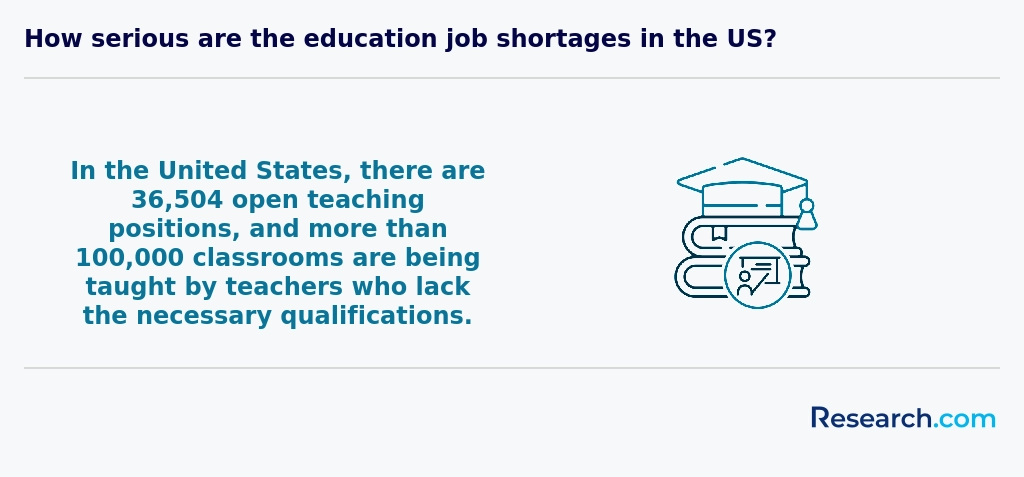
Education degree specializations in Champaign provide more than standard teaching tracks; they invite students to deeply engage with the complexities of education today. Graduates from popular universities in Champaign often reflect on how their Elementary Education specialization transformed their understanding of childhood development, preparing them to foster inclusive and dynamic classrooms for young learners. Others pursuing Secondary Education find themselves challenged to become subject experts and adapt teaching methods suitable for the varied needs of teenagers, often inspired by the diverse student bodies in local schools.
Special Education is notably prominent, with programs emphasizing practical skills necessary to support all learners. Those drawn to careers in special education can explore real-world applications and inclusive philosophies firsthand-and many Champaign students choose this route, encouraged by the region's commitment to equity and accessibility. Interested individuals might find it insightful to review careers in special education, showcasing the rewarding impact of this specialization.
Champaign teaching certification programs also spotlight Educational Leadership and Administration, where graduates embrace the challenge of shaping policies and school cultures from the inside. Others appreciate specializations like Curriculum and Instruction or Early Childhood Education, tailored to innovate educational approaches from infancy through adolescence. These programs, embedded in Illinois public universities, shape reflective educators armed with versatile skills and a genuine passion for change.
Choosing the best education degree in Champaign goes beyond just picking a school; it demands reflecting on how each program aligns with your unique career ambitions. Graduates from well-known institutions like UIUC often emphasize how vital program accreditation-such as CAEP-is to their success, ensuring their degrees open doors and grant eligibility for state certification.
Considering affordable education degrees Champaign IL offers requires a keen eye on tuition costs, but also on the real value of financial aid and assistantships that many students found pivotal in easing their financial burden while gaining meaningful practical experience. One graduate shared how flexible course delivery, including online and hybrid options, enabled balancing work and family commitments seamlessly.
Look closely at faculty expertise, internship opportunities in Champaign's diverse school districts, and graduation rates. For those drawn to specialized areas, programs may even provide pathways like an ESL master's degree online designed to meet specific certification needs while nurturing real classroom impact.

Graduates with an education degree in Champaign find themselves at a crossroads rich with possibilities beyond the traditional classroom. While many step confidently into teaching careers with education degree Champaign offers, such as certified roles in public or private schools at all grade levels, others discover fulfillment in school administration, becoming principals or curriculum coordinators who shape the future of education locally. These roles, often gained through additional certifications, bring leadership opportunities and salaries that reflect their impact, with principals in Illinois earning around $100,000 annually.
Some alumni from the University of Illinois Urbana-Champaign share how their degrees opened doors to specialized paths like educational technology and curriculum development-fields growing rapidly as digital learning reshapes education. Others find meaningful work in counseling or higher education administration at nearby colleges, nurturing student potential behind the scenes.
The diverse landscape of education degree job opportunities Champaign presents encourages graduates to rethink what it means to teach and support learners. For those considering advanced study, Champaign also embraces online learning platforms for doctoral studies, expanding horizons without geographic limits.

The education degree job outlook Champaign presents a grounded yet promising picture for graduates navigating the local market. Graduates from the University of Illinois Urbana-Champaign and Parkland College often land roles in public school districts, such as Community Unit School District #4, where demand peaks for special education teachers and STEM educators. These individuals report a rewarding blend of job stability and community impact, fueled by steady school board hiring efforts and state education funding. However, many recognize the need to enhance credentials or specialize to access leadership positions like principals or program coordinators.
Teaching career opportunities in Champaign also reflect growing demands for educators who skillfully integrate technology and embrace diverse student needs. Graduates balancing student loans and entry-level salaries appreciate the city's affordable cost of living compared to national averages, bolstering their career optimism. Exploring the balance between passion and pragmatism, some turn to resources highlighting the highest paying degrees to weigh their future paths thoughtfully.
2027 Best Education Degree Programs Ranking in Champaign
Investing in your education is a significant decision that can shape your future, and the Research.com team understands the importance of making informed choices. To assist prospective students in Champaign, we have meticulously crafted the "2027 Best Education Degree Programs Ranking in Champaign." Our commitment to quality, credibility, and accuracy is reflected in the extensive research and analysis conducted to compile this ranking.
We utilized the following reputable data sources to ensure a comprehensive evaluation of education programs:
By exploring this ranking, readers will gain valuable insights into the best education degree programs available in Champaign, helping them make informed decisions about their educational paths. For more details on how this ranking was created, please visit our Research.com methodology page.

Frequently Asked Questions About education
Education degree students in Champaign can maximize their learning experience by actively engaging in both theoretical and practical components of their programs. Local institutions, such as the University of Illinois Urbana-Champaign, offer diverse student teaching opportunities in nearby schools, allowing hands-on experience that complements classroom learning. According to the Illinois Board of Higher Education, participation in fieldwork increases graduate readiness by over 30%. Additionally, students benefit from utilizing campus resources, including tutoring centers and educational research labs, to deepen their understanding of pedagogy and curriculum design.
Collaborating with peers through study groups and attending professional education seminars in the community further enhances skill development. Staying informed about state educational standards and certification processes can also optimize preparation for licensure and future employment. Actively seeking feedback from mentors and supervisors during internships helps refine teaching strategies and fosters continuous improvement.
Emerging niches in the education field reflect shifts in technology and societal needs, especially relevant for students pursuing degrees in Champaign. One growing area is educational technology, where specialists develop digital tools to support remote and hybrid learning models. The University of Illinois Urbana-Champaign, a leading institution in the region, actively integrates ed-tech research and training into its programs.
Another expanding niche is special education focusing on neurodiversity, as schools increasingly require educators skilled in tailored strategies for students with autism and other learning differences. According to the Illinois State Board of Education, demand for special educators in the Champaign area has grown steadily over the past five years.
Additionally, education policy and administration roles are gaining prominence due to evolving regulations and equity initiatives. Certified programs in these fields at local colleges prepare students for leadership positions in schools and community organizations.
After completing an education degree in Champaign, preparing for the job market involves several strategic steps. Graduates should begin by gaining practical experience through student teaching or local internships, which are often prerequisites for Illinois teacher certification. According to the Illinois State Board of Education, hands-on experience in Champaign schools can significantly enhance employability.
Networking is also crucial. Joining professional associations such as the Illinois Education Association provides access to job fairs and mentoring opportunities in the Champaign area. Additionally, tailoring resumes and preparing for interviews with a focus on local school district requirements can improve hiring chances.
Continuing education, including endorsements or certifications in high-demand areas like special education, also boosts competitiveness. The U.S. Bureau of Labor Statistics reports that educators with specialized skills have higher employment rates in Illinois. Monitoring job openings on regional education websites ensures timely application submissions.
Employers in Champaign seeking graduates with education degrees prioritize a mix of practical and interpersonal skills. Strong communication abilities are essential, enabling graduates to effectively engage with students, parents, and colleagues. Classroom management and adaptability are also critical, as local schools often require teachers to handle diverse learning needs and shifting educational standards.
Data from the Illinois State Board of Education highlights that schools in Champaign value graduates who demonstrate technological proficiency, particularly in educational software and virtual learning tools. Additionally, problem-solving skills and cultural awareness are emphasized to support inclusive classrooms.
The ability to collaborate within multidisciplinary teams is frequently cited in job postings from districts like Urbana and Champaign Unit 4. These skills help graduates succeed in dynamic school environments.
Finding internships in Champaign for education degree students involves leveraging local resources tied to the University of Illinois Urbana-Champaign (UIUC) and community institutions. UIUC's College of Education offers a dedicated career services office that helps students connect with public and private schools in the area for student teaching and practicum opportunities.
Additionally, interns can explore partnerships with Champaign Unit 4 School District, one of the largest districts in the region, which frequently hosts education interns and student teachers. Networking through university job fairs and local education conferences also increases chances of finding placements.
Students should utilize online platforms such as Handshake, which supports UIUC students, and consult community organizations focused on youth and education for potential internships.
Obtaining an education degree in Champaign significantly impacts career mobility and advancement within the local and regional job markets. According to the Illinois Board of Higher Education, education graduates in this area benefit from strong ties to public schools and educational institutions seeking qualified teachers and administrators.
In Champaign's school districts, a teaching license or advanced degree often opens doors to higher salaries and leadership roles. Data from the Illinois State Board of Education shows that educators with master's degrees earn on average 15% more than those with only a bachelor's, highlighting clear incentives for further education.
Moreover, holders of education degrees can access diverse roles beyond classroom teaching, including curriculum development and educational consulting, which promote upward career mobility. The region's commitment to professional development supports ongoing advancement for education professionals.
Studying for an education degree in Champaign equips students with versatile skills to pursue interdisciplinary roles. Programs often integrate courses from psychology, sociology, and communication, reflecting the diverse demands of modern education careers.
For example, the University of Illinois Urbana-Champaign offers education degrees that emphasize collaborative learning and critical thinking. According to the Illinois Board of Higher Education, over 75% of education graduates from Champaign-based institutions engage in cross-disciplinary work within five years of graduation.
This approach prepares students to work not only in traditional classrooms but also in policy development, educational technology, and community outreach, requiring a broad understanding of multiple fields.
Choosing between a thesis and a non-thesis education degree program in Champaign depends largely on your career goals and learning preferences. Thesis programs typically require conducting original research and writing a detailed dissertation. This path suits students aiming for academic, research, or doctoral work. Non-thesis options focus more on coursework and practical experience, often including projects or internships, appealing to those seeking classroom teaching or administrative roles.
In Champaign, institutions like the University of Illinois offer both formats. According to recent data, about 40% of education graduate students in the area choose thesis tracks, mostly those planning doctoral studies. Understanding these differences can clarify which program aligns best with your future plans.
Students based in Champaign interested in studying education abroad have several options primarily facilitated through local universities and affiliated exchange programs. The University of Illinois Urbana-Champaign, a prominent institution in the area, partners with international universities to offer semester-long study abroad opportunities for education majors.
These programs often include placements in schools overseas, allowing students to gain practical teaching experience alongside cultural immersion. The university's Illinois Global Institute lists destinations in Europe, Asia, and Latin America tailored to education students, ensuring relevant coursework credits transfer smoothly.
Financial aid and scholarships are available for eligible students, often covering a portion of travel and tuition costs, according to the university's Office of Financial Aid. This support enhances access to global experiences without significant additional expense.
Overall, Champaign-based students have structured pathways that combine academic rigor with international exposure, supported by one of the nation's leading public research universities.
Students pursuing education degrees in Champaign can benefit from various part-time job opportunities that complement their studies. Positions such as teacher aides, tutoring assistants, or after-school program coordinators provide practical experience in classroom management and student engagement. The Champaign Unit 4 School District often hires part-time staff, offering students hands-on learning environments.
Additionally, roles in local libraries or community centers help develop communication and organizational skills vital for educators. According to the U.S. Bureau of Labor Statistics, education-related part-time jobs in Illinois offer flexible schedules suitable for busy students. These opportunities support classroom theory with real-world application, enhancing both skills and resumes.
Education students in Champaign have several strong networking opportunities to support their professional growth. The University of Illinois Urbana-Champaign (UIUC) offers access to numerous education-related events, workshops, and career fairs that connect students with local school districts and education organizations. According to UIUC's College of Education, over 90% of education graduates participate in networking events before completing their degrees.
Local chapters of national organizations such as the Illinois Education Association provide platforms for students to engage with practicing educators and policymakers. In addition, Champaign's collaborative community includes mentorship programs linking students to experienced teachers in nearby schools, fostering valuable professional relationships.
Alumni networks in Champaign provide crucial support for education degree students by connecting them with experienced professionals and recent graduates. These networks often organize mentorship programs that help students navigate their academic and career paths effectively. According to the University of Illinois Urbana-Champaign Career Center, over 70% of education graduates benefited from alumni connections for internship opportunities and job placements.
Members share insights about local school districts and teaching environments, giving students valuable, region-specific information. Additionally, alumni events foster networking that can lead to collaborative projects and research opportunities. This community support enhances professional development and boosts employment prospects after graduation.
In Champaign, education degree programs offer multiple options to tailor your studies based on career aspirations. Many universities provide specialized tracks or concentrations such as early childhood education, special education, or educational leadership. This allows students to focus on areas aligned with local school district needs or specific job roles.
Additionally, students can often choose elective courses to develop skills in curriculum design, technology integration, or counseling. Field experiences are commonly customizable, enabling placement in settings that match career goals. The University of Illinois Urbana-Champaign, for example, reports over 300 practicum sites, offering diverse hands-on learning opportunities.
Part-time, online, and accelerated formats are also available to accommodate working professionals and career changers in the Champaign area.
Education students in Champaign often face the challenge of balancing rigorous coursework with practical teaching experiences. Many programs require student teaching placements, which can be time-consuming and demanding. According to the University of Illinois Urbana-Champaign, managing these commitments alongside part-time work or family obligations is a common struggle.
Another difficulty is navigating the certification process. Illinois state requirements involve passing specific exams, such as the Illinois Certification Testing System (ICTS), which can be stressful and require considerable preparation.
Additionally, students may encounter limited local school placements due to competition, impacting hands-on learning opportunities. Funding and financial aid access also remains a concern for some students in the region.
With an education degree in Champaign, graduates can pursue several professional certifications to advance their careers. One common option is obtaining a teaching license through the Illinois State Board of Education, which is necessary for K-12 public school teachers in the area.
Additionally, candidates may pursue certifications in specialized areas such as Special Education, ESL (English as a Second Language), or Reading Specialist credentials. These certifications typically require additional coursework and passing state exams.
For those interested in administration, certifications like Principal or Superintendent endorsements are available, requiring further graduate study. According to the University of Illinois at Urbana-Champaign, locally accessible programs support these advanced certifications.
To write a winning application for an education program in Champaign, start by thoroughly researching local universities such as the University of Illinois Urbana-Champaign, which is known for its strong College of Education. Highlight your academic background clearly, emphasizing relevant coursework and any teaching experience. Admissions often look for applicants with a clear passion for education and community involvement.
Include a compelling personal statement that outlines your goals and why you want to study education in Champaign. This should demonstrate your understanding of local educational challenges and how you plan to contribute. Also, ensure all required documents, like transcripts and recommendation letters, are submitted on time.
Pay attention to standardized test score requirements, although many programs have become test-optional recently. According to university data, successful applicants typically maintain a GPA of 3.0 or higher. Finally, consider reaching out directly to admissions counselors for tailored advice to strengthen your application.
Education careers are increasingly viewed through a global lens, highlighting the need for cultural awareness and adaptability. In the U.S., including Champaign, education degrees emphasize developing skills to work with diverse student populations and understanding global education trends.
Institutions like the University of Illinois Urbana-Champaign integrate international perspectives into their education programs. According to the National Center for Education Statistics, U.S. schools are preparing educators to meet varied learning needs influenced by global migration and technology.
Educators trained in Champaign gain insights into comparative education models, which enhances their ability to adopt best practices from around the world while serving local communities.
Students pursuing education degrees in Champaign can gain practical experience through structured field placements commonly integrated into most local university programs. For example, the University of Illinois Urbana-Champaign requires education students to complete multiple hands-on teaching internships in nearby schools, giving them direct classroom exposure.
Community partnerships are also vital. Many colleges collaborate with local districts, such as Champaign Unit 4 School District, which hosts student teachers annually, providing real-world practice and mentoring from experienced educators.
Additionally, workshops, tutoring programs, and volunteer opportunities at after-school centers in Champaign offer supplementary avenues to build skills while studying. According to the Illinois Board of Higher Education, practical experience significantly enhances employment prospects for new educators.
Choosing the right concentration within an education degree program in Champaign involves understanding your career goals and local job market demands. Education programs often offer concentrations such as early childhood, special education, or educational leadership. For example, the University of Illinois Urbana-Champaign, a primary institution in the area, reports strong graduate employment rates in special education and STEM-related teaching fields.
It's important to research potential schools and their faculty expertise, as well as practicum opportunities in local Champaign schools. According to the Illinois State Board of Education, demand for special education teachers in Champaign County is expected to grow by 8% over the next decade.
Consider concentrations that align with your interests but also reflect growth areas within the region's educational system, such as bilingual education, which supports the diverse community here.
- 2027 Best Education Degree Programs Ranking in Indianapolis
- 2027 Best Education Degree Programs Ranking in River Forest
- 2027 Best Education Degree Programs Ranking in Chicago
- 2027 Best Education Degree Programs Ranking in Louisville
- 2027 Best Education Degree Programs Ranking in Dubuque
- 2027 Best Education Degree Programs Ranking in Columbia
- 2027 Best Education Degree Programs Ranking in Grand Rapids
- 2027 Best Education Degree Programs Ranking in Ann Arbor
- 2027 Best Education Degree Programs Ranking in Des Moines
- 2027 Best Education Degree Programs Ranking in Winona
See What Experts Have To Say About Studying Education
Read our interview with Education experts


Alan J. Singer
Education Expert
Professor of Teaching, Learning and Technology
Hofstra University

- Education Technology Trends to Watch in 2065: 10 Innovations Shaping the Future of Learning https://www.digitallearninginstitute.com/blog/education-technology-trends-to-watch-in-2026
- Networking Tips and Advice for Students https://schoolshouldbe.com/post/networking-tips-and-advice-for-students/
- Skills Employers Look for in Business Graduates – EU Business School https://www.euruni.edu/blog/skills-employers-look-for-in-business-graduates/
- Seven Major Challenges Facing Education in the 21st Century https://www.internationalschoolparent.com/articles/seven-global-education-challenges/
- Education https://www.parkland.edu/Main/Academics/Departments/Arts-Media-Social-Sciences/Areas-of-Study/Social-Sciences/Education
- The importance of networking in the education sector https://www.tlclive.com/blog/the-importance-of-networking-in-the-education-sector
- The Future of Experiential Learning https://expinstitute.com/blog/future-of-experiential-learning
- Teaching Degree Requirements in 2023 | Teachers of Tomorrow https://www.teachersoftomorrow.org/blog/insights/teaching-degree-requirements/
- Working in Ed Tech: How to Identify Your Niche and Build Relevant Skills https://www.highfivepartners.com/blog/working-in-ed-tech-how-to-identify-your-niche-and-build-relevant-skills
- Students: This is How You Should Prepare for the Job Market https://www.agencycentral.co.uk/articles/students-this-is-how-you-should-prepare-for-the-job-market/


