
2027 Best Education Degree Programs Ranking in New Jersey

Co-Founder and Chief Data Scientist
Choosing the right education degree program in New Jersey can be a challenging step toward your future. This article presents the 2027 Best Education Degree Programs Ranking in New Jersey, developed by the Research.com team of data scientists to guide you in making an informed decision.
By exploring these top programs, you'll discover options that align with your goals and passions. Earning an education degree opens many rewarding opportunities to impact lives positively. Reading this ranking will help you take confident steps toward a meaningful career in education.
Key benefits of getting education degree in New Jersey
- Salary for education degree graduates: Graduates in New Jersey can expect rewarding salaries, such as $76,000 annually for Special Education Teachers and $77,200 for Instructional Designers, reflecting strong earning potential in the field.
- Career paths: Education degree holders from universities like Rutgers University can pursue diverse roles including Elementary School Teacher, ESL Teacher, or Early Childhood Educator, offering meaningful opportunities to impact students' lives.
- Benefits of online degrees: Earning an education degree online from institutions like Montclair State University lets you balance studies with life commitments, providing flexible schedules and fast-tracking your career without sacrificing quality.
- 2027 Best Education Degree Programs Ranking in New Jersey
- What can I expect from education degree in New Jersey?
- Where can I work with education degree in New Jersey?
What can I expect from education degree in New Jersey?
When considering the cost of an education degree in New Jersey, it's important to know that prices can vary, but there are many affordable paths available. For example, graduates from public institutions like The College of New Jersey or Rutgers University often remark on how manageable tuition was, especially for in-state students benefiting from lower rates and financial aid.
Scholarships and grants frequently help reduce expenses, making the dream of becoming an educator more accessible. Many students have shared how federal financial aid, combined with work-study programs or flexible online courses, allowed them to balance studies and life without overwhelming debt.
Imagine attending classes that prepare you deeply for real classrooms while fitting into your budget. Whether taking hybrid courses after work or participating in student teaching assignments across the state's diverse school districts, your investment supports a career with lasting impact.
This financial flexibility is vital, especially when you consider the rewarding future that awaits, teaching one of the nation's most dynamic student populations right here in New Jersey.
Where can I work with education degree in New Jersey?
Graduates with an education degree in New Jersey find themselves stepping into a world full of rewarding opportunities. Many begin as licensed teachers in the state's public schools, where over 130,000 students eagerly await inspiring educators. Those who studied at institutions like Rutgers or Montclair State often share how their hands-on training prepared them to confidently handle classrooms from elementary to high school levels.
Others pursue specialized roles-such as special education instructors or school counselors-reflecting New Jersey's strong commitment to inclusive learning. Graduates frequently recall how their coursework and internships in local districts made these careers feel accessible and impactful.
Administrators and early childhood educators also report thriving thanks to expanded Pre-K programs and leadership development available through New Jersey's educational networks. Plus, private and charter schools across the state create diverse environments where education degree holders can grow professionally, especially those who've experienced the unique needs of urban and suburban classrooms during their studies.
Some alumni use their expertise as educational consultants, corporate trainers, or adjunct professors, demonstrating that a degree from New Jersey colleges opens doors beyond traditional paths. The excitement of shaping minds and communities shines through every step of their career journeys.
Graduates with an education degree in New Jersey can look forward to rewarding career opportunities with competitive salaries reflecting the state's strong commitment to education. For instance, elementary school teachers earn a mean annual wage around $70,740, while special education teachers make about $76,000 on average. These figures align with real experiences from graduates at institutions like Rutgers University and Montclair State University, where students often secure positions that not only provide financial stability but also personal fulfillment.
Early childhood educators in New Jersey typically start with a mean salary near $41,410, which grows as they gain credentials and experience. Instructional designers, a growing role for education degree holders focusing on curriculum development, earn around $77,200 annually, reflecting the diverse paths available after graduation.
Many graduates from popular New Jersey colleges find that advancing their qualifications-such as obtaining master's degrees or certifications-significantly boosts earnings. For example, moving into educational administration or specialized roles in public schools can push salaries beyond $100,000, turning passion into a sustainable career.
- Annual tuition for an education bachelor's degree in New Jersey ranges from $15,000 to $35,000, with in-state public colleges being more affordable than private institutions.
- Starting salaries for new education graduates average about $48,000 per year, increasing to around $70,000 with experience and additional certifications.
- Employment for education professionals in New Jersey is expected to grow by approximately 6% over the next ten years.
- State teacher certification requires completing an approved program, passing Praxis exams, and a background check, with alternative certification options available.
- Degrees in specialized fields like special education or STEM offer stronger job prospects, especially in diverse and underserved communities near metropolitan areas.
Completing an education degree in New Jersey typically means dedicating about four years if you enroll full time, especially at well-known institutions like Rutgers University or Montclair State University. Many graduates reflect on this period as a fulfilling chapter, balancing foundational coursework with practical teaching experiences that prepare them for real classrooms.
If you already hold a bachelor's degree, pursuing a Master of Education usually takes around two years. Graduates often share how these programs deepened their expertise and opened doors to leadership roles, especially when attending full-time. However, part-time options provide flexibility, letting students manage work alongside their studies-a path many appreciate when life's demands are high.
Accelerated bachelor's programs can shorten your journey to about three years, though the pace is intense. Doctoral degrees, such as Ed.D. or Ph.D., generally range from three to six years, filled with enriching research that many find life-changing. In New Jersey, these timelines are your roadmap to becoming a skilled education professional ready to inspire the next generation.
New Jersey’s top education degree programs are distinguished by faculty members who blend academic rigor with real-world experience. Prospective students benefit from:
- Renowned Scholars and Practitioners: Faculty often hold doctoral degrees in curriculum design, educational psychology, and special education, contributing to peer-reviewed journals and presenting at national conferences. Their research on inclusive teaching methods and technology integration directly informs classroom practice.
- Collaborative Research Centers: Institutions host centers such as the Center for Literacy Studies at Rutgers University and the Montclair State University Institute for Urban Education, where students can assist with projects on early intervention, bilingual education, and policy evaluation. Participating in these labs enhances research skills and strengthens resumes.
- Grant-Funded Initiatives: Faculty-led grants from the U.S. Department of Education and private foundations support studies on STEM outreach and culturally responsive pedagogy. Graduate students often co-author publications and secure competitive fellowships, positioning them as thought leaders in the field.
- Networking and Professional Development: Through workshops, seminars, and guest lectures, faculty connect students with school districts and nonprofit organizations. Online learners can also explore flexible pathways highlighted in the Low Cost Online Education Degree Programs Ranking in Muncie, IN, ensuring that research opportunities remain accessible regardless of location. By engaging with expert faculty and leveraging cutting-edge research, students cultivate the analytical and pedagogical competencies essential for both classroom leadership and educational innovation.
Choosing between online and on-campus education degrees in New Jersey comes down to your lifestyle and learning preferences. On-campus programs, like those at Rutgers University or Montclair State University, provide an immersive experience where you engage face-to-face with professors and peers. Graduates often share how the hands-on practicum in local schools deepened their confidence and built lasting professional connections.
Conversely, online programs offer unmatched flexibility, ideal for those juggling work or family commitments. Many New Jersey schools now deliver accredited education degrees online, blending virtual lectures with local in-person internships required for state certification. Graduates appreciate the freedom to learn at their own pace, though they note the need for strong self-discipline and time management.
Both paths prepare you for licensure exams like the Praxis tests, but the choice shapes your daily experience. Whether you thrive in a classroom setting or prefer the independence of remote study, New Jersey's education programs support your journey to becoming a passionate, skilled educator.
When considering education degree programs in New Jersey, affordability is a crucial factor for many prospective students. The cost of tuition, fees, and living expenses can vary significantly between institutions, making it essential to explore options that fit within one's budget. For those seeking affordable education, checking the cheapest education schools in New Jersey can provide valuable insights into institutions that offer quality education at a lower cost. By understanding the financial implications of pursuing an education degree, students can make informed decisions that align with their financial capabilities and career aspirations, ultimately empowering them to pursue their educational goals with confidence and purpose.
Pursuing an education degree in New Jersey is an exciting journey, and understanding the cost involved helps you plan confidently. On average, the total cost for earning this degree can be around $36,741 for in-state students. Many graduates recall balancing the tuition expenses alongside life's other commitments, especially at well-known institutions like The College of New Jersey and Kean University. These public schools offer quality education at reasonable costs, making the dream of becoming an educator achievable.
Out-of-state students often face higher expenses, with median total costs reaching approximately $51,052. Private universities, which include respected names such as Seton Hall University, tend to have higher tuition fees as well, contributing to this increased average. Yet, students who embraced these challenges frequently share how their investment reflected in enriched learning experiences and expanded professional networks, affirming the value of their education.
When considering New Jersey education degree tuition and fees, keep in mind that beyond tuition, other costs like books, supplies, and living expenses play a role. Also, many students access financial aid or scholarships, lightening their financial burden. For those seeking cost-effective options, our guide to the cheapest education schools in New Jersey provides valuable insights into affordable pathways.
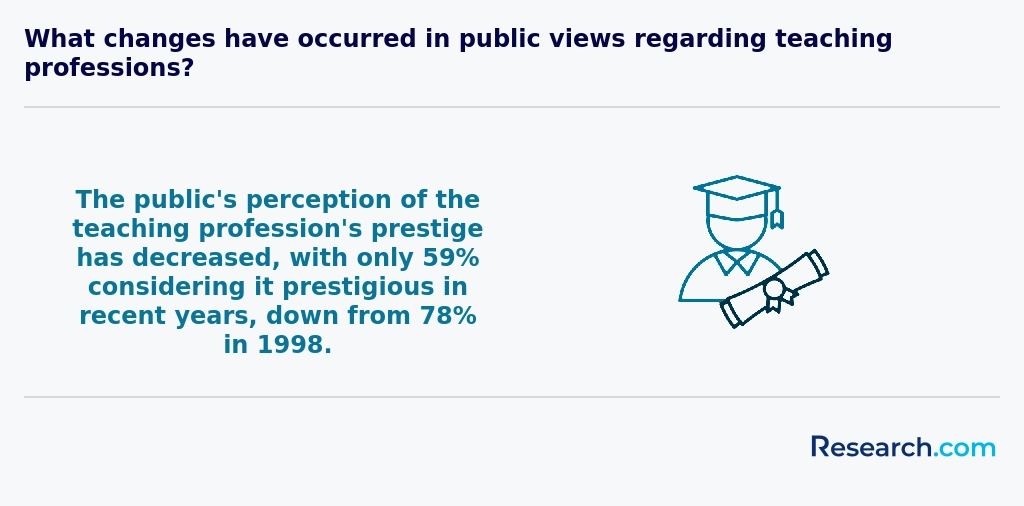
Securing a teaching certificate is a critical milestone for aspiring educators in New Jersey and paves the way for ongoing professional growth. In this section, we outline the essential steps to obtain certification and how educators can continue to develop their skills throughout their careers. To become a certified teacher in New Jersey, prospective educators should consider the following steps: • Earn a degree from an accredited education program that meets state standards. • Complete a state-approved teacher preparation program, which often includes rigorous coursework and supervised classroom experiences. • Pass the necessary certification exams, such as the Praxis Series, to demonstrate proficiency in both subject matter and pedagogy. • Successfully undergo background checks and fingerprinting to satisfy state security requirements. Beyond initial certification, continuous professional development is crucial to maintain licensure and stay current with evolving educational practices. Educators are encouraged to participate in workshops, seminars, and advanced degree programs that focus on innovative teaching strategies and leadership skills. For instance, pursuing an online edd can offer flexible opportunities to deepen instructional expertise and advance into administrative roles. By understanding and following these processes, teachers in New Jersey not only secure the legal requirements for classroom instruction but also empower themselves with the knowledge and skills needed for a dynamic and rewarding educational career.
When pursuing an education degree in New Jersey, many students find relief through a mix of financial aid that makes their journey possible. Graduates from institutions like Rutgers University and Montclair State often share how completing the FAFSA unlocked access to federal grants, including the Pell Grant, which can provide up to $7,395 a year for undergraduates facing financial challenges.
State programs play a crucial role too. For example, the Tuition Aid Grant (TAG) from New Jersey's HESAA helps full-time students cover significant tuition costs at public colleges, easing daily concerns about expenses. The Educational Opportunity Fund (EOF) also supports those from low-income backgrounds by offering both financial aid and valuable academic counseling.
Many graduates recall how federal Stafford Loans offer manageable repayment plans compared to private lenders. Scholarships from groups like the New Jersey Education Association reward commitment to local public schools, reflecting real chances to give back while receiving support. Plus, campus-based work-study jobs provide hands-on experience and extra income, turning education into a truly enriching adventure.
Ensuring that your chosen education program is properly accredited is the first step toward obtaining state licensure and launching a successful teaching career. In New Jersey, most reputable institutions hold accreditation from the Council for the Accreditation of Educator Preparation (CAEP) or the state’s Office of Postsecondary Education, which verifies that programs meet rigorous standards in curriculum, faculty qualifications, and student outcomes. Graduates of CAEP-accredited programs are eligible to apply for the New Jersey Department of Education (NJDOE) teacher preparation approval, a prerequisite for sitting the Praxis Core and Praxis Subject Assessments required for initial licensure. Aspiring teachers should verify that their institution offers the NJDOE-approved Teacher Education Program (TEP), which integrates coursework with supervised clinical experiences. These student teaching placements, typically spanning 12–16 weeks, provide hands-on practice under the guidance of certified mentor teachers. Upon successful completion, candidates submit their TEP completion letter, official transcripts, and passing Praxis scores through the NJDOE’s Educator Preparation Information System (EPIS) to receive the Standard Instructional Certificate. For career changers or working professionals seeking flexibility, many New Jersey institutions now partner with accredited online providers. These programs often mirror on-campus curricula while offering asynchronous modules and virtual classroom practicum options. Additionally, students exploring low-cost online pathways may consider the Low Cost Online Education Degree Programs Ranking in Muncie, IN, which highlights budget-friendly alternatives with robust accreditation credentials. By prioritizing accredited programs and understanding licensure requirements, prospective educators can streamline their path to becoming licensed teachers in New Jersey, ensuring both compliance with state regulations and competitive advantage in the job market.
To enroll in an education degree program in New Jersey, you first need a high school diploma or GED-this basic foundation opens the door to college readiness. Graduates from well-known institutions like Rutgers or Montclair State often reflect on how their solid high school GPA, typically around 3.0 or higher, was key in gaining admission. Many programs still expect SAT or ACT scores, though some schools have embraced test-optional policies, making it a little easier for diverse applicants.
Admissions committees value more than grades; they want to see your passion through personal statements and letters of recommendation. Graduates frequently share how expressing real experiences working with children or volunteering in community programs helped them stand out. For those eyeing a Master of Education, having a relevant bachelor's degree and passing Praxis or similar tests are common steps.
Don't forget New Jersey's background checks-a necessary step that ensures schools keep students and children safe. Following these guidelines with dedication not only prepares you academically but also instills confidence for your future in teaching.
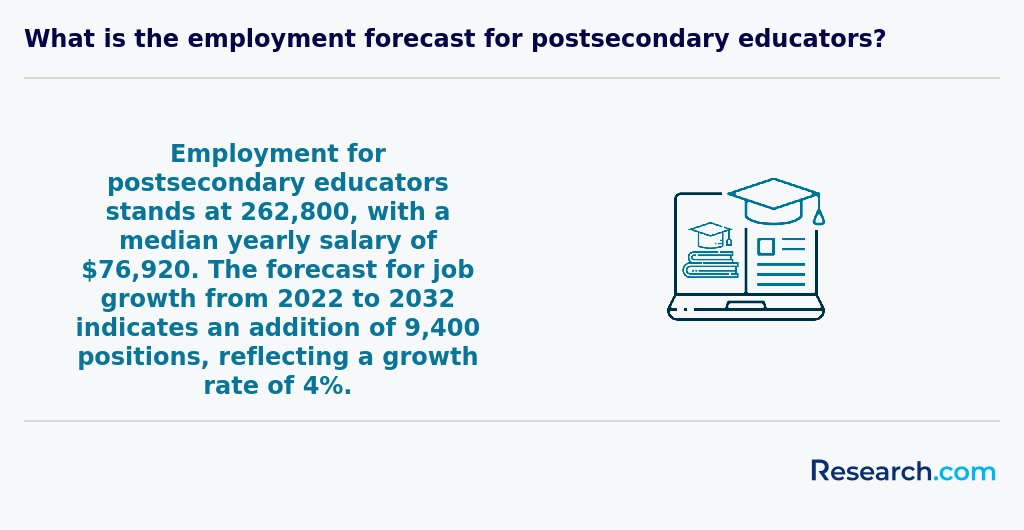
Understanding graduate outcomes is essential for evaluating the true value of education degree programs. In New Jersey, our data shows that 88% of education graduates secure full-time employment within six months of graduation, with an average starting salary of $54,200. These figures reflect the robust demand for qualified educators across K–12 settings, higher education, and specialized roles such as instructional design. Licensure pass rates further underscore program effectiveness. New Jersey teacher certification exams boast an 85% first-attempt pass rate for graduates from top-ranked institutions, exceeding the national average of 78%. High pass rates not only indicate rigorous academic preparation but also signal strong faculty mentorship and targeted exam support services. For alumni success, 72% report career advancement-such as promotions to lead teacher or curriculum coordinator-within three years of entering the workforce. Many credit their professional networks and continuing education opportunities for rapid progression. Prospective students interested in affordable post-graduate options may also explore Low Cost Online Education Degree Programs Ranking in Muncie, IN to compare outcomes in similar online pathways. Finally, alumni satisfaction surveys reveal that 91% would recommend their alma mater’s education program to future educators, citing hands-on student teaching placements and access to career services. These metrics collectively demonstrate that New Jersey’s top education degree programs deliver not only academic excellence but also tangible career success.
When you pursue an education degree in New Jersey, expect a thoughtfully structured curriculum that combines theory and practice to prepare you for real classrooms. Graduates from well-known colleges in the state often recall courses like Educational Psychology and Curriculum Development as invaluable, helping them understand how children learn and how to design effective lesson plans tailored to diverse student needs.
Their experience with Instructional Technology and Classroom Management classes equips them to confidently integrate digital tools and maintain a positive learning environment, essential skills in today's classrooms. Practical courses such as Student Teaching Practicum stand out as transformative moments, where actual teaching under supervision brings theory to life in schools like those near Rutgers or Montclair State University.
Special Education Principles is another vital course that graduates frequently highlight, preparing them to meet the demands of inclusive classrooms with empathy and expertise. These core and specialized courses reflect New Jersey's dedication to developing educators ready to inspire every learner's growth.
When exploring education degree specializations in New Jersey, you'll find a rich variety that suits diverse teaching passions. Graduates from well-known colleges across the state often highlight early childhood education as a favorite, enabling them to inspire young minds in preschools and elementary schools. This focus reflects New Jersey's commitment to foundational learning, making your work genuinely impactful at the start of a child's journey.
For those drawn to classroom challenges, special education offers rewarding opportunities. Many teaching certification programs New Jersey include training to support students with disabilities, preparing educators to create inclusive environments that celebrate every learner's potential. Graduates who chose this path speak about their personal growth and meaningful connections with students who need specialized attention.
Secondary education specializations in subjects like English or math provide exciting ways to engage older students. Whether at Rutgers or Montclair State, educators learn to balance content mastery with dynamic teaching methods. Some even explore educational leadership and administration, inspired to shape the future of schools beyond the classroom. Others supplement their studies by choosing innovative routes, such as online edd, to advance their careers quickly.
Choosing the best education degree in New Jersey means aligning your goals with programs that hold strong accreditation, such as those recognized by the Council for the Accreditation of Educator Preparation. Graduates from Rutgers University often share how this ensures they're challenged and well-prepared for certification exams required by the state. Think about your career path-whether aiming to teach K-12 or specializing in STEM-because programs vary widely, and the right fit will boost your confidence and success.
Many affordable education degrees New Jersey options balance cost with quality. For example, public institutions offer in-state tuition around $13,000 a year, making them accessible investments. Graduates reflect on how this affordability, combined with scholarship opportunities, made pursuing their teaching dreams less stressful. Also, consider how flexibility matters; schools like The College of New Jersey offer evening and online courses, perfect for working students seeking to manage family or jobs.
Remember to investigate outcomes like licensure pass rates and job placement-these are clues to a program's effectiveness. You can complement your research by exploring resources like Low Cost Online Education Degree Programs Ranking in Muncie, IN to expand your view on accessible options. Choosing wisely today sets the stage for a rewarding teaching career tomorrow.
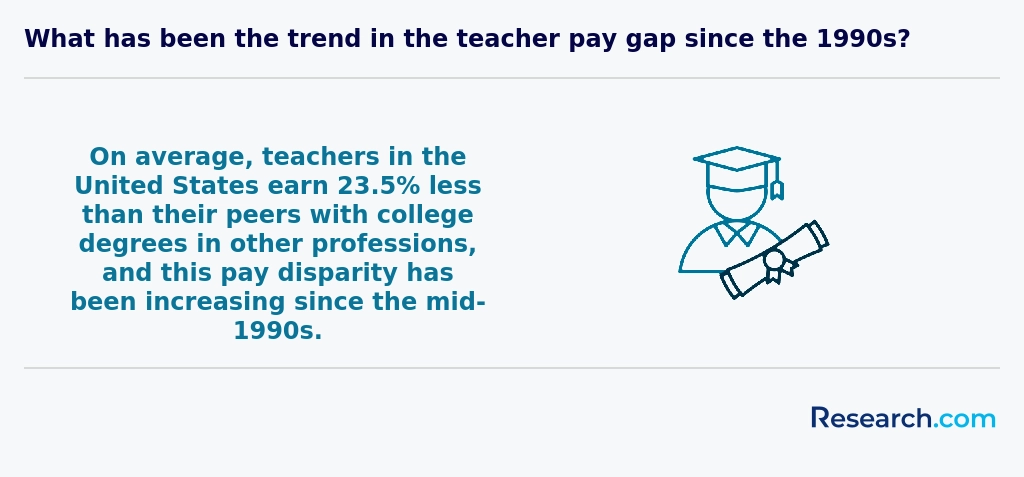
Graduates with an education degree in New Jersey find a wealth of career opportunities tailored to their passion and talents. Many start as licensed teachers in elementary, middle, or high schools, especially in popular programs offered by institutions like Rutgers or Montclair State University. These graduates often recall how rewarding it felt to shape young minds while specializing in high-demand fields such as math or special education. For those drawn to leadership, careers in educational administration, including becoming principals or curriculum coordinators, offer a chance to influence school policy and culture in meaningful ways.
Other graduates embrace roles as instructional coordinators or school counselors, guiding both curriculum development and student well-being. New Jersey's emphasis on fostering diverse skill sets means education degree holders can also explore roles as special education specialists or adult education professionals. For education graduates in NJ seeking versatile options, considering best accelerated bachelor's degree programs is another practical step toward growth.
Indeed, the landscape for education degree career opportunities New Jersey offers is vibrant and filled with promise, especially for those eager to make a positive impact within their communities.
The job market for education degree holders in New Jersey is encouraging and offers many pathways for graduates eager to make a difference. Those completing their studies at well-known institutions like Rutgers University or Montclair State University often step into roles as classroom teachers, counselors, or administrators across public and private schools. With growing demand in urban districts such as Newark and Jersey City, many find themselves leading programs that focus on bilingual education or STEM, reflecting the state's priority on diverse and future-ready learning environments.
New Jersey's strong educational funding means starting salaries for entry-level teachers range from $50,000 to $60,000, which provides a solid foundation for new graduates. Experienced educators with advanced certifications often enjoy higher wages and benefits, especially in districts committed to improving educational equity. When considering educational pathways, students appreciate affordable tuition options paired with financial aid that supports their journey. Graduates also explore various opportunities, so investigating the easiest associates degrees can be a useful step toward building credentials that boost employment chances in this competitive market.
For anyone interested in education degree job opportunities in New Jersey, understanding the dynamic needs of different school settings-from suburban to urban-is key. The positive employment outlook, backed by a 5% projected job growth for teaching roles, creates a hopeful landscape where dedication and skills are highly valued.
2027 Best Education Degree Programs Ranking in New Jersey
Investing in your education is a significant decision that can shape your future, and the Research.com team understands the importance of making informed choices. To assist prospective students, we have meticulously created the "2027 Best Education Degree Programs Ranking in New Jersey." Our commitment to quality, credibility, and accuracy is reflected in the extensive research and analysis conducted to compile this ranking.
We utilized the following reputable data sources to ensure a comprehensive evaluation of education programs:
By exploring this ranking, readers will gain valuable insights into the top education degree programs in New Jersey, empowering them to make well-informed decisions about their academic and professional futures. For more details on our methodology, please visit our Research.com methodology page.


Frequently Asked Questions About education
Education degree students in New Jersey can enhance their learning by engaging actively in both theoretical study and practical experiences. According to the New Jersey Department of Education, fieldwork and student teaching are essential components of many state-approved programs, providing real classroom exposure. Networking with local schools and participating in workshops help students understand diverse educational environments.
New Jersey offers access to resources like the New Jersey Education Association, which supports professional development. Additionally, leveraging online tools and statewide databases can deepen subject knowledge. Staying current with state curriculum standards and licensure requirements ensures that students align their training with New Jersey's teaching expectations.
Emerging niches within the education field in New Jersey reflect broader national trends emphasizing technology, diversity, and specialized support. One key area is educational technology, driven by increasing demand for digital learning tools and remote instruction models. Educators skilled in online curriculum design and technology integration are in growing demand across the state.
Another niche is special education, particularly focused on individualized learning plans for students with disabilities. New Jersey's commitment to inclusive education creates opportunities for specialists in autism spectrum disorders and behavioral support.
Additionally, bilingual education and English as a Second Language (ESL) programs are expanding, responding to New Jersey's diverse student population. The New Jersey Department of Education reports a steady rise in multilingual learners, highlighting the need for educators fluent in culturally responsive teaching methods.
After earning an education degree in New Jersey, preparing for the job market involves several key steps. First, graduates should obtain professional certification, as New Jersey requires teacher candidates to complete the Praxis exams and apply for state licensure through the Department of Education.
Networking is essential; joining groups such as the New Jersey Education Association can provide job leads and support. Additionally, gaining practical experience via student teaching or internships significantly improves hiring prospects.
According to the New Jersey Department of Labor, employment for education professionals is projected to grow moderately, with demand highest in urban districts. Staying informed about these trends can guide job search strategies.
Employers in New Jersey increasingly value education degree graduates who demonstrate strong communication and classroom management skills. According to the New Jersey Department of Education, effective communication with students, parents, and colleagues is critical for successful teaching outcomes. Additionally, employers prioritize adaptability and technology proficiency, especially as digital learning tools become more common in schools across the state.
Data from the New Jersey Principals and Supervisors Association highlights problem-solving abilities and cultural competence as essential qualities. These skills help teachers meet the needs of diverse student populations in urban and suburban districts. Finally, leadership and collaboration skills are often noted in job descriptions for new educators working within team-based school environments.
Finding internships in New Jersey relevant to an education degree involves leveraging local school districts, universities, and education organizations. Many New Jersey colleges with teaching programs require or facilitate internships as part of their curriculum. According to the New Jersey Department of Education, collaborations between universities and public schools often provide students with practical classroom experience. Students should explore opportunities through university career centers, which frequently post internships in nearby districts.
Additionally, New Jersey offers resources like the New Jersey Education Association's website, listing internships and entry-level positions. Given that 2023 data showed over 700 school districts statewide, candidates have broad access to diverse internship placements. Networking with educators and attending education fairs in the region also enhance internship prospects.
In New Jersey, earning an education degree can significantly enhance career mobility and advancement opportunities. According to the New Jersey Department of Education, individuals with a teaching certification and bachelor's degree in education are eligible for a range of positions within the public school system, including specialized instructional roles and administrative posts.
Advanced degrees such as a master's or doctorate often lead to higher salaries and leadership roles like curriculum coordinator, principal, or superintendent. Data from the National Center for Education Statistics shows that New Jersey educators with graduate degrees earn substantially more-often 15% to 20% higher salaries-compared to those with only a bachelor's degree.
Additionally, education degrees provide the credentials needed for licensure renewal and specialized endorsements, which further open doors to career growth and job security throughout the state's competitive school districts.
Studying for an education degree in New Jersey equips students with skills valuable across multiple disciplines. Programs emphasize collaboration between education, psychology, and social sciences, fostering a holistic understanding of learner needs. Many institutions integrate coursework in speech pathology, counseling, and special education, preparing graduates for roles beyond traditional classrooms.
New Jersey's education degrees also adhere to state standards requiring practical experience, including internships in diverse settings such as community centers, healthcare facilities, and schools. According to the New Jersey Department of Education, over 85% of education graduates engage in multidisciplinary internships before graduation.
This combination of theory and applied learning broadens career options, making graduates adaptable in areas like educational technology, policy, and administration.
Choosing between a thesis and a non-thesis education degree program in New Jersey depends largely on your career goals and learning preferences. Thesis programs typically require original research and are suited for students interested in pursuing doctoral studies or research careers. Non-thesis options focus more on practical skills and coursework, ideal for immediate entry into educational professions.
In New Jersey, public universities often offer both pathways, with thesis tracks generally taking longer to complete. According to the New Jersey Department of Education, programs with a thesis component can provide a competitive edge for candidates aiming for academic positions.
Consider your time commitment and interest in research before deciding.
Students in New Jersey seeking education degrees have several avenues to study abroad through established partnerships between local universities and foreign institutions. Schools such as Rutgers University and Montclair State University offer exchange programs allowing students to earn credits overseas while pursuing their education degrees. These opportunities provide exposure to diverse teaching methods and educational systems.
Many New Jersey institutions also participate in U.S. Department of Education initiatives promoting global learning. According to the New Jersey Department of Education, approximately 15% of education majors engage in international study programs during their degree. This experience enhances both cultural competence and pedagogical skills, valuable for future educators in increasingly diverse classrooms.
Students pursuing education degrees in New Jersey can enhance their career prospects by taking part-time jobs related to teaching and childcare. Common opportunities include working as teacher's assistants in public or private schools, where New Jersey employs over 180,000 teachers according to the New Jersey Department of Education (2023). This role offers practical classroom experience and insight into school operations.
Another valuable option is tutoring younger students or peers, especially in subjects aligned with the state's curriculum standards. Many tutoring centers in New Jersey seek part-time educators for personalized learning sessions.
Additionally, positions in after-school programs and daycare facilities provide hands-on experience with child development, crucial for education majors focusing on early childhood education or special education.
Education students in New Jersey benefit from strong networking opportunities through universities and professional organizations. Many institutions, like Rutgers and Montclair State University, host education-focused events where students can connect with experienced educators and potential employers. The New Jersey Education Association (NJEA) also offers student memberships, providing access to workshops, conferences, and local networking events tailored to future educators.
Additionally, internships and student teaching placements within New Jersey's diverse school districts enable direct professional connections. According to the New Jersey Department of Education, over 80% of education graduates find employment within the state, highlighting the value of these networks. These opportunities support career development and job placement in education.
Alumni networks offer significant benefits to education degree students in New Jersey by providing valuable professional connections and mentorship opportunities. Graduates from New Jersey institutions frequently report that alumni support helps them navigate job searches, especially in public and private school systems across the state. According to the New Jersey Department of Education, networking is critical for securing roles within the state's competitive education market.
These networks often host events, workshops, and online forums, making it easier for students to connect with experienced educators. Access to alumni can increase awareness of job openings and professional development resources, enhancing career prospects.
Moreover, some New Jersey colleges report up to 60% of education graduates securing employment through alumni referrals, underscoring their importance in early career success.
In New Jersey, customizing your education degree program starts with selecting the right institution that offers flexible course options. Many universities, such as Rutgers and Montclair State, provide specializations in areas like early childhood, special education, or administration. This allows you to tailor your studies to specific career goals.
Additionally, internships and field experiences are essential components, often required by New Jersey's teacher certification process, and can be chosen based on your desired work environment.
Continuing education and advanced certifications also provide paths to specialize or advance in your career, supported by resources like the New Jersey Department of Education.
Education students in New Jersey face several common challenges during their degree programs. One major difficulty is balancing rigorous coursework with field experiences, as students must complete extensive student teaching hours while maintaining academic performance. According to the New Jersey Department of Education, aspiring teachers are required to complete a minimum of 100 hours of supervised fieldwork, which can be demanding alongside classes.
Financial constraints also affect many students, as tuition and related costs continue to rise in the state's universities. Additionally, adapting to diverse classroom settings in New Jersey's multicultural schools requires strong cultural competency and flexibility. These factors contribute to the stress and workload education students manage throughout their studies.
With an education degree in New Jersey, graduates can pursue several professional certifications to advance their careers in teaching and educational leadership. The most common certification is the New Jersey Standard Teaching Certificate, which qualifies individuals to teach in public schools across the state. This includes endorsements in subjects like elementary education, special education, or bilingual education.
Educators may also seek Advanced Certifications such as the School Administrator Certificate, enabling roles like principal or supervisor. According to the New Jersey Department of Education, these certifications require passing exams such as the Praxis series and completing supervised experience.
Additionally, many educators opt for National Board Certification, a voluntary, rigorous credential recognized nationwide. These certifications enhance job prospects and often lead to higher salaries within New Jersey school districts.
To write a winning application for an education program in New Jersey, start by thoroughly researching the specific requirements of your chosen universities. Many schools, like Rutgers and Montclair State, emphasize a strong academic record and relevant volunteer or work experience. Highlight your commitment to teaching through clear examples in your personal statement.
Be sure to include well-organized transcripts and letters of recommendation from educators or professionals familiar with your skills. New Jersey's Department of Education reports that programs typically look for candidates with a GPA of at least 3.0.
Proofread carefully to avoid errors and demonstrate attention to detail, which is crucial in education careers.
Education careers are increasingly viewed through a global lens, reflecting diverse teaching methods and cultural understandings worldwide. In the U.S., and specifically New Jersey, education degrees often emphasize preparing teachers to meet multicultural classroom needs. According to the New Jersey Department of Education, about 70% of public school students identify as minorities, highlighting the importance of global perspectives in teaching.
Internationally, education professionals are adapting to global shifts such as technology integration and inclusive education. New Jersey's higher education programs incorporate these trends, preparing graduates for both local and international challenges. This global awareness enhances teaching effectiveness and career mobility.
Gaining practical experience while studying for an education degree in New Jersey is essential for career readiness. Most universities require student teaching, a supervised placement in local K-12 schools, typically lasting one semester. This hands-on approach allows students to apply educational theories in real classrooms. According to the New Jersey Department of Education, over 90% of education programs emphasize clinical experience as part of their certification requirements.
Additionally, many institutions partner with nearby school districts, offering internships and practicum opportunities. These experiences help students develop classroom management and lesson planning skills. Volunteering in after-school programs or tutoring can further enhance practical knowledge while building community connections.
Choosing the right concentration within an education degree program in New Jersey depends on your career goals and interests. Common concentrations include early childhood, special education, secondary education, and educational leadership. Consider the demand for teachers in New Jersey; for example, special education and STEM subject teachers are in high demand according to the New Jersey Department of Education.
Evaluate the curriculum and practical experiences offered by schools, ensuring alignment with state certification requirements. Some concentrations may require additional tests or coursework specific to New Jersey's standards.
Research employment outcomes and salary data for each concentration to make an informed decision.
- 2027 Best Online Education Degree Programs Ranking in Pennsylvania
- 2027 Best Online Education Degree Programs Ranking in New York
- 2027 Best Online Education Degree Programs Ranking in Virginia
- 2027 Best Online Education Degree Programs Ranking in Massachusetts
- 2027 Best Online Education Degree Programs Ranking in Ohio
- 2027 Best Online Education Degree Programs Ranking in Kentucky
- 2027 Best Online Education Degree Programs Ranking in North Carolina
- 2027 Best Online Education Degree Programs Ranking in South Carolina
- 2027 Best Online Education Degree Programs Ranking in Maine
- 2027 Best Online Education Degree Programs Ranking in Indiana
See What Experts Have To Say About Studying Education
Read our interview with Education experts

Nooshan Ashtari
Education Expert
Professor & Book Author
University of Southern California


- Access top talent and higher ed in New Jersey https://choosenj.com/why-new-jersey/education-and-workforce/
- Teacher of Global Perspectives (IGCSE) https://www.scie.com.cn/jobs-global-perspectives/
- How to Become a Teacher in New Jersey https://www.educationdegree.com/states/new-jersey/
- New Jersey College Costs by Family Income https://tamingthehighcostofcollege.com/net-price-of-new-jersey-colleges-by-income/
- How to Write a Great Letter of Intent for a Teaching Job | Zen Educate https://www.zeneducate.com/us/resources/becoming-a-teacher/how-to-write-letter-of-intent-teaching-job/
- Teaching Degree Requirements in 2023 | Teachers of Tomorrow https://www.teachersoftomorrow.org/blog/insights/teaching-degree-requirements/
- How to Build Work Experience While Studying - EN Global Education Ltd https://englobaleducation.co.uk/how-to-build-work-experience-while-studying/
- New Jersey Pathways to Career Opportunities | Learn & Work Ecosystem Library https://learnworkecosystemlibrary.com/initiatives/new-jersey-pathways-to-career-opportunities-aligning-education-to-build-an-innovative-workforce-new-jersey/
- New Jersey Teaching Degrees https://www.teachingdegrees.com/st/new-jersey
- Education Study Abroad | CIEE https://www.ciee.org/go-abroad/college-study-abroad/programs/subjects-disciplines/education-study-abroad


