
2027 Most Popular Education Degree Programs Ranking in Scottsdale

Co-Founder and Chief Data Scientist
Choosing the right education degree program in Scottsdale can shape your future and open doors to rewarding career opportunities. This article presents the 2027 Most Popular Education Degree Programs Ranking in Scottsdale, carefully developed by the Research.com team of data scientists.
By exploring these top programs, you'll gain valuable insights to make confident decisions that suit your goals and interests. Whether you're starting fresh or advancing your skills, earning an education degree is a meaningful step toward making a positive impact in your community.
Discover which programs stand out and get inspired to take your next educational journey.
Key benefits of getting education degree in Scottsdale
- Salary for education degree graduates: Graduates can expect competitive salaries such as $70,740 for Elementary School Teachers and $76,000 for Special Education Teachers, offering financial stability in rewarding careers.
- Career paths: For example, a Scottsdale graduate can pursue teaching, instructional design, or early childhood education, providing diverse opportunities to impact students of all ages.
- Online degree benefits: Earning a degree online from a Scottsdale university offers flexibility to balance work and study, enabling faster progress and personalized learning experiences.
- 2027 Most Popular Education Degree Programs Ranking in Scottsdale
- What can I expect from education degree in Scottsdale?
- Where can I work with education degree in Scottsdale?
What can I expect from education degree in Scottsdale?
The average cost of pursuing an education degree in Scottsdale is generally competitive, especially at public universities like Arizona State University. Graduates often share how manageable tuition combined with local scholarships made their journey feel within reach. Many found that tuition rates aligned well with other public institutions in Arizona, making it easier to plan financially while focusing on their passion for teaching.
Students also benefit from scholarships targeted specifically for education majors, which can significantly ease the financial burden. For example, several seniors recall applying for state programs and local foundation aid that helped cover expenses beyond tuition, such as materials and transportation to student teaching placements.
Because the cost is balanced by practical opportunities-like hands-on classroom experience in Scottsdale's schools and connections within the local education community-it becomes clear that investing in an education degree here provides both value and a strong foundation for a rewarding career.
Where can I work with education degree in Scottsdale?
Graduates with an education degree in Scottsdale often begin their careers as licensed K-12 teachers within the Scottsdale Unified School District or nearby areas like Paradise Valley Unified School District. Imagine stepping into a vibrant classroom where you inspire young minds in math, science, or special education-this is the real impact many education grads experience firsthand after studying at local institutions such as Arizona State University's Polytechnic campus.
Beyond teaching, many alumni find fulfilling roles in school administration, becoming principals or instructional coordinators. These positions let you shape educational programs and support other educators, growing your influence in the community.
Others focus on early childhood education, developing engaging curricula for preschools or childcare centers, which are always in demand here. Some graduates use their skills to lead community education programs or private tutoring businesses, leveraging Scottsdale's growing interest in personalized learning.
Whether you're tutoring high school students or supporting adult learners, Scottsdale offers diverse and rewarding pathways for education degree holders ready to make a difference.
Graduates with an education degree in Scottsdale can expect promising salary opportunities that reflect their dedication and growing expertise. For instance, elementary school teachers, many of whom studied at well-known local institutions, often earn around $70,740 annually. Those who specialize, like special education teachers, see even higher salaries near $76,000, reinforcing the value of advanced skills in the classroom.
Imagine starting your career teaching young learners with an average salary of roughly $41,410 as an early childhood educator, quickly building your experience and confidence. ESL teachers enjoy competitive wages, about $65,430 per year, often bringing vibrant cultural dynamics into Scottsdale's schools. Instructional designers, a path embraced by some graduates seeking creative roles in education technology, earn about $77,200 yearly, blending innovation with impact.
Many graduates who studied in Scottsdale appreciate that these salaries align with the area's cost of living, allowing them to thrive both personally and professionally while making a real difference in their communities.
- Education programs in Scottsdale are available at public universities, community colleges, and private institutions, with tuition ranging from $10,000 to $25,000 per year.
- Graduates typically start teaching salaries between $45,000 and $52,000 annually, which is above the national average.
- After 10 years, teachers can expect salaries to increase to between $60,000 and $70,000 per year.
- Strong job demand exists in K-12 public schools, especially for special education, bilingual education, and STEM roles.
- Arizona requires teacher candidates to complete state-approved programs and pass exams like the AEPA for certification.
Completing an education degree in Scottsdale usually takes about four years for undergraduates pursuing a Bachelor of Education or a Bachelor of Science in Education. This timeframe aligns with full-time study, including hands-on experiences like student teaching and practica, which are essential for certification in Arizona. Many graduates from Scottsdale's well-known colleges, such as Arizona State University's local campuses, share how these immersive experiences helped them feel confident stepping into classrooms.
Graduate degrees, like the Master of Education, typically require 1.5 to 2 years of study. Part-time paths offer flexibility for those balancing work but might extend the timeline. Students often find this balance rewarding as they apply coursework directly to their careers, gaining real-world insights.
Additional certifications or endorsements can add months, but they open doors to specialized roles and renewal of teaching licenses. Remember, programs accredited by organizations recognized in Scottsdale ensure your time invested leads to recognized qualifications that truly prepare you for success.
Pursuing an Education degree in Scottsdale, AZ is only the first step toward becoming a licensed teacher; graduates must also meet state certification requirements to enter the classroom. In Arizona, the Department of Education (ADE) oversees teacher licensure through the Arizona Educator Proficiency Assessments (AEPA) and fingerprint clearance process. First, candidates must earn a degree from a regionally accredited institution, ensuring eligibility for ADE approval. Next, applicants register for and pass the AEPA content and professional knowledge exams, which assess subject mastery and pedagogy skills. Before applying for an Arizona teaching certificate, prospective educators must obtain a Fingerprint Clearance Card from the Arizona Department of Public Safety, confirming they meet the state’s background standards for working with children. After passing the AEPA and securing clearance, candidates submit an online application through ADE’s certification portal, supplying official transcripts, test scores, and verification of supervised student teaching hours. Alternative pathways, such as the Teach For America or Transition to Teaching programs, allow career changers to enter the profession while completing certification requirements. These routes often include additional mentoring and provisional credentials, enabling on-the-job training under a certified mentor teacher. Once fully certified, teachers must renew their licenses every five years by completing 30 professional development credit hours or earning an advanced degree. Students comparing program costs and certification support may also explore the Most Affordable Online Education Degree Programs Ranking in Fayetteville, AR to identify institutions that balance tuition savings with robust licensure preparation services.
Choosing between online and on-campus education degrees in Scottsdale often comes down to your lifestyle and learning preferences. Graduates from Arizona State University's Polytechnic campus cherish the vibrant campus life, where face-to-face interactions and hands-on practicums create an engaging and supportive environment. They speak fondly of forming strong connections with professors and peers that elevate their learning journey.
On the other hand, many online graduates appreciate the flexibility that remote study offers, especially those balancing work or family commitments. Completing coursework from home means eliminating commute times and saving on housing, which can ease financial pressure without sacrificing the quality of their education.
Both paths in Scottsdale provide valued credentials recognized statewide, but the choice hinges on how you want to experience your education. Imagine attending dynamic class discussions in person versus designing your own study schedule that fits your busy life. Each approach has its rewards, so consider which fits your goals best.
After completing an Education degree in Scottsdale, AZ, aspiring teachers must obtain state certification to enter the classroom. Arizona’s certification process ensures educators meet rigorous standards in content knowledge, professional practice, and ethical conduct. First, candidates must complete an approved Educator Preparation Program (EPP), which typically includes student teaching or internship experiences under the supervision of licensed mentors. Graduates often highlight how their hands-on EPP placements reinforced classroom management techniques and pedagogical theories learned in coursework. Next, candidates are required to pass the Arizona Educator Proficiency Assessments (AEPA), including the Professional Knowledge Test and a subject-specific content exam. These assessments measure readiness to teach and mastery of core subjects. Additionally, all applicants must obtain a valid Fingerprint Clearance Card from the Arizona Department of Public Safety, confirming they meet the state’s background check requirements for working with children. Once certified, teachers in Arizona renew their credentials every five years, which involves completing continuing professional education (CPD) hours or advanced degree credits. Many graduates pursue specialized endorsements-such as Reading Specialist or English as a Second Language-by completing additional coursework or passing endorsement exams. For those exploring flexible degree pathways, consider comparing costs and program structures through resources like the Most Affordable Online Education Degree Programs Ranking in Fayetteville, AR, which can inform decisions about affordable, quality preparation programs. Understanding these licensure steps not only clarifies the pathway to becoming a certified teacher but also underscores the importance of selecting an accredited program that aligns with Arizona’s certification requirements. By planning for EPP admission timelines, assessment fees, and CPD commitments early, prospective educators can smoothly transition from graduation to the classroom.
In Scottsdale, the average cost of an education degree varies depending on the type of institution and residency status. Many graduates who studied at Arizona State University's downtown campus recall facing in-state tuition around $11,000 per year for undergraduate education programs, while out-of-state students often pay nearly twice that amount. For those seeking more affordable options, Scottsdale Community College offers associate degrees and lower-division courses at approximately $4,000 to $5,000 annually, which can be a strategic stepping stone to reduce overall expenses.
Understanding the average cost of education degree Scottsdale students encounter also involves considering graduate programs. Master of Education (M.Ed.) degrees typically range between $12,000 and $25,000 for the full program at public universities, with some charging $400 to $600 per credit hour. Students frequently appreciate how financial planning for such expenses shapes their educational journey and future career opportunities.
Beyond tuition, it's essential to budget for books, technology fees, and living costs, which graduates often describe as manageable with proper preparation and use of financial aid or scholarships. Many find that planning ahead cultivates a sense of confidence and excitement about their academic pursuits.
For those interested in less traditional options, exploring no dissertation doctoral programs can provide flexible and cost-effective pathways to advanced education degrees in Scottsdale.
By embracing the realities of education degree tuition and fees Scottsdale offers, you can create a realistic financial strategy that supports a rewarding academic and professional future.

Scottsdale offers a unique environment that extends beyond the classroom, where robust community networks, local partnerships, and ongoing professional development opportunities empower education degree students to thrive. In this vibrant city, campuses frequently collaborate with nearby schools, community centers, and local education boards to provide students with internships, mentoring programs, and exclusive networking events that enrich both academic and professional journeys. Faculty and industry experts host workshops and seminars on emerging trends in classroom technology, curriculum innovation, and diverse instructional strategies, offering real-world insights that prepare graduates for the demands of modern education. Engaging with these community-driven initiatives not only streamlines the transition into the workforce but also builds lifelong connections with local educators, administrators, and policymakers. For additional insights into institutions that play a pivotal role in shaping this ecosystem, consider exploring the most popular education schools in the region. With a blend of structured academic programs and dynamic community resources, students in Scottsdale are uniquely positioned to make lasting impacts in the evolving landscape of education.
When pursuing an education degree in Scottsdale, reliable financial aid can transform your journey from daunting to achievable. Many graduates from universities like Arizona State University have successfully navigated their costs by tapping into federal aid through the FAFSA, unlocking access to Pell Grants that can cover thousands of dollars without needing repayment. These grants, paired with federal loans tailored to students' levels, offer a flexible foundation to fund your studies.
State programs like the Arizona Leveraging Educational Assistance Partnership (AzLEAP) grant provide valuable support specifically for Scottsdale students in teacher education paths, easing tuition burdens within Arizona's public university system.
Graduates often share how institutional scholarships, especially those at local colleges, rewarded their dedication to teaching careers, notably when they commit to serving Arizona public schools after graduation. Plus, professional groups such as the Arizona Education Association can open doors to scholarships or loan forgiveness, helping you thrive while addressing regional teacher shortages.
Don't overlook private community scholarships-many students found additional funds through local nonprofits and scholarship databases, making their educational dreams in Scottsdale very real.
To teach in Arizona public schools, graduates must secure a teaching certificate from the Arizona Department of Education (ADE). This credential verifies your training and authorizes classroom instruction.
Key steps to certification:
- Complete an ADE-approved educator preparation program (traditional or alternative).
- Pass the Arizona Educator Proficiency Assessments (AEPA) or the EdTPA performance assessment.
- Submit fingerprints and obtain a background clearance through ADE.
- Apply online via ADEConnect, pay the required fees, and receive your Standard Professional Certificate.
Alternative pathways allow candidates to teach while finishing requirements. Many students leverage flexible online degree programs to balance coursework, exam prep, and hands-on classroom experience.
To enroll in an education degree program in Scottsdale, you first need a high school diploma or equivalent, such as a GED. Many graduates recall how submitting their official high school transcripts, along with optional SAT or ACT scores, opened doors at local universities known for teacher preparation. Although some institutions now embrace test-optional policies, providing these scores can still strengthen your application.
For those pursuing graduate degrees in education at Scottsdale's colleges, a completed bachelor's degree from an accredited school is essential. Graduates often share how obtaining official transcripts from all previous colleges helped smooth the admissions process. Demonstrating English proficiency through tests like TOEFL or IELTS might be required, especially for international students, allowing them to thrive in Scottsdale's welcoming academic community.
Practical prerequisites such as letters of recommendation and a thoughtful personal statement are vital. Imagine crafting a statement that communicates your passion and goals, just as many successful students have done when applying to Scottsdale's respected education programs. Some programs also require a clean background check, reflecting the responsibility of working with children during hands-on student teaching experiences.
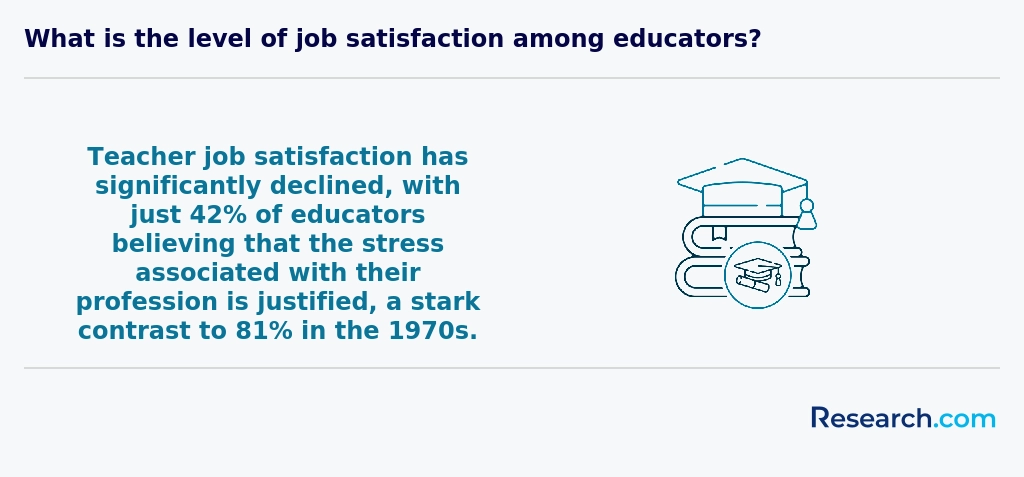
Our data-driven ranking for 2024 highlights the leading education degree offerings in Scottsdale based on enrollment figures, graduation outcomes, and student satisfaction:
- Arizona State University – West Campus: Offers comprehensive Bachelor’s and Master’s tracks in Elementary and Secondary Education, boasting a 92% job placement rate within six months post‐graduation and partnerships with over 200 local schools for field experiences.
- Scottsdale Community College: Features an Associate in Education Transfer degree designed for seamless transition to four‐year programs, with specialized ESL and Special Education certificates and dedicated academic advising.
- Grand Canyon University – Scottsdale Campus: Provides accelerated Bachelor’s and Master’s programs in Curriculum and Instruction, leveraging small cohort models and year‐round start dates to accommodate diverse schedules.
- Mesa Community College – Red Mountain Campus: Known for its dual‐enrollment pathway and Early Childhood Education certificate, integrating hands‐on teaching practicums in local preschools.
- University of Phoenix – Arizona Campus: Delivers an accredited online Education program for working professionals, featuring six‐week course modules, virtual mentorship, and flexible pacing.
For students seeking maximum flexibility, explore our rankings of the best online education degree programs to compare fully online alternatives and find the perfect fit for your career goals.
Courses in education degree programs in Scottsdale are thoughtfully designed to prepare you for real classroom challenges. Graduates from local universities often recall how Foundations of Education gave them a deep understanding of the history and philosophy behind teaching, helping them feel connected to a meaningful profession.
Many students found Educational Psychology especially eye-opening, learning about how children think and feel, which guided their approach to supporting diverse learners. When you move into Curriculum Development and Instruction, you begin creating lesson plans that truly engage students, blending creativity with proven strategies.
On-the-ground experience is key in Scottsdale, where the Student Teaching or Practicum component places you in local schools, working alongside experienced teachers. This real-world connection builds confidence and a sense of purpose, making theory tangible.
Courses like Classroom Management and Technology in Education equip you with tools to create inclusive, dynamic learning environments, reflecting the innovative spirit of Scottsdale's educational community.

When exploring an education degree in Scottsdale, you'll find a range of specializations tailored to meet both student passions and community needs. Many graduates from local universities embrace Elementary Education, developing the essential skills to inspire young learners from kindergarten through fifth grade. Others choose Special Education, driven by a heartfelt desire to support students with diverse learning challenges-this specialization aligns closely with Scottsdale teaching program concentration options focused on inclusive classrooms.
Graduates often share how Educational Leadership opens doors to roles like school principals or curriculum coordinators, positions that shape the future of school districts here. Instructional Technology is another exciting path, reflecting how schools increasingly integrate digital tools-students in this track learn to innovate classroom experiences in real time.
For those passionate about early development, the Early Childhood Education concentration offers rewarding opportunities supporting children from birth to age 8. If you're considering diverse career pathways within education, the local colleges encourage exploring all options while preparing you for real success. Many returning students find valuable guidance on costs and programs when returning to college for education.
Choosing the best education degree requires a clear focus on your career goals and practical needs. In Scottsdale, graduates from popular institutions like Arizona State University often emphasize the importance of program flexibility, enabling them to balance jobs and family through evening or online classes. This flexibility is crucial for those seeking the best education degree programs in Scottsdale, making it easier to stay motivated and succeed.
Another key factor is affordability. Many students find community colleges around Scottsdale offer excellent value, with tuition between $3,000 and $6,000 annually, making affordable education degrees Scottsdale a realistic option without sacrificing quality. Look for accredited programs recognized by state licensing boards to ensure your degree opens doors in Arizona's public schools.
Graduates also stress exploring programs offering rich hands-on experiences, including internships and research. Connecting classroom theory with real-world practice boosts confidence and employability. When choosing, it helps to diversify your knowledge-combining education with a history degree has proven rewarding for some, broadening career opportunities beyond traditional teaching roles.
If you're pursuing an education degree in Scottsdale, you'll find a variety of rewarding career paths waiting for you. Many graduates from popular institutions like Arizona State University and Gateway Community College have successfully become licensed teachers, stepping confidently into K-12 classrooms across Maricopa County. This hands-on experience is invaluable, as it grounds your passion in real-world impact while meeting state certification requirements.
Beyond traditional teaching, numerous jobs for education graduates Scottsdale include specialized roles such as special education teacher careers, bilingual education, or curriculum development. Graduates often describe the deep fulfillment they gain from shaping programs tailored to diverse learners' needs.
Some take their education degrees further by moving into administration, becoming principals or instructional coordinators, which brings leadership opportunities and competitive salaries. Others thrive in innovative fields like community education or corporate training, applying teaching skills in dynamic settings. These paths demonstrate that an education degree career opportunities in Scottsdale truly extend far beyond the classroom, offering both stability and inspiring growth.

The job market for education degree holders in Scottsdale offers encouraging prospects, especially for those passionate about making a difference in K-12 schools. Graduates from popular universities and colleges here often find rewarding opportunities in school districts like Scottsdale Unified and Paradise Valley Unified, where demand for qualified educators remains robust due to population growth and school expansions. This steady need is a great motivation for anyone pursuing an education degree, as it ensures practical career paths upon graduation.
Many graduates share how their hands-on experiences during teacher preparation programs, combined with Scottsdale's supportive community atmosphere, gave them confidence to thrive in classrooms. The average annual salary, close to Arizona's median of about $55,000, reflects meaningful compensation for the dedication required. For those exploring options, programs ranked among the most popular education schools in Scottsdale provide solid training and licensure preparation aligned with local demands.
Understanding Scottsdale's unique job landscape helps future educators visualize tangible impact areas, from early childhood education to specialized roles in STEM or bilingual classrooms, ensuring a fulfilling career aligned with regional needs and personal aspirations.
2027 Most Popular Education Degree Programs Ranking in Scottsdale
Investing in your education is a significant decision that can shape your future, and the Research.com team understands the importance of making informed choices. To assist prospective students in Scottsdale, we have meticulously developed the "2027 Most Popular Education Degree Programs Ranking." Our commitment to quality, credibility, and accuracy is reflected in the extensive research and analysis conducted to compile this ranking.
We utilized the following reputable data sources to ensure a comprehensive evaluation of education degree programs:
By exploring this ranking, readers will gain valuable insights into the most popular education degree programs in Scottsdale, enabling them to make informed decisions about their academic futures. For more information on how this ranking was created, please visit our Research.com methodology page.
# 1 position
Arizona State University Digital Immersion
Master of Arts in Teaching

# 2 position
Arizona State University Digital Immersion
Bachelor of Arts in Education
# 3 position
Arizona State University Digital Immersion
Doctor of Education
Frequently Asked Questions About education
Education degree students in Scottsdale can maximize their learning experience by actively engaging with local school districts for hands-on teaching practice. Scottsdale Unified School District, serving over 20,000 students, offers valuable partnerships and student teaching placements that provide real classroom exposure. Additionally, students should take advantage of continuing education workshops and seminars offered by Arizona State University, a leading provider of education programs in the area.
Networking with faculty and peers is essential; research shows that students involved in professional education groups have higher retention and success rates. Utilizing online resources and local education technology labs helps build modern teaching skills relevant in today's classrooms.
The education field is evolving rapidly, with several emerging niches gaining traction in Scottsdale and across the U.S. One notable area is educational technology, where degrees focus on integrating digital tools to improve learning outcomes. According to the Arizona Commerce Authority, demand for professionals skilled in EdTech is growing by over 10% annually in the region.
Another expanding niche is special education, emphasizing personalized strategies for students with diverse learning needs. Scottsdale's school districts report a 7% increase in special education roles since 2020. Additionally, bilingual education programs are rising due to Arizona's diverse population, catering to Spanish and Native American language speakers.
Environmental education also shows promise, aligning with wider sustainability trends nationally. These niches reflect evolving priorities within education degrees that prepare professionals for future challenges.
After earning an education degree in Scottsdale, preparing for the job market involves several strategic steps. Graduates should begin by gaining practical experience through student teaching or internships, which are often part of Arizona's Teacher Preparation Programs regulated by the Arizona Department of Education. These experiences enhance classroom management skills valued by local employers. Networking is also crucial; connections with Scottsdale Unified School District and local charter schools can open job opportunities.
Additionally, obtaining Arizona teaching certification improves employability. According to the Arizona Department of Education, over 60% of new teachers in the state find placement within their first year after certification. Finally, focusing on continuous professional development and technology skills can increase competitiveness in Scottsdale's evolving education sector.
Employers in Scottsdale highly value education degree graduates who demonstrate strong communication and classroom management skills. According to the Arizona Department of Education, effective verbal and written communication is essential for collaborating with students, parents, and colleagues.
Critical thinking and adaptability are also key, especially in diverse classrooms common in Scottsdale's public schools. Data from Scottsdale Unified School District highlights the importance of adaptability due to varying student needs and curricula.
Additionally, proficiency in technology integration is increasingly important. The district reports that 78% of schools use digital tools daily, requiring graduates to be comfortable with educational technology.
Finally, cultural competency and empathy help educators address Scottsdale's diverse community, fostering inclusive learning environments.
Finding internships in Scottsdale relevant to an education degree involves utilizing local resources and connections within the education community. Many Scottsdale schools, including public districts like Scottsdale Unified School District and charter schools, offer internship opportunities to students pursuing education degrees. These internships often focus on classroom assistance, curriculum support, or administrative roles.
Students should start by contacting career services at local institutions such as Scottsdale Community College or Grand Canyon University. These offices provide listings and guidance tailored to education majors.
Additionally, online platforms like Handshake and regional job boards list internships specifically in education fields within Scottsdale.
Networking with local educators through events or professional organizations, such as the Arizona Educational Foundation, can also uncover hidden opportunities.
An education degree significantly enhances career mobility and advancement opportunities in Scottsdale. According to the Arizona Department of Education, educators with advanced degrees often qualify for higher salaries and leadership roles within schools. Many Scottsdale school districts prioritize candidates holding at least a bachelor's degree in education, with preference given to those who pursue master's degrees or specialized certifications.
Research from the National Center for Education Statistics shows that educators with degrees have better job stability and more opportunities for promotion into roles like curriculum coordinator, instructional coach, or school administrator. This trend is evident in Scottsdale, where growth in educational services drives demand for skilled professionals.
Moreover, having an education degree enables entry into diverse fields within education, including special education, counseling, and education technology, thereby broadening career paths. Local educational institutions such as Scottsdale Community College and Arizona State University provide pathways for continuing education, further supporting career advancement in the region.
Studying for an education degree in Scottsdale equips students with skills that extend beyond traditional teaching methods. Programs often emphasize interdisciplinary approaches, combining education theory with psychology, technology, and community engagement.
Scottsdale's universities and colleges incorporate practical experiences in diverse settings, such as local schools and community centers, allowing students to apply knowledge across different fields. According to the Arizona Board of Regents, education graduates from this region have shown adaptability in roles involving educational technology and special education.
Furthermore, many programs include training on collaboration with professionals from health, social services, and administration sectors. This broad preparation meets the increasing demand for educators capable of navigating complex, multifaceted environments in the U.S. education system.
When choosing between a thesis and a non-thesis education degree program in Scottsdale, students should consider their career goals and learning preferences. Thesis programs require original research and a formal paper, ideal for those interested in pursuing advanced academic or research roles. Non-thesis options typically focus on coursework and practical experience, suiting professionals who want to enter or advance in educational practice without a research focus.
Scottsdale offers both paths through universities like Arizona State University's online options and Grand Canyon University, reflecting a broader US trend where about 60% of education master's candidates choose non-thesis tracks for flexibility, according to the National Center for Education Statistics.
Students should evaluate program length, available faculty support, and potential for publication or networking linked to thesis work when deciding.
Students in Scottsdale interested in pursuing education degrees with an international focus have several pathways to consider. While Scottsdale itself does not host institutions with direct education abroad programs, many Arizona universities, such as Arizona State University, offer partnerships with global institutions. These partnerships allow Scottsdale students to participate in study abroad programs, often focusing on education theory, multicultural classrooms, and language immersion.
According to the Institute of International Education, nearly 7% of U.S. education majors engage in study abroad experiences, which enhances global teaching competencies. Scottsdale students can access these programs through transfers or joint enrollments with Arizona-based universities.
Financial aid and scholarships are often available to help Scottsdale residents afford these international opportunities, increasing accessibility for those pursuing education degrees abroad.
In Scottsdale, part-time job opportunities that complement education degree studies often focus on roles within schools and childcare centers. Positions like teacher's assistant, tutor, or after-school program supervisor provide practical experience relevant to the classroom environment. According to the U.S. Bureau of Labor Statistics, Arizona's education support roles are projected to grow by 8% from 2022 to 2032.
Local schools and community centers frequently hire part-time workers to support English Language Learners or students with special needs, which aligns well with education degree coursework.
Additionally, Scottsdale's expanding population has increased demand for early childhood educators in daycare settings, offering valuable hands-on experience.
Education students in Scottsdale benefit from a variety of networking opportunities that enhance their academic and professional growth. Local universities and community colleges often host events connecting students with experienced educators and school administrators. For example, Scottsdale Community College partners with local schools for internships and job-shadowing programs, boosting hands-on experience.
The city's proximity to Phoenix broadens networking options, including workshops, career fairs, and conferences dedicated to education. According to the Arizona Department of Education, participation in these events has helped over 60% of Scottsdale education students secure teaching positions within a year of graduation.
Additionally, professional organizations like the Arizona Education Association offer local chapters and resources accessible to Scottsdale students.
Alumni networks play a significant role for education degree students in Scottsdale by offering valuable connections that extend beyond the classroom. Graduates from local institutions, such as Arizona State University's Polytechnic campus, benefit from a strong community that supports career development and job placements in the region's growing school districts.
These networks provide mentorship opportunities where experienced educators guide new students, enhancing practical knowledge. According to a 2023 report from the Scottsdale Chamber of Commerce, 62% of recent education graduates found their first job through alumni referrals or events.
Additionally, alumni events and online platforms help students stay informed about job openings, continuing education, and professional growth tailored to Arizona's education system demands.
Customizing your education degree program in Scottsdale involves selecting concentrations and electives that align with your specific career goals. Many local institutions offer tracks such as early childhood, special education, or educational leadership, allowing you to tailor coursework accordingly. For example, Arizona State University's Thunderbird School provides flexible online and in-person options, enabling working professionals to balance study with career demands.
Advising services play a key role by helping students choose relevant internships, practicum experiences, or specialized certifications like TESOL or STEM education. According to the Arizona Board of Regents, Scottsdale students benefit from partnerships with nearby school districts, enhancing practical training.
Ultimately, leveraging these resources can help you shape a degree that fits your ambitions in the education sector.
Education students in Scottsdale face several challenges that reflect broader trends in US higher education. One common difficulty is balancing coursework with practical teaching experiences required by certification programs. Arizona Department of Education mandates extensive student teaching hours, which can be time-consuming alongside academic demands.
Financial strain is another issue. While Scottsdale hosts several institutions offering education degrees, tuition costs and limited scholarships for education majors add pressure. According to the National Center for Education Statistics, Arizona's average undergraduate tuition was around $11,000 in 2023, impacting many local students.
Additionally, adapting to diverse classroom needs in evolving demographic settings poses challenges during training and internships.
With an education degree, professionals in Scottsdale can pursue a variety of certifications to enhance their careers. One common certification is the Arizona Standard Teaching Certificate, required to teach in public K-12 schools. Additionally, many educators seek National Board Certification, which is recognized nationwide and can increase salary potential.
Specialized certifications like Reading Specialist or English as a Second Language (ESL) endorsements are also available to address specific classroom needs. For school administrators, credentials such as Principal or Superintendent Certification offer pathways into leadership roles.
According to the Arizona Department of Education, these certifications support career growth and meet local workforce demands in Scottsdale's schools.
When applying to an education program in Scottsdale, start by thoroughly researching the specific universities and their requirements. Arizona State University's Polytechnic or Downtown Phoenix campuses offer popular education degrees, and understanding their application deadlines is crucial.
Write a clear personal statement outlining your passion for teaching, relevant experience, and career goals. Highlight any volunteer work or internships related to education, as programs value practical experience.
Standardized test scores like the GRE may be required; check each program's expectations. Strong letters of recommendation from academic or professional contacts strengthen your application.
Finally, ensure your application is error-free and submitted before deadlines, which typically fall between November and March for fall admission.
The global perspective on an education career highlights the increasing demand for skilled educators who can adapt to diverse learning environments. In the United States, especially in regions like Scottsdale, education degrees focus on preparing teachers proficient in technology integration and cultural competence.
According to the Arizona Department of Education, Scottsdale's teacher workforce is growing steadily, with enrollment in education programs up by 8% over the past five years. This reflects a national trend, as the U.S. Bureau of Labor Statistics projects a 9% employment growth for elementary and secondary teachers between 2022 and 2032.
Internationally, education careers emphasize lifelong learning and global collaboration, which are slowly shaping U.S. teacher training programs to include global perspectives and multilingual skills. Students in Scottsdale benefit from these shifts through increasingly diverse curricula and partnerships with global education networks.
Gaining practical experience while studying for an education degree in Scottsdale typically involves participating in supervised student teaching internships. Many Arizona universities and colleges partner with local schools to provide field placements, allowing students to apply theory in real classrooms. For example, Arizona State University's Mary Lou Fulton Teachers College offers extensive practicum opportunities in Scottsdale-area schools.
Additionally, some institutions encourage volunteering or assistant roles in educational programs within the Scottsdale Unified School District. This hands-on involvement enhances skills and builds professional networks.
According to the Arizona Department of Education, nearly 80% of teacher preparation programs in the state include at least one semester of clinical experience, reflecting the importance of practical training.
Choosing the right concentration within an education degree program in Scottsdale involves evaluating your career goals and regional job market demands. Popular concentrations include elementary education, special education, and educational leadership. According to the Arizona Department of Education, Scottsdale schools have a growing need for special education teachers, reflecting national trends.
Consider program accreditation and connections to local schools for practical experience. Scottsdale's higher education institutions often partner with nearby districts, enhancing internship opportunities. Reviewing graduation outcomes and licensing pass rates can also guide your decision.
Ultimately, aligning your interests with Scottsdale's specific educational needs aids in selecting a concentration that offers strong employment prospects and professional growth.
- 2027 Most Popular Education Degree Programs Ranking in Phoenix
- 2027 Most Popular Education Degree Programs Ranking in Riverside
- 2027 Most Popular Education Degree Programs Ranking in San Diego
- 2027 Most Popular Education Degree Programs Ranking in La Jolla
- 2027 Most Popular Education Degree Programs Ranking in Irvine
- 2027 Most Popular Education Degree Programs Ranking in Los Angeles
- 2027 Most Popular Education Degree Programs Ranking in Salt Lake City
- 2027 Most Popular Education Degree Programs Ranking in Colorado Springs
- 2027 Most Popular Education Degree Programs Ranking in Denver
- 2027 Most Popular Education Degree Programs Ranking in Lubbock
See What Experts Have To Say About Studying Education
Read our interview with Education experts

Alan J. Singer
Education Expert
Professor of Teaching, Learning and Technology
Hofstra University

Nooshan Ashtari
Education Expert
Professor & Book Author
University of Southern California

- The 10 Highest Paying Jobs With a Teaching Degree [Quiz] https://www.umassglobal.edu/blog-news/highest-paying-jobs-with-a-teaching-degree
- Elementary Education Degree – BSED Online | University of Phoenix https://www.phoenix.edu/online-education-degrees/elementary-education-bachelors-degree.html
- 10 Reasons Why Education Helps to Advance Your Career - Insight Training https://insight.edu.au/blog/career-advancement-through-education/
- How to Build Work Experience While Studying - EN Global Education Ltd https://englobaleducation.co.uk/how-to-build-work-experience-while-studying/
- Tuition - Scottsdale https://www.fusionacademy.com/campuses/scottsdale/tuition/
- Top 10 Effective Networking Tips for Students https://www.unfc.ca/blog/networking-tips-for-students
- Networking Tips and Advice for Students https://schoolshouldbe.com/post/networking-tips-and-advice-for-students/
- Education degree - Tłumaczenie po angielsku - Słownik angielsko-polski Diki https://www.diki.pl/slownik-angielskiego
- Funding your future - Ask Benji - Digital FAFSA Assistant https://www.askbenji.org/funding-your-future
- Students: This is How You Should Prepare for the Job Market https://www.agencycentral.co.uk/articles/students-this-is-how-you-should-prepare-for-the-job-market/


