2027 Most Affordable Education Degree Programs Ranking in Indiana

Co-Founder and Chief Data Scientist
Choosing the right education degree program in Indiana can be challenging, especially when budget matters. To help, the Research.com team of data scientists created the 2027 Most Affordable Education Degree Programs Ranking in Indiana. This ranking offers students clear insights into affordable and quality options.
By exploring this article, you'll discover programs that balance cost with educational value, helping you make confident decisions for your future. Pursuing an education degree opens doors to rewarding careers and personal growth, and this guide supports you every step of the way.
Key benefits of getting education degree in Indiana
- Education degree graduates in Indiana can expect competitive salaries, such as $70,740 annually for elementary school teachers and up to $77,200 for instructional designers, offering strong financial stability.
- A graduate from Indiana University might explore diverse career paths including special education, ESL teaching, and instructional design, reflecting the broad opportunities an education degree provides.
- Completing an education degree online through Purdue Global allows flexible scheduling and access to quality instruction, making it easier for working adults to advance their careers without disrupting life.
- Key benefits of getting education degree in Indiana
- What can I expect from education degree in Indiana?
- Where can I work with education degree in Indiana?
- How much can I make with education degree in Indiana?
- 2027 Most Affordable Education Degree Programs Ranking in Indiana
- Key Findings
- How long does it take to complete education degree in Indiana?
- Licensure and Certification Requirements in Indiana, PA
- What's the difference between online and on-campus education degree?
- Next Steps and Resources for Prospective Students
- What is the average cost of education degree in Indiana?
- Teacher Licensure Requirements in Pennsylvania
- What financial aid is available to education degree students in Indiana?
- Return on Investment (ROI) for Education Degrees in Indiana, PA
- What are the prerequisites for enrolling in education degree program in Indiana?
- Certification and Licensure Requirements in Pennsylvania
- What courses are typically in education degree programs in Indiana?
- What types of specializations are available in education degree programs in Indiana?
- How do you choose the best education degree in Indiana?
- What career paths are available for education degree students in Indiana?
- What is the job market for education degree in Indiana?
- Top Trending Education Rankings
- See What Experts Have To Say About Studying Education
What can I expect from education degree in Indiana?
The average cost of pursuing an education degree in Indiana is notably affordable, especially when compared to national figures. Graduates from institutions like Indiana University and Ball State University often share how in-state tuition rates significantly eased their financial burden. This accessibility allows students to focus more on their passion for teaching rather than worrying about overwhelming debt. For example, many students recall balancing part-time jobs while still managing to participate fully in classroom internships and student teaching without added stress.
Moreover, these universities frequently provide targeted scholarships and financial aid aimed specifically at future educators, which can reduce costs further. Such support creates an encouraging environment, helping students feel valued and motivated. Hearing stories from alumni who secured financial aid highlights how Indiana's education programs strive to make their degrees reachable for diverse economic backgrounds.
Choosing education in Indiana means investing in a program that blends affordability with quality training, making the journey toward becoming a teacher both practical and fulfilling.
Where can I work with education degree in Indiana?
Graduates with an education degree in Indiana often find rewarding opportunities as licensed teachers in K-12 schools, whether in vibrant urban districts or close-knit rural communities. Many who studied at institutions like Indiana University or Purdue University share how their hands-on practicum experiences prepared them for classrooms full of eager young learners. Specializing in subjects such as secondary education or special education opens doors to tailor teaching careers toward what truly inspires them.
Beyond teaching, many alumni transition into leadership roles within school districts, becoming instructional coaches or principals. The pathway from classroom to these positions is clear and supported by ongoing professional development offered by Indiana schools. Working in early childhood centers or community nonprofits also appeals to graduates drawn to nurturing children's growth beyond traditional classrooms.
Additionally, education degree holders frequently engage in academic advising or support roles at higher education institutions across the state. Their work often reflects a deep passion to uplift students, drawing on the strong foundation from Indiana's educational programs. These career paths highlight the meaningful, diverse ways education graduates contribute locally every day.
How much can I make with education degree in Indiana?
Graduates with education degrees in Indiana often find themselves stepping into roles like elementary or special education teaching with hopeful anticipation. For example, a graduate from Purdue University or Indiana University might start as an elementary school teacher earning around $70,740 annually, according to the most recent data. This solid starting point allows for steady growth and the opportunity to impact young lives meaningfully.
Those pursuing special education, a field that many Indiana graduates feel passionate about, can expect an average salary of $76,000 yearly. The demand for specialized skills here reflects in this rewarding compensation, which also brings personal fulfillment through making a difference for students with unique learning needs.
In some cases, graduates may choose paths such as instructional design, merging education expertise with creative technology use. These professionals average about $77,200 a year, a figure that highlights the versatility of an education degree beyond traditional classroom settings.
Meanwhile, early childhood educators in Indiana often earn around $41,410, a role that is fundamental in shaping developmental foundations and cherished by many who studied at local colleges.
Reflecting on these examples, it's clear that studying education in Indiana leads to a variety of meaningful career paths with salaries that grow alongside experience, dedication, and continuing professional development.
2027 Most Affordable Education Degree Programs Ranking in Indiana
How do we rank schools?
Investing in your education is a significant decision that can shape your future, and the Research.com team understands the importance of making informed choices. To assist prospective students in Indiana, we have meticulously crafted the "2027 Most Affordable Education Degree Programs Ranking in Indiana." Our commitment to quality, credibility, and accuracy is reflected in the extensive research and analysis conducted to compile this ranking.
We utilized the following reputable data sources to ensure a comprehensive evaluation of education degree programs:
By exploring this ranking, readers will gain valuable insights into the most affordable education degree programs available in Indiana, empowering them to make sound decisions about their educational and financial futures. For more details on our methodology, please visit our Research.com methodology page.

Key Findings
- Indiana offers bachelor's, master's, and specialist education degrees at public and private institutions with programs in teacher preparation, administration, and special education.
- The average annual cost for a bachelor's degree in education at public universities is $10,000 to $13,000 for in-state students, while private schools can exceed $30,000.
- Starting salaries for education graduates in Indiana average around $40,000 per year, increasing to about $58,000 with experience.
- High-demand teaching areas include special education, STEM, and ESL, with more job opportunities in rural and underserved urban locations.
- Teacher licensure in Indiana requires passing state exams and completing student teaching hours, which many programs are designed to fulfill.
How long does it take to complete education degree in Indiana?
Completing an education degree in Indiana typically takes about four years for a bachelor's program, a timeline many graduates from Indiana University and Purdue University fondly recall. These students often mention how the balance between general education and specialized teaching courses helped them build a solid foundation without feeling overwhelmed.
For those aiming higher, master's degrees usually take an additional one to two years. Graduates appreciate the flexibility offered by part-time or online options at Indiana institutions, allowing them to manage work and family alongside studies. The ability to focus on areas like educational leadership or special education makes the extended time feel like an investment rather than a burden.
Doctoral programs, such as EdD or PhD, demand patience and dedication, lasting anywhere from three to six years depending on the research demands and individual pace. Alumni often share how challenging yet rewarding it is to contribute original insights to the field within these rigorous programs.
Factors like enrollment status and credit transfers can significantly affect these timelines, helping many students tailor their journey to fit personal circumstances while embracing the supportive education community in Indiana.
Licensure and Certification Requirements in Indiana, PA
Aspiring educators in Indiana, PA must navigate specific licensure steps governed by the Pennsylvania Department of Education to become fully certified K–12 teachers. First, candidates complete an approved teacher preparation program and earn a minimum 3.0 GPA in their education coursework. Next, they must pass the Praxis Core Academic Skills for Educators tests (reading, writing and mathematics) as well as the Praxis Subject Assessments in their chosen teaching discipline. Upon successful test completion, applicants apply through the PDE online portal, submitting official transcripts, background clearances (including Act 34, Act 151 and FBI fingerprinting) and the Statement of Eligibility form. After initial certification, Pennsylvania requires educators to accrue three credits of approved professional development every three years and to renew their Teaching Certificate using the PDE TEACH system. For candidates seeking flexible pathways, selecting a degree aligned with state standards is critical-students can compare accredited programs in our ranking of the best online bachelors in education to ensure their coursework meets all certification prerequisites. By understanding and fulfilling these licensure requirements upfront, future teachers in Indiana, PA can streamline their path to the classroom and focus on delivering high-quality instruction.
What's the difference between online and on-campus education degree?
Graduates from Indiana universities often reflect on how choosing between online and on-campus education degrees shaped their learning journey. Online programs provide remarkable flexibility, especially for those balancing work or family. For instance, students enrolled through Purdue University Global share how asynchronous coursework let them study evenings after full workdays, making progress without sacrificing income or personal time.
Conversely, on-campus programs at schools like Ball State University immerse future educators in campus life, fostering strong connections with faculty and peers. These graduates describe the value of face-to-face mentoring during student teaching placements, a crucial Indiana licensure requirement that feels more tangible in person.
Cost considerations also influence decisions. Online students appreciate savings not only from potentially lower tuition but also from avoiding commuting or housing costs-a meaningful relief in Hoosier budgets. Meanwhile, on-campus students treasure hands-on experiences that deepen their confidence for classroom realities.
Ultimately, Indiana education students find the difference is less about better or worse and more about personal fit amid state licensure demands, lifestyle, and learning preferences.
Next Steps and Resources for Prospective Students
Choosing the right education program is only the beginning of a fulfilling career in teaching. As you weigh factors like cost, accreditation, and personal goals, consider connecting with current students and alumni through virtual tours and campus information sessions. It is also beneficial to review in-depth guides and rankings that detail program affordability, success rates, and financial aid options. For instance, prospective students can explore the cheapest education schools in pennsylvania to gain a clearer picture of what to expect regarding tuition, support services, and post-graduation outcomes. Additionally, attending webinars and college fairs can provide direct access to expert advice and firsthand experiences, ensuring you make a well-informed decision that aligns with your career aspirations. This proactive approach not only simplifies the selection process but also sets a strong foundation for a successful academic and professional journey.
What is the average cost of education degree in Indiana?
The average cost of earning an education degree in Indiana reflects a balance between accessibility and quality, particularly for those pursuing an affordable education degree programs Indiana 2027. Many graduates from well-known public institutions have found that the total median in-state tuition cost hovers around $11,380, a figure that provides a realistic expectation for those planning their budgets. This amount often surprises prospective students as it proves more manageable than anticipated, especially when compared to private university rates.
From the experiences shared by recent graduates from popular Indiana colleges, the journey to becoming a certified educator is financially supported by institutions that emphasize affordability without sacrificing educational rigor. These students often highlight that while tuition is the largest expense, additional costs for books, supplies, and living expenses are significant but can be controlled with careful planning.
Moreover, students exploring options beyond traditional campuses have embraced online learning, which can sometimes reduce costs and add flexibility to their schedules. Those curious about cost-effective pathways will benefit from reviewing the cheapest online elementary education degrees that Indiana offers. This option allows more students to access quality education training without the heavy financial burden that can come with physical attendance at private universities, where tuition may exceed $30,000 annually.
Teacher Licensure Requirements in Pennsylvania
To work as a certified teacher in Indiana, PA, you must meet specific state requirements:
- Complete a bachelor’s in education from an accredited institution-on-campus or through online colleges approved by the Pennsylvania Department of Education (PDE).
- Fulfill at least 12 weeks of supervised student teaching under a licensed mentor.
- Pass the Praxis Core Academic Skills for Educators and relevant Praxis Subject Assessments.
- Obtain a criminal background check and fingerprint clearance submitted to PDE.
- Apply for an Instructional I Certificate via the PDE online portal, providing official transcripts, test scores and any additional documentation.
What financial aid is available to education degree students in Indiana?
Students pursuing education degrees in Indiana frequently rely on a blend of federal, state, and institutional aid to navigate rising tuition expenses. Many have found the Free Application for Federal Student Aid (FAFSA) to be a crucial step, unlocking Pell Grants that significantly ease the financial burden-especially for undergraduates attending Indiana University or Ball State University.
State-specific resources like the Frank O'Bannon Grant provide targeted support to residents, offering relief for those committed to continuing their education locally. Graduates often reflect on how such aid made attending public institutions more affordable without sacrificing quality.
Scholarships tailored to future educators, such as the Indiana Future Educators Scholarship, resonate deeply with students motivated by service. Recipients share that knowing their loans could later be forgiven through teacher loan forgiveness programs in Indiana schools gave them peace of mind when balancing costs and future aspirations.
Meanwhile, work-study roles within education departments offer practical experience alongside income, a combination valued by those who enrolled at universities like Purdue or the University of Southern Indiana.
Return on Investment (ROI) for Education Degrees in Indiana, PA
Graduates can use a simple ROI framework to compare total program costs against expected earnings:
- Average four-year in-state cost: $108,584; starting salary as an Early Childhood Educator: $38,640; payback period: 6–8 years.
- Entry-level ESL Teachers (mean $63,130) and Instructional Designers ($73,080) see payback in 3–5 years.
- Leadership or specialized roles often exceed $75,000/year, shortening ROI to under 3 years.
To boost ROI:
- Apply state grants and scholarships to reduce tuition.
- Gain income through student teaching stipends or part-time educational roles.
- Explore accelerated online programs to graduate sooner and start earning.
This ROI snapshot helps you balance affordability against career earnings and timelines.
What are the prerequisites for enrolling in education degree program in Indiana?
To embark on an education degree journey in Indiana, the first step is holding a high school diploma or GED, a basic yet essential milestone. Many graduates from Indiana University recall how meeting this requirement felt like unlocking a door to their future careers.
Standardized tests such as the SAT or ACT often weigh heavily. For instance, admitted freshmen at Indiana University typically present SAT scores between 1060 and 1300. However, with evolving admissions policies, some institutions now offer more flexibility, easing the path for passionate candidates.
Beyond academics, a steady GPA-usually around 2.5 to 3.0-reflects ongoing commitment, a quality many successful education students emphasize. Background checks are also standard, recognizing the responsibility of working with children.
Letters of recommendation and personal essays allow applicants to share their genuine dedication, while relevant volunteering grounds their aspirations in real-world experience, turning abstract goals into meaningful stories.
Graduate-level hopefuls bring their own chapters, often requiring a prior degree and sometimes GRE scores, tailoring their path more precisely toward advanced educational roles in Indiana.
Certification and Licensure Requirements in Pennsylvania
Graduates of Education degree programs in Indiana, PA, must secure Pennsylvania state certification before entering the classroom, a process that ensures all teachers meet rigorous professional standards. 1. Complete an Approved Educator Preparation Program – All candidates must graduate from a state-approved teacher preparation program, which includes coursework in pedagogy, child development, and subject-specific methods, as well as a supervised student-teaching internship. 2. Pass Required Praxis Examinations – Aspiring educators must demonstrate proficiency by passing the Praxis Core Academic Skills for Educators (reading, writing and mathematics) and the Praxis Subject Assessments aligned to their teaching specialty. Scores should meet or exceed the Pennsylvania Department of Education’s established cutoffs. 3. Apply for Pennsylvania Instructional I Certification – After passing the Praxis exams, candidates submit an application through the Pennsylvania Department of Education’s online system, PA TOP. Required documents include official transcripts, Praxis score reports, and a state-mandated background check clearance. 4. Clear Mandated Background Checks – All applicants must undergo Pennsylvania State Police, Child Abuse History Clearance, and FBI criminal history background checks. Clearances must be obtained within one year of application. 5. Complete Induction and Mentorship Year – New teachers entering public schools serve an induction year under a mentor educator. Successful completion of this mentorship, along with a formal evaluation, enables advancement to a Standard Instructional II Certificate. 6. Pursue Continuing Professional Education – To maintain certification, educators must complete ongoing professional development every five years. For cost-conscious options, many Pennsylvania teachers turn to accredited online programs-such as the Cheapest Online Education Degree Programs Ranking in Greenville, NC-to earn Continuing Education Units (CEUs) in topics like instructional technology and special education. Understanding these licensure steps empowers Indiana, PA graduates to transition seamlessly from degree completion to classroom leadership, ensuring they meet both state requirements and national best practices in teaching.
What courses are typically in education degree programs in Indiana?
Courses in education degrees across Indiana regularly emphasize both theory and practice, crafting a balanced foundation for future teachers. Graduates from institutions like Indiana University or Ball State University often reflect on how classes in educational psychology illuminated the complexity of student learning-helping them understand varying developmental stages and adapt their teaching strategies accordingly.
Classroom management and instructional methods courses are a common experience, preparing students to foster respectful and productive learning environments. Many graduates recall how these classes enabled them to handle real-world challenges during student teaching placements within local Indiana schools, bridging theory and classroom reality.
Curriculum design courses, aligned with Indiana academic standards, teach the essential skill of tailoring lessons to meet diverse learner needs. Education candidates frequently mention the confidence they gained designing lesson plans that both engage and assess students effectively. Specialized tracks, such as special education, add a meaningful layer by equipping candidates to support students with disabilities, a necessity in inclusive Indiana classrooms.
These courses collectively shape not only competent educators but also passionate advocates for student growth, fulfilling the rigorous expectations of Indiana's Department of Education and resonating deeply with those aspiring to teach in the state.
What types of specializations are available in education degree programs in Indiana?
Students pursuing education degree specializations in Indiana often find a rich variety of paths tailored to their aspirations. At prominent institutions such as Indiana University and Ball State University, graduates reflect on the rewarding experience of focusing on Elementary Education, where they develop the skills to engage young learners across subjects like literacy and math. Others appreciate the depth gained through Secondary Education programs, specializing in disciplines like Science or Social Studies, aligning closely with Indiana's state standards for teacher certification.
Graduates who chose Special Education share heartfelt stories about making a tangible difference for students with diverse learning needs, enriched by understanding the federal IDEA guidelines. Among the teaching program options Indiana offers, some also find their passion in areas like Educational Technology or School Counseling, which prepare them to integrate modern tools or provide essential student support.
For those considering further study, several programs encourage exploring advanced degrees such as a PhD with capstone project, enhancing leadership in education. These specializations create a fulfilling journey rooted in Indiana's evolving educational landscape.
How do you choose the best education degree in Indiana?
Choosing the best education degree in Indiana means understanding what truly matters to your growth as a future teacher. Graduates from popular institutions like Indiana University or Ball State often emphasize the importance of accreditation-programs recognized by CAEP ensure you're meeting state teaching standards and help ease the licensure process. One graduate shared how confirming accreditation alleviated worries about eligibility for teaching licenses and improved job prospects afterward.
Finances naturally shape many decisions. Those searching for the best affordable education degrees Indiana offers often find that public universities provide solid programs with competitive tuition around $11,000, which helps balance cost without compromising quality. Scholarships tailored for education majors make these options even more accessible, letting students focus on their passion rather than financial strain.
Hands-on experience remains a cornerstone of education degrees. Practical placements in local classrooms, common in institutions like Purdue or Butler University, allow students to connect theory with reality, boosting confidence and joyful anticipation for their teaching careers. When researching programs, factor in how well they integrate student teaching opportunities to prepare you for real-world challenges.
Lastly, it's wise to review graduation and licensure pass rates-an indicator of program effectiveness. Resources like the Indiana Department of Education give valuable data to compare schools. For those curious about career paths beyond Indiana, understanding how to become a teacher in Tennessee also offers useful perspective. Balancing these factors leads to choosing one of the top education programs cost Indiana provides that fits your unique ambitions and circumstances.

What career paths are available for education degree students in Indiana?
Graduates with an education degree in Indiana find a wealth of career paths that go beyond traditional classroom teaching. Many step confidently into licensed teacher roles at elementary, middle, or high schools throughout the state, often inspired by their hands-on experiences at renowned institutions like Indiana University or Ball State University. These graduates cherish the opportunity to impact young minds in math, science, or special education, fueled by comprehensive preparation that meets Indiana's licensing requirements and CORE Praxis exams. Exploring teaching career opportunities Indiana reveals a strong network of mentors and peers that shape rewarding professional journeys.
Others discover fulfilling positions as school counselors, instructional coordinators, or administrators, roles that demand leadership and vision within Indiana's vibrant education system. Some graduates take pride in contributing to early childhood education, an area growing rapidly and supported by community organizations statewide. For those drawn to innovation, careers in educational technology or corporate training emerge, leveraging skills gained through accredited online schools to blend education with evolving digital tools.
Each career path resonates with hopeful graduates, affirming that education degree jobs in Indiana open doors to meaningful, purpose-driven opportunities that foster lifelong learning and community growth.
What is the job market for education degree in Indiana?
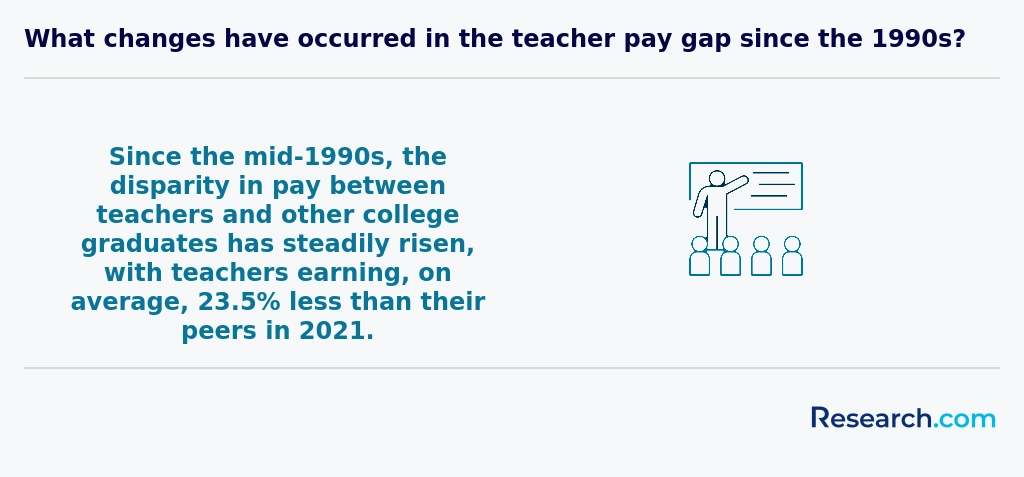
Graduates with an education degree in Indiana often find a steady job market, supported by the state's ongoing demand for qualified educators. Those who studied at well-known institutions like Indiana University or Ball State University share stories of securing teaching roles in diverse settings, from urban schools to smaller districts in need of specialized teachers. This reflects the broader teaching careers employment prospects Indiana offers, particularly in high-demand subjects such as mathematics, science, and special education.
Many graduates appreciate the practical experience gained through local student teaching programs, which help build confidence and professional connections. With competitive salaries averaging around $56,000 annually, many feel rewarded to be part of Indiana's educational community despite slight pay differences compared to national averages. Financial incentives, such as signing bonuses and loan forgiveness, make these positions even more appealing.
For those considering further study, exploring options like online doctoral programs in education can open paths to leadership roles. These opportunities mirror the positive employment outlook and emphasize the value of investing in education degrees within Indiana's workforce.
Frequently Asked Questions About education
Education degree students in Indiana can maximize their learning experience by actively engaging with both coursework and practical opportunities. Indiana universities often require field experiences or student teaching placements, which offer hands-on practice in real classrooms. Taking advantage of these experiences helps students develop essential teaching skills.
Networking with faculty and joining education-related organizations can also enhance learning. According to the Indiana Commission for Higher Education, students who participate in these communities report higher satisfaction and job readiness.
Additionally, Indiana offers many scholarships and grants targeting education majors, reducing financial stress and allowing students to focus on their studies.
The education field in Indiana is evolving with several emerging niches that reflect broader national trends. One key area is special education, driven by increasing awareness and support for students with diverse learning needs. According to the Indiana Department of Education, over 17% of Indiana's public school students receive special education services as of recent reports.
Another growing niche is educational technology. As schools embrace digital learning, educators skilled in integrating technology into curricula are in demand. Indiana's push for broadband access in rural areas enhances this trend.
Additionally, there is rising interest in STEM education specialization, including science, technology, engineering, and math teaching, responding to workforce needs.
Lastly, bilingual education is expanding due to Indiana's more diverse student population, requiring teachers trained in English as a Second Language (ESL).
Preparing for the job market after completing an education degree in Indiana involves several practical steps. Graduates should obtain proper licensure, as Indiana requires passing the edTPA and CORE exams to become a certified teacher. Gaining classroom experience through student teaching or internships is essential, as 98% of Indiana educators entered the workforce with such experience, according to the Indiana Department of Education.
Networking with school districts and attending job fairs hosted by Indiana colleges can improve employment prospects. Additionally, understanding Indiana's specific educational standards and curriculum requirements can give applicants an advantage. Exploring alternative roles in education, such as administration or counseling, may also expand opportunities.
Employers in Indiana value education degree graduates who demonstrate strong classroom management skills, as managing diverse student needs remains a priority. According to the Indiana Department of Education, effective communication and collaboration with parents, colleagues, and administrators are also essential. Analytical abilities, including data-driven decision-making, help teachers improve student outcomes based on performance metrics.
Indiana schools increasingly seek educators proficient in integrating technology into lessons, reflecting nationwide trends reported by the National Center for Education Statistics. Critical thinking and adaptability in lesson planning are necessary to meet varying classroom challenges. These skills align with Indiana's focus on preparing students for a competitive global economy.
Finding internships in Indiana relevant to an education degree involves using multiple strategies. Many education programs require internships as part of licensure, so students should start by consulting their college's career services. Indiana has over 400 school districts, providing a broad range of public and private internship opportunities for students.
State resources like the Indiana Department of Education and regional education cooperatives often post internship listings. Additionally, platforms such as the Indiana Career Connect site offer education-related internships, facilitating connections between students and schools.
According to the National Center for Education Statistics, Indiana enrolls more than 90,000 students in teacher preparation programs annually, indicating a large pool competing for diverse internships.
Networking with local educators and attending education job fairs also enhance chances to secure practical experience in Indiana's classrooms.
In Indiana, earning an education degree significantly enhances career mobility and advancement opportunities within the state's education sector. According to the Indiana Department of Education, teachers with at least a bachelor's degree and appropriate licensure have access to a wider range of job openings, including specialized roles like curriculum developers or instructional coordinators.
Indiana's salary scale for educators reflects higher pay levels for those holding advanced degrees. For example, the Indiana Department of Education's 2023 report shows teachers with master's degrees earn on average 10-15% more than those with only bachelor's degrees, facilitating upward mobility.
Additionally, holding an education degree can qualify individuals for leadership positions such as school administrators or principals. Many districts in Indiana require a minimum of a master's degree in education or school administration for these roles, highlighting the degree's impact on career progression.
Studying for an education degree in Indiana equips students with skills essential for interdisciplinary roles by integrating diverse teaching methods and subject knowledge. Indiana's teacher preparation programs emphasize collaboration across disciplines such as psychology, sociology, and technology, reflecting the state's commitment to holistic education. The Indiana Department of Education reports that many programs include coursework in educational psychology, curriculum design, and special education, enhancing graduates' ability to adapt to various learning environments.
Furthermore, partnerships between Indiana universities and local schools encourage practical experience in settings that require cooperation with professionals from multiple fields. This approach prepares educators to address complex challenges in education, from behavioral issues to digital literacy.
When choosing between a thesis and a non-thesis education degree program in Indiana, consider your career goals and learning style. A thesis program focuses on original research, ideal for those aiming at doctoral study or roles in educational research. Indiana universities like Indiana University Bloomington offer such options, often requiring 6-12 credit hours of research. Non-thesis programs emphasize coursework and practical skills, appealing to professionals targeting classroom or administrative positions. According to the Indiana Commission for Higher Education, nearly 60% of education master's candidates prefer non-thesis tracks for their shorter completion time and direct applicability.
Research opportunities and faculty mentorship differ between these paths. Thesis options typically involve close guidance from advisors on a unique project, beneficial for students seeking in-depth expertise. Non-thesis programs might include capstone projects or comprehensive exams instead. Prospective students should review program requirements and align them with Indiana's education workforce needs, as many local school districts prioritize applied skills over research experience.
Students based in Indiana who wish to study education abroad have several options through partner programs offered by Indiana's public universities and private institutions. For example, Indiana University's School of Education participates in exchange programs with universities in Europe and Asia, allowing students to gain international teaching experience while earning credits applicable to their degree.
These programs often last a semester or summer term and include coursework focused on comparative education systems. According to the Indiana Commission for Higher Education, about 5% of education students in the state participate in study abroad, reflecting growing interest.
Financial aid and scholarships specifically for international study are available to help offset costs, making education abroad feasible for many Indiana residents.
In Indiana, part-time job opportunities that complement education degree studies often include roles such as teacher's assistant, tutoring, and childcare provider. These positions allow students to gain practical experience while managing coursework. According to the Indiana Department of Education, there is a steady demand for qualified paraprofessionals, providing valuable classroom exposure.
Many education students also find opportunities in after-school programs, where they can develop skills in classroom management and lesson planning. Additionally, libraries and community centers frequently seek part-time educators or coordinators, enriching students' understanding of diverse learning environments.
These roles support Indiana's growing education sector and help build professional networks for degree candidates.
Education students in Indiana benefit from a variety of networking opportunities throughout their degree programs. Many Indiana universities, such as Indiana University and Ball State University, host education fairs and career workshops connecting students with local school districts and education professionals. These events often feature guest speakers, panel discussions, and internship pathways designed to build professional relationships early on.
The Indiana Department of Education supports networking by facilitating partnerships between universities and K-12 schools, promoting student-teacher collaboration. Additionally, organizations like the Indiana Association of Colleges for Teacher Education provide statewide conferences, helping students access broader professional networks.
Students can also join education-focused student organizations and local chapters of national groups like the Future Educators Association, which promote mentorship and peer support. These resources collectively improve job placement rates and professional growth in Indiana's education sector.
Alumni networks are valuable resources for education degree students in Indiana, offering professional connections essential for career advancement. These networks often provide mentorship opportunities, helping students navigate the job market and develop teaching skills. According to the Indiana Commission for Higher Education, many state universities, such as Indiana University and Purdue University, maintain active alumni associations that support students with job leads and internships.
Participation in alumni events can expand a student's local and regional contacts, which is crucial given Indiana's emphasis on community-based education. Studies show that graduates with strong alumni ties have higher employment rates, reflecting the networking advantage these groups provide.
Students pursuing education degrees in Indiana have multiple options to tailor their programs to match specific career goals. Many Indiana universities offer concentrations and specializations such as elementary education, special education, or educational leadership, allowing focused skill development. Additionally, students can often choose electives based on their interests, including curriculum design, literacy, or technology integration.
Internships and student teaching placements are typically customizable by region and school type, providing practical experience in environments that align with career aspirations. Indiana's Commission for Higher Education supports programs designed for flexibility, including online and hybrid courses, to accommodate working professionals. According to the National Center for Education Statistics, Indiana sees steady enrollment in teacher preparation programs, highlighting ample opportunities for personalized paths.
Education students in Indiana often face several challenges during their degree programs. One common issue is balancing fieldwork requirements with coursework. Indiana mandates extensive student teaching hours, which can be time-consuming and stressful alongside academic demands. According to the Indiana Commission for Higher Education, students must complete at least 12 weeks of supervised teaching, which may affect their ability to work or attend to personal responsibilities.
Another challenge is navigating state-specific licensing exams. Passing the Indiana CORE Assessments is necessary to become a certified teacher, and preparation can be rigorous. Additionally, rising tuition costs and limited financial aid opportunities make affordability a concern for many education students in the state.
Furthermore, rural education settings may pose practical difficulties. Many Indiana students come from or must teach in rural areas where resources and support systems are less accessible, impacting student-teachers' experiences and future job placements.
With an education degree in Indiana, graduates can pursue a variety of professional certifications to advance their careers. The most common is the Indiana Teacher License, required for K-12 public school educators. This license covers multiple teaching levels and subject areas and involves passing assessments like the CORE Praxis tests.
Beyond classroom teaching, holders of education degrees can seek certifications such as School Administrator Licensure for principals and educational leaders. Additionally, endorsements in special education or English as a Second Language (ESL) are available, expanding job opportunities.
According to the Indiana Department of Education, these certifications are key for employment in public schools and significantly affect salary scales and career growth.
Applying for an education degree program in Indiana requires careful preparation to stand out. Start by researching the specific requirements of the program you want, as Indiana schools such as Indiana University and Purdue University have unique criteria. Strong academic records and relevant volunteer or work experience in educational settings are highly valued. According to the Indiana Commission for Higher Education, programs often look for a GPA of at least 3.0 for competitive admission.
Craft a clear personal statement emphasizing your passion for teaching and understanding of local educational challenges. Including examples of leadership or community involvement helps demonstrate commitment. Also, ensure your recommendation letters come from professionals familiar with your academic or teaching aptitude. Meeting application deadlines precisely is essential, as some programs have strict submission windows during the fall and spring terms.
The education career is highly regarded worldwide, with many countries prioritizing strong teaching standards and professional development. In the United States, including Indiana, educators benefit from structured certification systems and ongoing training that align with global best practices.
Indiana's emphasis on teacher quality is reflected in its adoption of the Indiana Standards for Educator Preparation and Certification, ensuring alignment with national benchmarks established by organizations such as the Council for the Accreditation of Educator Preparation (CAEP).
Globally, educators' roles are expanding beyond traditional teaching to include technology integration and inclusive education, trends also evident in Indiana's degree programs. According to the Indiana Commission for Higher Education, demand for qualified teachers remains steady, highlighting ongoing opportunities for graduates.
This international context showcases education careers as dynamic and evolving, with U.S. and Indiana educators positioned to engage in a competitive, globally influenced profession.
Gaining practical experience while studying for an education degree in Indiana is essential for career readiness. Most Indiana universities require student teaching placements as part of their teacher preparation programs. This hands-on experience is typically arranged in collaboration with local K-12 schools and allows students to apply theory in real classrooms under the guidance of certified teachers.
Additionally, many programs encourage internships and fieldwork in diverse educational settings. The Indiana Department of Education supports partnerships between universities and schools to ensure these opportunities align with licensure requirements.
Some institutions also offer tutoring and mentoring roles, which provide valuable experience outside traditional classrooms.
Choosing the right concentration within an education degree program in Indiana depends on your career goals and interests. Popular concentrations include Early Childhood, Special Education, and Secondary Education. According to the Indiana Department of Education, there is a growing demand for teachers specialized in STEM and Special Education fields. Reviewing licensure requirements for Indiana teachers is essential, as they vary by concentration. Additionally, consider school partnerships and internship opportunities offered by Indiana institutions, which provide valuable practical experience. Checking graduation and employment rates of specific programs can also help you make an informed choice aligned with Indiana's educational workforce needs.
Related Education Rankings for Nearby Cities
- 2027 Most Affordable Education Degree Programs Ranking in Pittsburgh
- 2027 Most Affordable Education Degree Programs Ranking in Erie
- 2027 Most Affordable Education Degree Programs Ranking in Cleveland
- 2027 Most Affordable Education Degree Programs Ranking in Buffalo
- 2027 Most Affordable Education Degree Programs Ranking in Washington
- 2027 Most Affordable Education Degree Programs Ranking in Wilkes-Barre
- 2027 Most Affordable Education Degree Programs Ranking in Columbus
- 2027 Most Affordable Education Degree Programs Ranking in Philadelphia
- 2027 Most Affordable Education Degree Programs Ranking in Dover
- 2027 Most Affordable Education Degree Programs Ranking in Cincinnati
Top Trending Education Rankings
See What Experts Have To Say About Studying Education
Read our interview with Education experts


Nooshan Ashtari
Education Expert
Professor & Book Author
University of Southern California

References
- 18 Highest Paying Jobs With an Education Degree (not teaching) | Devlin Peck https://www.devlinpeck.com/content/jobs-with-an-education-degree
- Online Learning vs Traditional Learning Comparison https://advantagesschool.com/online-learning-vs-traditional-learning/
- Know more about thesis vs non- thesis: what is the difference? https://studyfans.com/en/blogs/816
- 5 Tips on Choosing the Right Course or Study Program - Edunation https://www.edunation.co/5-tips-on-choosing-the-right-course-or-study-program/
- Four Decades of Higher Education Solutions - INvestEd https://www.investedindiana.org/
- Get Into Teaching with an internship https://www.youthemployment.org.uk/getintoteaching-with-an-internship/
- Education Degree Entry Requirements https://universitycompare.com/advice/student/education-degree-entry-requirements
- The 10 Highest Paying Jobs With a Teaching Degree [Quiz] https://www.umassglobal.edu/blog-news/highest-paying-jobs-with-a-teaching-degree
- Indiana Career Interest vs Workforce Demand: Where Students Align-and Where Gaps Remain https://skyepack.com/indiana-career-interest-vs-workforce-demandk12/education/k-12-education/
- Education Technology Trends to Watch in 2065: 10 Innovations Shaping the Future of Learning https://www.digitallearninginstitute.com/blog/education-technology-trends-to-watch-in-2026