2027 Best Online Master's in Education Degree Programs Ranking in Washington

Co-Founder and Chief Data Scientist
If you're considering advancing your career in education, choosing the right master's program is essential. This article presents the 2027 Best Online Master's in Education Degree Programs Ranking in Washington, developed by the Research.com team of data scientists. It's designed to help you make an informed decision by highlighting the most reputable and accessible online programs available.
Discover opportunities that fit your lifestyle and goals while gaining valuable skills to impact your community positively. Getting an education degree opens doors to rewarding careers and personal growth. Explore the ranking to find the program that suits you best.
Key benefits of getting online education degree in Washington
- Graduates with an education degree in Washington can earn competitive salaries, such as Education Managers making around $129,330 annually and Higher Education Professors earning about $96,570 per year.
- Popular career paths include becoming Education Program Managers, Curriculum Specialists, or Education Consultants, offering diverse opportunities in administrative, teaching, and advisory roles.
- Online education degrees from reputable Washington universities provide flexibility and convenience, allowing you to balance work and study while gaining valuable skills comparable to traditional programs.
- 2027 Best Online Master's in Education Degree Programs Ranking in Washington
- What can I expect from online education degree in Washington?
- Where can I work with online education degree in Washington?
What can I expect from online education degree in Washington?
The average cost of an online education degree in Washington typically ranges from $10,000 to $25,000, offering a relatively affordable path compared to traditional on-campus programs. Graduates from universities like the University of Washington appreciate how the online format helps them save significantly on commuting and housing, easing financial pressures while balancing work and study. Many describe feeling empowered by the flexibility, able to attend live virtual classes or complete coursework on their own schedule.
Washington State University online students often mention qualifying for state and federal financial aid, which further reduces tuition burdens. This financial support makes pursuing a degree possible even for those in rural areas, where access to advanced education was once limited. The combination of reasonable tuition and aid options creates a hopeful outlook for future educators seeking to advance their careers without heavy debt.
With online programs accredited by the Northwest Commission on Colleges and Universities, many graduates feel confident about the value and recognition of their degrees. This accreditation ensures their investment translates into real career opportunities within Washington's education system.
Where can I work with online education degree in Washington?
Graduates with an online education degree in Washington often find rewarding careers in diverse settings like public schools, community colleges, and universities. Many become licensed teachers or education specialists through programs offered by institutions such as the University of Washington or Seattle Pacific University. These graduates experience the satisfaction of shaping young minds in classrooms ranging from urban Seattle to smaller districts across the state.
Others embrace leadership roles, stepping into positions as school principals or instructional coordinators where they influence curriculum and school culture. With Washington's growing emphasis on technology, some graduates thrive as educational technology specialists, designing innovative digital learning experiences for districts like Spokane Public Schools.
Graduates pursuing careers in adult education or workforce training report the joy of impacting lifelong learners through programs at places like Spokane Community College. Meanwhile, those entering higher education find purpose in academic advising or research support, participating in the vibrant communities of Washington State University and other institutions, where education is continuously evolving.
Graduates with an online education degree from well-regarded institutions in Washington, such as the University of Washington or Seattle University, often find promising salary prospects. For instance, education managers in the state earn an average annual wage of $129,330, reflecting the value of advanced leadership roles gained through these programs. Similarly, education program managers earn around $104,920 per year, highlighting strong opportunities for graduates interested in coordinating educational initiatives.
Curriculum specialists report mean annual wages near $77,200, while education consultants earn about $95,600. These figures illustrate the diverse career paths that an education degree opens up beyond traditional teaching roles. Many graduates feel empowered by these outcomes, envisioning themselves influencing educational policies or designing innovative curricula in districts across Washington.
With the state's robust commitment to education, salaries like these demonstrate the rewarding nature of careers stemming from online education degrees. Graduates often share stories of engaging with local schools or universities while earning their degree, helping fuel their confidence in successfully navigating Washington's competitive job market.
- Online master's degrees in education in Washington offer specializations like curriculum development, educational leadership, and special education.
- Tuition at public universities ranges from $10,000 to $25,000 for the entire program; private institutions may charge over $30,000.
- Entry-level education salaries start around $50,000 annually, with median salaries rising to $70,000 or more for experienced educators.
- Washington's K-12 enrollment growth increases demand for teachers and education leaders in schools and regional agencies.
- Many online programs meet state licensing requirements, allowing graduates to qualify for certification and teaching jobs in Washington.
Completing an online education degree in Washington often depends on how students balance their personal and professional lives. Graduates from the University of Washington and Western Washington University commonly report finishing their bachelor's degrees in about four years when studying full-time. However, many appreciate the flexibility of part-time options that may extend completion to six years, allowing them to work and manage family responsibilities simultaneously.
For master's degrees, graduates frequently share experiences of completing their studies in roughly two years, especially those enrolled at Seattle University or Eastern Washington University. With programs offering flexible pacing, some motivated students embrace accelerated tracks, finishing in as little as one year by taking heavier course loads or enrolling during summer semesters.
Certification seekers often find it rewarding to complete endorsement programs within months to one year, which helps them quickly advance their careers without long delays. The ability to tailor the timeline to individual needs creates a positive sense of achievement and empowerment among Washington's online education students.
When considering an online Master's in Education degree in Washington, financial planning is a crucial aspect that can significantly impact one's decision. Prospective students should not only look at the tuition fees but also explore the various financial aid options available, such as the cheapest education programs in Washington, to make informed decisions. Understanding the potential return on investment, including salary projections and job market demand, can also help in making a decision that aligns with one's career aspirations and financial situation. By carefully evaluating these factors, individuals can navigate the process of financing their education more effectively, ensuring that they can achieve their academic and professional goals without undue financial strain.
Graduates from the University of Washington often describe on-campus education degrees as immersive experiences, where engagement with professors and fellow students happens naturally in classrooms and campus events. This setting nurtures a strong sense of community and immediate feedback, valuable for those who thrive in interactive environments. Conversely, online education degrees through institutions like Washington State University offer flexibility that fits diverse lifestyles-working professionals and parents appreciate the ability to study asynchronously, fitting coursework around their busy days.
Many online students share how virtual discussion boards and video conferencing, while different from face-to-face interactions, create supportive academic networks that feel both accessible and empowering. The financial aspect also plays a role; online programs in Washington can reduce costs by cutting fees related to campus facilities, making education more attainable for ambitious learners balancing budgets and careers.
Looking ahead, advances in technology may blur these differences further, enhancing online platforms with immersive tools and hybrid models that blend the best of both worlds in Washington's evolving education landscape.
Investing in an online Master’s in Education in Washington pays dividends not just in career advancement but also in measurable financial gains. On average, graduates report a 20% to 30% salary increase within two years of completing their degree, translating into an additional $10,000–$15,000 in annual earnings. Factoring in the median tuition cost of $59,840 for a master’s program, most students recoup their investment within four to five years through elevated teaching or administrative salaries. Key factors driving ROI include accelerated career ladders-such as eligibility for district leadership roles-and access to specialized positions like curriculum developer or instructional coordinator, which command salaries up to $75,000. To calculate your personal break-even point, compare total program costs (tuition, fees, materials) against projected salary growth. Many universities provide net price calculators and alumni salary surveys to help prospective students forecast earnings. Beyond salary uplift, intangible benefits-networking opportunities, leadership training, and professional certification-further enhance long-term earnings potential. Graduates frequently highlight how a strong support network of peers and mentors leads to higher promotion rates and consulting gigs that supplement income. For those comparing regional affordability and ROI, our sister ranking on Most Affordable Online Education Degree Programs Ranking in New York offers valuable benchmarks. By weighing program costs against salary trajectories and job market demand, prospective students can make data-driven decisions that maximize both career impact and financial returns.
The average cost of an online education degree in Washington currently centers around a median total cost of $23,014. Graduates from prominent institutions like Washington State University often remark on how this investment opened opportunities for flexible learning while maintaining affordability, especially for in-state students. This financial balance allows many to pursue their career goals without excessive debt, a crucial consideration for those balancing work and family life.
Online education programs in Washington typically reflect tuition variations between public and private universities. Public institutions offer more budget-friendly options, encouraging broader access to advanced degrees, while private universities, known for their specialized support and smaller class sizes, come with higher costs. Students often find value in programs that not only fit their budgets but also provide access to scholarships and financial aid tailored to education degrees.
When planning for an online master's degree in education in Washington, it's important to consider how total tuition and fees for online education master's Washington typically fluctuate based on credit requirements and program length. Graduates from the University of Washington report that managing these costs alongside digital resources enhances the learning experience and makes pursuing advanced degrees more feasible.
For those searching for the cheapest education programs in Washington, understanding the current cost landscape helps plan effectively. With evolving tuition models and growing options, prospective students can anticipate more customized and transparent pricing in the near future, aimed at supporting career advancement in education with manageable expenses.
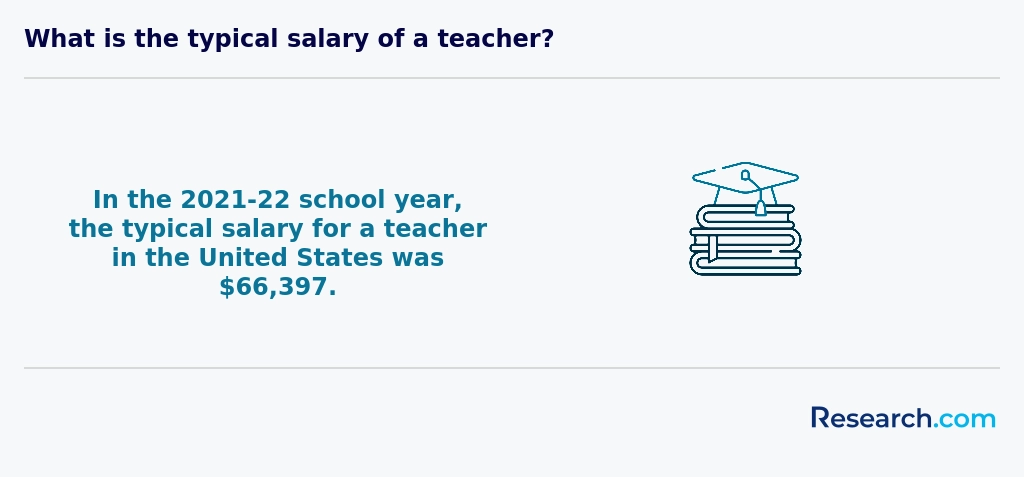
Investing in an online Master’s in Education is a significant financial commitment, but understanding your return on investment (ROI) can help you make an informed decision. On average, completing a Washington-based online master’s program costs around $59,840, while graduates report salary increases from a pre-degree median of $50,000 to post-degree earnings of $70,000 or more in administrative roles. By dividing the net gain in annual salary by total program costs, many professionals recoup their investment within three to four years. Factors influencing ROI include program length, tuition fees, and the career pathway you pursue. For example, graduates who move into specialized roles such as instructional designers or curriculum developers often see higher starting salaries-between $60,000 and $75,000-accelerating their payback period. Similarly, leveraging grants and scholarships through state programs or institutional awards can reduce upfront costs and shorten ROI timelines. To maximize ROI, consider the program’s career services: strong alumni networks and dedicated job-placement support can connect you to higher-paying positions more quickly. Additionally, focus on specializations that align with high-demand areas-such as educational technology or policy analysis-where Washington’s public school districts and private organizations are actively recruiting. For those exploring cost-effective alternatives or comparing tuition rates, you may also find value in the Most Affordable Online Education Degree Programs Ranking in New York, which highlights programs with lower sticker prices and strong career outcomes. By carefully evaluating tuition, salary uplift, and support offerings, prospective students can ensure their online Master’s in Education not only advances their expertise but also delivers a compelling financial return.
Students pursuing online education degrees in Washington often find vital financial support through federal aid options like Pell Grants and Direct Loans, accessible by submitting the FAFSA early. Graduates from universities such as the University of Washington share how timely federal aid helped them focus on their studies without overwhelming debt. Beyond federal sources, the Washington State Need Grant offers crucial assistance, especially for undergraduates, and some credential programs benefit from special waivers or scholarships through OSPI, easing costs for educators seeking advancement.
Public institutions like Washington State University frequently provide institutional scholarships and tuition discounts tailored for online learners. Many students report feeling a genuine sense of relief and motivation when awarded these funds, reinforcing their commitment to complete their degrees.
Loan forgiveness programs add another hopeful dimension. Teachers working in high-need Seattle-area schools describe how federal and state forgiveness initiatives reduce financial stress, empowering them to remain in education. As institutions and policymakers increasingly recognize online learning's role, these aid options are evolving to better meet student needs in Washington.
For many graduates, an online master’s in education is just the beginning of a lifelong journey in academic and professional growth. Building on the foundational expertise gained during a master’s program, graduates often explore doctoral studies to drive innovation in educational leadership, research, and policy. Advancing to a doctorate not only deepens subject matter expertise but also enhances career prospects in higher education, school administration, and beyond. Doctoral candidates typically engage in rigorous research, collaborate with esteemed faculty, and contribute new insights to the field-elements that can propel their careers to new heights. If you’re ready to take the next step toward shaping the future of education, consider reviewing the list of the best online doctorate in higher education programs to discover programs that align with your career ambitions and research interests. This pathway, enriched by personalized mentorship and advanced study opportunities, positions you at the forefront of educational transformation while expanding your professional network and impact.
Enrolling in an online education degree program in Washington usually means you'll need a bachelor's degree, often in education or a related field, from an accredited institution. However, plenty of students from varied academic backgrounds have successfully gained admission by showcasing relevant work experience or a passionate commitment to education. For example, graduates from popular Washington colleges often mention how their diverse educational paths didn't hold them back, especially when paired with strong personal statements.
GRE scores have largely become optional or waived in many Washington programs, making admission more accessible. This shift has uplifted hopeful candidates who previously felt hindered by standardized tests. Transcripts reflecting a solid GPA, generally around 3.0, remain a common expectation, but programs often consider professional achievements and personal motivation too.
- Applicants aiming for licensure-track programs usually need to provide valid teaching certificates, ensuring readiness to work as K-12 educators in the state.
- Letters of recommendation and heartfelt personal statements are valuable tools for telling your story effectively.
- Reliable internet and computer literacy, while often assumed, remain essential for thriving in fully online environments at institutions like the University of Washington.

1. University of Washington – Master of Education in Curriculum & Instruction • Duration: 2 years (part-time options) • Estimated Tuition: $32,000 total • Highlights: STEM integration, practicum placements with Seattle Public Schools 2. Washington State University – Master of Education in Educational Leadership • Duration: 18–24 months • Estimated Tuition: $28,500 total • Highlights: Principal certification track, cohort model for peer mentoring 3. Seattle Pacific University – Master of Arts in Teaching & Learning • Duration: 2 years • Estimated Tuition: $30,200 total • Highlights: Project-based capstone, small-group seminars 4. Central Washington University – Master of Education in Special Education • Duration: 18 months • Estimated Tuition: $24,800 total • Highlights: ABA focus, practicum in local districts 5. Western Washington University – Master of Arts in Curriculum & Instruction • Duration: 2 years • Estimated Tuition: $26,400 total • Highlights: Hybrid summer residencies, cohort coaching 6. Eastern Washington University – Master of Science in Teaching & Learning • Duration: 18–24 months • Estimated Tuition: $25,600 total • Highlights: Rural education specialization, grant-funded field projects 7. Gonzaga University – Master of Education in Instructional Technology • Duration: 2 years • Estimated Tuition: $33,000 total • Highlights: Digital learning labs, partner school internships 8. Seattle University – Master of Arts in Educational Leadership • Duration: 2 years • Estimated Tuition: $34,500 total • Highlights: Equity-focused policy seminars, mentorship by district leaders 9. Antioch University Seattle – Master of Arts in Teaching • Duration: 2–3 years (self-paced) • Estimated Tuition: $29,700 total • Highlights: Personalized learning plans, portfolio assessment 10. City University of Seattle – Master of Education in Curriculum & Instruction • Duration: 18 months • Estimated Tuition: $23,900 total • Highlights: Accelerated summer sessions, career services support For those prioritizing cost without sacrificing quality, compare with our Most Affordable Online Education Degree Programs Ranking in New York.
Online education degrees in Washington typically include courses like Educational Psychology, where students explore how learners develop, helping future teachers understand classroom behaviors and tailor instruction. Graduates from the University of Washington often share how this knowledge transformed their approach to student engagement, making lessons more impactful.
Curriculum Development courses teach designing effective lesson plans, a skill highly praised by those studying at Western Washington University who balance this with online work schedules. Instructional Technology classes prepare students to seamlessly use digital tools, a necessity that many find exciting as it allows immediate application in real classrooms.
Assessment and Evaluation courses offer insights into measuring student progress, empowering future educators to provide meaningful feedback. Classroom Management strategies help students maintain a productive environment, an area graduates describe as crucial when stepping into their first teaching roles.
Specialized classes, such as Special Education or Educational Leadership, enable students from Seattle Pacific University to pursue tailored career paths, often fostering a deep sense of purpose and readiness for diverse educational settings throughout Washington.
Online education degree specializations Washington programs commonly include Curriculum and Instruction, Educational Leadership, Special Education, Reading and Literacy, Early Childhood Education, and ESL/Bilingual Education. Graduates from universities like the University of Washington often share how these focused tracks empower them to tailor their careers-whether designing innovative K-12 curricula or leading district-wide initiatives-while studying remotely. One graduate described the ability to immediately apply leadership strategies learned online to real school policy challenges as invigorating and deeply satisfying.
Looking ahead, these specializations are expected to evolve with rising digital education trends, integrating AI-driven personalized learning tools and virtual classroom leadership skills. In particular, Washington online master's education focus areas may increasingly incorporate multicultural and technology-enhanced teaching methods, reflecting the state's diverse student population and tech-forward environment.
Many students appreciate that their degrees combine flexible, affordable tuition with meaningful practicum opportunities, preparing them not just theoretically but with hands-on virtual internships. Prospective learners can explore evolving pathways and potential careers by consulting a list of the best online doctorate in higher education programs offered within the state.
Choosing the best online education degree in Washington means focusing on programs that balance flexibility, affordability, and quality. Many graduates from major universities like the University of Washington praise programs offering asynchronous classes, which help manage work-family-study demands smoothly. Affordable online teaching programs Washington residents favor often come from public institutions where tuition rates and financial aid opportunities make advanced degrees more accessible without sacrificing rigor.
Looking ahead, online education programs may increasingly integrate virtual reality classrooms and AI-driven tutoring, enhancing engagement beyond traditional video lectures. Graduates highlight how strong technical support and accessible online libraries boosted their confidence, fueling academic success. Specializing in fields like educational leadership or instructional technology aligns well with Washington's growing job market.
To get an edge, consider exploring detailed program outcomes and student testimonials. For those wanting comparative tuition info, checking resources such as the Most Affordable Online Education Degree Programs Ranking in New York can offer insight into cost-effective choices that might parallel Washington's landscape.
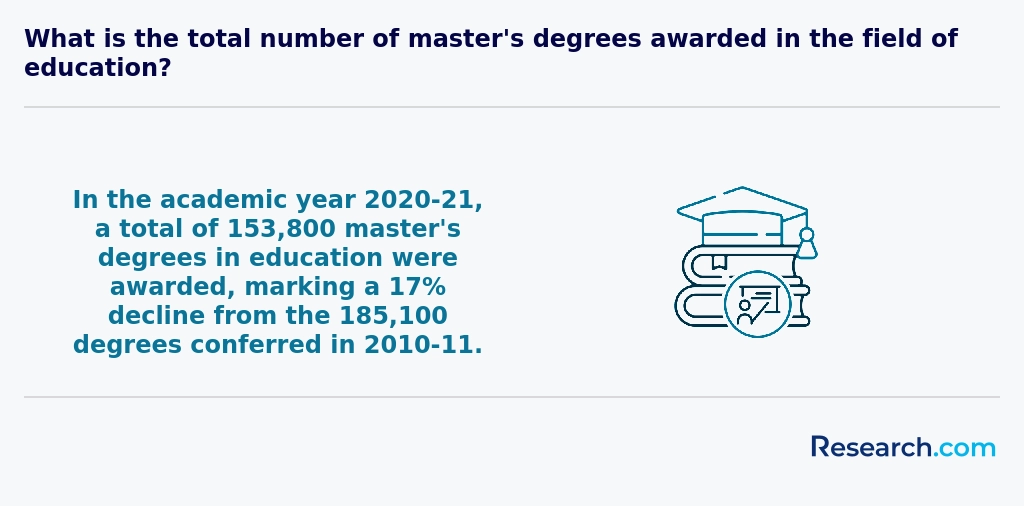
Graduates with an online education degree in Washington often pursue diverse career paths that extend well beyond traditional classroom teaching. Many begin as licensed K-12 teachers, filling in-demand roles in special education, STEM, and bilingual classrooms, as seen among recent graduates from popular institutions like the University of Washington and Seattle University. These graduates share a sense of fulfillment, knowing their training prepares them to meet state certification standards while making a real impact in local communities.
Others explore administrative and leadership roles, including school counselors and instructional designers, where they develop innovative curricula or guide educational policy. Many education professionals in Washington state embrace emerging trends in digital learning-especially important as schools continue to adapt post-pandemic-creating exciting job prospects in educational technology and advocacy. For students searching for flexible options, some consider the fastest online associates degree pathways to complement their career goals with practical credentials.
Education degree job opportunities Washington also include positions in higher education, such as admissions counselors or student affairs specialists, where graduates support remote learning initiatives and foster student engagement through technology. These vibrant career paths inspire optimism among graduates eager to shape the future of education in Washington's evolving landscape.
The job market for online education degree jobs in Washington presents a promising landscape, especially for graduates from universities known for strong education programs like the University of Washington and Washington State University. Graduates commonly share how their flexible online studies allowed them to maintain teaching roles while advancing their credentials. This often leads to roles beyond classroom teaching, such as curriculum development or educational administration, where school districts are increasingly seeking professionals with advanced online degrees.
Washington teaching job market outlook shows steady growth, with a 7% projected increase over the next decade. Many graduates find rewarding opportunities in urban hubs like Seattle, where technology integration specialists and special education experts are in high demand. Meanwhile, those in more rural parts of the state often engage in innovative remote learning initiatives that provide unique career pathways. Salary prospects remain competitive, with positions in administration regularly exceeding $90,000 annually, highlighting the value of advanced study in Washington's evolving education environment.
For prospective students weighing costs, understanding the tuition landscape is key. Washington's public universities offer affordable online programs with in-state tuition advantages, giving residents a favorable return on investment. For further guidance, exploring options like the best online college degrees for seniors can be insightful, even for students of various ages aiming to upgrade their qualifications while working.
2027 Best Online Master's in Education Degree Programs Ranking in Washington
Investing in your education is a significant decision that can shape your future, and the Research.com team understands the importance of making informed choices. To assist prospective students in Washington, we have meticulously crafted the "2027 Best Online Master's in Education Degree Programs Ranking in Washington." Our commitment to quality, credibility, and accuracy is reflected in the extensive research and analysis conducted to compile this ranking.
We utilized the following reputable data sources to ensure a comprehensive evaluation of education programs:
By exploring this ranking, readers will gain valuable insights into the best online master's in education programs available in Washington, helping them make confident and well-informed decisions about their educational paths. For more details on how this ranking was created, please visit our Research.com methodology page.


Frequently Asked Questions About education
Students pursuing online education degrees in Washington can maximize their learning by actively engaging with their coursework and instructors. Washington state universities often provide access to virtual tutoring, discussion boards, and scheduled live sessions to enhance understanding. Organizing a dedicated study space and maintaining a consistent routine helps improve focus and retention.
Research from Washington's Workforce Training and Education Coordinating Board highlights that online learners who participate in peer collaboration and time management workshops have higher completion rates. Additionally, taking advantage of local resources like state libraries and professional education networks can support practical application and networking.
Students should also verify that their program is regionally accredited to ensure quality and transferability of credits, a crucial factor reported by the Northwest Commission on Colleges and Universities. Staying informed about state-specific teacher certification requirements benefits educators planning to apply their degree professionally within Washington.
Emerging niches within the education field are shaping the demand for specialized online degrees in Washington. One fast-growing area is educational technology, where professionals design and implement digital tools to improve learning outcomes. According to the Washington State Employment Security Department, jobs related to instructional technology are expected to grow by 12% through 2030.
Another important niche is special education with an emphasis on inclusive and adaptive learning strategies. The state's commitment to supporting students with disabilities fuels this demand, making specialized degrees highly valuable.
Additionally, administrative leadership in education is gaining traction as schools seek skilled leaders to navigate evolving policies and digital transitions.
After completing an online education degree in Washington, preparing for the job market involves several strategic steps. Networking with local education professionals through organizations like the Washington Education Association can open doors to job opportunities. Additionally, gaining a Washington State teaching certificate is often essential, especially for K-12 positions.
Many Washington school districts prioritize candidates with both a degree and hands-on experience, so participating in internships or substitute teaching during your program enhances employability. According to the Washington Workforce Training & Education Coordinating Board, education jobs in the state are projected to grow by 7% through 2030, indicating steady demand.
Further, job seekers should leverage online platforms such as the Washington State Job Portal and tailor resumes to highlight skills acquired in coursework relevant to state standards. Continuous professional development can also improve prospects in Washington's competitive education job market.
Employers in Washington highly value education degree graduates who demonstrate strong communication and classroom management skills. According to the Washington Office of Superintendent of Public Instruction, effective collaboration and adaptability in diverse learning environments are crucial for success.
Analytical skills are also important, as teachers must assess student progress and tailor instruction accordingly. Familiarity with digital teaching tools and remote learning platforms is increasingly sought after, reflecting the growth of online education in the state.
Finally, cultural competence and an understanding of Washington's diverse student populations have become essential, supported by state initiatives promoting equity in education.
Finding internships in Washington related to an education degree involves several targeted strategies. Many universities in Washington have partnerships with local school districts, offering internship placements as part of their education programs. For example, Washington State's Office of Superintendent of Public Instruction provides resources to connect students with teaching opportunities.
Online students should utilize virtual career services offered by their institutions. Websites like Washington Workforce Explorer list internship openings statewide, including education roles. Networking through professional associations such as the Washington Education Association can also lead to valuable internships.
According to the National Center for Education Statistics, about 85% of education students in Washington participate in internships before graduation, underscoring their importance for career readiness.
An online education degree in Washington can significantly enhance career mobility and advancement for educators and professionals. The state's growing demand for qualified teachers and education leaders means that holding a master's or higher degree often leads to better job opportunities and higher salaries. According to the Washington State Employment Security Department, educators with advanced degrees earn an average of 10-15% more than those with only a bachelor's degree.
Online programs provide flexible pathways for working adults to earn credentials without disrupting their current jobs. This flexibility helps candidates qualify for roles such as instructional coordinators, principals, or district administrators. Additionally, Washington's Professional Educator Standards Board values graduate degrees when awarding credentials, which can accelerate career progression.
Studying for an online education degree in Washington equips students with skills that span multiple disciplines, preparing them for diverse professional roles. Washington's public universities emphasize integrating technology, social sciences, and pedagogy, fostering adaptable educators.
Many programs include coursework in psychology, leadership, and communication, reflecting the state's commitment to interdisciplinary learning. For example, Washington State Board of Education highlights that 68% of educators work in roles requiring collaboration across subjects and community sectors.
Such degrees train students to address complex educational challenges by applying knowledge from various fields, making graduates valuable in settings like policy development, counseling, and educational technology.
Choosing between a thesis and a non-thesis online education degree program in Washington depends on your career goals and learning preferences. A thesis program typically involves conducting original research, suitable for those interested in academic careers or further doctoral study. In contrast, non-thesis programs focus more on practical skills and coursework, ideal for working professionals aiming to advance in teaching or administration.
Washington's universities often offer both options, with thesis tracks requiring about 6-12 credits of research and non-thesis tracks requiring additional coursework. According to the Washington State Board for Community and Technical Colleges, online enrollment has grown steadily, emphasizing flexible learning paths.
Consider your availability, interest in research, and long-term plans when deciding between these paths.
Students based in Washington interested in studying education abroad have several options through partnerships between U.S. institutions and foreign universities. Many accredited online programs in Washington allow for study abroad components, including internships or courses taught by international faculty. Washington State University and the University of Washington offer programs with global education experiences integrated into their curriculum.
Programs approved by the Washington Student Achievement Council ensure courses meet state standards, even when completed abroad. According to the National Center for Education Statistics, approximately 5% of education graduate students in Washington engage in some form of international study, often through exchange programs or online hybrid models.
This flexibility enables students to gain global perspectives while earning a degree grounded in Washington's educational requirements.
In Washington, numerous part-time job opportunities can effectively complement an education degree pursued online. Positions such as teacher aides, substitute teachers, and tutors provide valuable classroom experience while allowing flexibility for students. According to the Washington State Employment Security Department, the demand for teacher aides is expected to grow by 7% through 2028, reflecting steady opportunities in this role.
Additionally, working as an after-school program assistant or educational consultant for local non-profits can enhance practical skills in curriculum planning and student engagement. These roles not only support learning but help build professional networks in the state's educational community.
Online education students in Washington benefit from multiple networking opportunities despite studying remotely. Many state universities and colleges offer virtual events, workshops, and discussion forums designed to build connections among students and faculty. For example, the University of Washington hosts online meetups and professional development sessions tailored to education majors.
Additionally, students can join statewide teacher associations such as the Washington Education Association, which provides networking events and career resources. According to the National Center for Education Statistics, Washington has over 400,000 educators, offering a wide professional network after graduation. Online platforms and local chapters help students engage with peers and mentors in education fields across the state.
Alumni networks provide valuable support for students pursuing online education degrees in Washington. These networks connect current students with graduates who have firsthand experience navigating the local education job market. Through mentorship, alumni share career advice and professional insights, helping students prepare for teaching roles or administrative positions within the state.
Washington's online education programs often highlight active alumni communities, which facilitate job placement and internships. According to the Washington State Workforce Training and Education Coordinating Board, networking significantly improves employment rates after graduation.
Alumni events and online platforms help students build relationships that extend beyond graduation, fostering lifelong professional connections within Washington's educational system.
Washington offers a range of online education degree programs designed to align with diverse career goals. Students can often customize their studies by choosing from various specializations such as curriculum design, educational leadership, or special education. Many accredited institutions in the state allow learners to select electives and complete practicums in local school districts, enabling real-world application tailored to individual interests.
Washington's Workforce Training and Education Coordinating Board highlights that tailoring education degrees to meet regional needs improves employment outcomes. Additionally, online platforms frequently offer flexible pacing options, allowing degree seekers to balance work and study.
Consulting academic advisors early ensures alignment with state certification requirements, especially for teachers aiming to advance in Washington's public schools.
Online education students in Washington face several common challenges. Access to reliable high-speed internet remains an issue for some, especially in rural areas. According to the Washington State Department of Commerce, about 10% of residents lack broadband access, which can hinder participation in live classes or streaming lectures.
Another challenge is balancing coursework with work and family obligations. Many students pursuing education degrees online are working professionals or parents, causing time management difficulties.
Student engagement and motivation can also be a struggle. Without face-to-face interaction, some find it harder to stay connected with instructors and peers.
Finally, navigating financial aid and understanding program accreditation are important concerns. Washington's Workforce Training and Education Coordinating Board offers resources, but confusion remains among students about eligibility and transferability of credits.
With an online education degree in Washington, you can pursue several professional certifications that enhance your career prospects. Common certifications include the Washington State Residency Teacher Certificate, which allows you to teach in public schools across the state. Programs often prepare graduates to pass the Washington Educator Skills Test (WEST-E) and the National Evaluation Series (NES) exams.
Additionally, many earn National Board Certification, a prestigious credential that indicates advanced teaching expertise. Other certifications include Special Education credentials and English as a Second Language (ESL) endorsements. These certifications are supported by Washington's Office of Superintendent of Public Instruction (OSPI), ensuring standards meet regional needs.
When applying for an online education program in Washington, start by thoroughly researching the specific requirements of the university or college. Many Washington public institutions, such as the University of Washington and Central Washington University, emphasize clear academic goals and relevant teaching or professional experience.
Highlight your commitment to education by presenting a focused personal statement. Address how your background aligns with the program's curriculum and your career aspirations. Washington's Office of Superintendent of Public Instruction notes that candidates with prior classroom or educational work experience tend to be more competitive.
Include strong letters of recommendation from supervisors or educators who can attest to your skills and dedication. Lastly, ensure transcripts and all documentation are complete and submitted before deadlines, as Washington schools often have strict application timelines.
Careers in education are increasingly valued worldwide for their impact on social development and knowledge transfer. In the United States, including Washington, the demand for skilled educators is projected to grow by 9% from 2021 to 2031 according to the U.S. Bureau of Labor Statistics. This trend reflects a global recognition of education as a key driver for economic and cultural progress.
Internationally, education professionals are expected not only to teach but also to adapt to diverse student needs and integrate technology in learning environments. In Washington, online education degrees provide flexibility for students to gain these skills, preparing them for a dynamic global workforce. Moreover, Washington ranks among the top states in the number of online learners, highlighting its commitment to accessible education pathways, as reported by the National Center for Education Statistics.
Students pursuing an online education degree in Washington can gain practical experience through several key avenues. Many accredited programs require or offer optional student teaching placements, where learners work directly with K-12 schools in their community. Since Washington state mandates hands-on experience for teacher certification, these practicum hours are essential. Additionally, partnerships between universities and local school districts help facilitate internships or mentorship opportunities.
Online students can also engage in virtual simulations and interactive coursework designed to develop classroom management and lesson planning skills. According to the Washington Professional Educator Standards Board, completing supervised field experience is critical for licensure, ensuring practical readiness alongside academic study.
Choosing the right concentration within an online education degree in Washington involves aligning your career goals with local workforce needs. Washington has a strong demand for educators specializing in STEM, special education, and English language learning, reflecting data from the Washington Office of Superintendent of Public Instruction. Prospective students should consider concentrations that offer licensure or endorsement pathways recognized by the Washington Professional Educator Standards Board. Researching each program's curriculum and faculty expertise can also help ensure the concentration matches your interests.
Additionally, examining job placement rates and salary trends for graduates in the state can guide your decision. The Bureau of Labor Statistics reports that Washington's education sector expects steady employment growth through 2030, particularly for special education teachers and instructional coordinators. Selecting a concentration that fulfills state certification requirements and meets market demand enhances career prospects in Washington's evolving education landscape.
- 2027 Best Online Master's in Education Degree Programs Ranking in California
- 2027 Best Online Master's in Education Degree Programs Ranking in Arizona
- 2027 Best Online Master's in Education Degree Programs Ranking in Colorado
- 2027 Best Online Master's in Education Degree Programs Ranking in North Dakota
- 2027 Best Online Master's in Education Degree Programs Ranking in Kansas
- 2027 Best Online Master's in Education Degree Programs Ranking in Texas
- 2027 Best Online Master's in Education Degree Programs Ranking in Minnesota
- 2027 Best Online Master's in Education Degree Programs Ranking in Iowa
- 2027 Best Online Master's in Education Degree Programs Ranking in Missouri
- 2027 Best Online Master's in Education Degree Programs Ranking in Wisconsin
See What Experts Have To Say About Studying Education
Read our interview with Education experts


Alan J. Singer
Education Expert
Professor of Teaching, Learning and Technology
Hofstra University

- Best Online Colleges In Washington State https://www.affordablecollegesonline.org/online-colleges/washington/
- Education Cover Letter: 6 Steps to Write a Job-Winning One [+Example & Template] | Cake https://www.cake.me/resources/cover-letter/education-cover-letter
- Events & Opportunities https://connect.teachforall.org/events-opportunities
- Online Education Degree Programs | University of Phoenix https://www.phoenix.edu/online-education-degrees.html
- Know more about thesis vs non- thesis: what is the difference? https://studyfans.com/en/blogs/816
- What Can I Do With a Teaching Degree (Besides Teach)? https://www.alleducationschools.com/blog/what-can-i-do-with-a-teaching-degree-besides-teach/
- Working in Ed Tech: How to Identify Your Niche and Build Relevant Skills https://www.highfivepartners.com/blog/working-in-ed-tech-how-to-identify-your-niche-and-build-relevant-skills
- Find Services https://www.washingtonconnection.org/home/explorecategories.go
- Skills Employers Look for In Graduates https://careerdc.com.au/resources/what-skills-employers-want/
- Top 10 Effective Networking Tips for Students https://www.unfc.ca/blog/networking-tips-for-students