
2027 Best Online Master's in Education Degree Programs Ranking in Arizona

Co-Founder and Chief Data Scientist
Choosing the right online master's in education degree program is an important step for Arizona students looking to advance their careers. Our 2027 Best Online Master's in Education Degree Programs Ranking in Arizona offers clear guidance created by the Research.com team of data scientists to help you make informed decisions.
By exploring this ranking, you'll discover high-quality programs that fit your goals and lifestyle. Earning an education degree can open doors to new opportunities and personal growth, making it a rewarding investment in your future.
Key benefits of getting online education degree in Arizona
- Graduates with an education degree in Arizona can expect competitive salaries, such as an Education Manager earning about $129,330 annually and a Curriculum Specialist earning around $77,200 per year, offering strong financial stability.
- Popular career paths for education degree holders include roles like Education Program Manager or Education Consultant, providing diverse opportunities in leadership, curriculum development, and advisory positions.
- Completing an education degree online from a respected Arizona university offers flexibility and convenience, allowing graduates to balance work and study, often leading to quicker career advancement compared to traditional programs.
- 2027 Best Online Master's in Education Degree Programs Ranking in Arizona
- What can I expect from online education degree in Arizona?
- Where can I work with online education degree in Arizona?
What can I expect from online education degree in Arizona?
The average cost of an online education degree in Arizona typically falls between $10,000 and $25,000, depending on the institution and program. Graduates from universities like Arizona State University often describe the investment as worthwhile, appreciating the ability to balance coursework with their busy lives. One graduate shared how attending a fully online master's program enabled them to work full-time while progressing toward certification without the stress of commuting or rigid class schedules.
Northern Arizona University's online education degrees often attract students who value flexible pacing, which can affect overall cost when studying part-time. Many students find financial aid and scholarships offered through these schools and state programs help ease the financial load, making the degrees feel accessible and manageable.
With tuition structures designed for working professionals, many find the cost reasonable for gaining highly sought-after skills in curriculum design and educational leadership. This approach fosters a sense of accomplishment and confidence, positioning graduates well for career advancement both within Arizona and beyond.
Where can I work with online education degree in Arizona?
Graduates with an online education degree in Arizona often find rewarding roles in K-12 schools throughout the state. Many share excitement about joining public or private schools where they can shape young minds daily, especially in growing districts near Phoenix and Tucson. Those holding advanced degrees from institutions like Arizona State University or Maricopa Community Colleges frequently step into specialized roles such as curriculum developers or instructional coordinators, helping to innovate teaching methods and engage diverse student populations.
Others enthusiastically pursue careers in early childhood education centers, reflecting Arizona's rising demand for skilled educators in preschools and childcare programs. Graduates often express fulfillment knowing their work supports families across both urban neighborhoods and rural communities.
Higher education pathways also attract graduates who imagine themselves advising students or managing programs at local community colleges. The flexibility of online learning helps graduates seize opportunities to grow into leadership positions within school districts or nonprofit organizations focused on education reform across Arizona, where they can influence policies and training programs directly.
Graduates with an online education degree in Arizona from institutions like Arizona State University or Grand Canyon University often find rewarding salary opportunities that reflect their dedication and expertise. For example, education managers typically earn around $129,330 annually, showcasing the financial benefits of pursuing leadership roles after completing advanced online degrees. Many graduates report feeling energized by stepping into roles where they influence school systems and shape curriculum.
Those stepping into positions such as education program managers can expect annual salaries near $104,920, allowing for both professional growth and financial stability. Curriculum specialists, another popular career path, earn a mean wage of about $77,200, which supports a comfortable lifestyle in various Arizona communities.
Education consultants, drawing on their online degrees and experience, average salaries around $95,600, highlighting the value of specialized knowledge in education reform or policy-areas that excited graduates often say give their work deeper meaning. Postsecondary educators, with wages close to $96,570 annually, add a fulfilling dimension to career prospects, especially when teaching the next generation of educators online or on campuses across Arizona.
Arizona's dynamic education sector and its demand for qualified professionals suggest promising future salary growth, especially for those leveraging the flexibility and advanced credentials offered by online education programs.
- Tuition for online education degrees in Arizona ranges from $8,000 to $15,000 per year, with public universities offering lower rates for in-state students.
- Starting salaries for education graduates in Arizona average around $44,000 annually, increasing to $55,000-$60,000 after five to ten years of experience.
- The job market for educators in Arizona remains steady, with specific shortages in STEM and special education subjects.
- Many accredited online programs offer flexible schedules and align with state licensure requirements for teacher certification.
- Practical experience components such as student-teaching internships are included in online programs to meet certification standards.
Completing an online education degree in Arizona typically takes about two years for a master's program when studied full-time, matching national averages. Graduates from schools like Arizona State University often share how flexible online formats allowed them to balance their jobs and studies, extending some programs to three years but maintaining a fulfilling experience.
Undergraduates pursuing a bachelor's degree online at institutions such as the University of Arizona usually finish in four years, although accelerated tracks let motivated students wrap up in three years by taking extra courses or attending year-round terms. Many find this pace rewarding, providing a sense of accomplishment without overwhelming their personal lives.
Evolving program structures and personal commitments heavily influence completion times. For example, part-time students who carefully manage work and family obligations still successfully graduate within three to four years. These stories highlight Arizona's online education programs as adaptable and student-centered, designed to fit diverse lifestyles while maintaining high academic standards.
When considering an online education degree in Arizona, one of the most critical factors is affordability. Prospective students often find themselves weighing the costs of tuition, fees, and living expenses against the potential long-term benefits of their degree. To make informed decisions, it's essential to explore the financial aspects of online education programs. For instance, researching the cheapest online education schools in Arizona can provide valuable insights into affordable options that still offer high-quality educational experiences. By understanding the financial implications and available financial aid opportunities, such as scholarships and grants, students can better navigate the process of pursuing an online education degree in Arizona.
Graduates from Arizona State University often describe their online education degree experience as empowering, thanks to the flexibility of asynchronous classes that fit around busy work and family lives. Unlike on-campus programs at institutions like the University of Arizona, where students benefit from real-time, face-to-face interactions in classrooms and campus events, online learners juggle lectures and discussions remotely, creating a personalized rhythm that supports individual productivity.
Many online students appreciate not having to worry about commuting or housing costs, which can add financial relief while still paying similar tuition rates. They find motivation in virtual study groups and online forums that build community despite physical distance.
Conversely, on-campus learners at places like Northern Arizona University often speak highly of the immediate feedback and camaraderie developed through in-person connections and campus resources like tutoring centers and libraries, which can deepen engagement.
Looking ahead, Arizona's growing array of online programs is enhancing support systems, blending the best of both worlds and reshaping how future educators envision achieving their degrees.
For budget-conscious educators seeking high quality at a lower cost, it’s worth looking beyond Arizona’s borders to states in the American South. According to our Low Cost Online Master’s in Education Degree Programs Ranking in the South, institutions in Texas, Florida, and Georgia frequently offer tuition rates up to 30% lower than comparable Arizona programs. By comparing total cost of attendance, financial aid packages, and accreditation status, students can identify programs that balance affordability with strong E-learning platforms and student support services. For example, a Florida university in the ranking charges an in-state rate under $8,000 per year, while still providing interactive virtual labs, dedicated academic advising, and career placement assistance. Key considerations when evaluating these southern programs include:
- Accreditation: Ensure regional or national recognition to maintain licensure portability.
- Technology Support: Confirm availability of 24/7 tech help and access to cutting-edge learning management systems.
- Residency Policies: Some institutions offer reduced rates to all online students, regardless of state, while others cap in-state benefits.
- Articulation Agreements: Look for pathways that accept transfer credits from Arizona community colleges or previous graduate coursework. Exploring these alternatives can yield significant savings-often thousands of dollars over the life of the program-without sacrificing instructional quality or post-graduation outcomes.
The average cost of an online education degree in Arizona hovers around $21,528 for the entire program. Graduates from popular Arizona universities often share how investing in their online degrees felt manageable, especially when compared with national averages. Many who studied through public institutions like Arizona State University appreciated in-state tuition rates that typically range between $500 and $700 per credit hour. This pricing structure made it easier for them to budget, particularly when combined with flexible schedules that fit their busy lives.
While pursuing a degree, students frequently mention that understanding the total tuition fees for online education degrees in Arizona helps them plan for related expenses such as textbooks, technology fees, or practicum requirements. One graduate from a well-known program recalled how the transparent cost estimates helped alleviate anxiety about unexpected fees, making their journey smoother and more focused on learning.
Although some private and out-of-state programs tend to cost more, sometimes exceeding $25,000, Arizona's public universities remain competitive and attractive for many learners. The affordable tuition combined with financial aid and scholarship options creates a hopeful atmosphere for prospective students. If you want to explore choices more fully, consider reviewing the cheapest online education schools in Arizona to find programs suited to your budget and career goals.

Graduates of online master’s in education programs must meet Arizona’s certification standards to teach in public schools. Most programs align coursework and field experiences with the Arizona Department of Education’s requirements, including:
- Core Pedagogy and Content Exams: Candidates prepare for the Arizona Educator Proficiency Assessments (AEPA) through targeted courses in instructional strategies, classroom management, and subject-specific methodologies.
- Supervised Clinical Practice: Accredited programs integrate practicum hours under the supervision of certified mentors, ensuring direct classroom experience and feedback before certification.
- Continuing Education and Endorsements: Teachers can pursue endorsements in areas like special education or English as a second language (ESL) by completing additional graduate-level modules and passing corresponding AEPA exams. Aspiring educators should verify that their chosen online master’s program is approved by the Arizona State Board for Charter Schools and meets the Council for the Accreditation of Educator Preparation (CAEP) standards. For guidance on balancing quality with affordability, consider exploring Low Cost Online Master’s in Education Degree Programs Ranking in the South, which highlights programs offering strong licensure support at competitive tuition rates.
Many Arizona students pursuing online education degrees find federal aid through FAFSA to be a lifeline, unlocking access to Stafford and Grad PLUS loans with manageable rates. Graduates from universities such as Arizona State University often share relief about securing these funds, which make balancing tuition and living expenses less daunting. State-specific programs like the Arizona Leveraging Educational Assistance Partnership (AZ LEAP) and the Arizona Teachers Academy further empower students with need-based grants and scholarships, especially appealing to those committed to teaching in Arizona's public schools.
Institutional scholarships and assistantships offered by popular institutions such as Northern Arizona University provide vital financial support tied to academic merit or research involvement. Graduates frequently mention how graduate assistant roles transformed their experience, offering tuition waivers plus stipends that made advanced study attainable while gaining hands-on skills. Additionally, employer tuition reimbursement programs in Arizona's education sector often enable working professionals to pursue advanced degrees without financial stress, fueling motivation and career growth.
As technology evolves, emerging financial aid models might better support the evolving needs of online learners in Arizona, ensuring even greater accessibility and affordability in the near future.
The online education landscape is continuously evolving and presents exciting opportunities and challenges for both current and future educators. Recent trends point toward a greater integration of artificial intelligence, personalized learning algorithms, and virtual reality experiences that make remote teaching even more interactive and engaging. These technological advancements are reshaping curriculum design and classroom management, allowing institutions and educators to tailor learning experiences to individual student needs. Innovative practices, such as micro-credentialing and stackable certificates, are becoming more prevalent, giving students the flexibility to advance their skills through targeted, short-term courses. For example, educators looking to quickly enhance their qualifications might wonder what are the shortest doctor of education online degrees available, which can serve as a stepping stone to further academic or professional advancement. As online programs continue to mature, collaboration between academic institutions and industry leaders is expected to accelerate research into more effective digital teaching strategies. These partnerships are anticipated to lead to improved student outcomes, career readiness, and innovative solutions that bridge gaps between traditional and online education metrics. Keeping an eye on these developments can empower prospective students and educators to adapt and thrive in a rapidly changing educational environment.
Enrolling in an online education degree in Arizona usually means meeting a few core prerequisites that pave the way for a rewarding learning journey. Many graduates from institutions like Arizona State University share how submitting official transcripts from accredited colleges revealed their solid academic foundations, often with a bachelor's degree in education or related fields. A minimum GPA around 3.0 is commonly expected, reflecting the competitive yet supportive nature of these programs.
Applicants often find that including letters of recommendation and a heartfelt statement of purpose helps admissions committees understand their passion and career goals more deeply. Graduates frequently mention that showcasing relevant work experience on resumes, such as classroom teaching or educational counseling, adds a relatable and practical dimension to their applications, making them feel confident and eager.
Interestingly, some programs are now increasingly flexible, valuing real-world educational experience as much as formal coursework. A few graduates recall that certain universities waived GRE requirements recently, making the application less stressful and more accessible for busy professionals striving to advance their careers.
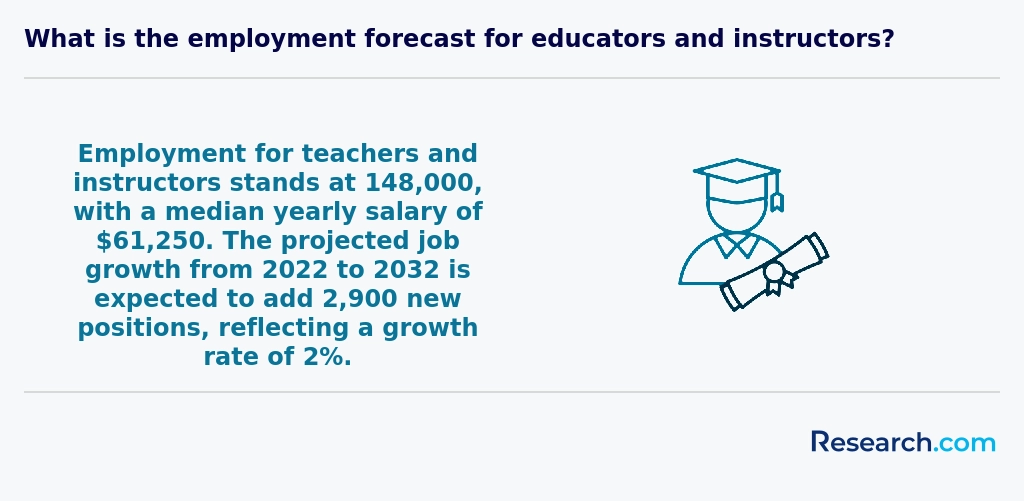
Obtaining your online Master’s in Education is a critical step, but ensuring state certification in Arizona requires careful navigation of licensure requirements. Here’s what aspiring educators need to know to transform a degree into a teaching credential: 1. Meet Academic and Programmatic Requirements • Complete an accredited online program that aligns with Arizona Department of Education (ADE) standards. You can explore cost-effective options in our Low Cost Online Master's in Education Degree Programs Ranking in the South, many of which are designed to satisfy state-mandated coursework. • Verify that your program includes a supervised student-teaching component or ADE-approved internship. 2. Pass Required Examinations • Register for and pass the Arizona Educator Proficiency Assessments (AEPA), which cover subject knowledge and professional teaching skills. • For specialized endorsements-such as special education or ELL instruction-additional AEPA content exams may be required. 3. Apply for Certification with the ADE • Submit official transcripts, proof of degree completion, and AEPA scores through the ADE Certification Information System (CIS). • Pay the applicable application fee and monitor your status via CIS until your credential is issued. 4. Complete Professional Development and Renewal • Arizona requires 180 renewal credits every five years; these can be earned through graduate coursework, workshops, or approved professional learning modules. • Engage in ADE-approved mentorship programs for novice teachers to strengthen classroom management and instructional strategies. By understanding these steps and selecting programs that streamline certification prerequisites, candidates can confidently transition from an online education degree to a fully licensed educator in Arizona.
Online education degree programs in Arizona typically include courses that blend solid theory with practical applications, aiming to equip future educators for diverse classroom challenges. Graduates from Arizona State University often reflect on how courses like Educational Psychology empowered them to understand student behaviors, enabling more personalized teaching strategies that made real difference in their classrooms.
Curriculum Development and Instructional Technology stand out as essential courses, especially as Arizona's schools increasingly embrace digital learning tools. Northern Arizona University graduates recall how hands-on projects using these tools prepared them to engage students remotely, fostering excitement about evolving education methods.
Assessment and Evaluation courses help students gain skills to measure learning outcomes effectively, a capability praised by those shaping education policy across the state. Classroom Management classes address real-world challenges, with many students sharing stories of improving classroom environments even in challenging settings.
Specialized options such as educational leadership or special education reflect newer trends, preparing students to meet the demands of evolving roles in Arizona's dynamic educational landscape.
Online education degree specializations Arizona programs frequently include Curriculum and Instruction, Educational Leadership, Special Education, and Educational Technology. Graduates from Arizona State University often share how courses in Educational Technology helped them confidently implement digital tools in their classrooms, enhancing student engagement during remote learning. Meanwhile, specializations in bilingual or multicultural education resonate deeply, especially given the state's diverse demographics, empowering educators to create inclusive environments. Those pursuing Arizona master's in education concentration options like School Counseling describe fulfilling experiences supporting K-12 students' mental health and college readiness, aligning with growing community needs.
Looking ahead, these specializations may evolve further, integrating AI-driven personalized learning and advanced data analytics to better track student progress. Graduates from popular programs at the University of Arizona report how state certification requirements shape their coursework, ensuring readiness for licensure and leadership roles. For those curious about duration and program length, exploring what are the shortest doctor of education online degrees could offer valuable insight into efficient pathways within Arizona's educational landscape.
Choosing the best online education degree in Arizona means looking beyond just tuition costs to factors that genuinely impact your learning and future career. Graduates from well-known Arizona universities often emphasize the value of programs with strong accreditation, like those recognized by the Higher Learning Commission, which assure high academic standards and wider acceptance in the job market.
Consider programs that blend innovative curriculum elements-such as educational technology and special education-with practical experience like student teaching. Many students find that these hands-on opportunities offered by Arizona institutions boost their confidence and readiness for classroom challenges.
Flexibility is crucial, especially when balancing work and study. Online degrees from Arizona's public universities often provide robust faculty support and advising services, making online learning more manageable and less isolating. Graduates frequently highlight the satisfaction of staying connected with instructors and peers through virtual platforms.
Cost remains a key concern, so exploring Low Cost Online Master's in Education Degree Programs Ranking in the South can guide those seeking an affordable online master's in education Arizona has to offer without compromising quality.
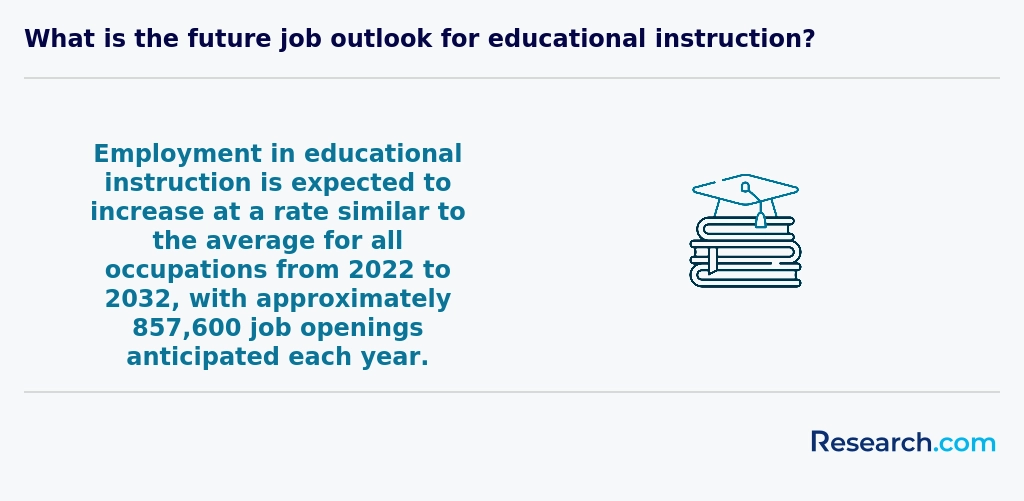
Graduates holding an online education degree in Arizona often find diverse career opportunities ranging from classroom teaching to specialized educational roles. Many pursue licensure to become elementary, secondary, or special education teachers in districts around Phoenix and Tucson, thriving in environments where they can impact student growth directly. These roles offer a rewarding blend of challenge and fulfillment for those passionate about shaping young minds.
Others expand their horizons by moving into leadership positions such as school principals or instructional coordinators, particularly in districts with strong ties to institutions like Arizona State University. The appeal of these roles grows as they combine strategic influence with competitive compensation, making them attractive paths for degree holders. Career opportunities with Arizona education degree programs also include emerging fields like educational technology, where graduates help integrate innovative digital tools into classrooms statewide.
For those drawn to counseling or advising, school counselor positions provide meaningful ways to support student achievement and well-being. Financial considerations remain a key factor for many students, and exploring options like the Low Cost Online Master's in Education Degree Programs Ranking in the South can help make pursuing an online education degree more accessible.
Graduates holding an online education degree in Arizona are entering a job market marked by steady growth and encouraging prospects. With Arizona employment opportunities for education graduates expanding in both metropolitan areas like Phoenix and Tucson as well as rural communities, new educators find ample chances to apply their skills locally without relocating. Many graduates from well-known Arizona institutions report seamless transitions into roles such as K-12 classroom teachers, curriculum developers, and instructional coordinators-positions increasingly valued as schools work to reduce student-to-teacher ratios and enhance educational quality.
The online education degree job outlook Arizona continues to brighten as state initiatives invest in science and technology education, creating specialized roles that reward advanced credentials. For example, graduates from flagship universities often highlight how their online studies prepared them for administrative roles with competitive salaries around $58,000, with room for growth. Cost-conscious students also benefit from comparatively low tuition and savings on commuting, making online degrees an attractive route to fulfilling careers.
For those eager to maximize earning potential and skill growth, exploring what certificate programs make the most money can be a strategic next step.
2027 Best Online Master's in Education Degree Programs Ranking in Arizona
Investing in your education is a significant decision, and the Research.com team recognizes the importance of making well-informed choices. To support prospective students seeking advanced education in Arizona, we have carefully developed the "2027 Best Online Master's in Education Degree Programs Ranking in Arizona." Our dedication to quality, credibility, and accuracy is demonstrated through thorough research and detailed analysis. We utilized the following reputable data sources to ensure a comprehensive and trustworthy evaluation of these programs:
By exploring this ranking, readers will gain valuable insights into the best online master's in education degree programs in Arizona, enabling them to make informed decisions that align with their career goals. For more information on how this ranking was created, please visit our Research.com methodology page.


# 4 position
Arizona State University Campus Immersion
Master of Early Childhood Education - Teacher Certification

# 5 position
Aspen University
Master of Education

Frequently Asked Questions About education
Online education degree students in Arizona can maximize their learning experience by actively engaging with course materials and instructors. The Arizona Board of Regents reports that nearly 40% of Arizona's higher education students access online courses, highlighting the importance of self-motivation and time management. Setting a structured study schedule helps students stay on track while balancing personal and professional responsibilities.
Utilizing university resources such as virtual tutoring, academic advising, and technology support can enhance understanding and reduce obstacles. Participating in discussion forums and group projects also fosters collaboration skills, which are critical for educators. Staying informed about Arizona's education standards further aligns coursework with state requirements, improving practical application.
Emerging niches in education reflect the evolving demands of schools and communities, especially in Arizona. One growing area is special education, driven by increased recognition of diverse learning needs and state funding boosts reported by the Arizona Department of Education. Online degrees focusing on autism spectrum disorders and behavioral interventions are gaining popularity.
Another niche involves educational technology, where educators are trained to integrate digital tools effectively. With Arizona's rise in virtual schooling options, knowledge of e-learning platforms is a valuable skill.
Additionally, bilingual and English as a Second Language (ESL) education remains vital, as Arizona has one of the highest percentages of English learners nationally, according to the National Center for Education Statistics.
Preparing for the job market after earning an online education degree in Arizona involves strategic planning and active engagement. Graduates should start by building a professional network through platforms like LinkedIn and local education organizations such as the Arizona Education Association.
Gaining relevant experience, including internships or substitute teaching positions, can improve employability. According to the Arizona Department of Education, candidates with practical classroom experience are more competitive.
Additionally, obtaining state certification is crucial. Arizona requires teaching candidates to complete educator preparation programs and pass the Arizona Educator Proficiency Assessments.
Finally, staying informed about local school district hiring trends and continuing professional development are key steps for successful job placement.
Employers in Arizona value a mix of practical and interpersonal skills in graduates with education degrees. Classroom management, curriculum development, and data-driven instructional strategies top the list. According to the Arizona Department of Education, effective communication and cultural competence are essential due to the state's diverse student population.
Furthermore, adaptability and proficiency with educational technology have grown in importance. Online teaching tools and digital platforms are commonly used in schools across Arizona. Critical thinking and problem-solving skills are also highly desirable as they support student engagement and academic success.
These skills prepare graduates to meet evolving educational standards and improve outcomes in classrooms statewide.
Finding internships in Arizona related to an education degree involves several practical steps. Students should start by contacting the internship or career services offices at their online education institutions. These offices often have partnerships with local schools and educational organizations.
The Arizona Department of Education provides resources and listings for student teaching and internships statewide. In 2023, Arizona reported over 400 school districts and charter schools, increasing internship opportunities for education students. Exploring local school districts' websites and directly reaching out to principals can also uncover positions.
Networking through professional organizations like the Arizona Education Association helps connect students with internships. Additionally, many universities and district partnerships facilitate placements aligned with licensure requirements.
An online education degree in Arizona can significantly enhance career mobility and advancement opportunities. Many school districts in Arizona recognize online degrees from accredited institutions, making graduates eligible for higher teaching certifications and administrative roles.
According to the Arizona Department of Education, educators with a master's degree often earn salaries about 20% higher than those with only a bachelor's degree. Additionally, holding a higher degree can open doors to specialized roles such as curriculum coordinator or instructional coach, which rarely require relocation.
Given Arizona's growing focus on remote and flexible work environments, an online education degree prepares candidates for modern education settings that value digital skills. This can increase competitiveness in both public and private education sectors statewide.
Arizona's online education degree programs emphasize interdisciplinary skills by integrating diverse academic disciplines such as psychology, technology, and leadership. This approach equips students to address complex challenges in educational settings, preparing them for roles that cross traditional boundaries.
Programs often include coursework on educational technology, policy, and special education, reflecting real-world demands. According to the Arizona Board of Regents, over 60% of education graduates find employment in roles requiring collaboration across fields.
By blending theory and practice, Arizona's online degrees foster adaptability and critical thinking, essential for careers in administration, curriculum design, or community outreach. This preparation supports Arizona's growing need for versatile education professionals.
Choosing between a thesis and a non-thesis education degree program in Arizona depends on your career goals and learning preferences. Thesis programs typically require original research, ideal for students aiming for doctoral studies or research roles. Non-thesis programs focus more on coursework and practical skills, appealing to professionals seeking leadership or administrative positions in education.
Arizona schools often offer flexible online formats for both tracks. According to the Arizona Board of Regents, over 60% of graduate education students choose non-thesis options due to time constraints or professional focus. It's important to check specific program requirements and consider future plans before deciding.
Students in Arizona seeking to study education abroad have several pathways through online degree programs offered by accredited U.S. institutions with international components. Many Arizona public universities, such as Arizona State University, provide online education degrees that include study-abroad options or international fieldwork experiences, allowing students to gain global perspectives without leaving the country for extended periods.
Additionally, partnerships between Arizona schools and international universities enable students to complete portions of their coursework overseas or participate in exchange programs while maintaining enrollment in their home institution. According to the Arizona Board of Regents, about 15% of Arizona's higher education students engage in some form of international study annually.
These hybrid programs offer flexibility for working professionals, making global education accessible alongside career commitments.
Students pursuing online education degrees in Arizona often seek part-time jobs that enhance their academic skills and professional experience. Common roles include teacher assistants, which allow hands-on experience in K-12 classrooms. The Arizona Department of Education notes that such positions offer valuable insight into classroom management and instructional techniques.
Other opportunities include tutoring, especially in subjects like reading and math, supporting local after-school programs or community centers. Additionally, roles as substitute teachers can provide flexible hours while building practical teaching credentials.
Many education students also work in administrative support roles within schools or educational nonprofits, gaining organizational and communication skills important for future careers.
Online education students in Arizona have multiple networking opportunities despite studying remotely. Many Arizona universities offering education degrees, such as Arizona State University, provide virtual events, discussion boards, and group projects that foster peer interaction. These platforms enable students to connect, share resources, and build professional relationships.
Additionally, professional organizations like the Arizona Education Association and state chapters of national groups offer online networking events, webinars, and conferences. These gatherings help students expand their networks with educators and administrators across the state.
According to the National Center for Education Statistics, more than 70% of Arizona's online graduate students report participation in virtual networking activities that contribute positively to their career development.
Alumni networks play a crucial role in supporting online education degree students in Arizona. These networks offer valuable opportunities for mentorship, career guidance, and professional connections, which are especially important for remote learners. According to the Arizona Board of Regents, many state universities maintain active alumni groups that facilitate virtual networking events and job placement resources.
Students benefit by accessing exclusive job listings and internships shared within these networks. Engagement with alumni can also enhance students' resumes and interview skills through real-world advice. Moreover, some networks offer scholarships and funding assistance for continuing education, supporting students financially during their studies.
Customizing an online education degree program in Arizona allows students to align their studies with specific career objectives. Many Arizona universities offer flexible curriculums where students can choose concentrations such as curriculum design, educational leadership, or special education. This flexibility is vital since the Arizona Department of Education highlights leadership and specialized teaching skills among in-demand roles statewide.
Students can also select elective courses that focus on technology integration or ESL instruction, matching growing regional workforce needs. Additionally, some programs include opportunities for practical experience through internships or virtual collaborations.
Accreditation by the Council for the Accreditation of Educator Preparation (CAEP) ensures that programs meet professional standards, enhancing career prospects.
Online education students in Arizona often face several distinct challenges. One major issue is limited access to reliable high-speed internet, especially in rural areas, which affects streaming lectures and submitting assignments. According to the Arizona Department of Education, about 15% of students statewide report connectivity problems. Time management is another common hurdle since many learners juggle work, family, and studies simultaneously.
Additionally, some students struggle with the lack of direct interaction with instructors and peers, which can impact motivation and engagement. Navigating financial aid options and understanding accreditation can also be confusing for those new to online learning.
With an online education degree in Arizona, graduates can pursue several professional certifications that enhance their career prospects. Common options include the Arizona Teaching Certification, which qualifies individuals to teach in public schools across the state. Additionally, candidates often seek National Board Certification, a prestigious credential recognized nationwide for advanced teaching skills.
Other certifications include administrative credentials, such as the Arizona Educational Leadership Certification, enabling roles like school principals or district administrators. Special education certification is also available for those focusing on supporting students with disabilities.
These certifications typically require passing state exams and completing specific training, ensuring educators meet Arizona's standards. The Arizona Department of Education provides detailed guidelines and updates regarding certification requirements.
Writing a winning application for an online education program in Arizona begins with thoroughly researching accredited universities recognized by the Arizona Board of Regents. Highlight your academic background and professional experience clearly, particularly any teaching or educational roles relevant to your chosen field. Emphasize your commitment to online learning by detailing your time management and self-motivation skills, qualities valued in remote studies. According to the National Center for Education Statistics, Arizona's online enrollment increased by 12% from 2020 to 2022, reflecting growing competition. Including specific goals and how the degree supports Arizona's educational landscape can strengthen your application.
The global perspective on a career in education highlights the growing demand for skilled educators worldwide. In the United States, including Arizona, education careers are valued for their social impact and stability. According to the Arizona Department of Education, the state faces a steady need for qualified teachers, driven by a 15% projected growth in education jobs over the next decade.
Internationally, teaching professionals are expected to adapt to diverse learning environments, integrating technology and cultural awareness. Online education degrees in Arizona reflect this trend by offering flexible programs that prepare educators for global challenges.
Furthermore, the U.S. Bureau of Labor Statistics notes a competitive median salary for education professionals, reinforcing the career's appeal. Online degrees provide access to accredited programs, ensuring graduates meet national certification standards while addressing local and global educational needs.
Gaining practical experience during an online education degree in Arizona is essential for career readiness. Many Arizona universities integrate student teaching or practicum placements within their curricula, allowing students to work in local schools while completing coursework. These placements provide hands-on experience in classrooms under the supervision of licensed educators.
Additionally, some programs partner with Arizona's public school districts, offering internships or mentorship opportunities. Data from the Arizona Department of Education highlights that about 75% of online education students participate in field experiences before graduation. This ensures exposure to diverse educational settings and real-world challenges.
Active involvement in virtual simulations and collaborative projects also helps develop practical skills relevant to modern education environments.
Choosing the right concentration within an online education degree program in Arizona depends largely on your career goals and interests. The state offers concentrations such as curriculum and instruction, educational leadership, special education, and educational technology. According to the Arizona Board of Regents, fields like educational leadership and special education are in high demand due to the state's growing student population and changing demographics.
Consider Arizona's public school needs; for example, special education teachers are projected to see a 7% job growth by 2030, according to the U.S. Bureau of Labor Statistics. Review program curriculum to ensure it aligns with Arizona Department of Education certification requirements if you seek licensure.
Additionally, research each concentration's impact on salary and job placement rates in Arizona's schools or educational institutions. This can help you select a path that matches both your passion and the regional job market.
- 2027 Best Online Master's in Education Degree Programs Ranking in California
- 2027 Best Online Master's in Education Degree Programs Ranking in Colorado
- 2027 Best Online Master's in Education Degree Programs Ranking in Texas
- 2027 Best Online Master's in Education Degree Programs Ranking in Kansas
- 2027 Best Online Master's in Education Degree Programs Ranking in North Dakota
- 2027 Best Online Master's in Education Degree Programs Ranking in Missouri
- 2027 Best Online Master's in Education Degree Programs Ranking in Iowa
- 2027 Best Online Master's in Education Degree Programs Ranking in Minnesota
- 2027 Best Online Master's in Education Degree Programs Ranking in Wisconsin
- 2027 Best Online Master's in Education Degree Programs Ranking in Illinois
See What Experts Have To Say About Studying Education
Read our interview with Education experts

Alan J. Singer
Education Expert
Professor of Teaching, Learning and Technology
Hofstra University


- Events & Opportunities https://connect.teachforall.org/events-opportunities
- How a Strong Alumni Network Can Benefit Students https://www.pacificu.edu/blog/how-strong-alumni-network-can-benefit-students
- Education Cover Letter: 6 Steps to Write a Job-Winning One [+Example & Template] | Cake https://www.cake.me/resources/cover-letter/education-cover-letter
- Arizona Students Get a Jump on Career Education with ‘Possible Futures’ https://www.jff.org/blog/arizona-students-possible-futures/
- Online Degree vs. Traditional | University of Arkansas Grantham https://www.uagrantham.edu/blog/pros-cons-online-degree-vs-traditional-university/
- Education Study Abroad | CIEE https://www.ciee.org/go-abroad/college-study-abroad/programs/subjects-disciplines/education-study-abroad
- How to choose the right online elementary school in Arizona https://www.asuprepdigital.org/blog/online-elementary-schools-in-arizona/
- Back to School: When Students Succeed, Arizona Succeeds - Education Forward Arizona https://educationforwardarizona.org/back-to-school-advancing-arizonas-most-strategic-investment/
- Skills Employers Look for In Graduates https://careerdc.com.au/resources/what-skills-employers-want/
- What Employers Actually Want From Graduates https://bodyswaps.co/resources/blog/what-employers-actually-want-from-graduates


