2027 Most Valuable Online Doctorate in Counseling Degree Programs Ranking in the Midwest

Co-Founder and Chief Data Scientist
Choosing the right counseling doctorate program is a big step toward a rewarding career in mental health. This article introduces the 2027 Most Valuable Online Doctorate in Counseling Degree Programs Ranking in the Midwest, crafted by the Research.com team of data scientists to guide you in making an informed decision.
Exploring these programs helps you find options that match your goals, schedule, and budget. Earning a counseling degree opens doors to meaningful work and personal growth. Dive in and discover which programs offer the best value and opportunities for your future.
Key benefits of getting online counseling degree in the Midwest
- Graduates with a counseling degree in the Midwest can earn competitive salaries, such as $60,080 annually for Certified Addiction Drug and Alcohol Counselors or Mental Health Therapists, while Clinical Managers can earn around $134,440 per year.
- Career paths include roles like Clinical Director or Executive Director at non-profits, both averaging about $129,330 yearly, offering rewarding opportunities to make a positive impact in communities.
- Online degrees from Midwest schools provide flexibility and convenience, allowing students to balance work and life while accessing quality education, as shown by successful graduates who quickly advance in their counseling careers.
- Key benefits of getting online counseling degree in the Midwest
- What can I expect from online counseling degree in the Midwest?
- Where can I work with online counseling degree in the Midwest?
- How much can I make with online counseling degree in the Midwest?
- 2027 Most Valuable Online Doctorate in Counseling Degree Programs Ranking in the Midwest
- Key Findings
- How long does it take to complete online counseling degree in the Midwest?
- What's the difference between online and on-campus counseling degree?
- What is the average cost of online counseling degree in the Midwest?
- What financial aid is available to online counseling degree students in the Midwest?
- What are the prerequisites for enrolling in online counseling degree program in the Midwest?
- What courses are typically in online counseling degree programs in the Midwest?
- What types of specializations are available in online counseling degree programs in the Midwest?
- How do you choose the best online counseling degree in the Midwest?
- What career paths are available for online counseling degree students in the Midwest?
- What is the job market for online counseling degree in the Midwest?
- Top Trending Counseling Rankings
- See What Experts Have To Say About Studying Counseling
What can I expect from online counseling degree in the Midwest?
The average cost of an online counseling degree in the Midwest varies but is generally manageable, especially at public universities known for balancing quality and affordability. Many graduates from institutions like the University of Wisconsin or the University of Nebraska recall feeling reassured by the competitive tuition rates these schools offer, particularly for in-state students. This financial accessibility reduces stress and allows students to focus fully on their studies and clinical experiences.
Students often mention the additional support available, such as federal financial aid and scholarships specifically tailored for mental health graduate students, which further eases the financial burden. One common reflection is how these resources made pursuing their degree feel like a realistic investment rather than an overwhelming expense.
Because online programs blend flexibility with rigorous training-including practicum placements close to home-graduates appreciate being able to maintain employment while completing their degrees without excessive financial strain. This balance of cost and quality encourages many to confidently advance toward licensure and meaningful careers in counseling across the Midwest.
Where can I work with online counseling degree in the Midwest?
Graduates from online counseling programs at popular Midwest institutions often find rewarding careers in diverse settings that fit their unique passions and skills. Many connect with K-12 public schools in states like Illinois and Wisconsin, where counselors play a vital role supporting student mental health and academic growth. These roles offer stability and a strong sense of purpose, with licensure requirements aligned to local education standards.
Others pursue work in private practice, especially after earning their licensure as professional counselors. Here, graduates experience the fulfillment of directly impacting clients' lives, though income can vary depending on their client base and specialization. Many who studied at universities known for strong clinical training appreciate how well prepared they felt to meet these challenges.
Community mental health centers and nonprofit agencies provide another meaningful path, allowing graduates to support underserved populations through substance abuse and crisis intervention programs. In urban hubs like Minneapolis-St. Paul, the rising demand creates opportunities to collaborate with social services, enriching the professional experience.
Hospitals and healthcare systems attract counselors seeking roles that integrate with medical teams, offering higher salaries and comprehensive benefits. Graduates often describe the satisfaction of holistic patient care, a career path that thrives in Midwest healthcare settings bolstered by growing behavioral health investments.
How much can I make with online counseling degree in the Midwest?
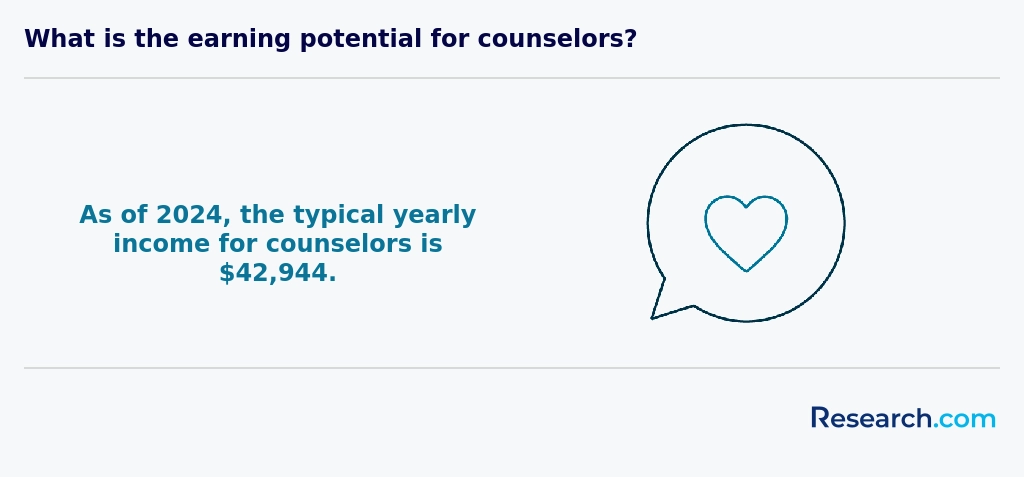
Graduates with an online counseling degree in the Midwest often find rewarding salary prospects that align with both regional demand and national standards. For instance, those entering roles as Certified Addiction Drug and Alcohol Counselors can anticipate a mean annual wage around $60,080, reflecting the steady need for specialized support professionals. Many who trained at well-regarded institutions like the University of Wisconsin or Illinois State University share experiences of balancing coursework with part-time clinical work, which accelerates licensure and income growth.
Those moving into positions like Mental Health Therapists also see mean wages near $60,080 annually, offering encouraging financial stability. Graduates from programs at prominent Midwestern colleges often highlight how their online studies allowed them to maintain employment, easing the transition to full-time roles.
Advancing into leadership positions such as Clinical Manager or Clinical Director significantly boosts earning potential, with salaries averaging $134,440 and $129,330 respectively. This progression underscores how continued professional development and licensure can lead to meaningful salary increases across the Midwest's diverse settings.
2027 Most Valuable Online Doctorate in Counseling Degree Programs Ranking in the Midwest
How do we rank schools?
Investing in your education is a significant decision that can shape your future, and the Research.com team understands the importance of making informed choices. To assist prospective students seeking an online doctorate in counseling in the Midwest, we have meticulously crafted the "2027 Most Valuable Online Doctorate in Counseling Degree Programs Ranking in the Midwest." Our commitment to quality, credibility, and accuracy is reflected in the extensive research and analysis conducted to compile this ranking.
We utilized the following reputable data sources to ensure a comprehensive evaluation of counseling programs:
By exploring this ranking, readers will gain valuable insights into the most valuable online doctorate counseling programs in the Midwest, equipping them to make informed decisions about their academic and professional futures. For more information on how this ranking was created, please visit our Research.com methodology page.


# 3 position
Walden University
Doctor of Counselor Education and Supervision

Key Findings
- Online counseling degrees in the Midwest meet state licensure requirements, supporting graduates' work as professional counselors.
- Master's degree programs typically cost between $20,000 and $40,000, while doctoral programs range from $30,000 to over $60,000.
- Entry-level salaries for master's holders start around $40,000 to $50,000 annually, with experienced counselors earning $55,000 to $70,000 or more.
- Counseling job demand is growing in the Midwest, with opportunities in schools, healthcare, private practice, and community organizations.
- Licensing requirements differ by state, so students should choose programs that prepare them for licensure where they plan to work.
- CACREP accreditation is important and preferred by employers and licensing boards; verify accreditation before enrolling.
How long does it take to complete online counseling degree in the Midwest?
Completing an online counseling degree in the Midwest often takes between 2 to 3 years for a master's, especially when studying full-time. Many graduates from institutions like the University of Nebraska Omaha share how this timeline allowed them to balance work, family, and coursework without feeling overwhelmed. Part-time students can expect this journey to extend to about 4 to 5 years, offering valuable flexibility.
Doctoral degrees, such as Psy.D. or Ph.D. programs from places like the University of Missouri, usually span 4 to 6 years. Graduates often recall the challenge and reward of managing intensive research, clinical hours, and dissertations remotely, appreciating how the programs accommodate their professional lives.
Accelerated options appeal to those eager to finish sooner but require a heavier course load. Many who chose these paths emphasize the sense of accomplishment and momentum they gained. Licensure preparation adds time-with supervised clinical hours extending practice readiness by roughly 2 years-but students feel confident their education prepared them well.
What's the difference between online and on-campus counseling degree?
Choosing between online and on-campus counseling degree programs in the Midwest often comes down to lifestyle and accessibility. Graduates from online programs like those at Illinois State University appreciate the flexibility to juggle work and family, completing coursework remotely without the stress of long commutes-especially for those living in rural areas. They describe a sense of relief in balancing responsibilities while still advancing their careers.
On-campus students at universities such as the University of Missouri often highlight the energizing classroom atmosphere and the immediate support from faculty and peers. The face-to-face interactions boost their confidence and help build meaningful networks, although some mention the challenge of relocating or daily travel within expansive Midwestern states like Kansas.
The financial aspect also shapes these experiences. Online learners often find savings not just in tuition but in avoided housing and transportation costs, easing their financial burden while pursuing accredited programs recognized for licensure across the region. This pragmatic approach allows them to focus more on learning and less on additional expenses.
What is the average cost of online counseling degree in the Midwest?
The average cost of an online counseling degree in the Midwest reflects a practical investment, typically around $47,745 for in-state students pursuing graduate-level counseling degrees. Graduates from well-regarded public universities in Illinois, Ohio, and Michigan often share how this balance of affordability and quality enhances their educational experience and professional readiness. For those attending as out-of-state students, costs may increase to approximately $51,678, which still remains competitive compared to the national landscape.
Many Midwest counseling students appreciate how their tuition encompasses a range of expenses-from tuition and fees to sometimes necessary technology and textbooks-while benefiting from reduced costs in commuting and housing, thanks to the online format. The overall Midwest online doctorate in counseling tuition fees tend to be higher, often reflecting the expanded depth and length of doctoral studies, yet they provide rewarding opportunities for advanced career advancement.
Financial flexibility remains a key consideration for many. Several graduates highlight how combining federal loans, scholarships, and employer tuition assistance helped make their degree affordable. To navigate these options wisely, prospective students are encouraged to explore resources such as the top programs for seniors online, which often include financial aid pathways suited to diverse needs.
Understanding the average cost of online counseling degrees in the Midwest helps students plan effectively and feel confident in their decision to pursue fulfilling careers in counseling across this vibrant region.
What financial aid is available to online counseling degree students in the Midwest?
Many online counseling students in the Midwest find financial aid vital for managing tuition that often ranges from $10,000 to $30,000 annually. Graduates from institutions like the University of Illinois Springfield and Ohio State University share how federal aid transformed their educational journey. Completing the FAFSA unlocked access to grants and the Federal Direct Unsubsidized Loan, which offers up to $20,500 per year-low-interest and manageable for working adults balancing life commitments.
Beyond federal aid, scholarships from the American Counseling Association and university-specific awards celebrated academic achievements or supported underrepresented groups. A graduate from a Midwestern college recalls the relief of receiving a scholarship targeting counseling students, making the dream of advancing in mental health more attainable.
State-based loan forgiveness initiatives in Illinois and Michigan, designed for counselors serving underserved communities, reflect a real opportunity to reduce debt after graduation. Many working professionals also benefit from tuition reimbursement programs offered by employers like local healthcare systems and school districts, easing financial pressure while gaining valuable experience.
What are the prerequisites for enrolling in online counseling degree program in the Midwest?
Enrolling in an online counseling degree in the Midwest means coming prepared with a solid academic foundation, as many programs at universities like the University of Chicago or Indiana State University expect applicants to hold a bachelor's degree in psychology, counseling, or a closely related field. Graduates often recall how having prerequisite courses in human development or counseling theories made the transition smoother, boosting their confidence as they tackled advanced studies.
A minimum GPA around 3.0 is commonly required, reflecting a commitment to academic excellence that Midwest institutions value. Applicants may also need to provide professional or volunteer experience to demonstrate readiness for real-world counseling challenges, a requirement particularly emphasized in doctoral programs.
Many students find that preparing a personal statement or securing recommendation letters helps reflect their dedication and personal growth, which admission committees at schools like the University of Iowa appreciate deeply. Lastly, reliable internet access and comfort with online platforms are essential, with some programs inviting students to participate in local internships that blend theory with hands-on practice.
What courses are typically in online counseling degree programs in the Midwest?
Online counseling degrees in the Midwest typically include courses that blend theory and hands-on practice, preparing students to meet real-world challenges with confidence. Graduates from well-regarded institutions like universities in Illinois and Ohio often recall how foundational classes such as Introduction to Counseling Theories and Professional Ethics in Counseling grounded their understanding of human behavior and moral responsibility in diverse client relationships.
Students find that courses like Psychopathology and Diagnostic Techniques are essential for recognizing and addressing mental health disorders, using tools such as the DSM-5. One graduate mentioned how mastering these skills enabled them to provide compassionate, accurate assessments during their practicum, which took place at local community centers aligned with their university.
Specialized subjects - including Addiction Counseling and Marriage and Family Therapy - often inspire students by connecting coursework with tangible client needs. Many appreciate how these programs encourage practical application through supervised clinical experiences, reflecting the dynamic environments counselors face across Midwest schools, hospitals, and private practices.
What types of specializations are available in online counseling degree programs in the Midwest?
Online counseling degree specializations Midwest programs commonly include clinical mental health counseling, school counseling, marriage and family therapy, addiction counseling, and rehabilitation counseling. Graduates from universities in Illinois or Ohio often speak highly of the school counseling specialization, appreciating how well it prepares them for licensure aligned with local K-12 certification standards. Similarly, those pursuing clinical mental health counseling find the practical experience through practicum placements invaluable for addressing diverse psychological challenges.
Marriage and family therapy, while offered less broadly online, attracts students from Michigan and Minnesota who value the focus on systemic family dynamics and intervention techniques. Addiction counseling is an emotionally rewarding path; graduates frequently share stories of helping clients in rehabilitation centers, feeling a deep sense of purpose addressing rising substance abuse in the Midwest. Meanwhile, rehabilitation counseling students in Indiana or Wisconsin appreciate the alignment with Certified Rehabilitation Counselor credentials, enhancing their roles in supporting independence for individuals with disabilities.
For those exploring Midwest counseling doctorate program options, it's wise to consider these specializations carefully. Students often recommend exploring choices through resources like best open admission colleges to find affordable, accredited programs that meet both educational and regional licensure needs.
How do you choose the best online counseling degree in the Midwest?
Choosing the best online counseling degree in the Midwest begins with accreditation-graduates from respected universities often highlight how crucial CACREP accreditation was for their career paths, especially for licensure in states like Illinois and Ohio. Programs that adapt their curricula to local licensure requirements truly make a difference; graduates from Midwest schools appreciate residencies or clinical placements nearby, which make hands-on experience more accessible and authentic.
Financially, many counseling students find that public universities in the Midwest offer more affordable options compared to private institutions, a balance well worth considering. One graduate shared relief at managing tuition through scholarships aimed at counseling students, underscoring the value of programs with flexible payment plans and financial aid.
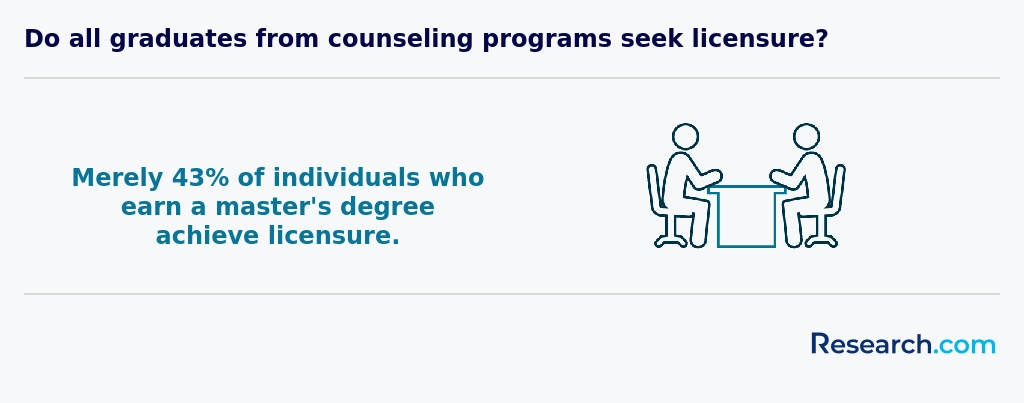
Another key factor is program flexibility. Working professionals favor asynchronous classes that let them study on their schedule, though it's important to check if the program demands periodic live sessions or onsite residencies. Midwest graduates often reflect fondly on the strong faculty credentials and high licensure exam pass rates, which typically surpass 75%, boosting confidence in their education.
For those considering further advancement, affordable online doctorate counseling Midwest programs can offer advanced knowledge without relocating. Finally, if you're exploring pathways more broadly, you might want to explore easiest associate's degree programs that lead into counseling fields to build a strong foundation early on.
What career paths are available for online counseling degree students in the Midwest?
Graduates pursuing online counseling careers in the Midwest find diverse paths that reflect the region's strong commitment to mental health and community support. Many begin as Licensed Professional Counselors (LPCs), serving clients in private practice, hospitals, or community agencies. Alumni from popular institutions often share how their hands-on training in universities across Illinois and Ohio prepared them for these roles with confidence and a deep sense of purpose.
Another fulfilling option is school counseling, especially in states like Michigan and Minnesota. Graduates frequently recount the rewarding experience of helping students navigate their academic and emotional challenges. This role, supported by varying state licensure requirements, provides a consistent opportunity to make a tangible impact within local school districts.
Midwest counseling degree job opportunities also extend to addiction counseling, a vital field due to ongoing public health crises. Many graduates from well-regarded programs find meaningful careers in rehabilitation centers and outpatient clinics, where their work fosters hope and recovery.
Those seeking broader specialization can explore marriage and family therapy or rehabilitation counseling, roles that often originate from the comprehensive curriculum offered by regional online programs. For students exploring foundational options, resources like the easiest bachelor degree pathways help guide early career choices in the counseling field.
What is the job market for online counseling degree in the Midwest?
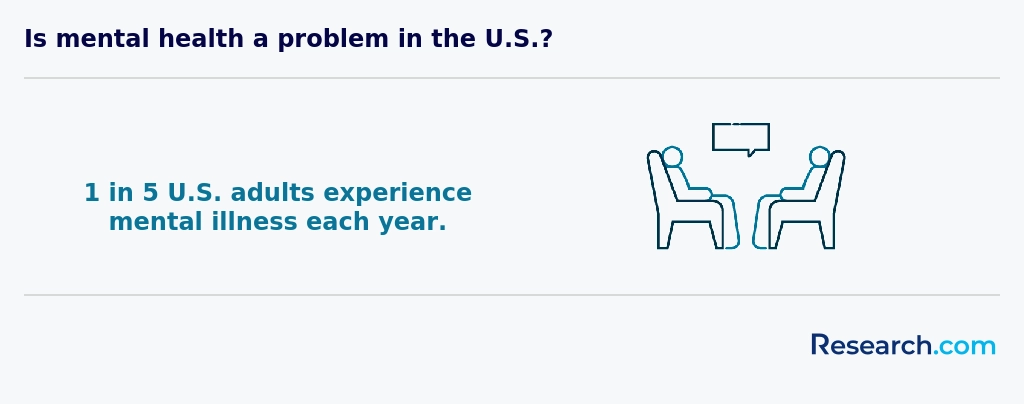
The job market for online counseling degree graduates in the Midwest remains robust, fueled by growing awareness and acceptance of mental health care. Graduates from popular Midwestern institutions often share stories of finding rewarding roles in diverse settings such as community mental health centers, schools, and private practices, reflecting a positive and hopeful outlook. The Midwest job outlook for counseling graduates benefits greatly from state-specific licensure pathways that align well with many online programs, ensuring graduates are well-prepared to step confidently into their careers.
Many students at universities in Illinois, Michigan, and Ohio feel reassured knowing their online counseling degrees meet regional requirements, which is a crucial factor for employability. The range of positions-from hospital outpatient clinics to substance abuse treatment facilities-allows graduates to tailor their careers to their passions while contributing meaningfully to their communities. For those curious about educational options, exploring the easiest masters degrees can serve as a helpful guide toward accessible online counseling programs in the region.
Frequently Asked Questions About counseling
Midwest students pursuing online counseling degrees can enhance their learning by engaging actively with course materials and virtual discussions. Research from the American Counseling Association highlights that consistent interaction with peers and instructors improves understanding and retention.
Utilizing local practicum opportunities is crucial. Many programs require in-person clinical hours, giving students hands-on experience in their communities. According to the Council for Accreditation of Counseling and Related Educational Programs, Midwest sites often provide diverse populations, enriching practical skills.
It is also beneficial to explore regional professional networks, such as the Midwest Counseling Association, which offers workshops and mentorship that complement online study. Finally, staying organized and leveraging campus support services, even remotely, can significantly impact success.
Emerging niches within the counseling field reflect changing societal needs and growing awareness of mental health. In the Midwest, areas such as trauma-informed counseling and addiction counseling are expanding rapidly. According to the National Board for Certified Counselors, substance abuse issues remain a significant concern, fueling demand for specialized addiction counselors.
Another fast-growing niche is telehealth counseling, which has gained traction as online counseling degrees increase in popularity. This format suits rural Midwestern communities by improving access to care.
Counseling focused on marginalized populations, including LGBTQ+ clients and veterans, is also on the rise. The U.S. Bureau of Labor Statistics projects above-average growth in these specialty areas through 2030.
After earning an online counseling degree in the Midwest, graduates should focus on credentialing, networking, and gaining practical experience. Licensing requirements vary by state but typically include completing supervised clinical hours and passing the National Counselor Examination. The Midwest has numerous counseling associations, such as the Illinois Counseling Association and the Ohio Counseling Association, which offer valuable networking opportunities and job boards. Additionally, volunteering or interning during or after your program can improve your resume and practical skills. According to the U.S. Bureau of Labor Statistics, employment of counselors in the Midwest is expected to grow about 12% through 2031, signaling expanding job prospects for qualified professionals.
Employers in the Midwest prioritize strong interpersonal and communication skills when hiring counseling degree graduates. These abilities are essential for building trust and effectively supporting diverse client populations. According to the National Board for Certified Counselors, 85% of employers emphasize empathy and active listening as critical.
Additionally, cultural competence is highly valued due to increasing diversity in Midwestern communities. Graduates must understand and respect different backgrounds to provide effective care.
Employers also look for proficiency in ethical decision-making and knowledge of state-specific counseling laws. Data from the Midwestern Mental Health Association indicates that 78% of hiring managers rank these skills as top priorities.
Finding internships in the Midwest for counseling degrees involves leveraging both academic resources and regional networks. Many universities with online counseling programs partner with local clinics, hospitals, and community centers to provide internship placements. The Association for Counselor Education and Supervision (ACES) highlights the importance of using state licensing boards, like the Illinois Department of Financial and Professional Regulation, to identify approved sites. According to the National Board for Certified Counselors, internships typically require 600 to 1,000 hours of supervised experience, which candidates can often fulfill through partnerships covering states such as Ohio, Michigan, and Minnesota.
Students should also explore statewide databases and job boards dedicated to counseling roles, such as those maintained by the Midwest Alliance for Behavioral Health. Contacting professional associations like the Ohio Counseling Association can reveal additional internship opportunities tailored to the region's specific mental health needs. Networking with faculty advisors remains essential, as many have established connections with local agencies.
Obtaining an online counseling degree in the Midwest can significantly enhance career mobility and advancement opportunities. According to the U.S. Bureau of Labor Statistics, employment of mental health counselors in the Midwest is projected to grow by approximately 22% through 2030, faster than the national average. This growth creates demand for qualified professionals with advanced credentials.
Online programs accredited by the Council for Accreditation of Counseling and Related Educational Programs (CACREP) are increasingly accepted by employers throughout Midwest states like Illinois, Ohio, and Michigan.
Such degrees enable professionals to meet licensing requirements more flexibly, allowing them to expand into clinical roles, administration, or specialized counseling fields. Data from the Midwest Center for Innovation in Mental Health highlights that those with doctorate-level credentials often see salary increases exceeding 20% compared to those with bachelor's or master's degrees in counseling.
Studying for a counseling degree in the Midwest equips students with valuable interdisciplinary skills essential for modern healthcare and social services. Midwest programs emphasize collaboration between counseling, psychology, social work, and healthcare fields. According to the Council for Accreditation of Counseling and Related Educational Programs (CACREP), many Midwestern universities integrate courses in mental health, addiction, and community resources to enhance cross-disciplinary knowledge.
Students learn to work effectively with professionals from diverse backgrounds, preparing them for roles in hospitals, schools, and social service agencies. The region's growing focus on integrated care models means graduates are well-prepared to contribute to team-based approaches addressing complex client needs.
Choosing between a thesis and a non-thesis online counseling degree in the Midwest depends largely on your career goals and learning preferences. Thesis programs often require original research, preparing students for academic or research roles. Non-thesis options focus more on practical skills and coursework suited for clinical practice. According to the Council for Accreditation of Counseling & Related Educational Programs (CACREP), about 60% of Midwest counseling programs offer thesis options, emphasizing research proficiency. Consider your time commitment, as thesis paths typically take longer. Additionally, some licensure boards in the Midwest may prefer candidates with research experience, making thesis degrees advantageous for specialized roles.
Students based in the Midwest who seek counseling education abroad have several pathways through U.S. institutions offering international study options. Many Midwest universities partner with global universities to provide joint or dual online counseling degree programs, allowing students to gain global perspectives while maintaining U.S. licensure eligibility. According to the National Board for Certified Counselors (NBCC), accreditation remains critical, so students should ensure foreign programs meet equivalent standards recognized by U.S. bodies.
Popular destinations include programs in Canada and the United Kingdom, where curricula often align closely with U.S. licensing requirements. Some universities in Illinois and Ohio offer study-abroad semesters integrated into their online counseling doctoral degrees.
Part-time job opportunities in the Midwest that complement counseling degree education often involve roles emphasizing interpersonal and support skills. Common options include working as a mental health technician, case manager, or crisis hotline worker. These positions provide practical experience aligning with coursework in counseling theories and client interaction.
According to the Bureau of Labor Statistics (BLS), states like Illinois, Ohio, and Michigan show strong growth in mental health support roles, which can offer part-time openings. Additionally, some universities in the region connect students with internships or assistant roles in campus counseling centers, enhancing practical learning while studying online.
Such jobs help students build relevant skills and networks critical for future licensure and career advancement in counseling fields.
Online counseling students in the Midwest benefit from numerous networking opportunities despite studying remotely. Many Midwestern universities offer virtual forums, alumni groups, and mentorship programs that connect students with practicing counselors and faculty members. Organizations like the Midwest Counseling Association host annual conferences and regional events, providing students with chances to meet peers and professionals.
Additionally, students can join national professional bodies such as the American Counseling Association, which includes regional chapters focusing on Midwestern states. These groups often provide webinars, workshops, and local meet-ups tailored to students' interests and career goals. Such connections are crucial for licensure and job placement in the region.
Alumni networks offer significant advantages for online counseling degree students in the Midwest. These networks connect current students with professionals who have navigated similar programs, helping with career advice and job placements.
Midwestern universities often maintain strong alumni engagement, which can open doors to internships and licensure support required by states such as Illinois and Ohio. According to the Council for Accreditation of Counseling and Related Educational Programs (CACREP), 70% of licensed counselors in the Midwest reported benefiting from alumni referrals during their job search.
Additionally, alumni events and webinars provide networking opportunities without the need for physical presence, valuable for remote learners. Such connections help students establish local professional ties, essential in the counseling field where community integration matters.
Customizing an online counseling degree program in the Midwest allows students to align their education with specific career goals. Many Midwestern universities offer concentrations such as school counseling, mental health counseling, or marriage and family therapy. These specializations help students focus their coursework on areas most relevant to their professional interests.
Additionally, students can select electives that suit their desired career paths, such as substance abuse counseling or trauma therapy. Accredited programs often provide flexible practicum sites, allowing students to gain hands-on experience within their local communities.
According to the Midwest Regional Education Laboratory, tailoring course selections and fieldwork enhances job readiness in competitive counseling markets across states like Illinois and Ohio.
Students pursuing online counseling degrees in the Midwest often encounter challenges balancing coursework with personal and professional commitments. Many programs require practicum and internship hours, which can be difficult to arrange locally due to limited placement sites in rural areas.
Another common issue is inconsistent state licensure requirements. Each Midwest state may have different criteria for counseling credentials, which can confuse students planning to practice across state lines. The National Board for Certified Counselors provides resources, but students must stay informed about these varying regulations.
Access to reliable high-speed internet is also a concern, especially in more remote parts of the Midwest, affecting the ability to participate in live sessions and access course materials timely.
With an online counseling degree from a Midwest institution, graduates can pursue several professional certifications that enhance career prospects. Common options include Licensed Professional Counselor (LPC) and Licensed Clinical Mental Health Counselor (LCMHC), both widely recognized in states like Illinois, Ohio, and Michigan. These licenses require completing supervised clinical hours post-degree and passing state exams.
Beyond licensure, certifications such as Certified Clinical Mental Health Counselor (CCMHC) by the National Board for Certified Counselors offer national recognition. According to the National Board for Certified Counselors, nearly 30% of counselors in the Midwest hold the CCMHC credential.
Additional certifications include Licensed Marriage and Family Therapist (LMFT) and substance abuse counselor credentials, depending on state regulations. These credentials expand job opportunities in healthcare, schools, and private practice settings.
To write a winning application for an online counseling program in the Midwest, start by thoroughly researching accredited universities in the region, such as those recognized by the Council for Accreditation of Counseling and Related Educational Programs (CACREP). Midwest applicants should highlight any relevant experience working with diverse Midwestern populations, as this demonstrates cultural competence and local awareness.
Strong letters of recommendation from professionals in counseling or related fields can significantly boost your application. Emphasize your motivation for choosing an online format and how it supports your educational and career goals.
Many programs require a clear statement of purpose; focus on your passion for counseling, understanding of regional mental health trends, and commitment to ethical practice. According to the American Counseling Association, graduate programs in Illinois and Ohio are among the fastest growing online counseling degrees, reflecting the region's increasing demand for licensed counselors.
Applicants should ensure all transcripts and certifications are submitted on time and showcase a solid academic record, especially in psychology or social sciences.
Global perspectives on a counseling career highlight growing recognition of mental health as a critical component of well-being. In the United States, including the Midwest, counseling is seen as a vital profession, with a 22% projected job growth between 2020 and 2030, according to the U.S. Bureau of Labor Statistics. This growth aligns with increasing demand for mental health services worldwide.
Midwestern states emphasize the importance of licensure and accredited online degrees to ensure quality care. The global trend leans toward evidence-based practices and culturally competent counseling, reflecting diverse populations and international best practices. These factors shape counseling education and career paths significantly.
Gaining practical experience while pursuing an online counseling degree in the Midwest is essential for licensure and career readiness. Most programs require students to complete supervised clinical hours, often arranged through local counseling centers or healthcare facilities close to the student's residence. The Council for Accreditation of Counseling and Related Educational Programs (CACREP) sets standards frequently followed by Midwest universities, with clinical hour requirements typically around 1,000 to 1,200 hours.
Students can engage in internships, practicums, or assistantships to fulfill these demands. Many schools provide support in identifying approved placements within state networks.
According to the National Board for Certified Counselors, internships in Illinois, Ohio, and Michigan show a growing number of sites partnering with online learners, enhancing accessibility for Midwest residents seeking hands-on experience.
Choosing the right concentration within an online counseling degree program in the Midwest starts with understanding your career goals. Popular focuses include clinical mental health, school counseling, and marriage and family therapy. Each concentration aligns with different licensure requirements set by state boards in the Midwest.
Research from the National Board for Certified Counselors highlights that demand for clinical mental health counselors in Midwest states like Illinois and Ohio is growing by over 15% through 2028. This growth impacts job availability after graduation.
Consider where you want to practice and verify that your chosen concentration meets licensure prerequisites in that state. Additionally, review the curriculum for practical internships or practicum placements nearby, which are often mandatory.
Finally, assess your personal interests and strengths in counseling topics, as this will influence both your academic success and future job satisfaction.
Top Trending Counseling Rankings
See What Experts Have To Say About Studying Counseling
Read our interview with Counseling experts

Charles Figley
Counseling Expert
Kurzweg Distinguished Chair in Disaster Mental Health
Tulane University

References
- Therapy Group of Charlotte How Career Counseling Boosts Professional Growth - Therapy Group of Charlotte https://therapistsincharlotte.com/therapists-charlotte-blog/how-career-counseling-boosts-professional-growth/
- CACREP-Accredited Online Counseling Programs https://onlinecounselingprograms.com/online-counseling-degrees/cacrep-accredited/
- Fastest Online Master's In Counseling Programs https://www.psychology.org/counseling/fastest-online-degrees/
- 9 Accredited Masters in Counseling Programs in Ohio: Online & Campus Options - Counseling Degree https://counselingdegree.org/masters-in-counseling/ohio/
- Private Practice: Networking Strategies https://behuman.ly/private-practice-networking-strategies/
- Careers You Didn't Know You Could Get with a Counseling Degree https://www.counselingpsychology.org/articles/careers-you-didnt-know-you-could-get-with-a-counseling-degree/
- 11 Challenges That Counselors & Therapists Face - Talkspace https://www.talkspace.com/blog/counselor-challenges/
- Resources for School Counselors and School-based Therapists - Association for Child and Adolescent Counseling https://acachild.org/resources-for-school-counselors-and-school-based-therapists/
- Study Counseling Abroad - Top Universities for Masters, MBA, PhD Degree Programs https://studee.com/degree/abroad/counseling
- Counseling Certifications: A Comprehensive List https://agentsofchangeprep.com/blog/counseling-certifications-a-comprehensive-list/