2027 Best Agentic AI Courses for Ecommerce Operations

Co-Founder and Chief Data Scientist
Ecommerce operations face increasing pressure to optimize efficiency and customer experience amid growing competition and complex supply chains. Many professionals without a technical background struggle to leverage agentic AI tools that automate decisions and improve workflows. Without the right skills, adaptation can stall, risking business growth and innovation. This article examines top agentic AI courses designed to bridge this gap. It highlights flexible, accredited programs that equip learners from unrelated fields to master ecommerce applications of agentic AI, helping them advance their careers and drive operational success.
Key Things You Should Know
- Agentic AI courses for ecommerce operations in 2026 emphasize practical skills, with 78% of programs incorporating real-world case studies and automation tool training to enhance operational efficiency.
- Emerging curricula focus on integrating agentic AI with supply chain analytics, reflecting a 42% annual growth in AI-driven ecommerce logistics roles reported in 2025 labor market analyses.
- Top courses provide expertise in ethical AI deployment, addressing rising regulatory demands and ensuring compliance as 65% of ecommerce firms adopt AI governance frameworks by 2025.
Advance Your Career with AI Online Courses
Artificial Intelligence: Implications for Business Strategy
This program provides an introduction to Artificial Intelligence and their implications for business strategy. Earn an official digital certificate.

Oxford Artificial Intelligence Programme
Explore this Oxford Artificial Intelligence programme offered in a flexible learning environment and explore topics like machine learning, automation, and robotics.

Implementing Agentic AI: Building Your Organizational Playbook
This online MIT Agentic AI course offers a practical approach to deploying AI agents in your organization, including a custom playbook. 3 weeks, exclusive launch price.

AI Adoption: Driving Business Value and Impact
This online MIT AI Adoption: Driving Business Value and Impact offers practical frameworks to close the gap between AI potential and business reality.

Artificial Intelligence in Pharma and Biotech
Discover the applications and limitations of artificial intelligence in pharma and biotech with this MIT online short course.

What is agentic AI for ecommerce operations and why does it matter for careers?
Agentic AI applications in ecommerce operations involve intelligent systems that autonomously manage tasks like inventory control, customer support, pricing strategies, marketing campaigns, and order fulfillment. These AI agents analyze real-time data to make strategic decisions such as automatically reordering stock when levels are low or dynamically adjusting prices based on competitor activity and demand trends.
The career benefits of agentic AI for ecommerce professionals are significant as the market is expected to grow from $1.05 billion to $44.1 billion in a decade, reflecting a compound annual growth rate of 54.7%. This growth drives demand for workers skilled in AI project management, ecommerce data analysis, and automation strategy-all roles requiring expertise in AI technologies and data-driven decision-making.
Employees with agentic AI skills can:
- Develop and customize AI workflows aligned with business objectives.
- Integrate AI into existing ecommerce platforms to enhance responsiveness.
- Monitor AI decisions to ensure compliance with company policies.
- Implement fail-safes to mitigate autonomous decision-making risks.
Gaining competence in agentic AI places professionals at the forefront of ecommerce innovation, ensuring career resilience in a more automated industry. For those interested in accelerating their credentials, a one year computer science degree offers a focused pathway to enter this evolving field quickly.
Advance Your Career with AI Online Courses
Artificial Intelligence: Implications for Business Strategy
This program provides an introduction to Artificial Intelligence and their implications for business strategy. Earn an official digital certificate.
Oxford Artificial Intelligence Programme
Explore this Oxford Artificial Intelligence programme offered in a flexible learning environment and explore topics like machine learning, automation, and robotics.
Implementing Agentic AI: Building Your Organizational Playbook
This online MIT Agentic AI course offers a practical approach to deploying AI agents in your organization, including a custom playbook. 3 weeks, exclusive launch price.
What makes an agentic AI course specifically effective for ecommerce operations?
An agentic AI course designed for ecommerce operations must equip learners with skills to address real-world challenges like inventory management, customer interaction, personalized marketing, and supply chain optimization. Such training emphasizes building AI-driven workflows that reduce manual tasks, significantly improving operational efficiency. Effective agentic AI applications in ecommerce operations include using natural language processing, recommendation algorithms, and predictive analytics that adjust dynamically to market changes. For instance, AI agents that autonomously adjust pricing based on competitor data can boost profitability without human input.
Training programs typically integrate tools like chatbot frameworks and automation APIs to familiarize students with ecommerce ecosystems. Hands-on projects simulating real scenarios develop decision-making skills under uncertainty, crucial as AI systems are expected to mediate up to 30% of online spending by 2030, according to McKinsey. These trends highlight the importance of effective agentic AI training for ecommerce professionals, especially in understanding both technical and strategic aspects.
Key considerations for course buyers include:
- Designing scalable AI agents tailored to diverse ecommerce domains (retail, marketplace, logistics)
- Multi-agent coordination for complex operational workflows
- Ethical and regulatory challenges unique to automated commerce
- Data management critical for training and monitoring AI agents
Comprehensive courses prepare learners to drive innovation aligned with industry needs, offering a competitive edge. For those budgeting their education, resources such as mechanical engineering degree cost comparisons may provide useful financial insights when planning investments in AI education.
Which types of agentic AI courses are best for ecommerce professionals at different experience levels?
Agentic AI courses for ecommerce professionals vary by experience level to ensure relevance and practical impact. Beginners benefit from foundational programs concentrating on AI automation basics like workflow automation, chatbot integration, and inventory management tools. These courses emphasize practical, low-code solutions to enhance operational efficiency without requiring great technical skills.
Intermediate learners should explore the best ecommerce operations AI training programs for beginners and experts that delve into AI agent design, data-driven decision-making, and customer behavior analytics. Topics often include case studies on dynamic pricing algorithms and personalized marketing, targeting challenges such as conversion rate optimization and cart abandonment reduction.
Advanced ecommerce managers and data scientists need specialized training in AI model development, natural language processing for customer interaction, and full-stack AI agent deployment. Their focus includes integrating AI with ERP systems, supply chain optimization, and predictive analytics to support strategic growth.
Across all levels, it is essential to understand the ROI and business value of agentic AI automation. DigitalApplied reports that while 88% of AI agents fail to reach production, those that do deliver an average 171% ROI (192% in the US). This makes agentic AI one of the highest-return enterprise technology investments. Professionals are advised to pursue courses emphasizing deployment best practices to overcome production barriers.
Those interested in expanding technical skills might consider an online cyber security degree to complement AI knowledge and boost career prospects.
How do online, hybrid, and campus-based agentic AI programs for ecommerce compare?
Agentic AI ecommerce courses online versus campus options present distinct advantages. Online programs offer maximum flexibility, allowing learners to balance work and studies with access to diverse global content. These courses often use interactive platforms featuring recorded lectures and practical labs, but may lack the real-time mentorship and networking vital for mastering complex ecommerce operations.
Hybrid agentic AI programs comparison for ecommerce operations reveals that hybrid courses combine online learning with scheduled in-person sessions. This format supports hands-on workshops and collaborative activities while maintaining some scheduling flexibility. It's ideal for professionals wanting immersive learning without a full campus commitment, enhancing skills in AI-driven inventory management and pricing strategies.
Campus-based programs provide the most comprehensive experience through face-to-face engagement, AI labs, and real-world simulations. They excel in fostering peer networks and mentorship critical for operational AI applications, but require significant time, financial, and physical presence commitments, which may limit accessibility for working professionals.
Students should consider their schedules, preferences, and career goals when making program choices. A recent study showed that ecommerce brands using AI in operations improved profit margins by up to 19% through automation in inventory and pricing. Programs emphasizing agentic AI workflow automation closely support these gains.
For those seeking additional online learning options, exploring cyber security online courses can provide complementary IT security skills valuable to ecommerce professionals.
What prerequisites and admission requirements do agentic AI courses in ecommerce typically have?
Agentic AI courses in ecommerce typically require strong foundations in programming, data analysis, and marketing principles. Proficiency in languages like Python or R is essential for creating and deploying AI-driven solutions. Many programs also recommend experience with machine learning frameworks such as TensorFlow or PyTorch, especially for advanced study. Knowledge of ecommerce platforms and digital marketing strategies is crucial due to the operational focus of these AI applications.
Admission often demands a bachelor's degree in computer science, information technology, business analytics, or similar fields. However, some schools consider candidates with relevant professional experience in ecommerce or data science in place of formal degrees. Applicants may need to provide a portfolio showcasing AI or ecommerce optimization projects. Prerequisite coursework in statistics, database management, and algorithms helps prepare students for complex AI topics.
Certifications in programming, data science, or ecommerce tools enhance admission prospects, while entrance exams test coding skills and analytical thinking. Preparatory bootcamps or modules are sometimes available for candidates needing to strengthen technical knowledge.
Real-world benefits of applying AI in ecommerce are significant. For example, TripleWhale reports ecommerce brands using AI personalization gain up to a 45% boost in conversion rates and a 30% increase in average order value. Building solid technical and domain expertise is key to maximizing these outcomes.
What skills and tools are covered in a typical agentic AI for ecommerce operations curriculum?
Agentic AI curricula for ecommerce operations equip students with practical skills to design, deploy, and manage autonomous AI agents that streamline business processes. Key areas include machine learning model training, natural language processing, and reinforcement learning, specifically tailored to ecommerce platforms such as Shopify and Magento. These AI agents automate tasks like inventory management, personalized marketing, and dynamic pricing strategies.
Students develop proficiency with frameworks including TensorFlow, PyTorch, and specialized agentic AI platforms that enable automated decision-making. Training also covers data preprocessing, feature engineering, and building explainable AI models to maintain transparency. Practical projects may involve real-time customer interaction, fraud detection, and supply chain optimization, directly aligning with industry demands.
Data analytics and visualization skills are emphasized to monitor agent performance and analyze business outcomes. Courses address the challenge of scaling AI agents from development to production, highlighting a significant gap where 79% of enterprises adopt AI agents but only 11% deploy them operationally, as noted by DigitalApplied. Hands-on training in deployment pipelines, cloud services, and continuous monitoring is critical to bridging this divide.
Legal and ethical knowledge, including privacy compliance and bias mitigation, is integral, alongside soft skills like problem-solving and cross-team communication. This combination prepares graduates to effectively implement agentic AI and help close the 68-point adoption gap by delivering tangible ecommerce value.
How long do agentic AI ecommerce courses take, and what do they cost to complete?
Agentic AI ecommerce courses vary from 8 to 24 weeks, depending on the program's depth and format. Bootcamp-style options usually last 8 to 12 weeks, focusing on foundational tools and practical skills. More extensive certificate programs or professional development tracks extend from 16 to 24 weeks, combining technical training with strategic ecommerce operations management.
Course costs span a wide range based on provider, curriculum complexity, and delivery style. Entry-level or online bootcamps typically charge between $1,000 and $3,500, while intensive offerings by universities or specialized instructors can reach $5,000 to $12,000 or more. Many programs accommodate working professionals with modular pricing or subscription access for ongoing skill updates.
Many providers bundle instruction on emerging agentic AI platforms, automation workflows, and ecommerce analytics tools. According to Tooling & Platform Ecosystem for Agentic Ecommerce data, this market is forecasted to surge from $7.6 billion in 2026 to $236 billion by 2034, a 31-fold increase. This growth demands substantial time and financial investment to stay competitive.
When selecting courses, consider if they include hands-on projects, platform certifications, or integration with popular ecommerce ecosystems. Flexibility in pacing and payment options is key for balancing full-time work with skill development.
How can students verify accreditation and program quality for agentic AI ecommerce training?
Students seeking agentic AI ecommerce training should first confirm accreditation from recognized bodies like the U.S. Department of Education or the Council for Higher Education Accreditation (CHEA). Accreditation ensures programs meet consistent quality standards, impacting credit transfers and employer acceptance. Evaluating curriculum transparency is equally important; top programs detail course content, learning outcomes, faculty expertise, and relevance to ecommerce AI technologies such as automation, decision-making algorithms, and customer behavior analytics.
Look for partnerships with leading ecommerce or AI firms like Amazon Web Services or Salesforce, as these collaborations often provide practical, industry-focused learning through labs and case studies.
Additional due diligence includes checking graduate outcomes and reviews. Trusted programs share employment rates, salary growth, and career support. According to the Coursera Global Skills Report, individuals completing AI and data programs experienced an average 21% salary increase within one year, highlighting the value of solid training.
Confirm that micro-credentials or professional certificates are recognized within ecommerce and AI career networks. Instructor qualifications, verified through published research or industry experience, further indicate program quality. Prospective students should also attend info sessions or request trial access to evaluate course depth and teaching style before enrolling.
What careers, job titles, and industries can agentic AI ecommerce training lead to?
Agentic AI ecommerce training equips professionals for roles spanning technology, operations, and retail sectors. Emerging job titles include AI operations manager, ecommerce automation specialist, autonomous systems analyst, and customer experience architect. These positions focus on designing and optimizing autonomous agents to perform tasks like inventory management, personalized marketing, and customer service, tasks traditionally carried out by humans.
Industries benefiting from agentic AI skills extend beyond ecommerce, including retail chains, logistics, supply chain consultancies, and technology solution vendors. Experts in these areas implement AI-driven tools to enhance efficiency and reduce operational costs. For example, supply chain analysts use AI to forecast demand cycles, while customer interaction managers deploy chatbots and virtual assistants that handle inquiries with minimal human input.
According to McKinsey, by 2030, over 25% of customer interactions in top ecommerce and retail firms could be fully managed by autonomous agents. This trend underscores the increasing demand for professionals skilled in real-world agentic AI applications.
Career paths also open into product management, AI ethics, and regulatory compliance tied to agentic systems. Graduates address challenges such as algorithm transparency, operational reliability, and user trust, which are crucial for scaling autonomous ecommerce solutions. Knowledge of agentic AI is vital for future-proofing careers in a rapidly evolving digital marketplace.
What salary ranges and job outlook can graduates expect with agentic AI ecommerce skills?
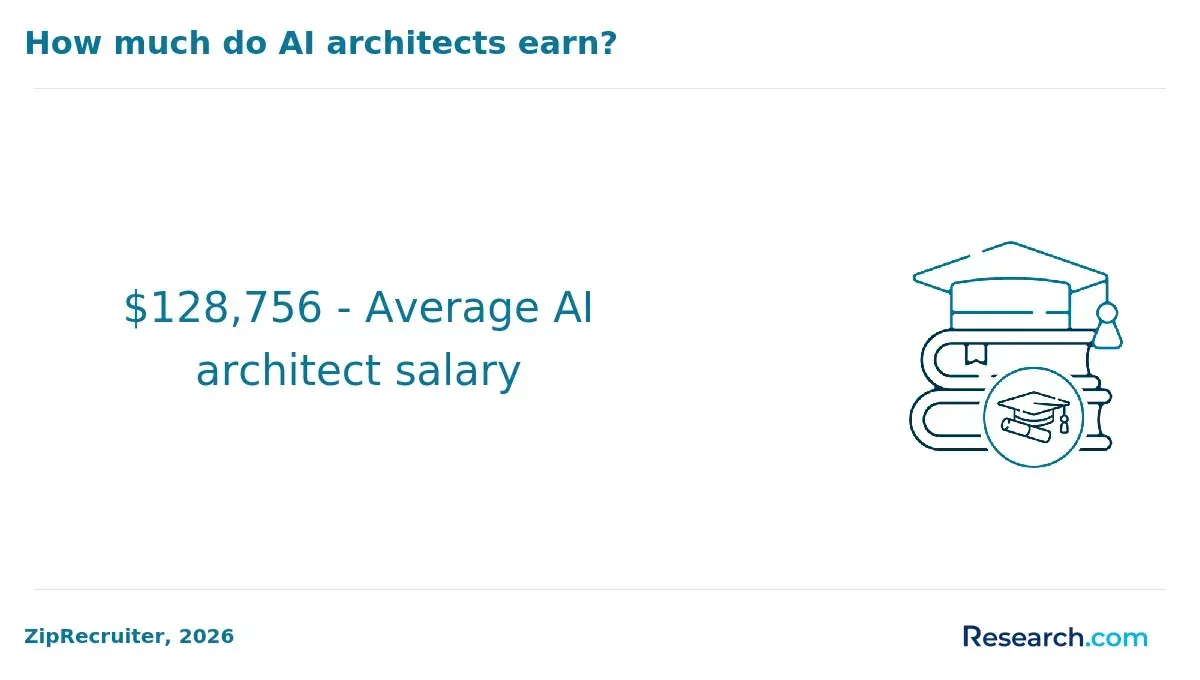
Graduates skilled in agentic AI ecommerce can expect competitive starting salaries, typically ranging from $75,000 to $110,000 annually in entry-level roles such as AI operations analysts or ecommerce automation specialists. Mid-level professionals managing AI-driven ecommerce strategies usually earn between $110,000 and $140,000, while senior roles like AI product managers or ecommerce strategy leads often command salaries above $150,000, varying with company size and location.
Strong job growth is fueled by the rapid adoption of agentic AI in retail and ecommerce. Early adopters have reported 3 to 5 percentage-point EBIT margin improvements, underscoring the business value of these skills. This drives demand for experts who can implement, monitor, and optimize autonomous AI systems that enhance inventory management, customer engagement, and supply chain efficiency.
Key positions available include AI specialists focused on personalized marketing engines, supply chain AI coordinators, and automation engineers managing agentic AI agents within ecommerce platforms. Highly valued skills include AI model training, data analysis, and system integration.
Market trends favor candidates who combine ecommerce knowledge with technical AI expertise. Roles frequently encompass cross-functional collaboration and project leadership, expanding opportunities beyond technical execution to strategic influence. Developing agentic AI expertise enables graduates to meet employer demands for innovation-driven growth, achieving competitive compensation and faster career advancement in U.S. ecommerce operations.
Other Things You Should Know About Artificial Intelligence
Artificial intelligence is revolutionizing ecommerce operations by automating tasks such as inventory management, demand forecasting, and customer service. These technologies enable faster decision-making, improved personalization, and operational efficiency. This transformation allows ecommerce companies to scale more effectively while reducing human error.
In 2027, leading Agentic AI courses for ecommerce operations include Coursera's "Ecommerce AI Strategy," edX's "Digital Transformation with AI," and Udacity's "AI for Business Leaders." These courses equip learners with the skills to enhance ecommerce functions through AI technologies.
Yes, artificial intelligence enhances customer experience through personalized recommendations, chatbots for 24/7 support, and real-time analytics. AI algorithms analyze customer behavior to tailor marketing and product selections. This leads to increased engagement, satisfaction, and repeat purchases.
Key challenges include integrating AI with existing systems, managing data quality, and addressing workforce skill gaps. Additionally, the cost of deploying advanced AI models and ensuring ongoing maintenance can be significant. Organizations must carefully plan to overcome these barriers for successful AI adoption.
References
- Agentic AI: The Future of AI and Automation for Ecommerce | Triple Whale https://www.triplewhale.com/blog/agentic-ai
- Introduction to Agentic AI https://cognitiveclass.ai/courses/introduction-to-agentic-ai
- LLM Prompts and Answers - agentacademy.ai | AI Agent Online Training & Certification https://agentacademy.ai/llm-prompts-and-answers/
- Best Agentic Commerce Platforms - Mailmend: The Best Email Deliverability Software https://mailmend.io/blogs/best-agentic-commerce-platforms
- Agentic AI Jobs in 2026: Skills, Careers & Industry Demand https://online.iitkgp.ac.in/blog/agentic-ai-jobs
- Horizon University College, UAE https://www.hu.ac.ae/it-hub/artificial-intelligence/ai-in-education-generative-agentic-systems
- Agentic Commerce: How to Prepare Your E-commerce Business for the Era of Autonomous AI Shopping? https://beecommerce.pl/en/blog/agentic-commerce-how-to-prepare-your-e-commerce-for-autonomous-ai
- What Is Agentic Commerce? (2026) https://www.salesforce.com/commerce/ai/agentic-commerce/
- How to Use Agentic AI for Employee Training and Education https://www.druidai.com/blog/how-to-use-agentic-ai-for-employee-training
- Agentic AI: The Ultimate Game-Changer for Ecommerce Marketing in 2025 https://www.graas.ai/blog/agentic-ai-future-of-ecommerce-marketing