2027 Best AI Courses for Higher Education Faculty

Co-Founder and Chief Data Scientist
Higher education faculty often face challenges integrating artificial intelligence into their curricula and research due to rapidly evolving technologies and limited targeted training options. This gap can hinder their ability to prepare students for AI-driven industries or conduct advanced interdisciplinary studies.
Many educators seek reliable, flexible courses that accommodate busy schedules and focus on practical AI applications within academic settings. This article outlines the best AI courses designed specifically for higher education faculty, highlighting accredited programs that foster relevant skills and support a seamless transition into AI-enhanced teaching and scholarship.
Key Things You Should Know
- AI courses for higher education faculty in 2026 focus on practical integration of AI tools in teaching, with over 65% of programs emphasizing hands-on applications to enhance learning outcomes.
- Data from 2025 indicates a 40% increase in AI course enrollment among educators, signaling growing recognition of AI's role in curriculum innovation and pedagogy.
- Most courses address ethical considerations and data privacy, reflecting broader academic consensus on responsible AI use, crucial for faculty preparing students for AI-augmented workplaces.
Advance Your Career with AI Online Courses
Artificial Intelligence: Implications for Business Strategy
This program provides an introduction to Artificial Intelligence and their implications for business strategy. Earn an official digital certificate.

Oxford Artificial Intelligence Programme
Explore this Oxford Artificial Intelligence programme offered in a flexible learning environment and explore topics like machine learning, automation, and robotics.

Implementing Agentic AI: Building Your Organizational Playbook
This online MIT Agentic AI course offers a practical approach to deploying AI agents in your organization, including a custom playbook. 3 weeks, exclusive launch price.

AI Adoption: Driving Business Value and Impact
This online MIT AI Adoption: Driving Business Value and Impact offers practical frameworks to close the gap between AI potential and business reality.

Artificial Intelligence in Pharma and Biotech
Discover the applications and limitations of artificial intelligence in pharma and biotech with this MIT online short course.

What makes an AI course valuable specifically for higher education faculty?
The value of an AI course for higher education faculty lies in addressing teaching challenges, curriculum integration, and ethical concerns unique to academia. Beyond technical basics, effective AI course design for higher education faculty must include strategies to incorporate AI tools that enhance student engagement and assessment quality.
Faculty require practical frameworks to identify AI-generated content, adapt syllabi, and uphold academic integrity where AI can both assist and undermine learning. A 2024 survey by Inside Higher Ed/College Pulse found 90% of U.S. college professors worried about AI's impact, with 66% fearing it could significantly reduce student learning. However, only 37% reported their institutions offer AI-focused courses, revealing a gap in faculty readiness.
Customized AI training programs for university educators provide:
- Hands-on experience using AI-powered educational tools tailored to diverse fields
- Methods to evaluate AI's influence on student work and promote responsible use
- Techniques to redesign assessments emphasizing critical thinking over rote responses
- Discussions on ethical, privacy, and bias issues in AI applications in education
Course content also supports faculty in shaping institutional AI policies and pedagogy changes. Case studies on AI misuse or collaboration encourage adaptable learning environments. Faculty seeking to advance their understanding may explore degrees in AI to deepen their expertise and teaching impact.
Advance Your Career with AI Online Courses
Artificial Intelligence: Implications for Business Strategy
This program provides an introduction to Artificial Intelligence and their implications for business strategy. Earn an official digital certificate.
Oxford Artificial Intelligence Programme
Explore this Oxford Artificial Intelligence programme offered in a flexible learning environment and explore topics like machine learning, automation, and robotics.
Implementing Agentic AI: Building Your Organizational Playbook
This online MIT Agentic AI course offers a practical approach to deploying AI agents in your organization, including a custom playbook. 3 weeks, exclusive launch price.
How do AI courses for faculty differ from general artificial intelligence programs?
AI courses tailored for higher education faculty focus on practical integration of AI concepts into teaching, research, and administration, differing significantly from general artificial intelligence courses that mainly emphasize technical skills and theoretical knowledge. These faculty-centered programs prioritize enhancing pedagogy, curriculum development, and student engagement rather than concentrating solely on algorithm design or data science.
Key features often include AI literacy for educators, ethical issues in campus AI use, and tools supporting academic assessment or automating tasks like plagiarism detection and personalized student feedback. Faculty AI programs also highlight discipline-specific applications relevant to humanities, social sciences, and STEM fields, which contrasts with the universal programming and machine learning focus typical of general AI courses.
Additionally, these courses incorporate change management and leadership training to prepare faculty for guiding AI adoption institutionally. According to Campbell University's meta summary, 37% of institutions have developed new AI courses targeting faculty, 17% offer majors or minors, and 13% embed AI literacy as a learning outcome. This demonstrates a growing emphasis on equipping educators with AI skills distinct from those in conventional technical programs.
Faculty seeking AI training should prioritize applied, context-relevant curricula focused on teaching enhancement, ethical leadership, and interdisciplinary uses rather than purely technical mastery. Prospective students interested in AI-related fields might also explore the cheapest online engineering degree options to complement their AI education.
What AI skills do college and university instructors most need to learn now?
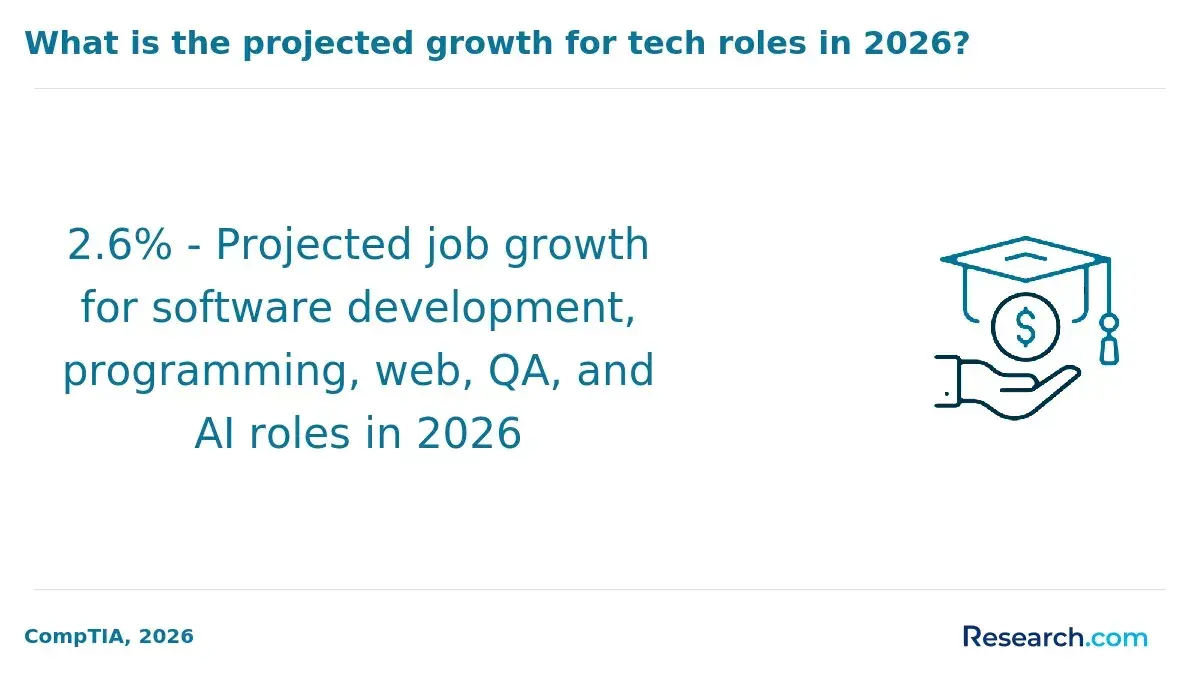
College and university instructors require practical skills in AI integration to enhance teaching and assessment methods effectively. Key capabilities include using AI tools to support personalized learning, automate grading, and facilitate content creation while ensuring academic integrity amid challenges like AI-assisted plagiarism. Mastery of AI-driven learning analytics helps monitor student progress and tailor instruction for better outcomes.
Data from Texas State University reveals that 76% of faculty need structured training on integrating AI, prompting the development of literacy resources focused on machine learning applications in higher education teaching. Essential competencies encompass machine learning basics, data privacy, and ethical considerations, alongside hands-on experience with discipline-specific AI platforms to boost student engagement.
Specific AI skills instructors need are:
- Using AI tools for curriculum design and creation of adaptive learning pathways
- Applying AI in formative and summative assessment to ensure fairness and rigor
- Understanding the limitations and biases of AI-generated recommendations
- Leveraging AI for automating administrative tasks while maintaining teaching quality
- Ensuring compliance with institutional policies and ethical standards in AI application
Faculty must transition from theoretical concepts to applied expertise with AI to foster innovation and uphold academic standards in evolving educational settings. For those exploring related educational paths, pursuing cybersecurity degrees can complement AI knowledge by addressing critical areas such as data privacy and system protection.
How can faculty choose between online, hybrid, and campus-based AI courses?
Faculty selecting between online, hybrid, and campus-based AI courses should weigh their professional goals, learning preferences, and available resources. Online courses provide flexibility for working educators, allowing asynchronous study that fits around teaching duties, ideal for those seeking foundational knowledge or skill upgrades.
Hybrid courses combine in-person interaction with online content, enabling collaboration and real-time feedback while maintaining some schedule flexibility. Campus-based options offer immersive experiences, hands-on labs, and networking opportunities valuable for deep technical skills or research pursuits.
When comparing online, hybrid, and campus-based artificial intelligence courses for educators, it's important to match course content to one's discipline. A recent Forbes survey cited by AIPRM reveals 27% of ELA and social studies teachers and 11% of elementary educators integrate ai tools, underscoring the demand for discipline-specific AI education beyond STEM fields.
Humanities faculty might lean toward hybrid or campus formats that encourage ethical and social discussions, while STEM instructors often prefer campus courses with coding labs and simulations. Education professionals might find online courses focused on classroom AI applications more relevant.
Other key factors include faculty support, access to AI software or datasets, and accredited credentials. Costs and time commitment also matter-online options often cost less and require fewer campus hours. Assessing the availability of applied projects ensures practical value. For insights on financial planning, consider the computer science degree cost as a benchmark for affordability in related AI education.
What should the curriculum of a high-quality AI course for faculty include?
A high-quality artificial intelligence course for higher education faculty blends practical skills with foundational theory. Faculty need a clear understanding of core AI concepts such as machine learning, natural language processing, and ethical considerations. This foundation supports AI's integration into curriculum design, helping professors use AI-driven tools for lesson planning, assignment creation, and adaptive learning tailored to diverse student needs.
Faculty workflows benefit from AI applications addressing curriculum development and grading, two key areas of focus in many academic settings. Courses should include practical modules on designing AI-supported assessments that protect academic integrity, automating grading to reduce bias, and interpreting AI analytics to enhance student outcomes.
Case studies that span disciplines demonstrate how AI adoption varies, with humanities professors leveraging AI for content analysis and automated feedback, while STEM educators utilize AI-powered simulations and data visualization. Workshops should guide faculty in choosing AI tools that balance usability, cost, and privacy concerns.
Critical evaluation of AI outputs is essential. Faculty must recognize challenges such as algorithmic bias, data privacy, and unintended consequences. Ongoing updates about emerging AI technologies ensure educators remain current and responsible in their use of AI to improve teaching effectiveness and student engagement.
How can instructors evaluate the credibility and accreditation of AI training providers?
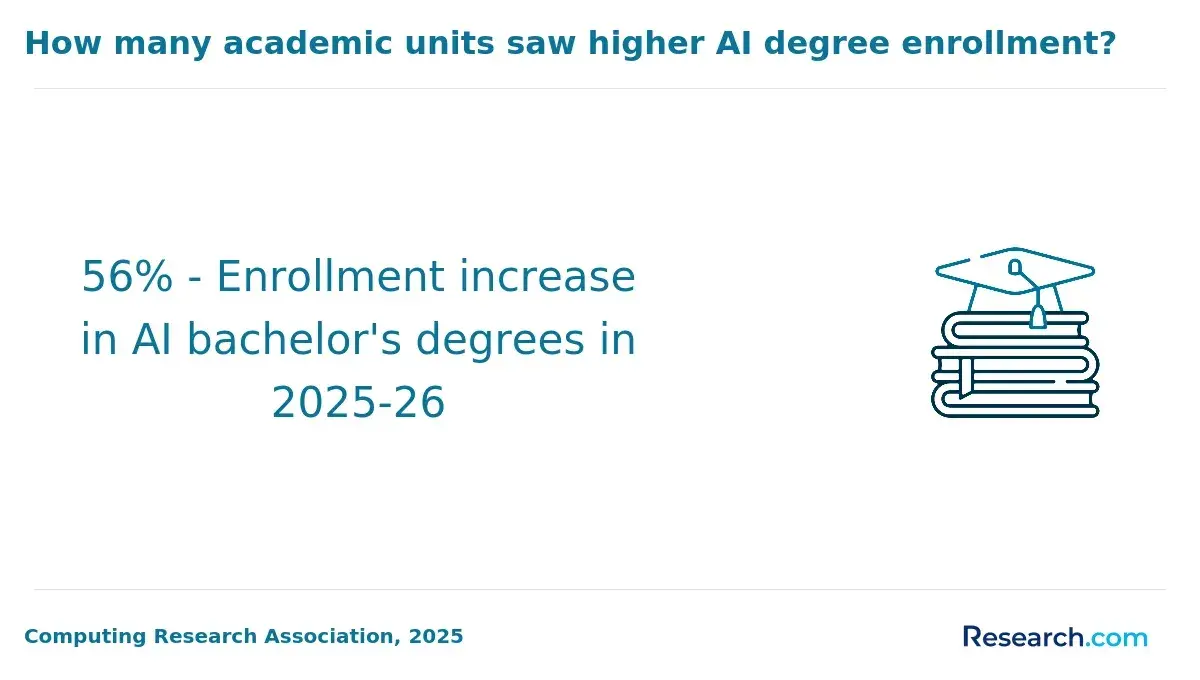
When evaluating AI training providers for academic purposes, verify their accreditation through recognized educational authorities like regional agencies acknowledged by the U.S. Department of Education or the Council for Higher Education Accreditation (CHEA). Providers affiliated with established universities or reputable professional organizations typically offer more credible and rigorous programs.
Review course curricula carefully to ensure alignment with current industry standards and academic expectations, prioritizing those developed or reviewed by AI experts with verified credentials. Look closely at course descriptions and learning outcomes to confirm they cover relevant, up-to-date AI applications in research and teaching. It is important that the certification process is transparent and that credentials earned hold value for faculty portfolios.
Independent reviews from higher education faculty who have completed the training can also provide valuable insights. Consider these factors:
- Instructors' qualifications and transparency
- Frequency of course updates
- Availability of AI research tools integrated into the program
- Support resources for academic use
Since 13% of Claude AI conversations by faculty involve academic research support, training must address real-world educational and administrative needs. Also, ensure the provider complies with data privacy and ethical standards, reflecting best practices in education. Cross-referencing multiple criteria enhances informed decision-making when selecting trustworthy AI training options.
What are typical admission requirements and time commitments for faculty-focused AI courses?
Faculty-focused artificial intelligence courses generally require applicants to have a master's degree in a STEM field such as computer science, data science, or engineering. Prior teaching experience at the higher education level is often preferred. Foundational skills in programming languages like Python or R, along with statistics, are commonly expected to ensure effective participation.
More advanced courses may ask for demonstrated AI project or research experience. Application processes frequently include submission of recommendation letters and statements of intent to evaluate candidates' teaching objectives and readiness.
Time commitments depend on course format: short intensive workshops might take 10-20 hours over one to two weeks, perfect for educators wanting focused skill development. Semester-long courses usually require 6-10 hours weekly, combining lectures, assignments, and projects. For example, an 8-week class may entail 60-80 hours with a mix of asynchronous and live sessions. Faculty should also allocate time to adapt AI techniques into their curricula and research.
Ethical issues and academic integrity play a critical role, with many courses addressing concerns around AI misuse. According to AIPRM's 2024 synthesis, 65% of educators worry about plagiarism involving AI. Birmingham City University reported 402 AI-related cheating cases between 2022 and 2024. Courses often include modules to help faculty develop strategies to maintain integrity and create AI policies in academic settings.
How much do AI courses for higher education faculty cost, and what funding options exist?
AI courses for higher education faculty vary widely in cost and scope, from free workshops to professional certificates priced between $300 and $2,500. Free or low-cost opportunities are often offered by universities, nonprofits, or industry platforms focused on enhancing digital teaching skills. More comprehensive programs, especially those involving hands-on training, typically come with higher fees and are frequently provided by well-established institutions.
Funding availability depends on the institution and program but can significantly reduce out-of-pocket expenses. Many universities offer tuition remission or professional development stipends to support faculty training in AI. Faculty members may also pursue educational technology grants from government or private sources, and some employers allocate budgets specifically for faculty development in AI tools essential to instructional improvement.
- University tuition remission or professional development stipends for program enrollment.
- Federal grants focused on STEM and digital learning innovation.
- Scholarships and discounted rates offered by course providers targeting educators.
- Collaborative funding from academic consortia prioritizing AI integration in curricula.
Data from Forbes summarized by AIPRM shows that 51% of teachers use AI-powered educational games, while 43% use adaptive learning platforms. This high adoption rate underscores the value of funded AI courses that emphasize practical, hands-on skills to enhance teaching and student support technologies.
How do AI upskilling courses impact faculty careers, promotion, and leadership opportunities?
AI upskilling courses empower faculty by providing essential skills to integrate AI technologies into teaching and research. This expertise often enhances promotion prospects, as higher education institutions value educators who drive curriculum innovation and interdisciplinary collaboration. Faculty proficient in AI are well-positioned for leadership roles such as department chairs, program coordinators, or innovation leads.
Many faculty members benefit from AI literacy programs that address concerns about staying current amid fast-evolving technology. Completing certificate programs or workshops demonstrates practical skills and pedagogical improvements, strengthening cases for tenure and promotion beyond traditional academic accomplishments.
In 2025, over 30 faculty-focused AI literacy initiatives have appeared across U.S. institutions, primarily emphasizing pedagogical integration rather than advanced technical training. These programs help faculty incorporate AI concepts into their courses effectively without requiring deep AI development expertise.
Faculty should choose AI courses that offer actionable instructional strategies and interdisciplinary insights, improving both teaching and research quality. Participation also expands professional networks and access to institutional resources, further supporting career advancement and leadership.
Which AI certifications or microcredentials are most relevant for higher education instructors?
Faculty in higher education must obtain relevant AI certifications and microcredentials to stay current with rapid technological advances. With a projected 36% compound annual growth rate for AI in education through 2032, these credentials demonstrate competence in both technical and pedagogical applications. Such qualifications enable instructors to adapt curricula and enhance critical AI literacy among students.
Microcredentials from platforms like Coursera, edX, and university-sponsored programs focus on:
- Fundamentals of machine learning and deep learning in educational contexts
- AI ethics, data privacy, and bias mitigation
- Designing AI-powered adaptive learning environments
- Natural language processing (NLP) techniques for language and writing instruction
For example, certifications in AI-enhanced instructional design help embed AI tools in course delivery, while NLP-focused credentials empower educators to use chatbots and automated grading systems effectively-critical as NLP's market share is expected to grow by 46.6% annually.
Faculty aspiring to leadership should consider accredited certificates in AI strategy for education, combining technical expertise with institutional change management. These credentials ensure instructors remain relevant as AI reshapes student engagement and assessment.
According to AIPRM's summary of Allied Market Research data, earning these credentials is essential for maintaining effective pedagogy and student outcomes in an AI-driven educational landscape.
Other Things You Should Know About Artificial Intelligence
In 2027, top AI courses for higher education faculty include Harvard's AI for Educators, Stanford's AI Literacy Program, and MIT's Integration of AI in Curriculum. These courses offer comprehensive training in AI tools, ethical considerations, and innovative teaching methodologies to empower faculty.
Artificial intelligence is transforming teaching and learning by enabling personalized learning experiences through adaptive technologies. It automates administrative tasks like grading and attendance, allowing instructors to focus more on student engagement. AI tools also provide real-time feedback and data-driven insights to improve course design and student outcomes.
Educators often encounter challenges such as limited technical expertise, resource constraints, and resistance to change when adopting AI tools. There are also concerns about data security and the transparency of AI decision-making processes. Overcoming these obstacles requires ongoing professional development and institutional support to successfully integrate AI into teaching.
Faculty can stay current by participating in continuous education programs, attending conferences, and engaging with professional networks specializing in AI. Subscribing to reputable journals and following developments from leading AI research institutions also helps. Many universities offer workshops and short courses tailored to educators to keep pace with advancements.
References
- Study in Germany: Master’s in Human and Artificial Intelligence https://www.utn.de/en/study/human-and-artificial-intelligence/
- AI, Tuition, and the Cost of Knowledge https://wallyboston.com/chatgpt-cost-of-knowledge/
- AI Training & Certification for Employees: How HR Should Evaluate Providers | Sprad Blog https://sprad.io/blog/ai-training-certification-for-employees-how-hr-should-evaluate-providers
- The opportunities and challenges of AI in higher education https://feedbackfruits.com/blog/opportunities-and-challenges-of-ai-in-higher-education
- Guidance on the Responsible Use of Artificial Intelligence (AI) in Accredited Continuing Education (CE) - ACCME https://accme.org/resource/guidance-on-ai/
- Master of Computer Science in Applied AI online & on-Campus | UNF https://www.unfc.ca/academics/graduate/master-of-computer-science-in-applied-artificial-intelligence
- The Cost Implications of AI in Postsecondary Education | HESA https://higheredstrategy.com/the-cost-implications-of-ai-in-postsecondary-education/
- Subsidies | WDSAI Support for Institutions https://www.wdsai.org/subsidies
- AI in Higher Education – How Universities Can Harness Artificial Intelligence | TTMS https://ttms.com/my/how-ai-is-transforming-higher-education-and-how-universities-can-leverage-it/
- How AI is challenging the credibility of some online courses – Future of Good https://futureofgood.co/how-ai-is-challenging-the-credibility-of-some-online-courses/