2027 Best AI Courses for AI Infrastructure Basics

Co-Founder and Chief Data Scientist
Many professionals with non-technical backgrounds face challenges breaking into AI infrastructure roles due to a lack of foundational knowledge in computing systems and AI frameworks. Without this base, navigating complex technologies and contributing effectively becomes difficult. This gap limits career growth despite strong analytical skills.
The article explores essential AI infrastructure courses that cater to flexible learning schedules and provide accredited credentials. It aims to guide prospective graduate students and working professionals through accessible programs that build competence in AI infrastructure fundamentals, enabling a successful transition into the AI industry.
Key Things You Should Know
- AI infrastructure basics courses in 2026 focus on cloud computing, containerization, and scalable architectures, critical for deploying AI models efficiently in industry settings.
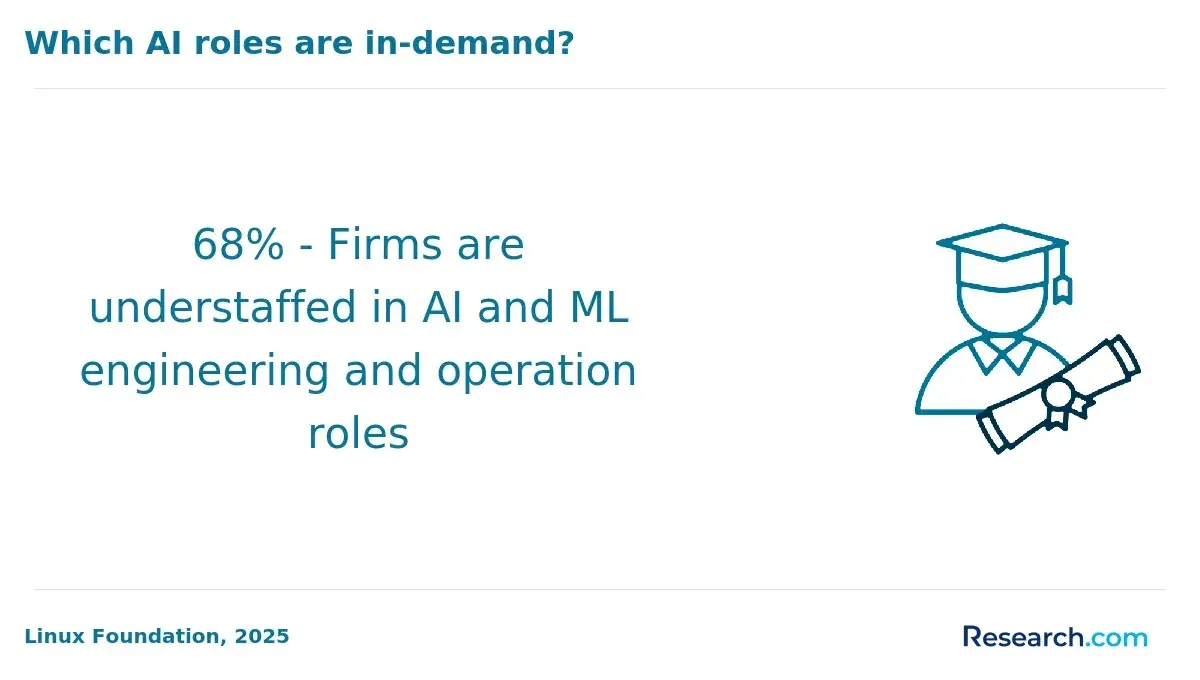
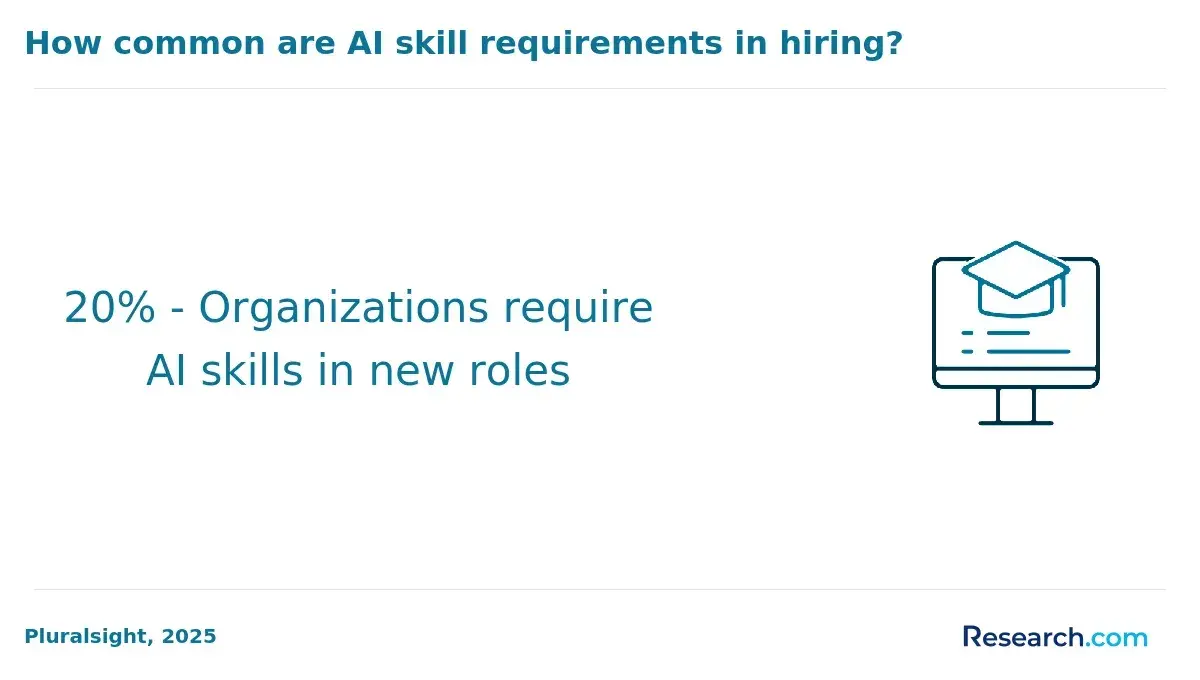
- Recent studies indicate over 60% of AI jobs require familiarity with infrastructure tools like Kubernetes and Docker, highlighting course relevance for career readiness.
- Top programs integrate hands-on labs and latest frameworks, ensuring students master both theory and practical skills demanded by employers in AI development and operations.
Advance Your Career with AI Online Courses
Artificial Intelligence: Implications for Business Strategy
This program provides an introduction to Artificial Intelligence and their implications for business strategy. Earn an official digital certificate.

Oxford Artificial Intelligence Programme
Explore this Oxford Artificial Intelligence programme offered in a flexible learning environment and explore topics like machine learning, automation, and robotics.

Implementing Agentic AI: Building Your Organizational Playbook
This online MIT Agentic AI course offers a practical approach to deploying AI agents in your organization, including a custom playbook. 3 weeks, exclusive launch price.

AI Adoption: Driving Business Value and Impact
This online MIT AI Adoption: Driving Business Value and Impact offers practical frameworks to close the gap between AI potential and business reality.

Artificial Intelligence in Pharma and Biotech
Discover the applications and limitations of artificial intelligence in pharma and biotech with this MIT online short course.

What are AI infrastructure basics and why should beginners take courses in this area?
AI infrastructure fundamentals for beginners encompass the essential technologies and systems needed to develop, deploy, and manage AI solutions.
These include cloud platforms, data storage, specialized hardware like GPUs and TPUs, networking, and software frameworks that support AI scalability and model optimization. Foundational courses in AI infrastructure teach critical skills such as distributed computing, data pipeline management, and resource allocation.
The importance of foundational courses in AI infrastructure lies in their ability to prepare learners for real-world challenges, including processing large datasets efficiently and managing AI workloads on cloud platforms like AWS, Azure, or Google Cloud. Mastery of containerization tools such as Docker and orchestration systems like Kubernetes is vital to safely and reliably deploy AI models in production environments.
Many beginners struggle with configuring environments capable of sophisticated AI workflows or scaling experiments from research to deployment. Gaining expertise in AI infrastructure addresses these challenges and enhances career prospects.
Global spending on AI-centric systems is forecast to reach $512 billion, up 28.1% year over year, reflecting strong demand for professionals with these skills.
Those pursuing AI education often wonder what jobs can you get with an AI degree. Developing a comprehensive skill set in AI infrastructure positions graduates and professionals as valuable contributors to AI projects across business and research sectors.
Advance Your Career with AI Online Courses
Artificial Intelligence: Implications for Business Strategy
This program provides an introduction to Artificial Intelligence and their implications for business strategy. Earn an official digital certificate.
Oxford Artificial Intelligence Programme
Explore this Oxford Artificial Intelligence programme offered in a flexible learning environment and explore topics like machine learning, automation, and robotics.
Implementing Agentic AI: Building Your Organizational Playbook
This online MIT Agentic AI course offers a practical approach to deploying AI agents in your organization, including a custom playbook. 3 weeks, exclusive launch price.
What types of AI infrastructure courses are available, from short bootcamps to full degrees?
AI infrastructure bootcamp courses for beginners usually last a few weeks and emphasize foundational skills such as cloud computing, hardware accelerators like GPUs and TPUs, and basics of distributed architectures. These intensive short programs suit professionals aiming for quick upskilling to support AI model deployment and management effectively.
More comprehensive AI infrastructure degree programs, including certificates, associate, bachelor's, and master's degrees, offer extended curriculums. Certificate programs stretch over several months with practical labs focused on configuring NVIDIA GPUs or Google TPUs, technologies experiencing rapid growth, exemplified by NVIDIA's 409% year-over-year data center revenue increase.
Degree programs, ranging from two to four years, dive deeper into systems design, networking, parallel processing, and cloud platforms. Advanced degrees explore areas like AI hardware co-design, security, scalability, and emerging accelerator technologies.
Choosing the right path depends on available time, career objectives, and technical background. Bootcamps benefit those seeking immediate job readiness, while degrees prepare students for senior roles requiring in-depth infrastructure knowledge. Hands-on labs and access to modern accelerators remain crucial for developing practical skills across all formats.
Students looking for affordable options might explore the cheapest online computer engineering degree to combine cost efficiency with comprehensive study, which can enhance career prospects in AI infrastructure.
How do online AI infrastructure courses compare with on-campus programs for flexibility and outcomes?
Online AI infrastructure courses offer significantly more flexibility compared to traditional on-campus programs, making them well suited for working professionals and students with scheduling constraints. Most online options allow asynchronous learning, enabling participants to progress at their own pace around jobs or family commitments.
In contrast, on-campus programs require fixed attendance and typically operate on a semester schedule, which may restrict accessibility for those outside the standard student demographic. This flexibility comparison of online AI infrastructure courses versus on-campus programs is a key consideration for many prospective learners.
Educational outcomes and career benefits vary between online and in-person studies. On-campus programs provide direct faculty interaction, hands-on lab experiences, and networking opportunities that enhance practical skills. However, many online programs now integrate live sessions, virtual labs, and peer groups to simulate these advantages.
Additionally, leading online courses update their content more frequently, staying aligned with the fast-paced evolution of AI infrastructure needs. The outcomes and career benefits of online AI infrastructure training compared to in-person studies depend largely on individual learning preferences and career goals.
The growing dominance of unstructured data highlights the importance of mastering scalable storage and data pipelines. By 2025, IDC projects over 80% of enterprise data will be unstructured. Online courses tend to emphasize cloud-based tools and real-world case studies in this area, providing immediately applicable skills.
For those evaluating program formats, hybrid options increasingly blend online convenience with periodic on-campus experiences, balancing networking and flexibility. Learners can explore various options, including affordable pathways like MS data science online programs that align with emerging enterprise needs.
What core topics and tools are covered in introductory AI infrastructure courses?
Introductory AI infrastructure courses cover fundamental components of AI infrastructure systems essential for building and maintaining efficient AI environments. Key areas include computing architectures like GPUs and TPUs, which accelerate machine learning tasks. Students also explore the setup and management of cloud services from top providers such as AWS, Azure, and Google Cloud Platform.
Essential software tools for AI infrastructure setup include containerization technologies like Docker and orchestration platforms such as Kubernetes. These tools enable scalable deployment and effective resource management. Networking essentials focus on virtual private clouds (VPCs), load balancing, and optimizing data transfer to support AI workloads.
Hybrid infrastructure concepts illustrate how on-premises systems work seamlessly with cloud environments. This integration is increasingly relevant as Gartner forecasts global public cloud spending to hit $678.8 billion, highlighting rapid growth in infrastructure-as-a-service.
Data storage and management topics cover distributed file systems, AI-optimized databases, and reliable data pipelines to feed training and inference processes. Security aspects include identity and access management, encryption, and compliance standards protecting sensitive information. Tools like Prometheus and Grafana teach system monitoring and troubleshooting skills.
Hands-on experience with workflow automation using Apache Airflow and ML Ops tools streamlines continuous integration and deployment of AI models. Additionally, students learn cost optimization techniques to balance performance and budget.
Those interested in career paths related to AI can explore what is an AI trainer to understand potential roles after mastering these core topics and tools.
What education background, math skills, or coding experience do you need to start AI infrastructure training?
A strong foundation in computer science, data science, or engineering is essential for AI infrastructure training. A bachelor's degree in these STEM fields typically covers vital topics such as programming, algorithms, and systems design. However, practical coding experience gained through bootcamps or specialized courses can also provide a solid entry point.
Mathematical skills play a crucial role in mastering AI infrastructure. Proficiency in linear algebra, calculus, probability, and statistics helps in understanding machine learning models and evaluating their performance using metrics like ROC-AUC and gradient descent optimization.
Hands-on coding expertise is indispensable. Python remains the dominant language in AI development, while scripting languages like Bash and tools such as Docker and Kubernetes enable effective deployment and management of AI workloads in production environments.
Experience with cloud platforms like AWS, Azure, and Google Cloud enhances practical skills, as does familiarity with CI/CD pipelines and version control systems such as Git. These support smooth integration and collaborative workflows.
IDC estimates that 80% of AI projects never make it into production, highlighting the importance of MLOps skills, deployment pipelines, and monitoring to transition models from experimentation to scalable infrastructure.
How long do AI infrastructure programs usually take, and what do they cost in the U.S.?
AI infrastructure programs in the U.S. vary widely in length and intensity, ranging from quick 4-to-8-week boot camps to more extensive part-time courses lasting up to 6 months. Short courses are ideal for professionals seeking foundational skills rapidly, while longer certificate programs offer hands-on training in cloud platforms, system architecture, and cost management.
Costs reflect program depth and format. Entry-level, self-paced online courses typically run from $300 to $1,500, suitable for beginners. More structured, instructor-led boot camps often cost between $2,000 and $8,000. Comprehensive professional certificates from universities or major online platforms may exceed $10,000, often including FinOps and cost optimization modules.
Managing costs effectively is critical. A 2024 Anodot survey found that 49% of organizations faced at least one significant cloud cost overrun in the prior year, underscoring the value of training in cost-efficient AI infrastructure.
Prospective students should seek programs emphasizing cloud-native services, automated scaling, and financial operations relevant to AI workloads, including budgeting scenarios and tools like Kubernetes cost monitoring.
Financial aid and employer sponsorships can make pricier programs more affordable. Choosing the right program depends on your background and career goals, but expect investment ranging from a few hundred to over ten thousand dollars for strong AI infrastructure education in the U.S.
How can you verify that an AI infrastructure program or school is properly accredited?
Check accreditation status with bodies recognized by the U.S. Department of Education or the Council for Higher Education Accreditation (CHEA) to ensure a program or school meets high academic and operational standards. Accreditation confirms that essential topics like security, governance, and compliance are covered, which is crucial for AI infrastructure given the risks involved.
Look for certifications or endorsements from industry leaders such as IBM, Microsoft, or Google, which validate that the curriculum meets current technology and security standards. Detailed curriculum outlines should include compliance frameworks and governance models, reflecting the critical need for well-governed AI infrastructure education.
IBM's Cost of a Data Breach Report notes the average data breach cost at $4.88 million, highlighting the financial stakes.
Alumni feedback and professional reviews provide insight into how well programs prepare students for real-world challenges like secure deployment and operational risk management.
Additional steps to verify program quality include:
- Verifying approval by professional bodies like IEEE or ACM for AI and computing standards.
- Confirming the availability of up-to-date lab environments simulating enterprise AI infrastructure.
- Checking partnerships with companies specializing in AI security and compliance.
What entry-level and advanced careers can AI infrastructure courses prepare you for?
AI infrastructure courses equip students for roles ranging from entry-level to advanced careers in technology.
Entry-level positions often include AI infrastructure engineers, cloud engineers, and DevOps specialists who deploy AI models and services on cloud or edge platforms. These roles require foundational skills in cloud computing, container orchestration like Kubernetes, and basic machine learning model hosting.
Advanced roles demand expertise in distributed systems, hardware acceleration, and low-latency data pipelines. Senior AI infrastructure architects and systems engineers design scalable AI platforms, optimizing performance across on-premises, cloud, and edge environments. Edge AI roles focus on executing workloads locally to meet strict latency needs, crucial in industries such as autonomous vehicles and IoT.
The rise of edge computing is a key driver for growing career opportunities. IDC projects edge computing spending will reach $232 billion, with over 15% annual growth, reflecting increased investment in edge AI infrastructure for latency-sensitive applications. Professionals skilled in hybrid infrastructure management blending on-prem, cloud, and edge capabilities are especially sought after.
Other specializations from AI infrastructure education include AI hardware accelerator optimization, platform reliability engineering, and data pipeline engineering. These mix AI knowledge with systems engineering, security, and performance tuning, often requiring familiarity with cloud platforms like AWS or Azure and programming languages used in AI deployment.
AI infrastructure education opens career pathways from supporting AI deployments to leadership in designing complex, large-scale distributed AI systems.
What salary ranges and job outlook can AI infrastructure professionals expect in the United States?
AI infrastructure professionals in the United States enjoy highly competitive salaries and promising job growth. Median salaries for AI engineer roles are around $164,000, considerably above general tech sector averages.
Entry-level positions usually offer $110,000 to $130,000 annually, while senior roles, especially those focused on cloud architecture or managing AI-specific hardware, can surpass $200,000.
Demand for experts skilled in managing and optimizing AI platforms, as well as ensuring scalable and secure infrastructure, is expanding rapidly-projected to grow over 20% annually across industries like healthcare, finance, and autonomous systems. Key roles include AI engineer, machine learning systems engineer, and AI platform architect.
Essential skills for these positions encompass cloud platforms such as AWS, Azure, and GCP, container orchestration like Kubernetes, and data pipeline management. Candidates who combine AI model deployment expertise with infrastructure proficiency are highly sought after, boosting both salary and job stability.
Certifications in cloud services and practical experience with distributed systems increase hiring potential. Employers prefer professionals capable of bridging AI development with production infrastructure demands, making interdisciplinary knowledge critical for career advancement in AI infrastructure.
How do industry certifications and vendor credentials fit into AI infrastructure career planning?
Industry certifications and vendor credentials play a crucial role in career development within AI infrastructure by validating skills that match current employer demands.
Credentials from major providers like AWS, Microsoft Azure, and Google Cloud demonstrate expertise in handling cloud pipelines, GPU clusters, and container orchestration. These certifications indicate a candidate's preparedness for real-world AI deployment, which is vital due to the rapid evolution of AI tools and infrastructure.
Certifications guide learners by focusing on measurable competencies. For instance, the AWS Certified Machine Learning - Specialty targets production-ready AI infrastructure skills on AWS, helping professionals aim for cloud-based roles.
Likewise, Microsoft's Azure AI Engineer Associate certification highlights scalable AI infrastructure integration, aligning with job requirements for model deployment and monitoring.
Employers prefer certification-backed expertise to minimize hiring risks. Coursera data shows enrollments in AI and machine learning courses surged over 60% between 2022 and 2024, reflecting the need for verified skills. This growth signals certifications as valuable for career stability and advancement in AI infrastructure fields.
Combining extensive AI infrastructure education with specialized credentials enhances competitiveness by proving both foundational knowledge and platform-specific abilities, ensuring qualifications remain relevant amid ongoing industry shifts.
Other Things You Should Know About Artificial Intelligence
Cloud computing is essential for AI infrastructure because it provides scalable resources for data storage, processing power, and model deployment. Many AI workflows require high-performance computing that cloud platforms can offer flexibly and cost-effectively. Additionally, cloud environments support collaboration, versioning, and integration with AI tools, making them a key component of modern AI infrastructure.
Yes, the fundamentals of AI infrastructure are applicable across a wide range of industries, from healthcare and finance to manufacturing and retail. Core components such as data pipelines, computing resources, and model deployment techniques are commonly used regardless of sector. Understanding AI infrastructure enables professionals to build and maintain systems that support tailored AI solutions in various fields.
Data management and storage are critical elements of AI infrastructure because they ensure the availability, quality, and security of the large datasets AI systems require. Properly structured storage solutions enable efficient access and processing needed for training and inference. Effective data governance also supports compliance with regulations and reduces risks associated with data breaches or misuse.
References
- 14 Best Entry Level AI Jobs: A Beginners Guide | Mercor https://www.mercor.com/resources/experts/best-entry-level-ai-jobs-guide/
- AI Development Cost Estimation: Pricing Structure, Implementation ROI https://www.coherentsolutions.com/insights/ai-development-cost-estimation-pricing-structure-roi
- AI Online Learning: The Future of Flexible Education https://www.elearningcollege.com/elearning-blog/ai-online-learning-flexible-education
- AI pricing: how much does AI cost in 2025? | Future Processing https://www.future-processing.com/blog/ai-pricing-is-ai-expensive/
- Introduction to AI Course https://www.intel.com/content/www/us/en/developer/topic-technology/artificial-intelligence/training/course-artificial-intelligence.html
- The True Cost of Implementing AI in Business in 2026 - Riseup Labs https://riseuplabs.com/cost-of-implementing-ai-in-business/
- AI Courses vs Bootcamps in 2026: What’s Best for Your Career https://agilefever.com/ai-courses-vs-bootcamps-which-one-to-choose/
- Building AI Infrastructure: A Practical Guide | Mirantis https://www.mirantis.com/blog/build-ai-infrastructure-your-definitive-guide-to-getting-ai-right/
- AI Infrastructure: Key Components & 6 Factors Driving Success https://cloudian.com/guides/ai-infrastructure/ai-infrastructure-key-components-and-6-factors-driving-success/