2027 Best AI Courses for Route Optimization Teams

Co-Founder and Chief Data Scientist
Route optimization teams often face challenges in managing complex delivery networks, reducing operational costs, and improving efficiency under tight deadlines. Traditional methods can lead to inefficient routes and increased fuel consumption, affecting both profitability and customer satisfaction. Leveraging artificial intelligence offers a transformative way to tackle these problems by enabling dynamic, data-driven decision-making and predictive analytics.
This article explores the best courses available for those seeking to enter or advance in the field of artificial intelligence specifically focused on route optimization. It aims to guide readers toward flexible, accredited programs that align with professional goals and industry standards.
Key Things You Should Know
- AI courses for route optimization increasingly focus on machine learning algorithms, with over 60% of programs incorporating real-time data processing and predictive analytics as of 2025.
- Practical training in cloud platforms like AWS and Azure is emphasized, addressing 75% of industry demand for scalable AI solutions in logistics and transportation sectors.
- Graduates from specialized AI courses report a 30% higher employment rate in tech-driven supply chain roles compared to general AI education pathways.
Advance Your Career with AI Online Courses
Artificial Intelligence: Implications for Business Strategy
This program provides an introduction to Artificial Intelligence and their implications for business strategy. Earn an official digital certificate.

Oxford Artificial Intelligence Programme
Explore this Oxford Artificial Intelligence programme offered in a flexible learning environment and explore topics like machine learning, automation, and robotics.

Implementing Agentic AI: Building Your Organizational Playbook
This online MIT Agentic AI course offers a practical approach to deploying AI agents in your organization, including a custom playbook. 3 weeks, exclusive launch price.

AI Adoption: Driving Business Value and Impact
This online MIT AI Adoption: Driving Business Value and Impact offers practical frameworks to close the gap between AI potential and business reality.

Artificial Intelligence in Pharma and Biotech
Discover the applications and limitations of artificial intelligence in pharma and biotech with this MIT online short course.

What are the best AI courses for route optimization and who are they right for?
Top AI courses for route optimization teams emphasize machine learning, operations research, and geospatial analytics. Leading platforms like Coursera, edX, and Udacity combine hands-on algorithm design with real-world routing challenges. Courses such as "Machine Learning for Logistics" and "AI for Supply Chain Management" explore clustering, reinforcement learning, and heuristics to reduce fleet mileage and fuel consumption.
Professionals in route planning benefit most from coursework focusing on:
- Data preprocessing and feature engineering of geographic and temporal data.
- Understanding vehicle routing problem (VRP) formulations and solution methods.
- Practical experience with Python, TensorFlow, or specialized optimization libraries.
Beginners should start with foundational machine learning courses before advancing to specialized logistics applications. Experienced data scientists might select advanced offerings covering large-scale route optimization using deep reinforcement learning or metaheuristics. AI training programs for route planning professionals translate into significant business value, as AI can reduce fleet mileage by up to 20% and fuel costs by 15%, boosting logistics margins.
Those targeting e-commerce delivery or freight transport route optimization benefit from courses featuring case studies and simulations with real datasets, preparing them for dynamic routing challenges, traffic constraints, and fluctuating demand. Certifications from recognized providers enhance credibility in competitive job markets where logistics companies seek AI expertise to improve efficiency.
Prospective students seeking further education in computer science can consider an accelerated computer science degree online to complement their AI skills.
Advance Your Career with AI Online Courses
Artificial Intelligence: Implications for Business Strategy
This program provides an introduction to Artificial Intelligence and their implications for business strategy. Earn an official digital certificate.
Oxford Artificial Intelligence Programme
Explore this Oxford Artificial Intelligence programme offered in a flexible learning environment and explore topics like machine learning, automation, and robotics.
Implementing Agentic AI: Building Your Organizational Playbook
This online MIT Agentic AI course offers a practical approach to deploying AI agents in your organization, including a custom playbook. 3 weeks, exclusive launch price.
What skills and knowledge should AI courses for route optimization teach?
AI courses in route optimization equip students with advanced skills in machine learning techniques for route optimization, algorithm design, and domain-specific knowledge. Key topics include graph theory fundamentals such as shortest path, traveling salesman, and vehicle routing problems, which underpin effective route optimization algorithms. Practical experience with optimization methods like linear programming, integer programming, and heuristics is crucial for addressing complex logistical challenges.
Proficiency in programming languages like Python, R, or Julia and working knowledge of libraries such as TensorFlow, PyTorch, and scikit-learn enable the development and fine-tuning of optimization models. Effective courses also emphasize data preprocessing, feature engineering, and handling geospatial data with tools like GIS software and spatial databases, reflecting the realities of route data. Integrating AI solutions with existing logistics software requires understanding of APIs, cloud computing, and container platforms like Docker.
Exposure to reinforcement learning and predictive analytics enhances dynamic routing capabilities and real-time decision making. Courses often include hands-on projects dealing with vehicle capacity, multi-depot routing, and time window constraints, which build applicable expertise aligned with industry demands. Ethical deployment and cost-benefit analyses of AI solutions underpin responsible use in operational settings, enhancing long-term effectiveness.
The route optimization software market is rapidly expanding, with projections around $15-16 billion by 2032 and a CAGR near 14-15% from 2024. To meet this demand, prospective students should consider AI degrees online that offer robust training in data analysis and predictive modeling in route planning and related fields.
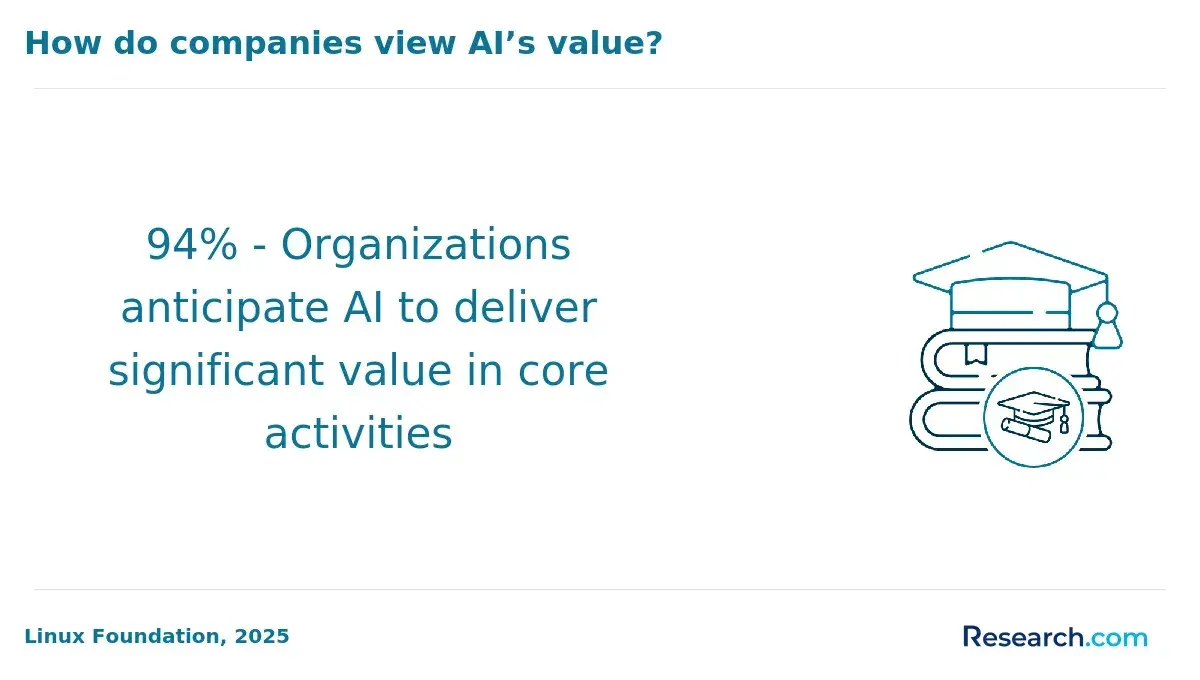
How do online AI route optimization courses compare with on-campus programs?
Online AI route optimization courses differ from on-campus training by offering greater flexibility and cost-efficiency, making them ideal for working professionals and remote learners. These programs allow students to progress at their own pace and often include access to the latest software tools used in the industry, helping learners quickly apply new skills without geographic limitations.
Conversely, traditional on-campus programs emphasize immersive, hands-on experience with direct instructor interaction and collaborative projects. Such settings foster networking and provide access to faculty expertise, which enhances understanding of complex route optimization algorithms and their practical applications.
Cost differences between online versus traditional AI route optimization programs are significant. Online courses tend to be less expensive due to eliminated commuting and housing expenses, enabling students to focus their resources on learning materials. Meanwhile, on-campus programs may justify higher tuition by offering comprehensive resources and institutional recognition.
Both formats respond to the industry demand for efficiency. AI-based routing enables companies to complete up to 20% more deliveries with the same fleet size, increasing revenue per vehicle. When choosing courses, look for those integrating AI tools focused on vehicle routing problems (VRP) and dynamic scheduling.
Students should assess their learning preferences, goals, and budget. Those seeking flexible schedules and immediate workforce applicability often prefer online options, whereas learners who value peer collaboration and theory depth may favor on-campus training. For related paths, see video game programs as additional technology-oriented educational opportunities.
Which degrees, certificates, or bootcamps prepare you for AI route optimization roles?
Degrees, certificates, and bootcamps in operations research, data science, computer science, and industrial engineering best prepare candidates for roles involving AI courses for route optimization professionals. A bachelor's or master's degree in operations research or industrial engineering offers a strong foundation in optimization algorithms, stochastic processes, and mathematical modeling-core areas addressing complex routing challenges in logistics.
Certifications and bootcamps for AI-driven route planning are essential to gain hands-on experience with AI tools and programming languages like Python and R. Professional certificates from accredited universities or platforms such as Coursera or edX focus on practical AI applications, equipping learners with in-demand skills. Bootcamps provide accelerated, project-based learning to rapidly develop expertise in predictive modeling and route planning, ideal for professionals seeking swift career advancement.
With U.S. operations research analysts earning a median annual wage near $90,000 and employment expected to grow 23% between 2022 and 2032, formal education and certifications significantly enhance career prospects. Candidates should select programs covering optimization techniques, AI integration, and real-world logistics applications to meet industry needs effectively.
For veterans interested in related fields, exploring the best military friendly online cybersecurity degrees can offer additional career pathways and skill development options.
How can you verify accreditation and program quality for AI and route optimization studies?
Prospective students aiming to study artificial intelligence and route optimization should verify that programs hold accreditation from recognized U.S. agencies such as the Higher Learning Commission (HLC) or the Accrediting Board for Engineering and Technology (ABET). Accreditation confirms that institutions meet rigorous educational standards.
Additionally, seeking programs with specific endorsements in computer science, data science, or logistics enhances assurance of relevant, high-quality curriculum.
Strong curricula emphasize advanced AI techniques, algorithm development, and applied optimization methods that consider real-world constraints like traffic, vehicle capacity, and driver schedules. Research from Logistics Tech Insights highlights how AI routing engines can analyze millions of route permutations within seconds, taking into account numerous constraints that traditional systems cannot handle in real time.
Evaluate faculty expertise by looking for instructors with published research or substantial industry experience in AI-driven logistics. Feedback from alumni and job placement rates also reveal how well programs prepare students for careers.
Other key quality indicators include partnerships with logistics firms, practical projects using real datasets, and access to cutting-edge software tools. Prospective students should contact admissions or program coordinators to confirm these features, ensuring a comprehensive education in tackling complex route optimization challenges.
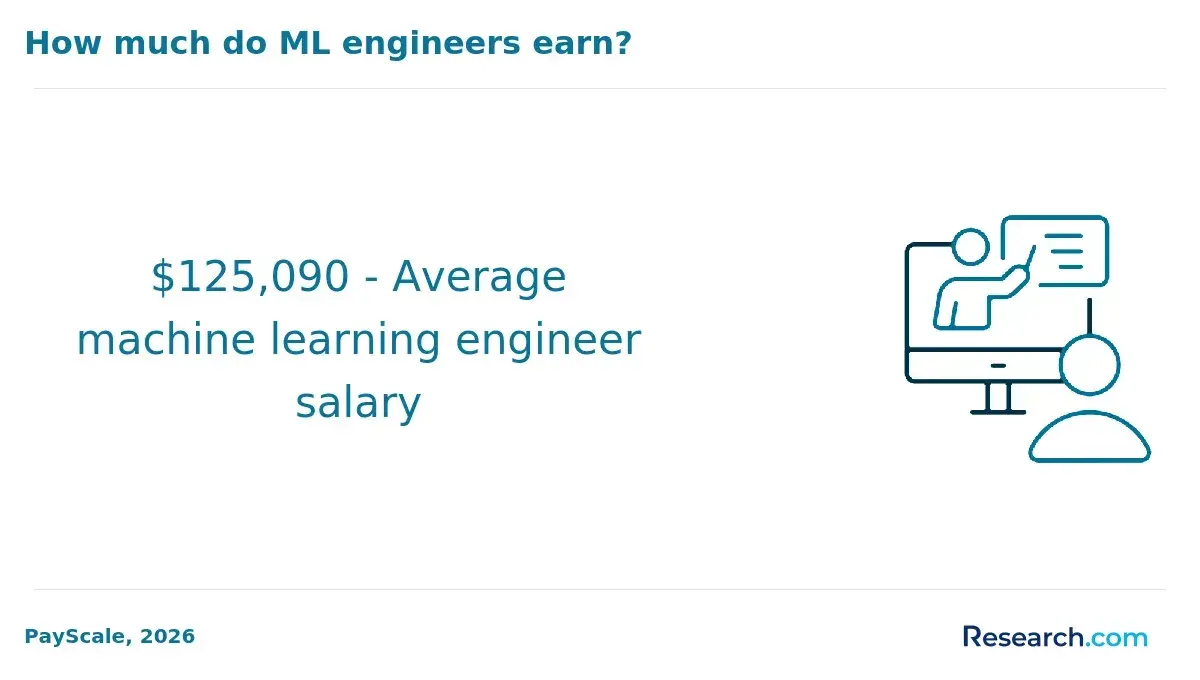
What does a typical AI route optimization curriculum and course sequence look like?
A typical AI route optimization curriculum blends foundational knowledge in data science, machine learning, and operations research with logistics applications. Early coursework emphasizes programming in Python or R, statistics, and linear algebra, which are vital for grasping optimization algorithms and predictive modeling. Key machine learning methods include decision trees, clustering, and reinforcement learning, supporting adaptive routing strategies.
Advanced courses focus on specialized subjects like vehicle routing problems (VRP), geographic information systems (GIS), and real-time data analytics. Students explore algorithmic techniques such as genetic algorithms, tabu search, and mixed-integer linear programming (MILP), optimizing routes for efficiency. Practical labs often simulate scenarios involving traffic, fuel use, and delivery timing.
Hands-on capstone projects or electives involve integrating AI models with live datasets, addressing constraints such as traffic congestion, delivery windows, and vehicle capacity. Training in cloud computing and APIs for GPS tracking and telematics prepare learners for real-world deployment.
Industry trends show more than 60% of last-mile delivery firms are investing in or piloting AI-driven route optimization solutions, highlighting growing demand for these skills. To meet this, programs include software engineering practices, containerization, microservices deployment, plus courses on collaboration and project management, fostering readiness for team-based environments.
What are the admission requirements and prerequisites for AI route optimization programs?
Admission requirements for AI route optimization programs typically include a bachelor's degree in computer science, engineering, logistics, or related STEM fields. Foundational knowledge of programming languages like Python, R, or Java and familiarity with data structures and algorithms are commonly expected. Key mathematical skills include statistics, linear algebra, calculus, and probability theory, essential for grasping machine learning models used in route optimization.
Advanced courses may require experience with AI frameworks such as TensorFlow or PyTorch and practical knowledge of optimization methods like linear programming, genetic algorithms, or heuristic approaches. Certificate programs and boot camps often waive degree prerequisites but may require passing a technical assessment or demonstrating relevant work experience in logistics, supply chain management, or software development.
Working professionals benefit from flexible admission tracks that consider certifications in AI, data science, or operations research. Employer-supported training is valuable, as companies investing in AI route optimization report delivery time reductions of 10-30% per route and often recoup software and training costs within 12-18 months through savings on fuel, labor, and vehicles.
Applicants should be prepared to submit transcripts, letters of recommendation, and portfolios showcasing experience with AI tools or optimization challenges. Interview questions may assess problem-solving skills related to delivery scenarios. Familiarity with cloud computing platforms and data visualization tools can further improve admission chances and success in these programs.
How long do AI route optimization programs take and what do they cost?
AI route optimization programs typically last between 6 weeks and 6 months, depending on course depth and format. Shorter bootcamps or certificate programs, usually 6 to 12 weeks, focus on foundational AI techniques and industry-specific applications. More comprehensive professional certificates or part-time options can extend up to 4 to 6 months, incorporating hands-on projects, advanced algorithms, and integration with logistics platforms.
Costs vary widely, with entry-level or specialized courses ranging from $1,000 to $4,000. More extensive professional or university-affiliated programs may cost between $5,000 and $15,000 or more. Flexible payment plans, scholarships, and employer sponsorships are often available.
Choosing general AI courses over specialized route optimization programs affects both time and investment. General courses tend to be shorter and less expensive but lack domain-specific knowledge critical for logistics roles. Specialized programs emphasize optimization methods, real-time data analytics, and industry tools, offering applied skills that correspond with salary premiums.
According to the Institute for the Future of Work, supply chain roles that combine AI/analytics skills with domain expertise command salary premiums of 20-30% compared to traditional roles. Prospective students should consider their background and career goals when selecting program length and focus.
What careers, salaries, and industries can AI route optimization training lead to?
AI route optimization training opens career paths in logistics, supply chain management, transportation, and manufacturing. Professionals with these skills can pursue roles such as AI data scientist, logistics analyst, operations research analyst, and supply chain optimization engineer. These positions focus on enhancing delivery efficiency, reducing costs, and minimizing environmental impact through algorithm development and data-driven decisions.
Salary expectations vary by experience and sector: entry-level AI data scientists in logistics may start around $75,000 annually, while seasoned supply chain optimization engineers often earn between $100,000 and $130,000. Senior roles in tech-driven logistics firms can exceed $150,000.
Industries that strongly benefit from AI route optimization expertise include freight transportation, e-commerce fulfillment, last-mile delivery, automotive manufacturing, government public transit, and defense logistics. Increasingly, these sectors seek professionals skilled in AI-driven route planning to boost operational efficiency and cost management.
Despite high demand, over 70% of logistics organizations report lacking internal AI and data science expertise, highlighting a significant skills gap. This gap makes specialized training and certification highly valuable.
Key skills to develop include strong analytics, machine learning proficiency, and understanding geospatial data. Building these competencies improves employability and readiness for evolving AI-focused roles shaped by emerging technologies.
How do certifications and software-specific training impact AI route optimization careers?
Certifications and specialized training in AI route optimization validate technical expertise and greatly enhance career opportunities. Employers prioritize candidates proficient in industry-standard platforms like Google OR-Tools, ArcGIS, and AI-driven logistics software. These qualifications demonstrate an applicant's ability to implement advanced algorithms and optimize delivery routes efficiently.
Structured certification programs address essential topics such as machine learning model application, constraint programming, and real-time data integration. Mastery of cloud-based AI tools supports faster deployment of routing solutions, boosting operational efficiency and responsiveness.
Software training bridges the gap between theory and practical problem-solving. Professionals certified on specific platforms adapt more quickly to customized logistics environments, shortening onboarding time and increasing employer value. Ongoing education ensures skills stay current with rapid technological changes.
As AI-enabled logistics is projected to reduce last-mile delivery costs by up to 40% by 2030, certified skills become strategic assets. These credentials often translate into higher earning potential and stronger negotiation power in competitive career markets.
Key benefits of AI route optimization certification include:
- Enhanced practical skills with leading AI tools
- Recognition from employers seeking verifiable expertise
- Improved adaptation to emerging technologies
- Increased earning potential linked to specialized competencies
Other Things You Should Know About Artificial Intelligence
Ethical concerns include data privacy, bias in decision-making algorithms, and transparency in how AI systems generate routes. Ensuring that AI respects user confidentiality and avoids discriminatory outcomes is critical in deployment. Additionally, accountability for errors or unintended consequences must be established.
Artificial intelligence uses real-time data, machine learning, and predictive analytics to adapt routes dynamically. Unlike static algorithms, AI can consider traffic fluctuations, weather changes, and vehicle capacities, resulting in more efficient and timely route optimization.
In 2027, top AI courses for route optimization teams include “Advanced AI for Supply Chain Efficiency” by Coursera, MIT’s “AI and Logistics Optimization,” and edX’s “AI-Powered Route Planning Masterclass.” These courses focus on equipping teams with cutting-edge tools and techniques for efficient route planning.
Yes, AI may struggle with highly unstructured or rapidly changing environments where real-time data is limited or unreliable. Complex constraints such as unpredictable human factors or regulatory exceptions can reduce effectiveness. In such cases, human expertise is often needed to supplement AI solutions.
References
- What Makes Route Optimization Software Worth Buying? https://nuvizz.com/blog/how-to-choose-route-optimization-software/
- AI Route Optimization Tools https://kampster.com/de/courses/1105
- How AI Route Optimization Levels Up Logistics https://www.aptean.com/en-US/insights/blog/ai-route-optimization-capabilities
- AI-Powered Route Optimization for Supply Chain Efficiency — Alberta Machine Intelligence Institute https://www.amii.ca/use-cases/supply-chain-route-optimization
- 16 Artificial Intelligence Career Paths https://www.calmu.edu/news/artificial-intelligence-career-paths
- 3 Best AI Route Optimization Software in 2026 https://onfleet.com/blog/ai-route-optimization-software/
- The 5 Best AI Engineering Bootcamps in 2026 - tripleten.com/blog https://tripleten.com/blog/posts/best-ai-engineering-bootcamps
- AI-Enhanced Logistics Routing and Optimization https://pideyalearningacademy.com/course/ai-enhanced-logistics-routing-and-optimization/
- Adoption of generative AI will have different effects across jobs in the U.S. logistics workforce https://equitablegrowth.org/adoption-of-generative-ai-will-have-different-effects-across-jobs-in-the-u-s-logistics-workforce/
- AI Training Jobs Guide: Roles, Pay, and Career Paths - AI Training Inc https://aitraininginc.com/ai-training-jobs/
- George, K. (2025, October). CERP Pulse Survey: A Snapshot of 2025 Undergraduate Computing Enrollment Patterns. Center for Evaluating the Research Pipeline, Computing Research Association. https://cra.org/crn/2025/10/cerp-pulse-survey-a-snapshot-of-2025-undergraduate-computing-enrollment-patterns