2027 Best AI Courses for Instructional Designers With Certificates

Co-Founder and Chief Data Scientist
Instructional designers often struggle to integrate artificial intelligence into their curriculum development without formal training, limiting their ability to innovate and meet evolving educational demands. As AI becomes central to learning technologies, proficiency in AI principles paired with recognized certification is crucial for career advancement.
Many professionals seek flexible, credible courses tailored to their background that provide practical skills and accreditation without the need for a full degree. This article highlights the best AI courses with certificates designed specifically for instructional designers, offering clear guidance on how to bridge the knowledge gap and enhance instructional expertise efficiently.
Key Things You Should Know
- Top AI courses for instructional designers in 2026 emphasize practical skills in AI integration, with over 65% offering professional certificates recognized by leading U.S. employers.
- Courses frequently cover adaptive learning, content personalization, and AI-driven analytics, reflecting a 40% projected growth in AI roles in education through 2028.
- Many programs offer flexible online formats, affordable pricing under $1,000, and clear pathways for career advancement in educational technology and design.
Advance Your Career with AI Online Courses
Artificial Intelligence: Implications for Business Strategy
This program provides an introduction to Artificial Intelligence and their implications for business strategy. Earn an official digital certificate.

Oxford Artificial Intelligence Programme
Explore this Oxford Artificial Intelligence programme offered in a flexible learning environment and explore topics like machine learning, automation, and robotics.

Implementing Agentic AI: Building Your Organizational Playbook
This online MIT Agentic AI course offers a practical approach to deploying AI agents in your organization, including a custom playbook. 3 weeks, exclusive launch price.

AI Adoption: Driving Business Value and Impact
This online MIT AI Adoption: Driving Business Value and Impact offers practical frameworks to close the gap between AI potential and business reality.

Artificial Intelligence in Pharma and Biotech
Discover the applications and limitations of artificial intelligence in pharma and biotech with this MIT online short course.

What makes an AI course valuable for instructional designers seeking a career-focused certificate?
Value in an AI courses with career-focused certificates for instructional designers lies in practical skills that directly apply to modern learning environments. These courses teach how to integrate AI tools that automate routine tasks, boosting efficiency in course design, content personalization, and learner assessment.
Key areas include mastery of AI-driven authoring platforms, natural language processing, and adaptive learning technologies, alongside instruction on ethical AI use and data privacy to address legal and organizational requirements.
Instructional designers gain essential competencies through hands-on experiences with tools like chatbots, predictive analytics, and AI-based content curation. Programs emphasizing project-based learning or portfolio development provide tangible proof of skill mastery, which employers increasingly seek. It is important that artificial intelligence certification clearly maps skills to industry standards and relevant job roles within learning and development (L&D).
Incorporating up-to-date labor market data strengthens course relevance. According to the LinkedIn Workplace Learning Report, 79% of L&D professionals consider "making better use of AI" critical in their strategies. Additionally, a valuable AI course addresses diverse contexts such as corporate training, higher education, and nonprofits, tailoring modules to fit different instructional goals and learner needs.
Those seeking more extensive education can explore pathways such as the best online computer science degree programs, which often include advanced AI training. Clear certification routes promoting employability and salary growth ensure long-term career success for instructional designers committed to advancing their AI skills.
Advance Your Career with AI Online Courses
Artificial Intelligence: Implications for Business Strategy
This program provides an introduction to Artificial Intelligence and their implications for business strategy. Earn an official digital certificate.
Oxford Artificial Intelligence Programme
Explore this Oxford Artificial Intelligence programme offered in a flexible learning environment and explore topics like machine learning, automation, and robotics.
Implementing Agentic AI: Building Your Organizational Playbook
This online MIT Agentic AI course offers a practical approach to deploying AI agents in your organization, including a custom playbook. 3 weeks, exclusive launch price.
Which types of AI certificates are best for instructional designers' roles and goals?
Certificates focused on applied AI in education, machine learning fundamentals, and data-driven decision-making are highly valuable for instructional designers seeking career advancement. Relevant programs often emphasize integrating AI tools into curriculum design or learning experience platforms, which directly support goals of enhancing student engagement and outcomes.
For example, courses teaching natural language processing (NLP) or adaptive learning algorithms enable professionals to create personalized learning pathways.
AI ethics and responsible use certifications are increasingly important. Instructional designers must ensure AI-driven tools promote fairness and inclusivity, managing bias and privacy concerns effectively. Additionally, training in AI-powered analytics equips designers to interpret learner data and optimize course content, supporting evidence-based improvements and organizational objectives like boosting learner retention.
Choosing versatile AI certificates with recognized industry credibility, such as those from notable universities or reputable platforms like Coursera, strengthens resumes. According to Coursera's Learner Outcomes Survey, 77% of learners experienced career benefits within a year of completing a job-relevant online course or certificate. These benefits highlight the impact of targeted credentials for learning professionals.
Instructional designers seeking the best AI certification programs for instructional designers should look for a balance of technical skills, ethical awareness, and practical application tailored to education. Topics such as machine learning in e-learning and AI-driven content creation are especially relevant.
For professionals curious about further educational opportunities, programs offering engineering degrees may provide valuable complementary expertise for AI integration in education.
How do online AI certificate programs compare with campus options for instructional designers?
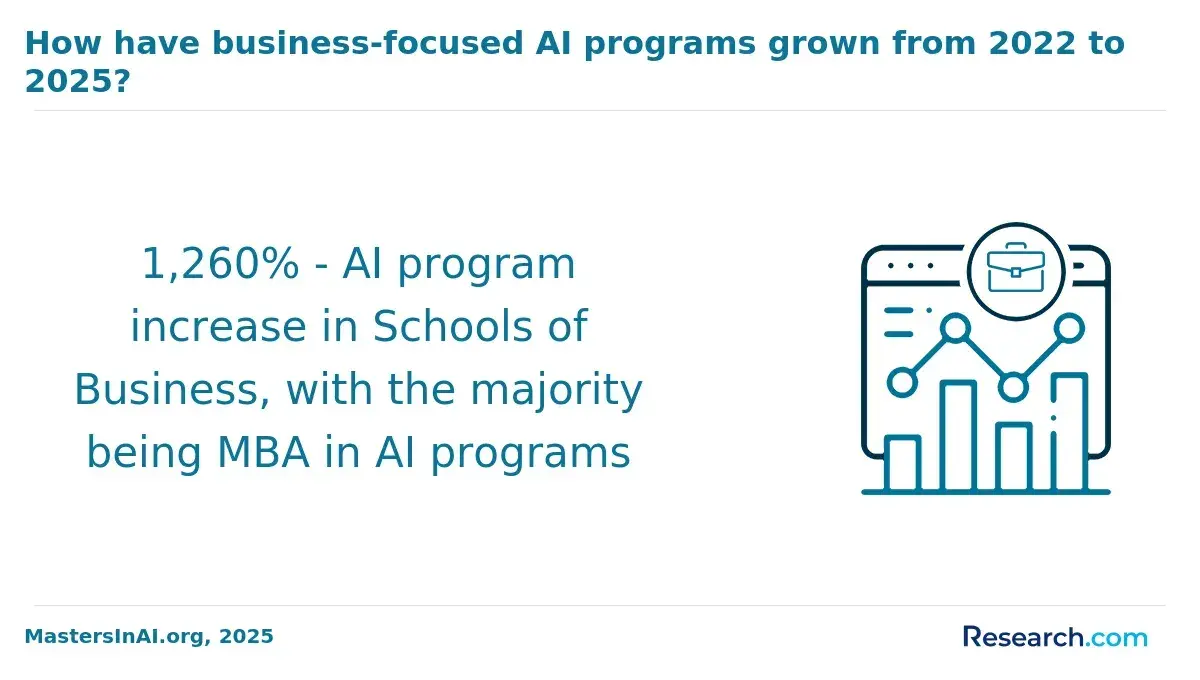
Online AI certificate programs offer instructional designers greater flexibility than campus courses, accommodating busy professionals through self-paced learning schedules. This adaptability is vital given the 79% year-over-year increase in AI learning hours among L&D and HR experts highlighted in Udemy's 2025 Workplace Learning Trends.
Such programs often reflect current industry best practices and cutting-edge AI tools, frequently partnering with corporate learning initiatives to provide modular certificates tailored for instructional design. This variety in quality means prospective students should carefully assess each program's relevance and rigor.
Campus AI certification options for instructional designers provide structured environments with direct faculty interaction, hands-on labs, and peer collaboration. These settings benefit those seeking deeper immersion, access to capstone projects, and research opportunities, all contributing to practical skill development.
However, campus programs may demand substantial time and financial commitments and often have slower curriculum updates despite offering formal accreditation that can enhance professional credentials.
Instructional designers weighing how online AI certificate programs differ from campus courses should consider combining both approaches. Starting with an accessible online certificate can build foundational skills quickly, while subsequent campus credentials add comprehensive academic depth and valuable networking.
For cost-conscious learners, exploring the cheapest online data science masters may provide further affordable pathways to advanced knowledge.
What accreditation and quality signals should you check in AI courses and certificates?
Accreditation and quality indicators for AI certificates in instructional design are crucial when choosing a course. Prioritize programs accredited by recognized bodies like ABET, AACSB, or well-known universities, ensuring the curriculum meets academic and industry standards. Such accreditation guarantees that certifications hold value among employers and educational institutions.
Certificates issued directly by reputable universities or respected organizations offer stronger credentials than those from unaccredited platforms, which may lack rigor or recognition. Programs affiliated with prestigious institutions such as Stanford or MIT provide significant career advantages in instructional design involving AI technologies.
Curricula should emphasize relevant and in-depth AI concepts like machine learning, natural language processing, and AI-driven personalization specifically tailored for instructional design. This aligns with findings from the Brandon Hall Group study showing that high-performance organizations are 2.3 times more likely to apply AI-driven personalization in corporate learning.
Look for courses incorporating hands-on projects, case studies, or industry collaborations that demonstrate practical experience beyond theory. Positive reviews or endorsements by professionals in corporate learning and development or eLearning further indicate quality.
Verify the certificate format—for example, digital badges or verifiable transcripts enhance credibility and ease employer sharing. Additionally, choose providers with a proven track record of regularly updating content to reflect AI advancements and maintain relevance in a rapidly evolving field.
For learners interested in expanding their expertise, pursuing a masters in data analytics can complement skills acquired through AI course accreditation standards for instructional designers.
What AI skills and tools should instructional designers expect to learn in these courses?
Instructional designers in AI courses gain essential skills that enhance curriculum development and learner engagement. They develop expertise in machine learning fundamentals, enabling the creation of adaptive learning pathways that adjust content based on real-time learner performance. Practical skills include working with AI-enhanced authoring platforms that automate content generation, quiz creation, and predictive analytics.
Familiarity with natural language processing (NLP) is increasingly important, as it allows designers to build chatbots that offer instant feedback, easing instructors' workloads. AI-driven learning management systems (LMS) also empower designers to monitor engagement and identify at-risk students, optimizing course delivery.
Data literacy remains crucial. Designers learn to interpret learner data and apply visualization tools for better instructional decisions. AI-based assessments facilitate automatic grading and personalized recommendations. Ethical use of AI and data privacy compliance are key areas of this training, ensuring responsible deployment in education settings.
According to an EDUCAUSE QuickPoll on AI in teaching, 67% of institutions anticipate AI will transform instructional design and course creation within three years. Skills taught often include technical fluency in Python or R to customize AI tools tailored to learning needs.
Effective instructional designers combine these capabilities to improve educational outcomes and streamline operations in evolving learning environments.
What are the typical admission requirements and time commitments for AI certificates?
Admission requirements for AI certificate programs typically include a high school diploma or equivalent, with some advanced courses asking for prior knowledge in programming, statistics, or foundational AI concepts. Many beginner-friendly certificates designed for instructional designers waive strict prerequisites to promote wider access. Applicants may need to demonstrate basic computer literacy or complete an assessment to ensure readiness.
For instance, introductory AI certificates for educators often begin with modules on machine learning and data fundamentals without requiring coding experience upfront.
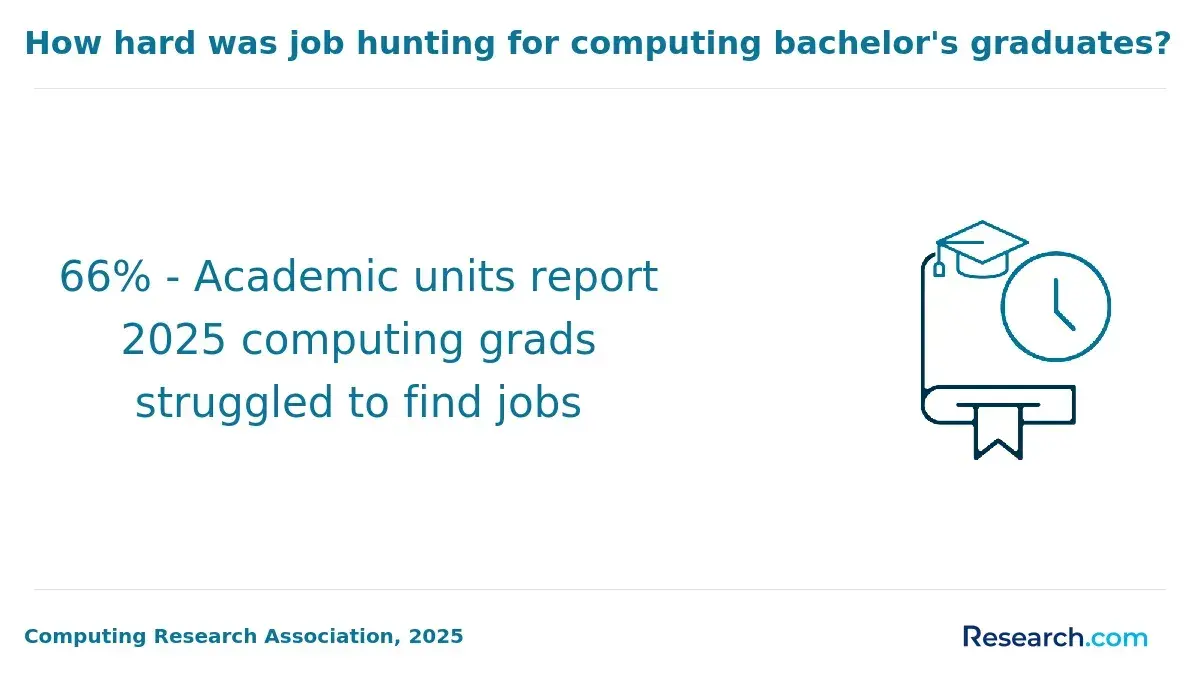
Time commitments vary widely: most programs take 3 to 6 months of part-time study at roughly 5 to 10 hours weekly. Intensive bootcamp-style courses condense learning into 8 to 12 weeks but expect 15 to 20 hours per week. Self-paced formats allow flexibility, which benefits working professionals balancing career and study.
Practical application is emphasized through projects or capstone experiences that build hands-on skills important for instructional design careers. These can add 40-60 hours but enhance portfolio quality, integrating AI tools effectively into curriculum development.
Growing enrollment in diverse AI-related courses offers multiple pathways for learners of varying skill levels and schedules. Choosing a program with clear requirements and realistic timeframes supports better planning and certification success.
How much do AI certificate programs for instructional designers cost, and what aid exists?
Certificate programs in artificial intelligence for instructional designers typically cost between $500 and over $3,000, depending on the provider and course comprehensiveness. Short online courses may be priced around $500, while extensive programs tied to accredited institutions or professional organizations can exceed $3,000.
For example, targeted learning analytics courses focusing on applying artificial intelligence in instructional design often cost about $1,200. Broader certificates in AI in education may reach $2,500 or more.
Several financial aid options are available for prospective students, including scholarships, payment plans, and employer reimbursement programs. Although federal aid usually does not cover non-degree certificate programs, some bootcamp-style or university-affiliated courses qualify for grants or limited funding. Employers often provide tuition assistance or professional development budgets that help reduce expenses.
Many instructional designers prioritize learning analytics skills, with 68% identifying them as critical for upskilling. More than half utilize data dashboards to measure learning impact, underscoring the growing value of such certificates for career advancement.
What careers can AI-trained instructional designers pursue, and what do these roles involve?
AI-trained instructional designers hold dynamic roles bridging technology, education, and content creation. Key positions include AI curriculum developers who create adaptive learning systems and use learner data to tailor engaging instructional programs. These roles enhance both retention and the learning experience.
AI integration specialists implement AI-driven platforms in educational or corporate settings, blending expertise in instructional design with technologies like natural language processing and predictive analytics to streamline learning workflows.
Freelancers and consultants with AI skills are in increasing demand, with freelance postings for AI-related content rising significantly. These professionals advise organizations on selecting and customizing AI tools to boost training effectiveness, often commanding higher rates than non-AI roles.
Specialized careers include AI learning experience designers and AI educational technologists, focusing on user experience and AI-driven content development. These roles collaborate closely with developers and subject matter experts to produce data-driven learning solutions.
Companies seek AI-trained instructional designers to automate grading, personalize content, and improve feedback mechanisms while emphasizing AI ethics and data privacy. Building skills in data analysis, AI programming fundamentals, and cloud-based learning platforms is essential for career growth.
What salary ranges and job outlook can AI-skilled instructional designers expect in the U.S.?
Instructional designers with AI skills in the U.S. earn between $65,000 and $110,000 annually, depending on expertise and location. Entry-level roles typically start near $65,000, while experienced professionals managing complex AI integration projects can exceed $100,000.
Proficiency in AI-assisted authoring tools is highly valued; the Learning Guild's 2024 Industry Survey found that 58% of organizations using eLearning authoring platforms have integrated AI features such as auto-generated content and media.
Job prospects for designers proficient in AI remain strong, with 27% of organizations planning to adopt AI-assisted tools within the next year. This growth creates opportunities in corporate training, educational technology, and government sectors. Careers can include AI curriculum development and designing adaptive learning experiences powered by AI analytics.
Instructional designers who combine knowledge of machine learning basics with advanced authoring tools position themselves for leadership or consulting roles, often commanding top-tier salaries. To remain competitive, investing in AI-focused certifications and staying updated on emerging technologies is essential, reflecting employer priorities.
The practical application of artificial intelligence in instructional design enhances job security and earning potential. For further insights into AI-driven learning technologies, consult trusted sources like the Learning Guild.
How can you compare and choose the best AI certificate course for your situation?
Choosing an AI certificate course requires careful evaluation of course content, relevance, and practical application. Prioritize programs that focus on adaptive learning technologies, data analytics, and personalized content creation. Hands-on projects and case studies often deepen understanding beyond theory.
Consider your current skill level and goals: beginners benefit from foundational courses, while experienced instructional designers should look for advanced certificates emphasizing the integration of AI tools into curriculum design and learning management systems.
Accreditation and reputation matter greatly. Certificates from accredited universities or recognized industry leaders carry more weight with employers and ensure quality standards are met. Flexibility is also key—online, self-paced formats help balance learning with work commitments.
Verification methods like digital badges or blockchain certificates make sharing achievements on platforms such as LinkedIn easier. LinkedIn's "Future of Skills" report shows members who add AI-related skills are significantly more likely to attract recruiter outreach in learning and development roles.
Cost is an important factor, but higher prices don't always mean better value. Balance affordability with reputation and course quality for meaningful skill acquisition.
Other Things You Should Know About Artificial Intelligence
In 2027, top AI courses for instructional designers with certificates include “AI for Instructional Design” by Stanford Online, “Artificial Intelligence in Education” from edX by Harvard, and “AI in Learning Design” on Coursera. These courses provide in-depth understanding and practical skills relevant to the field.
Artificial intelligence enhances instructional design by enabling personalized learning experiences and automating content creation. It allows designers to analyze learner data more effectively to adapt materials in real time. This transformation improves engagement and learning outcomes but requires designers to understand how to implement AI tools responsibly.
AI cannot fully replace human instructional designers because it lacks creativity, empathy, and contextual judgment. Instead, AI serves as a support tool that automates routine tasks, providing designers more time to focus on strategic and learner-centered functions. Successful instructional design integrates both human expertise and AI capabilities.
Instructional designers should develop skills in data analysis, understanding machine learning principles, and familiarity with AI-driven authoring tools. They also need critical thinking to evaluate AI recommendations and ensure ethical application. Being adaptable to continually evolving AI technologies is essential in this field.
References
- Digital Education Council | Certificate in AI for Higher Education https://www.digitaleducationcouncil.com/digital-education-council-certificate-in-ai-for-higher-education
- AI Tools for Instructional Designers: https://www.joysuite.com/blog/ai-tools-instructional-designers/
- The Must-Have Instructional Design Skills for 2023 https://www.digitallearninginstitute.com/blog/the-must-have-instructional-design-skills-for-2023
- 18 Best Instructional Design Certificate Programs Online https://www.ispringsolutions.com/blog/instructional-design-certificate-programs
- Learnt.ai | Top Instructional Design Certifications https://learnt.ai/article/top-instructional-design-certifications
- Generative AI's Impact on Instructional Design and L&D Role https://www.i4cp.com/productivity-blog/how-generative-ai-will-forever-change-the-role-of-instructional-designers
- Best AI Tools for Instructional Designers https://blog.cathy-moore.com/ai-tools-for-instructional-designers/
- dominKnow Blog: Top AI Tools Every Instructional Designer Should Know https://dominknow.com/blog/top-ai-tools-every-instructional-designer-should-know
- Professional AI Training: How to Choose the Right Program https://www.strategicaileader.com/professional-ai-training-how-to-choose-the-right-program/