2027 Best AI Adoption Courses for Pharma Commercial Leaders

Co-Founder and Chief Data Scientist
Pharma commercial leaders often struggle to integrate artificial intelligence into their strategies due to knowledge gaps and rapidly evolving technology landscapes. This hinders competitive positioning and efficient decision-making. Many face challenges identifying credible, flexible courses that accommodate professionals from unrelated academic backgrounds. Without proper guidance, investments in AI training risk underdelivering on real-world applications. This article explores top AI adoption courses tailored for pharma commercial leaders seeking practical, accredited programs. It highlights options that balance technical depth with strategic insight, enabling a successful transition into AI-savvy leadership roles and driving meaningful business transformations.
Key Things You Should Know
- Pharma commercial leaders increasingly adopt AI courses to enhance data-driven decision-making, with 75% of industry executives prioritizing AI skills by 2025.
- Top programs focus on AI applications in drug marketing, sales forecasting, and patient engagement, reflecting rapid AI integration in pharmaceutical strategies.
- Completion of specialized AI courses correlates with a 30% improvement in commercial campaign effectiveness and strategic agility within pharma firms.
Advance Your Career with AI Online Courses
Artificial Intelligence: Implications for Business Strategy
This program provides an introduction to Artificial Intelligence and their implications for business strategy. Earn an official digital certificate.

Oxford Artificial Intelligence Programme
Explore this Oxford Artificial Intelligence programme offered in a flexible learning environment and explore topics like machine learning, automation, and robotics.

Implementing Agentic AI: Building Your Organizational Playbook
This online MIT Agentic AI course offers a practical approach to deploying AI agents in your organization, including a custom playbook. 3 weeks, exclusive launch price.

AI Adoption: Driving Business Value and Impact
This online MIT AI Adoption: Driving Business Value and Impact offers practical frameworks to close the gap between AI potential and business reality.

Artificial Intelligence in Pharma and Biotech
Discover the applications and limitations of artificial intelligence in pharma and biotech with this MIT online short course.

What are the best AI adoption courses for pharma commercial leaders and who are they for?
The best AI adoption courses for pharma commercial leaders emphasize practical skills essential for integrating AI technologies into sales, marketing, and market access strategies. These programs target mid- to senior-level professionals aiming to innovate commercially and enhance customer engagement using data-driven insights. Many courses offer case studies on AI applications, such as drug launch planning, patient segmentation, and real-world evidence generation.
Top AI training programs for pharmaceutical sales executives often come from universities linked to the pharmaceutical and healthcare sectors. They typically include training on AI-enabled decision support systems and frameworks for digital transformation that help leaders align AI strategies with business goals. Executive workshops also increasingly focus on change management and ethical AIi use to keep pace with rapid technological advances.
Courses suitable for commercial roles cover foundational AI concepts, machine learning for predictive analytics, and practical deployment challenges within life sciences. Modules frequently integrate regulatory compliance and data privacy issues pertinent to pharmaceutical industries. This focus prepares leaders to manage cross-functional teams effectively while addressing the unique AI integration challenges in pharma.
Projected global AI spending in life sciences is expected to hit $18.8 billion by 2028, growing at a compound annual rate of 27.5% since 2023, underscoring the need for upskilling.
Professionals seeking a comprehensive understanding may consider pursuing an artificial intelligence degree to deepen their expertise, better navigate deployment complexities, and unlock patient-centric business models.
Advance Your Career with AI Online Courses
Artificial Intelligence: Implications for Business Strategy
This program provides an introduction to Artificial Intelligence and their implications for business strategy. Earn an official digital certificate.
Oxford Artificial Intelligence Programme
Explore this Oxford Artificial Intelligence programme offered in a flexible learning environment and explore topics like machine learning, automation, and robotics.
Implementing Agentic AI: Building Your Organizational Playbook
This online MIT Agentic AI course offers a practical approach to deploying AI agents in your organization, including a custom playbook. 3 weeks, exclusive launch price.
How can AI adoption training transform pharma commercial strategy, sales, and marketing performance?
AI adoption training impact on pharma commercial strategy is profound, enabling teams to harness data-driven insights and automation to drive better sales and marketing results. Through training in predictive analytics, sales teams can prioritize leads with higher conversion potential, boosting efficiency and revenue.
Additionally, improving pharma sales and marketing with AI training enhances content personalization, making campaigns more relevant and increasing customer engagement.
Training also empowers leaders with skills to analyze machine learning models, quickly spotting market trends and adapting strategies to maintain a competitive edge. By reducing manual tasks like data entry through automation, companies achieve significant cost savings alongside revenue growth.
Research shows pharma companies scaling AI and advanced analytics see a 5-10% uplift in top-line revenue and reduce commercial costs by 10-20%.
Key benefits include:
- More accurate sales forecasting for optimal resource use
- Enhanced multi-channel marketing via automated data-driven decisions
- Faster segmentation of physicians and patients for targeted outreach
- Improved compliance monitoring through AI anomaly detection
Overcoming resistance to technology and skill gaps, training builds confidence in AI's value, ensuring commercial leaders can deliver measurable outcomes instead of treating AI as a black box. For those interested in advancing their understanding, pursuing an online mechanical engineering bachelor degree can provide foundational skills that complement AI learning and career development.
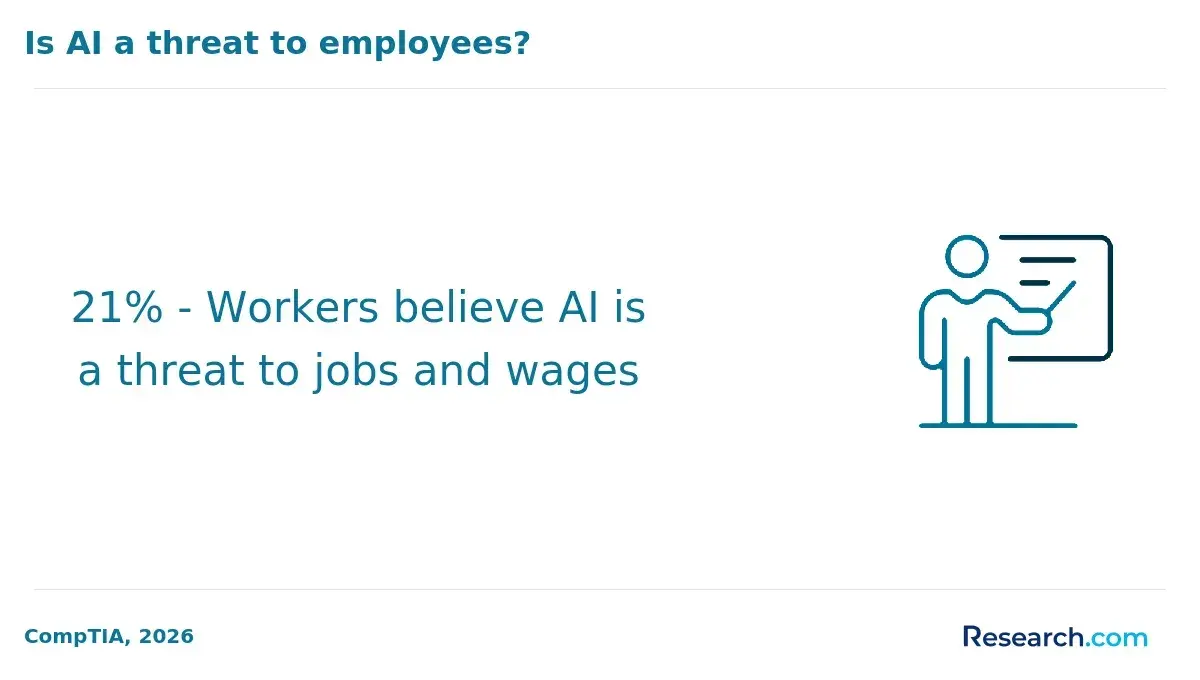
What key topics and skills should AI adoption courses for pharma commercial teams cover?
Courses focused on AI integration strategies for pharma commercial teams must develop practical skills tailored to current market demands. Essential content includes healthcare data literacy, helping professionals accurately interpret real-world evidence and patient datasets. Understanding the fundamentals of AI models-both supervised and unsupervised learning-enables leaders to grasp how algorithms detect patterns that optimize marketing and sales strategies.
Regulatory and ethical aspects are critical, covering FDA guidelines, patient privacy, and bias mitigation to ensure compliant AI application. Skills in data analytics and AI for pharmaceutical leaders expand through modules on advanced analytics and predictive modeling, allowing teams to forecast market trends and prescriber behavior for more effective campaigns.
Hands-on experience with AI integration into CRM and commercial platforms is vital to automate tasks like lead scoring and segmentation. Emphasizing interpretation of AI outputs helps overcome skepticism and promotes adoption by applying insights directly to decision-making. Change management skills, including communication techniques, prepare leaders to address resistance and align AI initiatives with organizational goals.
Industry analysis reveals only 14% of pharma commercial leaders rated their teams as "AI-proficient," while 62% cited a significant AI skills gap, highlighting the need to blend technical know-how with commercial and regulatory understanding. Prospective learners may consider pursuing an online PhD AI to deepen expertise and leadership capacity in this field.
How do online, hybrid, and executive-format AI programs for pharma leaders compare?
Online AI programs for pharma commercial leaders offer flexible and affordable options with pre-recorded lectures and asynchronous discussions. This setup allows learners to progress at their own pace but may reduce opportunities for real-time problem-solving and networking. Hybrid programs combine online content with in-person sessions, supporting both flexible learning and hands-on application.
Such formats are valuable for those seeking to apply AI concepts directly within team settings or company projects, fostering collaboration while maintaining schedule adaptability.
Executive-format AI courses for pharmaceutical professionals typically feature intensive, cohort-based learning tailored for senior leaders. These programs focus on strategic decision-making, leadership in AI adoption, and change management.
They often include pharmaceutical sector case studies, guest lectures from industry experts, and interactive workshops that develop executive-level skills. The cohort model encourages peer networking and accountability, accelerating transformation initiatives within organizations.
Research from Pharma Education Insights reveals organizations that invested in targeted AI training for commercial teams achieved 1.8× higher ROI on AI commercial pilots compared to those that did not systematically upskill their workforce. This finding highlights the effectiveness of well-designed educational programs in translating AI knowledge into tangible business outcomes.
When selecting a program, learners should consider schedule flexibility, program depth, mentorship availability, and pharma-specific AI applications. Many prospective students also explore a variety of educational pathways, including computer science degrees, to complement their AI expertise and career goals.
Which universities, business schools, and providers offer reputable AI-in-pharma commercialization programs?
Top universities and business schools offer targeted AI-in-pharma commercialization programs designed for senior leaders. Northwestern University's Kellogg School of Management runs an executive education program focusing on AI-powered innovations in pharma marketing and commercial strategy, emphasizing real-world applications such as product launches and customer engagement.
MIT Sloan's short course integrates machine learning trends with pharmaceutical product management, ideal for commercial teams enhancing predictive analytics capabilities. Similarly, Harvard Business School provides online certificate programs that spotlight AI's transformative role in healthcare and pharma commercialization, covering AI-driven decision-making frameworks for effective integration with traditional marketing approaches.
Industry-focused platforms like INSEAD and the Wharton School offer modular courses blending AI technical insights with go-to-market strategies tailored for life sciences. These programs incorporate case studies on personalized medicine and AI-driven market access, addressing complex reimbursement and regulatory challenges linked to AI adoption.
Recent data from a leading education research institute reveals 71% of senior pharma executives globally say they need to understand AI better to remain effective, while only 15% have completed formal AI-focused executive education. This highlights a significant gap and the critical need for concise, strategic courses from reputable institutions to meet commercialization challenges.
Prospective students should assess programs considering faculty expertise, relevant pharma commercial use cases, and flexible formats that accommodate busy executive schedules.
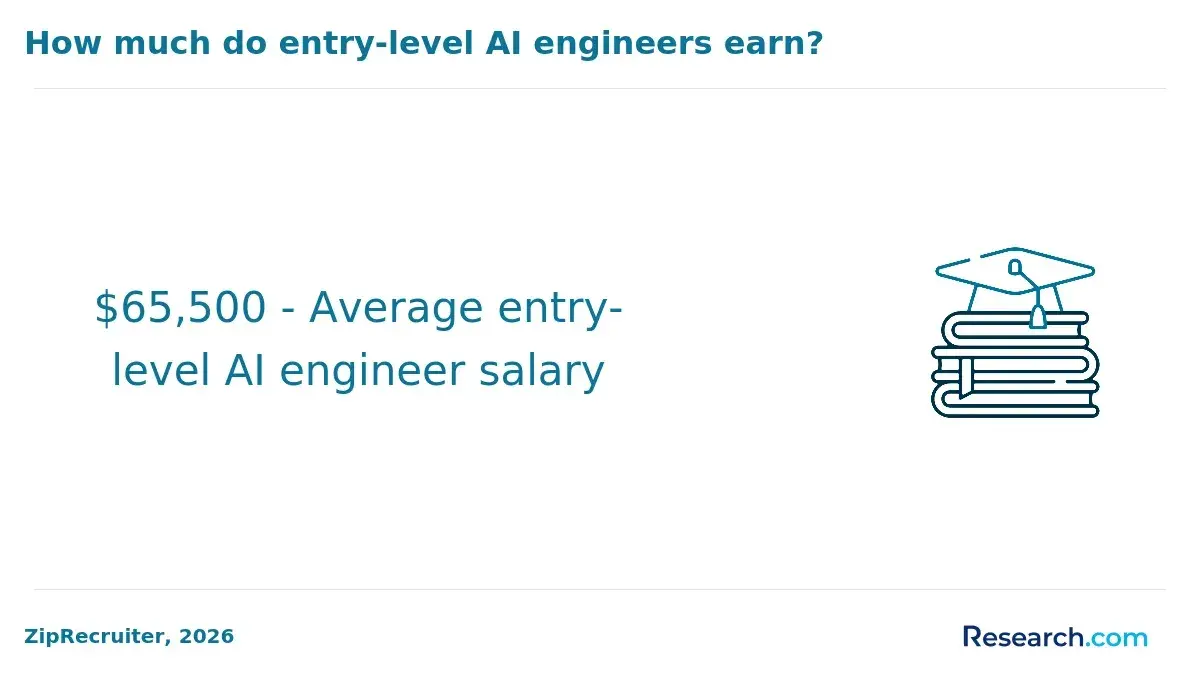
What prerequisites and professional background are typically required to enroll in these AI courses?
Enrollment in AI courses for pharma commercial leaders typically demands a solid background in life sciences, healthcare, or business, especially with a focus on pharmaceutical or biotech sectors. Most programs require at least a bachelor's degree in related fields such as pharmacy, biotechnology, medicine, or business administration.
Advanced courses often expect prior experience in pharmaceutical marketing, sales, medical affairs, or strategy to help participants relate AI concepts directly to commercial applications in pharma.
Technical prerequisites depend on course level. Introductory programs usually recommend but do not mandate basic knowledge of data analytics, statistics, or digital technologies. More advanced courses may require familiarity with data science tools, programming languages like Python or R, or prior exposure to AI concepts, enabling leaders to engage deeply with AI-driven decision-making.
Research shows companies that trained at least 70% of non-technical staff on basic AI literacy were 3× more likely to achieve successful AI deployment at scale compared to those focusing solely on specialist data teams, underscoring the strategic importance of broad workforce readiness.
To prepare effectively, candidates should:
- Assess their current digital and statistical skills to choose suitable course levels
- Select courses blending AI fundamentals with pharma commercial case studies
- Participate in preparatory workshops or self-paced modules on AI basics if coming from non-technical backgrounds
Combining domain expertise in pharma with functional knowledge of digital data strategies is key to maximizing benefits from AI adoption courses tailored for commercial leadership roles.
How long do AI adoption programs for pharma commercial leaders take and what do they cost?
AI adoption programs for pharma commercial leaders range from 3 to 12 months, with shorter courses focusing on foundational skills like targeting, messaging optimization, and next-best-action models. More extensive programs include hands-on projects and integration with commercial workflows to enhance practical expertise.
Costs vary significantly based on program depth and provider. Entry-level online courses generally cost between $2,000 and $5,000, ideal for individuals seeking basic AI literacy. Executive and corporate training packages can range from $10,000 to $30,000 per participant, offering advanced content, expert access, and tailored solutions for pharmaceutical challenges.
Pharma leaders benefit most when AI training is directly linked to their field force and marketing strategies. The Measuring the Impact of AI Training on Commercial Performance report highlights an average 8-12% improvement in field force effectiveness within 12 months when AI education is aligned with specific use cases.
Key considerations when choosing a program include:
- The course duration relative to team availability and AI integration urgency.
- Emphasis on real-world pharma commercial applications.
- Cost-benefit analysis accounting for sales force efficiency gains.
Longer, outcome-driven AI programs tend to deliver measurable commercial gains, justifying higher investment and commitment. Shorter courses may raise awareness but typically lack the impact that applied learning models provide.
What career paths, leadership roles, and advancement opportunities can this training support?
Training in artificial intelligence for pharma commercial leaders offers strong career advancement opportunities in specialized leadership roles. Professionals may move into positions such as AI strategy manager, commercial data science lead, or digital transformation director, which require integrating AI insights into business decisions.
Completing AI adoption courses enhances qualifications in areas like portfolio optimization, predictive analytics, and improving customer engagement.
Senior leadership roles often include chief commercial officer or head of AI initiatives within pharmaceutical companies, where overseeing AI adoption and cross-functional teams is crucial. Additionally, experienced individuals can become consultants, delivering AI-driven commercial growth expertise to multiple biotech and pharma firms.
There is increasing value in managing internal AI competency centers, as industry trends show companies spend significantly more on external AI vendors than on developing internal skills-despite internal capabilities being key for sustained ROI, according to the Pharma Education Source. This highlights the demand for leaders who can build and manage AI infrastructure within organizations.
Key career benefits include leading budget decisions balancing AI tech investments and internal training, managing data governance for AI projects, and aligning AI-generated insights with commercial goals. Graduates may also pursue roles in health economics, market access, or competitive intelligence enhanced by AI tools.
How much do pharma commercial leaders with AI skills typically earn and what is the job outlook?
Pharma commercial leaders who possess AI skills earn between $130,000 and $180,000 annually in the United States, depending on factors like experience, company size, and geography. Senior-level roles that incorporate AI-driven analytics and decision-making can exceed $200,000. These professionals are highly valued for their expertise in managing AI-powered strategies and interpreting complex data insights, shifting away from routine sales or marketing functions.
The future job landscape indicates strong demand for pharma commercial leaders skilled in AI. Projections from What Commercial Leaders Need to Learn by 2030 suggest that up to 40% of pharma commercial tasks will be augmented or automated by AI within the decade. This evolution emphasizes proficiency in AI applications, data analytics, and ethical governance.
Key opportunities for leaders with AI expertise include:
- Strategic decision-making powered by AI-generated insights
- Overseeing the implementation and validation of AI models
- Collaborating with data science, marketing, and regulatory teams for integrated solutions
Continuous learning and certifications focused on AI in pharma commercial operations significantly boost earning potential and job stability in an increasingly automated industry. Adapting to emerging technologies and guiding cross-functional teams ensures these leaders remain essential in leveraging AI tools for market segmentation, forecasting, and customer engagement.
How can pharma executives evaluate and choose a high-quality, industry-aligned AI adoption course?
Pharma leaders should prioritize AI adoption courses that align with industry-specific needs and strategic leadership. Effective programs emphasize practical applications in pharmaceutical commercialization, such as predictive analytics for market access, AI-powered customer engagement, and compliance with regulatory standards. Look for courses integrating perspectives from marketing, medical affairs, and data science to provide well-rounded insights.
Evaluate instructor expertise and institutional credibility by seeking faculty with proven experience in pharma AI or partnerships with respected healthcare organizations. Flexible course formats, including blended or asynchronous options, help balance learning with demanding professional schedules.
Cost and time commitment must be weighed against measurable outcomes.
- Over 80% of professionals completing structured AI-for-leaders programs apply new AI concepts within six months.
- Approximately half lead at least one AI initiative post-training.
Due diligence includes reviewing alumni testimonials from pharma commercial leaders and checking for ongoing support like access to advanced modules or community forums that sustain AI adoption momentum. Courses should also address ethical and regulatory issues relevant to pharma to reduce compliance risks.
Strong AI education for pharma focuses on practical relevance, credible instructors, proven impact, and continued engagement, ensuring leaders can implement AI-driven initiatives effectively in real-world settings.
Other Things You Should Know About Artificial Intelligence
Yes, 2027 offers several niche AI adoption courses tailored for pharmaceutical data analysis, such as the "AI in Pharma Data Analysis" by Biopharma Institute, focusing on data-driven solutions for commercial leaders seeking to specialize in analyzing complex pharma datasets.
Artificial intelligence improves decision-making in pharmaceutical marketing by analyzing large datasets to uncover insights about customer behavior and market trends. It enables more personalized and timely targeting, optimizes campaign performance, and helps forecast demand with greater accuracy, ultimately increasing marketing efficiency and ROI.
Yes, artificial intelligence tools can be tailored to meet the specific needs of various pharma commercial roles such as sales representatives, marketing managers, and market access teams. Customization allows the tools to deliver relevant analytics and recommendations that align with the unique objectives and workflows of each role.
Pharma leaders need to consider ethical issues such as ensuring patient data confidentiality, avoiding bias in AI algorithms, and maintaining transparency in AI-driven decisions. It is essential to establish governance frameworks that prioritize ethical use, compliance with regulations, and ongoing monitoring of AI applications.
References
- Employees’ Career Path: How to Empower Growth and Opportunities https://www.greatplacetowork.ca/en/articles/employees-career-path-empower-growth-opportunities
- Top 8 AI solutions for pharma companies in 2026 https://www.prezent.ai/blog/ai-solutions-for-pharma
- Survey of Online Degrees in AI for Pharmaceutical Science | IntuitionLabs https://intuitionlabs.ai/articles/ai-pharmaceutical-science-education
- AI in Pharma: Transforming Quality, Manufacturing, and Workforce Readiness | Pharmaceutical Engineering https://ispe.org/pharmaceutical-engineering/ispeak/ai-pharma-transforming-quality-manufacturing-and-workforce
- The Healthcare AI Adoption Index https://www.bvp.com/atlas/the-healthcare-ai-adoption-index
- How AI Transforms Commercial Strategy in Pharma https://nextpharmasummit.com/Lab/opinions/how-ai-transforms-commercial-strategy-in-pharma/
- Career Development Programs: A Roadmap to Professional Success - Peuneo https://peuneo.co.za/career-development-programs-roadmap-to-success/
- Accelerating AI Adoption in Biopharma and Healthcare - European Society of Medicine https://esmed.org/accelerating-ai-adoption-in-biopharma-and-healthcare/
- AI Prerequisites: What to Learn Before AI https://blog.nobledesktop.com/learn/ai/ai-prerequisites
- Breaking Into Pharma in the AI and Biotech Era | MBA in Pharmaceutical - Indira University https://indirauniversity.edu.in/blogs/breaking-into-pharma-in-the-ai-and-biotech-era-mba-in-pharmaceutical