2027 Best AI Agent Courses for Sales Leaders

Co-Founder and Chief Data Scientist
Sales leaders face increasing pressure to leverage AI agent tools that enhance customer engagement and streamline workflows. However, identifying reliable courses that offer practical skills alongside strategic insights can be challenging, especially for professionals transitioning from unrelated fields.
Many programs either lack depth or fail to address sales-specific applications of AI technology, leading to missed growth opportunities. This article examines top AI agent courses designed to equip sales leaders with actionable expertise and flexibility. It aims to guide readers through accredited options that support a successful pivot into AI-driven sales innovation.
Key Things You Should Know
- AI agent courses for sales leaders in 2026 emphasize practical skills, with 78% of programs offering real-world simulations to integrate AI tools in sales strategies effectively.
- Recent data shows a 40% salary increase for sales professionals skilled in AI agent technologies, highlighting the growing market demand in the U.S.
- Top courses incorporate ethical training on AI use, addressing concerns about privacy and bias, aligning with updated industry regulations as of 2025.
Advance Your Career with AI Online Courses
Artificial Intelligence: Implications for Business Strategy
This program provides an introduction to Artificial Intelligence and their implications for business strategy. Earn an official digital certificate.

Oxford Artificial Intelligence Programme
Explore this Oxford Artificial Intelligence programme offered in a flexible learning environment and explore topics like machine learning, automation, and robotics.

Implementing Agentic AI: Building Your Organizational Playbook
This online MIT Agentic AI course offers a practical approach to deploying AI agents in your organization, including a custom playbook. 3 weeks, exclusive launch price.

AI Adoption: Driving Business Value and Impact
This online MIT AI Adoption: Driving Business Value and Impact offers practical frameworks to close the gap between AI potential and business reality.

Artificial Intelligence in Pharma and Biotech
Discover the applications and limitations of artificial intelligence in pharma and biotech with this MIT online short course.

What are the best AI agent courses for sales leaders and how do they work?
The best AI agent sales leadership courses focus on practical training to optimize sales through tools like chatbots, predictive analytics, and automated CRM systems. These courses help leaders interpret data-driven insights, deploy AI-powered sales bots, and use machine learning models to prioritize prospects and forecast demand.
Topics often covered include:
- Automating repetitive sales tasks with AI agents to free time for strategic efforts
- Analyzing customer behavior using AI-driven analytics for personalized outreach
- Integrating AI smoothly into existing sales platforms
- Addressing ethical considerations and data privacy in AI applications
Programs from tech academies and business schools include modules on conversational AI, sentiment analysis in sales calls, and AI-enhanced funnel management. These courses simulate real scenarios to build skills in supervising AI systems and making data-informed decisions. Through how AI agent training improves sales strategies, leaders can sharpen their expertise to drive growth.
Understanding metrics such as revenue uplift and ROI is essential. Companies using AI agents reported a 3-15% revenue increase and a 10-20% boost in sales ROI, validating the value of mastering AI in leadership roles. For those curious about career prospects and applied artificial intelligence salary ranges, such courses are a critical investment.
By gaining AI agent skills, sales leaders ensure effective management of tools that deliver measurable results and maintain a competitive edge.
Advance Your Career with AI Online Courses
Artificial Intelligence: Implications for Business Strategy
This program provides an introduction to Artificial Intelligence and their implications for business strategy. Earn an official digital certificate.
Oxford Artificial Intelligence Programme
Explore this Oxford Artificial Intelligence programme offered in a flexible learning environment and explore topics like machine learning, automation, and robotics.
Implementing Agentic AI: Building Your Organizational Playbook
This online MIT Agentic AI course offers a practical approach to deploying AI agents in your organization, including a custom playbook. 3 weeks, exclusive launch price.
How can AI agent training specifically improve sales performance, productivity, and revenue?
AI agent training for enhanced sales productivity empowers sales leaders to deploy intelligent automation and predictive analytics, transforming routine customer interactions into streamlined processes. This boosts the capacity of sales teams to focus on complex negotiations, reducing response times and improving customer satisfaction. Such advancements support higher conversion rates thanks to AI-driven lead scoring that prioritizes prospects most likely to convert, increasing overall sales efficiency.
Improving sales revenue with AI agent skills is also evident through enhanced forecasting accuracy. Sales leaders armed with AI predictions can better allocate resources, optimize inventory, and customize marketing strategies based on real-time customer data. This targeted approach enables revenue growth through more effective sales campaigns tailored to shifting market demands.
Productivity gains emerge as AI agents automate tasks like follow-ups, data entry, and performance reporting. Sales teams leveraging these capabilities may see up to a 30% increase in productive sales time. As the AI agents market expands rapidly, reaching $5.43 billion and projected to grow to $7.92 billion with a 45.82% CAGR, continuous training helps professionals stay competitive and agile.
Additionally, tailored AI agent training addresses industry-specific challenges such as managing high-volume interactions and complex data interpretation, promoting consistency and scalability across teams. For those interested in advancing their skills, exploring AI degree programs offers pathways to develop expertise that aligns with evolving sales technologies.
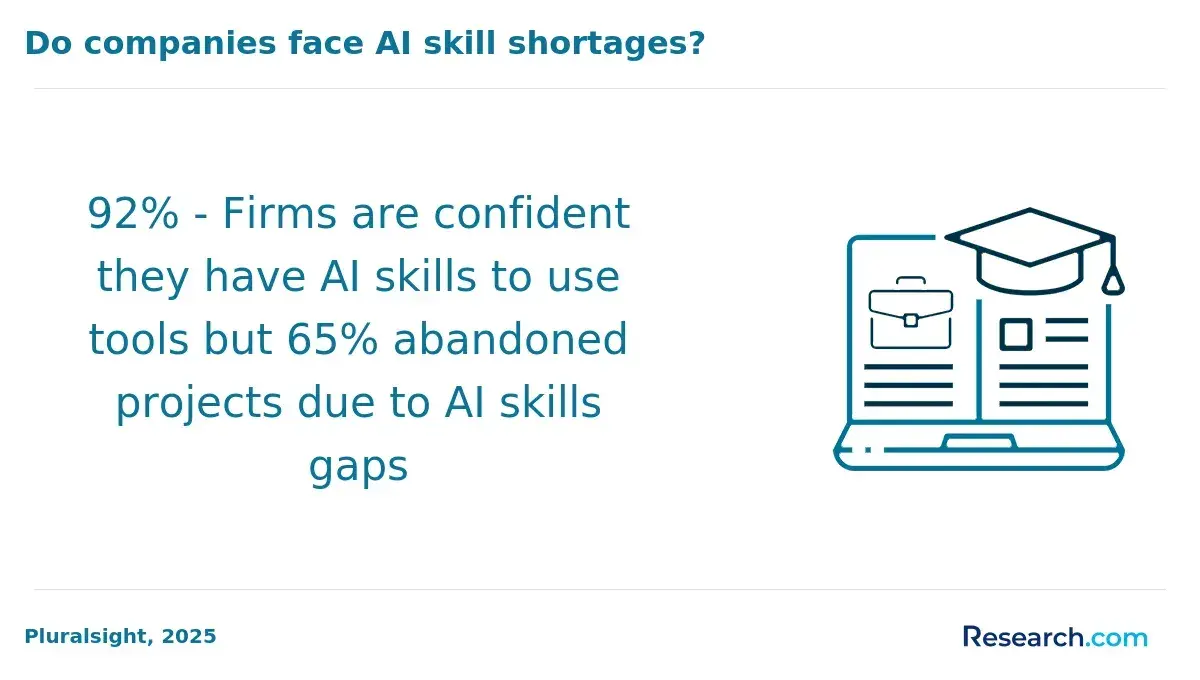
What types of AI agent programs should sales leaders consider: short courses, certificates, or degrees?
Sales leaders aiming to enhance their skills should consider AI agent certification programs for sales leaders tailored to their career goals and time constraints. Short courses in AI agent technology for sales management provide fast, focused training on specific tools or automation methods. Typically lasting from a few hours to weeks, these courses help professionals quickly update skills like AI-driven customer relationship management to boost forecasting and client engagement.
Certificates offer more extensive knowledge, balancing theory and real-world applications over several months. They cover core AI concepts and ethical issues, making them ideal for sales managers who want to understand AI's integration within business workflows and improve their credibility with employers.
Degrees in AI or related fields provide the most comprehensive education, combining advanced research and technical skills over one to four years. These programs prepare sales leaders for strategic roles, especially as AI automates 15-50% of routine business tasks by 2027, according to SalesTech Insights.
Prospective students interested in deep specialization may explore online PhD artificial intelligence programs for advanced opportunities.
Choosing among these options involves evaluating current expertise, desired outcomes, and the extent of AI adoption in one's sales environment. Aligning program length and depth with career objectives maximizes the value of education in AI agent programs for sales professionals.
What core skills and topics do AI agent courses for sales leaders usually cover?
AI agent courses for sales leaders cover essential skills to effectively implement and manage AI-driven sales tools. These programs emphasize data literacy, enabling participants to interpret sales analytics and customer data, which helps optimize decision-making. By exploring machine learning applications in sales leadership, attendees learn how predictive models forecast customer behavior and sales trends.
Practical training often includes integrating AI agents with customer relationship management (CRM) systems to automate tasks like lead scoring, personalized outreach, and follow-up communications.
Natural language processing (NLP) technologies powering conversational AI in chatbots and virtual assistants are a key focus, enhancing customer engagement. Sales leaders also gain guidance on designing AI adoption strategies that align with business goals while considering ethics and regulatory compliance. Given AI's significant role in sales and marketing-54% adoption reported by PwC as cited by Master of Code-training covers improving campaign targeting, optimizing pricing strategies, and customer segmentation.
Courses address challenges such as AI bias mitigation, data privacy, and balancing human-AI collaboration to ensure AI complements rather than replaces human sales efforts. Skills for evaluating AI tool performance and ROI assessment are also included, helping leaders justify AI investments.
For those interested in expanding their expertise, exploring online cybersecurity degree programs for veterans can offer complementary knowledge beneficial in this evolving field.
How do online AI agent courses for sales leaders compare with campus and hybrid options?
Online AI agent courses offer sales leaders significant flexibility, allowing them to learn at their own pace without geographic or scheduling constraints, which is crucial for professionals balancing fieldwork and training. Campus courses provide in-person interaction with instructors and peers, enabling immediate feedback and networking opportunities, but often require commuting and fixed schedules. Hybrid courses blend these formats, offering both convenience and face-to-face engagement, though they require careful time management to maximize benefits.
Cost plays a major role in choosing a course. Online options generally have lower tuition and eliminate relocation or commuting expenses, while campus-based programs tend to be more expensive due to facilities and resources. Content freshness is another consideration: online platforms update courses rapidly to keep pace with new AI developments, whereas campus curricula may update more slowly. Hybrid formats often balance hands-on projects with theoretical learning, a combination some sales leaders find valuable for applying AI strategies in sales operations.
Course quality varies widely across formats. Leading organizations report up to 18% ROI from intelligent automation and agentic AI initiatives, underscoring the importance of courses featuring real-world applications, case studies, and analytics tools. Prospective students should prioritize programs that demonstrate measurable outcomes and include industry partnerships.
Key selection considerations include:
- Schedule flexibility versus hands-on mentoring
- Cost constraints and return on investment
- Up-to-date content aligned with evolving AI technologies
- Networking opportunities impacting career advancement
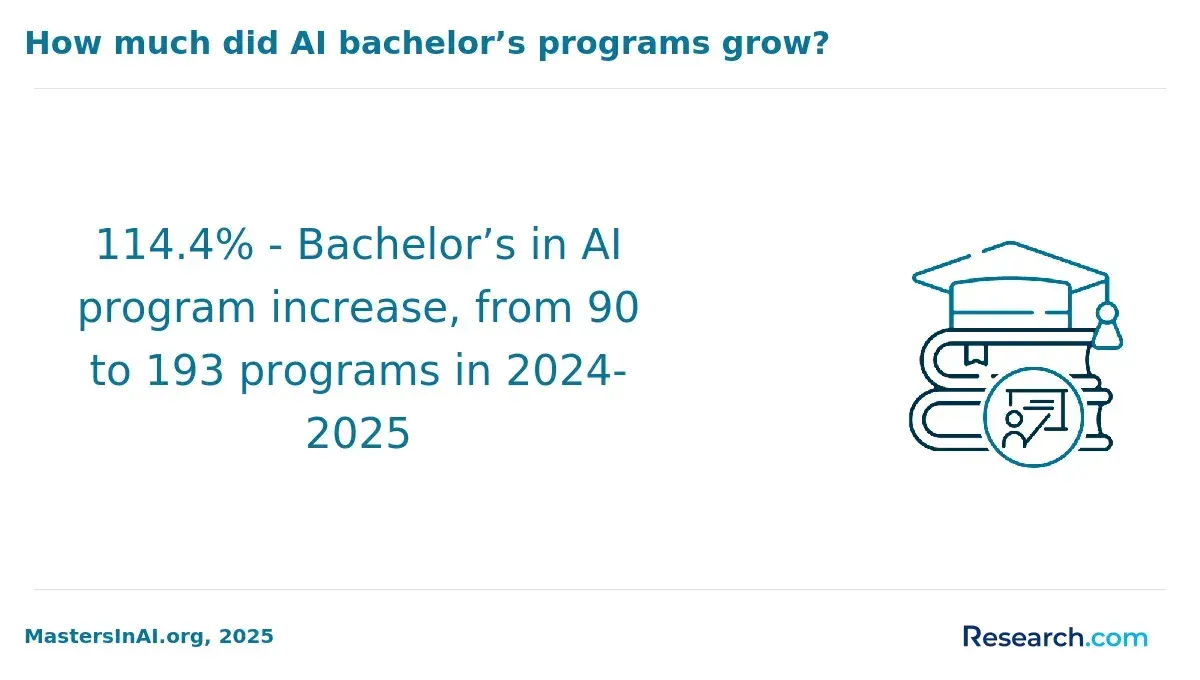
Which universities, bootcamps, and platforms offer reputable AI agent training for sales professionals?
Universities, bootcamps, and online platforms each serve unique roles in providing reputable AI agent training for sales professionals. Prestigious institutions like Stanford and MIT offer specialized certificates and executive education programs that focus on data-driven sales strategies and automating customer interactions. These programs often blend classroom learning with hands-on case studies using real-world AI tools, preparing leaders for strategic AI integration.
Bootcamps such as General Assembly and Springboard deliver intensive, practical training aimed at quick skill development. Their sales-focused AI courses emphasize autonomous agents that enhance lead generation, customer engagement, and performance analytics. The project-based curricula address AI agent implementation within CRM systems and sales funnels.
Online platforms, including Coursera and edX, provide flexible, industry-recognized courses developed through partnerships with universities and technology companies. Titles like "AI for Everyone" and "AI in Sales" offer foundational knowledge alongside practical techniques for deploying AI agents in sales contexts. These platforms allow learners to progress at their own pace while accessing expert instruction and community support.
With projections showing that by 2028, 68% of customer interactions with vendors will be handled by autonomous tools such as AI agents, mastering these technologies is critical. Focus on programs combining theoretical knowledge with applications like AI-driven customer segmentation, conversational agents, and sales forecasting models to remain competitive in sales leadership.
What are the typical admission requirements and prerequisites for AI agent programs in sales?
Admission requirements for AI agent programs in sales typically include a bachelor's degree in business, marketing, computer science, or related fields. Many programs expect prior experience in sales or technology to help candidates effectively apply ai tools. Advanced courses often prefer applicants with 2-5 years of leadership experience in sales or customer-facing roles.
Technical prerequisites commonly include knowledge of data analytics, CRM software, and programming skills like Python or SQL. Those lacking these may need preparatory courses before enrolling.
Applicants usually submit a statement of purpose, emphasizing their interest in integrating AI tools into sales strategies, along with professional recommendations showcasing leadership and analytical skills. Standardized tests are rarely required but may be requested for full-degree tracks. Some institutions offer dual entry paths: one for sales professionals focusing on AI integration, and another for candidates targeting technical AI development roles.
Nearly one-third (33%) of enterprise software applications will have built-in agentic capabilities by 2028, up from under 1% in 2024, according to Gartner. This highlights the growing need for leaders who combine sales expertise with technical fluency. Confirm specific prerequisites before applying, as some courses require familiarity with machine learning or experience managing AI-driven sales platforms.
Additional skills like change management and ethical AI use are increasingly valued. Practical experience with AI-enabled CRM systems, such as Salesforce Einstein, benefits applicants by easing the transition into AI-driven sales leadership roles.
How much do AI agent courses for sales leaders cost, and what funding options exist?
AI agent courses for sales leaders vary in cost, typically ranging from $500 to $4,000, influenced by course length, content depth, and provider reputation. Shorter online certificate programs usually cost between $500 and $1,200, while comprehensive programs featuring live instruction, case studies, and personalized coaching can exceed $3,000.
Executive education from top business schools may reach $7,000 or more, often combining AI specialization with broader leadership training.
Financial options include installment plans and employer sponsorships, which are common since technology accounts for 46% of current AI agent use within organizations, demonstrating the strategic importance of these skills.
Additional funding sources can include professional associations, federal and state workforce development grants, and scholarships linked to diversity initiatives. The Workforce Innovation and Opportunity Act (WIOA) is one such program offering financial support for AI sales training, especially for displaced workers or underrepresented groups. Veterans and active military personnel may benefit from specialized education benefits for qualified courses.
Costs often differ by sector focus, with consulting and professional services representing 18% and finance 12% of AI agent deployments. Programs tailored to these sectors might carry higher fees or unique financial aid options. Sales leaders should seek courses applying practical industry knowledge to optimize their investment.
What sales leadership roles, career paths, and salaries are associated with AI agent expertise?
Sales leadership roles involving AI agent expertise include positions like AI Sales Manager, Sales Enablement Director, and Chief Revenue Officer focused on AI-driven strategies. These roles require skills in integrating AI tools for personalized sales tactics, analyzing customer behavior, and optimizing revenue pipelines.
Career paths often start with data-savvy sales representatives progressing to AI-focused team leads, then advancing to strategic leadership overseeing company-wide AI adoption.
Typical job functions include managing AI-powered customer relationship management (CRM) platforms, developing predictive sales models, and designing customized buyer journeys. For instance, an AI Sales Manager might leverage AI analytics to uncover cross-selling opportunities, while Sales Enablement Directors align training programs with AI insights to enhance team performance.
Salary ranges vary by experience: entry-level AI sales specialists earn between $70,000 and $90,000 annually; mid-level managers make $110,000 to $140,000; senior roles like AI-focused Chief Revenue Officers command $180,000 to $300,000, reflecting the strategic value of AI expertise in driving business growth.
Research shows that over 93% of companies believe AI will deliver more individualized, proactive, and predictive customer experiences, highlighting the importance of AI agent proficiency in sales leadership development. Developing skills in AI integration and analytics is crucial for career advancement in this evolving field.
How can sales leaders evaluate accreditation, certificates, and real-world ROI of AI agent training?
Sales leaders looking to invest in AI training should verify accreditation from respected industry bodies or academic institutions. Accreditation confirms that courses meet established educational standards and signal valuable, credible learning.
Programs endorsed by AI-focused organizations or sales certification boards often provide certificates that clearly outline skills aligned with market demands, such as the AI Sales Certificate or credentials from the Data Science Council. Additionally, transparency about curriculum components, like hands-on AI agent implementation, ensures practical relevance.
Assessing real-world return on investment (ROI) involves reviewing outcomes linked to measurable business improvements. Look for evidence showing alumni advancing sales performance by applying AI tools, supported by case studies or testimonials featuring concrete results.
Industry trends predict that by 2028, cognitive tools and AI agents will handle 20% of digital storefront interactions, emphasizing that effective training translates into a competitive edge. Indicators of ROI include higher lead conversion rates, shorter sales cycles, and improved customer satisfaction due to AI agent use.
Important factors to consider include:
- Course length and intensity relative to available training time.
- Incorporation of real-world projects using AI platforms or sales automation software.
- Access to ongoing course updates and support reflecting AI advancements.
- Instructor expertise combining sales acumen with AI technology knowledge.
- Alignment with organizational goals for digital transformation and AI adoption.
Comparing courses with these criteria helps cut through marketing claims to identify genuine value. Prioritize offerings with formal accreditation and documented sales impact from AI agent integration. This strategy ensures your team gains effective, market-relevant skills for a rapidly evolving sales environment.
Other Things You Should Know About Artificial Intelligence
For sales leaders in 2027, selecting an AI agent course requires consideration of the course's relevance to current market trends, comprehensive curriculum, hands-on experiences, and the credibility of instructors. Evaluating these aspects ensures the course addresses practical challenges and prepares leaders for strategic AI implementation in sales processes.
Artificial intelligence enhances decision-making by providing data-driven insights and predictive analytics that help sales leaders identify trends, customer preferences, and potential risks. It allows for faster analysis of large datasets, enabling more informed strategic planning. AI can also automate routine decisions, freeing leaders to focus on higher-level functions.
Ethical considerations include ensuring transparency in AI-driven decision processes, protecting customer data privacy, and avoiding biases in AI algorithms that could affect sales outcomes. Sales leaders should implement AI systems that comply with legal regulations and maintain fairness, especially when AI influences hiring or customer interactions.
While artificial intelligence can automate many sales tasks, it is unlikely to completely replace human sales leaders. AI is best suited to augmenting human decision-making and handling repetitive operations. The nuanced skills of leadership, empathy, and complex strategic thinking remain areas where human judgment is essential.
References
- AI in Sales: A Comprehensive Guide for Revolutionizing Your Sales Strategy https://www.copilotai.com/blog/ai-in-sales-a-comprehensive-guide-for-revolutionizing-your-sales-strategy
- AI Agent Course: Free Online Training https://www.salesforce.com/agentforce/ai-agent-course/
- 10 AI Agents Every Sales Team Needs in 2026 https://www.mindstudio.ai/blog/ai-agents-for-sales-teams/
- AI Agents: A Practical Guide for Sales Leaders | Salesloft | Salesloft https://www.salesloft.com/resources/guides/agentic-transformation-for-sales-leaders
- Evaluating AI ROI: Your agents are costing you more than you think https://www.pluralsight.com/resources/blog/ai-and-data/evaluating-ai-roi-agents
- What is AI Sales Agent? Best AI Sales Agents in 2026 | Creatio https://www.creatio.com/glossary/ai-sales-agents
- Sales Training Track https://partneracademy.cognigy.com/bundles/sales-courses
- 15 Best Sales Training Platforms in 2026 https://www.5mins.ai/resources/blog/15-best-sales-training-platforms-in-2026
- AI Sales Agent – Quick wins & business value from day one https://www.valantic.com/en/blog/ai-sales-agent-how-to-start/
- Best AI Courses for Business Teams 2026 — 10 Programs Compared https://iternal.ai/best-ai-courses-for-business