2027 Best AI Courses for Support Operations Managers With Certificates

Co-Founder and Chief Data Scientist
Support operations managers often face challenges integrating ai tools to streamline processes and improve customer service outcomes. Without the right skills or credentials, adapting to rapidly evolving technologies becomes difficult, limiting career advancement opportunities. Many professionals seek practical, flexible learning paths that offer recognized certification to validate their ai expertise.
This article explores the best ai courses tailored for support operations managers, focusing on programs that provide valuable certificates. It aims to guide readers in selecting effective, accredited courses that enhance their technical skills and prepare them for leadership roles in ai-driven support environments.
Key Things You Should Know
- Courses tailored for support operations managers focus on practical AI applications like automation, data analysis, and customer interaction optimization, boosting efficiency and decision-making skills.
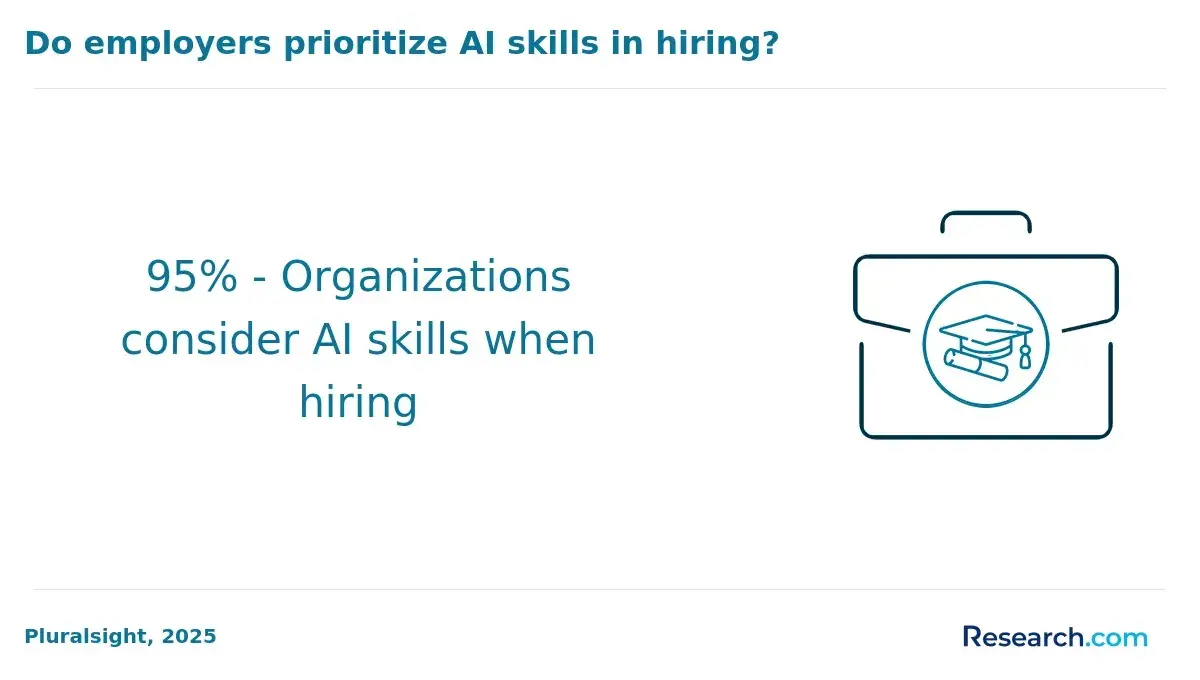
- Certifications from accredited providers enhance career prospects; 72% of employers in 2025 favor candidates with verified AI qualifications linked to customer service management roles.
- Programs typically combine online flexibility with hands-on projects, reflecting a 40% increase in enrollment from 2024 to 2025, driven by growing AI integration in support operations.
Advance Your Career with AI Online Courses
Artificial Intelligence: Implications for Business Strategy
This program provides an introduction to Artificial Intelligence and their implications for business strategy. Earn an official digital certificate.

Oxford Artificial Intelligence Programme
Explore this Oxford Artificial Intelligence programme offered in a flexible learning environment and explore topics like machine learning, automation, and robotics.

Implementing Agentic AI: Building Your Organizational Playbook
This online MIT Agentic AI course offers a practical approach to deploying AI agents in your organization, including a custom playbook. 3 weeks, exclusive launch price.

AI Adoption: Driving Business Value and Impact
This online MIT AI Adoption: Driving Business Value and Impact offers practical frameworks to close the gap between AI potential and business reality.

Artificial Intelligence in Pharma and Biotech
Discover the applications and limitations of artificial intelligence in pharma and biotech with this MIT online short course.

What does an AI course for support operations managers cover, and who is it for?
AI courses for support operations managers curriculum typically covers both theory and practical use of artificial intelligence in customer service and process improvement. Topics include machine learning basics, natural language processing for chatbots, data analytics for support trends, workflow automation, and AI-driven decisions. These programs focus on integrating AI tools to optimize ticket routing, automate repetitive tasks, and enhance response times while ensuring quality control.
Who should take ai training for support operations managers? These courses target current or aspiring managers overseeing help desks, technical support, or customer success teams. Professionals managing vendor relationships for AI systems or collaborating with data science teams also find this training essential.
Participants gain hands-on experience with AI platforms and case studies addressing challenges such as automating tier-one inquiries or optimizing workforce scheduling with AI insights. For example, AI-powered sentiment analysis can flag critical tickets in real time, while predictive analytics forecast support volume and resource needs.
Data from LinkedIn's Future of Work Report shows a 323% increase in job postings requiring AI skills in support operations roles, highlighting a competitive advantage for managers skilled in AI. These courses suit graduates entering support management with a technology edge and experienced managers upgrading their skills, as well as professionals in related fields like IT service management.
Many students combine such AI-focused training with an accelerated bachelor's degree computer science to deepen technical expertise and career prospects.
Advance Your Career with AI Online Courses
Artificial Intelligence: Implications for Business Strategy
This program provides an introduction to Artificial Intelligence and their implications for business strategy. Earn an official digital certificate.
Oxford Artificial Intelligence Programme
Explore this Oxford Artificial Intelligence programme offered in a flexible learning environment and explore topics like machine learning, automation, and robotics.
Implementing Agentic AI: Building Your Organizational Playbook
This online MIT Agentic AI course offers a practical approach to deploying AI agents in your organization, including a custom playbook. 3 weeks, exclusive launch price.
What are the most recognized AI certificates for support operations managers today?
The most recognized AI certification programs for support operations managers focus on hands-on skills in data analysis, machine learning, and AI-driven customer experience optimization. Leading certificates include the IBM AI Engineering Professional Certificate, which covers foundational AI concepts and deployment, ideal for integrating AI into operational workflows.
The Google Cloud Professional Machine Learning Engineer emphasizes building ML models to enhance automation and decision-making in support services. The Microsoft Certified: Azure AI Fundamentals offers essential knowledge on Azure AI services for managing AI-enabled platforms in the cloud. Additionally, the Certified Artificial Intelligence Practitioner (CAIP) from the Global AI Council blends AI strategy with ethics, critical for ensuring responsible AI use.
- IBM's 2024 Global AI Adoption Index highlights that 61% of organizations cite a lack of AI skills and training as a major barrier to adoption.
- Certificates aligned with business needs and featuring practical AI applications in customer support systems are especially beneficial.
For those seeking top AI certificate courses for support operations professionals, selecting programs that combine technical skills with strategic management enhances readiness for AI-powered transformations. Certifications recognized by industry leaders boost career mobility and credibility. Exploring options like an online artificial intelligence degree can provide flexible pathways for professionals aiming to expand their expertise in this evolving field.
How do AI courses for support operations managers differ from general AI programs?
AI training programs for support operations managers concentrate on practical applications that enhance customer service, workflow optimization, and team coordination. This approach differs notably from general AI courses, which emphasize broader theoretical foundations like machine learning algorithms and data science. These tailored courses prioritize operational tools such as AI-driven ticketing systems, chatbot integration, and predictive analytics specifically for workload forecasting and resource planning.
Key differences between AI courses for managers and general AI education include:
- Focus on daily operational AI tools rather than deep theoretical concepts.
- Training in analyzing AI-generated reports to support better decision-making and resource allocation.
- Case studies emphasizing automation of repetitive tasks to speed up response times and improve customer satisfaction.
- Development of leadership skills to manage AI-enabled teams and promote effective human-AI collaboration.
The World Economic Forum's Future of Jobs Report 2025 predicts that 44% of core skills will be disrupted by 2028, highlighting the need for analytical thinking and AI literacy tailored to specific roles. For support operations managers, this means understanding how AI influences operational processes to identify efficiency opportunities and automate effectively.
Furthermore, ethical AI use in customer interactions is critical for compliance and trust. For prospective students interested in advancing their careers in tech-related fields, programs like a cybersecurity masters online offer additional pathways combining AI and security expertise.
What admissions requirements and prior experience do these AI certificate programs expect?
AI certificate programs for support operations managers typically require foundational knowledge in customer support processes and basic technical skills. Admissions criteria for ai certificate programs in support operations often include holding at least a high school diploma, though many programs prefer or require a bachelor's degree in related fields like business, information technology, or communications. Prior experience in support roles involving helpdesk software or CRM platforms is highly beneficial. Some advanced courses may ask for familiarity with data analytics or programming languages such as Python, but many programs provide introductory modules suitable for beginners.
Applicants should demonstrate competence in managing digital tools commonly used in customer service settings. Practical experience with ticketing systems or chatbot interfaces can strengthen an application. Given that service teams deploying AI-driven technologies reduce human-handled tickets by an average of 26% according to Zendesk's Customer Experience Trends Report, understanding AI's role in ticket triage and virtual agents is important. Programs vary, with some requiring work samples, professional references, or pre-course assessments to evaluate technical aptitude and problem-solving skills.
Prior experience requirements for ai courses in support management emphasize project management skills and familiarity with AI tools for optimizing team workflows, especially for management-level certificates. Prospective students lacking direct support operations experience can qualify by demonstrating transferable skills like data analysis, digital communication, or customer relationship management.
For those interested in foundational knowledge before enrolling, exploring a computer science bachelor degree online can provide valuable preparation and enhance eligibility for more advanced AI coursework.
How do online, hybrid, and on-campus AI courses compare for working support managers?
Online, hybrid, and on-campus ai courses each offer unique benefits for support operations managers balancing work and learning. Online programs provide maximum flexibility with asynchronous modules, ideal for fast-paced managers needing to quickly apply generative AI tools in self-service and knowledge management. According to Gartner 2024 research, organizations using generative AI in knowledge management can improve self-service resolution rates by up to 40%, emphasizing the practical value of online learning.
Hybrid courses blend remote study with periodic on-campus sessions, offering hands-on demonstrations and networking opportunities. This format often leads to stronger engagement and deeper understanding of complex topics such as AI-driven analytics in customer support, while still supporting a manageable work-life balance.
On-campus courses deliver immersive experiences with direct instructor access, suitable for those who can dedicate significant time away from work. The in-person environment allows focused project work and immediate feedback on AI implementations critical to support operations, but comes with less schedule flexibility.
Choosing the right format depends on individual needs: online for speed and flexibility, hybrid for interaction and convenience, and on-campus for immersive depth. Prioritizing courses with a focus on generative AI applications can lead to measurable improvements aligned with industry insights.
Which accredited universities and providers offer reputable AI certificates for support operations roles?
Several accredited universities and training providers offer specialized AI certificates designed to enhance workforce management skills for support operations managers. Carnegie Mellon University's Heinz College features certificates focused on AI applications in business analytics, highlighting AI-driven forecasting and scheduling to reduce staffing issues and improve contact center performance.
The Massachusetts Institute of Technology (MIT) delivers AI certification through its Professional Education program, emphasizing practical AI tools for enterprise management. This program supports contact centers seeking to achieve a 20-25% reduction in staffing mismatches, as reported by McKinsey's study "Reinventing Customer Care with AI."
Online platforms like Coursera collaborate with the University of Washington and Stanford University to provide accredited AI certificates tailored for operational roles. These courses cover hands-on AI techniques such as scheduling automation and data forecasting that boost support efficiency.
Industry certifications from IBM and Google focus on real-world AI applications in customer support operations. IBM's AI Engineering Professional Certificate blends data science with AI to support data-driven decision-making, while Google's Professional Machine Learning Engineer certification equips learners with foundational skills for designing AI solutions that improve operational workflows.
Choosing accredited programs aligned with sector demands ensures managers gain practical skills to enhance customer experience and reduce inefficiencies through AI-driven strategies.
What core skills and tools will I learn in an AI course for support operations?
AI courses for support operations managers develop a blend of technical, analytical, and strategic skills essential for leveraging AI in customer service. Key competencies include data analytics, machine learning fundamentals, natural language processing, and automation tools that enhance workflow efficiency. Managers gain expertise in interpreting AI-driven dashboards, enabling informed decisions that boost customer satisfaction and operational performance.
These programs highlight proficiency in tools like Python for data analysis, Tableau or Power BI for visualization, and CRM systems integrated with chatbots and predictive analytics. Learning to configure and evaluate AI models helps tailor support strategies that reduce response times and enhance user experience.
Training also covers operational AI applications such as demand forecasting using predictive models and optimizing agent scheduling. Ethical AI use and compliance with privacy regulations are emphasized to ensure responsible deployment aligned with company policies.
Practical exercises involve troubleshooting AI systems, adjusting chatbot algorithms based on feedback, and identifying biases in automated routing-preparing managers for real-world challenges in AI-driven support centers.
Research shows companies utilizing AI-powered analytics in operations are 2.3 times more likely to outperform peers in customer experience metrics, underscoring the value of mastering these skills for a competitive edge.
How long do AI certificate programs take, and what do they cost overall?
AI certificate programs designed for support operations managers vary in length from 4 weeks to 6 months. Shorter, often self-paced courses or intensive bootcamps typically last one to two months and cover fundamental AI concepts relevant to customer support. Longer programs, usually offered by universities or professional bodies, span 4 to 6 months and provide a comprehensive curriculum including AI ethics, governance, and operational strategy.
Costs differ widely depending on the program type and depth. Entry-level or vendor-sponsored courses can be free or cost under $500, making them accessible for quick skill updates. Professional certification courses generally range from $1,000 to $3,000. Programs that integrate responsible AI governance and practical deployment tend to be priced at the higher end due to their complexity and credential value.
Emphasizing responsible AI use is essential. According to Cisco's AI Readiness Index, 76% of organizations regard ethical AI as a top governance concern, yet only 27% provide formal ethics training for operational leaders. This underscores the need for certificates that combine technical skills with ethical frameworks, data privacy, and decision-making guidance.
Prospective students should seek programs that offer flexible time commitments and balance technical training with modules on ethical AI use. These qualifications prepare support managers to lead AI adoption while minimizing operational risks effectively.
What career outcomes, job titles, and industries can these AI certificates lead to?
AI certificates for support operations managers validate expertise in automating workflows, optimizing customer interactions, and managing AI-driven tools. These credentials prepare professionals for roles including AI support manager, customer experience analyst, operations automation strategist, and AI implementation lead. Such positions are increasingly vital as companies adopt AI technologies to boost operational efficiency and improve customer satisfaction.
Industries benefiting from AI certifications span technology, healthcare, finance, retail, and telecommunications. For example, healthcare support managers use AI to streamline patient communication and data handling, while finance professionals enhance fraud detection and automate routine inquiries. Retail sectors apply AI to inventory management and personalized support, illustrating certificate versatility.
According to Accenture's "AI for Business Reinvention" study on building an AI roadmap for support organizations, businesses scaling AI report 1.8 times higher revenue growth and 2.4 times greater cost savings than those limited to pilots. This data highlights the tangible value AI skills offer and the growing demand for certified professionals.
Support managers with AI certification often design AI-enhanced support frameworks, integrate chatbots, and analyze operational data for improvements. Hybrid roles blending traditional management with AI oversight such as digital transformation officer and AI project manager are also emerging.
These certificates open pathways to elevated careers where AI integration drives measurable business impact across diverse sectors.
How can support operations managers evaluate and choose the best AI course for their goals?
Support operations managers seeking AI courses should prioritize those that directly address their operational goals, such as automating support workflows, leveraging AI-driven customer insights, and using predictive analytics for resource allocation. It's essential to verify the syllabus includes relevant tools like natural language processing for chatbots or AI ticket triaging systems to enhance practical skills.
Course credibility matters greatly. Look for accredited programs or those affiliated with recognized technology leaders, as well as instructors with solid industry experience. Obtaining verifiable certification can significantly boost job prospects; for instance, professionals with AI-related certifications are 47% more likely to be contacted by recruiters within six months, according to LinkedIn Learning's 2024 Workplace Learning Report.
Flexible course formats with modular lessons suit working managers best, especially those offering hands-on projects or case studies to build practical expertise. Peer reviews and alumni outcomes provide insight into a course's effectiveness and career impact, including support such as job placement assistance or community forums.
Key evaluation points include:
- Alignment with specific support operation challenges
- Reputable certification recognized by recruiters
- Practical, hands-on learning components
- Flexible delivery modes adaptable to professional schedules
- Evidence of positive career impact via third-party reports
Other Things You Should Know About Artificial Intelligence
In 2027, the "AI for Support Operations Managers" course by Coursera, taught by industry experts, offers a comprehensive introduction to AI applications and challenges in support operations, complete with a certification upon completion.
Artificial intelligence enhances decision-making by analyzing large volumes of data quickly and identifying patterns that humans might miss. Support operations managers can leverage AI tools to optimize resource allocation, predict customer needs, and resolve issues proactively. This data-driven approach leads to more accurate and timely decisions, improving overall operational efficiency.
Yes, artificial intelligence has limitations including challenges with understanding complex human emotions and context in customer interactions. AI systems depend heavily on the quality of data they are trained on, and poor data can lead to inaccurate outcomes. Additionally, AI cannot fully replace human judgment, especially in nuanced or sensitive situations.
Support operations managers should develop strong analytical thinking, data literacy, and change management skills in addition to artificial intelligence knowledge. Effective communication and leadership are also essential to guide teams through AI adoption and integration. These complementary skills maximize the impact of AI technologies in their operations.
References
- AI Careers: Roles, Salaries, and Certifications to Get You Hired - ONLC https://www.onlc.com/blog/ai-careers-roles-salaries-certifications/
- Certified AI Operations Manager - The Case HQ Online https://thecasehq.com/courses/certified-ai-operations-manager/
- How AI Certification Can Skyrocket Your Career | SkillUp Online https://skillup.online/blog/how-ai-certification-can-skyrocket-your-career/
- Hybrid Master Business Management in Data Analytics & AI https://www.steinbeis-next.de/master-business-management/hybrid/data-analytics-ai/
- Best Online AI Courses and Certifications in 2025 https://www.upskillist.com/blog/online-ai-courses-certifications/
- Artificial Intelligence – AI Certification https://apmg-international.com/product/artificial-intelligence-ai-certification
- Best AI Certifications to Boost Your Career in 2026 – Dataquest https://www.dataquest.io/blog/best-ai-certifications/
- Understanding AI: AI tools, training, and skills https://ai.google/learn-ai-skills/
- Intelligent Operations: AI's Impact on Operations Managers - Quickbase | Quickbase https://www.quickbase.com/blog/intelligent-operations-ai-operations-manager
- 11 Best AI Certifications in 2025 to Deepen Your Technical Knowledge | DigitalOcean https://www.digitalocean.com/resources/articles/ai-certifications