2027 Best AI Courses for Marketplace Sellers

Co-Founder and Chief Data Scientist
Marketplace sellers face increasing pressure to optimize operations by leveraging artificial intelligence technologies despite limited time and technical background. This challenge often leads to missed opportunities in automating tasks, improving customer insights, and enhancing inventory management. Finding accessible, accredited AI courses tailored for non-technical professionals can be overwhelming given the sheer variety available.
This article reviews top AI programs designed for flexible learning and practical application, helping sellers select effective courses that accelerate their skill development and business growth.
Key Things You Should Know
- Top AI courses for marketplace sellers in 2026 emphasize practical skills in automation and data analytics, with over 65% of programs offering hands-on projects tailored to e-commerce.
- Online AI education platforms saw a 40% enrollment increase in 2025, reflecting growing demand from professionals aiming to enhance marketplace sales strategies through AI tools.
- Courses integrating AI ethics and regulation prepare sellers for compliance, essential as 78% of U.S. marketplaces update policies considering AI-driven decision-making.
Advance Your Career with AI Online Courses
Artificial Intelligence: Implications for Business Strategy
This program provides an introduction to Artificial Intelligence and their implications for business strategy. Earn an official digital certificate.

Oxford Artificial Intelligence Programme
Explore this Oxford Artificial Intelligence programme offered in a flexible learning environment and explore topics like machine learning, automation, and robotics.

Implementing Agentic AI: Building Your Organizational Playbook
This online MIT Agentic AI course offers a practical approach to deploying AI agents in your organization, including a custom playbook. 3 weeks, exclusive launch price.

AI Adoption: Driving Business Value and Impact
This online MIT AI Adoption: Driving Business Value and Impact offers practical frameworks to close the gap between AI potential and business reality.

Artificial Intelligence in Pharma and Biotech
Discover the applications and limitations of artificial intelligence in pharma and biotech with this MIT online short course.

What are the best AI courses specifically designed for marketplace and e-commerce sellers?
Top artificial intelligence training for e-commerce sellers is designed around practical applications such as customer segmentation, demand forecasting, and personalized marketing strategies. Udacity's "AI for Business" course provides a thorough introduction to utilizing AI for optimizing sales funnels, managing inventory, and enhancing targeted advertising campaigns. Meanwhile, Coursera's "AI in Marketing" by the University of Virginia emphasizes predictive analytics and customer behavior modeling, both critical for boosting conversion rates and customer retention.
These best AI courses for marketplace sellers tackle challenges like handling large datasets, automating tasks, and developing effective product recommendations. For example, sellers facing inventory shortages can leverage AI-driven demand forecasting, while those looking to improve ad performance can apply machine learning models to better target audiences.
Specialized programs like "E-commerce AI: Boost Sales with Data-Driven Strategies" focus explicitly on marketplace sellers, covering techniques such as dynamic pricing and chatbot implementation for customer support. According to the McKinsey Global Survey on AI (2024), companies using AI in sales and marketing report median revenue increases of 3-15% and sales ROI improvements of 10-20% compared to non-AI users.
Marketplace sellers benefit most from courses featuring hands-on projects on popular platforms like Amazon and Shopify and training in ethical AI use to ensure compliance with consumer protection laws. For professionals curious about broader opportunities in AI, exploring AI degrees can reveal various career paths combining technical skills and domain knowledge.
Advance Your Career with AI Online Courses
Artificial Intelligence: Implications for Business Strategy
This program provides an introduction to Artificial Intelligence and their implications for business strategy. Earn an official digital certificate.
Oxford Artificial Intelligence Programme
Explore this Oxford Artificial Intelligence programme offered in a flexible learning environment and explore topics like machine learning, automation, and robotics.
Implementing Agentic AI: Building Your Organizational Playbook
This online MIT Agentic AI course offers a practical approach to deploying AI agents in your organization, including a custom playbook. 3 weeks, exclusive launch price.
How do AI courses for marketplace sellers differ from general artificial intelligence programs?
AI courses tailored for marketplace sellers focus on practical applications such as optimizing product listings and automating customer service specific to e-commerce platforms rather than broad technical theories. These courses emphasize data-driven sales strategies and inventory management through artificial intelligence, differentiating them from general artificial intelligence training for e-commerce success that covers foundational algorithms and broader technology concepts.
Over 77% of retail marketplaces now use AI for essential functions like search optimization and personalized recommendations, highlighting the importance of such specialized education. Marketplace sellers learn how AI impacts search rankings and how to leverage AI-driven analytics for competitive pricing, helping them maximize profit margins. These programs also cover tools for multi-channel selling, cross-platform inventory control, and automated customer feedback analysis.
Sellers benefit from user-friendly AI applications that avoid complex coding, focusing instead on actionable insights. Challenges such as optimizing ad spend with AI predictions and interpreting consumer behavior metrics are central to the curriculum. Compliance with marketplace policies on AI content moderation is also addressed, which is often missing in broader AI programs.
Those interested in gaining skills that combine AI with practical retail strategies may explore affordable and flexible options, including an engineering degree online that supports technical competence alongside marketplace knowledge.
What skills and topics should a high-quality AI course for marketplace sellers cover?
High-quality AI courses designed for marketplace sellers focus on effective ai strategies for marketplace sellers that enhance e-commerce operations. Essential skills include data analytics for interpreting sales trends and customer behavior. Practical applications of machine learning, such as demand forecasting, inventory optimization, and dynamic pricing, improve profitability in competitive markets.
Key skills in artificial intelligence for ecommerce success also encompass natural language processing (NLP) techniques. These are crucial for automating customer support with chatbots and enriching product descriptions to boost search engine optimization (SEO). AI-driven marketing tools help sellers create personalized campaigns that increase conversion rates and customer engagement.
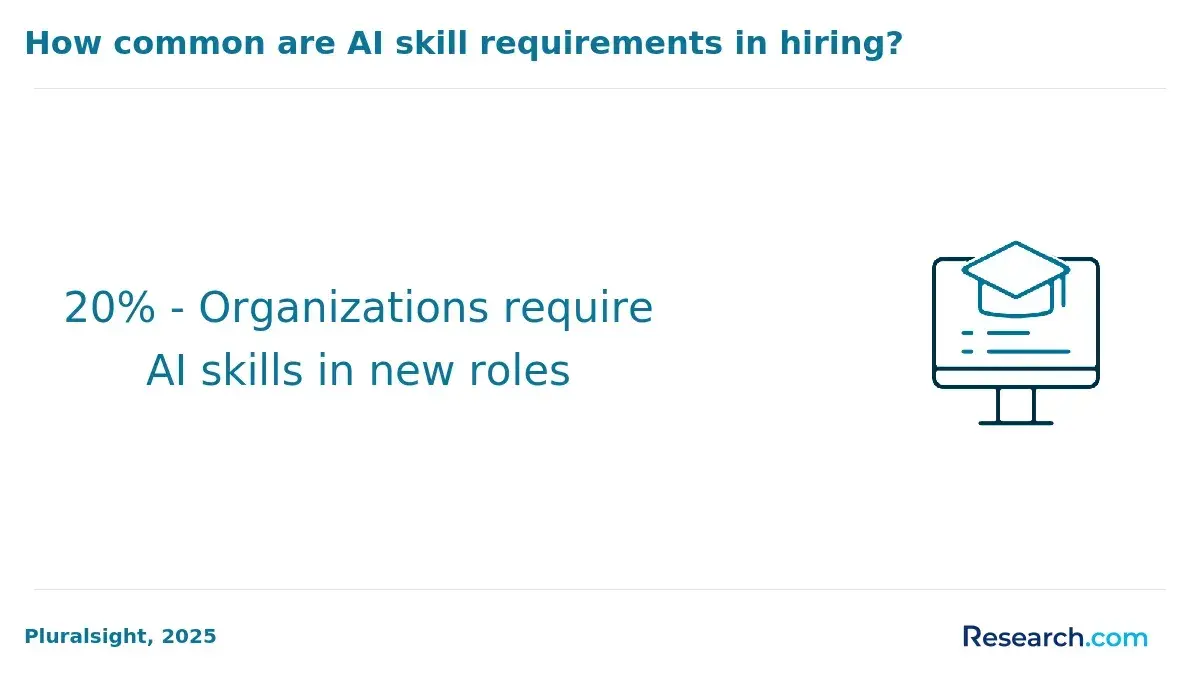
Technical proficiency with AI platforms like TensorFlow, Microsoft Azure AI, and Google Cloud AI enables sellers to customize solutions beyond third-party services. Programming basics in Python or R tailored to practical AI applications remain important for hands-on implementation. Ethical considerations, including data privacy and AI model bias evaluation, ensure compliance and foster customer trust.
Practical case studies simulating real marketplace challenges improve readiness for deploying AI innovations. Certification aligned with industry standards is valuable since many employers highly prefer verified AI and data skills in candidates. For those interested in expanding their digital expertise, exploring a game design degree may offer complementary skills in interactive technologies and programming.
How can marketplace-focused AI courses support long-term career growth in e-commerce and retail?
Marketplace-focused AI courses empower ecommerce professionals and marketplace sellers with essential skills for sustained career growth. These programs cover data analysis, customer behavior prediction, inventory optimization, and automated marketing-core areas for success in digital retail. By developing strong marketplace seller AI skill development, learners enhance decision-making and operational efficiency, increasing their competitiveness in the job market or enabling them to scale their own businesses effectively.
Practical training addresses challenges like demand forecasting, dynamic pricing, and personalized customer engagement. Mastering AI-driven recommendation systems can boost sales conversion and retention, while understanding machine learning algorithms helps resolve supply chain delays and prevent stock shortages. Ecommerce career growth through artificial intelligence courses also prepares professionals for roles in data-driven strategy, product management, and digital marketing, which show steady demand.
LinkedIn's Workplace Learning Report highlights a 160% yearly increase in AI and data literacy course hours, signaling high employer prioritization. Additionally, these courses provide adaptable skill sets suited for marketplaces such as Amazon and Shopify and technologies like AI chatbots and voice commerce. For those considering advanced studies, a PhD in data science online offers deeper expertise and career advancement opportunities.
Investing in AI education enables marketplace sellers to meet employer expectations, optimize pricing, listings, and customer service, and future-proof their careers in an evolving retail landscape.
What types of AI learning pathways exist for marketplace sellers, from short courses to full degrees?
AI learning pathways for marketplace sellers range from short, practical courses to full academic degrees. Short courses, lasting hours or weeks, focus on skills like AI tools for inventory management, pricing strategies, and automated customer service chatbots, ideal for sellers needing quick, applicable knowledge.
Intermediate programs offer specialized training in AI-driven advertising and analytics, including courses on AI for pay-per-click (PPC) bidding and creative optimization. According to Google Ads Marketing Insights, advertisers using AI-driven bidding on retail and marketplace campaigns experienced a median 18% increase in return on ad spend (ROAS) compared to manual optimization.
Advanced certificates and professional diplomas cover machine learning, data science, and analytics tailored to e-commerce. These programs help sellers develop predictive models for demand forecasting, customer segmentation, and profit optimization.
For more comprehensive expertise, undergraduate and graduate degrees in data science, business analytics, or artificial intelligence involve rigorous study of algorithms, programming, and quantitative analysis, preparing professionals for leadership or technical consultancy roles in marketplaces.
Sellers should consider time availability, goals, and skill levels before selecting a pathway. Combining online platforms with accredited academic programs allows for flexible, targeted learning suited to today's competitive digital marketplaces.
How do online AI programs for marketplace sellers compare with campus-based options in flexibility and outcomes?
Online AI programs for marketplace sellers provide greater flexibility than traditional campus-based options, allowing learners to manage coursework alongside professional commitments. These programs usually feature self-paced modules and asynchronous lectures, enabling students to study anytime and from any location. Conversely, campus-based courses have fixed schedules, require in-person attendance, and involve commute time, which can be challenging for working professionals. For sellers handling live inventories or unpredictable hours, online formats minimize disruptions and offer immediate application of AI concepts to real-world business challenges.
Both formats deliver comparable knowledge, but online programs often focus on practical, skills-oriented training relevant to ecommerce. For example, courses in product research and demand forecasting employ AI models proven to reduce stockouts by up to 65% and inventory holding costs by 10%, based on Capgemini's "AI in Retail & Consumer Products" update. Campus-based courses may provide deeper theoretical foundations and networking opportunities, useful for students aiming at research or academic careers.
Online programs tend to update curricula more rapidly, reflecting the fast pace of AI advancements, while usually costing less by eliminating relocation and commuting expenses. Critical factors for learners include verifying instructor expertise and access to interactive support, as online students may face challenges without direct faculty engagement.
What accreditation and institutional quality signals matter for AI programs serving marketplace professionals?
Accreditation from recognized bodies plays a vital role in assessing AI programs for marketplace professionals. Regional accreditation is particularly important as it ensures institutions meet stringent academic standards, which impact credit transferability and employer recognition. National accreditation may reflect specialized focuses but generally holds less influence than regional accreditation. Additionally, professional certifications connected to industry standards-such as those offered by AI-specific organizations or marketplaces like Amazon or eBay-provide evidence of practical skills and current marketplace relevance.
Quality signals for these programs include faculty expertise in AI applications for commerce, partnerships with leading technology providers, and curricula aligned with up-to-date marketplace needs. Programs offering real-world projects, case studies, or internships with e-commerce platforms grant invaluable hands-on experience. For instance, courses featuring training in AI copywriting tools or listing optimization software align closely with market demands. Research shows that listings utilizing AI-optimized titles and descriptions achieve 12-20% higher click-through rates and 8-15% greater conversions, highlighting the advantage of practical AI skills.
It is also important that programs address ethical AI use and data privacy, critical considerations for marketplace sellers adopting AI tools. Updated syllabi should reflect emerging trends such as generative AI and automated customer insights. Course length and flexibility further indicate quality, especially when designed to accommodate working professionals balancing career and study.
In summary, academic accreditation, specialized certifications, and experiential learning together prepare marketplace sellers to leverage AI effectively and responsibly, supported by data-driven results.
What are typical costs, financing options, and ROI for AI courses aimed at marketplace sellers?
Costs for ai courses aimed at marketplace sellers range widely, typically between $300 and $2,000, depending on the program's depth and focus. Introductory classes that emphasize AI tools for inventory management and customer interaction usually cost under $500. More specialized courses on machine learning algorithms, predictive analytics, and custom chatbot development can exceed $1,200. Financing options are commonly available, including installment plans, income share agreements (ISAs), and sometimes employer reimbursement for qualifying professionals. Subscription platforms like Coursera and Udacity offer monthly access to multiple courses for around $40 to $60, appealing to sellers seeking continuous learning without upfront costs.
Return on investment is often seen through improved operational efficiency and reduced costs. For instance, companies implementing AI-powered chatbots for e-commerce customer service experienced a 30% drop in resolution time and a 25% reduction in support expenses, based on data from the Zendesk Customer Experience Trends Report. These improvements help maintain satisfaction scores while enhancing profit margins. Sellers typically recover course fees within months by automating routine tasks like review management and personalized marketing.
When selecting courses, marketplace sellers should prioritize practical applicability and ongoing support to ensure effective implementation of AI tools. Financing options such as employer sponsorships or education loans can lower barriers, especially for smaller sellers. Courses featuring real-world projects often enable faster integration and stronger competitive advantages.
Which AI-related job roles, titles, and salary ranges are most relevant for marketplace sellers upskilling?
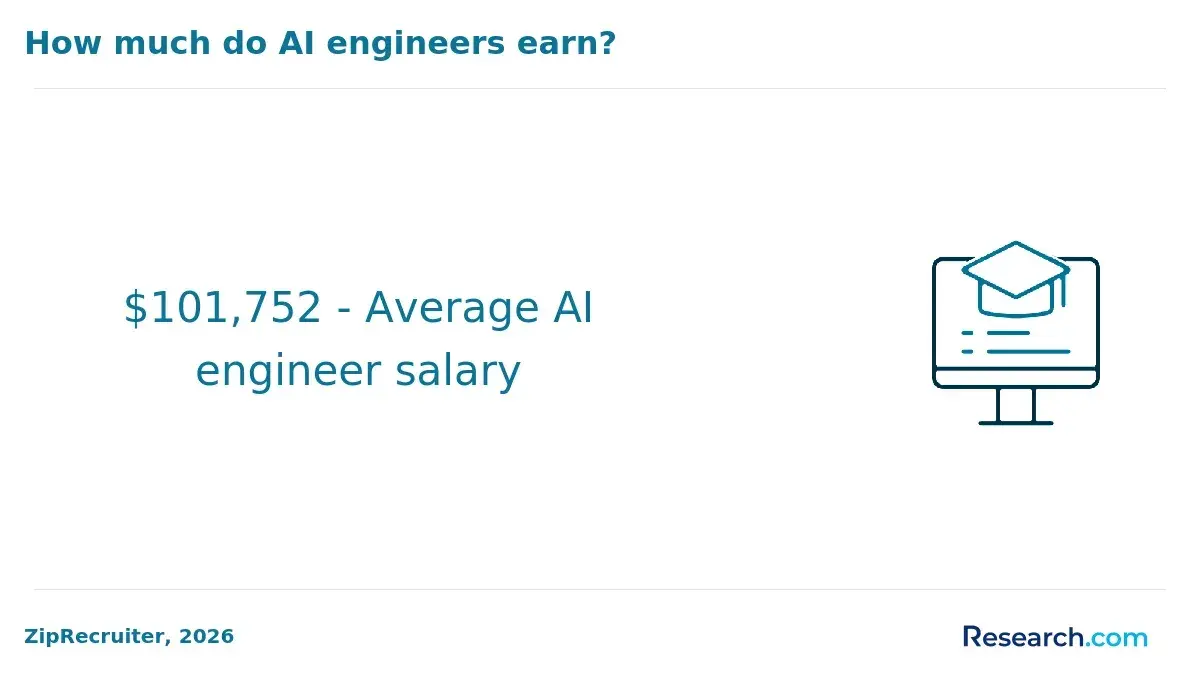
Marketplace sellers focused on artificial intelligence roles such as AI operations manager, automation specialist, and data analyst play a critical part in boosting e-commerce efficiency and growth. These jobs offer annual salaries typically ranging from $60,000 to $120,000 based on experience and company size.
Key roles include:
- AI operations managers, who oversee workflow automation and system integration to maintain smooth marketplace functions
- Automation specialists, responsible for designing AI-driven marketing campaigns and order processing systems
- Data analysts skilled in AI tools, optimizing pricing and inventory decisions with salaries from $65,000 to $95,000
- Emerging positions like AI product managers and machine learning engineers, earning between $90,000 and $140,000
Prospective students and professionals should develop practical expertise in AI automation platforms and workflow AI agents to enhance operational productivity. According to the Shopify Future of Commerce Report, small to midsize e-commerce businesses leveraging AI-powered automation realize productivity gains equivalent to 2.5 full-time employees per 50 staff.
These skills address challenges such as reducing manual workloads and improving supply chain responsiveness, positioning learners in high-demand areas with tangible business impact.
How can marketplace sellers evaluate certifications, portfolios, and credentials from AI programs on their resumes?
Marketplace sellers assessing certifications, portfolios, and credentials related to artificial intelligence programs must verify the credibility of the issuing organizations. Certifications from recognized universities, accredited institutions, or industry leaders carry more weight and validity. Key questions include:
- Is the certification provided by a reputable source?
- Does the program include hands-on projects showcasing real-world ai skills?
- Are the curricula aligned with current ai technologies relevant to marketplace selling, such as demand forecasting or customer behavior analysis?
Evaluating portfolios requires careful review of the scope, complexity, and results of ai projects. Effective portfolios demonstrate problem-solving with ai tools, data-driven decision-making, and the integration of ai models into business applications. For instance, a portfolio illustrating a predictive sales model that improved accuracy by a notable margin is more impactful than one featuring only generic tasks.
Credentials should be judged on technical depth and practical applicability. It's important to distinguish between superficial certificates and comprehensive ai upskilling programs that cover machine learning, data preprocessing, and algorithm tuning.
Structured ai education investments clearly correlate with business growth. A prominent survey found that companies with ai-trained commercial teams were 1.7 times more likely to exceed 10% revenue growth year-over-year, emphasizing the value of quality ai programs that develop measurable skills rather than cursory certifications.
Other Things You Should Know About Artificial Intelligence
Artificial intelligence relies heavily on large datasets, which often include sensitive customer and business information. Marketplace sellers using AI must ensure compliance with data privacy regulations such as GDPR and CCPA to protect consumer data. Implementing secure data handling practices and using anonymized data where possible helps mitigate risks associated with AI-driven analytics and personalization.
Artificial intelligence can automate routine tasks, analyze trends, and provide predictive insights, but it does not fully replace human judgment in marketplace sales. Sellers benefit most when they use AI as a tool to augment decisions, combining AI-generated data with personal experience and market knowledge. Critical thinking and strategic planning remain essential in interpreting AI outputs effectively.
In 2027, top AI courses for marketplace sellers include Stanford's "AI in E-Commerce," Coursera's "AI for Business," edX's "AI Strategies for Marketplaces," and LinkedIn Learning's "AI Tools for Online Sellers." These courses focus on practical AI applications to enhance sales and efficiency in online marketplaces.
Marketplace sellers should watch for trends such as increased use of AI-driven personalization, voice commerce integration, and real-time inventory optimization. Advances in natural language processing and computer vision will further enhance customer experience and operational efficiency. Staying informed and adaptable to these evolving AI capabilities is crucial for maintaining a competitive edge.
References
- AI Certification Programs: Which Ones Matter for Your Career https://www.businessplusai.com/blog/ai-certification-programs-which-ones-matter-for-your-career
- AI Development Cost Estimation: Pricing Structure, Implementation ROI https://www.coherentsolutions.com/insights/ai-development-cost-estimation-pricing-structure-roi
- AI Policies Every Online Institution Should Adopt Before 2027 https://iacde.org/uncategorized/ai-policies-every-online-institution-should-adopt-before-2027/
- The 9 Best AI Courses for Sales Professionals in 2026 - Aiifi https://www.aiifi.ai/post/best-ai-courses-sales
- AI training and tools for small businesses | Grow with Google https://grow.google/ai-for-small-businesses/
- Guide to AI in Online Shopping https://blog.saleslayer.com/do-retailers-dream-of-electric-shipments-the-state-of-artificial-intelligence-and-online-shopping
- ROI of AI Customer Service: 2026 Benchmarks & Data https://fin.ai/learn/roi-ai-customer-service-agents-benchmarks
- Datamantis Blog - AI-Powered E-commerce: 5 Ways Artificial Intelligence is Revolutionizing Online Retail for SMEs https://www.datamantis.ai/post/ai-powered-e-commerce-5-ways-artificial-intelligence-is-revolutionizing-online-retail-for-smes
- AI career success in 2025: key learning paths and skills https://www.pluralsight.com/resources/blog/ai-and-data/2025-ai-career-skills
- AI in E-Commerce, Product Listings and Marketplace Optimization in Córdoba, Argentina | IA University https://ia.university/academic-programs/ai-ecommerce-product-listings-marketplace-optimization-cordoba-iau/