2027 Best AI Literacy at Work Courses for Executives

Co-Founder and Chief Data Scientist
Executives often face challenges understanding how artificial intelligence impacts their industries and business strategies. Without proper literacy, decision-makers risk missing opportunities or making misguided investments. Rapid advancements create a knowledge gap between leadership and technical teams, hindering effective communication and innovation. This disconnect affects competitive advantage and operational agility in technology-driven markets. This article explores the best courses designed to boost artificial intelligence literacy for executives, focusing on flexible, accredited programs that equip leaders with practical skills to lead AI initiatives confidently and make informed strategic decisions.
Key Things You Should Know
- Executive AI literacy courses focus on strategic integration, with 72% of participants reporting improved decision-making abilities within three months, according to 2025 industry reports.
- Top programs emphasize ethical AI use and data privacy, addressing increasing regulatory demands and reducing organizational risk in complex AI environments.
- Flexible online formats and micro-credentials make executive training widely accessible, with enrollment growing over 45% annually among U.S. business leaders since 2024.
Advance Your Career with AI Online Courses
Artificial Intelligence: Implications for Business Strategy
This program provides an introduction to Artificial Intelligence and their implications for business strategy. Earn an official digital certificate.

Oxford Artificial Intelligence Programme
Explore this Oxford Artificial Intelligence programme offered in a flexible learning environment and explore topics like machine learning, automation, and robotics.

Implementing Agentic AI: Building Your Organizational Playbook
This online MIT Agentic AI course offers a practical approach to deploying AI agents in your organization, including a custom playbook. 3 weeks, exclusive launch price.

AI Adoption: Driving Business Value and Impact
This online MIT AI Adoption: Driving Business Value and Impact offers practical frameworks to close the gap between AI potential and business reality.

Artificial Intelligence in Pharma and Biotech
Discover the applications and limitations of artificial intelligence in pharma and biotech with this MIT online short course.

What is AI literacy at work for executives, and why does it matter now?
AI literacy skills for executives in the workplace are essential for navigating the strategic integration of artificial intelligence across business functions. Executives must evaluate AI opportunities, guide teams through AI-powered changes, and understand AI's influence on workflows, data, and customer relations. For business leaders, the importance of AI understanding includes recognizing AI's role in areas like risk assessment in finance and personalized marketing campaigns. Additionally, grasping AI ethics, bias, and governance helps mitigate operational and reputational risks.
Practical AI literacy empowers executives to:
- Identify AI use cases and prioritize investments based on ROI.
- Collaborate effectively with data scientists and AI specialists.
- Develop workforce strategies that include AI reskilling.
- Ensure compliance with emerging regulations governing AI deployment.
- Lead change management initiatives that accompany AI adoption.
A 2024 Accenture study found that 95% of global executives believe AI will transform how organizations operate within three years, yet only 27% feel they have the skills to adopt AI at scale. This gap makes targeted education critical. Investing in relevant learning is no longer optional but necessary to maintain competitive advantage.
Prospective business leaders interested in gaining these competencies can explore a computer science degree online to build foundational expertise in AI technologies and applications.
Advance Your Career with AI Online Courses
Artificial Intelligence: Implications for Business Strategy
This program provides an introduction to Artificial Intelligence and their implications for business strategy. Earn an official digital certificate.
Oxford Artificial Intelligence Programme
Explore this Oxford Artificial Intelligence programme offered in a flexible learning environment and explore topics like machine learning, automation, and robotics.
Implementing Agentic AI: Building Your Organizational Playbook
This online MIT Agentic AI course offers a practical approach to deploying AI agents in your organization, including a custom playbook. 3 weeks, exclusive launch price.
What types of AI literacy courses are best suited for executives and senior leaders?
Executive and senior leadership artificial intelligence training programs focus on strategic understanding, decision-making frameworks, and real-world applications rather than technical coding skills. These courses prepare leaders to recognize AI-related opportunities and risks while navigating ethical, operational, and competitive impacts within their organizations. Incorporating case studies on AI-driven business transformation provides executives with relevant insights that inform strategy development and change management. Modules on AI-enabled customer insights, process automation, and workforce augmentation illustrate how AI shifts organizational priorities and resource allocation.
With 75% of companies planning AI adoption but only half of employees having adequate upskilling access, AI literacy courses tailored for executives help bridge these operational gaps and strengthen cross-functional collaboration. Training often covers AI governance, legal considerations, and data privacy, equipping leaders to manage the complex regulatory landscape. Emphasizing AI's influence on organizational culture and workforce dynamics also assists in addressing challenges related to reskilling and talent retention.
These programs typically combine immersive workshops, scenario planning, and metrics evaluation to assess AI investment ROI and competitive advantage. The World Economic Forum's Future of Jobs report highlights that 60% of workers will require upskilling soon. Therefore, leaders gain by fostering continuous AI literacy initiatives within their teams to close the capability gap. For those interested in deeper study, an AI online degree offers structured pathways to build expertise.
Effective executive training is concise, actionable, and tailored to industry-specific AI trends. Leadership programs focusing on sectors such as finance, healthcare, or manufacturing highlight relevant opportunities and challenges, helping senior leaders make informed AI decisions that drive organizational innovation.
How do you evaluate and compare the top AI literacy at work courses for executives?
When you evaluate best AI literacy courses for executives in the workplace, focus on curriculum relevance, ensuring the training covers strategic AI concepts, practical applications, and ethical considerations tailored for leadership roles. Courses with case studies from industries similar to your own offer more actionable insights. Instructor expertise is essential; seek programs led by professionals or academics experienced in AI governance and business transformation. The course format matters-flexible, modular designs combining asynchronous learning with live sessions help executives manage demanding schedules.
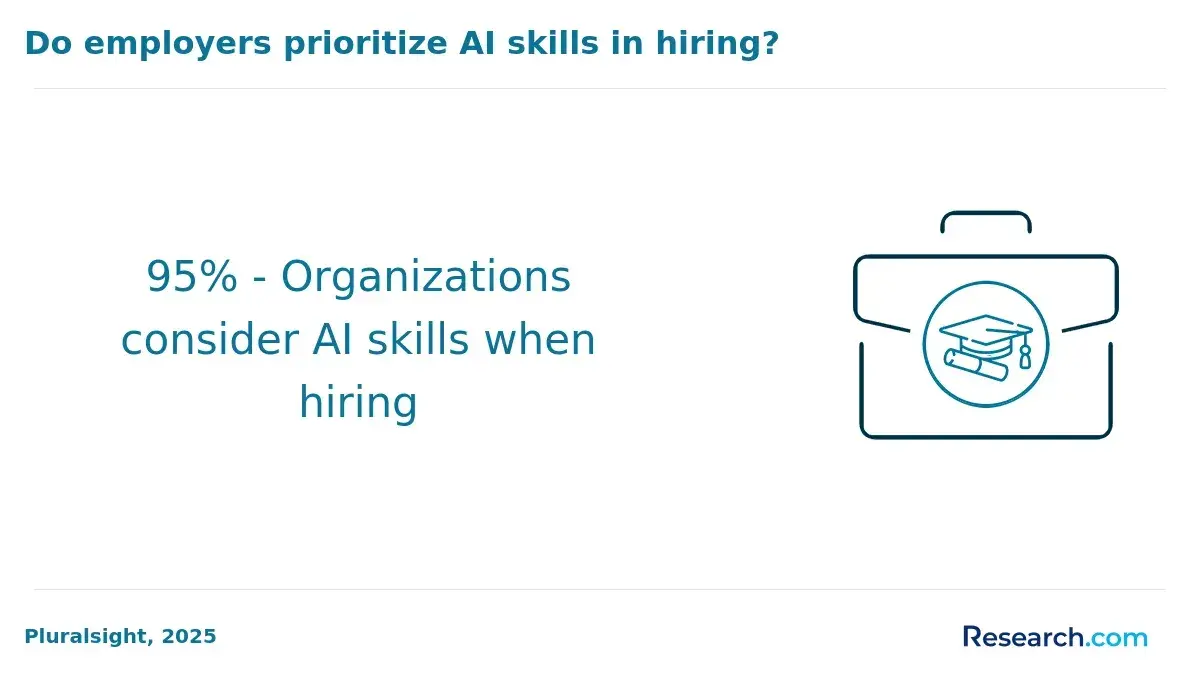
Practical assessments like project-based assignments or simulations are key to measuring comprehension and skills application. Post-completion support, such as mentorship or peer networks, helps reinforce learning. Pricing and certification should be weighed, especially certificates from recognized institutions, which enhance credibility. According to PwC's Global AI Jobs Barometer, AI-skilled workers can command wage premiums averaging 25%, reaching up to 40-60% in some roles, underscoring the economic benefits of such education.
To compare top AI literacy training programs for business leaders effectively, consider participant reviews and employer endorsements to verify real-world impact. Also, look for courses customized to your sector or company size, as executive needs differ widely. For those exploring advanced data studies, the cheapest online data science masters programs offer budget-friendly pathways to build critical technical skills alongside leadership training.
What should executives look for in an AI literacy curriculum and learning outcomes?
Executives seeking AI literacy skills for executive leadership should focus on curricula that emphasize strategic decision-making grounded in clear knowledge of AI capabilities and limitations. Programs must develop competencies such as assessing AI-driven business opportunities, implementing ethical governance frameworks, and fostering collaboration between AI and business teams. Practical skills involving the interpretation of AI-generated insights and integrating AI tools into organizational workflows are more valuable than technical coding expertise.
Effective AI curriculum outcomes for business executives often cover three essential areas: fundamental AI concepts explained in accessible language; real-world case studies demonstrating AI's role in improving operational efficiency, customer engagement, and innovation; and ethical and regulatory issues that prepare leaders to address bias, ensure transparency, and navigate evolving policies.
- Scalable, interactive learning content that supports continuous adaptation to rapid AI advancements.
- Simulations and tools that measure AI's business impact to build confidence in decision-making.
- Clear success metrics such as adoption rates and tangible organizational value from AI initiatives.
According to LinkedIn's 2025 Workplace Learning Report, executives consuming AI-related learning content increased by 160% year-over-year, highlighting strong demand for leadership programs with practical AI integration outcomes rather than just awareness. For those evaluating education options, understanding the cost of computer science degree can be an important factor in planning for such professional development.
How do online, hybrid, and on-campus AI literacy programs for executives differ?
Online, hybrid, and on-campus AI literacy programs for executives differ greatly in structure, interaction, and flexibility.
Online programs provide maximum flexibility, ideal for busy professionals juggling demanding schedules and travel. Learners can access course materials anytime, anywhere, but these programs often lack real-time networking and hands-on collaboration.
Hybrid programs combine online coursework with scheduled in-person sessions, balancing convenience with direct engagement. This format supports practical workshops and group projects, enhancing executive learning through peer interaction.
On-campus programs offer immersive experiences with continuous access to instructors, peers, and university resources. These settings enable in-depth discussions, immediate feedback, and vital networking opportunities for leaders incorporating AI into their strategies. However, they require dedicated full-time blocks, which may challenge busy executives.
Coursera's 2024 Global Skills Report highlights a 63% year-over-year increase in enterprise learners consuming AI and machine learning content, signaling robust demand across all formats.
Executives prioritizing foundational knowledge and schedule flexibility often benefit most from online study. Those seeking strategic application skills and collaborative learning may prefer hybrid courses, while intensive, network-driven learning suits on-campus options.
Assessing personal availability, learning preferences, and career goals is essential when selecting the ideal delivery format for AI literacy.
Which universities and providers offer accredited or academically backed executive AI literacy programs?
Top universities and providers deliver accredited executive artificial intelligence literacy programs designed for business leaders aiming to leverage AI effectively. Stanford Graduate School of Business offers "AI and Business Strategy," emphasizing practical, data-driven decision-making. MIT Sloan's "Artificial Intelligence: Implications for Business Strategy" integrates theory with real-world case studies, while Harvard Business School focuses on blending technical fundamentals with strategic applications.
Professional organizations such as the Wharton School and Northwestern's Kellogg School of Management highlight ethical AI use and leadership in their executive curricula. Flexible yet academically aligned training comes from providers like Microsoft's AI Business School and London Business School's AI-focused courses, catering especially to working professionals.
Costs vary widely, reflecting program length, accreditation, and prestige. According to a Poets&Quants for Execs review, prices generally range from $600 to $15,000, with most short courses between $2,500 and $7,000. When selecting programs, executives should prioritize:
- Accredited credentials from universities or recognized certifications
- Updated curricula that reflect evolving AI trends
- Cohort-based learning with practical projects
- Focus on AI's strategic business impact
Such programs promote not only foundational knowledge but also the practical skills and peer networking necessary for effective AI-driven leadership.
What are the typical admission requirements and time commitments for executive AI literacy courses?
Executive AI literacy courses typically require applicants to have at least five years of managerial or executive experience, highlighting leadership and decision-making skills. While some programs ask for prior exposure to data analytics or basic technical fluency, many are designed for executives without deep technical backgrounds. A completed bachelor's degree is often required, though some exceptions are made for candidates with strong business leadership credentials. Applicants should also be prepared to submit a resume and a statement of purpose explaining their interest in applying AI within their organizations.
Course durations vary widely. Options include short workshops lasting 2-5 days and more comprehensive certificate programs spanning 8-12 weeks. Many offer part-time schedules with live sessions held outside of typical business hours to accommodate busy professionals. Online and hybrid formats add flexibility, enabling learners to balance ongoing work commitments. Weekly time commitments generally range from 3-6 hours, covering coursework, assignments, and group discussions. Some advanced courses also involve practical projects or case studies requiring an additional 15-20 hours of effort beyond live sessions.
According to McKinsey's 2024 Global Survey on AI, companies in financial services are almost twice as likely as others to report at least 5% of EBIT attributable to AI adoption. This highlights the critical need for executives to acquire actionable knowledge quickly to generate measurable business value.
How much do executive AI literacy programs cost, and what funding options exist?
Executive AI literacy programs vary widely in cost, typically ranging from $2,000 to $15,000 per participant based on factors such as provider, format, and program depth. Short online courses or workshops suited for busy executives seeking foundational knowledge usually cost between $2,000 and $5,000. More intensive boot camps or certificate programs, often provided by top business schools or specialized providers, can reach $10,000 to $15,000 and may include personalized coaching and in-depth case studies.
Corporate-sponsored training remains the primary funding source, as many organizations recognize the importance of developing AI skills in response to growing concerns about AI-related data security and privacy risks. IBM's 2024 AI Trust, Risk and Security report highlights that 82% of enterprises are worried about these risks, yet only 24% have enterprise-wide AI governance frameworks, prompting investment in executive education focused on governance and risk management.
Executives exploring funding options should also consider:
- Employer tuition reimbursement programs requiring prior approval and specific criteria
- Professional development funds managed by HR or learning and development departments
- Industry association scholarships or grants targeting technology leadership
- Government workforce development grants for high-demand skills like AI literacy
Flexible payment plans and group discounts may be available to improve accessibility. When evaluating costs, decision-makers should weigh the potential return on investment, such as enhanced risk management, innovation leadership, and competitiveness in AI-driven markets.
What career benefits, roles, and salary impacts can AI-literate executives realistically expect?
Executives with strong AI literacy hold a clear advantage in career growth, leadership opportunities, and salary potential. Organizations led by senior leaders proficient in AI are more than twice as likely to achieve high outcomes from AI initiatives, according to Deloitte's 2024 State of AI in the Enterprise survey (46% vs. 19%). This advantage translates into roles such as chief innovation officers, AI strategy leads, digital transformation heads, and data-driven decision-makers.
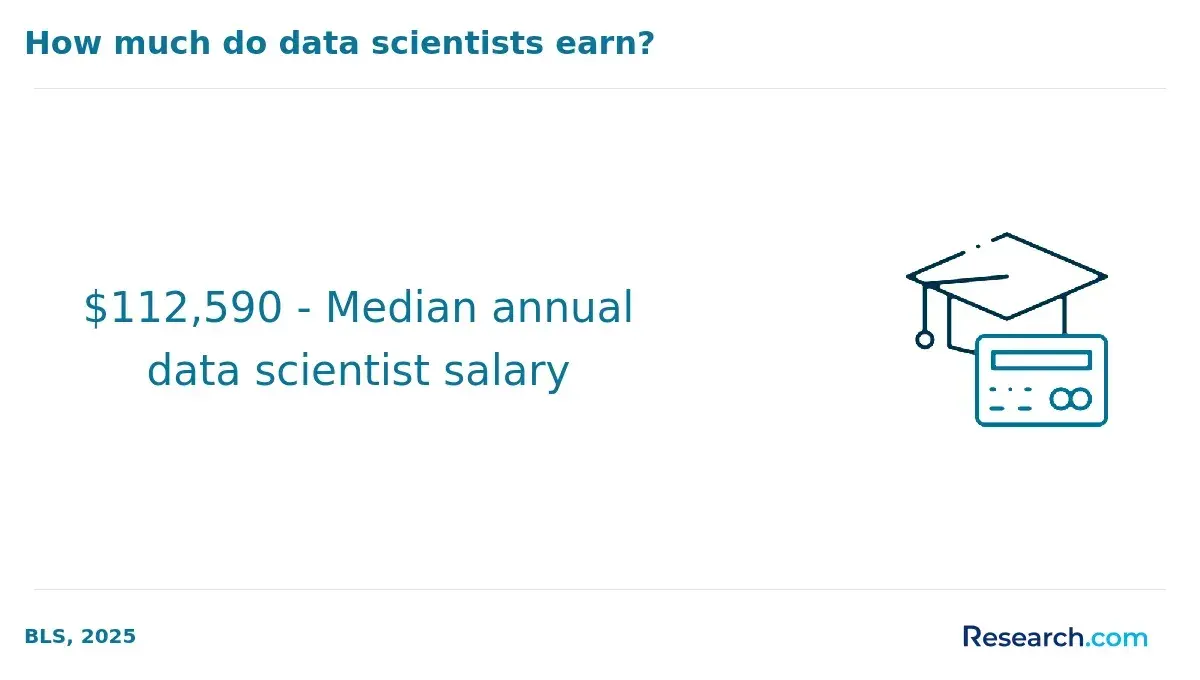
These positions require understanding AI capabilities, ethical concerns, and how to integrate AI with business objectives, making AI literacy a key differentiator in competitive leadership pathways. Salary premiums for AI-skilled executives range between 15% and 25% above peers without this expertise, reflecting high demand for leaders who can guide AI-driven growth and risk management.
Practical benefits include enhanced cross-functional collaboration, improved forecasting, and more efficient resource allocation through AI insights. Executives knowledgeable in AI also excel in managing change, critical for navigating workforce reskilling and ethical compliance challenges during AI adoption.
Prospective leaders should prioritize AI education to future-proof their careers and unlock substantial benefits. For further insights, explore specialized AI programs and resources that align with career goals in this dynamic field.
How can executives verify program quality, instructor expertise, and industry alignment in AI literacy courses?
Executives seeking quality AI literacy courses should verify accreditation from recognized bodies like AACSB or EQUIS, ensuring the program meets high academic and professional standards. Partnerships with industry leaders also indicate curriculum relevance and alignment with current business demands. Instructor credentials are equally important; look for faculty with advanced degrees in computer science, data science, or business analytics, combined with hands-on experience in AI strategy or implementation. Public profiles, published research, or engagements at notable AI conferences add credibility.
Effective programs focus on real-world applications, including case studies, ethical AI use, data governance, and business integration such as marketing or finance. Cross-disciplinary content reflects responsiveness to AI's evolving impact. Notably, recent research from the Graduate Management Admission Council highlights a 35% increase in AI for business course applications, underscoring growing demand.
Executives should also consider whether programs provide access to AI tools and datasets, networking opportunities with startups or consortia, and ongoing certification for skill maintenance. A syllabus updated with the latest AI research and compliance requirements ensures continued relevance. These factors combined offer a comprehensive measure of program quality and value for professional growth.
Other Things You Should Know About Artificial Intelligence
The top AI literacy courses for executives in 2027 emphasize practical application, ethical understanding, and strategic implementation. Notable courses include Stanford's "AI for Leadership," MIT's "Executive Program in Artificial Intelligence," and INSEAD's "AI Strategies and Implications for Business." These programs focus on equipping executives with the skills to leverage AI effectively.
Executives must address issues such as bias in AI algorithms, data privacy, and transparency. Responsible use of AI involves ensuring fairness, accountability, and compliance with applicable laws and regulations. Understanding these ethical dimensions is essential to maintain trust with customers, employees, and stakeholders.
Yes, executives do not need deep technical expertise to lead AI initiatives effectively. Strong leadership requires understanding AI's potential and limitations, strategic alignment with business goals, and fostering collaboration between technical teams and other departments. AI literacy courses often focus on these leadership skills rather than technical coding knowledge.
Executives frequently encounter challenges such as data quality issues, change management resistance, and unclear ROI metrics. Integrating AI with existing systems and aligning AI projects with business strategy also requires careful planning. Overcoming these challenges involves clear communication, stakeholder engagement, and continuous evaluation.
References
- [AI Act] AI Literacy, i.e. required AI competencies. It’s time to start implementing them https://crido.pl/en/blog-business/ai-act-ai-literacy-i-e-required-ai-competencies-its-time-to-start-implementing-them/
- AI Literacy Programs in Europe – Supporting Article 4 of the EU AI Act https://artificialintelligenceact.eu/ai-literacy-programs/
- AI Literacy Training- Swiss Cyber Institute https://swisscyberinstitute.com/ai-literacy-training/
- AI's impact on jobs: A guide to future-proofing your career https://www.learningpeople.com/uk/career-insights/career-guides/ai-impact-on-jobs/
- Suggested learning for Executives and Sr Business Leaders? https://community.deeplearning.ai/t/suggested-learning-for-executives-and-sr-business-leaders/315474
- Digital Education Council | AI Literacy for All Course https://www.digitaleducationcouncil.com/digital-education-council-ai-literacy-for-all-course
- Major Organizations Commit to Supporting AI Education https://www.whitehouse.gov/releases/2025/09/major-organizations-commit-to-supporting-ai-education/
- AI for Executives: Top AI Training Programs (2025) https://www.corpoladder.com/blog/ai-strategy-leadership-training-executives
- AI Training Cost Per Employee 2026 https://www.pertamapartners.com/insights/cost-per-employee-ai-training-budgeting
- AI Literacy in the Workplace: What To Actually Expect in 2026 https://ailiteracyacademy.org/ai-literacy-in-the-workplace-2026/