2027 Best LinkedIn Learning AI Courses for AI Governance

Co-Founder and Chief Data Scientist
Organizations increasingly face ethical and regulatory challenges as artificial intelligence technologies evolve rapidly. Professionals often struggle to understand AI governance principles essential for compliance and responsible innovation. Without proper knowledge, companies risk costly violations, reputational damage, and unintended social impacts. Students and professionals from unrelated fields seeking to pivot into AI require accessible, practical training that bridges technical skills with governance frameworks.
This article highlights top LinkedIn Learning courses designed to equip learners with critical insights on AI governance, helping them navigate complex regulatory environments and contribute to ethical AI development effectively.
Key Things You Should Know
- LinkedIn Learning's 2026 AI governance courses emphasize ethical frameworks, data privacy, and regulatory compliance, reflecting a 35% growth in corporate demand for AI governance skills since 2024.
- Courses integrate real-world case studies and the latest 2025 federal guidelines, helping professionals navigate AI risks and accountability in diverse industries.
- More than 60% of surveyed learners reported career advancement or salary increases within six months of completing AI governance training on LinkedIn Learning.
Advance Your Career with AI Online Courses
Artificial Intelligence: Implications for Business Strategy
This program provides an introduction to Artificial Intelligence and their implications for business strategy. Earn an official digital certificate.

Oxford Artificial Intelligence Programme
Explore this Oxford Artificial Intelligence programme offered in a flexible learning environment and explore topics like machine learning, automation, and robotics.

Implementing Agentic AI: Building Your Organizational Playbook
This online MIT Agentic AI course offers a practical approach to deploying AI agents in your organization, including a custom playbook. 3 weeks, exclusive launch price.

AI Adoption: Driving Business Value and Impact
This online MIT AI Adoption: Driving Business Value and Impact offers practical frameworks to close the gap between AI potential and business reality.

Artificial Intelligence in Pharma and Biotech
Discover the applications and limitations of artificial intelligence in pharma and biotech with this MIT online short course.

What is AI governance and why do LinkedIn Learning AI courses matter for it?
AI governance is a crucial framework of policies, procedures, and controls ensuring AI systems operate ethically, securely, and comply with legal standards. It tackles challenges such as data privacy, algorithmic bias, and cross-border regulations. Effective AI governance prevents misuse, protects stakeholder interests, and promotes transparency in AI deployment.
LinkedIn Learning AI courses for ethical AI management play a pivotal role in preparing professionals to handle these challenges. They offer focused training on risk assessment, ethical AI design, and compliance strategies tailored to industries adopting AI technologies. For instance, these courses help learners detect and mitigate biases in AI models, reducing discrimination risks in automated decision-making.
IBM's 2025 Cost of a Data Breach Report projects that by 2027, 40% of AI-related data breaches will arise from generative AI misuse across borders, emphasizing the growing need for skilled AI governance experts to navigate complex international laws and avoid costly security incidents.
Practical skills such as regulatory compliance, AI auditing, and incident response planning are essential for managing governance risks proactively. LinkedIn Learning also offers working professionals the flexibility to upskill amid job demands, ensuring they remain current with evolving governance standards and technologies.
Those aiming to build a career in AI-related fields should consider reputable educational pathways highlighted in the data science major ranking, which can enhance opportunities in this expanding domain. AI governance best practices in corporate training increasingly rely on comprehensive education to foster responsible and effective AI use across sectors.
Advance Your Career with AI Online Courses
Artificial Intelligence: Implications for Business Strategy
This program provides an introduction to Artificial Intelligence and their implications for business strategy. Earn an official digital certificate.
Oxford Artificial Intelligence Programme
Explore this Oxford Artificial Intelligence programme offered in a flexible learning environment and explore topics like machine learning, automation, and robotics.
Implementing Agentic AI: Building Your Organizational Playbook
This online MIT Agentic AI course offers a practical approach to deploying AI agents in your organization, including a custom playbook. 3 weeks, exclusive launch price.
Which LinkedIn Learning AI courses are best for building AI governance skills?
LinkedIn learning courses for ai governance skills provide focused training on compliance, ethical frameworks, risk management, and implementation of governance policies. The course "Ethics in AI and Data Science" helps learners identify and mitigate bias, ensure fairness, and understand regulatory requirements, equipping them to evaluate the ethical impact of AI systems. For those seeking the best ai governance training on LinkedIn learning, "AI for Business Leaders" targets professionals tasked with operationalizing AI projects, aligning use with organizational policies, and navigating legal mandates-addressing a critical need since many organizations have yet to scale AI governance effectively.
"Managing AI and Automation Risks" trains learners in identifying risks from AI deployment, establishing monitoring protocols, and preparing incident responses, essential for compliance and audits. Meanwhile, "Data Privacy and Protection" covers important regulations like GDPR and CCPA, helping ensure AI systems comply with data protection laws.
The collection of these courses offers a comprehensive skill set across technical, ethical, and management domains necessary for developing robust governance frameworks. Many professionals combine them to tackle real-world challenges in AI governance.
For individuals considering deeper education in fields related to AI governance, exploring an online degree in mechanical engineering can provide a strong technical foundation that complements AI governance expertise.
How do LinkedIn Learning AI governance courses compare with university degree programs?
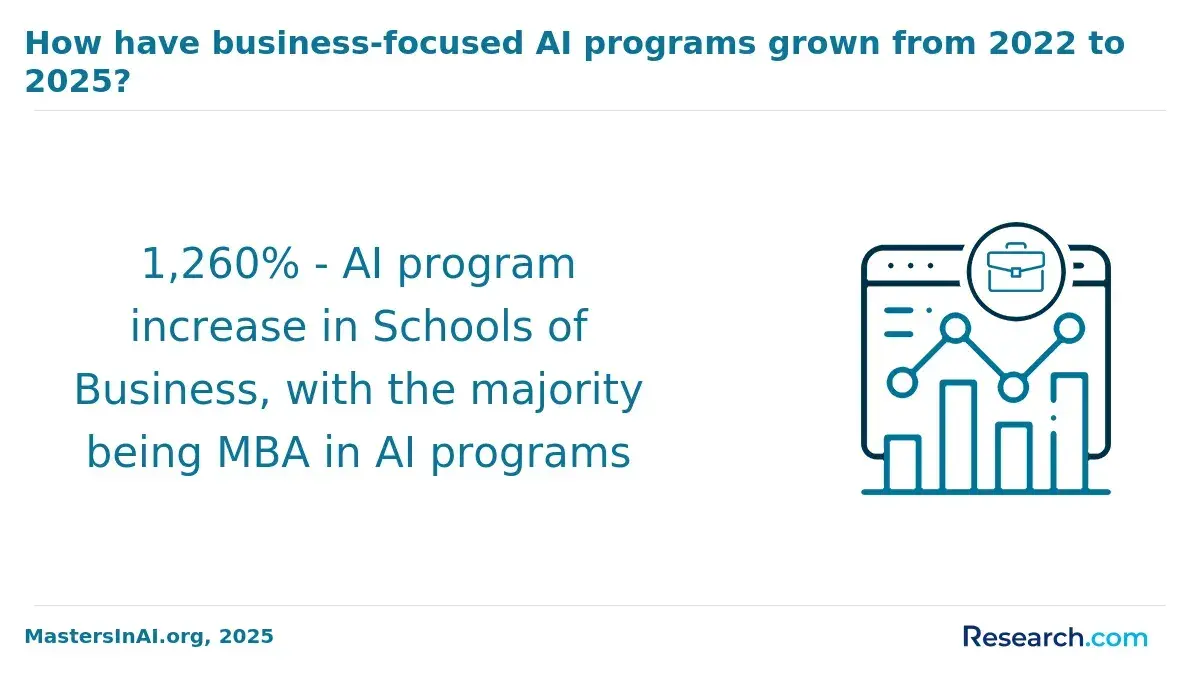
LinkedIn Learning AI governance courses offer practical AI governance skills from LinkedIn Learning compared to academic degrees by focusing on targeted, industry-relevant knowledge rather than broad theoretical foundations. While LinkedIn Learning emphasizes current best practices and compliance requirements for immediate workplace application, university degree programs provide a more comprehensive education, covering ethics, law, data security, and governance across multiple semesters.
The field of AI governance is still developing in formal education, as Microsoft's 2025 Responsible AI Pulse reveals that only 18% of companies have enterprise-wide AI governance frameworks. This gap allows LinkedIn Learning to continuously update its courses to meet rapidly changing industry needs.
- Flexibility: LinkedIn Learning provides modular, on-demand content suited to working professionals managing multiple responsibilities.
- Depth of Study: Academic degrees explore risk assessment and policy development in greater detail.
- Certification: University degrees grant academic credit, often required for leadership roles, whereas LinkedIn certificates highlight practical capabilities.
- Networking: University programs offer essential peer and faculty engagement for career growth.
Professionals looking to quickly implement AI governance frameworks benefit from LinkedIn Learning's efficiency, while leadership and research aspirants typically need university credentials. Exploring advanced degrees like a PhD in AI online can further enhance opportunities in this evolving field.
What backgrounds or prerequisites help learners succeed in AI governance coursework?
Success in AI governance coursework often requires a blend of technical, legal, and ethical knowledge. A foundational background in data science or computer science is essential for understanding complex algorithmic behaviors and system operations. Professionals familiar with regulatory frameworks like GDPR or HIPAA can better navigate compliance issues critical to AI deployment. Those interested in AI governance course prerequisites should consider this interdisciplinary approach carefully.
Experts with public policy, ethics, or legal backgrounds contribute valuable insight into AI's societal and regulatory impact. Understanding legislation such as the EU AI Act-which can impose fines up to €35 million or 7% of global annual turnover-highlights the importance of strict policy adherence. Strong analytical skills in risk assessment and project management further enable effective oversight of AI systems, particularly in compliance and governance roles.
Practical experience in AI deployment, including data privacy, software development, or security roles, enhances understanding of governance challenges like ambiguous policies and rapidly evolving technologies. Learners benefiting from LinkedIn learning backgrounds for AI governance programs find value in coursework combining case studies and real-world scenarios to prepare for these complexities. For professionals exploring advanced education options, reviewing the best masters in data analytics programs may provide a strong foundation aligned with AI governance careers in 2026.
How do LinkedIn Learning certificates in AI governance relate to accreditation and industry standards?
LinkedIn Learning certificates in AI governance offer foundational knowledge that aligns with recognized industry standards but do not constitute formal accreditation. These credentials indicate practical skills in key areas such as ethics, risk management, and regulatory frameworks essential for organizations aiming to meet emerging compliance requirements.
The courses often cover important frameworks like ISO/IEC standards for AI risk management and OECD AI Principles, aiding learners in understanding professional expectations. However, unlike certifications accredited by bodies such as ABET or ANSI, LinkedIn Learning certificates primarily support professional development by providing accessible, expert-led training modules.
Many LinkedIn Learning courses emphasize practical skills for AI auditing and ongoing compliance, including techniques to assess AI risks, audit algorithmic decisions, and implement monitoring strategies. This practical focus is critical in light of the Deloitte State of AI in the Enterprise survey, which found that 78% of organizations currently lack mature AI model monitoring processes.
These credentials serve as valuable proof of upskilling and help bridge knowledge gaps, preparing professionals to establish or enhance governance frameworks internally. When combined with formally accredited certifications from organizations like ISACA or IEEE, they become useful stepping stones for advancing careers in AI governance and compliance.
What specific AI governance topics and skills do top LinkedIn Learning courses cover?
LinkedIn Learning's AI courses on governance emphasize ethical and regulatory compliance, focusing on transparency, fairness, and accountability in AI design and deployment. Essential skills include identifying and mitigating bias, which is critical as 55% of consumers express distrust toward companies using AI without clear disclosure, according to the 2025 Edelman Trust Barometer.
Risk assessment and management strategies help learners anticipate potential AI harms before implementation. Courses also cover regulatory frameworks like GDPR and the emerging AI Act, providing knowledge of legal compliance and data privacy. Ethical decision-making frameworks prepare professionals to balance innovation with societal impact.
Data governance plays a vital role, with instruction on data quality, provenance, and stewardship, plus methods to detect model drift and sustain AI performance. Explainability techniques enable effective communication of AI decisions to non-technical stakeholders.
Approaches vary, using case studies from healthcare and finance to highlight ethical challenges. Training frequently includes cross-functional collaboration with legal, ethical, and business teams to ensure sound AI governance.
Key skills taught include:
- Bias detection and mitigation
- Regulatory understanding
- Risk management
- Ethical judgment
- Data stewardship
- Explainability techniques
How much time and money should learners expect to invest in LinkedIn Learning AI governance paths?
LinkedIn Learning AI governance courses typically require 10 to 25 hours, depending on the learner's focus. These modular paths let students learn at their own pace over several weeks or months. Access usually comes through a LinkedIn Premium subscription, costing about $39.99 per month. Consequently, learners might spend between $40 and $80 for one to two months of comprehensive AI governance education.
Course topics cover critical areas such as data ethics, regulatory frameworks, compliance standards, and risk mitigation strategies. For example, some classes address data privacy challenges related to AI, an issue highlighted by Cisco's 2025 Data Privacy Benchmark Study showing 64% of companies view data privacy as a major obstacle to scaling AI. These insights help learners grasp compliance and ethical demands essential in AI governance roles.
Professionals seeking careers in compliance, risk analysis, or AI auditing should anticipate 30 hours to master practical tools and case studies. Those pursuing general awareness can complete shorter paths within two to three weeks. Since pricing is subscription-based, planning learning schedules around one or two billing cycles maximizes investment value.
This commitment prepares learners to meet increasing market needs for AI governance expertise, as many organizations emphasize privacy and ethical standards amid rapid AI adoption.
What AI governance career paths can LinkedIn Learning courses help prepare you for?
LinkedIn Learning courses offer targeted skills in compliance, ethics, risk management, and policy development for careers in AI governance. Roles such as AI compliance officers ensure systems meet legal and regulatory standards, while AI ethics consultants guide organizations in responsible AI use.
Professionals trained through these courses can pursue careers as risk analysts, focusing on bias detection, operational risks, and data privacy challenges inherent to AI applications. Policy advisors learn to craft regulations balancing innovation with societal protection, and AI audit specialists gain expertise in automated tools that enhance transparency and accountability.
These skills are increasingly important in a market projected to grow annually by 39.8% between 2025 and 2030, according to Grand View Research. Various sectors benefit from this training, including finance, healthcare, and government. For example, healthcare compliance managers apply AI governance frameworks to HIPAA-compliant deployments, while finance professionals use them to promote algorithmic fairness and prevent discrimination.
LinkedIn Learning prepares students for diverse AI governance challenges by fostering expertise in regulatory compliance, ethical decision-making, risk analysis, and auditing practices. This comprehensive curriculum addresses key questions such as mitigating bias, ensuring data security, and maintaining transparency in automated systems.
What salary ranges and job outlook exist for AI governance and AI policy roles in the U.S.?
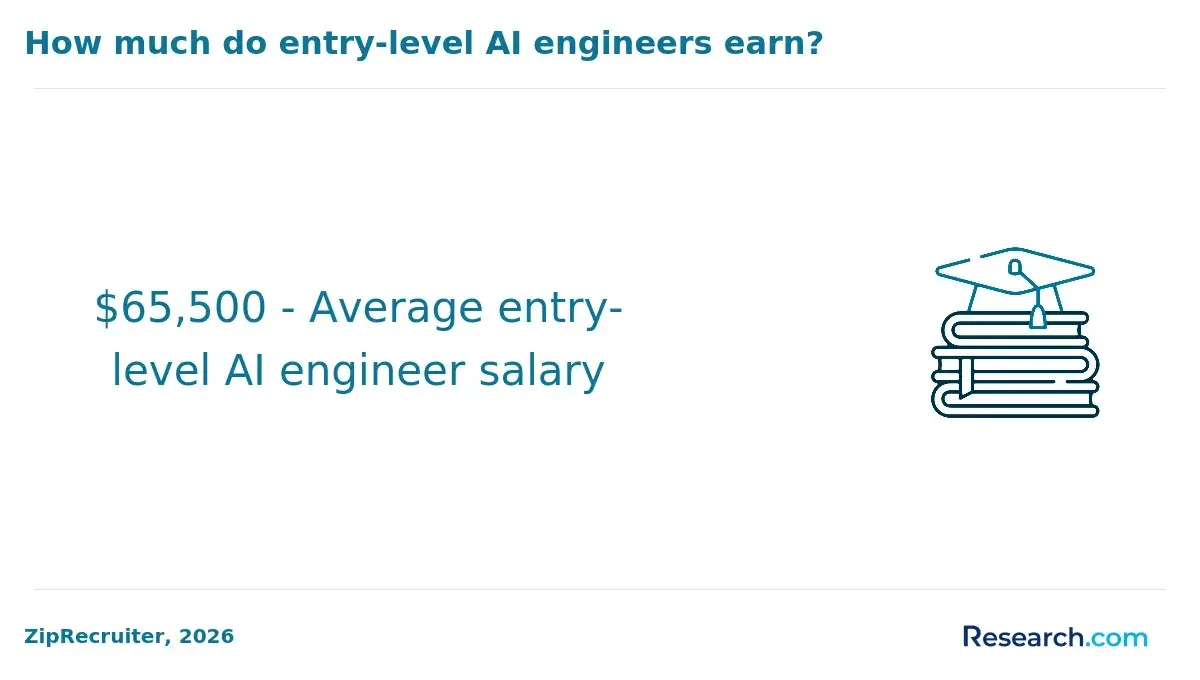
AI governance and policy roles in the U.S. offer strong salaries and promising career growth. Entry-level positions such as AI governance analysts and policy assistants typically earn between $70,000 and $95,000 annually. Mid-level roles like AI compliance managers and ethics officers have salary ranges from $100,000 to $140,000. Senior roles, including AI risk directors and chief AI ethics officers, can command $150,000 to over $220,000, depending on location and organization.
Job growth is robust, with AI and machine learning specialists projected to increase by 86% by 2030, according to the World Economic Forum's Future of Jobs Report 2025. Demand is rising across sectors such as finance, healthcare, government, and technology, all seeking professionals skilled in both AI technical and policy aspects.
Key skills enhancing employability include AI risk assessment, knowledge of regulatory frameworks, and multidisciplinary collaboration. Experience addressing AI's effects on privacy, fairness, and accountability is especially valuable. Developing expertise through certifications and training can lead to higher salaries and greater responsibilities.
Understanding governance frameworks, standards, and ethical AI toolkits is critical. Professionals invested in continuous learning remain competitive as regulatory and business environments evolve.
How should learners combine LinkedIn Learning AI governance courses with further education or certifications?
Learners seeking to excel in ai governance should combine LinkedIn Learning courses with specialized certifications and academic credentials. A PwC workforce survey reveals that 67% of executives prefer candidates with proven ai risk, compliance, or governance skills over purely technical experience. Certifications like the Certified AI Governance Professional (CAIGP) and standards-based credentials such as ISO/IEC 38507 training offer validation of governance expertise beyond basic coursework.
Pairing LinkedIn Learning modules with advanced degrees in data ethics, AI policy, or technology risk management deepens understanding and enhances opportunities in regulatory and compliance roles. Practical experience through internships or projects focused on ethical ai deployment and compliance audits further strengthens career readiness.
Combining technical certifications such as Microsoft Certified: Azure AI Fundamentals with governance-focused courses highlights a well-rounded skill set attractive to employers. Workshops addressing ai law, privacy, and algorithmic accountability effectively complement governance frameworks taught in online courses.
To advance in AI career pathways consider these strategies:
- Select LinkedIn Learning ai governance courses emphasizing risk management frameworks.
- Obtain recognized certifications confirming applied governance abilities.
- Pursue academic programs in AI ethics or compliance for structured expertise.
- Engage in internships or real-world projects centered on compliance and ethical use.
- Develop a balance of technical and governance skills to meet market demand.
This integrated approach aligns with industry expectations highlighted by PwC, positioning learners competitively for emerging roles in AI governance and compliance.
Other Things You Should Know About Artificial Intelligence
In 2027, LinkedIn Learning’s top AI governance courses include "AI Governance: Frameworks and Principles", "Ethics in AI Design", and "AI Risk Management." These courses provide comprehensive insights into ethical decision-making and regulatory compliance in artificial intelligence.
Artificial intelligence systems often require large volumes of personal data for training and operation, which raises significant data privacy concerns. Improper handling or inadequate protection of this data can expose individuals to risks such as identity theft or surveillance. Effective AI governance includes policies to secure data and comply with privacy regulations like GDPR or CCPA.
Yes, transparency and explainability are critical challenges in AI development. Explainable AI aims to provide clear insights into how models arrive at specific outcomes, which is essential for trust, auditing, and compliance. Techniques like interpretable models or post-hoc explanation tools help stakeholders understand AI decisions, though full transparency can be difficult with complex models like deep learning.
AI governance establishes the policies, standards, and accountability mechanisms to mitigate risks such as bias, security vulnerabilities, and misuse. It ensures that AI systems align with ethical norms, legal requirements, and societal values. Through governance, organizations can proactively identify and manage the risks tied to AI development and deployment.
References
- Market Analysis of 146 AI Governance Job Postings https://axialsearch.com/insights/ai-governance-jobs/
- AI governance salaries 2026: what does the market pay? https://verifywise.ai/blog/ai-governance-salary-report-2026
- Introduction to AI governance https://academy.itu.int/training-courses/full-catalogue/introduction-ai-governance
- AI governance and policy | Career review https://80000hours.org/career-reviews/ai-policy-and-strategy/
- AI Governance Certifications HUB - AI Governance Library, Articles, Ressources https://aigouvernance.com/certifications/
- How to Get Your First AI Governance Job: A Career Guide https://governance.aicareer.pro/blog/landing-your-first-job-in-ai-governance
- Open Positions | GovAI https://www.governance.ai/opportunities
- Ethics in the Age of Generative AI — LinkedIn Learning Course by Vilas Dhar https://vilasdhar.com/course
- Why Universities Need AI Governance https://www.ruffalonl.com/blog/artificial-intelligence/why-universities-need-ai-governance/
- 10 Top LinkedIn Learning AI Courses to Build Skills in 2025 | DigitalOcean https://www.digitalocean.com/resources/articles/linkedin-learning-ai-courses