2027 Best Company AI Literacy Courses for Business Leaders

Co-Founder and Chief Data Scientist
Business leaders increasingly face decisions influenced by artificial intelligence technologies yet often lack the foundational knowledge needed to navigate them confidently. This gap can lead to missed opportunities or misguided investments in AI solutions. As AI integration becomes critical across industries, understanding its principles and applications is essential for strategic leadership and innovation management.
This article reviews top courses designed to build AI literacy for executives and managers, focusing on accessibility, accreditation, and practical relevance. It aims to guide professionals seeking flexible pathways to acquire AI expertise and effectively steer their organizations through technological transformation.
Key Things You Should Know
- Top company AI literacy courses in 2026 focus on practical skills, with 78% of leaders reporting improved decision-making within six months of completion, according to 2025 industry surveys.
- Courses increasingly emphasize ethical AI use and bias mitigation, reflecting 2024 research showing 64% of businesses prioritize responsible AI adoption in leadership training.
- Flexible online and hybrid formats dominate, accommodating busy professionals and enabling 45% higher course completion rates compared to traditional in-person programs.
Advance Your Career with AI Online Courses
Artificial Intelligence: Implications for Business Strategy
This program provides an introduction to Artificial Intelligence and their implications for business strategy. Earn an official digital certificate.

Oxford Artificial Intelligence Programme
Explore this Oxford Artificial Intelligence programme offered in a flexible learning environment and explore topics like machine learning, automation, and robotics.

Implementing Agentic AI: Building Your Organizational Playbook
This online MIT Agentic AI course offers a practical approach to deploying AI agents in your organization, including a custom playbook. 3 weeks, exclusive launch price.

AI Adoption: Driving Business Value and Impact
This online MIT AI Adoption: Driving Business Value and Impact offers practical frameworks to close the gap between AI potential and business reality.

Artificial Intelligence in Pharma and Biotech
Discover the applications and limitations of artificial intelligence in pharma and biotech with this MIT online short course.

What are the best company AI literacy courses for business leaders and executive teams?
Top AI literacy courses for business leaders and executive teams emphasize strategic understanding combined with practical application. Harvard Business School's "Artificial Intelligence for Business Leaders" provides frameworks for deploying AI in complex organizations, while MIT Sloan's "Artificial Intelligence: Implications for Business Strategy" focuses on decision-making supported by AI technologies and real-world cases. These programs are among the best company AI literacy courses for business leaders and executive teams available today.
A 2024 IBM global study of 3,000 CEOs found that 69% of CEOs expect generative AI to deliver broad value in the next three years, yet only 29% feel their organizations currently have the necessary expertise to operationalize it. Training programs like INSEAD's "AI Transformation in Business" target these skill gaps by developing internal teams capable of managing AI adoption.
Top AI literacy training programs for business executives often include:
- Executive workshops with hands-on AI model reviews and business impact simulations
- Modular online courses enabling asynchronous learning for distributed leadership
- Industry-specific AI literacy focusing on tailored use cases in finance, healthcare, and manufacturing
- Training on AI ethics and governance to ensure responsible AI integration
Choosing the right course depends on your team's AI baseline, learning preferences, and business goals. Interactive formats with project-based learning improve retention and adoption. Verified credentials from recognized institutions add career credibility. For professionals seeking further technical foundation, exploring a computer science degree accelerated pathway can complement AI literacy training and advance expertise.
Advance Your Career with AI Online Courses
Artificial Intelligence: Implications for Business Strategy
This program provides an introduction to Artificial Intelligence and their implications for business strategy. Earn an official digital certificate.
Oxford Artificial Intelligence Programme
Explore this Oxford Artificial Intelligence programme offered in a flexible learning environment and explore topics like machine learning, automation, and robotics.
Implementing Agentic AI: Building Your Organizational Playbook
This online MIT Agentic AI course offers a practical approach to deploying AI agents in your organization, including a custom playbook. 3 weeks, exclusive launch price.
How can AI literacy training help business leaders drive strategy, innovation, and ROI?
AI literacy training enables business leaders to integrate artificial intelligence effectively into strategic decision-making, driving innovation and maximizing return on investment (ROI). Leaders skilled in AI concepts can spot opportunities to enhance operational efficiency, improve customer experiences, and open new revenue streams. This expertise allows managers to better assess data-driven insights and automate routine tasks, freeing resources for high-value innovation projects. Such training supports driving business innovation with AI literacy training by aligning AI initiatives closely with company goals.
Foresight gained from AI knowledge helps leaders anticipate industry shifts and adjust business models proactively, fostering ongoing innovation like developing AI-powered products or services that meet changing market needs. AI literacy further empowers executives to lead diverse teams bridging technical and non-technical roles, enhancing communication and accelerating execution. Practical advantages also include improved risk management and ethical deployment, essential for trust and compliance.
A recent Deloitte survey found organizations with high "AI fluency" in leadership are 3.5× more likely to report significant financial benefits from AI projects compared to those with less fluent leaders.
Key skills gained through AI literacy for business leadership effectiveness include:
- Interpreting AI-generated data to inform strategic planning
- Aligning AI projects with business goals for measurable ROI
- Driving innovation by integrating AI into product development
- Managing risks related to AI ethics and compliance
- Enhancing communication between technical teams and stakeholders
Those interested in advancing their capabilities may explore online degrees in AI, which offer flexible pathways to acquire this transformative expertise.
What should business-focused AI literacy courses cover in their core curriculum?
Business-focused artificial intelligence literacy curriculum should blend foundational technical concepts with practical applications. Essential topics include machine learning, natural language processing, and data analytics to help leaders understand how AI systems are trained and deployed. This knowledge supports better decisions about AI investments and integration.
Ethical considerations and risk management are core topics for AI literacy in business leadership. Addressing issues such as algorithmic bias, privacy, and regulatory compliance enables executives to recognize potential risks and implement responsible AI governance. Techniques for bias mitigation, for example, help avoid reputational damage and legal challenges.
Strategic implications are another vital area. AI adoption can enhance operational efficiency, improve customer experience, and foster innovation in product development. Case studies across industries like finance, healthcare, and retail demonstrate successful AI-driven transformations.
Hands-on skills are crucial as well. Leaders must learn to interpret AI outputs, evaluate project feasibility, set realistic expectations, and communicate AI's strengths and limitations effectively to stakeholders.
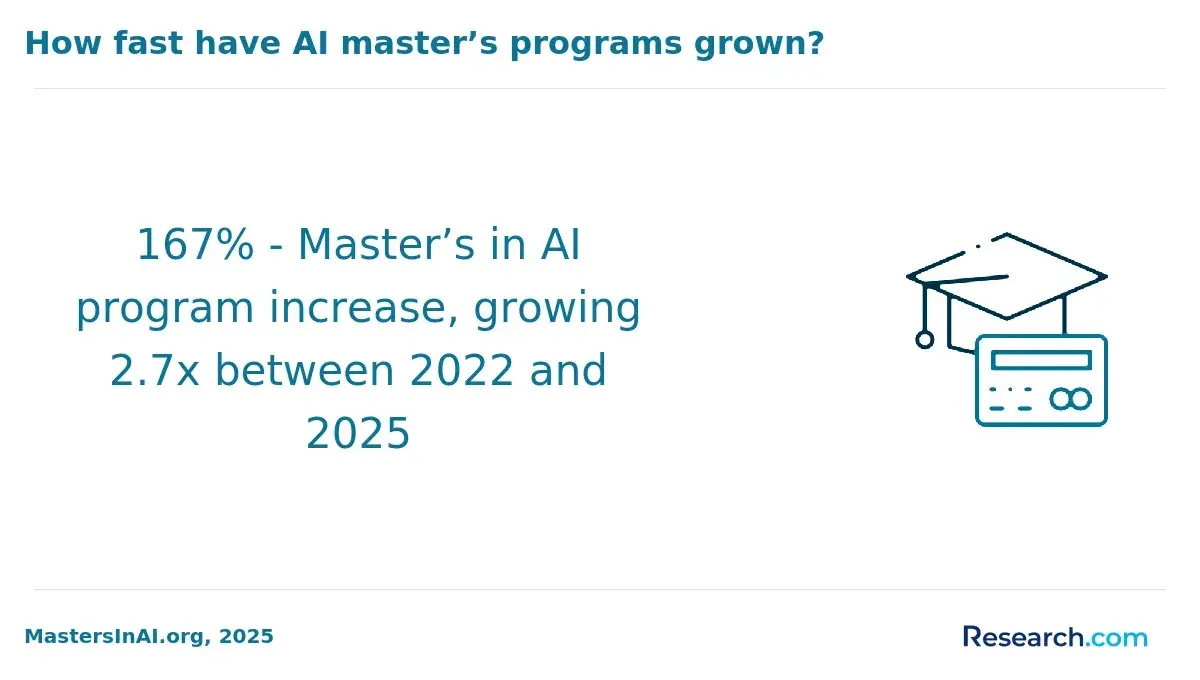
Demand for these skills is growing rapidly, as Coursera's data shows a 271% increase in enrollments for "AI for business leaders/executives" courses, making this a fast-growing field. Those interested in further expertise can explore an online master data science program to deepen their knowledge and advance their careers.
How do online, in-person, and blended AI literacy programs for leaders compare?
Online AI literacy programs for business leaders offer flexibility and scalability, making it easier for busy executives to learn at their own pace through interactive modules and virtual labs. Such programs suit those balancing demanding schedules but may lack personalized feedback and networking opportunities critical for contextualizing AI strategies within industry-specific settings. Comparing how do online and in-person ai literacy programs for business leaders align reveals clear advantages and limitations for each format.
In-person courses provide direct access to instructors and peers, encouraging dynamic discussions and real-time problem solving. This format benefits leaders who need immediate clarification and hands-on workshops. However, in-person programs often demand greater time commitment and higher costs due to travel and accommodation, making them less accessible for some professionals.
Blended AI literacy training advantages for business executives include combining the flexibility of online learning with interactive in-person sessions. This hybrid model supports foundational learning alongside collaborative workshops, addressing varied learning preferences and promoting stronger AI strategy development through peer exchange.
Research by Microsoft and LinkedIn's 2024 Work Trend Index shows 75% of leaders say their organizations lack an AI vision, while 79% report leadership gaps in AI skills. This highlights the need for programs that teach not only technical knowledge but also emphasize strategic integration and leadership application. Those interested in starting a career in AI education may find useful guidance on how to become an AI trainer with no experience.
Choosing the right format comes down to organizational goals and time constraints. Leaders seeking broad AI literacy with minimal disruption often prefer online courses, while those aiming for deep strategic immersion benefit from in-person or blended formats.
How can companies evaluate the quality and accreditation of AI literacy providers?
When selecting AI literacy providers, verifying formal accreditation is crucial. Look for certifications from recognized organizations like ABET or the Distance Education Accrediting Commission (DEAC), which confirm that the curriculum adheres to rigorous and current AI standards. Providers endorsed by reputable technology associations further enhance credibility.
A thorough review of course content is equally important. Quality programs cover foundational AI principles, ethics, data literacy, and practical applications in business. Business leaders benefit from courses featuring case studies or projects that translate theory into actionable strategies. Providers offering customizable modules tailored to diverse leadership roles indicate a strong grasp of corporate learning needs.
Faculty expertise can significantly impact instructional quality. Instructors with advanced AI-related degrees or proven industry experience, including connections to research institutions or tech companies, often deliver cutting-edge material.
Outcomes matter: graduates moving into senior AI leadership roles reflect program effectiveness. For example, the median advertised salary in the U.S. for "Head of AI" or "Chief AI Officer" positions is $277,000, nearly 2.2 times the pay for typical VP technology roles, underscoring the value of credible AI literacy training in career advancement.
Finally, companies should seek transparent provider data on course completion, learner satisfaction, and post-training success, alongside authentic testimonials. These elements together build confidence in the provider's accountability and results.
What are typical admission requirements and prerequisites for executive AI literacy programs?
Executive ai literacy programs generally require applicants to have at least five years of experience in managerial or strategic roles, ensuring they can connect ai concepts to business applications. Typically, candidates hold a bachelor's degree in business, technology, or related fields. Technical skills in data analysis, statistics, or programming are often preferred, with some programs offering preparatory courses for those lacking a strong quantitative background.
Applicants usually submit a professional resume and a statement of purpose outlining how the program supports their career objectives. Letters of recommendation are common, especially for university-affiliated programs. Experience in digital transformation or previous analytics workshops enhances an applicant's profile.
Many programs also evaluate motivation and leadership potential through interviews or written assessments, focusing on candidates' readiness to drive ai adoption within organizations.
Studies show executive students completing business programs with ai or analytics concentrations report a 23% greater salary increase three years after graduation compared to peers in generalist tracks, highlighting the career value of specialized ai literacy education.
How long do AI literacy courses for business leaders take and how much do they cost?
AI literacy courses for business leaders vary widely in length and depth. Introductory programs often last between 4 to 12 hours, designed to fit into busy executive schedules by spreading sessions over multiple days. More thorough courses can extend from one to four weeks, providing in-depth practical insights and hands-on strategy workshops.
Costs depend largely on provider, duration, and format. Short online modules typically range from $200 to $500, making them suitable for individuals or small businesses. Mid-level professional courses cost between $1,000 and $5,000, offering a balance of content depth with interactive elements like case studies and live discussions. Premium executive programs from top schools or specialized institutes can exceed $10,000, often including personalized coaching and exclusive materials.
Examples include a 6-hour online workshop costing about $400 for rapid AI competency building, and a 3-week executive program focusing on AI strategy priced from $7,000 to $12,000. Organizations seeking to train multiple leaders may negotiate enterprise pricing or custom cohort sessions, reducing per-participant expenses.
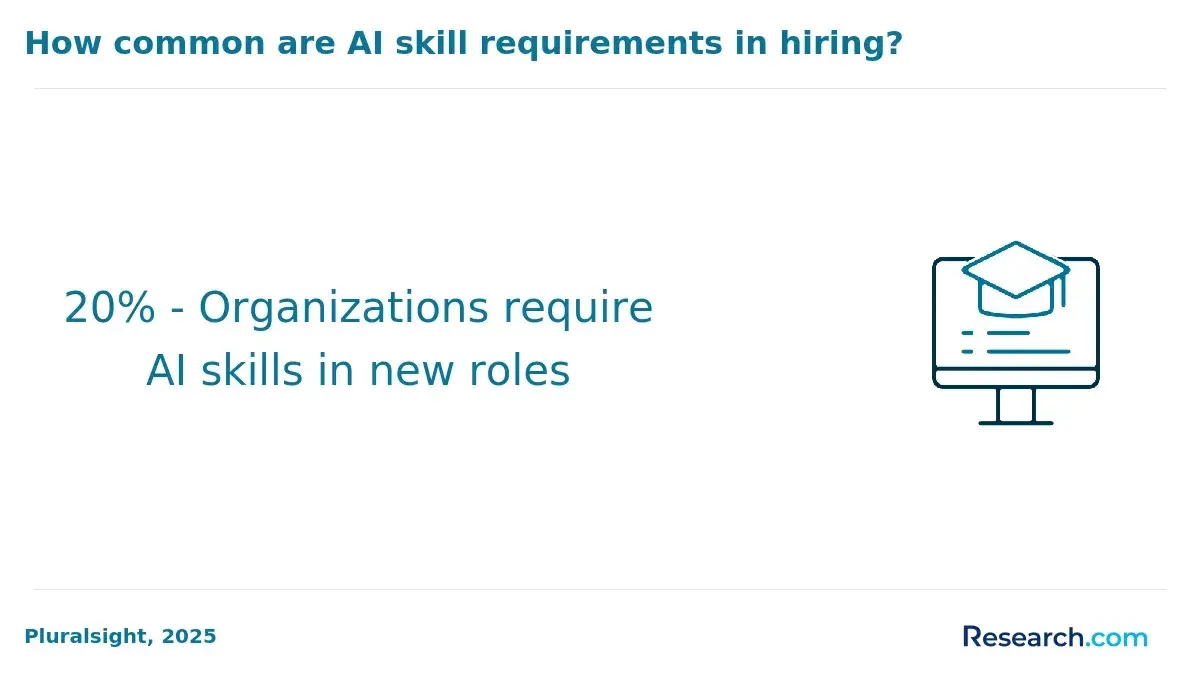
According to PwC's 2024 Global CEO Survey, 44% of large companies have launched AI training for senior leaders, with another 32% planning training by 2026. This growing trend highlights diverse program options that help leaders choose between concise overviews and intensive leadership development suited to their business needs and schedules.
What leadership roles and career paths benefit most from formal AI literacy training?
Leadership roles such as general managers, product managers, project leaders, and C-suite executives benefit significantly from formal AI literacy training. These professionals need to understand AI's capabilities and limitations to make strategic decisions, allocate resources wisely, and drive innovation. Career paths in strategy consulting, operations management, and technology product development also gain from AI literacy because they regularly evaluate AI-driven solutions and assess associated risks.
Professionals managing customer-facing projects or cross-functional teams profit from AI training. For example, marketing directors using generative AI for campaign design or HR leaders leveraging AI for talent analytics must recognize AI's ethical constraints and potential biases. Finance leaders applying AI models for forecasting require clear knowledge of AI assumptions and data quality to ensure accuracy and regulatory compliance.
Boston Consulting Group's experiment with 750 consultants revealed that teams led by AI-trained managers produced 40% higher quality strategic recommendations and completed tasks 25% faster compared to untrained peers. This highlights the value of AI literacy for leadership roles requiring critical oversight and strategic AI use.
Mid-level managers implementing AI projects need training to translate technical insights into business value. AI literacy equips leaders to:
- Evaluate AI-generated insights critically
- Communicate AI capabilities clearly to stakeholders
- Manage risks involving data privacy and ethical AI use
- Integrate AI workflows into existing processes efficiently
Emerging roles like AI product owner and AI ethics officer also demand a balance of domain knowledge and managerial expertise. Formal AI literacy training is essential for leaders guiding AI-reliant teams to boost innovation and maintain a competitive edge.
What salary, promotion, and performance benefits are associated with stronger AI literacy?
Strong AI literacy significantly enhances salary potential, accelerates career advancement, and boosts job performance for business leaders. Professionals with AI expertise manage risks more effectively, optimize AI-driven processes, and steer strategic decisions, making them vital to modern organizations. A 2024 KPMG global survey found that 61% of organizations using AI encountered at least one incident related to compliance, privacy, or bias. Notably, 78% of these issues arose in groups lacking formal AI governance training, highlighting the value placed on AI-educated leadership to avoid costly errors and regulatory penalties.
Key benefits of AI literacy for leaders include:
- Negotiating salary increases averaging 10% higher than those without AI expertise, reflecting their significant strategic contribution.
- Experiencing faster promotions as organizations prioritize leaders who implement AI responsibly across business functions.
- Receiving improved performance evaluations by applying ethical AI frameworks that reduce risks and encourage innovation.
For instance, marketing directors skilled in AI analytics can more accurately pinpoint customer needs and boost revenue, enhancing their leadership value and compensation. Similarly, finance managers versed in AI compliance minimize audit risks and streamline reporting. Leaders ignoring AI literacy face career stagnation and increased exposure to AI-related risks, which can harm both personal careers and their companies' reputations.
Are there industry-recognized AI certifications or badges that business leaders should pursue?
Industry-recognized AI certifications and badges are essential for business leaders aiming to showcase proficiency and strategic insight in artificial intelligence applications. These credentials cover AI fundamentals, ethical issues, and practical uses relevant to corporate leadership.
Top certifications include the Certified Artificial Intelligence Practitioner (CAIP) from the Global Association for AI, which addresses AI governance, strategy, and operational integration. The AI Business Leader Certificate from the International Institute of Business Analysis highlights AI's effects on business models, risk, and leadership innovation. Prestigious institutions like MIT Sloan and Stanford also offer executive programs combining technical and business strategy with certification options.
Certified leaders can better evaluate AI investments, risks, and workforce changes. Accenture's 2024 State of AI report notes that "AI Achievers" allocate on average 14% of their AI budget to leadership upskilling, far exceeding other groups. This underscores the corporate emphasis on certified knowledge to adopt AI responsibly and competitively.
When selecting courses, verify the certification's industry reputation, curriculum relevance, and real-world applicability. Credentials associated with respected professional bodies or academic institutions typically have greater value among employers and partners. Additionally, badge programs through cloud providers or AI vendors may demonstrate vendor-neutral skills or platform-specific expertise.
Pursuing formal AI leadership certifications enhances credibility, decision-making, and strategic alignment with AI's evolving landscape.
Other Things You Should Know About Artificial Intelligence
In 2027, top courses for enhancing AI literacy among business leaders include those from renowned institutions like MIT Sloan School of Management, Coursera’s AI for Everyone by Andrew Ng, and Harvard's AI: Implications for Business Strategy. These courses offer comprehensive insights into AI technologies, ethical considerations, and practical applications in business.
Business leaders must address issues such as bias in AI algorithms, data privacy, and transparency in automated decision processes. Ensuring AI systems are fair, accountable, and explainable is critical to maintaining trust among customers and employees. Ethical governance frameworks are increasingly essential to managing AI responsibly.
While AI can support decision-making by processing large datasets and suggesting options, it cannot fully replace human judgment, which involves empathy, creativity, and ethical considerations. Effective leadership requires balancing AI-driven insights with human experience and contextual understanding.
Organizations often face challenges such as data quality issues, inadequate AI expertise, and resistance to change from employees. Integrating AI also requires significant investment in technology infrastructure and ongoing training. Additionally, managing regulatory compliance and aligning AI initiatives with business goals can be complex.
References
- Elevate Your Leadership in the AI Era: EXIN AI Certifications for Business Professionals https://www.exin.com/article/exin-ai-certifications-for-business-professionals/
- Team AI Training | Lead with AI https://www.leadwithai.co/team-ai-training
- Artificial Intelligence in Education https://iste-ascd.org/ai
- AI & Data Literacy: The New Corporate Competency | Namaste https://namaste.co.uk/ai-data-literacy-the-new-corporate-competency/
- AI Training & Certification for Employees: How HR Should Evaluate Providers | Sprad Blog https://sprad.io/blog/ai-training-certification-for-employees-how-hr-should-evaluate-providers
- Digital Education Council | AI Literacy for All Course https://www.digitaleducationcouncil.com/digital-education-council-ai-literacy-for-all-course
- How to Build AI Literacy in Your Business https://www.tigernix.com/blog/how-build-ai-literacy-business
- Why AI literacy is crucial for responsible AI transformation https://www.weforum.org/stories/2025/07/ai-literacy-and-strategic-transformation/
- 10 best AI business courses for those who lead in 2026 | The Jotform Blog https://www.jotform.com/ai/ai-courses-for-business-leaders/