2027 Best AI Center of Excellence Courses for Managers

Co-Founder and Chief Data Scientist
Managers increasingly face pressure to integrate ai strategies without formal training, often struggling to lead interdisciplinary teams effectively. This gap risks project delays, suboptimal outcomes, and missed innovation opportunities. Organizations demand leaders who grasp core ai concepts alongside strategic management skills. For professionals aiming to pivot careers, finding credible, flexible education that bridges this divide is essential. This article reviews top center of excellence courses designed to equip managers with practical ai knowledge and leadership tools. It aims to guide readers toward programs that enhance their expertise, boost career prospects, and empower successful ai-driven initiatives.
Key Things You Should Know
- AI Center of Excellence courses for managers in 2026 emphasize strategic leadership, ensuring 68% of participants report enhanced decision-making capabilities within six months.
- These programs integrate the latest AI tools and ethical frameworks, reflecting 2025's 40% growth in AI-related governance demands across U.S. industries.
- Flexible hybrid learning models dominate, with 72% of courses offering part-time options tailored for working professionals seeking to balance career advancement and upskilling.
Advance Your Career with AI Online Courses
Artificial Intelligence: Implications for Business Strategy
This program provides an introduction to Artificial Intelligence and their implications for business strategy. Earn an official digital certificate.

Oxford Artificial Intelligence Programme
Explore this Oxford Artificial Intelligence programme offered in a flexible learning environment and explore topics like machine learning, automation, and robotics.

Implementing Agentic AI: Building Your Organizational Playbook
This online MIT Agentic AI course offers a practical approach to deploying AI agents in your organization, including a custom playbook. 3 weeks, exclusive launch price.

AI Adoption: Driving Business Value and Impact
This online MIT AI Adoption: Driving Business Value and Impact offers practical frameworks to close the gap between AI potential and business reality.

Artificial Intelligence in Pharma and Biotech
Discover the applications and limitations of artificial intelligence in pharma and biotech with this MIT online short course.

What is an AI Center of Excellence course for managers and who should enroll?
An AI center of excellence course for managers focuses on equipping leaders to develop, oversee, and optimize AI initiatives, ensuring they align with organizational goals. These programs emphasize strategic management, ethical AI deployment, governance, and fostering collaboration between business units and technical teams. Managers responsible for digital transformation, AI strategy, operational efficiency, and innovation greatly benefit from this training.
Who should enroll in AI center of excellence training for leaders includes senior project managers, executives, and department heads in sectors like healthcare and retail, where AI-driven diagnostics and predictive analytics are becoming common. Gaining expertise in AI architecture, data governance, and change leadership enables managers to lead cross-functional teams effectively and address challenges such as bias and data privacy.
According to IDC's Worldwide AI Spending Guide, organizations with an AI Center of Excellence are 2.6× more likely to realize transformative financial benefits from AI. These courses teach frameworks for building AI governance models, managing AI project lifecycles, and measuring AI's impact on business outcomes.
- Designing AI governance models that ensure ethical compliance
- Building cross-disciplinary teams for AI innovation
- Measuring AI impact on business performance
- Managing the lifecycle of AI projects from pilot to scale
For those interested in further education, pursuing the best online computer science degree can provide a solid technical foundation supporting effective AI leadership.
Advance Your Career with AI Online Courses
Artificial Intelligence: Implications for Business Strategy
This program provides an introduction to Artificial Intelligence and their implications for business strategy. Earn an official digital certificate.
Oxford Artificial Intelligence Programme
Explore this Oxford Artificial Intelligence programme offered in a flexible learning environment and explore topics like machine learning, automation, and robotics.
Implementing Agentic AI: Building Your Organizational Playbook
This online MIT Agentic AI course offers a practical approach to deploying AI agents in your organization, including a custom playbook. 3 weeks, exclusive launch price.
How can AI Center of Excellence training benefit managers and their organizations?
AI Center of Excellence (CoE) training equips managers with strategic skills that enhance organizational performance by fostering a centralized governance model. This coordinated approach reduces duplicated efforts among business units and streamlines AI project execution, directly improving efficiency. The advantages of AI Center of Excellence training for business leaders include the ability to prioritize AI initiatives aligned with company goals, critically assess AI projects, and implement standardized frameworks that minimize risk and boost data quality.
Managers who complete AI CoE programs gain expertise in leading cross-functional teams consisting of data scientists, IT specialists, and business analysts. This leadership fosters cultures of innovation while ensuring compliance with ethical AI standards and regulatory requirements. Practical challenges such as change resistance, legacy system integration, and ongoing skill development are effectively addressed, providing concrete tools for overcoming barriers.
Gartner's AI Business Value Forecast highlights that enterprises with mature AI CoEs see a 25% higher return on investment, demonstrating the clear impact of AI Center of Excellence programs on organizational performance. By mastering these competencies, managers enable scalable growth and sustained operational excellence.
For those interested in advancing their knowledge and career in artificial intelligence management, exploring degrees in AI can be a valuable next step.
What types of AI Center of Excellence courses are available for managers in the U.S.?
AI Center of Excellence training programs for managers in the U.S. focus on equipping leaders with both technical knowledge and strategic skills essential for overseeing AI initiatives. These programs typically cover foundational AI literacy, including machine learning, data analytics, and ethical AI use-critical areas for managers without a technical background. Other key categories include AI strategy and governance, which help managers align AI projects with business objectives while managing compliance, risk, and cross-department collaboration.
Technical upskilling tracks enable managers to interpret AI outputs and oversee AI teams and data pipelines, bridging the gap between technical execution and leadership. Sector-specific AI applications show how industries like healthcare, finance, and manufacturing leverage AI for innovation. Such content is often integrated in Artificial Intelligence leadership courses available for U.S. managers, helping contextualize AI adoption within specific business environments.
The World Economic Forum's Future of Jobs 2025 report highlights that 94% of business leaders anticipate managers will need AI and data literacy upskilling by 2025, yet only 41% currently have structured training programs in place. This gap creates a strong demand for accessible, targeted AI Center of Excellence training programs tailored for management roles.
Managers should prioritize programs teaching AI-driven decision-making, balancing automation with human judgment, and leading AI transformation efforts while emphasizing change management and ethical considerations. For those interested in expanding their technology skills, a cybersecurity degree online can complement AI knowledge, supporting a broader leadership portfolio in technology-driven fields.
Tech Employees' AI Usage

How do online AI Center of Excellence programs compare with campus and hybrid options?
Online AI Center of Excellence programs versus campus courses present unique benefits tailored to different professional needs. Online AI programs offer superior flexibility, enabling managers to study anytime and anywhere, which is vital for those with unpredictable schedules or frequent travel. These programs also reduce relocation and commuting expenses, broadening access to advanced AI education. Hybrid learning benefits for AI Center of Excellence managers include combining the convenience of online study with some in-person interaction, although logistical challenges and commute demands may still arise.
Campus courses provide direct engagement with faculty, live networking, and hands-on experiences through labs and workshops. However, these come with higher tuition and less scheduling flexibility, which can disrupt working professionals' routines. Online platforms increasingly incorporate virtual labs, group projects, and realistic AI simulations to replicate these hands-on opportunities, while cohort-based online formats promote peer collaboration.
With 61% of companies exceeding $1 billion in revenue maintaining AI or analytics CoEs-a 42% growth in two years according to McKinsey & Company-professionals must obtain relevant credentials efficiently. Online AI CoE programs often update their curricula rapidly to keep pace with industry changes, an advantage over slower academic cycles common in campus settings.
Prospective students should consider their preferred learning format, interaction level, and support services. Those pursuing flexible schedules may favor online options, whereas learners valuing live engagement might prefer campus or hybrid models. For insights on potential career paths and compensation, explore information about AI trainer salary.
What curriculum and skills do AI Center of Excellence courses for managers typically cover?
AI Center of Excellence courses for managers offer comprehensive training designed to enhance both foundational understanding and strategic application of AI technologies. Core subjects include machine learning, natural language processing, and data analytics frameworks that equip managers with a solid grasp of AI's capabilities and limitations.
These courses focus on integrating AI insights into business strategies and operational workflows, helping managers oversee AI project lifecycles effectively. Key skills include identifying relevant use cases, managing cross-functional teams, and selecting appropriate AI vendors and tools. Risk management is emphasized, covering ethics, bias mitigation, compliance, and data privacy for responsible AI deployment.
Leadership development is a vital part of the curriculum, training managers to cultivate innovation and sustain a culture of continuous learning within AI-driven organizations. Practical exercises often involve interpreting AI-generated data, setting project performance indicators, and communicating AI outcomes to diverse stakeholders.
Programs frequently incorporate case studies from finance, healthcare, and manufacturing sectors, illustrating real-world AI applications and scalability challenges. According to Accenture's research, companies with at least 10% of managers trained in structured AI courses achieve up to 3.5× higher revenue growth from AI initiatives compared to those with limited leader training, underscoring the significance of these educational investments.
What admission requirements and prior experience do managers need for these AI programs?
Admission to AI Center of Excellence (CoE) courses for managers usually requires a combination of education, professional experience, and technical skills. Applicants often need a bachelor's degree in business, management, engineering, computer science, or related fields. Some advanced programs may favor candidates holding a master's degree or relevant certifications. Typically, three to five years of leadership or project management experience-particularly in technology, analytics, or innovation-is expected.
While familiarity with AI principles and data-driven decision-making is beneficial, it is not always mandatory. Preparatory modules or foundational AI courses are commonly provided to help managers bridge gaps, especially for those from purely business backgrounds. Basic knowledge of programming languages like Python or SQL is an advantage but rarely a strict requirement.
Some programs focus on candidates with experience in risk management, governance, or compliance, echoing findings from a 2024 Deloitte survey that organizations with AI CoEs and formal governance report 30% fewer material AI-related compliance incidents. Experience in regulatory environments and AI ethics can strengthen applications.
Applicants should be ready to demonstrate:
- Leadership in AI or digital transformation projects
- Understanding of compliance or governance protocols
- Ability to connect technical teams with executive leadership
Successful candidates show strong managerial skills combined with engagement in AI technologies and governance to create organizational value safely and effectively.
How long do AI Center of Excellence courses for managers take and what do they cost?
AI Center of Excellence courses for managers vary widely in length and intensity. Most programs last between 4 and 12 weeks, often designed for part-time study to fit working professionals' schedules. Some intensive bootcamps run for 1 to 2 weeks but require full-day commitment. Shorter courses typically focus on foundational AI concepts and leadership strategies, while longer programs include hands-on projects and advanced governance topics.
Costs reflect this diversity. Entry-level or certificate programs from universities or professional bodies usually range from $1,000 to $5,000. Executive-level or specialized AI CoE courses offered by industry leaders and top-tier universities can exceed $10,000. Bespoke, in-house training tailored specifically to a company's AI strategy may come at a much higher cost.
Training budgets for AI education are growing rapidly. According to PwC's 2024 AI Business Outlook survey, 52% of large enterprises plan to at least double their AI training budgets for managers and professionals within the next 12-18 months. This highlights the importance organizations place on comprehensive AI leadership development.
When selecting a course, managers should consider not only price and duration but also content relevance, flexibility, and industry recognition to ensure effective skill development aligned with organizational goals.
How can managers evaluate accreditation, provider quality, and reputation for AI CoE courses?
When selecting AI center of excellence (CoE) courses, managers should first verify accreditation from recognized educational bodies or industry groups. Accreditation demonstrates that the curriculum meets established standards and reflects the provider's commitment to quality. Certifications from organizations like ABET or specialized AI education alliances are strong indicators of rigorous academic oversight.
Assessing provider quality involves examining instructor expertise, course relevance, and alignment with industry trends. Faculty qualifications should include practical experience in AI leadership or strategy roles. Reviewing case studies and hands-on projects within the curriculum can ensure that courses deliver practical skills, not just theoretical knowledge.
Reputation is equally important, requiring analysis of feedback from former participants, endorsements from employers, and recognition within the AI industry. Managers can utilize independent reviews and professional forums to measure course impact on career progression. Confirming that course content is frequently updated to reflect emerging AI trends is essential.
Key factors to consider include:
- Accreditation by recognized authorities to ensure program legitimacy.
- Instructors' practical experience in AI management.
- Inclusion of hands-on projects and real-world applications.
- Strong reputation validated by reviews, employer partnerships, and industry rankings.
- Regular curriculum updates covering new AI technologies.
IBM's Global AI Adoption Index highlights that 61% of top AI organizations prioritize retraining managers through internal academies or CoEs rather than new hires. This emphasizes the importance of choosing accredited, high-quality courses that build internal AI capabilities aligned with organizational goals.
What career outcomes, job roles, and promotion opportunities can AI CoE training support?
AI Center of Excellence (CoE) training equips professionals for leadership roles such as AI program manager, innovation lead, and AI strategy consultant. These roles often bridge technical teams and business units, accelerating AI adoption across organizations. Additionally, AI CoE expertise supports positions like AI governance officer or ethics advisor, highlighting the importance of responsible AI implementation.
Promotion prospects tied to AI CoE training include accelerated advancement to senior management and director positions. Boston Consulting Group reports that companies with AI CoEs are 1.8× more likely to sustain productivity gains of 10% or more compared to those with isolated pilot projects. This impact builds organizational trust in AI leaders, enhancing their visibility and career growth.
Career applications span multiple industries: in manufacturing, AI CoE training prepares managers to lead predictive maintenance efforts that reduce downtime; finance professionals can advance to roles managing AI-driven risk and fraud detection; healthcare workers benefit from skills to oversee AI-powered diagnostic programs.
Effective AI CoE certification combines technical expertise with change management, ethical AI use, and value realization skills. These address challenges in scaling AI, such as ensuring adoption, measuring ROI, and maintaining compliance.
As artificial intelligence integration deepens, AI CoE-trained managers play vital roles in driving enterprise innovation and optimizing AI investments. Their leadership supports ongoing digital transformation and long-term career success.
How do AI Center of Excellence credentials impact salary potential and future job security?
Managers with AI Center of Excellence (CoE) credentials can expect salaries 15% to 30% higher than peers without formal AI training. These credentials demonstrate expertise in driving strategic AI initiatives, optimizing workflows, and improving decision-making-making managers invaluable in organizations rapidly adopting AI technologies. LinkedIn Learning's 2024 Skills Evolution report highlights a 160% increase in enrollments for AI leadership and strategy courses, reflecting strong demand for these skills.
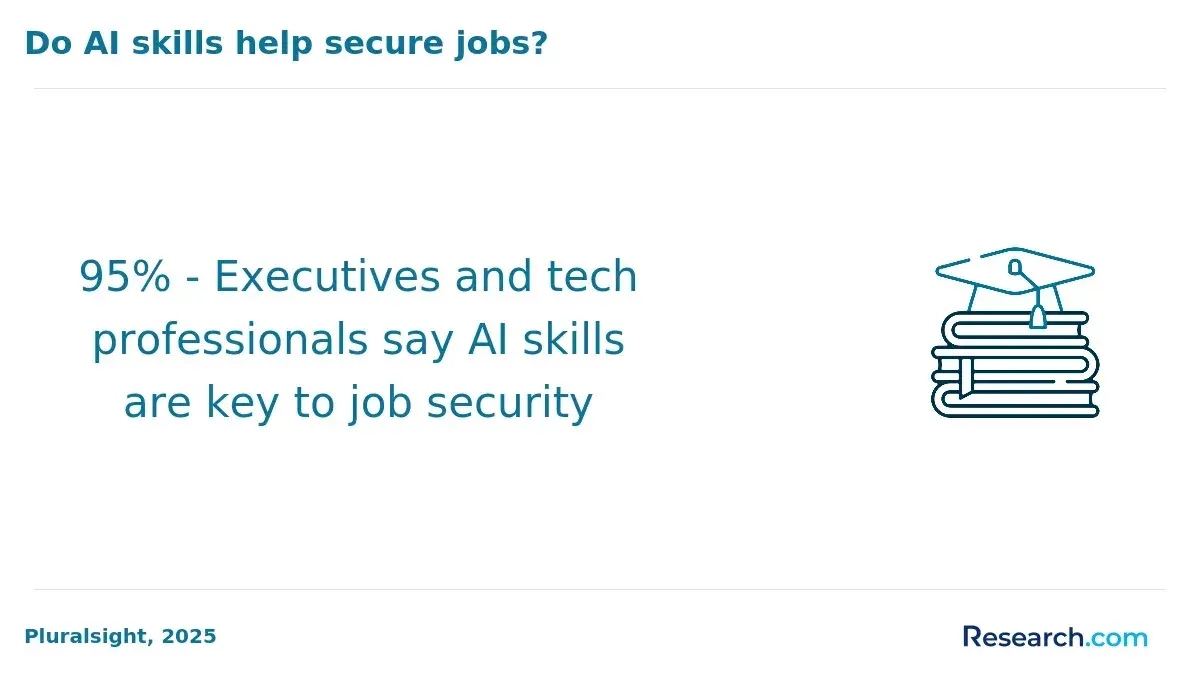
Possessing AI CoE expertise also enhances future job security by validating a manager's ability to govern AI ethics, compliance, and cross-functional AI projects. Employers prioritize these capabilities in a landscape where AI responsibilities are expanding. Without such credentials, managers risk stagnation as organizations seek leaders skilled in AI project governance and innovation leadership.
For professionals aiming to strengthen their careers and increase earning potential, investing in AI CoE training is a strategic step. It bridges essential skill gaps in change management and transformational technology oversight, positioning them for advanced leadership roles that support sustained business growth.
- Higher salary potential
- Improved job security
- Leadership in AI ethics and compliance
- Expanded career pathways
Other Things You Should Know About Artificial Intelligence
Managers need to consider issues such as bias in AI algorithms, data privacy, and transparency in AI decision-making. Ethical implementation requires ensuring AI systems do not reinforce discrimination and that data used respects user consent. Additionally, managers must align AI deployment with organizational values and legal standards to maintain trust and accountability.
Managers can stay informed by engaging in continuous learning through professional workshops, webinars, and industry conferences focused on AI advancements. Subscribing to reputable AI journals, following thought leaders, and participating in AI forums also provides ongoing insights. Enrolling in updated courses ensures knowledge remains relevant as the technology evolves.
Common challenges include resistance to change among staff, gaps in technical expertise, and difficulty in aligning AI tools with legacy systems. Managers must address potential disruptions in workflows and secure executive buy-in for AI initiatives. Proper change management and clear communication strategies are essential to overcome these obstacles.
References
- What Is an AI Center of Excellence (CoE)? https://www.oracle.com/artificial-intelligence/ai-center-excellence/
- Learning Tree’s Top 10 AI Courses for 2026 https://www.learningtree.com/blog/learning-trees-top-ai-courses/
- AI CoE Helps Bridge Top College’s Talent Gaps https://www.auxis.com/case-study/ai-center-of-excellence-helps-bridge-top-colleges-talent-gaps/
- Build AI Skills in Your Organization Today https://www.techclass.com/resources/learning-and-development-articles/how-to-develop-ai-skills-in-your-organization
- AI training courses – PEX Network https://www.processexcellencenetwork.com/ai/articles/free-ai-training-business
- The Benefits of Building an AI Center of Excellence in Financial Services https://biztechmagazine.com/article/2025/01/benefits-building-ai-center-excellence-financial-services
- AI Center of Excellence | Cloud2 https://cloud2.net/services/ai-enablement/ai-center-of-excellence/
- How To Build An AI Center Of Excellence (CoE): Proven Strategies And Common Pitfalls - Authority AI https://authorityai.ai/how-to-build-an-ai-center-of-excellence-coe/
- How to Become an AI Product Manager with No Experience https://www.pmaccelerator.io/blog/How-to-Become-AI-PM
- AI Manager | Course for Digital Leadership https://executiveacademy.at/en/management-training/ai-manager