2027 Best AI Adoption Courses for Hospital Administrators

Co-Founder and Chief Data Scientist
Hospital administrators often face challenges integrating artificial intelligence tools without a clear understanding of their potential impacts and limitations. This knowledge gap can lead to costly mistakes, inefficiencies, and resistance from medical staff. As healthcare systems increasingly adopt AI-driven solutions for patient care, operations, and data management, administrators must gain relevant skills to oversee these implementations effectively. The increasing demand for leadership capable of navigating the technological transformation requires targeted education designed for professionals transitioning from unrelated fields. This article highlights top AI adoption courses aimed at equipping hospital administrators with practical expertise to lead successful digital innovations in healthcare settings.
Key Things You Should Know
- AI adoption courses for hospital administrators in 2026 emphasize practical integration strategies, improving operational efficiency by up to 40% according to 2025 healthcare technology reports.
- Most programs now include data privacy and ethics modules, reflecting a 35% rise in compliance requirements across U.S. hospitals from 2024 to 2025.
- Emerging courses focus on AI-driven decision support tools, with 60% of hospitals reporting enhanced patient care outcomes after administrator training in these systems.
Advance Your Career with AI Online Courses
Artificial Intelligence: Implications for Business Strategy
This program provides an introduction to Artificial Intelligence and their implications for business strategy. Earn an official digital certificate.

Oxford Artificial Intelligence Programme
Explore this Oxford Artificial Intelligence programme offered in a flexible learning environment and explore topics like machine learning, automation, and robotics.

Implementing Agentic AI: Building Your Organizational Playbook
This online MIT Agentic AI course offers a practical approach to deploying AI agents in your organization, including a custom playbook. 3 weeks, exclusive launch price.

AI Adoption: Driving Business Value and Impact
This online MIT AI Adoption: Driving Business Value and Impact offers practical frameworks to close the gap between AI potential and business reality.

Artificial Intelligence in Pharma and Biotech
Discover the applications and limitations of artificial intelligence in pharma and biotech with this MIT online short course.

What are the best AI adoption courses for hospital administrators and who are they right for?
Hospital administrators seeking the best AI adoption courses in the US benefit from programs focusing on practical integration to enhance operational efficiency and patient care. Courses like the "AI in Healthcare Administration" certificate from Johns Hopkins University and the "Healthcare AI Leadership" program at MIT Sloan School of Management are tailored for professionals managing both clinical and administrative workflows.
Ideal participants include mid- to senior-level healthcare managers, department heads, and hospital executives responsible for implementing AI strategies. Those with limited technical skills but strong management backgrounds often prefer AI integration training programs for healthcare management professionals that emphasize strategy and policy over coding. Administrators with some technical expertise can pursue advanced courses covering data analytics and machine learning fundamentals.
Key curriculum topics often cover AI-driven patient data management, predictive analytics for resource allocation, and ethical uses of automated decision-making. For example, predictive algorithms can help reduce emergency room congestion and improve patient flow. Case studies on successful AI implementation illustrate potential challenges and strategies to mitigate them.
Given projections of up to $360 billion annual savings by 2027 through AI scaling in U.S. healthcare, skilled hospital administrators trained in these fields are well-positioned to deliver cost savings and efficiency improvements. Prospective students interested in what roles AI expertise can unlock should explore what jobs can you get with an AI degree.
Advance Your Career with AI Online Courses
Artificial Intelligence: Implications for Business Strategy
This program provides an introduction to Artificial Intelligence and their implications for business strategy. Earn an official digital certificate.
Oxford Artificial Intelligence Programme
Explore this Oxford Artificial Intelligence programme offered in a flexible learning environment and explore topics like machine learning, automation, and robotics.
Implementing Agentic AI: Building Your Organizational Playbook
This online MIT Agentic AI course offers a practical approach to deploying AI agents in your organization, including a custom playbook. 3 weeks, exclusive launch price.
How can AI adoption training help hospital administrators improve operations, quality, and patient outcomes?
AI adoption training equips hospital administrators with the expertise to leverage advanced technologies, enhancing operational efficiency and patient care quality. By mastering AI tools for predictive analytics, administrators can optimize staffing, reduce wait times, and manage hospital resources effectively. These skills are crucial for implementing AI-driven diagnostic support systems that improve the speed and accuracy of clinical decisions. Such AI adoption training for hospital administrators to improve patient care results in better clinical outcomes and smoother hospital workflows.
Administrators also learn to automate routine administrative tasks like billing, claims processing, and compliance monitoring, leading to cost savings and minimized errors. This operational streamlining enables staff to concentrate more on patient services, boosting overall care delivery. Quality improvement initiatives benefit as AI-driven data analysis highlights trends and safety issues early, allowing timely interventions that enhance patient safety and satisfaction.
According to a Bain & Company survey, 75% of U.S. health-system executives expect to raise investments in AI and automation, and 40% plan to add senior roles focused on AI or analytics. This highlights the need for artificial intelligence integration strategies for hospital operations management to stay competitive and effective.
Training also addresses challenges such as ethical considerations, data integration, and staff engagement while providing frameworks to evaluate AI solutions aligned with hospital goals and regulations. For professionals seeking to strengthen their technical foundation in related fields, exploring mechanical engineering online degrees can complement such AI expertise.
What types of AI education paths exist for hospital leaders: short courses, certificates, or degrees?
Hospital leaders have multiple education paths to adopt artificial intelligence effectively, including short courses, certificate programs, and degree tracks. Short courses in AI for healthcare leaders typically last days to weeks and focus on practical skills like AI implementation in revenue cycle management or clinical operations. These options suit administrators seeking targeted knowledge without a long-term commitment.
Certificate programs provide a deeper and more structured curriculum over several months. They cover AI fundamentals, data science, healthcare applications, and ethics-ideal for hospital executives aiming to develop broad AI competency and strategic oversight. Many universities and professional organizations collaborate to offer these tailored AI certification programs for hospital administrators.
Degree options, such as master's degrees in health informatics or healthcare data science, offer the most comprehensive education by combining AI theory, management principles, and hands-on experience. Graduates are prepared to lead transformative AI initiatives within healthcare systems. For those interested in advanced study, an online PhD artificial intelligence can provide extensive expertise.
A 2024 Deloitte analysis found that hospitals scaling AI in revenue cycle and operations improved operating margins by 3-7% and cut administrative costs by 15-30% within 12-18 months. Decision-makers should consider their timeline, expertise, and leadership goals when selecting a program, balancing depth and practical applicability to lead systemic innovation through artificial intelligence.
What should hospital administrators look for in the curriculum of an AI adoption course?
Hospital administrators focusing on AI integration strategies for hospital administrators should prioritize curricula that emphasize the practical incorporation of AI tools into existing clinical workflows. Research shows that AI decision-support tools, when embedded effectively, can reduce in-hospital mortality by 10-20% for high-risk conditions. Therefore, courses must address strategies for aligning AI systems with hospital operations, including stakeholder engagement and change management.
Effective healthcare AI adoption curriculum essentials include training on data literacy, interpretation, and regulatory compliance. Administrators benefit from understanding AI model types such as predictive analytics and natural language processing to better communicate with clinicians and IT teams. Data privacy and security training is crucial to avoid legal and ethical issues within patient care settings.
Programs that offer case studies and scenario-based learning help prepare administrators to tackle real-world challenges like mitigating risk during AI deployments, managing bias in AI recommendations, and maintaining continuous monitoring. Interdisciplinary collaboration frameworks enable better coordination among clinical staff, data scientists, and technology vendors. Courses should also teach methods for measuring AI's impact on quality and financial metrics.
Leadership development is vital for fostering an AI-ready culture, including techniques to train clinical staff, manage resistance, and uphold ethical AI use. For those interested in technology and security, exploring the best military friendly online cybersecurity degrees can offer complementary skills critical for navigating AI's evolving role in healthcare.
How do online AI programs for hospital administrators compare with on-campus or hybrid options?
Online AI programs for hospital administrators offer unmatched flexibility, ideal for working professionals balancing job duties and coursework. These programs often include asynchronous lectures and modular content, expanding accessibility. In contrast, on-campus programs provide direct faculty interaction and peer networking, which benefit administrators seeking immersive learning, especially around AI implementation challenges.
Hybrid formats combine online theory with in-person workshops, catering to those wanting practical experience without full-time campus commitment. However, hybrid scheduling can be complex and demand occasional travel, potentially limiting participation for some hospital leaders.
Both online and hybrid programs emphasize applied AI governance, ethics, and regulatory compliance, vital areas given the growing AI presence in healthcare. By early 2024, the U.S. FDA had cleared or approved over 690 AI/ML-enabled medical devices, more than double since 2021, highlighting the complexity administrators must navigate.
Choosing a program depends on your learning preferences, time availability, and need for collaboration. On-campus and hybrid paths often include practical simulations and case studies, enhancing understanding of AI system risks and integration. Online courses provide broader access to diverse experts and up-to-date regulatory content aligned with healthcare innovations.
Ultimately, online programs deliver convenience and scalability, hybrid courses offer flexible experiential learning, and on-campus programs foster immersive leadership development in AI adoption.
Which accreditation and professional standards matter for AI programs in healthcare administration?
Accreditation and adherence to professional standards ensure AI programs in healthcare administration maintain quality and industry relevance. Programs recognized by bodies like the Commission on Accreditation of Healthcare Management Education (CAHME) or endorsed by the Healthcare Information and Management Systems Society (HIMSS) offer academic rigor aligned with healthcare technology needs.
Healthcare administrators benefit from courses incorporating core competencies defined by the American College of Healthcare Executives (ACHE), focusing on ethical AI use, data governance, and patient privacy protections. These standards address challenges such as managing data integrity and ensuring HIPAA compliance during AI integration.
Certifications like Certified Health Data Analyst (CHDA) complement AI education by validating expertise in health informatics and analytics. Such credentials enhance administrators' ability to implement AI tools effectively within healthcare workflows and organizational leadership.
Course pricing varies based on the program's scope and target audience. For instance, the Institute for Healthcare Improvement's "Making AI Work for You" online course is priced at $1,200 per participant, with a 15% discount for groups of three or more, reflecting selective investment in AI leadership training.
Prospective students should verify accreditation, ensure alignment with industry standards, and assess instructor expertise in healthcare AI applications to support career advancement and successful AI adoption in hospital administration.
What are the typical admission requirements for AI-focused programs for hospital administrators?
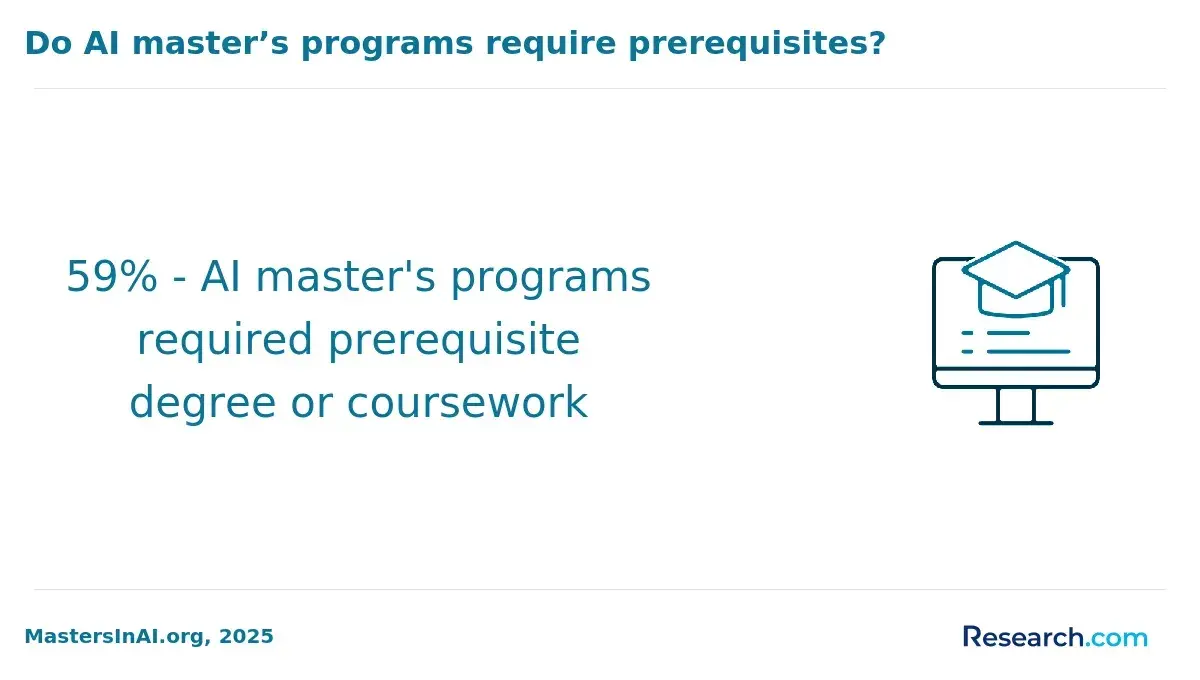
Admission requirements for AI-focused programs targeting hospital administrators vary widely depending on the credential level and program type. Advanced university programs usually require a master's degree or significant healthcare management experience. Applicants often need to provide academic transcripts, recommendation letters, and a statement of purpose that explains their career goals. Executive leadership certificates, like Harvard T.H. Chan School of Public Health's AI in Health Care leadership certificate, demand proven healthcare leadership commitment and may prioritize candidates with prior graduate education. This certificate includes five graduate-level courses designed to build comprehensive AI literacy for executives, reflecting high academic standards (Harvard T.H. Chan School of Public Health; Roche Healthcare Transformers).
Industry-driven courses are more flexible, typically allowing working professionals without stringent academic prerequisites to enroll. These 4-8 week non-credit offerings focus on rapid skill-building and often require proof of healthcare or administrative experience but not graduate credentials. Vendor-led trainings target specific AI platforms and prioritize candidates affiliated with partner organizations, often admitting participants through enrollment rather than formal applications.
Many programs assess foundational knowledge in data science or healthcare IT through pre-course evaluations. Students should clarify if programs provide academic credit or professional certification, as this influences admission rigor and time commitment. Early document preparation and demonstrating relevant work experience improve chances in university-based programs, while industry courses usually allow immediate start.
How long do AI adoption courses for hospital administrators take, and what do they cost?
AI adoption courses for hospital administrators range from brief 4-week bootcamps to comprehensive programs lasting up to 6 months. Shorter courses focus on rapid immersion into AI concepts, healthcare applications, and leadership skills, while longer, university-affiliated certificates cover strategic AI implementation, ethics, and data management tailored to hospital environments.
Costs vary significantly depending on depth and format:
- Basic online courses in AI literacy for healthcare leadership typically cost between $500 and $1,200.
- More advanced certificates with faculty interaction and case studies range from $2,000 to $5,000 or more.
Many programs provide flexible, asynchronous schedules suited for busy professionals, sometimes including live workshops or capstone projects to practice AI integration in hospital administration. A PwC survey revealed that only 24% of healthcare leaders rated their AI literacy as high or very high, with over 60% citing internal skill gaps as major barriers.
This highlights the importance of choosing courses that deliver practical skills in AI adoption and change management. Longer, rigorous training enhances strategic and operational decision-making, whereas shorter programs suit administrators seeking foundational knowledge without heavy time investment.
What AI-related job roles, career paths, and leadership opportunities can this training support?
AI adoption courses for hospital administrators equip professionals to lead in diverse roles such as AI project managers, clinical informaticists, data analysts, and healthcare technology strategists. These programs focus on practical skills to integrate clinical decision support systems, optimize imaging workflows, and enhance revenue cycle operations.
Administrators advancing into specialized AI governance develop ethical frameworks and compliance standards for AI tools. Change management roles train leaders to oversee staff adoption of AI systems, improving patient outcomes. Leadership positions emphasize strategic planning, vendor evaluation, and aligning AI initiatives with institutional goals.
With nearly 80% of hospitals employing at least one AI or machine-learning tool, there is significant demand for professionals who can guide expanded implementation beyond pilot projects. However, fewer than 15% of hospitals have fully scaled AI adoption, highlighting the pressing need for skilled leaders who understand both technology and healthcare environments.
Courses that cover AI ethics, health data analytics, and cross-disciplinary collaboration prepare administrators to navigate deployment challenges, assess AI's clinical impact, and provide data-driven recommendations to executives. Mastery of these competencies ensures readiness for emerging leadership opportunities at the intersection of healthcare and technology innovation.
What are the salary expectations and job outlook for hospital administrators skilled in AI adoption?
Hospital administrators with skills in AI adoption are positioned to see notable salary increases and robust job prospects through 2030. Research from the World Economic Forum and Boston Consulting Group predicts that up to 45% of healthcare administrative tasks may be augmented or automated by AI, increasing demand for professionals fluent in integrating these technologies into hospital operations.
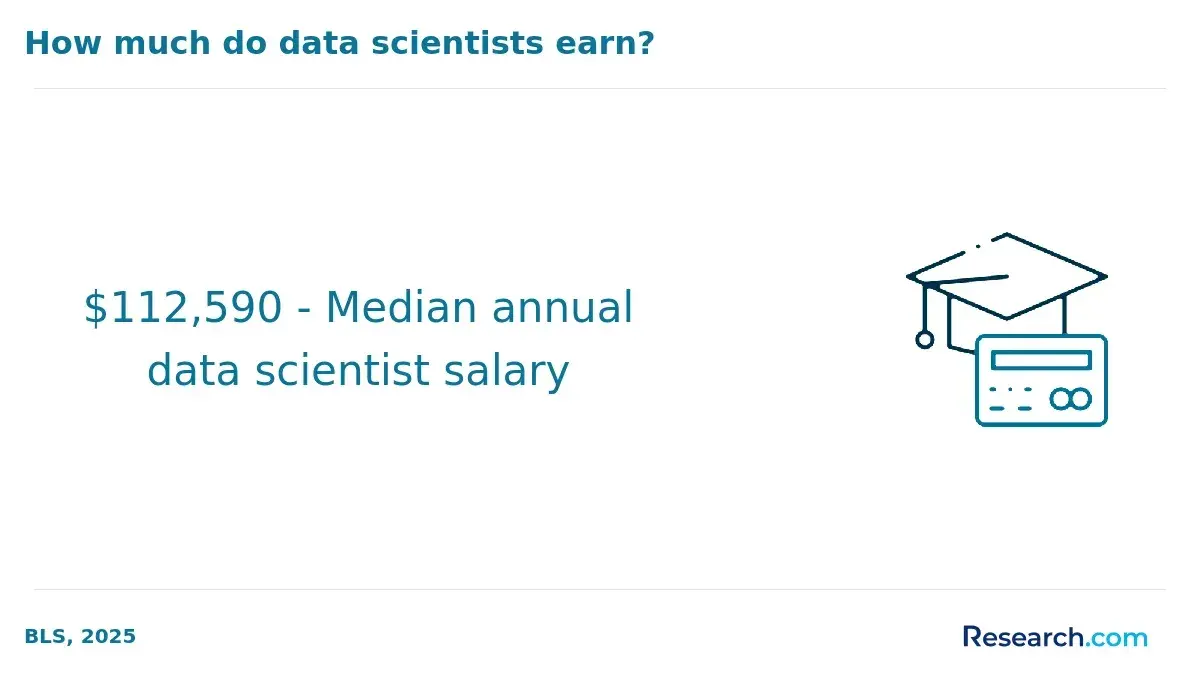
Median salaries for U.S. hospital administrators currently range from $90,000 to $120,000 annually. Those with AI expertise often earn over $130,000 by leveraging technology to optimize workflows and improve patient outcomes. Roles requiring data analytics, AI strategy, and technology implementation experience tend to have faster salary growth compared to traditional administrative positions.
Employment opportunities extend beyond hospitals to consulting firms, health tech companies, and payer organizations. Institutions look for leaders who can drive AI-driven transformations, potentially boosting productivity by 20-30% in administrative tasks. Mastery of AI adoption technology also opens pathways to senior leadership roles focused on digital transformation efforts.
Prospective students should prioritize courses that cover practical AI tools, project management for AI integration, and ethical considerations in automation. Developing these competencies addresses challenges such as managing technology transitions, ensuring regulatory compliance, and leading interdisciplinary teams during innovation.
Other Things You Should Know About Artificial Intelligence
The top AI adoption courses for hospital administrators in 2027 focus on practical skills, strategic implementation, and ethical considerations of AI. These courses typically cover AI fundamentals, machine learning applications in healthcare, and strategies to optimize hospital operations using AI technologies.
One major challenge is ensuring data privacy and cybersecurity while handling sensitive patient information. Additionally, administrators must address resistance to change among staff and navigate the complexity of integrating AI systems with existing technologies. There is also a need for ongoing training to keep staff updated on AI tools and to monitor potential biases in AI-driven decision-making.
Yes, artificial intelligence improves patient safety by identifying potential risks such as medication errors or adverse drug interactions. AI-powered systems assist in monitoring patient vitals and alerting healthcare providers to irregularities in real-time. This proactive approach helps reduce medical errors and supports a higher standard of quality care in hospitals.
Hospital administrators must consider transparency, accountability, and fairness when adopting AI technologies. It is important to ensure AI algorithms do not perpetuate existing biases and that decisions influenced by AI are interpretable by clinicians. Maintaining patient consent and protecting personal health information are also critical ethical priorities.
References
- Cost of Implementing AI in Healthcare, A Complete Guide to ROI Calculations and Budget Planning - Emorphis Health https://emorphis.health/blogs/cost-of-implementing-ai-in-healthcare/
- AI in Healthcare Administration | Xsolis https://www.xsolis.com/blog/ai-in-healthcare-administration/
- Best AI in Healthcare Courses and Certifications for 2025 https://learnprompting.org/blog/ai-in-healthcare-courses-and-certifications
- GenAI in Healthcare Training | Safe AI Use in Healthcare | Skills for Health https://www.skillsforhealth.org.uk/products/elearning/gen-ai-healthcare-training/
- AI Automation: Solving Healthcare's Administrative Cost Crisis & Driving Efficiency https://www.smartertech.com/articles/the-impact-of-ai-on-healthcare-administrative-costs---2025-benchmark-report
- AI career paths: 2026 job guide https://www.pluralsight.com/resources/blog/ai-and-data/ai-career-guide-2025
- Cost Of Implementing AI In Healthcare 2025: Crucial Factors https://murphi.ai/cost-of-implementing-ai-in-healthcare/
- AI accreditation is coming to healthcare http://www.modernhealthcare.com/digital-health/ai-accreditation-guidelines-urac-ncqa/
- How AI is Improving Hospital Management and Patient Care | Tribe AI https://www.tribe.ai/applied-ai/ai-in-healthcare-administration
- AI in Hospital Operations: 2025 Trends, Efficiency & Data | IntuitionLabs https://intuitionlabs.ai/articles/ai-hospital-operations-2025-trends