2027 Best AI Courses for Freelancers

Co-Founder and Chief Data Scientist
Many freelancers seek to expand their skill set but struggle to find structured courses that fit unpredictable schedules. The rapidly evolving field of artificial intelligence demands up-to-date knowledge and practical skills to compete effectively. Without clear guidance, professionals risk investing time and money in programs that do not align with career goals or market demands.
Access to flexible, accredited courses is crucial for those pivoting from unrelated fields to enter AI confidently. This article reviews the best AI courses designed for freelancers, highlighting options that combine quality education with flexibility to support successful career transitions.
Key Things You Should Know
- AI freelancing courses in 2026 emphasize practical skills in machine learning, natural language processing, and automation, reflecting a 35% job growth projection in U.S. AI sectors.
- Cost-effective, flexible online programs dominate, with 70% of freelancers preferring courses offering project-based learning and certifications recognized by leading tech firms.
- Top-rated courses integrate ethics, data privacy, and bias mitigation training to meet increasing demand for responsible AI development and deployment.
Advance Your Career with AI Online Courses
Artificial Intelligence: Implications for Business Strategy
This program provides an introduction to Artificial Intelligence and their implications for business strategy. Earn an official digital certificate.

Oxford Artificial Intelligence Programme
Explore this Oxford Artificial Intelligence programme offered in a flexible learning environment and explore topics like machine learning, automation, and robotics.

Implementing Agentic AI: Building Your Organizational Playbook
This online MIT Agentic AI course offers a practical approach to deploying AI agents in your organization, including a custom playbook. 3 weeks, exclusive launch price.

AI Adoption: Driving Business Value and Impact
This online MIT AI Adoption: Driving Business Value and Impact offers practical frameworks to close the gap between AI potential and business reality.

Artificial Intelligence in Pharma and Biotech
Discover the applications and limitations of artificial intelligence in pharma and biotech with this MIT online short course.

What are the best AI courses for freelancers and how do they differ by skill level?
Freelancers aiming to enhance their ai capabilities should choose courses based on their experience and career goals. Beginners benefit from foundational programs that cover machine learning basics, data preprocessing, and Python programming. Platforms like Coursera and edX deliver practical skills such as building simple models and understanding algorithms, making these ideal for those new to ai.
Intermediate learners can explore more specialized topics like neural networks, natural language processing, and computer vision. These courses often feature project-based assignments reflecting real-world applications such as automating customer support or data analysis for freelance clients. Udacity's AI Nanodegree represents a top artificial intelligence training program for freelance professionals seeking this balance of theory and practice.
For advanced freelancers, specialized courses covering deep learning architectures, reinforcement learning, and AI ethics are essential. Providers such as Stanford Online and MIT OpenCourseWare offer rigorous content designed to support expert skill refinement and the development of custom AI solutions or consultancy roles.
Choosing skill-appropriate training directly impacts earnings. According to the "2024 Freelance Forward: AI Skills Report" by Upwork, freelancers with ai skills command a median hourly rate of $120, twice the $60 median of non-AI technical freelancers. This data emphasizes the value of targeted ai education aligned with freelance market demands.
Key factors when selecting courses include the balance between theoretical knowledge and hands-on experience, portfolio-building projects, and avoiding overwhelm by matching difficulty to current skills. For those considering further education, an accelerated bachelor's degree computer science can complement ai training and open additional career pathways.
Advance Your Career with AI Online Courses
Artificial Intelligence: Implications for Business Strategy
This program provides an introduction to Artificial Intelligence and their implications for business strategy. Earn an official digital certificate.
Oxford Artificial Intelligence Programme
Explore this Oxford Artificial Intelligence programme offered in a flexible learning environment and explore topics like machine learning, automation, and robotics.
Implementing Agentic AI: Building Your Organizational Playbook
This online MIT Agentic AI course offers a practical approach to deploying AI agents in your organization, including a custom playbook. 3 weeks, exclusive launch price.
How can freelancers choose between short AI courses, certificates, bootcamps, and full degrees?
Freelancers choosing between short ai courses, certificates, bootcamps, and full degrees face decisions shaped by career goals, time availability, and budget. Short courses offer quick skill updates and a chance to explore niche AI tools without requiring a large time investment, making them among the best flexible ai learning options for freelancers looking to enhance specific skills efficiently. Certificates provide structured learning and credibility, valuable for demonstrating expertise in specialized areas like machine learning or natural language processing.
Bootcamps deliver intensive, hands-on experience within weeks or months, appealing to freelancers seeking rapid entry into AI-related projects. Full degrees, such as bachelor's or master's programs, represent long-term commitments but are ideal for those pursuing significant career shifts or roles demanding deep theoretical knowledge. Comparing ai certification programs and degrees for freelancers highlights differences in depth, cost, and flexibility, which are critical.
Freelancers should assess immediate skill gaps and project needs, targeting courses that increase billable rates or open new client sectors. For those considering degree programs, exploring options like an affordable online engineering degree can balance quality and cost effectively.
What should freelancers look for in accredited, reputable AI programs and course providers?
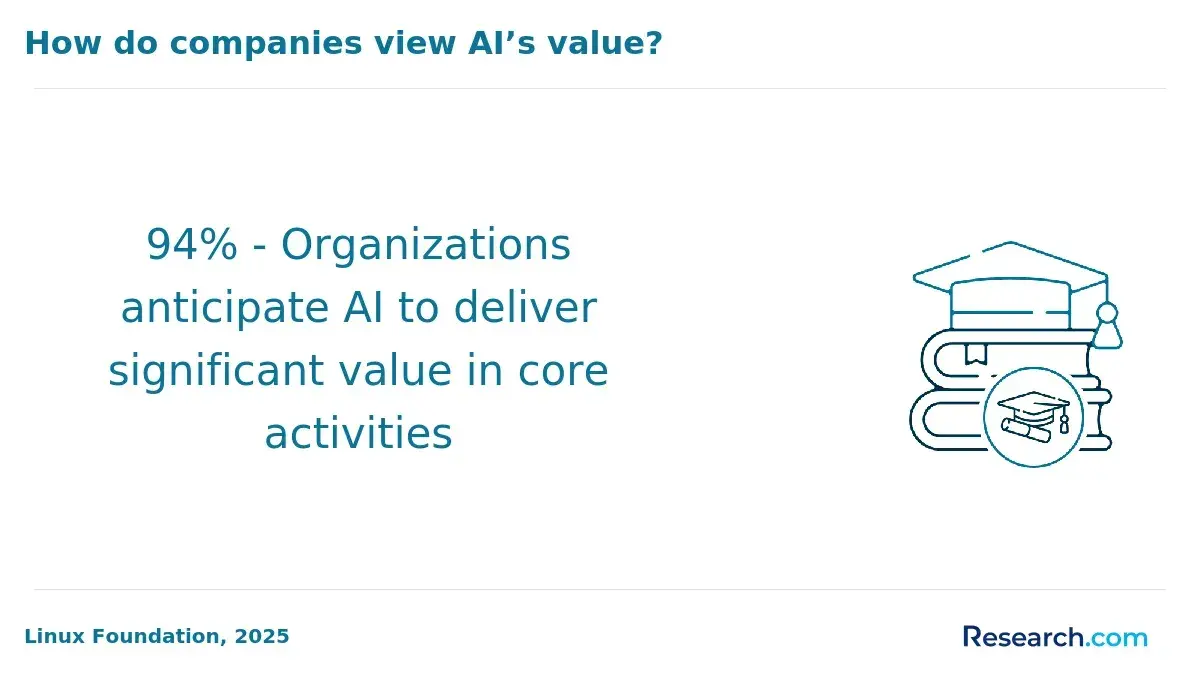
Freelancers looking for the best accredited AI courses for freelancers should prioritize programs that offer relevant curricula, recognized certifications, and practical skill-building. Reputable AI training programs for independent professionals often align with current industry standards and cover foundational to advanced AI competencies applicable to freelance projects. Accreditation from respected educational institutions or professional organizations enhances a course's credibility with clients and employers.
Effective programs provide clear learning pathways and accommodate diverse skill levels, including beginner-friendly no-code or low-code AI tools. This approach reflects a growing demand seen in a 110% year-over-year increase in no-code AI and ML course enrollments on Coursera. Project-based assessments are also key, offering hands-on experience that strengthens freelance portfolios.
Flexibility in course formats-whether self-paced, part-time, or hybrid-helps freelancers balance work and study commitments. Access to industry networks, mentorship opportunities, and regularly updated content on emerging AI frameworks supports ongoing professional growth. Transparency in outcomes, like graduate success rates and client engagement data, can guide choices. Post-course platforms for showcasing work or connecting to clients add further value.
For more comprehensive information on advanced study options, consider exploring online AI PhD programs that integrate cutting-edge research with practical applications.
Which AI skills and tools are most valuable for freelancers in today's job market?
Freelancers focusing on advanced artificial intelligence tools for freelancers must develop key skills in machine learning, natural language processing (NLP), and computer vision to stay competitive. Proficiency in programming languages like Python and R, along with frameworks such as TensorFlow or PyTorch, is essential for building and deploying AI models. Cloud computing platforms like AWS SageMaker and Google Cloud AI provide scalable infrastructure, while data preprocessing and feature engineering improve model accuracy.
Specializing in AI subfields enhances marketability, with NLP skills opening doors to chatbot development and sentiment analysis, and computer vision enabling work in image recognition and autonomous systems. Knowledge of AI model explainability and ethics is increasingly important as clients prioritize transparent and responsible AI solutions.
Integration capabilities using APIs from platforms like OpenAI or Hugging Face allow freelancers to create practical AI tools without building entire systems, supporting essential AI skills for remote freelance jobs. Familiarity with agile workflows and version control tools like Git further strengthens collaboration in remote environments.
The demand for AI and machine-learning development projects has surged, growing 70% year-over-year on top freelance platforms. For those considering advanced education to boost their AI expertise, pursuing an online data science PhD can provide deep technical knowledge and research credentials.
How do online AI courses for freelancers compare with campus-based and hybrid options?
Online AI courses provide freelancers with adaptable options that surpass campus-based and hybrid models in flexibility and scalability. These courses eliminate geographic and scheduling constraints, granting access to globally recognized instructors and a wide range of projects. This approach enables freelancers to balance skill development alongside their existing workloads, especially benefiting those aiming for rapid entry or upskilling in fields like machine learning, natural language processing, and data analytics.
Campus-based programs deliver immersive learning through direct mentorship, networking opportunities, and hands-on labs, which can deepen practical skills. However, their rigid schedules and commuting requirements may not suit freelancers handling multiple clients or irregular hours. Hybrid courses try to combine online benefits with some on-site sessions but still limit flexibility for many freelancers. Platforms offering client simulations and active feedback often prepare students more effectively for freelance marketplaces than traditional methods.
What does a typical AI course curriculum for freelancers include, from basics to advanced topics?
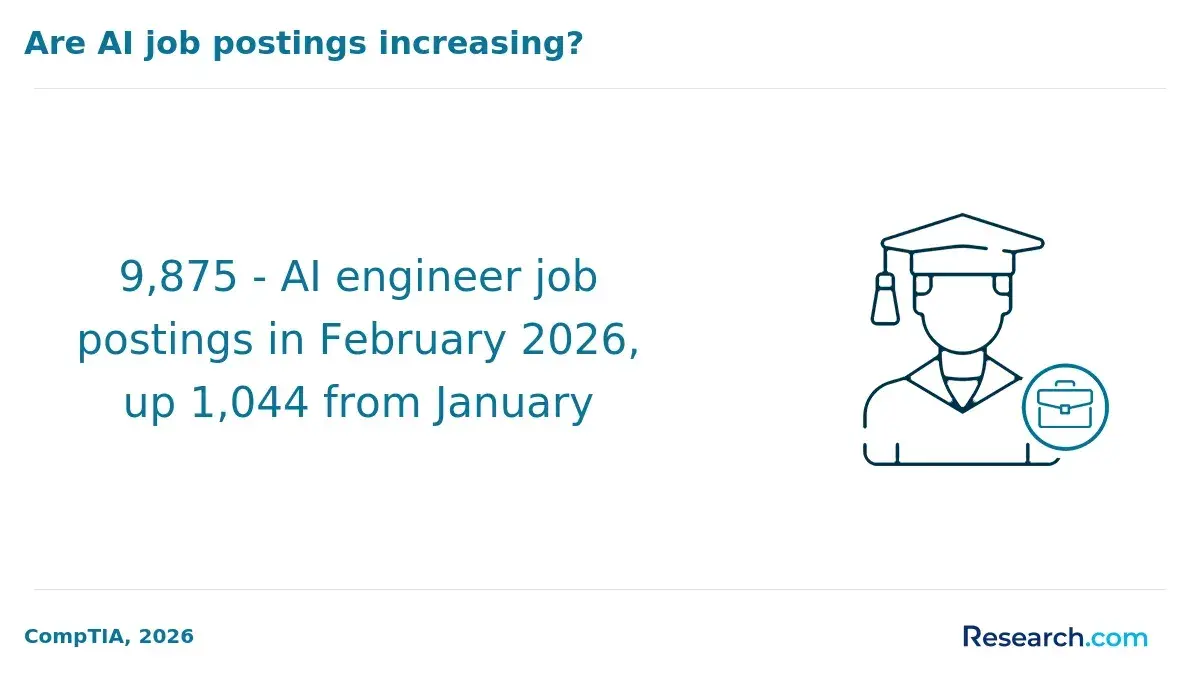
AI courses tailored for freelancers start with programming foundations, mainly Python, paired with essential machine learning concepts and data handling. Core topics include supervised and unsupervised learning, model evaluation, and algorithms like decision trees and clustering. Hands-on projects with real datasets help solidify learning.
Intermediate modules explore natural language processing (NLP), computer vision, and neural networks, enabling freelancers to build skills in text analysis, image recognition, and entry-level deep learning models. Advanced coursework emphasizes generative AI and prompt engineering, focusing on transformer architectures such as GPT, model fine-tuning, and crafting effective prompts for diverse freelance tasks.
Real-life applications often revolve around automating content creation, chatbots, and AI-driven customer support. Given that the demand for generative AI specialists on Upwork increased 10x and average project budgets rose by 45%, freelancers should prioritize these cutting-edge skills to thrive in the marketplace.
Ethics, data privacy, and deployment practices are integrated into curricula, aligning training with responsible freelance roles. Building a strong portfolio and mastering cloud AI platforms like AWS or Google AI are vital for practical readiness.
What are the admission requirements, time commitments, and costs of leading AI courses for freelancers?
Leading AI courses for freelancers show wide variation in admission requirements, time investment, and costs, catering to different specializations and learning preferences. Many foundational programs require only basic computer skills and familiarity with programming languages like Python. More advanced or niche courses-in areas such as marketing automation or AI-driven design-often expect prior experience in data science, coding, or marketing fundamentals to match the technical demands.
Time commitments range from intensive four- to eight-week boot camps with daily sessions to flexible self-paced online courses lasting several months. For example, a marketing-focused AI course may require 5-10 hours weekly over 8-12 weeks, helping freelancers manage learning alongside client work. Courses centered on content creation and design usually include hands-on projects, increasing weekly hours but building valuable practical experience.
Costs vary from free introductory MOOCs to professional certification courses priced between $300 and $2,000. More specialized programs with live instruction and mentorship can exceed $3,000. These investments align with market demand; Salesforce's "State of Marketing 2024" reports 73% of marketing leaders have boosted spending on AI-driven creative tools, while 41% are hiring freelancers skilled in those technologies.
Freelancers should seek courses emphasizing practical application and portfolio development to maximize return on time and money. Flexible online programs benefit those balancing projects, whereas immersive boot camps suit rapid skill-building. Verification through recognized certificates or project submission strengthens credibility in AI-driven freelance markets.
What freelance roles and project types can AI courses prepare learners to pursue?
AI courses equip freelancers with skills for diverse technology-driven roles, especially where automation and data analysis intersect. Key freelance positions include AI model training specialists, machine learning engineers, data annotators, and no-code tool developers who create automation workflows without extensive coding. Projects may involve building chatbots, predictive analytics models, recommendation systems, or automating business processes via AI-powered low-code or no-code platforms.
Freelancers with AI expertise are increasingly in demand for work in natural language processing, computer vision, and custom AI integration within small to medium businesses. Common examples include automating customer service, generating AI-enabled content, and personalized marketing automation.
No-code and low-code AI courses offer significant value due to the sector's rapid growth. The global market for these technologies is expected to reach $98.7 billion by 2028, growing at a compound annual rate of 24.7% from 2023 (Gartner, "Forecast Analysis: Low-Code Development Technologies, Worldwide, 2024"). This trend expands opportunities for freelancers to deploy AI tools, optimize workflows, and customize systems without deep software engineering experience.
Freelancers must also address challenges such as data privacy, reducing model bias, and maintaining AI accuracy over time. Practical coursework helps learners advise clients on ethical AI practices and scalability of AI solutions. Mastering AI frameworks and automation platforms boosts freelancers' ability to deliver specialized services across industries, meeting growing market needs.
What income potential and long-term career paths can AI-skilled freelancers reasonably expect?
Freelancers skilled in AI can command significantly higher rates, especially when specializing in areas like natural language processing (NLP), computer vision, and intelligent agents. According to Upwork's "AI Skills Premium 2024" brief, these specialists earn around 28% more than general machine learning professionals. Hourly rates vary widely, ranging from $75 to $150+ depending on the complexity of projects and the platform, compared to $50 to $100 for broader ML tasks.
Success in this field depends on proven domain expertise, a strong portfolio, and the ability to solve real-world problems such as automated text analysis or image-based defect detection. Building skills in cutting-edge AI domains opens doors to consulting, advisory roles, and technical leadership, expanding long-term career potential.
Many AI freelancers evolve from task-specific gigs to strategic consulting or hybrid roles combining AI development with product management or data strategy. Clear communication of problem-solving capabilities helps freelance professionals increase their market value and engage in research collaboration or business strategy integration.
How can freelancers validate their AI skills through certifications, portfolios, and client-facing credentials?
Freelancers boost credibility and command higher rates by validating AI skills through certifications, portfolios, and client-facing credentials. Certifications from reputable providers like Coursera, edX, and DeepLearning.AI offer industry-recognized proof of technical knowledge, such as a professional certificate in machine learning. These credentials help establish trust with clients and stand out in competitive marketplaces.
Showcasing a diverse portfolio with AI projects-from data preprocessing to machine learning model deployment-demonstrates practical expertise. Detailed descriptions, code repositories, and problem-solving narratives provide clients with insights into real-world capabilities beyond theory.
Client-facing evidence such as testimonials, case studies, and verified online profiles acts as social proof. Clearly linking certifications to delivered outcomes helps translate technical qualifications into business value, fostering confidence for long-term engagements.
Investing time in upskilling is crucial: independent professionals dedicating at least five hours monthly to digital learning report a 47% increase in annual income over three years, compared to only 10% for those not upskilling, according to the World Economic Forum's 2025 Insight Report. Consistent learning combined with visible proof of expertise remains essential for freelancers aiming to grow AI careers and maximize ROI from courses.
Other Things You Should Know About Artificial Intelligence
The best AI courses in 2027 for freelancers include Coursera's "AI for Everyone" by Andrew Ng for foundational knowledge, Udacity’s "AI Programming with Python" for technical skills, and edX's "Professional Certificate in Applied Artificial Intelligence" for applied learning. These courses cater to a variety of skill levels and provide flexible learning options for freelancers.
While having a technical background is advantageous, freelancers can participate in AI projects by focusing on roles such as project management, data annotation, or content creation related to AI applications. However, understanding basic AI concepts and terminology is important to communicate effectively with technical teams and deliver value.
Artificial intelligence expands job opportunities by creating demand for freelancers skilled in AI development, implementation, and data handling. It also automates routine tasks, prompting freelancers to upskill and adapt to more creative and analytical roles that AI cannot easily replicate. This shift encourages continuous learning and specialization within AI-related fields.
Freelancers in artificial intelligence often use tools such as Python, TensorFlow, PyTorch, and cloud platforms like AWS and Google Cloud for model development and deployment. Additionally, data labeling tools and machine learning platforms provide essential support for managing datasets and training AI models efficiently.
References
- Top 7 artificial intelligence courses 2025: Comparison of the best online programs https://xd-i.com/en/data-en/ai-courses/
- Freelance Smarter with AI https://findskill.ai/courses/freelancers/
- Top 20 Free AI Courses for Freelancers https://www.arqfinance.com/en-MX/blog/freelancer-tips/20-mejores-cursos-IA-gratis
- Your guide to 14 best AI tools for freelancers in 2026 https://useme.com/en/blog/14-best-ai-tools-for-freelancers/
- 10 AI Skills You Need in Today’s Job Market https://www.salesforce.com/artificial-intelligence/ai-skills/
- 16 Artificial Intelligence Career Paths https://www.calmu.edu/news/artificial-intelligence-career-paths
- Understanding AI: AI tools, training, and skills https://ai.google/learn-ai-skills/
- Become an AI Engineer in 3 Months | Turing College https://www.turingcollege.com/ai-engineering
- A Complete 4-Year Course Plan for an Artificial Intelligence Undergraduate Degree https://www.mihaileric.com/posts/complete-artificial-intelligence-undergraduate-course-plan/
- AI Courses for Freelancers: A Practical Guide to Choosing the Right Training https://www.ai-academy.com/blog/ai-courses-for-freelancers-a-practical-guide-to-choosing-the-right-training