2027 Best AI Strategy Courses for Cybersecurity Automation Teams

Co-Founder and Chief Data Scientist
Cybersecurity automation teams face escalating challenges managing complex threat landscapes while integrating artificial intelligence solutions. Skills gaps and evolving technologies can delay deployment and reduce system efficacy in detecting and responding to cyber threats. Professionals with unrelated backgrounds often struggle to find accessible, relevant courses that bridge foundational knowledge with practical AI applications in cybersecurity automation. This article examines top-rated strategy courses designed to equip such learners with the expertise to implement AI-driven security measures effectively. It aims to guide readers toward accredited, flexible programs that accelerate career transitions and enhance technical competencies in this critical field.
Key Things You Should Know
- Top AI strategy courses for cybersecurity automation in 2026 emphasize practical skills, with over 65% of programs incorporating hands-on labs and real-world threat simulations.
- Industry demand for AI-savvy cybersecurity professionals is projected to grow by 30% from 2024 to 2029, boosting the value of specialized strategy training.
- Courses increasingly focus on integrating AI models with automated defense systems, reflecting advancements in threat detection and response technologies since 2024.
Advance Your Career with AI Online Courses
Artificial Intelligence: Implications for Business Strategy
This program provides an introduction to Artificial Intelligence and their implications for business strategy. Earn an official digital certificate.

Oxford Artificial Intelligence Programme
Explore this Oxford Artificial Intelligence programme offered in a flexible learning environment and explore topics like machine learning, automation, and robotics.

Implementing Agentic AI: Building Your Organizational Playbook
This online MIT Agentic AI course offers a practical approach to deploying AI agents in your organization, including a custom playbook. 3 weeks, exclusive launch price.

AI Adoption: Driving Business Value and Impact
This online MIT AI Adoption: Driving Business Value and Impact offers practical frameworks to close the gap between AI potential and business reality.

Artificial Intelligence in Pharma and Biotech
Discover the applications and limitations of artificial intelligence in pharma and biotech with this MIT online short course.

What is an AI strategy course for cybersecurity automation teams, and who are these programs best for?
AI strategy courses for cybersecurity automation teams equip professionals to integrate artificial intelligence tools and machine learning techniques into security operations. These programs blend practical use cases such as automating phishing detection and anomaly identification with strategic frameworks for evaluating AI's impact on security. The curriculum covers AI model selection, data preprocessing, automation workflows, cybersecurity risk assessment using AI, and ethical considerations in AI deployment.
These courses best serve cybersecurity professionals aiming to lead or participate in AI-driven transformations. Security analysts, automation engineers, cybersecurity managers, and IT architects gain insight into automating threat monitoring and enhancing human decision-making. Graduates with backgrounds in computer science, information technology, or data science seeking specialization in security operations automation find these offerings especially valuable.
Organizations face a significant talent shortage in this area. According to the 2024 State of Cybersecurity report by ISACA, 70% of organizations plan to use AI or machine learning for security operations within a year, yet 60% report a substantial skills gap in AI-related cybersecurity capabilities. This gap creates demand for the best AI training programs for cybersecurity professionals to close those competency gaps.
Those pursuing AI skills in cybersecurity may also consider the best universities for data science undergraduate programs, as foundational knowledge in data science can strengthen proficiency in AI-driven security automation.
Advance Your Career with AI Online Courses
Artificial Intelligence: Implications for Business Strategy
This program provides an introduction to Artificial Intelligence and their implications for business strategy. Earn an official digital certificate.
Oxford Artificial Intelligence Programme
Explore this Oxford Artificial Intelligence programme offered in a flexible learning environment and explore topics like machine learning, automation, and robotics.
Implementing Agentic AI: Building Your Organizational Playbook
This online MIT Agentic AI course offers a practical approach to deploying AI agents in your organization, including a custom playbook. 3 weeks, exclusive launch price.
How do AI strategy courses help cybersecurity teams automate threat detection and incident response?
AI strategy courses teach cybersecurity teams how to automate threat detection and incident response by integrating advanced algorithms with current security systems. These programs emphasize designing, deploying, and monitoring AI-driven tools that analyze large volumes of network data in real time to identify anomalies, reducing reliance on manual processes. Practical lessons include creating machine learning models that recognize attack patterns and automate alerts, enabling faster responses to evolving threats.
One focus is on AI-powered threat detection techniques for cybersecurity teams, including supervised and unsupervised learning methods to classify threats and predict attack vectors. Hands-on projects often involve developing AI-based intrusion detection systems or automating incident response workflows, improving both efficiency and accuracy. For example, automating phishing detection using natural language processing lowers false positives and helps analysts prioritize critical alerts.
Courses also address integrating AI with Security Orchestration, Automation, and Response (SOAR) platforms to automate tasks like containment, remediation, and reporting. Teams learn to align AI outputs with organizational policies and compliance standards, ensuring automated actions remain effective and auditable.
Automated incident response strategies using AI in cybersecurity are projected to reduce the impact of security incidents by up to 80% by 2026, according to Gartner. This growth makes AI-security leadership one of the fastest growing strategic skills in cybersecurity, underscoring the importance of AI strategy education for professionals seeking to transform operations through automation.
For those interested in broader technical education options, a mechanical engineering online degree offers a flexible path to gain engineering expertise along with AI-driven technologies.
What types of AI strategy programs are available for cybersecurity professionals (certificates, degrees, bootcamps)?
Cybersecurity professionals interested in enhancing their skills can explore various educational paths that address different stages of their careers and learning objectives. AI strategy certificate programs for cybersecurity professionals typically focus on niche skills like machine learning for threat detection or AI-driven automation in incident response. These short-term certificates usually last a few months and are ideal for working professionals seeking to upskill quickly. For instance, leveraging AI can reduce breach lifecycle times by 108 days and save approximately $1.8 million in costs, as shown in IBM's 2024 Cost of a Data Breach report.
Degree and bootcamp options in AI strategy for cybersecurity teams offer more depth and practical experience. Degree programs, such as bachelor's and master's degrees with AI concentrations in cybersecurity, provide a thorough mix of theory and application. These multi-year programs prepare students for leadership or research roles, covering topics like AI ethics, automated threat intelligence, and AI system design for cybersecurity automation teams. For those seeking faster, hands-on training, bootcamps deliver focused AI and cybersecurity automation skills over weeks to months. They train professionals in real-world tasks like automating threat hunting and incident response.
Many of these options can be part of an accelerated cyber security program, making advanced AI strategy education accessible to those balancing work and study.
How can you compare online, hybrid, and on-campus AI strategy courses for cybersecurity work?
Online, hybrid, and on-campus AI strategy courses for cybersecurity professionals vary in structure and interaction, making it essential to know how to compare online hybrid and on-campus AI strategy courses for cybersecurity professionals. Online programs offer unmatched flexibility, allowing learners to balance work and study while accessing diverse specialized content. However, these courses can lack the real-time collaboration vital for mastering cybersecurity automation through team-based problem solving.
Hybrid courses mix remote learning with scheduled in-person sessions, providing a balanced approach. They combine online flexibility with face-to-face networking and labs, which strengthens understanding of complex AI strategies applied to cybersecurity. Hybrid options often focus on application-driven projects, making them ideal for professionals eager to deepen practical skills. This format is highly recommended for those seeking a middle ground between convenience and direct engagement.
On-campus courses provide immersive environments with faculty access, interactive simulations, and dedicated cybersecurity labs. Although they demand geographic and time commitment, these courses excel for students prioritizing in-depth mentorship and hands-on automation tool experience. For the best course formats for cybersecurity automation and AI strategy training, on-campus remains the gold standard in practical intensity.
According to ISC2's study, 44% of cybersecurity leaders cite AI/ML proficiency as a top technical skill gap, emphasizing urgent training demand. Professionals balancing flexibility and effectiveness may explore military friendly online cybersecurity degree programs to support their goals.
What curriculum topics are typically covered in AI strategy courses for cybersecurity automation teams?
AI strategy courses for cybersecurity automation teams cover essential topics to prepare professionals for evolving cyber threats. Core areas include machine learning and deep learning fundamentals, with a focus on using these technologies to detect and respond to attacks. AI-driven threat intelligence teaches automation of data collection and analysis to predict potential vulnerabilities.
The curriculum also emphasizes AI security governance, addressing policy creation, compliance, and ethical concerns related to AI deployment in cybersecurity. Risk assessment models help teams identify and mitigate vulnerabilities introduced by AI systems, fostering stronger organizational defenses.
Technical training covers automating incident response workflows, designing AI agents for threat neutralization, and utilizing AI tools for phishing detection, malware classification, and anomaly detection. Courses often include adversarial AI techniques, helping students understand attacker tactics and develop effective countermeasures.
Real-time monitoring frameworks that integrate AI with existing cybersecurity infrastructure are a key focus, along with strategies for scaling AI solutions across enterprises to maintain operational resilience. Notably, MIT xPRO data indicates that over 80% of senior technology leaders expect AI-driven attacks to impact organizational risk within two years, yet only 24% have formal AI security strategies.
Training also covers actionable AI governance roadmaps, continuous improvement metrics, and ethical AI use with bias mitigation. These programs equip cybersecurity teams with both theoretical knowledge and practical skills for robust AI-driven security aligned with organizational priorities.
What admission requirements and prior experience do AI-focused cybersecurity strategy programs usually expect?
AI-focused cybersecurity strategy programs typically require a strong foundation in computer science, cybersecurity principles, and practical experience, often including DevSecOps or software development. Most applicants hold a bachelor's degree in fields like computer science, information technology, or cybersecurity. Advanced courses may also require knowledge in machine learning, data analytics, or programming languages such as Python and Java.
Hands-on experience in cybersecurity operations or engineering enhances candidate readiness for these programs. Familiarity with network security tools, SIEM platforms, and threat modeling supports understanding AI's role in security frameworks. As AI security tools increasingly rely on cloud architectures, many programs seek applicants with cloud environment knowledge.
Foundational AI skills, including natural language processing or adversarial machine learning, are often part of program prerequisites or preparatory courses covering machine learning fundamentals, neural networks, or reinforcement learning. Professional certifications like CISSP, CEH, or cloud security credentials are also valued for validating previous security expertise.
Specialized roles such as LLM red-team and adversarial ML engineers command $160,000-$230,000+ annually, exceeding traditional security engineering salaries due to talent scarcity, according to Practical DevSecOps' 2026 AI security salary guide. This wage premium reflects high industry demand for candidates with combined cybersecurity and AI proficiency, highlighting the importance of hybrid skills in automation and threat response.
How long do AI strategy courses for cybersecurity automation teams take, and what do they cost?
AI strategy courses for cybersecurity automation teams vary significantly in length and focus. Intensive boot camps typically last 4 to 8 weeks and concentrate on core skills such as AI model integration, automation workflows, and threat detection algorithms. More extensive certificate programs or part-time courses run from 3 to 6 months, covering additional topics like AI ethics, compliance, and governance frameworks tailored to cybersecurity needs.
Cost depends on the program's duration and provider. Short boot camps usually range from $2,000 to $5,000, suitable for professionals seeking fast upskilling. Longer programs offered by universities or specialized institutions cost between $7,000 and $15,000, while advanced certifications with hands-on labs and mentorship can exceed $20,000.
This price and duration variety serves different learner goals. Teams focused on automation script development might prefer shorter, cost-effective courses. In contrast, leaders responsible for AI governance often select lengthier, pricier options emphasizing regulatory compliance.
A recent survey highlighted by Practical DevSecOps reports that compensation for AI ethics and compliance officers, who handle regulations like the EU AI Act, has increased to $130,000-$190,000. This underscores the value of investing in education addressing governance and compliance.
How can you verify accreditation, industry recognition, and quality of AI strategy programs in the U.S.?
Evaluating AI strategy programs in the U.S. involves verifying accreditation from recognized bodies like the Middle States Commission on Higher Education or the Higher Learning Commission. This ensures programs meet established educational standards. Additionally, it's important to choose programs from institutions with strong reputations in cybersecurity or AI fields.
Key indicators of industry recognition include partnerships with leading cybersecurity firms or AI research organizations. University affiliations often provide stronger support networks and better career outcomes. Curricula should align with frameworks such as NIST cybersecurity standards or AI governance principles to meet current market demands.
High-quality programs feature qualified faculty, practical components like labs or real-world projects, and up-to-date content. Many professionals prefer university-backed certificates for their rigor and credibility. For instance, eCornell's Cybersecurity and AI Strategy certificate shows strong demand, with over 75% of participants pursuing leadership roles in AI-security or automation projects.
Prospective students should review detailed syllabi, alumni outcomes, and employer feedback. External certifications or endorsements, along with recommendations from professional bodies such as ISACA or (ISC)², help confirm program quality. Prioritizing programs that combine strong academic accreditation with relevant industry engagement and hands-on experience is essential.
What cybersecurity job roles, career paths, and advancement opportunities follow AI strategy training?
Cybersecurity roles that incorporate AI strategy training emphasize the use of automation and predictive analytics to strengthen defense systems. Common career advancements include positions such as AI cybersecurity strategist, automation architect, threat intelligence analyst, and chief information security officer (CISO) specializing in AI-driven frameworks.
Many professionals start as security analysts or incident responders and progress to senior roles requiring expertise in AI model development, risk assessment, and smart deployment of cybersecurity tools. For example, threat intelligence analysts utilizing AI automation can predict and mitigate cyber threats more swiftly than traditional techniques.
Advancement often leads to leadership roles managing cybersecurity automation teams or cross-functional units designing AI-powered threat detection systems. Success in these roles demands both technical knowledge and strategic foresight to balance AI's capabilities with organizational risk tolerance.
Practitioners face practical challenges such as selecting appropriate AI models for specific threats and ensuring compliance with evolving regulations on automated security measures, with solutions often resulting in greater responsibility and salary growth.
MIT xPRO offers an "AI and Cybersecurity: Strategies for Resilience and Defense" program priced at $3,200 per participant, making it feasible to fully train a 10-person cyber automation team for under $35,000 in tuition. This reflects the increasing need for AI-savvy leaders to drive effective cybersecurity transformation.
What salary ranges and job outlook can AI-literate cybersecurity automation professionals expect?
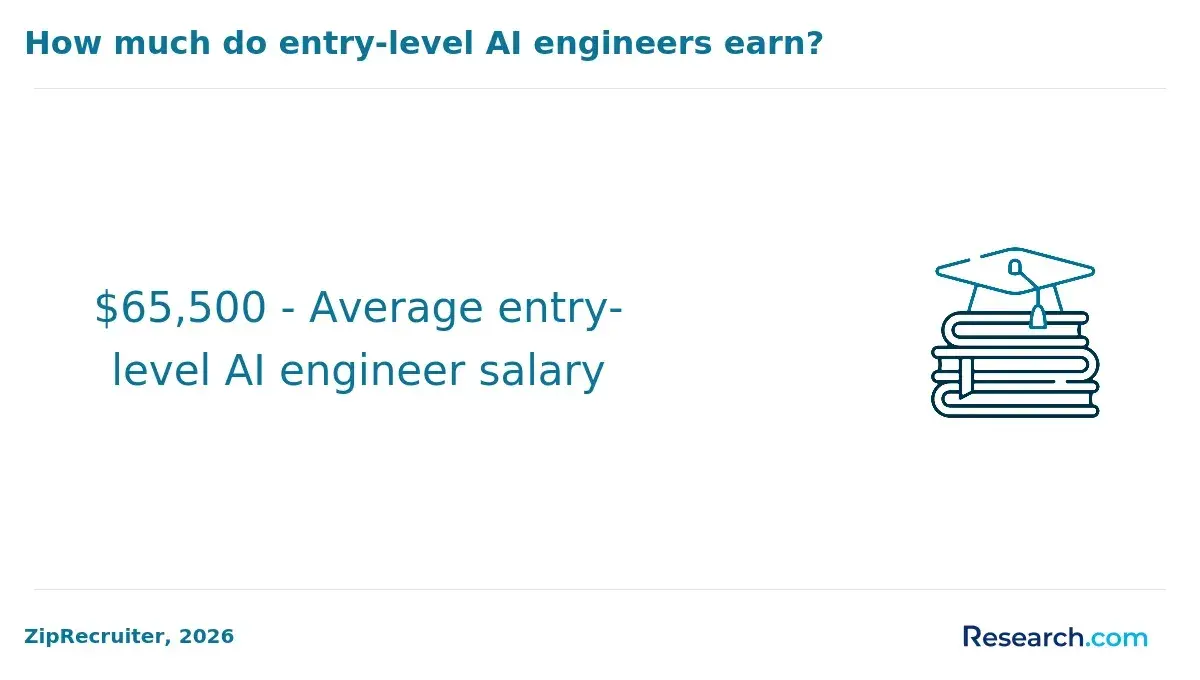
Cybersecurity professionals skilled in AI strategy command salaries that vary widely by experience and specific role. Mid-level experts typically earn between $90,000 and $180,000 annually, while entry-level positions, including AI security analysts and automation engineers, start around $80,000 to $100,000. Senior roles such as AI cybersecurity architects and governance leads can earn from $160,000 up to $280,000 or more. Data from the Practical DevSecOps market outlook highlights that senior AI security architects and governance leads are now reaching total compensation packages of $240,000 to $280,000+, marking AI-focused security as the highest-paid specialization in cybersecurity going forward.
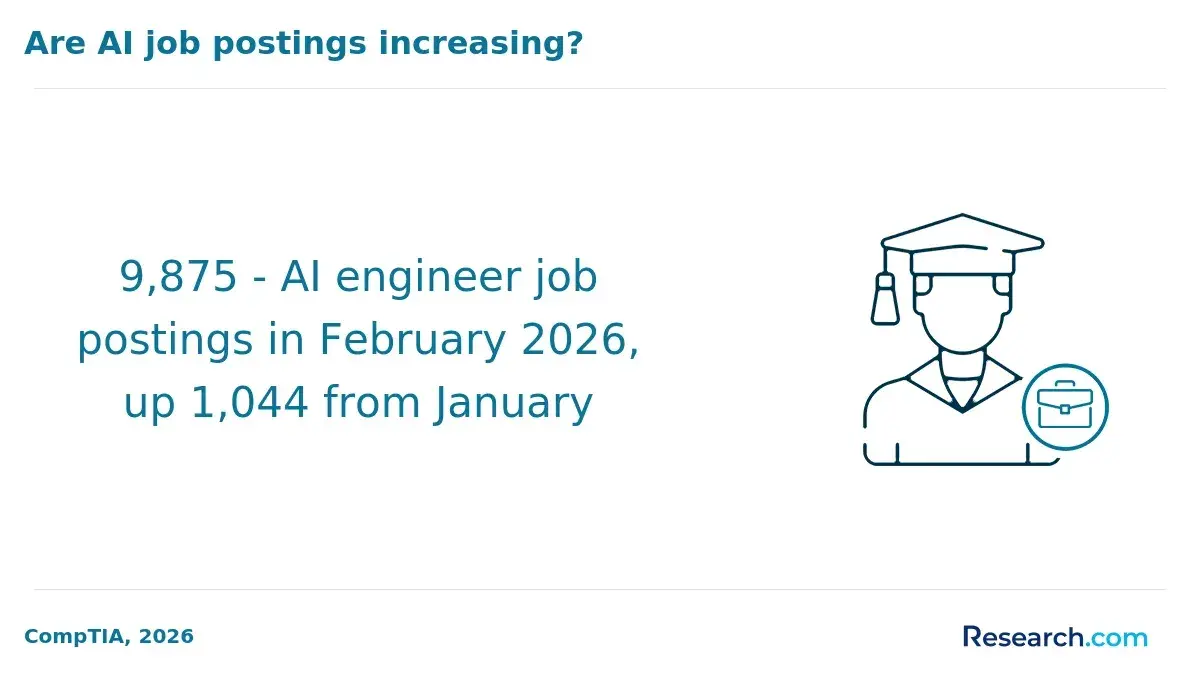
Job prospects for AI-literate cybersecurity specialists remain extremely robust. Increasing organizational reliance on machine learning-driven automation tools for threat detection, incident response, and regulatory compliance fuels this demand. Those who combine cybersecurity expertise with knowledge of AI strategy are highly sought after to lead teams in developing automated defense systems and ethical AI governance frameworks.
Positions to consider include:
- AI cybersecurity architect
- Security automation engineer
- AI governance and compliance lead
- Threat intelligence analyst with AI specialization
Proficiency in advanced AI models and their security impacts is essential. Certifications and coursework that emphasize practical AI-driven security automation and risk management significantly enhance career mobility and compensation. Employers prioritize candidates who demonstrate effective integration of AI algorithms into cybersecurity workflows.
Other Things You Should Know About Artificial Intelligence
In 2027, key AI strategy courses for cybersecurity include "AI for Cybersecurity Specialization" by Coursera and "Cybersecurity and AI Strategy" by edX. These programs focus on the latest AI automation techniques and strategic integration within cybersecurity teams.
Data quality directly impacts the performance and reliability of AI models in cybersecurity. High-quality, diverse, and well-labeled datasets enable models to accurately detect threats and adapt to new attack patterns. Poor data quality can lead to incorrect predictions, increased false alarms, and weakened defense mechanisms.
No, AI cannot fully replace human analysts in cybersecurity. While AI automates repetitive tasks and processes large volumes of data faster, human expertise remains essential for complex decision-making, interpreting ambiguous alerts, and understanding broader organizational contexts. Effective cybersecurity relies on a collaboration between AI tools and human analysts.
Integrating AI into cybersecurity workflows involves challenges such as model bias, data privacy concerns, and the need for continuous model updates to handle evolving threats. Additionally, organizations face difficulties in aligning AI outputs with existing security protocols and ensuring that teams are trained to effectively use AI-driven tools.
References
- Use of Gen AI in Accreditation https://a3stepaccreditation.org/f/use-of-gen-ai-in-accreditation
- Cyber Security Career Path with AI Skills: Opportunities, Certifications & the Future of Work https://alnafi.com/blog/cyber-security-career-path-with-ai-skills
- AI-Driven Automated Incident Response for Modern Cybersecurity https://seceon.com/automated-incident-response-revolutionizing-cybersecurity-with-ai-driven-solutions/
- Top AI courses in 2025 https://firebrand.training/en/blog/top-ai-courses
- AI and Cybersecurity Skills That Future-Proof Your Career https://thecanadiancollege.ca/ai-and-cybersecurity-skills-that-future-proof-your-career/
- AI Agents for Attack Investigation - CQURE Academy https://cqureacademy.com/cyber-security-training/ai-agents-for-attack-investigation/
- What does a nursing assistant do? https://apexlearning.org.uk/uk-jobs-automation-risk-2025-2030/
- AI Cybersecurity Training for Security Teams: What Works | GTK Cyber https://gtkcyber.com/blog/best-ai-cybersecurity-training-security-teams/
- Best AI Security Certification in 2026 - Practical DevSecOps https://www.practical-devsecops.com/best-ai-security-certifications-2026/
- CyberSecurity Meets AI - Aventis Training https://aventistraining.com/courses/cybersecurity/