2027 Best AI Courses for Telecom Product Managers

Co-Founder and Chief Data Scientist
Telecom product managers often face challenges integrating advanced technology into existing infrastructure while meeting customer demands for smarter services. Without a solid understanding of artificial intelligence, decision-making can rely on outdated methods, risking product relevance and market share.
Rapid AI development requires managers to grasp technical concepts to lead innovation effectively. This article examines the best AI courses tailored for telecom product managers, focusing on accessibility, accreditation, and relevance. It aims to guide professionals from unrelated fields toward flexible educational paths that build practical AI skills for competitive advantage in the telecom industry.
Key Things You Should Know
- In 2026, AI courses for telecom product managers emphasize practical skills in machine learning integration, addressing a 35% industry demand increase since 2024 for ai-driven product innovation.
- Top programs blend telecommunications expertise with ai ethics and data privacy, critical as 78% of U.S. consumers prioritize secure ai applications in telecom services.
- Most effective courses offer hands-on projects using real telecom data, enhancing roles in predictive maintenance, customer experience, and network optimization.
Advance Your Career with AI Online Courses
Artificial Intelligence: Implications for Business Strategy
This program provides an introduction to Artificial Intelligence and their implications for business strategy. Earn an official digital certificate.

Oxford Artificial Intelligence Programme
Explore this Oxford Artificial Intelligence programme offered in a flexible learning environment and explore topics like machine learning, automation, and robotics.

Implementing Agentic AI: Building Your Organizational Playbook
This online MIT Agentic AI course offers a practical approach to deploying AI agents in your organization, including a custom playbook. 3 weeks, exclusive launch price.

AI Adoption: Driving Business Value and Impact
This online MIT AI Adoption: Driving Business Value and Impact offers practical frameworks to close the gap between AI potential and business reality.

Artificial Intelligence in Pharma and Biotech
Discover the applications and limitations of artificial intelligence in pharma and biotech with this MIT online short course.

What makes an AI course valuable specifically for telecom product managers?
An AI course valuable for telecom product managers integrates telecom-specific applications with core artificial intelligence concepts. These programs focus on practical skills that enhance decision-making in network optimization, customer experience, and product innovation. Mastery of machine learning algorithms and data analytics tailored to telecom datasets enables managers to identify trends and improve service delivery efficiently while addressing real-world challenges.
Courses emphasizing practical applications of artificial intelligence in telecom product development often include case studies on predictive maintenance, fraud detection, and intelligent automation. Product managers learn to collaborate with data scientists, translate technical insights into strategic actions, and deploy smarter solutions like natural language processing-driven chatbots or generative AI for new service models.
Telecom executives anticipate AI reshaping their core business models, making knowledge in governance, ethical considerations, and risk management essential. Effective programs provide hands-on experience with telecom AI tools, training on interpreting AI-driven analytics for product roadmaps, and insights into AI's impact on revenue models and customer segmentation.
- Hands-on experience with telecom-specific AI tools and platforms
- Training on interpreting AI-driven analytics for product roadmap decisions
- Exposure to AI's impact on revenue models and customer segmentation
- Skills to manage cross-functional AI project teams
- Up-to-date knowledge on regulatory and compliance issues in AI deployment
Those seeking advanced education can consult rankings such as the data science master degree ranking for programs that offer specialized training aligned with industry demands.
Advance Your Career with AI Online Courses
Artificial Intelligence: Implications for Business Strategy
This program provides an introduction to Artificial Intelligence and their implications for business strategy. Earn an official digital certificate.
Oxford Artificial Intelligence Programme
Explore this Oxford Artificial Intelligence programme offered in a flexible learning environment and explore topics like machine learning, automation, and robotics.
Implementing Agentic AI: Building Your Organizational Playbook
This online MIT Agentic AI course offers a practical approach to deploying AI agents in your organization, including a custom playbook. 3 weeks, exclusive launch price.
Which types of AI training paths best fit telecom product managers' career goals?
Telecom product managers seeking career advancement through AI courses tailored for telecom product managers must focus on machine learning fundamentals, data analytics, and generative AI applications. These skills enhance their ability to optimize network performance, customer experience, and service personalization in a rapidly evolving industry.
Specialized training in natural language processing (NLP) and computer vision supports the development of AI-driven telecom products like chatbots and visual diagnostic tools. Hands-on projects covering AI algorithm design and deployment address practical challenges including latency reduction and real-time data processing, critical for telecom environments.
Best AI certification programs for telecom industry professionals often include business-focused modules on product strategy, ethical AI use, and regulatory compliance. Such education helps managers interpret AI outputs and communicate insights effectively across interdisciplinary teams.
Short-term bootcamps and certification programs covering AI frameworks and cloud platforms offer immediate skill gains, reflecting the job market trend where generative AI skills in telecom and tech sectors have surged over 1,800% since 2022. Prospective learners should prioritize training incorporating:
- Applied AI in telecom case studies for contextual understanding
- Technical proficiency with Python and libraries like TensorFlow or PyTorch
- Collaborative problem-solving exercises with cross-functional teams
- Real-world datasets simulating telecom scenarios
For professionals exploring broader educational options, consider programs like a mechanical engineering degree that can complement AI expertise in technical domains. Such targeted AI education maximizes a telecom product manager's capacity to lead innovation and respond to market shifts.
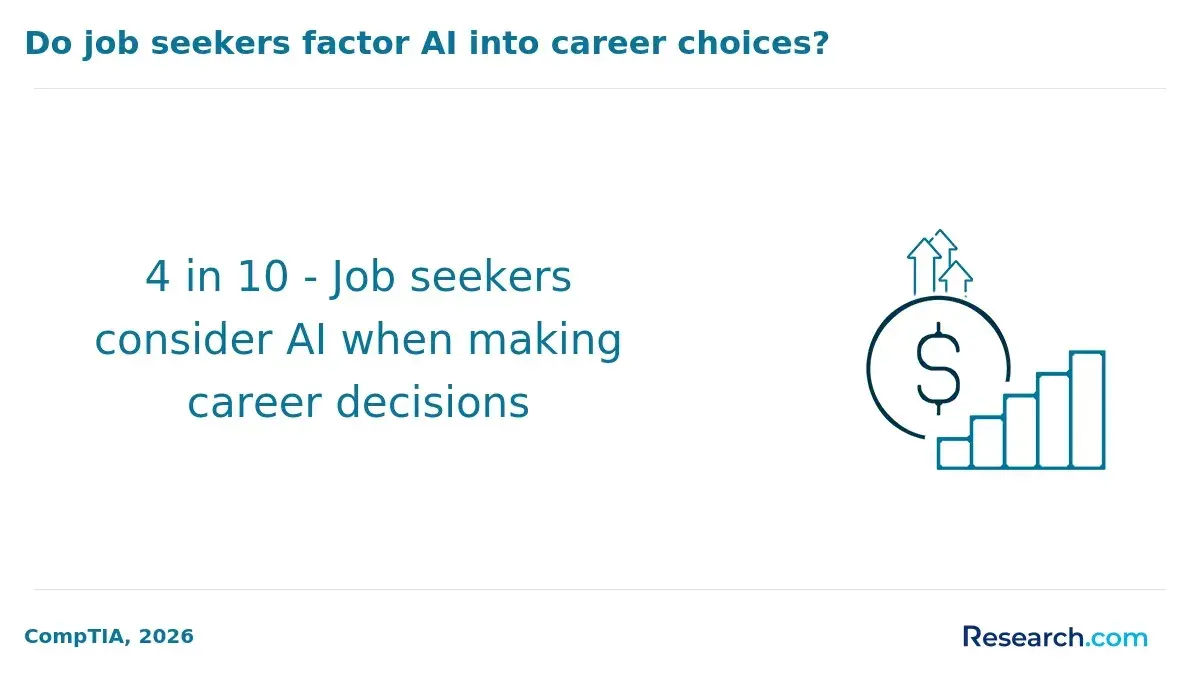
How can telecom product managers evaluate the best AI courses and certificates online?
Telecom product managers who assess artificial intelligence course quality should emphasize industry relevance, depth of technical content, and the credibility of certifications. Key topics to look for include machine learning fundamentals, natural language processing, and predictive analytics-all essential for product innovation in telecom.
The best programs balance theoretical knowledge with practical case studies tailored to telecom or product management, enabling quicker application in real-world settings.
Top criteria for selecting AI certification programs in telecom product management include accreditation by reputable tech companies, professional bodies, or well-known universities. Certificates that require project work or capstone evaluations tend to carry more weight than those based solely on multiple-choice tests.
Course format and duration also matter; some may prefer intensive bootcamps for rapid skill-building, while others benefit from self-paced learning combined with mentoring or peer networking.
Labor market data shows product managers with AI or machine learning skills earn around 13-20% higher total compensation, underlining the value of focused AI education. To explore related fields, consider reviewing online cybersecurity degree programs, which also emphasize technical depth and industry recognition.
Before enrolling, ask:
- Does the curriculum cover telecom-specific AI applications?
- Is the certification recognized by leading tech employers?
- Are there practical projects or assessments to verify skills?
- What balance exists between theory and hands-on learning?
- Does the program offer mentoring or networking opportunities?
What AI skills and topics should telecom product managers look for in the curriculum?
Telecom product managers seeking to enhance their impact should focus on AI skills for telecom product management that directly relate to network automation, predictive analytics, and customer experience enhancement. Valuable expertise includes machine learning algorithms tailored to telecom data, such as anomaly detection for network faults and demand forecasting models.
By 2025, 70% of communication service providers (CSPs) are expected to use AI-based automation, potentially reducing network incidents by up to 30% (GSMA Intelligence, "AI in Networks").
Key artificial intelligence topics for telecom managers encompass:
- Network automation techniques using AI to streamline operations and reduce downtime.
- Data analytics focused on interpreting large telecom datasets for real-time decision-making.
- Natural language processing for improving customer interactions via AI chatbots.
- AI model lifecycle management, emphasizing deployment and monitoring in telecom environments.
- Security-focused AI applications to detect and counter cyber threats within networks.
Practical experience with platforms like TensorFlow or PyTorch adapted to telecom scenarios is critical. Case studies illustrating AI's role in network efficiency provide context, while education on ethical AI use and regulatory compliance is necessary given telecom's strict privacy standards. Collaboration skills with data scientists and engineers also support effective product development.
Prospective students can explore foundational knowledge through a computer science online degree, which often includes relevant AI coursework. Integrating AI with emerging technologies like edge computing and 5G readies telecom managers for digital transformation, enabling them to improve network reliability and customer satisfaction effectively.
How do online AI programs compare with campus options for working telecom professionals?
Online ai programs offer key benefits for telecom product managers who need flexibility and direct application of skills. These programs often provide asynchronous learning modules, enabling professionals to balance full-time work with study. In contrast, campus courses deliver structured environments and faculty access but can be hard to attend regularly due to demanding telecom job schedules.
Many online courses emphasize emerging ai applications such as ai-driven personalization in customer engagement. Industry pilots demonstrated that telecom operators using ai personalization achieved churn reductions of 15-20% and a 5-7% uplift in average revenue per user on targeted segments (McKinsey, "Gen AI in Telco Customer Experience"). This data-driven focus makes online programs especially valuable for immediate business impact.
Campus programs may offer deeper theoretical foundations for those pursuing research or long-term strategic roles, but they pose time and financial challenges, including commuting and limited scheduling flexibility. Online curricula update more rapidly, integrating the latest ai tools and case studies, which suits fast-evolving telecom environments.
Working professionals might consider hybrid options that combine online flexibility with on-campus networking. Important program features include telecom-specific ai case studies, mentor support, and hands-on projects focused on customer experience and product innovation. These elements help ensure skills gained translate into measurable results.
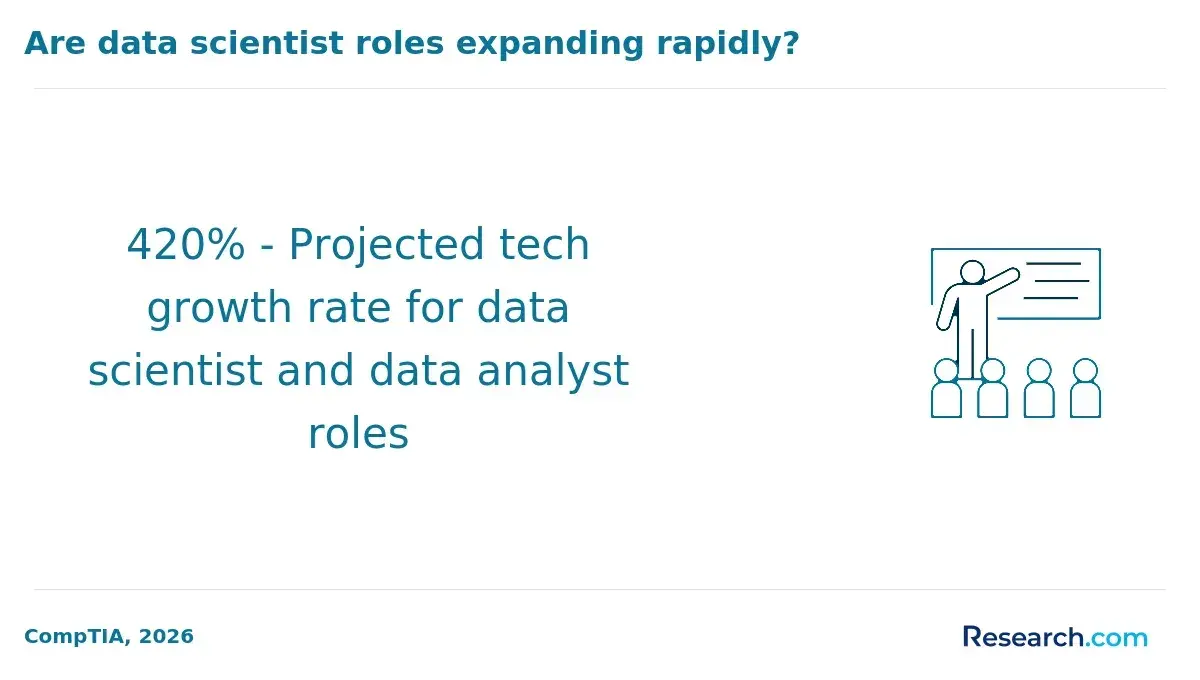
Which accredited U.S. universities and platforms offer AI programs relevant to telecom product management?
Several top U.S. universities and online platforms offer AI programs tailored for telecom product managers to develop both technical expertise and strategic insight. Notable institutions like Stanford University and the Massachusetts Institute of Technology (MIT) provide specialized courses in AI and machine learning with a focus on telecom applications such as network optimization, predictive analytics, and AI-driven product innovation.
Carnegie Mellon University features a Master of Science in Artificial Intelligence and Innovation, which includes coursework on AI strategy and data-driven decision-making relevant to telecom product management. The University of California, Berkeley also offers AI programs emphasizing systems engineering and product lifecycle management to support telecom sectors adapting to AI technologies.
Flexible options from Coursera and edX allow professionals to earn accredited AI certificates online. For example, Coursera's AI for Everyone by Stanford and IBM AI Professional Certificate integrate telecom-specific product management case studies. Meanwhile, edX's MicroMasters in AI from Columbia University covers AI deployment in communication infrastructures.
A survey by Microsoft and LinkedIn Work Trend Index found that companies investing in structured AI upskilling for product and business roles are 3.5× more likely to achieve significant ROI from AI initiatives. This underscores the value for telecom product managers to pursue accredited AI education actively.
What are typical admission requirements for AI certificates, bootcamps, and degrees for product managers?
Admission prerequisites for AI certificates, bootcamps, and degrees aimed at product managers vary by format but share key elements. Most AI certificate programs for working professionals require a bachelor's degree in technology, business, or related fields, alongside basic familiarity with data analytics or programming.
Bootcamps, focused on quick skill acquisition, generally offer more flexible entry points, often expecting prior product management experience or a technical background plus foundational AI knowledge such as machine learning. Formal degree programs like master's degrees in AI typically require an undergraduate degree in STEM, business, or computer science, with additional criteria like GRE scores or professional references.
Practical skills play a central role; some bootcamps incorporate pre-course assessments to confirm readiness. Product managers who can showcase experience managing data-driven or AI-focused projects may find this offsets more formal academic demands. Corporate trends show increasing investment in AI training with 79% of large enterprises raising budgets to develop AI capabilities in product management roles (Deloitte Global Human Capital Trends 2024).
Many AI programs offer flexible formats such as part-time or online learning to accommodate working professionals. Prerequisite coursework in Python, statistics, or data science is often required. Choosing programs with transparent admission requirements and alignment to product management goals supports faster career advancement and effective AI skill-building.
How much do AI courses for telecom product managers cost, and what funding options exist?
AI courses for telecom product managers vary widely in cost, from free introductory offerings to professional certificates priced between $300 and $3,500. Platforms like Coursera and edX typically charge $300-$700 for certification in self-paced courses, while nanodegrees and bootcamp programs can exceed $2,000. Executive education and vendor-specific trainings, aimed at advanced industry-level skills and networking, often surpass $3,000.
Financial aid and alternative funding options increase accessibility. Many massive open online course (MOOC) platforms provide scholarships or income-based financial aid, reducing or covering fees for eligible learners.
Employers often support courses that align with strategic upskilling, especially for AI integration in telecom product management roles. Veterans and qualifying individuals may also benefit from GI Bill funding or workforce development grants offered by state and federal programs.
Subscription models offer flexible access to AI curricula, with monthly fees ranging from $39 to $99 for ongoing learning without large upfront costs. This approach suits those seeking continuous professional growth. Enrollment in AI-related online courses has surged by more than 60%, with "AI for business and product leaders" among the fastest-growing categories, reflecting growing demand and expanded educational opportunities for telecom professionals.
What career outcomes, roles, and salary ranges can AI-skilled telecom product managers expect?
AI-proficient telecom product managers are experiencing faster career advancement, broader responsibilities, and higher salaries as AI integration becomes essential in telecommunications. By late 2024, 75% of product managers used generative AI tools weekly for tasks like drafting requirements, conducting market analysis, and planning roadmaps, according to the ProductPlan Product Management Survey 2024. AI is now central to product management workflows.
Roles for telecom product managers skilled in AI include AI product lead, AI strategy consultant, and smart network product manager. These positions demand expertise in data-driven decision-making, deploying AI-powered customer experience solutions, and managing advanced automation technologies. They also involve overseeing AI infrastructure, implementing AI models, and coordinating cross-functional AI teams.
Salary ranges reflect these advanced duties. In the U.S., telecom product managers with AI skills earn between $110,000 and $160,000 annually, while senior and specialized roles exceed $180,000. Entry-level salaries start near $90,000, emphasizing proficiency with AI tools and product lifecycle management.
Career growth depends on mastering AI-related metrics, ethical AI practices, and agile AI project management. Staying updated on AI trends and regulatory compliance is critical. Success is measured through outcomes like reducing network latency or improving churn prediction accuracy.
- AI product management roles cover strategy, development, and operations
- Generative AI tool use is now standard practice
- Salaries range from $90,000 to $180,000+, based on experience
- Cross-disciplinary skills in AI ethics and project agility are essential
Are there industry-recognized AI or telecom certifications that strengthen a product manager's profile?
By 2027, nearly 50% of telecom product and service development roles will require AI skills, up from 22% in 2023, signaling a growing need for specialized certifications in this area (World Economic Forum, Future of Jobs in Digital Industries 2024). The Certified Artificial Intelligence Product Manager (CAIPM) credential is highly regarded for demonstrating expertise in applying AI technologies within telecom product lifecycles, covering AI concepts, model selection, and ethical AI deployment.
Telecom-focused certifications like the Telecom Product Management Certification (TPMC) provide targeted knowledge in AI-driven network optimization and predictive analytics, aligning closely with industry demands. Holding these qualifications equips professionals to manage AI-powered telecom solutions effectively, offering a strong competitive advantage.
Vendor-neutral AI and data science certifications from major providers like IBM and Google further validate skills in machine learning and AI implementation. When combined with telecom-specific credentials, they establish comprehensive expertise applicable to telecom scenarios.
Additionally, certifications emphasizing AI model monitoring, data governance, and ethics in telecom are crucial for navigating operational challenges and ensuring responsible AI adoption. These credentials directly meet employer expectations for candidates who can oversee AI integration responsibly and efficiently in the telecom sector.
Other Things You Should Know About Artificial Intelligence
In 2027, top AI courses for telecom product managers include Stanford University's "AI for Product Managers", MIT's "Machine Learning for Telecom Professionals", and Coursera's "AI and Telecom Innovations". These courses focus on strategic AI applications, machine learning, and data-driven decision-making in telecom contexts.
Artificial intelligence is transforming telecom through network optimization, predictive maintenance, and personalized customer experience. AI-powered analytics help in managing complex networks efficiently, reducing downtime, and tailoring services to individual user needs, which can enhance overall operational effectiveness and customer satisfaction.
Common challenges include data quality and integration issues, lack of AI expertise, and resistance to change within organizations. Additionally, telecom product managers must navigate complex regulatory environments and ensure AI models adapt to rapidly evolving technologies and market demands.
Yes, artificial intelligence can improve customer service by enabling intelligent chatbots, automated fault detection, and real-time support. These AI tools can handle routine inquiries quickly, predict service disruptions, and provide personalized recommendations, thereby increasing efficiency and customer satisfaction.
References
- United States Artificial Intelligence Institute| AI Certification| USAII® https://www.usaii.org/
- Telco AI for Product Managers Course - Onsite Training and Public Scheduled Courses https://www.perpetual-solutions.com/training-course/8013/telco-ai-for-product-managers
- Getting a high six-figure salary as an AI Product Manager | Product Coalition https://medium.productcoalition.com/from-low-six-figure-to-high-six-figure-how-to-become-an-ai-product-manager-444ca0fe3ed0
- The 12 Best AI PM Courses to Supercharge Your Career in 2025 https://www.aakashg.com/ai-pm-courses/
- Best AI Product Management Course for 2+ Year Professionals https://online.iitkgp.ac.in/blog/best-ai-product-management-courses-with-2-years-experience
- Career Paths in Product Management: Explore Your Opportunities https://agilemania.com/tutorial/career-paths-in-product-management
- Online vs Campus Artificial Intelligence Degree Programs: Complete Comparison https://hakia.com/compare/artificial-intelligence-online-vs-campus/
- AI Product Manager Salary 2026: Pay, Skills & Career Guide https://shoolini.online/blog/ai-product-manager-salary-2026/
- AI Product Management Masterclass https://www.institutepm.com/knowledge-hub
- Introducing the AI for Product Management Course https://www.mindtheproduct.com/introducing-the-ai-for-product-management-course/