2027 Best AI Courses for Program Managers Managing AI Adoption

Co-Founder and Chief Data Scientist
Program managers face growing pressure to integrate AI technologies effectively while managing teams without prior technical expertise. This challenge can stall adoption efforts and impact project success. Navigating AI's complexity demands a targeted educational approach to acquire relevant skills and strategic insights efficiently. Many professionals need courses that fit their busy schedules yet deliver practical, accredited knowledge. This article highlights the best AI courses designed specifically for program managers seeking to lead AI adoption confidently. It guides readers in choosing flexible programs that bridge the gap between management and AI implementation expertise.
Key Things You Should Know
- AI courses for program managers in 2026 focus on integrating AI strategy with project management, emphasizing ethical adoption and scalability in enterprise environments.
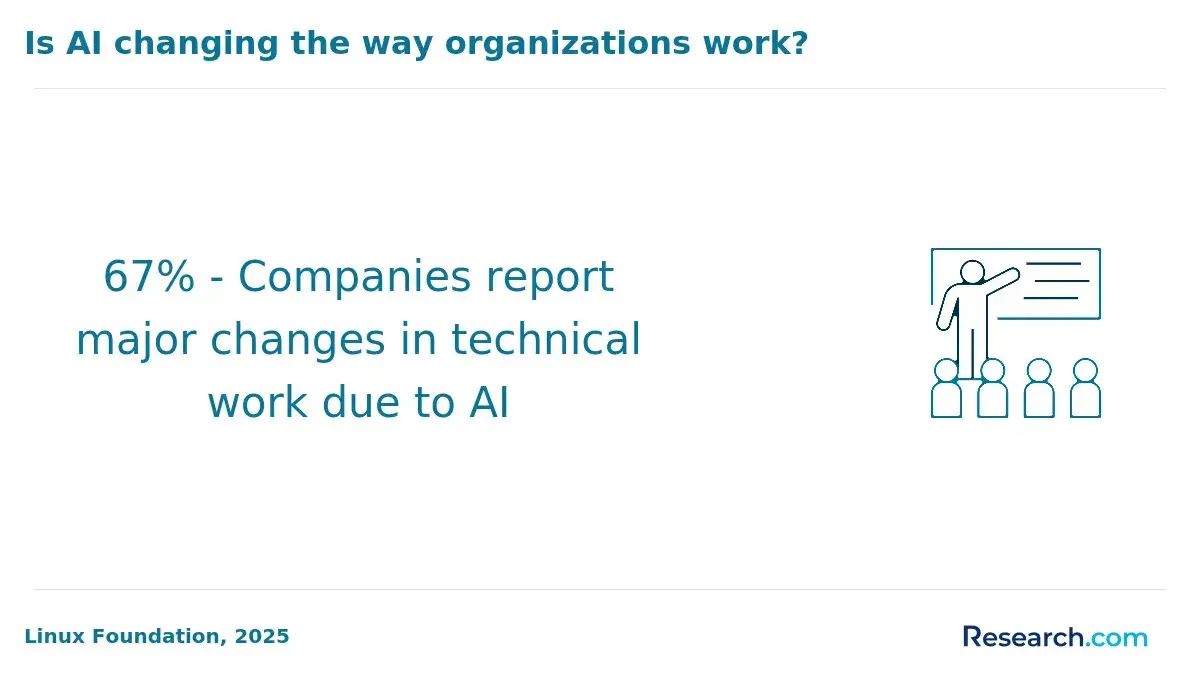
- Recent data shows 67% of program managers report increased project success rates after completing specialized AI management training from 2024 to 2025.
- Top courses emphasize hands-on AI tool familiarity, risk mitigation, and cross-functional collaboration skills essential for managing AI adoption effectively.
Advance Your Career with AI Online Courses
Artificial Intelligence: Implications for Business Strategy
This program provides an introduction to Artificial Intelligence and their implications for business strategy. Earn an official digital certificate.

Oxford Artificial Intelligence Programme
Explore this Oxford Artificial Intelligence programme offered in a flexible learning environment and explore topics like machine learning, automation, and robotics.

Implementing Agentic AI: Building Your Organizational Playbook
This online MIT Agentic AI course offers a practical approach to deploying AI agents in your organization, including a custom playbook. 3 weeks, exclusive launch price.

AI Adoption: Driving Business Value and Impact
This online MIT AI Adoption: Driving Business Value and Impact offers practical frameworks to close the gap between AI potential and business reality.

Artificial Intelligence in Pharma and Biotech
Discover the applications and limitations of artificial intelligence in pharma and biotech with this MIT online short course.

What does a program manager-focused AI course cover compared with general AI programs?
Program manager AI course curriculum focuses on applying artificial intelligence within complex projects rather than deep technical development. These courses emphasize aligning AI strategy with business goals, managing risks, and leading cross-functional teams including data scientists and engineers. They prioritize practical decision-making skills over algorithm design.
AI training for program managers prepares learners to handle challenges like integrating AI into existing workflows, addressing ethical concerns, and ensuring regulatory compliance. Students engage with case studies featuring deployment pitfalls such as data bias and model drift, which builds their ability to anticipate and mitigate risks in AI initiatives.
Key skills taught include scoping AI projects, evaluating vendors, and managing organizational change. The curriculum also covers financial modeling of AI investments and methods for measuring AI project return on investment, empowering managers to justify budgets and track performance effectively.
This training responds to the gap revealed by a Gartner survey, where 92% of organizations increased AI spending but only 27% of leadership demonstrated high AI literacy. By enhancing literacy tailored to management needs, program managers can convert AI's potential into measurable outcomes efficiently.
Those exploring education options may consider the cheapest master in data science as a related pathway to build foundational expertise supporting AI leadership roles.
Advance Your Career with AI Online Courses
Artificial Intelligence: Implications for Business Strategy
This program provides an introduction to Artificial Intelligence and their implications for business strategy. Earn an official digital certificate.
Oxford Artificial Intelligence Programme
Explore this Oxford Artificial Intelligence programme offered in a flexible learning environment and explore topics like machine learning, automation, and robotics.
Implementing Agentic AI: Building Your Organizational Playbook
This online MIT Agentic AI course offers a practical approach to deploying AI agents in your organization, including a custom playbook. 3 weeks, exclusive launch price.
Which AI skills do program managers need to lead enterprise AI adoption effectively?
Program managers driving enterprise AI adoption must possess a focused set of AI leadership skills for program managers in enterprise adoption. A deep foundation in AI concepts-machine learning, natural language processing, and data analytics-is essential for clear communication with data scientists and engineers, as well as evaluating project feasibility and risks accurately.
Interpreting AI model outputs and performance metrics is another key competency for managing enterprise AI adoption projects. Managers need to assess algorithm accuracy, fairness, and bias by understanding metrics like precision, recall, and F1 scores to ensure ethical, reliable AI deployment.
Proficiency in managing the AI project lifecycle, including data governance, model training, validation, deployment, monitoring, and continuous improvement, is vital. Familiarity with MLOps frameworks enables seamless integration of AI solutions within existing enterprise systems.
Additionally, strong change management and stakeholder communication skills tailored to AI initiatives help translate technical details into business value, securing executive buy-in and managing workforce adaptation.
Awareness of AI regulatory compliance and ethical considerations safeguards organizations from legal and reputational risks. Reflecting market demand, LinkedIn's 2025 Future of Work Report highlights a 165% year-over-year increase in job postings seeking program managers with AI competencies, underscoring how critical these skills are in managing complex AI adoption efforts.
For professionals interested in pathways to build their expertise in related technical fields, exploring the cheapest online master's mechanical engineering programs may provide a complementary technical foundation supporting AI leadership development.
What types of AI courses are best for program managers managing AI initiatives?
Program managers overseeing AI initiatives benefit most from courses blending technical knowledge with strategic and change management skills. Effective AI strategy and management courses for program managers emphasize machine learning basics, data analytics, and AI ethics alongside project planning, risk management, and stakeholder communication.
This balanced approach helps align AI projects with organizational goals and overcome adoption hurdles. Key course categories include:
- Technical Foundations: Covering machine learning algorithms, data preprocessing, and AI tools to help managers collaborate effectively with technical teams and evaluate project feasibility.
- AI Strategy and Leadership: Teaching how to develop AI roadmaps, assess AI investments, and measure impact to guide strategic decision-making.
- Change Management and Adoption: Focusing on cultural integration, ethical standards, and governance to minimize resistance and ensure responsible AI rollouts.
- Industry-Specific Applications: Tailored training for sectors like healthcare, finance, or manufacturing that details domain challenges and regulatory issues.
According to PwC's Global AI Jobs Barometer, roles requiring AI expertise achieve 25% higher wages across OECD countries, demonstrating that targeted learning offers strong returns. The best artificial intelligence training programs for managing AI adoption incorporate hands-on projects and cross-disciplinary teamwork to prepare managers to lead AI initiatives, reduce risks, and deliver measurable results.
For those seeking affordable education pathways, exploring the cheapest online PhD in cyber security can serve as a valuable option within a broader technology and security skill set.
How do AI certificates, microcredentials, and graduate degrees compare for program managers?
AI certificates, microcredentials, and graduate degrees each serve different needs for program managers involved in artificial intelligence adoption. Certificates and microcredentials focus on targeted skills like ethical AI governance, risk management, and compliance frameworks, providing short-term, practical knowledge.
This targeted learning is crucial given that 58% of enterprises in IBM's 2024 Global AI Adoption Index identified governance, risk, and compliance as significant barriers, an increase from 44% in previous years.
Graduate degrees, such as a master's in AI management or data science, offer a comprehensive and strategic education. These programs deliver deep insights into AI algorithms, systems, and the long-term impacts of AI adoption. They suit managers aiming to lead enterprise-wide AI initiatives or shape policy but require more substantial time and financial commitments.
When examining ai certification programs for program managers, key factors include:
- Time availability: Certificates and microcredentials usually take weeks or months, while graduate degrees often require 1-2 years full-time.
- Depth of knowledge: Microcredentials focus on specific areas like compliance or risk, whereas graduate degrees cover foundational science and advanced management strategies.
- Career objectives: Short credential programs meet immediate operational demands; degrees prepare candidates for strategic leadership roles in AI adoption.
Examples of microcredentials involve courses on AI ethics and regulatory frameworks from professional bodies, while graduate programs are available at universities like Carnegie Mellon and Stanford. Those interested in accelerated technology education might explore a cyber security fast track program as a complementary pathway.
What should program managers look for in AI course accreditation and instructor credentials?
Program managers seeking AI courses should evaluate accreditation and instructor expertise carefully to ensure effective learning outcomes. Accreditation from respected organizations like ABET or AACSB confirms that courses meet high standards for quality and relevance, aligning curriculum with industry demands and the latest AI trends in program management tasks such as planning, coordination, and decision-making.
Instructor qualifications are essential; ideal instructors hold advanced degrees in AI, computer science, or data science and possess hands-on experience managing AI projects or teams. Instructors with published research, participation in AI standards committees, or practical experience implementing AI in enterprise settings offer invaluable insights beyond theory.
Those familiar with portfolio management and AI integration showcase deeper contextual understanding, crucial for applying AI tools to organizational challenges.
Look for courses that provide detailed instructor bios to avoid generalist teaching. For instance, program managers integrating generative AI tools benefit most from instructors with practical Gen AI experience rather than solely theoretical knowledge.
McKinsey's 2024 report notes that AI and automation can boost productivity in project-based knowledge work by 25-30%, underscoring the need for up-to-date accreditation and qualified instructors who demonstrate AI's practical impact on program management.
Verifying current accreditation and instructor credentials protects learners from outdated content and equips them with the skills necessary to confidently leverage AI-driven productivity gains in their roles.
How does learning AI online compare with campus-based or executive formats for managers?
Online learning offers program managers remarkable flexibility and access to continuously updated resources often absent in campus-based or executive education formats. Such flexibility allows managers to fit studies around demanding workloads, a key factor for those leading ongoing projects.
Unlike traditional campus programs, online platforms regularly refresh their curricula to keep pace with rapid AI advancements, ensuring learners work with the latest tools and methodologies tailored to real-world challenges.
Campus-based courses provide immersive environments with face-to-face collaboration and networking opportunities but require significant time and financial investment, which many professionals find difficult to balance. Executive programs typically emphasize leadership development but lack the technical depth in AI that comprehensive online courses provide, which often combine theoretical knowledge with hands-on labs and practical case studies.
Online platforms excel at practical application by integrating AI-driven simulations and project-based learning essential for managing AI adoption. According to Accenture's 2024 Performance Through AI study, companies utilizing AI for resource and demand forecasting cut project cost overruns by 21%, underscoring the economic benefits program managers can achieve.
Such real-world use cases are frequently emphasized in online courses, enabling managers to apply AI effectively in budgeting and resource planning.
Prospective learners should consider their goals, budget, and time constraints. For immediate, skill-focused AI education and ongoing upskilling, online learning is often superior in scalability and relevance.
Campus and executive offerings may complement this by providing strategic frameworks and networking but rarely match the agility and technical specificity of online education.
What core AI and data governance topics should a course include for program managers?
Program managers guiding artificial intelligence adoption must prioritize data privacy, ethics, compliance, and change management to align technology with organizational goals. Familiarity with privacy regulations like GDPR and CCPA helps ensure sensitive data is protected and organizational compliance is maintained. Ethics training is crucial for addressing bias mitigation, transparency in AI decisions, and accountability, which reduces reputational and legal risks.
Compliance extends to understanding industry-specific regulations and effectively documenting AI processes and audits. Strong change management practices significantly increase the likelihood of achieving AI transformation, as organizations with focused training on stakeholder engagement and resistance management perform better.
Key areas of governance include practical frameworks to monitor AI outputs, ethical use, and data integrity maintenance. Program managers benefit from establishing AI risk assessments and defining performance metrics aligned with company policies.
Technical knowledge like machine learning concepts and model lifecycle management fosters collaboration across teams. Risk management education identifying failure points and mitigation approaches is also vital.
Such a comprehensive curriculum supports program managers in leading AI initiatives that balance innovation with legal, ethical, and organizational standards.
What are typical admission requirements and costs for AI programs aimed at program managers?
Admission requirements for AI programs focused on program managers usually emphasize a combination of technical knowledge and managerial experience. Applicants often need a bachelor's degree in fields like business, engineering, computer science, or information technology.
Additionally, many programs ask for two to five years of professional experience in project or program management, demonstrating an ability to lead cross-functional teams and manage complex initiatives.
Technical prerequisites may include familiarity with data analytics, basic programming skills such as Python, or an introduction to machine learning concepts. Some courses require candidates to complete preparatory modules or pass entrance assessments to confirm their understanding of fundamental AI topics. Executive AI courses may also request portfolios showcasing prior AI-related projects managed.
Costs range widely depending on program type and length. Self-paced online certificate programs on platforms like Coursera and edX typically cost between $1,200 and $3,000. More intensive university-led executive programs or bootcamps can charge from $5,000 up to $15,000. Employers often subsidize these programs as part of workforce development efforts.
According to the Coursera Global Skills Report, learners who complete AI professional certificates see a 46% median increase in interview callbacks for AI jobs within six months, highlighting the career benefits of earning these credentials.
How can AI training affect a program manager's salary, promotion prospects, and job titles?
AI training significantly boosts a program manager's salary, promotion chances, and job titles by providing specialized expertise essential for AI adoption and integration. Program managers skilled in AI and project management often receive salary premiums between 10% and 30% compared to their peers without these skills, as companies increasingly invest in AI initiatives.
Promotion prospects improve as organizations seek leaders who can bridge technical and business roles. Managers with AI training can oversee complex projects involving data scientists, engineers, and strategists, making them eligible for advanced roles such as AI program director or AI adoption lead.
A 2024 MIT Sloan Management Review and BCG survey highlights that organizations with cross-functional AI teams-combining business, data, and IT experts-are 2.6 times more likely to gain substantial financial benefits from AI initiatives. Program managers who master AI concepts and team leadership are vital to building and guiding these teams effectively.
Examples show program managers using AI skills to implement AI-driven process automation, earning promotions to oversee multiple projects, or applying AI risk management to enhance governance and expand their role.
Ultimately, AI training transforms program managers into indispensable leaders in digital transformation, elevating both their compensation and career trajectory.
How can program managers evaluate and choose reputable AI courses and providers?
Program managers should prioritize courses from credible providers offering recognized certifications or partnerships with leading AI research organizations. The best programs incorporate practical applications relevant to program management, such as AI-driven project automation, risk assessment, and decision support systems. Features like case studies, hands-on labs, and simulations help bridge theory with real-world use.
Evaluate courses for a comprehensive curriculum that balances foundational AI concepts and advanced topics, including machine learning basics, data ethics, AI integration strategies, and performance monitoring tools within projects. Instructor expertise is crucial-look for educators with professional or research credentials in AI and program management.
Course formats that are modular or self-paced benefit busy professionals by reducing scheduling conflicts. Ongoing learner support and access to communities foster better retention and problem-solving through peer interaction.
Effectiveness can often be gauged through learner feedback and completion rates. Independent reviews provide insights beyond marketing claims, especially regarding updated content aligned with the rapidly evolving AI field. The 2024 Pulse of the Profession report by the Project Management Institute predicts that by 2028, 80% of project management tasks will involve AI influence or automation, underscoring evolving skill needs.
Ethical AI use and compliance topics are essential, addressing transparency and governance concerns during AI adoption in program management roles.
Other Things You Should Know About Artificial Intelligence
Program managers often encounter challenges such as aligning AI solutions with business goals, managing data quality and availability, and integrating AI systems with existing IT infrastructure. They must also address ethical concerns and ensure compliance with relevant regulations while managing stakeholder expectations throughout the AI adoption lifecycle.
In 2027, leading AI courses for program managers focusing on AI adoption include the AI for Business Course by INSEAD, MIT Sloan's AI: Implications for Business Strategy, and the AI in Practice program by Stanford University. These courses equip managers with the skills to integrate AI technologies effectively in their projects.
Cross-functional teams bring together expertise from data science, IT, business units, and compliance which is essential for effective AI adoption. Program managers must facilitate collaboration among these diverse groups to ensure AI projects address technical requirements, business objectives, and regulatory constraints cohesively.
Emerging trends like explainable AI, automated machine learning, and AI-driven decision-making require program managers to stay updated and adapt their strategies. Incorporating these trends helps managers optimize resource allocation, mitigate risks, and enhance AI system performance in dynamic business environments.
References
- AI - Artificial Intelligence | London Business School https://www.london.edu/executive-education/ai
- 16 Artificial Intelligence Career Paths https://www.calmu.edu/news/artificial-intelligence-career-paths
- The AI Boom In Executive Education: What You Can Study Right Now At The World's Top B-Schools https://poetsandquantsforexecs.com/exec-ed/the-ai-boom-in-executive-education-what-you-can-study-right-now-at-the-worlds-top-b-schools/
- Coursera’s Online AI Certificate & Microcredential Programs https://www.onlineeducation.com/features/courseras-new-ai-programs
- AI Training: 5 Tips To Help L&D Pros Find The Best AI Courses https://elearningindustry.com/ai-training-tips-to-help-ld-pros-find-the-best-ai-courses
- Professional AI Training: How to Choose the Right Program https://www.strategicaileader.com/professional-ai-training-how-to-choose-the-right-program/
- AI for Project and Portfolio Management: tools, use cases and examples of Chat GPT prompts https://triskellsoftware.com/blog/ai-project-management/
- Artificial Intelligence in Program Evaluation - EvalCommunity Academy https://academy.evalcommunity.com/artificial-intelligence-in-program-evaluation/
- Ultimate Guide: How to Choose the Right AI Training Course to Boost Your Career - ONLC https://www.onlc.com/blog/how-to-choose-ai-training-courses/
- AI Data Governance Expert https://www.brightnextacademy.ai/new-landing-page/ai-data-governance-expert