2027 Best AI Courses for Healthcare Contact Center Teams

Co-Founder and Chief Data Scientist
Healthcare contact center teams often struggle with high call volumes and complex patient inquiries, leading to long wait times and inconsistent service quality. Many organizations lack staff trained in advanced technologies that can streamline operations and improve outcomes. As AI-driven tools become essential for handling large datasets and automating routine tasks, professionals must acquire specialized skills to stay competitive.
This article explores the best courses designed to equip healthcare contact center teams with practical artificial intelligence knowledge. It aims to guide readers toward flexible, accredited programs that facilitate career growth and improve service delivery in this critical sector.
Key Things You Should Know
- Healthcare contact centers increasingly adopt AI courses teaching natural language processing and predictive analytics to improve patient engagement and reduce average handling times by up to 25% in 2025.
- Top AI courses for healthcare teams emphasize compliance with HIPAA and data privacy, reflecting rising regulatory demands and protecting sensitive patient information.
- Completion rates for accredited AI healthcare programs surged 18% since 2024, driven by growing demand for skilled professionals skilled in AI-driven customer service solutions.
Advance Your Career with AI Online Courses
Artificial Intelligence: Implications for Business Strategy
This program provides an introduction to Artificial Intelligence and their implications for business strategy. Earn an official digital certificate.

Oxford Artificial Intelligence Programme
Explore this Oxford Artificial Intelligence programme offered in a flexible learning environment and explore topics like machine learning, automation, and robotics.

Implementing Agentic AI: Building Your Organizational Playbook
This online MIT Agentic AI course offers a practical approach to deploying AI agents in your organization, including a custom playbook. 3 weeks, exclusive launch price.

AI Adoption: Driving Business Value and Impact
This online MIT AI Adoption: Driving Business Value and Impact offers practical frameworks to close the gap between AI potential and business reality.

Artificial Intelligence in Pharma and Biotech
Discover the applications and limitations of artificial intelligence in pharma and biotech with this MIT online short course.

What are AI courses for healthcare contact center teams and who are they for?
AI training programs for healthcare contact center staff equip employees with essential skills to leverage artificial intelligence tools that improve patient communication and operational workflows. These programs focus on practical uses such as AI-driven call routing, automated scheduling, speech recognition, and predictive analytics designed for healthcare settings.
Healthcare contact center teams artificial intelligence skill development benefits a range of roles, including call center agents, supervisors, workforce managers, and IT support. For instance, agents trained in AI can identify urgent patient needs faster due to AI-assisted routing, leading to more accurate and timely responses.
Challenges in healthcare contact centers, such as managing high call volumes while complying with health regulations, are addressed through these specialized trainings. Staff learn to interpret AI-generated data, optimize AI workflows, and protect sensitive patient information. Workforce managers can analyze AI metrics to enhance staffing efficiency, while IT staff gain expertise in supporting AI integrations.
A survey by BestDoc showed over 60% of U.S. clinics use or evaluate AI for call handling, reporting 75-90% reductions in patient wait times and 60-80% fewer missed calls after implementation. Such outcomes highlight why teams must invest in AI literacy to meet rising patient expectations and maintain competitiveness.
For those exploring career options, understanding how to build expertise in AI is crucial. Explore the AI career path to learn more about opportunities in this dynamic field.
Advance Your Career with AI Online Courses
Artificial Intelligence: Implications for Business Strategy
This program provides an introduction to Artificial Intelligence and their implications for business strategy. Earn an official digital certificate.
Oxford Artificial Intelligence Programme
Explore this Oxford Artificial Intelligence programme offered in a flexible learning environment and explore topics like machine learning, automation, and robotics.
Implementing Agentic AI: Building Your Organizational Playbook
This online MIT Agentic AI course offers a practical approach to deploying AI agents in your organization, including a custom playbook. 3 weeks, exclusive launch price.
How can AI training improve performance in healthcare contact centers and patient experience?
AI training for healthcare contact center efficiency significantly enhances employee capabilities, enabling staff to leverage automation and predictive analytics.
This training helps reduce call handling times by automating routine tasks like appointment scheduling and prescription refills, freeing agents to handle more complex cases that require empathy and nuanced judgment. Such improvements boost operational efficiency and decrease patient wait times.
Teams skilled in AI can also apply AI-driven sentiment analysis to gauge patient emotions during conversations, allowing immediate adjustment in communication approaches. These tools lead to better call resolution rates and stronger patient trust.
Additionally, understanding AI-powered data insights allows staff to proactively solve common patient issues, improving continuity of care and lowering repeat contacts.
Improving patient experience with AI in healthcare calls also involves addressing challenges like compliance with privacy laws and catering to diverse patient needs. AI training ensures secure, ethical use of technology, enabling personalized support by identifying factors such as language preferences or health literacy levels. This fosters enhanced patient communication and satisfaction.
This rising demand for AI expertise is reflected in courses like the "Generative AI for Healthcare," launched by DiMe and Google, which attracted over 10,000 healthcare professionals in a short time. For those exploring pathways into AI education, affordable options include programs like the cheapest mechanical engineering degree online, which can serve as a stepping stone into AI-related fields.
What types of AI courses are available for healthcare contact center professionals?
Healthcare contact center teams seeking to improve their performance can benefit from specialized AI training programs tailored to their unique roles. These courses range from fundamental lessons covering machine learning basics, natural language processing, and data ethics, to intermediate and advanced training focused on practical applications like AI-powered workflow automation and predictive analytics for patient needs.
Specialized healthcare contact center artificial intelligence skill development courses often emphasize improving patient experience through AI-generated data analysis.
For example, integrating AI virtual agents has been shown to increase patient satisfaction scores by up to 30% and reduce call abandonment rates by 25-30%, according to Accenture research. Practical elements, including scenario-based simulations and hands-on exercises, help learners gain proficiency with AI software commonly used in healthcare environments.
Programs also address compliance and privacy issues essential for managing sensitive patient information ethically and legally. Delivery formats include both online and in-person options, varying widely in length and depth.
Many of these programs are offered through universities, professional platforms, and certified providers, allowing learners to choose based on their prior experience and career objectives.
Prospective students interested in advancing their qualifications may explore comprehensive AI degree programs as part of their development in healthcare contact center roles.
What curriculum topics do the best AI courses for healthcare contact centers cover?
AI applications in healthcare contact center operations focus on using technologies like natural language processing (NLP) to improve automated call analysis and virtual assistant functions.
Training modules on AI-driven patient communication teach professionals how to integrate these systems seamlessly with existing contact center platforms. This enhances call routing and supports better patient outcome predictions through advanced data analytics and predictive modeling.
Courses highlight supervisor skills to interpret AI-generated insights, facilitating informed decision-making and quality assurance. Ethical issues, including HIPAA compliance, privacy regulations, and mitigating bias in AI algorithms, are emphasized to maintain trust and fairness in patient interactions.
Practical training includes AI-powered workforce management tools that enable supervisors to dynamically adjust agent workloads. Studies show supervisors with AI training manage 20-40% larger teams without sacrificing quality, demonstrating the effectiveness of AI-augmented leadership and performance measurement.
Additional topics cover patient engagement strategies using AI chatbots, error reduction techniques, and troubleshooting AI tools in real time. Hands-on labs and simulation exercises build confidence in managing technology-driven workflows.
Those interested in expanding their skills may also consider related fields, including online electrical engineering degrees for veterans, which can complement knowledge of AI in healthcare technology environments.
How do online, hybrid, and on-campus AI programs compare for contact center staff?
Online AI training programs provide healthcare contact center staff the flexibility to learn at their own pace while revisiting essential topics like HIPAA compliance and protected health information (PHI) protection. Many courses include interactive modules on the safe use of generative AI, a priority for 88% of healthcare IT leaders according to HIMSS and Mastercard's survey.
Hybrid programs combine the convenience of online study with in-person sessions, offering live demonstrations and group workshops. This blend supports skill retention by enabling learners to practice real-world patient interaction scenarios with guided feedback, which is crucial for teams handling sensitive health data.
On-campus options deliver immersive, instructor-led learning experiences integrated with broader healthcare curricula. Direct access to faculty experts and peer collaboration enhances understanding of AI ethics and security protocols vital in healthcare. However, the full-time schedule can limit access for working professionals.
Choosing the right training format hinges on individual circumstances: online programs offer maximum flexibility, hybrid approaches balance engagement and convenience, and on-campus courses provide comprehensive immersion. Ensuring robust training on AI safety and PHI compliance remains essential for ethical and secure ai adoption in healthcare contact centers.
What admission requirements and prerequisites do AI programs for healthcare teams typically have?
AI programs tailored for healthcare contact center teams commonly require candidates to hold at least a bachelor's degree in healthcare administration, information technology, computer science, or related fields. Advanced certifications or relevant experience in healthcare operations or call center management can also meet prerequisites.
Proficiency in programming or data analysis, especially with Python, SQL, or machine learning fundamentals, is often required or highly recommended.
Many programs demand completion of introductory AI or data science coursework or offer preparatory modules for those without technical backgrounds. This foundation enables students to effectively work with AI tools that automate tasks such as triage, scheduling, and FAQs.
Admissions committees prioritize hands-on experience with healthcare workflows or customer interaction platforms.
Such expertise helps participants appreciate how AI can reduce routine call volumes by 50-70% and automate up to 80% of repetitive tasks, according to BestDoc's 2026 market review. Applicants without prior technical skills might consider bridge courses or professional development options.
Additional admissions requirements often include letters of recommendation, personal statements, or interviews to evaluate problem-solving abilities and familiarity with healthcare challenges.
Ultimately, successful candidates balance healthcare knowledge with technical competence to fully leverage AI's potential in contact centers.
How long do AI courses for healthcare contact centers take and what do they cost?
AI courses for healthcare contact center teams generally span from 20 to 60 hours, depending on curriculum depth and specialization. Shorter courses, lasting one to two weeks with 20-30 total hours, focus on foundational AI concepts and essential tools.
Longer programs, offering 50-60 hours over multiple weeks, cover advanced topics such as natural language processing, predictive analytics, and healthcare-specific workflow integration.
Costs vary significantly by course complexity and provider. Entry-level options typically range from $400 to $800, often available as self-paced online formats or for larger groups. More comprehensive certification programs can cost between $1,500 and $4,000, frequently including hands-on instruction and project work tailored to healthcare contact center challenges.
Healthcare contact centers benefit most from courses emphasizing practical AI skills linked to operational improvements. According to BestDoc's 2026 analysis, AI projects in these centers deliver a 5-12x return on investment within a year, driven by up to 50% reduced staffing costs, 20% increased billable visits, and a drop in no-show rates from 30% to 5%.
For quicker AI adoption, professionals should choose courses featuring hands-on modules and case studies on workforce management, scheduling automation, and patient engagement.
Those aiming for ongoing advancement will find value in multi-week programs teaching advanced AI techniques for compliance and data security in healthcare settings.
How can I verify accreditation and industry recognition of AI courses in healthcare?
Accreditation plays a crucial role in validating AI healthcare courses. Check for recognition by bodies like the Commission on Accreditation of Healthcare Management Education (CAHME) or regional agencies acknowledged by the U.S. Department of Education to ensure the program meets rigorous educational standards.
Industry endorsements and partnerships also indicate strong program credibility. Look for collaborations with reputable healthcare organizations or tech leaders such as the American Health Information Management Association (AHIMA), which reflect meaningful engagement with the field.
Practical course relevance is vital. Emphasizing human-AI collaboration and change management aligns education with real-world demands. According to a 2024 McKinsey global survey, service organizations that combined AI tools with structured change-management training achieved 60% higher sustained productivity than those deploying AI without training.
Faculty expertise and alumni outcomes matter as well. Programs led by recognized experts with graduates working in healthcare contact centers or AI roles demonstrate effective training.
Certifications recognized by professional bodies, like the Certified Artificial Intelligence Practitioner or healthcare-specific credentials, improve credibility and career prospects.
Finally, independent reviews and inclusion in trusted education platforms help verify transparency and accountability of AI healthcare programs.
What careers, roles, and salary ranges can AI-trained healthcare contact center staff expect?
AI-trained professionals in healthcare contact centers fill vital roles such as AI support specialists, data analysts, healthcare informatics coordinators, and chatbot managers. These positions leverage AI tools to enhance patient interactions, streamline workflows, and optimize data management.
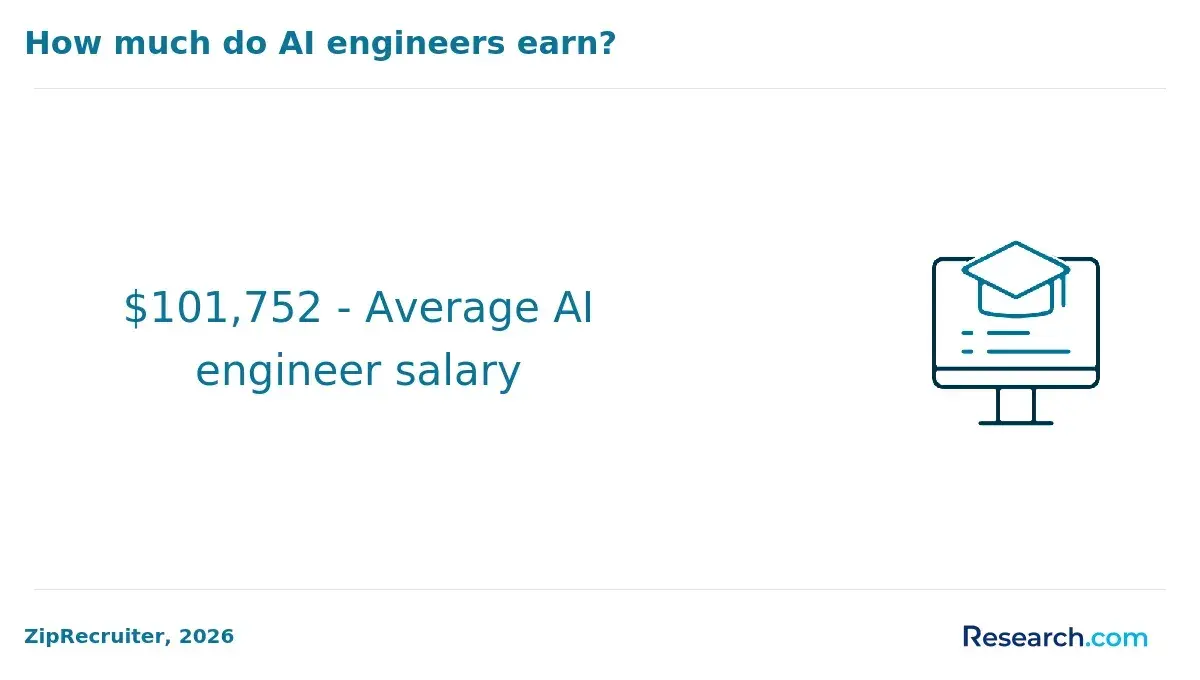
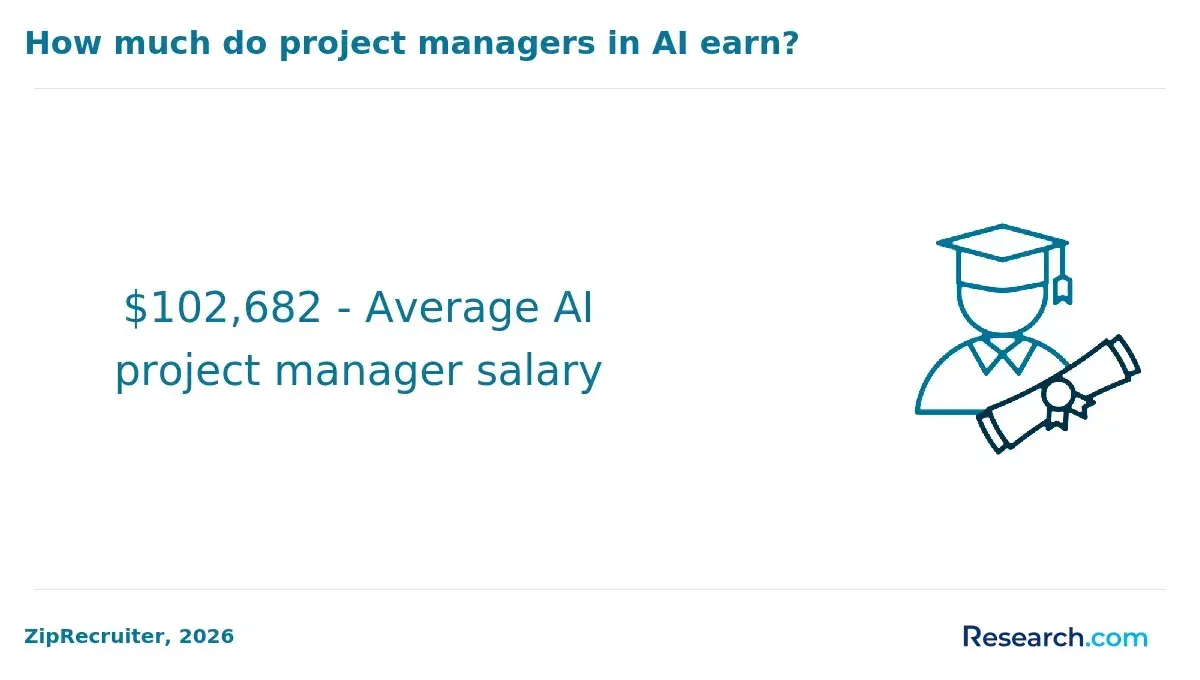
Entry-level AI specialists can expect salaries between $50,000 and $70,000 annually, while seasoned data analysts and informatics coordinators can earn from $75,000 up to over $110,000, depending on expertise and certifications.
Healthcare contact centers increasingly prioritize skills in AI-driven patient triage, automated scheduling, and predictive analytics to improve service delivery. Earning microcredentials in AI bolsters qualifications for roles like clinical AI liaison or compliance analyst by showcasing specialized knowledge in healthcare customer support.
According to a 2024 Coursera impact report, 77% of learners completing professional AI certificates saw positive career outcomes-such as new jobs, promotions, or pay increases-within 6 to 12 months.
The healthcare sector ranks among the top adopters of these credentials, reflecting strong demand for AI-savvy contact center personnel.
Key roles benefiting from AI training include:
- AI integration specialists deploying AI solutions in patient workflows.
- Healthcare data analysts interpreting AI-driven insights.
- Chatbot and virtual assistant managers overseeing routine AI interactions.
- Compliance officers ensuring adherence to healthcare regulations.
Targeting certifications that combine healthcare knowledge with AI technical skills enhances employability and salary prospects while meeting industry demand for efficient, AI-enabled patient engagement.
How do professional certifications and ongoing upskilling work for AI in healthcare contact centers?
Professional certifications and ongoing upskilling in AI for healthcare contact center teams are critical to maintaining a competitive edge and enhancing operational efficiency. These certifications validate both foundational and advanced knowledge, often emphasizing practical applications such as natural language processing, predictive analytics, and chatbot integration.
Organizations like the Healthcare Information and Management Systems Society (HIMSS) and specialized AI education providers offer credentials that ensure team members grasp both technology and healthcare compliance requirements.
Ongoing training adapts teams to rapidly evolving AI technologies through formats like instructor-led workshops, self-paced online modules, and hands-on labs designed for healthcare contexts.
Key skills targeted include interpreting AI-generated insights, managing data privacy, and integrating AI with electronic health records systems. This continuous development reduces errors and improves customer engagement quality.
A 2025 PwC survey found that 52% of U.S. employers plan to upskill over a quarter of their workforce in AI within three years. Organizations investing in certification and upskilling programs are 1.7 times more likely to report above-average profitability, demonstrating the link between learning and business outcomes.
When choosing courses or certifications, evaluate curricula for technical depth, healthcare relevance, and alignment with current skill gaps. Prioritize programs offering practical case studies and measurable results.
Combining certification with in-house training helps ensure staff remain proficient amid technological advances and changing regulations.
Other Things You Should Know About Artificial Intelligence
In 2027, healthcare contact centers face challenges such as ensuring seamless integration of AI with existing systems, maintaining strict data privacy protocols, and managing the resistance from staff due to fear of replacement by AI. Additionally, centers must navigate the ethical use of AI and its potential biases, especially in patient interactions.
AI systems for healthcare contact centers use encryption, access controls, and secure data storage methods to protect patient information. Advanced AI platforms also employ anomaly detection to identify potential security breaches early. Regular audits and compliance with healthcare standards help ensure ongoing patient data security.
While AI can automate routine tasks such as appointment scheduling and symptom triage, it is not designed to fully replace human agents. Complex patient inquiries and emotional support require human empathy and judgment. The best approach integrates AI to assist agents, improving efficiency while maintaining personalized care.
References
- AI-powered healthcare contact center guide (May 2026) https://www.getprosper.ai/blog/ai-powered-healthcare-contact-center-guide
- Online vs Campus Artificial Intelligence Degree Programs: Complete Comparison https://hakia.com/compare/artificial-intelligence-online-vs-campus/
- Healthcare Call Center Software: 10 AI Transformations for Medical Practices https://genie.healow.com/blog/healthcare-call-center-software-transforming-2026/
- URAC starts AI accreditation for users and developers of AI https://www.fiercehealthcare.com/ai-and-machine-learning/urac-starts-ai-accreditation-users-and-developers-health-ai
- Using AI to Improve Healthcare Contact Center Quality Assurance https://authenticx.com/resources/using-ai-to-improve-healthcare-call-center-performance
- Creating AI Contact Center Solutions for Quality Patient Experience https://www.eclinicalworks.com/blog/creating-ai-contact-center-solutions-for-a-quality-patient-experience/
- Five ways AI enhances patient experience in healthcare | CallMiner https://callminer.com/blog/five-ways-ai-enhances-patient-experience-in-healthcare
- What are AI campus assistants? Enhancing student support https://www.glean.com/perspectives/what-are-ai-campus-assistants-enhancing-student-support
- AI for Contact Center Professionals Certification https://www.benchmarkportal.com/ai-for-contact-center-professionals-certification/
- How AI Agents Are Transforming the Healthcare Call Center - Blog | Commure https://www.commure.com/blog/how-ai-agents-are-transforming-the-healthcare-call-center