2027 Best Cambridge Online Machine Learning Courses

Co-Founder and Chief Data Scientist
Many professionals with diverse academic backgrounds face challenges when trying to enter the artificial intelligence field due to gaps in specialized knowledge and limited access to flexible learning options. Navigating the complex landscape of online courses can be overwhelming, especially for those balancing careers and education. Finding reputable, accredited programs that align with individual schedules and career goals is critical for a successful transition.
This article highlights top Cambridge online machine learning courses designed to provide rigorous education combined with flexible delivery methods. It aims to guide prospective students in selecting courses that effectively build essential skills and improve career prospects in artificial intelligence.
Key Things You Should Know
- Cambridge's online machine learning courses in 2026 integrate cutting-edge algorithms with practical coding in Python, attracting over 30% more U.S. students than in 2024.
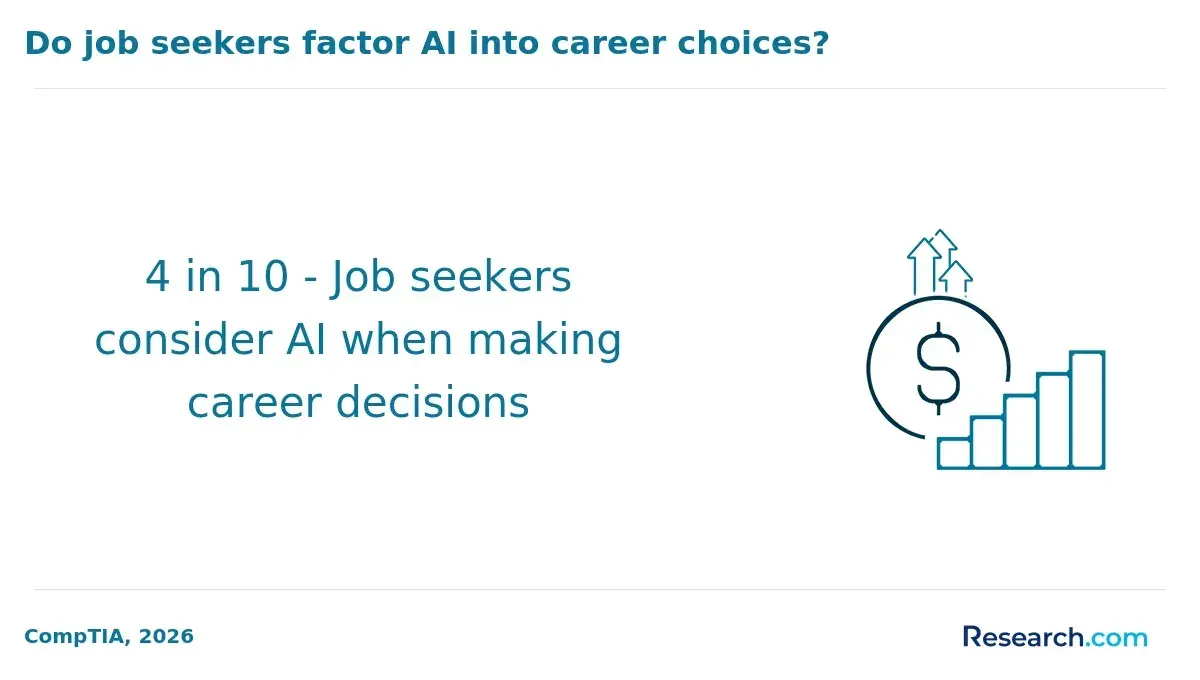
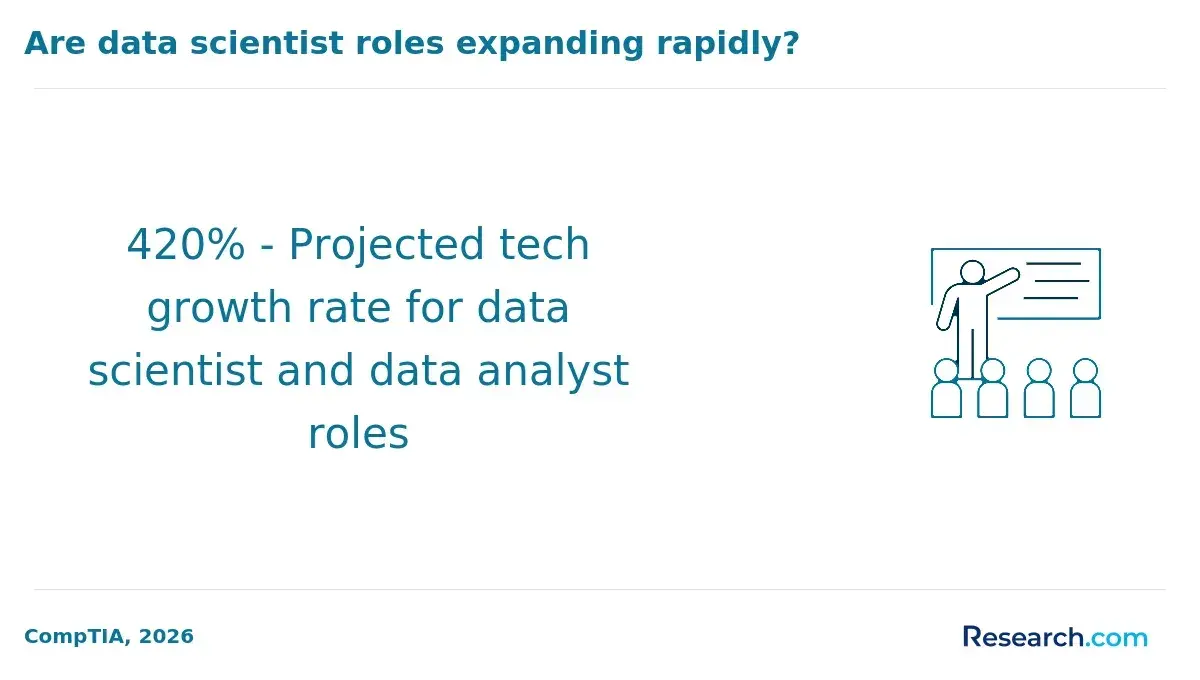
- These programs emphasize real-world applications in data science and automation, aligning with the 40% projected growth in machine learning jobs through 2030 in the U.S.
- Flexible online formats, combined with expert faculty from Cambridge, ensure accessibility and high completion rates exceeding 85%, supporting career advancements in AI fields.
Advance Your Career with AI Online Courses
Artificial Intelligence: Implications for Business Strategy
This program provides an introduction to Artificial Intelligence and their implications for business strategy. Earn an official digital certificate.

Oxford Artificial Intelligence Programme
Explore this Oxford Artificial Intelligence programme offered in a flexible learning environment and explore topics like machine learning, automation, and robotics.

Implementing Agentic AI: Building Your Organizational Playbook
This online MIT Agentic AI course offers a practical approach to deploying AI agents in your organization, including a custom playbook. 3 weeks, exclusive launch price.

AI Adoption: Driving Business Value and Impact
This online MIT AI Adoption: Driving Business Value and Impact offers practical frameworks to close the gap between AI potential and business reality.

Artificial Intelligence in Pharma and Biotech
Discover the applications and limitations of artificial intelligence in pharma and biotech with this MIT online short course.

What makes Cambridge online machine learning courses stand out for U.S. learners and professionals?
Cambridge online machine learning courses for US professionals combine rigorous academic standards with practical career benefits. Developed by experts engaged in cutting-edge research, these programs ensure the curriculum stays current with advances in machine learning and artificial intelligence. Graduates earn a globally respected credential valued in both academic and industry settings.
The University of Cambridge's MPhil in Machine Learning and Machine Intelligence graduates report a median salary of £65,000 within 15 months, notably higher than the £38,000 median for all UK postgraduate-taught leavers. This highlights the premium employers place on advanced expertise, offering a competitive edge for U.S. professionals. These top-rated Cambridge machine learning programs in the United States equip learners with skills that translate directly to the job market.
The flexible online format suits working professionals and international students, blending self-paced learning, live sessions, and project-based assessments. Coursework covers practical topics such as Python programming, probabilistic models, and deep learning architectures, enhancing both technical and strategic abilities applicable across sectors-from healthcare analytics to autonomous systems.
Additional career support includes networking with alumni and connections to Cambridge's research community, valuable for U.S. learners aiming to secure positions in technology hubs like Silicon Valley. For those exploring future roles, understanding artificial intelligence career paths helps align educational choices with long-term goals.
Advance Your Career with AI Online Courses
Artificial Intelligence: Implications for Business Strategy
This program provides an introduction to Artificial Intelligence and their implications for business strategy. Earn an official digital certificate.
Oxford Artificial Intelligence Programme
Explore this Oxford Artificial Intelligence programme offered in a flexible learning environment and explore topics like machine learning, automation, and robotics.
Implementing Agentic AI: Building Your Organizational Playbook
This online MIT Agentic AI course offers a practical approach to deploying AI agents in your organization, including a custom playbook. 3 weeks, exclusive launch price.
Which Cambridge online machine learning courses are best for different experience levels?
Cambridge online machine learning courses serve a wide range of learners through a clear progression. The best Cambridge online machine learning courses for beginners include the Certificate in Data Science and Machine Learning, which covers fundamentals like programming, statistics, and core ML concepts. Designed for students with limited experience, it emphasizes practical Python skills and introductory algorithms.
Intermediate learners can pursue the Advanced Certificate in Data Science or short courses focused on supervised and unsupervised learning techniques, model evaluation, and feature engineering. These require prior programming knowledge and a basic grasp of probability and linear algebra.
Advanced Cambridge online machine learning programs for experienced learners offer specialized modules in deep learning, reinforcement learning, and natural language processing. These classes demand strong math skills and familiarity with frameworks such as TensorFlow or PyTorch.
Practical projects in these courses enable application of theoretical knowledge to real-world challenges, supporting career advancement in AI and machine learning. Cambridge's Institute of Continuing Education reported a 140% enrolment increase in online data science and AI short courses between 2020 and 2024, with over 60% of learners based outside the UK, demonstrating global accessibility.
Prospective U.S. students and professionals should align course choices with their skill level and career goals. Beginners build a solid foundation through introductory offerings, while experienced learners deepen expertise with advanced courses. Those seeking affordable options might explore the cheapest online mechanical engineering degree for related STEM disciplines.
How do Cambridge online machine learning courses compare to U.S. university programs?
Cambridge online machine learning courses offer a unique profile compared to typical U.S. university programs, especially in serving mid-career professionals. According to Cambridge Advance Online Learner Insights 2024, 72% of learners in their AI and machine learning professional certificate courses had 5-15 years of experience, with 48% coming from non-technical backgrounds. This contrasts with many U.S. programs, which primarily target recent graduates or those with strong technical foundations. This comparative analysis of machine learning curriculum in Cambridge and American institutions highlights how Cambridge prioritizes applied skills over theoretical depth, benefiting professionals seeking immediate workplace relevance.
Unlike many U.S. Master's programs that involve extensive advanced mathematics and programming, Cambridge's short, modular certificates accommodate learners transitioning from fields like business or healthcare. Their flexible, self-paced design allows professionals to balance ongoing careers without full-time commitments. U.S. programs often require residency or fixed semester schedules, limiting accessibility for working individuals outside academic tracks.
While U.S. institutions provide broader research networks and internship opportunities, Cambridge's global reputation and focus on applied credentials support career advancement in international and interdisciplinary roles. This makes Cambridge appealing for non-traditional students seeking reskilling or upskilling. For those exploring advanced education options, including a PhD in AI online might be a relevant consideration to deepen research expertise alongside professional development.
What topics and tools are typically covered in Cambridge online machine learning curricula?
Cambridge machine learning course content and tools cover essential foundational and advanced topics for a robust understanding of the field. Core subjects include supervised and unsupervised learning with algorithms such as linear regression, decision trees, k-means clustering, and support vector machines. Deep learning modules focus on neural networks, convolutional neural networks (CNNs), and recurrent neural networks (RNNs) to address image and sequence data challenges.
Online machine learning topics covered in Cambridge programs emphasize practical skills through hands-on experience with Python, TensorFlow, PyTorch, and Scikit-learn. Students gain expertise in data preprocessing, feature engineering, model evaluation methods like cross-validation and confusion matrices, and deployment in cloud environments. Ethical considerations and explainability also form an integral part of the curriculum, reflecting industry demands for transparent decision-making.
Advanced courses include reinforcement learning, natural language processing (NLP), and probabilistic graphical models, which prepare learners for specialized applications such as robotics, language translation, and recommendation systems. Mathematics refreshers in statistics and linear algebra support deeper algorithm optimization capabilities.
Postgraduate certificates and microcredentials offered by Cambridge are recognized for their rigor and practical relevance. According to the HESA Graduate Outcomes 2024 report, UK graduates completing these programs have a 95% employment or further study rate and a median salary premium of 23% over STEM postgraduates overall. U.S. students interested in related technology fields may also explore military friendly online electrical engineering degree programs to complement their AI education.
What are the admission requirements and application steps for Cambridge online ML courses?
Admission to Cambridge online machine learning courses requires a strong foundation in computer science, mathematics, or related fields. Applicants must have at least a bachelor's degree with relevant coursework in linear algebra, probability, statistics, and programming. While professional experience in data science or software development can enhance an application, it cannot replace academic qualifications. Research-focused pathways linked to the MPhil or PhD demand evidence of academic excellence, including transcripts and often GRE scores.
Applicants navigate the process via the University of Cambridge Graduate Admissions portal, submitting:
- A personal statement outlining background, motivation, and goals in machine learning.
- Academic transcripts and certificates.
- Two or three academic or professional references.
- Proof of English proficiency, such as IELTS or TOEFL, if needed.
For research programs, candidates should prepare a research proposal aligned with faculty interests. Interviews focusing on technical and research skills are common. Over 55% of MPhil in Machine Learning and Machine Intelligence graduates move into PhD or research roles within a year, underscoring the program's rigor.
International applicants should start early and tailor applications to course requirements, ensuring clarity on research or professional objectives in machine learning. Checking individual course pages for additional criteria is advisable.
How long do Cambridge online machine learning courses take, and what schedules are offered?
Cambridge online machine learning courses range from 6 to 16 weeks, depending on specialization and depth. Many programs offer modular structures, allowing learners to progress at their own pace or within fixed cohorts. Part-time options typically require 4 to 8 hours per week, ideal for balancing work and study, while full-time tracks condense the curriculum for intensive learning.
Flexible scheduling is common, with evening and weekend classes tailored for working professionals. Asynchronous content enables global access without time-zone restrictions. Some cohorts require weekly assignment deadlines and interactive sessions, promoting steady progress and peer collaboration.
These programs often incorporate practical case studies from industries like fintech and healthcare, addressing the growing demand for specific machine learning expertise. According to the IBM Global AI Adoption Index 2024, 69% of organizations face shortages in this skill set, driving course emphasis on real-world applications.
Prospective students should consider their available weekly hours and preferred learning format. Working professionals may prefer part-time asynchronous classes with clear milestones, while recent graduates might choose accelerated tracks. Overall, Cambridge machine learning courses offer a balance between comprehensive content and adaptable pacing to meet diverse learner needs.
How much do Cambridge online machine learning courses cost, and are there funding options?
Cambridge's online machine learning courses vary in cost, typically ranging from £2,000 for short professional development programs to over £4,000 for postgraduate certificates or diplomas. These fees reflect access to expert faculty, advanced resources, and prestigious university credentials. Payment options can be challenging for many, especially U.S.-based learners, who might need private education loans if institutional funding is unavailable.
Some funding avenues include employer sponsorships, especially for those in data science or AI roles, government-backed education loans, and occasional scholarships or bursaries awarded by Cambridge based on merit or financial need. Students should proactively check course-specific financial assistance and institutional pages during application.
The value of investing in these courses is highlighted by salary data: machine learning and AI specialists in the UK earn a median advertised salary of £71,000, which is 76% above the UK median of £40,300 (Lightcast UK Labour Market Insights 2024). This significant gap underscores the career benefits of quality education from recognized institutions. Potential students are encouraged to carefully consider course costs alongside funding routes to optimize access and career outcomes.
How is accreditation, academic quality, and credit transferability handled for Cambridge online study?
Cambridge's online machine learning courses are developed and assessed under strict university quality assurance standards, ensuring academic rigor and credibility. Faculty members are directly involved in designing and delivering the content, with many programs offering credit-bearing modules that contribute toward formal Cambridge qualifications. This structure guarantees recognized academic credit rather than informal certification.
Credit transferability depends on the course type and a student's goals. Postgraduate courses often allow credits to accumulate toward a full master's degree if all requirements are met, while standalone professional certificates might not transfer to other institutions. Prospective students, especially those interested in transferring credit to U.S. universities, should consult Cambridge's admissions or academic offices in advance.
Being officially aligned with UK higher education standards, Cambridge's online qualifications are internationally respected. U.S. employers and academic institutions value Cambridge's transparent grading, rigorous plagiarism checks, and robust examinations as proof of high academic standards.
Research from the Institute for Fiscal Studies using LEO data indicates a median gross annual return between 14-18% within five years of graduation from computing and AI programs at Cambridge and other UK Russell Group universities. This highlights the real financial return of investing in these accredited, high-quality online courses.
What machine learning careers can Cambridge online coursework prepare you for?
Cambridge's online machine learning coursework equips students with skills valuable across various high-demand careers, including machine learning engineer, data scientist, research scientist, and AI consultant. These roles involve designing algorithms, building predictive models, and optimizing data-driven solutions. For instance, machine learning engineers deploy scalable ML systems, while data scientists combine machine learning with statistical analysis to generate actionable insights.
The program also supports specialization in sectors like healthcare analytics, autonomous systems, natural language processing, and financial modeling. Healthcare analysts leverage machine learning to enhance diagnostics and patient outcomes, whereas autonomous systems experts apply models in robotics and self-driving technologies.
Cambridge's strong global research standing-ranked third worldwide for AI and machine learning research impact by Scopus/Elsevier-ensures course content reflects cutting-edge scientific advancements. Students benefit from a balanced blend of theory and practical projects that simulate real business or research challenges, addressing issues like model interpretability, data bias, and computational efficiency.
This approach enables graduates to adapt to rapidly evolving industry needs with critical thinking and cross-disciplinary collaboration skills. Prospective learners seeking online education in artificial intelligence and machine learning can explore the Cambridge online programs, which are uniquely informed by leading research and innovation.
What salaries and job outlook can U.S. graduates expect after Cambridge ML training?
Graduates from Cambridge's online machine learning programs entering the U.S. job market can anticipate competitive salaries and promising career growth. Industry data shows entry-level machine learning engineers typically earn between $95,000 and $115,000 annually, while professionals mid-career reach $130,000 to $165,000. Senior or specialized roles in areas like natural language processing or computer vision can exceed $180,000. Cambridge's focus on practical skills equips graduates for opportunities in key tech hubs such as Silicon Valley, New York, and Austin.
The hiring landscape is shifting as employers place increasing value on verified digital credentials. The World Economic Forum Future of Jobs Report 2025 predicts 63% of global employers will incorporate online microcredentials and university-issued certificates in AI and machine learning when hiring or promoting, up from 36% in 2021. This trend highlights the growing importance of credentials like those from Cambridge for demonstrating expertise.
U.S. employers across finance, healthcare, autonomous vehicles, and cybersecurity actively seek professionals with these skills. Cambridge graduates can differentiate themselves by presenting verified project experience alongside academic credentials. For those transitioning careers, Cambridge courses enhance existing degrees and open doors to advanced roles in engineering, data science, or research.
Other Things You Should Know About Artificial Intelligence
Notable Cambridge online machine learning courses in 2027 include "Introduction to Machine Learning," focusing on foundational concepts, and "Advanced AI Techniques," which explores deep learning and neural networks. These courses offer practical insights and are tailored for various skill levels, emphasizing hands-on learning.
Artificial intelligence systems often require large datasets to function effectively, which can raise concerns about data privacy and security. Proper data anonymization, secure storage, and compliance with regulations like GDPR are essential to protect personal information when using AI technologies.
While artificial intelligence can automate many repetitive and routine tasks, it is unlikely to fully replace human jobs in most fields. AI tends to complement human skills, especially in roles requiring creativity, emotional intelligence, and complex decision-making.
Ethical issues in artificial intelligence development include bias in decision-making algorithms, transparency, accountability, and the potential for misuse. Developers and organizations must prioritize fairness, explainability, and responsible deployment to ensure AI benefits society.
References
- Best Online Machine Learning Courses for 2023 - Comprehensive Guide https://aifwd.com/education/best-online-machine-learning-course/
- Best universities in Europe for machine learning— the application process https://becominghuman.ai/best-universities-in-europe-for-machine-learning-the-application-process-8f5192d65125
- 7 Best Machine Learning Courses for 2025 (read this first) https://www.learndatasci.com/best-machine-learning-courses/
- Accredited vs. Credit-Recommended vs. Transfer Policy: What It All Means for Your College Credits https://www.straighterline.com/blog/transfer-accredited-vs-credit-recommended-vs-transfer-policy-what-it-all-means-for-your-college-credits
- Funding for Cambridge Online Education Courses https://www.cambridgeonlineeducation.com/pages/funding-for-cambridge-online-education-courses
- Apply & Enrol for College Courses - Cambridge Regional College https://www.camre.ac.uk/apply-enrol/
- Machine Learning Training in Cambridge https://www.nobleprog.co.uk/machine-learning/training/cambridge
- How to Get Into Cambridge University: A Step-by-Step Guide 2025 - Princeton Review https://www.princetonreview.sg/cambridge-university-admissions-guide-2025/
- Machine Learning Basics – Cambridge Open Academy https://cambridgeopenacademy.com/course/machine-learning-basics/
- Machine learning - Wikipedia https://en.wikipedia.org/wiki/Machine_learning