2027 Best AI Courses for Biotech Leaders

Co-Founder and Chief Data Scientist
Biotech leaders often face the challenge of integrating advanced technologies into their workflows without a background in artificial intelligence. This gap can slow innovation and hinder the effective use of AI-driven data analysis and modeling. Professionals transitioning from unrelated fields may struggle to find flexible, accredited educational options tailored to their needs.
Identifying the right courses that balance technical depth with practical applications is essential for a successful pivot. This article outlines top AI courses designed for biotech professionals, helping readers choose programs that combine accessibility, credibility, and real-world relevance to accelerate their careers in this evolving field.
Key Things You Should Know
- Top AI courses for biotech leaders in 2026 emphasize practical skills in machine learning applications and data analysis specific to genomics and drug discovery sectors.
- Enrollment in biotech-focused AI programs rose by 35% from 2024 to 2025, reflecting growing industry demand for AI-literate professionals.
- Leading courses integrate ethics and regulatory compliance training, crucial for navigating AI's impact on biotech innovation and patient safety.
Advance Your Career with AI Online Courses
Artificial Intelligence: Implications for Business Strategy
This program provides an introduction to Artificial Intelligence and their implications for business strategy. Earn an official digital certificate.

Oxford Artificial Intelligence Programme
Explore this Oxford Artificial Intelligence programme offered in a flexible learning environment and explore topics like machine learning, automation, and robotics.

Implementing Agentic AI: Building Your Organizational Playbook
This online MIT Agentic AI course offers a practical approach to deploying AI agents in your organization, including a custom playbook. 3 weeks, exclusive launch price.

AI Adoption: Driving Business Value and Impact
This online MIT AI Adoption: Driving Business Value and Impact offers practical frameworks to close the gap between AI potential and business reality.

Artificial Intelligence in Pharma and Biotech
Discover the applications and limitations of artificial intelligence in pharma and biotech with this MIT online short course.

What are the best AI courses and certificates specifically designed for biotech leaders?
Leading AI courses for biotech leaders combine data science, machine learning, and biopharma applications, targeting challenges like drug discovery optimization, precision medicine, and bioprocessing innovation. These AI certificates tailored for biotechnology professionals often include executive certificates and specialized master's programs that integrate domain expertise with technical ai skills.
Programs such as MIT's Professional Certificate in Machine Learning & Artificial Intelligence focus on hands-on projects that use real-world biotech datasets, helping leaders apply complex AI models to strategic decisions. Stanford's AI in Healthcare program offers modules on genomic data analysis and AI-driven clinical trials management. Similarly, Johns Hopkins University's Certificate in Biomedical Data Science emphasizes predictive analytics and bioinformatics.
Harvard Medical School's AI in Health Care Certificate is valuable for leaders needing strategic oversight, addressing AI theory alongside regulatory and ethical issues relevant to biopharma innovation. Many programs highlight explainable AI to ensure transparency and compliance-critical themes cited by industry executives.
According to a Deloitte survey, 62% of biopharma executives expect AI and advanced analytics to contribute over 20% of EBIT growth within five years. When selecting courses, it's important to consider:
- Industry collaboration and access to biotech-specific AI tools.
- Focus on regulatory frameworks and ethical AI use in life sciences.
- Balance between technical depth and executive-level application.
- Opportunities for capstone projects or case studies aligned with biopharma challenges.
Prospective students can find an affordable data science degree that supports these specialized learning goals.
Advance Your Career with AI Online Courses
Artificial Intelligence: Implications for Business Strategy
This program provides an introduction to Artificial Intelligence and their implications for business strategy. Earn an official digital certificate.
Oxford Artificial Intelligence Programme
Explore this Oxford Artificial Intelligence programme offered in a flexible learning environment and explore topics like machine learning, automation, and robotics.
Implementing Agentic AI: Building Your Organizational Playbook
This online MIT Agentic AI course offers a practical approach to deploying AI agents in your organization, including a custom playbook. 3 weeks, exclusive launch price.
How can AI training help biotech executives drive innovation, R&D, and clinical impact?
AI training programs for biotech innovation leadership offer critical knowledge that enables executives to apply advanced technologies accelerating research and development as well as improving clinical decision-making in biotech. Leaders equipped with AI skills can identify impactful applications such as predictive modeling for drug discovery, enhancing clinical trial designs through patient stratification, and automating data analysis to reduce time-to-market. Mastery of AI concepts empowers executives to lead teams integrating machine learning algorithms that discover novel biomarkers or prioritize therapeutic targets.
Practical expertise from AI education improves executives' ability to evaluate vendors, ensure regulatory compliance, and address ethical risks like data privacy and algorithmic bias. This strategic insight converts AI from a buzzword into actionable initiatives that deliver measurable value. AI-powered diagnostics, for example, can optimize clinical workflows, reduce diagnostic errors, and enhance patient outcomes.
Executives often struggle to justify AI investments without clear metrics. Training provides frameworks for measuring and communicating AI's business impact, directly linking technical advances to pipeline efficiency and patient benefits. Data from MIT Sloan Executive Education indicates that 85% of healthcare and pharma AI program participants hold VP-level or higher roles, and 71% have launched AI initiatives within a year. This highlights the importance of targeted AI education in rapidly driving transformative change.
Prospective students seeking pathways to develop these skills may explore options such as the cheapest online engineering degree, which can provide a strong technical foundation for leadership roles in biotech innovation.
What types of AI programs exist for biotech leaders: short courses, certificates, master's, and MBAs?
AI programs for biotech leaders vary widely, ranging from short courses and certificates to master's degrees and MBAs. Short courses, lasting days to weeks, focus on practical skills like data analysis, machine learning in drug discovery, and AI-driven clinical trial design, ideal for professionals needing rapid upskilling without long-term commitment.
Certificate programs span several months and offer a deeper dive into AI fundamentals with biotech-specific case studies. These programs, often developed with universities and industry partners, blend theory with hands-on projects to equip learners with AI skills applicable to pharmaceutical R&D. Such AI certification programs for biotech professionals provide valuable credentials for career growth or transition.
Master's degrees deliver comprehensive AI training combined with biotech specialization, covering computational biology, bioinformatics, and predictive modeling. These one- to two-year programs prepare graduates for leadership roles in innovation and strategic decision-making. Specialized master's in AI for life sciences are increasingly offered at major research universities.
MBAs with an AI concentration integrate business strategy, management, and AI technologies tailored for biotech executives. These programs enable mid-to-senior professionals to leverage AI for operational efficiency, regulatory processes, and personalized medicine commercialization, fueling value creation in their organizations. Pursuing Master's and MBA degrees in AI for biotech leaders is becoming crucial amid rising industry demands.
According to McKinsey, AI and advanced analytics may generate up to $110 billion annually in value for global pharmaceuticals and medical products through enhanced R&D productivity and personalized treatments. For those considering diverse educational pathways, comparing options like a game development degree might provide useful insights on structuring affordable and efficient programs across disciplines.
What core AI and data science skills should biotech leaders learn to stay competitive?
Biotech leaders aiming to excel must cultivate core artificial intelligence skills for biotech professionals, including machine learning (ML), data science, and bioinformatics. These competencies allow effective oversight of projects in genomics and drug discovery by applying supervised and unsupervised learning techniques.
Proficiency in programming languages such as Python or R is vital for guiding data analysis and interpreting complex biological datasets. Leaders skilled in statistical modeling and data visualization can extract actionable insights from high-throughput sequencing data efficiently.
Data science techniques for biotech leadership also include mastering database systems and cloud computing to manage large-scale biological data securely, adhering to data privacy regulations. Familiarity with neural networks and deep learning supports evaluating AI applications in personalized medicine and medical imaging strategically.
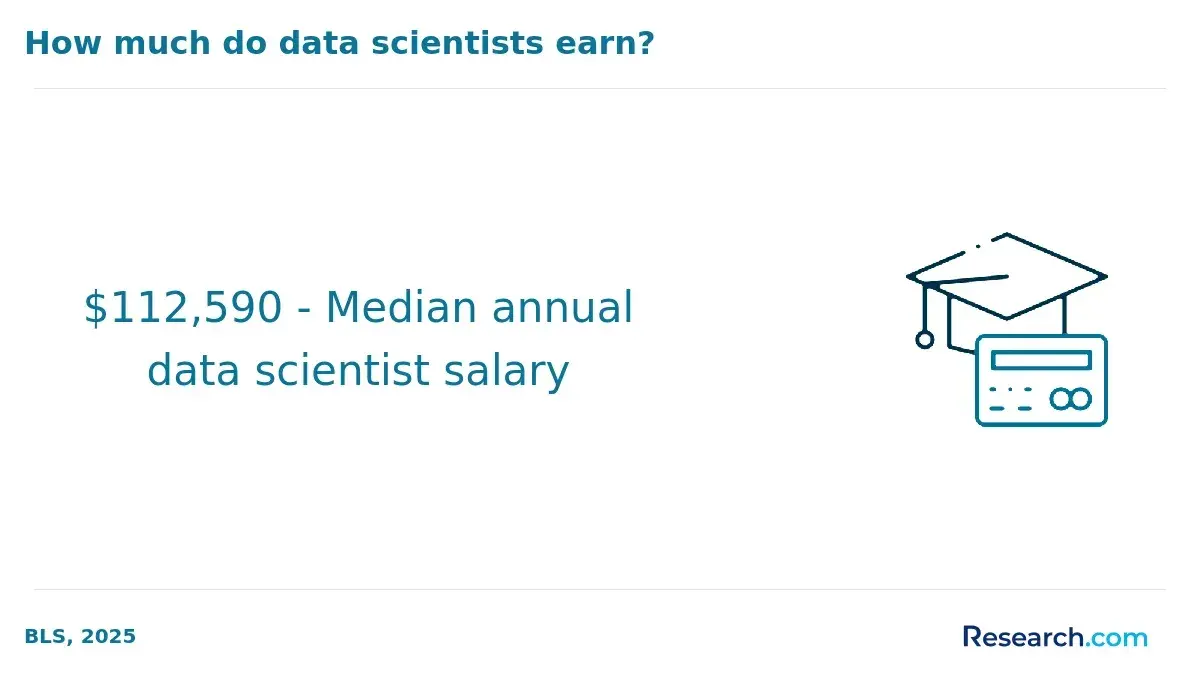
Critical thinking related to model validation, bias detection, and reproducibility is necessary to uphold scientific rigor in AI projects. Experience with tools like TensorFlow or PyTorch enhances the capability of leaders managing AI development teams. The U.S. Bureau of Labor Statistics forecasts a 35% employment growth for data scientists and related roles from 2024 to 2034, driven notably by demands in life sciences and healthcare. This underlines the rising importance of these skills in biotech sectors.
Effective communication skills enable leaders to translate complex AI results into clear decisions for stakeholders. Training in ethical AI use, regulatory compliance, and data governance is crucial for strong leadership. For those interested in related fields, exploring the best military friendly online cybersecurity degrees can offer additional career growth paths.
How do online, hybrid, and on-campus AI programs compare for busy biotech professionals?
Busy biotech professionals seeking Artificial Intelligence education must weigh options between online, hybrid, and on-campus programs, each with unique benefits. Online courses offer the greatest flexibility, allowing asynchronous study ideal for those balancing demanding work schedules without frequent travel. However, these programs may lack hands-on lab access and face-to-face networking crucial in biotech sectors where collaboration fuels innovation.
Hybrid programs blend online theoretical learning with scheduled on-campus sessions for practical training and direct peer interaction. Typically held on weekends or during intensive short sessions, hybrids provide valuable lab experience and instructor engagement while maintaining some schedule flexibility.
For those who can commit significant time, on-campus programs deliver immersive access to labs, faculty mentorship, and peer networks. Yet, inflexible schedules and possible relocation or commute requirements may limit their feasibility for full-time employees.
Considering that 78% of life sciences executives identify regulatory uncertainty and AI governance as top barriers to AI adoption-despite 86% planning increased AI investments-education integrating governance and compliance is vital. Hybrid formats often excel here by combining up-to-date theory with applied problem-solving, preparing professionals for real-world challenges.
Which universities and providers offer accredited AI programs relevant to biopharma and healthcare?
Leading universities offer accredited artificial intelligence programs designed for biopharma and healthcare professionals. The Massachusetts Institute of Technology (MIT) provides a MicroMasters credential in Statistics and Data Science with courses on machine learning applications in health sciences. Stanford University's Professional Certificate in Artificial Intelligence includes biomedical data modules relevant to drug discovery. These programs combine computer science fundamentals with biotech case studies.
Johns Hopkins University offers a Master of Science in Artificial Intelligence focused on healthcare analytics and predictive modeling in clinical research. Carnegie Mellon University's Computational Biology master's integrates AI-driven drug design workflows, addressing real-world biotech challenges. Such graduate-level courses prepare students to innovate in biotech R&D operations.
Online platforms like Coursera collaborate with universities such as the University of Pennsylvania and University of Washington to deliver specialized AI courses for healthcare professionals, including certified programs on deep learning for genomics and medical imaging. edX and Udacity provide nanodegrees and professional certificates often developed with leading biopharma partners.
A Boston Consulting Group analysis found biotech companies using generative AI in drug discovery reduced hit-identification timelines by 50-70% and cut costs by up to 40%. Prospective students should select programs offering hands-on projects, biopharma datasets, and industry collaborations to gain practical skills essential for accelerating drug development and reducing costs.
What typical curricula do AI-for-biotech leadership programs cover, from machine learning to regulation?
AI-for-biotech leadership programs integrate technical skills with domain-specific knowledge tailored to the life sciences sector. Focus areas include supervised and unsupervised learning, deep learning architectures, and natural language processing applied to biomedical data. Participants develop predictive models useful for drug discovery, patient stratification, and forecasting clinical outcomes.
The curriculum covers data management techniques for genomics, proteomics, and real-world evidence datasets, alongside bioinformatics algorithms. Practical training involves using AI platforms commonly employed in biotech research and development. Case studies illustrate AI's role in accelerating target identification and clinical trials.
Leadership training emphasizes integrating AI into decision-making and operational workflows, including omnichannel analytics that can improve marketing effectiveness by 15-25%, according to IQVIA's data on life-science companies using AI-driven next-best-action approaches.
Regulatory and ethical considerations are essential components, with instruction on FDA guidelines for AI/ML software as medical devices, HIPAA compliance, and international standards like EMA and ICH. These programs stress transparency, explainability, and risk assessment for trustworthy AI deployment.
Additional modules cover AI project management, intellectual property, and fostering interdisciplinary collaboration among data scientists, clinicians, and business leaders. This training equips biotech professionals to navigate complex challenges while maximizing AI's impact in their field.
What are the admission requirements and time commitments for AI programs aimed at working leaders?
Admission to AI programs for working biotech leaders typically requires a scientific background in biology, biotechnology, or related STEM fields. Most programs expect at least a bachelor's degree, with advanced courses favoring master's degrees or higher. Professional experience in biotech or data-centric roles is often necessary, especially for executive certificates or specialized tracks. Foundational skills in programming or statistics are commonly required, so preparatory courses or assessments may be needed.
Time commitments usually accommodate busy professionals, offering part-time or modular formats. Executive certificates may take 6 to 12 months, requiring 5 to 10 hours weekly. More intensive master's degree programs often span 1 to 2 years, demanding 10 to 15 hours a week and sometimes providing flexible scheduling. Online options frequently blend asynchronous lectures with live sessions to support global students.
Key considerations for biotech leaders include:
- Evaluating availability for capstone projects or lab work requiring focused effort.
- Prioritizing programs with biotech-specific case studies and hands-on data applications.
- Checking for support in bridging technical gaps and access to mentors or peer networks.
A study by Deloitte highlights organizations with strong internal AI and data science talent are 2.5 times more likely to maximize AI project ROI than those depending on external vendors. This underscores the value of selecting programs geared toward real-world biotech applications that enhance internal capabilities.
How much do AI programs for biotech leaders cost, and what funding options are available?
AI programs designed for biotech leaders vary widely in cost, starting around $1,000 for short online courses and exceeding $15,000 for comprehensive degrees or certifications. Platforms like Coursera and edX offer certificate programs typically priced between $1,200 and $3,000. Meanwhile, executive education programs at universities can go beyond $10,000. Comprehensive master's degrees or specialized certifications at top institutions often cost $15,000 or more, especially when on-campus attendance and mentorship are included.
Various funding options help reduce this financial burden:
- Financial aid and scholarships offered by many online platforms can cut costs by 50-75%.
- Employer tuition reimbursement plans are common in biotech firms prioritizing AI skill development.
- Federal student aid applies mostly to accredited degree programs, rarely to standalone certifications.
- Veterans benefits, including the GI Bill, may cover eligible students enrolled in qualifying programs.
- Additional models like income share agreements (ISAs) or deferred payments allow learners to pay once employed or after meeting salary thresholds.
Professional organizations in biotech and healthcare sometimes provide grants or sponsorships to cultivate AI leadership. A 2024 Coursera survey highlights a 21% average salary increase and a 51% promotion or role expansion rate within a year for healthcare and life science learners completing AI and data science programs. This evidence supports strategic investment in affordable, quality AI education as a catalyst for career advancement.
What career outcomes, salaries, and leadership roles can AI-educated biotech professionals expect?
Biotech professionals with AI education experience strong career growth, higher salaries, and leadership roles that influence organizational success. Research from Gartner shows that 73% of organizations exceeding AI goals had at least one senior leader complete a structured AI education program, compared to only 29% of underperforming companies. This connection demonstrates how AI expertise boosts leadership effectiveness and drives impact in biotech.
Common leadership positions include AI strategy director, chief data officer, and head of AI-driven biopharmaceutical research. These roles require comprehensive knowledge of AI's role in genomics, drug discovery, and personalized medicine. Professionals in these positions often lead cross-functional teams and guide innovation strategies.
Salaries generally range from $150,000 to over $250,000 annually depending on experience, company size, and location. Senior AI scientists in major pharmaceutical firms can earn near the higher end, while AI project managers may start around $120,000 and increase with demonstrated success.
Career paths typically evolve from technical expert roles to executive leadership overseeing AI integration across research, development, and operations. Skilled professionals drive data-informed decisions, optimize clinical trials, and accelerate product pipelines.
Other Things You Should Know About Artificial Intelligence
Biotech leaders must consider issues like data privacy, algorithmic bias, and transparency when implementing artificial intelligence. Ensuring that AI systems do not perpetuate inequities in healthcare or research is critical. Ethical frameworks and regulatory guidance help maintain responsible AI use in sensitive biological and clinical contexts.
Artificial intelligence enhances decision-making by providing advanced data analysis, pattern recognition, and prediction capabilities. This allows researchers to identify potential drug targets, optimize experiments, and accelerate discovery phases. However, human expertise remains essential to interpret AI outputs and validate results.
Integrating artificial intelligence requires significant changes in infrastructure, data management, and staff training. Challenges include handling large, heterogeneous data sets and overcoming resistance to new technologies. Successful adoption often involves cross-functional collaboration and clear alignment between AI goals and business objectives.
For 2027, some top AI courses for biotech leaders include the "AI for Healthcare" program by Stanford University and the "AI in Biotech" workshop from the Massachusetts Institute of Technology. These courses are designed to help leaders leverage AI for innovation and operational efficiency in biotech.
References
- How AI Is Reshaping Drug Discovery and Healthcare Investing | VanEck https://www.vaneck.com/us/en/blogs/thematic-investing/how-ai-is-reshaping-drug-discovery-and-healthcare-investing/
- How AI is Shaping Leadership: Key Skills Every Leader Needs in 2026 https://www.mygreatlearning.com/blog/core-ai-skills-leaders-must-master/
- Choosing the Right AI Course for Business Leaders https://www.tsa-bildung.de/en/blog/choosing-the-right-ai-course-for-business-leaders
- Artificial Intelligence in Biopharmaceutical Quality Management Systems https://www.bioprocessintl.com/information-technology/a-vision-for-artificial-intelligence-in-biopharmaceutical-quality-management-systems
- AI for Executives: Top AI Training Programs (2025) https://www.corpoladder.com/blog/top-ai-leadership-training-programs-for-executives
- How to Find Biotech Jobs Near You After Relocating https://biophaseinc.com/future-of-biotech-jobs/
- How to Become a Leader in Data Science: A Guide | LIS https://www.lis.ac.uk/stories/data-science-leaders
- AI for Managers https://esmt.berlin/executive-education/analytics-ai-programs/ai-managers
- AI - Artificial Intelligence | London Business School https://www.london.edu/executive-education/ai
- Online vs Campus Artificial Intelligence Degree Programs: Complete Comparison https://hakia.com/compare/artificial-intelligence-online-vs-campus/