2027 Best AI Courses for Local Government Teams With Certificates

Co-Founder and Chief Data Scientist
Local government teams often struggle to efficiently implement emerging technologies due to limited access to specialized training and credible certification options. This gap hinders their ability to leverage artificial intelligence for service improvement or data-driven decision-making. Many staff members lack formal pathways to gain practical skills while balancing existing responsibilities.
This article identifies the best online artificial intelligence courses offering certificates tailored to local government professionals. It highlights flexible, accredited programs designed to build relevant expertise, enabling teams to adopt AI solutions confidently and effectively in their daily operations.
Key Things You Should Know
- Local government teams increasingly adopt AI courses with certificates to enhance digital service delivery, aligning with a 45% projected growth in public sector AI roles by 2028.
- Courses emphasize practical skills like data ethics, machine learning applications, and civic technology, ensuring relevant, actionable expertise for governmental challenges.
- Top AI training programs in 2026 offer flexible, online formats tailored to public sector needs, with 60% providing recognized certifications boosting career advancement opportunities.
Advance Your Career with AI Online Courses
Artificial Intelligence: Implications for Business Strategy
This program provides an introduction to Artificial Intelligence and their implications for business strategy. Earn an official digital certificate.

Oxford Artificial Intelligence Programme
Explore this Oxford Artificial Intelligence programme offered in a flexible learning environment and explore topics like machine learning, automation, and robotics.

Implementing Agentic AI: Building Your Organizational Playbook
This online MIT Agentic AI course offers a practical approach to deploying AI agents in your organization, including a custom playbook. 3 weeks, exclusive launch price.

AI Adoption: Driving Business Value and Impact
This online MIT AI Adoption: Driving Business Value and Impact offers practical frameworks to close the gap between AI potential and business reality.

Artificial Intelligence in Pharma and Biotech
Discover the applications and limitations of artificial intelligence in pharma and biotech with this MIT online short course.

What makes an AI course valuable for local government teams seeking practical, job-ready skills?
AI courses with practical skills for local government staff focus on delivering hands-on, job-ready expertise directly applicable to public-sector challenges. These programs emphasize automating routine tasks, optimizing resource allocation, and enhancing citizen engagement through data-driven insights.
Training includes projects with real datasets and tools relevant to areas like public safety, transportation, and social services. Given the public accountability of government teams, ethical and explainable AI principles are integral components.
Certified training programs in AI for public sector teams often combine technical instruction on machine learning basics, natural language processing, and data visualization with policy and governance perspectives.
This approach helps learners understand how AI outputs inform decision-making and policy design, not just coding. Courses frequently use case studies demonstrating AI-driven efficiency improvements, reflecting a practical orientation.
Certification provides tangible value by validating skills tailored for government contexts. As local governments adopt AI, service delivery improvements of 15-30% have been reported, underscoring the need for job-ready credentials that assure officials of trainees' ability to implement effective solutions.
Flexible, accessible formats-like self-paced modules with instructor feedback-support diverse teams balancing training with daily duties. Many programs offer ongoing support through community forums or expert consultations to address deployment challenges. For insights on earnings potential related to AI skills, see artificial intelligence degree salary.
Advance Your Career with AI Online Courses
Artificial Intelligence: Implications for Business Strategy
This program provides an introduction to Artificial Intelligence and their implications for business strategy. Earn an official digital certificate.
Oxford Artificial Intelligence Programme
Explore this Oxford Artificial Intelligence programme offered in a flexible learning environment and explore topics like machine learning, automation, and robotics.
Implementing Agentic AI: Building Your Organizational Playbook
This online MIT Agentic AI course offers a practical approach to deploying AI agents in your organization, including a custom playbook. 3 weeks, exclusive launch price.
Which AI certificates are most relevant and recognized in the public sector?
Public sector professionals seeking AI certification programs for local government professionals should consider credentials emphasizing practical application, data ethics, and governance alongside technical skills. Certifications like the AI Digital Transformation Certificate by the Partnership on AI and the Government AI Readiness Credential focus on challenges specific to government, including policy development and citizen data privacy.
Technical certificates from leading technology providers, such as the Microsoft Certified: Azure AI Engineer Associate and Google Cloud Professional Machine Learning Engineer, are highly regarded when complemented by courses covering public policy and ethics. These combined qualifications demonstrate both hands-on expertise and alignment with public service values, which is vital given the complexity of AI deployments in government.
Recognized public sector artificial intelligence certificates also address critical issues like AI ethics, transparency, and accountability. Specialized university programs tailored for the public sector offer insights into mitigating bias and complying with regulations like FISMA or GDPR. This expertise is crucial since only 16% of government digital initiatives meet impact goals without structured workforce upskilling.
Officers should prioritize programs blending technical training with governance, ethics, and real-world case studies relevant to government environments. Additionally, cross-disciplinary certificates incorporating AI with data privacy law or cybersecurity enhance effectiveness within public sector IT teams.
For those exploring advanced education options to bolster their credentials, an AI degree can offer comprehensive training and improve career prospects in government roles.
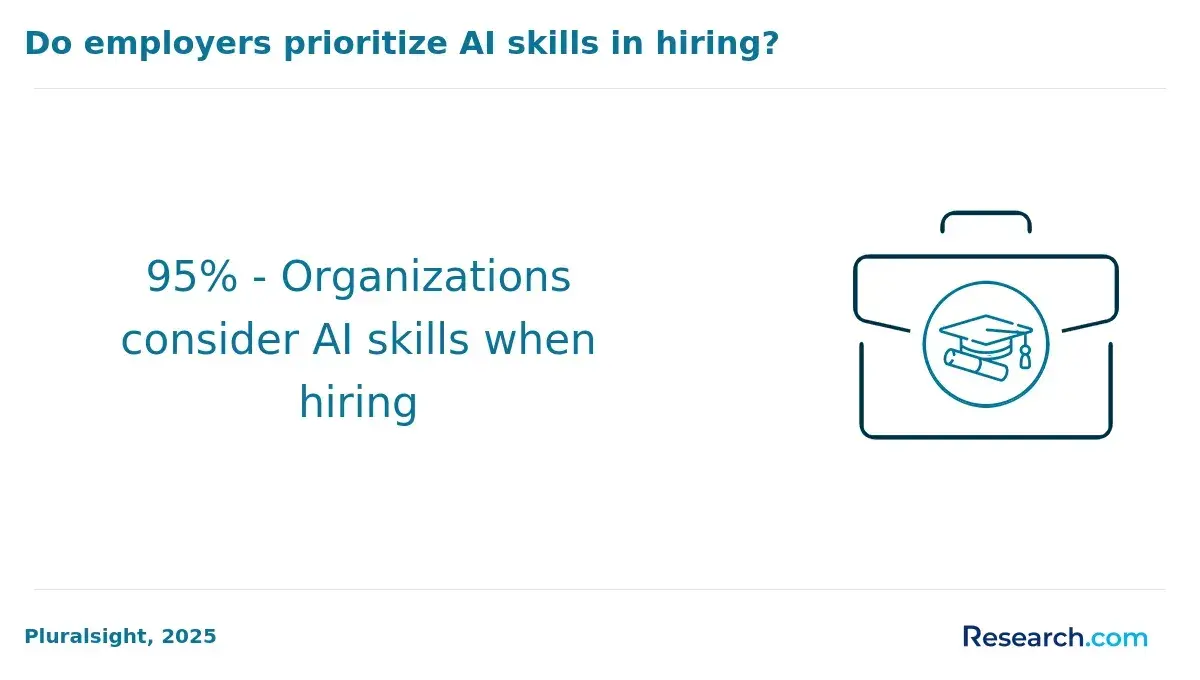
How do AI courses for local government differ from general AI training programs?
AI training programs tailored for local governments focus on foundational AI literacy specific to the public sector, rather than technical skills like programming or machine learning. These certified AI courses designed for municipal teams emphasize ethical concerns, policy impacts, and community-focused applications. They address the unique challenges government employees face, such as regulatory compliance, data privacy, and transparency required by public service roles.
The curriculum often includes practical modules aimed at improving citizen services, infrastructure management, and fair resource allocation. Emphasizing conceptual understanding, these programs support non-technical staff in grasping AI's role within government functions. According to a World Economic Forum evaluation, 72% of government employees identified basic AI literacy as their most critical skills gap, reflecting the demand for accessible, relevant education.
Local government AI training also incorporates real-world case studies and scenario-based learning that relate directly to budgeting, public safety, and emergency response. This practical approach helps learners apply AI concepts to real public-sector problems. Training in this area is structured to:
- Build foundational AI knowledge across diverse roles
- Highlight ethical and regulatory frameworks
- Provide practical solutions addressing government challenges
- Offer accessible learning paths for non-technical employees
Individuals researching affordable options for AI-related education can explore the cheapest online cyber security degree, which may complement their public-sector skills portfolio.
What types of accredited institutions and providers offer AI courses for government staff?
Accredited institutions offering AI training programs for government employees typically include public universities, community colleges, and specialized government training agencies. Public universities frequently deliver certificate programs developed in partnership with government sectors, emphasizing policy, data ethics, and technical skills.
Community colleges provide accessible, practical courses aimed at upskilling mid-level professionals in data analysis, machine learning fundamentals, and automated decision-making relevant to public services.
Certified artificial intelligence courses provided by local government training institutions like the U.S. Digital Service and state IT academies focus on applied skills in natural language processing, AI ethics, and advanced analytics tailored to public sector challenges. The Federal Executive Institute partners with universities to offer accredited courses that enhance competencies in AI-driven tools for government data teams.
Private providers with recognized accreditations offer vendor-neutral credentials in AI fundamentals, Python programming, and data governance, meeting operational needs without requiring full degree programs. Agencies benefit most when training blends theoretical foundations with practical applications from a mix of academic and government training providers.
Gartner's survey highlights that agencies investing in advanced analytics and AI skills are 2.6 times likelier to meet digital transformation goals, underscoring the value of combining technical expertise and governance.
For government staff seeking advanced credentials, exploring an online data science PhD can provide a rigorous pathway integrating AI development and compliance skills.
How should local agencies choose between online, hybrid, and in-person AI training options?
Local government teams should choose AI training formats based on operational needs, staff preferences, and available resources. Online training suits agencies with limited budgets or dispersed employees, offering flexibility through asynchronous courses that fit around work duties.
Hybrid programs blend virtual lectures with some in-person sessions, promoting collaboration without sacrificing convenience. In-person training provides direct instructor access, practical exercises, and networking, ideal for teams focusing on skill-building and cohesion.
Key factors to consider include:
- Team size and location: Distributed teams benefit from online or hybrid options to reduce travel and downtime.
- Learning complexity: Topics like AI ethics and governance often require in-person or hybrid models to support discussion and case studies.
- Technical resources: Online learning needs reliable internet and devices, which may limit participation in some agencies.
- Schedule flexibility: Online options accommodate varied availability, while in-person demands coordination.
- Budget constraints: Online training generally costs less, important for agencies with tight finances.
A study by the IBM Institute for Business Value shows 84% of government executives see AI governance and ethics training as critical, yet only 35% have formal programs. Hybrid and in-person formats often enable deeper engagement with these sensitive topics, ensuring better staff certification and competence improvement.
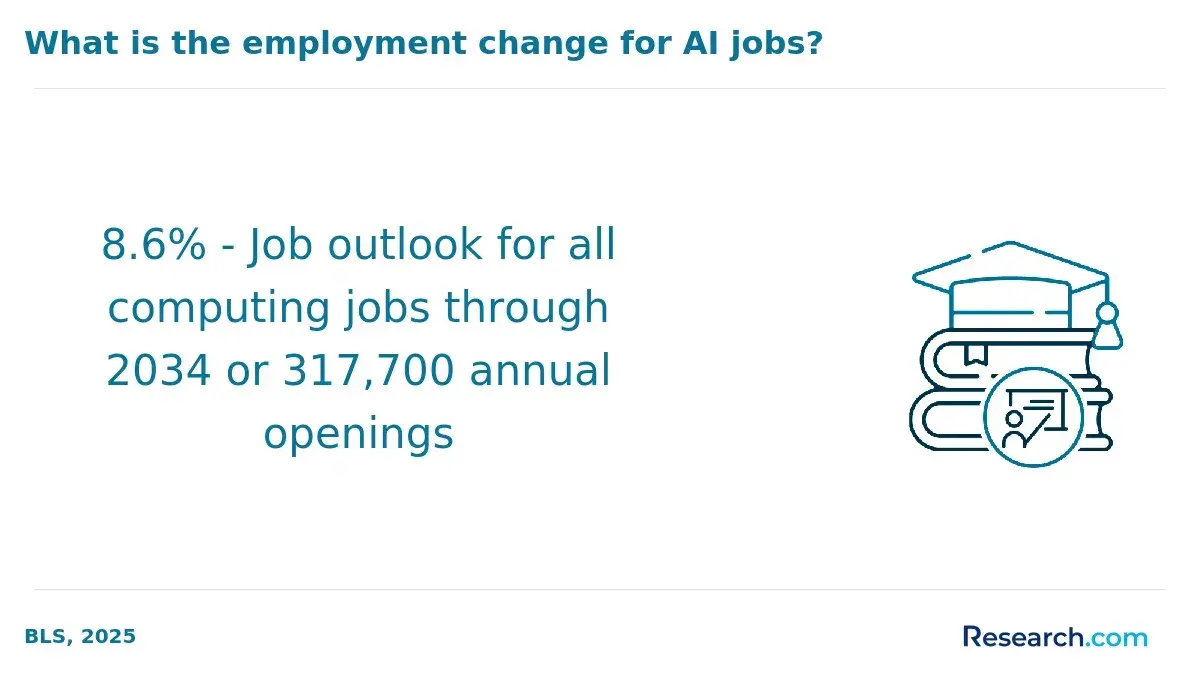
What core topics and tools should AI courses for local government teams cover?
AI courses designed for local government teams focus on enhancing efficiency and service delivery through practical skills. Key topics include data analysis and management techniques that enable officials to interpret community data and make informed decisions. Training also covers natural language processing tools, which automate routine tasks such as drafting reports. According to Microsoft's 2024 Work Trend Index, public-sector users complete document drafting and analysis 29% faster when leveraging generative AI.
Instruction in machine learning fundamentals helps government employees understand how AI models detect patterns to support public policy and resource allocation. Courses often include modules on AI-driven citizen engagement platforms, improving communication and responsiveness across agencies.
Hands-on experience with tools like Python for automation, TensorFlow or PyTorch for custom models, and tailored AI platforms for government workflows is essential. Cybersecurity and ethical AI use are integral, addressing concerns about privacy, bias, and regulatory compliance.
Case studies showcasing AI applications in public health monitoring, traffic management, and social services illustrate real-world impacts. For example, knowledge workers save an average of 1.2 hours daily using generative AI on routine tasks, demonstrating significant time savings and productivity gains.
What are typical admission requirements, time commitments, and costs for these AI certificates?
Admission for AI certificate programs aimed at local government teams generally requires a high school diploma or equivalent. Many programs recommend prior experience or coursework in data analysis, computer science, or public administration. More advanced certificates may ask for a bachelor's degree or relevant professional experience. The enrollment process usually involves a brief application, proof of qualifications, and sometimes a skills assessment to guide students into appropriate learning tracks.
Program durations vary widely, with many certificates designed for working professionals offering flexible, part-time, self-paced formats lasting between 6 and 12 weeks. Intensive boot camps can finish in about 4 weeks, requiring 15-20 hours weekly. Others combine synchronous and asynchronous learning and provide 40-60 hours of instruction.
Role-based AI paths tailored to leaders, analysts, and frontline staff are increasingly popular, supporting better skill applicability. According to a Deloitte Government Trends report, such segmentation correlates with a 21% higher adoption rate of new AI tools in government agencies.
Costs typically range from $500 to $3,000 per certificate. Public sector partnerships or government grants may offer discounts or free enrollment. Some programs bundle AI certificates with digital transformation training, potentially increasing fees but enhancing skill breadth. Included resources like software access and project mentorship can add value and reduce long-term costs.
How can AI training support specific local government roles and career advancement paths?
AI training enhances key local government roles by equipping employees with skills that improve data-driven decision-making and operational efficiency. Urban planners use AI-enabled predictive analytics to model traffic flow and optimize resources, while public safety officials analyze crime patterns to improve emergency responses. Administrative staff benefit from automated document processing and workflow management driven by AI systems.
Career advancement in local government often depends on demonstrating mastery of emerging technologies. Employees with AI-related certificates position themselves as innovation leaders and are more likely to be assigned to specialized projects or supervisory roles. The Coursera for Government report highlights that workers with AI and data-related professional certificates were 45% more likely to contribute to innovation initiatives within agencies.
Additional applications include:
- Compliance officers using machine learning for fraud detection and regulatory monitoring
- Human resources professionals applying AI in talent acquisition and workforce analytics
- Financial analysts leveraging AI for budget forecasting and risk assessment
Employees should pursue courses aligned with their specific roles, focusing on practical tools such as natural language processing for community engagement or geospatial AI for environmental management. Continuous upskilling fosters cross-department collaboration, vital in complex government environments.
By bridging skill gaps and fostering innovation, AI training offers local government workers measurable expertise that positively impacts agency performance and public service delivery.
What salary, productivity, and service-delivery benefits can result from AI upskilling in government?
AI upskilling in government roles directly boosts salary prospects and workplace productivity. Employees who develop AI skills become more valuable, often leading to salary increases linked to their specialized knowledge. For instance, local government analysts trained in AI-driven data interpretation can earn higher wages reflecting their advanced capabilities.
Productivity improves as staff automate routine tasks and utilize data insights for quicker decisions. AI-powered tools allow teams to focus on complex problem-solving instead of manual data processing, reducing delays and speeding up project completion.
Service delivery also gains from AI expertise. Government teams can employ chatbots and predictive analytics to enhance citizen engagement and anticipate community needs, resulting in more timely and personalized services. AI-trained workers contribute to fewer errors in administrative tasks such as records management, permitting, and case handling, which builds public trust and satisfaction.
Cost efficiency is another key advantage. According to the National Association of State Chief Information Officers (NASCIO), states that combined low-cost online courses with "train-the-trainer" models reduced digital skills training expenses by 38% per employee while increasing participation rates. This strategy offers practical scalability for local governments with limited budgets.
Key benefits of AI upskilling in government include:
- Reduced operational costs
- Higher employee retention through skill advancement
- Elevated service quality tailored to civic challenges
Focusing on accessible curricula that emphasize real-world AI applications helps governments achieve measurable improvements in efficiency and service standards.
How can agencies evaluate AI courses for data ethics, security, and legal compliance risks?
Agencies selecting AI courses focused on data ethics, security, and legal compliance should prioritize transparency and alignment with federal and state privacy laws like GDPR, HIPAA, and the U.S. Privacy Act. Effective training includes modules on bias mitigation, informed consent, data anonymization, and secure data handling, alongside practical exercises simulating compliance scenarios.
It is crucial to verify that course providers have credible affiliations with recognized ethical bodies or legal experts in technology law. Courses must address public sector challenges, emphasizing responsible AI deployment without compromising citizens' rights.
Key performance indicators (KPIs) help measure training effectiveness, such as:
- Reduction in data breaches or unauthorized access incidents post-training.
- Improvement in audit compliance scores for ai-related projects.
- Enhanced accuracy in detecting and correcting algorithmic bias.
According to Accenture's public-sector AI study, agencies tracking training metrics like processing time and error rates reported a 3.5x return on investment within two years. Requesting post-assessments and case studies that showcase ethical and legal problem-solving ensures practical knowledge transfer. Clear documentation on security protocols, including threat modeling and incident response, is also essential.
Before wider implementation, pilot training sessions with small teams allow agencies to evaluate course applicability and governance alignment.
Other Things You Should Know About Artificial Intelligence
Artificial intelligence is frequently used in local government for automating routine administrative tasks, improving public service delivery, and supporting data-driven decision-making. Common applications include predictive analytics for resource allocation, chatbots for citizen engagement, and AI-powered tools for managing infrastructure and public safety. These technologies help local agencies operate more efficiently and respond proactively to community needs.
In 2027, renowned AI courses that offer certifications for local government teams include the AI for Public Leaders course at Oxford University, and Stanford's AI for Government Complete Track. Both programs focus on practical applications, ethical considerations, and are tailored to the needs of public sector employees.
Public sector employees should focus on foundational skills such as data literacy, understanding machine learning concepts, and familiarity with AI-related software tools. Additionally, critical thinking and problem-solving abilities are essential to interpret AI outputs correctly and make informed decisions. Soft skills like communication help bridge technical aspects with policy and community engagement.
Local governments often face challenges such as limited budgets, insufficient technical expertise, and the complexity of integrating AI with existing systems. Data quality and interoperability issues can hinder effective AI deployment, along with concerns over maintaining transparency and accountability. Overcoming these challenges requires strategic planning, stakeholder collaboration, and continuous workforce training.
References
- Free AI training for all, as government and industry programme expands to provide 10 million workers with key AI skills by 2030 https://www.gov.uk/government/news/free-ai-training-for-all-as-government-and-industry-programme-expands-to-provide-10-million-workers-with-key-ai-skills-by-2030
- AI and Compliance: Ethical Risks in the Workplace https://www.techclass.com/resources/learning-and-development-articles/ai-and-compliance-navigating-ethical-use-of-artificial-intelligence-in-workplace
- Introduction to AI for Local Government - Local Government Training & Development Academy https://lgtda.co.uk/courses/introduction-to-ai-for-local-government/
- How should we assess security and data minimisation in AI? https://ico.org.uk/for-organisations/uk-gdpr-guidance-and-resources/artificial-intelligence/guidance-on-ai-and-data-protection/how-should-we-assess-security-and-data-minimisation-in-ai/
- Future Skills Centre • Centre des Compétences futures https://fsc-ccf.ca/projects/sos-ai/
- Navigating the Next Era of Government Work: A Guide for AI Learning & Development https://papers.govtech.com/Navigating-the-Next-Era-of-Government-Work-A-Guide-for-AI-Learning-and-Development-144555.html
- AI Fundamentals for Government Employees Course IDTECH7030 https://www.graduateschool.edu/courses/ai-fundamentals-for-federal-employees
- Fygurs | Prioritization & Roadmapping for Portfolio Leaders https://www.fygurs.com/training/ai-local-gov-small-teams
- Best AI Certifications to Boost Your Career in 2026 – Dataquest https://www.dataquest.io/blog/best-ai-certifications/
- What are the requirements for completing the Introduction to AI and Building AI courses? https://www.elementsofai.com/ie/faq/what-are-the-requirements-for-completing-the-introduction-to-ai-and-building-ai-courses