2027 Best AI Courses for Risk Analytics Teams

Co-Founder and Chief Data Scientist
Risk analytics teams face mounting pressure to interpret vast data swiftly and accurately to mitigate financial and operational threats. Traditional training programs often lack focus on the nuanced applications of artificial intelligence in this domain, leaving professionals underprepared for emerging challenges. Navigating the complex landscape of AI tools and methodologies without tailored education can hinder decision-making and increase risks.
This article highlights top AI courses designed to address these gaps, offering flexible and accredited options for professionals seeking to enhance their expertise in risk analytics through practical and targeted learning pathways.
Key Things You Should Know
- AI courses for risk analytics in 2026 emphasize practical skills in machine learning, predictive modeling, and data management, reflecting a 35% industry demand growth since 2024.
- Top programs integrate domain-specific case studies, enhancing relevance to finance, insurance, and cybersecurity sectors where AI-driven risk assessment accuracy improved by 40%.
- Certification from accredited institutions increases employability, with 72% of professionals reporting higher salary prospects after completing specialized AI risk analytics training.
Advance Your Career with AI Online Courses
Artificial Intelligence: Implications for Business Strategy
This program provides an introduction to Artificial Intelligence and their implications for business strategy. Earn an official digital certificate.

Oxford Artificial Intelligence Programme
Explore this Oxford Artificial Intelligence programme offered in a flexible learning environment and explore topics like machine learning, automation, and robotics.

Implementing Agentic AI: Building Your Organizational Playbook
This online MIT Agentic AI course offers a practical approach to deploying AI agents in your organization, including a custom playbook. 3 weeks, exclusive launch price.

AI Adoption: Driving Business Value and Impact
This online MIT AI Adoption: Driving Business Value and Impact offers practical frameworks to close the gap between AI potential and business reality.

Artificial Intelligence in Pharma and Biotech
Discover the applications and limitations of artificial intelligence in pharma and biotech with this MIT online short course.

What are the best AI courses for risk analytics teams?
The best AI courses tailored for risk analytics teams focus on practical skills such as machine learning, data science, and domain-specific risk modeling. Accredited universities and specialized platforms offer targeted programs in credit risk assessment, fraud detection, and regulatory compliance automation. Top AI training programs for risk management professionals often include machine learning algorithms designed specifically for risk data, like those from Carnegie Mellon University and MIT, which emphasize predictive analytics and anomaly detection.
Online platforms such as Coursera and edX provide courses like "AI for Risk Management" and "Applied Data Science for Finance," combining technical expertise with regulatory insights. Risk teams require skills beyond basic AI knowledge, including:
- Interpretability and explainability techniques to meet regulatory standards.
- Data governance and ethical AI use specific to financial risk.
- Integration of AI models with traditional risk frameworks.
- Automation workflows that enhance compliance monitoring.
A 2025 IBM Institute for Business Value report reveals that while 79% of risk and compliance leaders view AI and automation as vital, only 34% believe their organizations' AI risk skills are mature. This highlights the urgent need for courses that develop expertise applicable to real-world risk challenges.
Some professionals opt for certification programs like the Certified Risk Analyst (CRA), which include AI modules. Others choose intensive bootcamps focused on Python for risk data manipulation and AI-driven stress testing. Evaluating course content against organizational needs is essential to ensure teams gain measurable skills aligned with evolving regulations and technology. Prospective students may also explore a computer science degree accelerated for a broader foundation in AI and technical skills applicable to risk analytics.
Advance Your Career with AI Online Courses
Artificial Intelligence: Implications for Business Strategy
This program provides an introduction to Artificial Intelligence and their implications for business strategy. Earn an official digital certificate.
Oxford Artificial Intelligence Programme
Explore this Oxford Artificial Intelligence programme offered in a flexible learning environment and explore topics like machine learning, automation, and robotics.
Implementing Agentic AI: Building Your Organizational Playbook
This online MIT Agentic AI course offers a practical approach to deploying AI agents in your organization, including a custom playbook. 3 weeks, exclusive launch price.
Which AI skills matter most in risk analytics roles?
Advanced artificial intelligence techniques for risk analytics demand expertise in data-driven decision making and ethical risk management frameworks. Proficiency with machine learning methods, including supervised and unsupervised learning, helps build predictive models that accurately identify and reduce financial risks. Natural language processing is invaluable for analyzing unstructured sources such as news or social media, which impact risk exposure significantly.
Key AI skills for financial risk management teams also include model interpretability approaches like SHAP values and LIME, essential for transparency and regulatory compliance. Explaining AI-driven decisions enhances trust and mitigates bias, a critical factor in high-stakes environments.
Governance and oversight are increasingly important. Deloitte's survey found that over 60% of organizations using generative AI lack an enterprise-wide risk management framework, underscoring the need for expertise in AI governance policies and continuous system monitoring.
Compliance knowledge with regulations such as GDPR and CCPA forms a vital part of the skill set, ensuring AI tools respect privacy and legal requirements. Additionally, scenario analysis and stress testing powered by AI enable teams to simulate adverse events and evaluate system resilience effectively.
- Machine learning and predictive analytics
- Natural language processing for unstructured data
- Model interpretability and explainability methods
- AI governance and risk management frameworks
- Data privacy compliance and ethical considerations
- Scenario analysis and stress testing with AI
For professionals seeking to develop these skills, options for online degrees in AI provide accessible pathways to specialize in these critical areas.
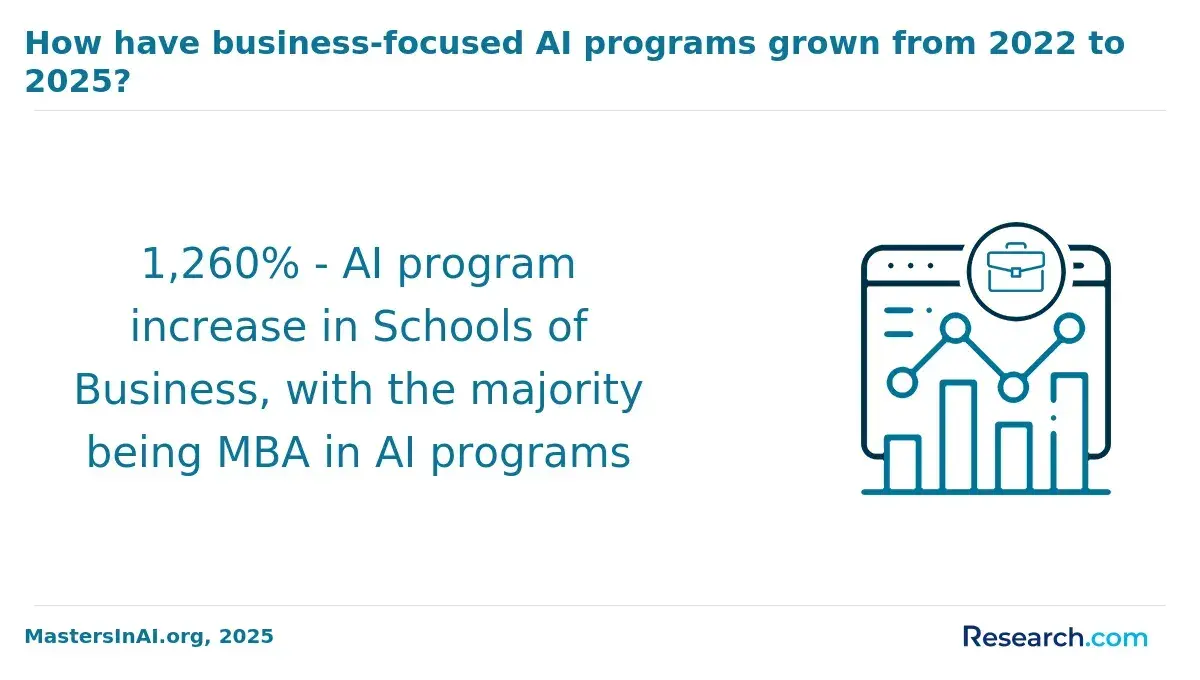
What should a risk analytics AI course curriculum include?
A risk analytics AI course curriculum essentials for North America focus on developing core machine learning skills tailored for risk analysis teams. These include classification, regression, and anomaly detection algorithms designed to handle large, complex datasets common in finance, insurance, and operational risk sectors. Students gain proficiency in preprocessing and analyzing data to build effective risk models.
With 71% of large U.S. enterprises planning to adopt NIST- or ISO-aligned AI governance controls by 2025, curricula must emphasize AI governance frameworks, ethical considerations, and regulatory compliance. Training covers AI risk management frameworks such as the NIST AI Risk Management Framework and relevant ISO certifications, ensuring students understand audit procedures and legal standards.
Practical modules teach model validation, verification, explainability, and stress testing under various scenarios. These are crucial for transparency and building fail-safe mechanisms to prevent automated decision errors. Programming skills in Python or R, along with libraries like scikit-learn and TensorFlow, are essential for developing and deploying risk models effectively.
Advanced coursework may include scenario analysis, credit scoring, fraud detection, and cyber risk modeling. Integrating real-world case studies helps reinforce risk identification, measurement, and mitigation strategies. Aspiring professionals interested in pursuing these skills can explore the best online AI degree programs to find quality education paths tailored for the evolving demands of risk analytics.
Are online AI courses better than campus programs for risk teams?
Online AI courses for risk analytics professionals often outperform campus programs by providing more practical, current skills essential for fast-evolving financial environments. Unlike campus programs with rigid curricula, online training adapts swiftly to new developments like generative AI, increasingly critical in model risk management.
By 2025, 55% of global banks anticipate using generative AI for model risk management and stress testing, compared to 18% in 2023, according to McKinsey. This highlights the value of specialized online modules covering AI-driven stress testing, anomaly detection, and compliance automation-areas sometimes lacking in traditional campus learning. Campus versus online AI training for risk management teams shows a clear benefit in flexibility and relevance.
Online courses also allow risk teams to pace their learning around work commitments, offering self-directed study and immediate application of skills. In contrast, campus programs require significant time and location investment, which may hinder access for working professionals needing rapid AI capability deployment.
Hands-on projects using real-world financial data and cloud AI tools are common in online courses, enhancing practical readiness for complex risk scenarios. Campus offerings tend to emphasize theoretical knowledge, which may delay workplace applicability. Key choices for risk teams include career stage, learning preferences, and organizational goals.
For those considering deeper expertise, exploring options such as an online PhD data science can further enhance skills in AI-driven risk analytics.
What admission requirements do AI risk analytics programs usually have?
Admission to AI risk analytics programs typically requires a strong quantitative and technical foundation. Applicants are usually expected to hold a bachelor's degree in fields like computer science, statistics, mathematics, engineering, or economics. Proficiency in programming languages such as Python or R is often essential due to the technical demands of risk analytics.
Relevant professional experience, particularly in data analysis, risk management, or financial services, can significantly strengthen applications. Many programs ask for GRE or GMAT scores, though some accept alternatives like professional certifications or work portfolios. Application materials commonly include a statement of purpose and letters of recommendation that highlight analytical skills and commitment.
Advanced programs may require knowledge of regulatory environments and risk management frameworks to prepare students for real-world AI applications. The Association of Certified Fraud Examiners' report notes a 42% median reduction in fraud losses for organizations using advanced analytics and AI, underscoring the importance of domain expertise.
Preparation with coursework in probability, statistics, linear algebra, and coding is highly recommended. Applicants should carefully verify specific prerequisites as they vary across institutions and credentialing bodies.
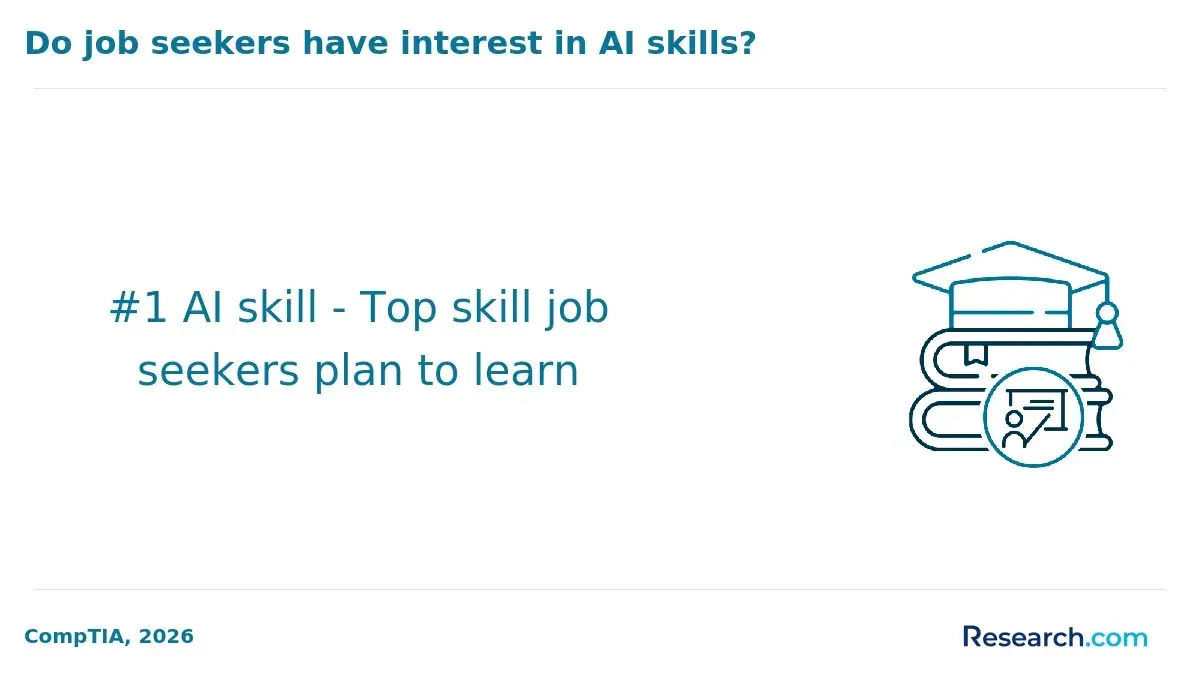
How long do AI courses for risk analytics teams usually take?
AI courses tailored for risk analytics teams vary from a few weeks to up to a year, depending on the program's focus and format. Short bootcamps or workshops typically last 2 to 6 weeks and emphasize practical skills like machine learning deployment and data preprocessing, particularly for credit risk and underwriting challenges. These fast-paced options suit professionals aiming to quickly gain actionable expertise without deep theoretical study.
Longer, more comprehensive courses offered by universities or professional bodies often span 3 to 6 months. They cover AI fundamentals, advanced analytics methods, and specific applications in portfolio management and risk evaluation. Hands-on projects simulating real credit risk scenarios help participants apply AI tools effectively within decision workflows.
For working professionals, part-time programs may extend to 12 months, offering flexibility while covering statistical modeling, AI-powered risk frameworks, and interpretability techniques-important for meeting regulatory standards.
Research from S&P Global Market Intelligence shows AI-driven credit risk analytics can cut commercial underwriting decision times by 30-40% while maintaining or enhancing default prediction accuracy. This underscores the rising necessity for AI know-how in streamlining decisions without compromising analytical quality.
- Short courses focus on immediate, practical tools.
- Long programs develop strategic insight and broad technical skills.
- Course choice should align with career goals and time constraints.
How much do AI risk analytics courses and certificates cost?
Costs for ai risk analytics courses and certificates vary widely, typically ranging from a few hundred to several thousand dollars. Entry-level certificate programs generally start at $300 to $800, focusing on foundational skills in data analysis and risk modeling. More advanced courses, often partnered with recognized institutions or offering professional certification, can cost between $1,500 and $4,000. Professional certificates specializing in operational, cyber, or third-party risk analytics using ai tools usually range from $2,000 to $3,500 depending on course depth and instructor expertise.
Many online platforms offer modular courses priced per module ($200-$600 each) or bundled full programs. Corporate training packages tend to be more expensive, usually between $5,000 and $15,000, reflecting customized content, live instruction, and ongoing support for organizational risk teams.
Scholarships, employer sponsorships, and early-bird discounts are common and help reduce costs. Prioritize courses that include hands-on ai tools applied to real-world risk management scenarios to maximize value.
Organizations adopting ai-driven third-party risk analytics can achieve significant risk reduction. According to Gartner's 2024 "Market Guide for Third-Party Risk Management," such solutions may lower critical supplier-related risk incidents by 60% within two years. Prospective students should weigh course costs against potential career growth and organizational benefits in ai-powered risk analytics roles.
Which accreditations and credentials should AI programs have?
AI programs for risk analytics professionals should include accreditations emphasizing model governance, ethical AI use, and regulatory compliance. Recognized certifications from organizations like the Institute of Electrical and Electronics Engineers (IEEE) and International Institute of Business Analysis (IIBA) ensure curricula align with industry standards on AI fairness, transparency, and explainability.
Essential credentials often cover AI model validation, bias detection, and fairness auditing. With 43% of global financial firms facing regulatory or internal reviews on AI bias or explainability-up from 26% previously-it is crucial to select programs offering practical experience in bias mitigation techniques and model interpretability tools.
Training that addresses regulatory frameworks such as the EU's AI Act and U.S. guidance on algorithmic accountability enhances career relevance, especially in financial services. Certifications in data governance and audit trail documentation also boost employability.
Valuable credentials include the Certified Artificial Intelligence Practitioner (CAIP) focused on risk analytics and courses endorsed by financial industry groups. Ideal programs combine theoretical foundations with real-world case studies covering AI risk, bias investigation, and explainability challenges to satisfy both employer and regulatory expectations.
- Accreditations focused on ethical AI and compliance
- Skills in bias detection and AI model validation
- Knowledge of AI regulatory frameworks and governance
- Hands-on training with fairness auditing tools
Investing in responsible AI education helps professionals navigate increasing scrutiny and effectively manage AI-driven risk within financial services and beyond.
What jobs can AI risk analytics training prepare you for?
AI risk analytics training prepares professionals for roles such as risk analyst, credit risk modeler, fraud detection specialist, and quantitative analyst across finance, insurance, and corporate governance sectors. These jobs demand expertise in statistical modeling, machine learning algorithms, and interpreting complex data to identify and mitigate financial risks.
Risk managers utilize AI tools to forecast market movements, credit defaults, and operational risks. Training also targets compliance analysts who apply AI-driven systems to maintain regulatory compliance. In insurance, actuarial analysts leverage machine learning to enhance models for claims and underwriting. Data scientists specializing in risk analytics combine programming skills with domain knowledge to develop predictive models tailored to company needs.
Advanced positions like AI ethics officers and algorithmic auditors play crucial roles in reviewing models for bias, fairness, and reliability-important concerns within regulated industries. Professionals often enter business intelligence or decision science positions, translating AI outputs into strategic insights.
According to Coursera's Global Skills Report 2025, learners completing machine learning specializations in finance were 68% more likely to transition into analytics or data science roles within a year. Developing skills in data engineering, model validation, and risk-specific AI frameworks greatly enhances career prospects in these fields.
- Statistical modeling and machine learning expertise
- Compliance and regulatory monitoring with AI
- Predictive modeling for underwriting and claims
- Ethical review and algorithm auditing
- Translating AI outputs into business insight
What certifications support careers in AI risk analytics?
Certifications in AI risk analytics are vital for professionals seeking to validate expertise and advance careers in this specialized field. Key certifications often focus on the intersection of artificial intelligence, risk management, and data analytics.
Noteworthy programs include the Certified Analytics Professional (CAP), which emphasizes risk modeling and decision analytics essential for AI-driven risk solutions. The Financial Risk Manager (FRM) credential highlights risk control frameworks applicable in sectors leveraging AI. For those interested in AI applications with analytics software, the SAS Certified AI & Machine Learning Professional offers targeted training.
Security and governance concerns are addressed by the Certified Information Systems Security Professional (CISSP), which covers AI risks within cybersecurity. Meanwhile, the Google Professional Machine Learning Engineer certification equips candidates with practical skills to deploy AI models for real-time risk assessment.
Corporations investing in AI and data upskilling show tangible benefits, with a LinkedIn Workplace Learning Report indicating a 39% higher internal mobility rate and 22% lower attrition in analytics and risk roles. Professionals should choose certifications aligned with their career objectives, whether quantitative risk analysis, ethical governance, or operational AI deployment, often combining certifications like CAP and CISSP for better market competitiveness.
Other Things You Should Know About Artificial Intelligence
In 2027, AI enhances decision-making in risk analytics by automating processes and providing deeper insights through predictive modeling. AI algorithms identify patterns, assess risk factors, and improve the accuracy of predictions, enabling teams to make data-driven decisions efficiently.
Yes, ethical concerns in AI for risk analytics include transparency, bias, and data privacy. Ensuring that AI models are explainable and free from bias is essential to avoid misinformed risk assessments and to maintain trust with stakeholders and customers.
AI models for risk analytics commonly utilize structured data such as financial records, transaction histories, and customer demographics. Additionally, unstructured data like news articles and social media content can be incorporated to capture wider contextual information affecting risk assessments.
References
- Risk Analyst Skills That Pay More in 2026 https://jobcannon.io/skills-for/risk-analyst
- Best AI Courses for Finance & Business Professionals (2026) https://www.wallstreetprep.com/knowledge/best-ai-courses-for-finance-business-professionals/
- AI CERTs Accreditation - Vital Learning Edge https://vitallearningedge.com/aicerts-accreditation/
- AI Drives Demand for Credential Programs in Higher Ed https://www.govtech.com/education/higher-ed/ai-drives-demand-for-credential-programs-in-higher-ed
- Application and admissions https://esmt.berlin/master-programs/master-analytics-artificial-intelligence/admissions
- Choosing the Right AI Course for Business Leaders https://www.tsa-bildung.de/en/blog/choosing-the-right-ai-course-for-business-leaders
- Financial Risk Analytics using Machine Learning Concepts Course https://upskilldevelopment.com/financial-risk-analytics-using-machine-learning-concepts-course
- AI Risk Management: A Comprehensive Guide to Securing AI Systems https://www.databricks.com/blog/ai-risk-management-comprehensive-guide-securing-ai-systems
- AI Risk Manager: Complete Guide to AI Governance 2026 https://techjacksolutions.com/careers/ai-careers/ai-risk-manager/
- A Practical Roadmap for Advancing Your Career in AI GRC https://www.safeshield.cloud/a-practical-roadmap-for-advancing-your-career-in-ai-grc