2027 Best AI Courses for Talent Acquisition Teams

Co-Founder and Chief Data Scientist
Talent acquisition teams often struggle to keep pace with rapid technological advancements that reshape recruitment strategies. Traditional hiring methods can limit the ability to attract and retain top candidates in a competitive market. The integration of artificial intelligence tools offers transformative potential but requires specialized knowledge to implement effectively.
Many professionals find it challenging to transition into AI-driven roles due to the lack of targeted education pathways. This article examines the best AI courses designed specifically for talent acquisition professionals, providing insights into flexible, accredited programs that bridge the skills gap and empower teams to leverage AI in hiring processes.
Key Things You Should Know
- AI courses for talent acquisition focus on automating candidate screening, improving recruiter efficiency, and reducing bias, with 68% of HR professionals adopting AI tools by 2025.
- Top programs blend machine learning fundamentals with practical recruitment applications, emphasizing ethical AI use to ensure fair hiring practices and compliance with evolving regulations.
- Projected job growth in AI-powered talent acquisition roles is 22% through 2028, highlighting the strategic value of AI expertise for HR teams in competitive hiring markets.
Advance Your Career with AI Online Courses
Artificial Intelligence: Implications for Business Strategy
This program provides an introduction to Artificial Intelligence and their implications for business strategy. Earn an official digital certificate.

Oxford Artificial Intelligence Programme
Explore this Oxford Artificial Intelligence programme offered in a flexible learning environment and explore topics like machine learning, automation, and robotics.

Implementing Agentic AI: Building Your Organizational Playbook
This online MIT Agentic AI course offers a practical approach to deploying AI agents in your organization, including a custom playbook. 3 weeks, exclusive launch price.

AI Adoption: Driving Business Value and Impact
This online MIT AI Adoption: Driving Business Value and Impact offers practical frameworks to close the gap between AI potential and business reality.

Artificial Intelligence in Pharma and Biotech
Discover the applications and limitations of artificial intelligence in pharma and biotech with this MIT online short course.

What are the best AI courses specifically designed for talent acquisition teams?
Top ai training programs tailored for recruitment teams emphasize practical use of ai tools in talent acquisition, covering resume screening, candidate matching, and interview automation. Leading options include LinkedIn Learning's "AI for Talent Acquisition" and Coursera's "AI in HR Management" by the University of Michigan, which explores data-driven hiring decisions and ethical ai applications.
The World Economic Forum's 2025 Future of Jobs report projects that 42% of hiring and HR tasks will be augmented by AI by 2030, up from 30% in 2023, making reskilling essential for recruitment professionals. Specialized bootcamps like the AI Talent Acquisition Bootcamp offer hands-on experience with AI-powered applicant tracking systems (ATS) and natural language processing for candidate engagement.
For those seeking strategic insight, executive courses such as Wharton's "AI Strategy for HR" focus on aligning ai with workforce planning and talent analytics. When selecting the best ai courses for talent acquisition professionals, prioritize programs emphasizing:
- Skill development in AI-driven recruitment technologies
- Understanding ethical AI use and bias mitigation
- Real-world case studies demonstrating AI's hiring impact
Certifications and updated compliance training help professionals navigate evolving legal frameworks around ai use in hiring. For those interested in applied artificial intelligence beyond talent acquisition, resources such as applied artificial intelligence offer broader career insights.
Advance Your Career with AI Online Courses
Artificial Intelligence: Implications for Business Strategy
This program provides an introduction to Artificial Intelligence and their implications for business strategy. Earn an official digital certificate.
Oxford Artificial Intelligence Programme
Explore this Oxford Artificial Intelligence programme offered in a flexible learning environment and explore topics like machine learning, automation, and robotics.
Implementing Agentic AI: Building Your Organizational Playbook
This online MIT Agentic AI course offers a practical approach to deploying AI agents in your organization, including a custom playbook. 3 weeks, exclusive launch price.
How can AI courses help recruiters improve hiring efficiency and candidate quality?
AI courses for improving recruiter efficiency provide essential skills to leverage data-driven tools like automated resume parsing, predictive analytics, and AI-powered applicant tracking systems. These technologies speed up candidate screening and reduce manual tasks, allowing recruiters to focus on engaging with top talent. For example, AI can filter applicants based on experience and skill match, which shortens recruitment cycles without sacrificing quality.
AI training for enhancing candidate quality helps recruiters apply unbiased evaluation criteria by detecting subtle cues of culture fit and proficiency. Courses cover the ethical use of AI by teaching algorithmic fairness and validation, reducing human error and unconscious bias. Practical applications include AI-driven competency tests and sentiment analysis in interview feedback, improving overall hiring decisions.
Additionally, recruiters learn to interpret AI-generated insights to refine sourcing strategies. This includes understanding AI recommendations for diversity sourcing and monitoring tool performance to avoid reliance on flawed data. According to Lattice's 2025 State of AI at Work report, organizations with company-wide AI literacy training see employees more likely to use and benefit from AI tools regularly.
For professionals exploring education options, considering an online degree in mechanical engineering can offer valuable technical background supportive of AI integration in recruitment and other fields.
What types of AI skills do talent acquisition professionals need to learn today?
Talent acquisition professionals need to develop key AI skills for talent acquisition professionals to stay competitive. Recruiters who master generative AI tools are significantly more effective, achieving hiring goals 53% more often and filling roles 25% faster according to LinkedIn's 2025 Global Talent Trends report. This demonstrates the importance of artificial intelligence competencies in recruiting processes.
Crucial skills include:
- Data analysis and interpretation: Using AI-driven platforms to analyze candidate data and hiring metrics helps uncover patterns that boost sourcing and matching efficiency.
- Natural language processing (NLP): Understanding how AI processes resumes and job descriptions improves automated screening and the quality of candidate shortlists.
- AI-enabled applicant tracking systems (ATS): Proficiency in these systems automates repetitive tasks, allowing recruiters to prioritize strategic decisions.
- Bias mitigation using AI: Skills to spot and address bias in AI algorithms ensure fair hiring practices.
- Chatbot and virtual assistant management: Managing AI tools enhances candidate interactions, improving experience and speeding communication.
Practical training on AI integration and ethical use is essential for balancing technology with human judgment. For professionals seeking to advance their expertise, a data science master online program can provide valuable knowledge to enhance artificial intelligence competencies in recruiting processes.
Which accredited universities and platforms offer reputable AI programs for recruiting teams?
Several accredited universities and leading online platforms offer reputable ai programs for recruiting teams in North America that equip professionals with targeted AI-driven recruitment skills. Carnegie Mellon University's Heinz College provides specialized courses on machine learning applications in workforce analytics. Stanford University's continuing education classes focus on AI integration in hiring, emphasizing ethical frameworks and algorithmic fairness-key knowledge areas for recruiters adopting AI tools.
Top online ai courses for talent acquisition professionals are available on platforms like Coursera and edX, hosting programs developed by institutions such as the University of Michigan and MIT. These courses combine ai fundamentals with recruiting-specific training, including automated candidate screening and predictive analytics. Udacity's Nanodegree programs highlight real-world competencies like AI model development for candidate evaluation and bias mitigation.
For working professionals, Northwestern University offers an AI in HR specialization with flexible schedules, delivering applied knowledge without requiring a full degree. Organizations can also reference SHRM's 2024 Talent Acquisition Benchmarking Report, which reports a 35% reduction in average time-to-shortlist and 28% decrease in interviewer preparation time due to ai-driven tools, highlighting the impact of formal AI education on recruitment efficiency.
Recruiting teams should prioritize programs accredited for curricular relevance and practical AI tool exposure to enhance decision-making. For veterans interested in engineering fields, exploring online electrical engineering degrees for veterans may offer complementary STEM skills relevant to AI careers.
What is the typical curriculum of an AI course focused on recruiting and HR analytics?
AI courses for recruiting and HR analytics focus on practical skills and foundational knowledge to enhance data-driven talent management. Students start with machine learning essentials, data preprocessing, and natural language processing applied to resumes and job descriptions. These skills enable building predictive models that assess candidate fit and forecast employee turnover, supporting proactive retention.
Hands-on training often includes automating resume screening, interview scheduling, and sentiment analysis of employee feedback to reveal engagement and morale trends. Programmatic advertising tools are taught to optimize talent acquisition campaigns, reflecting industry needs for cost-efficient recruitment marketing.
Ethical AI use and bias mitigation are key topics, ensuring fair hiring practices. Advanced modules may cover neural networks and deep learning for personalized candidate profiling and career development. Case studies highlight how AI-optimized job ads, using tailored titles and copy, can increase click-through rates by 29% and reduce cost-per-application by 23%, based on Appcast's Recruitment Marketing Benchmark Report.
Core skills include:
- Data cleaning and feature engineering for HR datasets
- Predictive analytics for workforce planning
- Natural language processing for parsing resumes and job listings
- AI-driven recruitment marketing strategies and tools
- Compliance and ethical AI use in hiring practices
These courses prepare HR professionals to leverage AI for greater efficiency, accuracy, and fairness in recruitment and employee management.
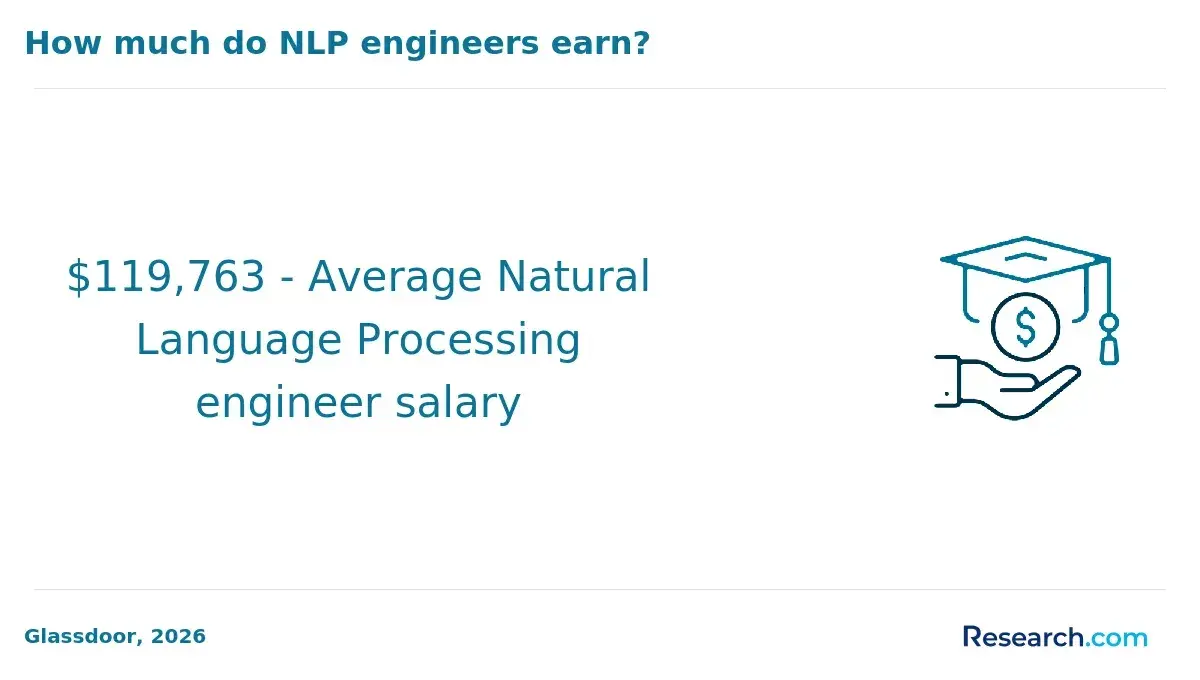
How do online, hybrid, and in-person AI programs for recruiters compare?
Online, hybrid, and in-person ai programs for recruiters offer distinct advantages based on delivery and engagement styles. Online programs provide flexibility, ideal for professionals balancing other commitments. These courses generally emphasize theoretical knowledge, data analysis, and deploying ai-driven people analytics via video lectures and assignments, though they may lack immediate instructor feedback.
Hybrid formats combine self-paced online modules with in-person workshops, promoting real-time collaboration and networking. This approach helps recruiters apply ai skills directly to hiring challenges under expert guidance. According to Deloitte's 2024 Global Human Capital Trends report, organizations using ai-driven people analytics see a 3.1 times improvement in quality of hire and a 2.5 times reduction in regretted attrition within a year, illustrating the impact of practical ai training.
In-person AI programs focus on immersive, instructor-led experiences with hands-on labs, case studies, and group projects. Such formats benefit learners seeking mentorship and peer interaction, accelerating mastery of AI tools in recruitment workflows. New adopters of AI in talent acquisition often gain from this immediate problem-solving environment tailored to organizational needs.
Choosing the right format depends on learning preferences and urgency for applied skills. Recruiters prioritizing fast, actionable ai insights may favor hybrid or in-person options, while early learners can thrive with the flexibility of online courses.
What are the admission requirements and recommended background for AI courses in talent acquisition?
Admission requirements for ai courses in talent acquisition usually include a bachelor's degree in business, human resources, information technology, or related fields. Candidates benefit from foundational knowledge in data analytics, statistics, or basic programming languages like Python or R, which are essential for understanding ai algorithms used in recruitment. Advanced programs may ask for prior coursework or experience in machine learning or data science.
The recommended backgrounds vary by course level: entry-level courses suit HR professionals with limited technical skills but strong interest in ai applications, while mid- and advanced-level courses target those with experience in talent acquisition combined with technical proficiency. Certifications in HR analytics or familiarity with applicant tracking systems can provide a solid foundation for mastering ai-driven recruitment tools.
Ethical considerations and regulatory compliance are increasingly crucial. According to the NYU Stern Center for Business and Human Rights, most large U.S. employers using ai in recruitment lack internal bias audits despite concerns about legal risks. Courses incorporating bias detection, fairness audits, and legal frameworks prepare students for these real-world challenges.
Look for programs offering hands-on projects, case studies, or partnerships with recruitment firms to gain practical skills for designing and managing ai recruitment systems responsibly and effectively.
How long do AI courses for recruiters take, and what do they cost?
AI courses for recruiters vary widely in duration and depth, from quick introductions to extensive hands-on training. Short courses typically last 4 to 8 hours, ideal for gaining basic knowledge, while comprehensive programs with live AI recruiting tool practice may span 20 to 40 hours over several weeks. Some intensive bootcamps condense this material into one or two weeks of full-time study.
Pricing reflects course scope and format. Entry-level options often cost between $200 and $500. Advanced or specialized training that includes live platform simulations can range from $1,000 to $3,000 or more. Corporate and customized training packages for recruitment teams may command higher fees, reflecting broader engagement and scalability.
Research from Red Brick Labs shows structured, hands-on AI recruiting training significantly improves outcomes. Teams with formal education use AI tools 2.7 times more weekly and reduce recruiter hours per hire by 31% compared to those without guided learning. This highlights the value of practical application over theory alone.
Recruiters should assess courses for relevant platform practice and a blend of asynchronous and live sessions, which enhance skill retention and adoption. Employers often subsidize courses that align with job requirements, easing financial burdens.
What career outcomes, roles, and salary impacts can AI training have in talent acquisition?
AI training substantially improves career prospects for talent acquisition professionals by expanding their responsibilities and increasing salary potential. Recruiters skilled in AI evolve into strategic workforce planners, data analysts, and AI system integrators within human resources. Their tasks focus on predictive analytics, automated candidate screening, and promoting diversity hiring practices.
Roles emerging from this expertise include AI recruitment analyst, HR data scientist, and talent acquisition technology consultant. These positions often require a blend of HR knowledge with technical skills such as machine learning or natural language processing.
Salary gains reflect this shift: a McKinsey survey found organizations investing in AI training reduced their cost-per-hire by 15-20%, translating into higher bonuses and raises for AI-proficient employees. Hiring manager satisfaction also improved by 12%, frequently resulting in elevated roles and pay.
AI expertise helps tackle challenges like sourcing optimization, candidate personalization, and workforce planning accuracy. It also mitigates common recruitment issues such as lengthy hiring cycles and unconscious bias, enabling faster, fairer hiring processes.
- AI recruitment analyst
- HR data scientist
- Talent acquisition technology consultant
For those pursuing advancement, gaining AI skills is a way to increase both market value and organizational impact within the talent acquisition field.
How should HR and TA leaders evaluate and choose the right AI course for their teams?
HR and talent acquisition leaders should carefully evaluate AI courses by aligning content with their team's skill gaps and business goals. Prioritize programs offering practical applications like automating candidate sourcing, screening algorithms, or predictive analytics for workforce planning. It's essential that courses integrate ethical considerations and emerging AI tools to support responsible hiring practices. Those blending theory with hands-on projects or case studies best ensure effective knowledge transfer.
Instructor expertise and the course provider's reputation matter; look for options backed by recognized industry leaders or academic institutions. Flexibility in delivery method and manageable time commitments also help teams learn without disrupting operations. Peer feedback and post-course support such as forums or mentorship are valuable for ongoing skill development.
Data from Coursera's 2025 Global Skills Report highlights that companies with 60% or more HR and recruiting staff engaging in AI learning annually are 3.4 times more likely to improve time-to-fill, quality of hire, and candidate net promoter scores. This supports selecting courses encouraging continuous learning instead of one-off certifications.
Key questions to ask include:
- Does the course update regularly to reflect AI advancements?
- Is there measurable ROI or impact from past learners?
- Are practical AI tools included in training?
- Does it address legal and diversity issues in AI hiring?
Choosing AI education with these factors strengthens talent acquisition strategies and outcomes.
Other Things You Should Know About Artificial Intelligence
In 2027, some of the top AI courses for talent acquisition teams include "AI for HR Professionals" by Coursera, "Talent Acquisition with AI" by Udemy, and "Leveraging AI in Recruitment" by edX. These courses focus on understanding AI tools, enhancing recruitment strategies, and data analytics.
Using artificial intelligence in recruiting raises ethical concerns related to bias, transparency, and fairness. AI systems must be carefully designed and tested to avoid perpetuating existing biases in hiring data. Organizations should maintain transparency about AI use and ensure decisions made by algorithms can be explained and audited to promote fairness.
Artificial intelligence cannot replace human recruiters entirely as it lacks the ability to assess cultural fit, emotional intelligence, and complex interpersonal dynamics. AI is a tool that enhances human judgment by providing data-driven insights and automating routine tasks. The most effective talent acquisition strategies combine AI capabilities with human expertise for decision-making.
Professionals working with artificial intelligence in recruiting should understand data analytics, machine learning basics, and how to interpret AI-generated insights. Familiarity with programming languages such as Python or R can be beneficial but is not always required. Strong analytical thinking and an understanding of ethical AI use are also important.
References
- 12 Best Generative AI for HR Courses To Take in 2026 https://www.aihr.com/blog/generative-ai-for-hr-courses/
- Professional AI Training: How to Choose the Right Program https://www.strategicaileader.com/professional-ai-training-how-to-choose-the-right-program/
- AI Recruiting Tools vs Traditional ATS: The Complete Comparison (2026) https://www.thehirehub.ai/guides/ai-recruiting-vs-ats
- 11 Best AI Tools for Talent Acquisition in 2024 https://www.herohunt.ai/blog/best-ai-tools-for-talent-acquisition/
- AI Recruitment Tools vs Human Recruiters: How to Build a Faster, Fairer Hiring Process https://everworker.ai/blog/ai_recruitment_tools_vs_human_recruiters_hybrid_hiring
- AI Recruiting in 2026: The Definitive Guide https://www.phenom.com/blog/recruiting-ai-guide
- Perspective Chapter: The Role of Artificial Intelligence in Workforce Training and Talent Acquisition under Industry 4.0 https://www.intechopen.com/online-first/1237100
- Best AI Recruiting Software | Loxo https://www.loxo.co/resources/best-ai-recruiting-software
- AI For Recruiters - Recruitment Juice https://recruitmentjuice.com/ai-for-recruiters/
- The Role of AI in Talent Acquisition | Talent Insight Group https://www.talentinsightgroup.co.uk/insights/the-role-of-ai-in-talent-acquisition