2027 Best AI Ethics Courses for Recruiters

Co-Founder and Chief Data Scientist
Recruiters increasingly face challenges ensuring fairness and transparency when using ai-driven tools for candidate evaluation. Without ethical guidelines, bias can influence hiring decisions, damaging company reputation and diversity efforts. The rapid adoption of automated systems demands a solid understanding of ai ethics to navigate legal and moral complexities effectively.
This article explores top ai ethics courses designed for recruiters, highlighting flexible and accredited programs that equip professionals with the knowledge to implement responsible hiring practices. It aims to guide readers toward education paths that ensure ethical recruitment and compliance in an evolving technological landscape.
Key Things You Should Know
- AI ethics courses for recruiters now emphasize bias mitigation, helping reduce discriminatory hiring practices proven to affect 40% of automated hiring systems in recent 2025 studies.
- Programs increasingly integrate real-world case studies and compliance with evolving U.S. regulations, such as the Algorithmic Accountability Act expected to influence recruitment by 2026.
- Enrollment in AI ethics courses rose 25% from 2024 to 2025, reflecting growing industry demand for ethical oversight and transparency in talent acquisition technologies.
Advance Your Career with AI Online Courses
Artificial Intelligence: Implications for Business Strategy
This program provides an introduction to Artificial Intelligence and their implications for business strategy. Earn an official digital certificate.

Oxford Artificial Intelligence Programme
Explore this Oxford Artificial Intelligence programme offered in a flexible learning environment and explore topics like machine learning, automation, and robotics.

Implementing Agentic AI: Building Your Organizational Playbook
This online MIT Agentic AI course offers a practical approach to deploying AI agents in your organization, including a custom playbook. 3 weeks, exclusive launch price.

AI Adoption: Driving Business Value and Impact
This online MIT AI Adoption: Driving Business Value and Impact offers practical frameworks to close the gap between AI potential and business reality.

Artificial Intelligence in Pharma and Biotech
Discover the applications and limitations of artificial intelligence in pharma and biotech with this MIT online short course.

What is an AI ethics course for recruiters and why does it matter in hiring?
An AI ethics course for recruiters equips hiring professionals with the skills to responsibly integrate artificial intelligence into recruitment processes. Emphasizing the importance of ethical AI in recruitment processes, these courses teach recruiters how to identify and mitigate biases, ensure transparency, and comply with legal and ethical standards when using AI-driven tools like resume screening algorithms and chatbots.
A 2024 Pew Research Center survey found that 72% of U.S. adults worry about employers relying on AI for final hiring decisions. This concern underscores the need for recruiters to develop an ethical framework that protects candidates' rights and builds trust.
Key topics in AI ethics training for recruiters in hiring often include:
- Detecting and correcting algorithmic bias in candidate evaluation
- Communicating AI use transparently to applicants
- Maintaining privacy and security of applicant data
- Ensuring compliance with equal opportunity laws in automated decisions
Recruiters must also navigate challenges such as accurately interpreting AI outputs and avoiding overreliance on automation, since biased training data can perpetuate discrimination. Ethics training encourages blending human judgment with AI insights for more balanced decisions.
This training strengthens fairness and minimizes legal risks, while increasing applicant confidence amid concerns about opaque AI decisions. For those pursuing education in this field, exploring the top data science master's programs in the US can provide valuable expertise for responsible AI use in hiring and recruitment careers.
Advance Your Career with AI Online Courses
Artificial Intelligence: Implications for Business Strategy
This program provides an introduction to Artificial Intelligence and their implications for business strategy. Earn an official digital certificate.
Oxford Artificial Intelligence Programme
Explore this Oxford Artificial Intelligence programme offered in a flexible learning environment and explore topics like machine learning, automation, and robotics.
Implementing Agentic AI: Building Your Organizational Playbook
This online MIT Agentic AI course offers a practical approach to deploying AI agents in your organization, including a custom playbook. 3 weeks, exclusive launch price.
What should you look for when choosing the best AI ethics course for recruiters?
When selecting the best ai ethics training programs for recruiters, focus on those addressing bias mitigation in hiring technologies. Although 83% of employers use automated recruitment tools, only 2 in 10 conduct regular bias audits, emphasizing the importance of courses that teach recruiters to recognize and manage algorithmic bias effectively.
Key factors in selecting ai ethics courses for recruitment professionals include comprehensive coverage of legal frameworks, such as anti-discrimination laws and AI compliance requirements. This knowledge helps recruiters maintain ethical hiring practices while avoiding legal pitfalls.
Effective programs incorporate practical elements-case studies, real audits, and hands-on bias detection exercises-enabling recruiters to apply theory to real-world scenarios, like evaluating AI vendor systems or analyzing disparate impact results. Transparency and explainability training is also critical to communicating AI decision-making clearly to candidates and stakeholders, building trust and addressing ethical concerns.
Ongoing monitoring methods should be emphasized to sustain fairness as AI technologies evolve. Sustainable ethical practices require continuous assessments rather than one-time compliance.
Finally, assess the expertise of instructors and choose programs affiliated with reputable institutions or organizations recognized for AI ethics research and practice. Recruiters benefit from educators experienced in AI implementation and human resources ethics. For those seeking flexible options, a mechanical engineering online degree program may offer comparable insights into ethical considerations within technical fields.
How do online AI ethics courses for recruiters compare with in-person options?
Online AI ethics courses for recruiters offer flexibility that supports balancing training with professional responsibilities, essential as recruitment technology grows more complex. A 2024 analysis by McKinsey highlights that up to 60% of AI systems in recruitment are deemed "high-risk" under the EU AI Act, underscoring the need for recruiters to grasp compliance, risk management, and human oversight obligations. This is particularly relevant when considering how online AI ethics training compares to in-person courses for recruiters.
These online programs often deliver modular content with multimedia resources, allowing learners to progress at their own pace and revisit challenging topics like AI bias mitigation and algorithmic transparency. Many online curricula stay current with global regulatory changes, a crucial benefit over fixed-schedule, in-person workshops. However, in-person courses provide interactive experiences such as live discussions, role-playing, and immediate instructor feedback, promoting a deeper understanding of ethical dilemmas and networks with peers facing similar compliance challenges.
For recruitment professionals weighing the benefits of instructor-led versus online AI ethics education, a hybrid model may offer the best of both worlds. It facilitates continuous regulatory learning online while reinforcing accountability through periodic in-person engagement. Additionally, recruiters interested in broadening their tech-related qualifications might explore a video game design degree, which includes relevant ethical and technological training applicable across digital industries.
Which types of schools and providers offer accredited or reputable AI ethics training?
Accredited AI ethics courses for recruiters are typically available through universities, professional organizations, and specialized online platforms. Universities with strong programs in computer science or technology ethics, such as Carnegie Mellon University and Stanford, offer certificate or degree courses focused on mitigating bias and promoting transparency in automated hiring systems.
Professional organizations like the Society for Human Resource Management (SHRM) and the Association for Computing Machinery (ACM) provide AI ethics training tailored for HR professionals. These programs emphasize legal compliance and ethical considerations, helping recruiters understand how AI impacts fairness and diversity during hiring.
Leading online platforms such as Coursera, edX, and LinkedIn Learning collaborate with accredited universities or industry experts to deliver flexible AI ethics courses. These often include scenario-based learning and cover topics like algorithmic bias, privacy, and transparency. Prospective students interested in related fields might also explore online cyber security courses for complementary skills.
According to IBM's Global AI Adoption Index, 64% of job seekers avoid companies using AI in recruitment without clear explanations. This highlights the need for recruiters to seek AI ethics education from top providers of AI ethics training programs to ensure transparency and build candidate trust.
Choosing programs from accredited universities, respected professional bodies, or well-reviewed online providers equips recruiters to address ethical challenges and comply with evolving standards in recruitment technology.
What core topics and skills do AI ethics courses for recruiters typically cover?
AI ethics courses for recruiters emphasize critical skills to promote responsible use of ai in hiring, addressing bias, transparency, and privacy concerns. Recruiters learn to identify and reduce discriminatory effects related to race, gender, and age embedded in AI algorithms. Transparency and explainability training equips them to interpret AI recommendations and communicate decisions clearly to candidates and stakeholders.
Privacy and data protection are central, focusing on compliance with regulations such as GDPR and CCPA to safeguard candidate information. Courses also cover auditing ai tools to detect hidden biases and flawed decisions, alongside evaluating AI vendor claims to ensure ethical alignment.
Recruiters explore managing unintended consequences in automated screening by incorporating human oversight and ethical judgment. Risk management strategies prepare professionals for possible legal and reputational challenges linked to AI misuse. Practical elements include case studies, simulations, and policy development to ground theory in real-world contexts.
According to the Deloitte 2024 Global Human Capital Trends report, organizations investing in ethical ai education experience a 15-20% reduction in compliance incidents and accelerate time-to-hire by 10%. Many programs encourage fostering inclusive AI adoption and ongoing ethical awareness within talent teams, balancing efficiency gains with accountability. These courses enable recruiters not only to apply AI responsibly but also to advocate for high ethical standards internally.
What are the usual admission requirements and recommended background for these courses?
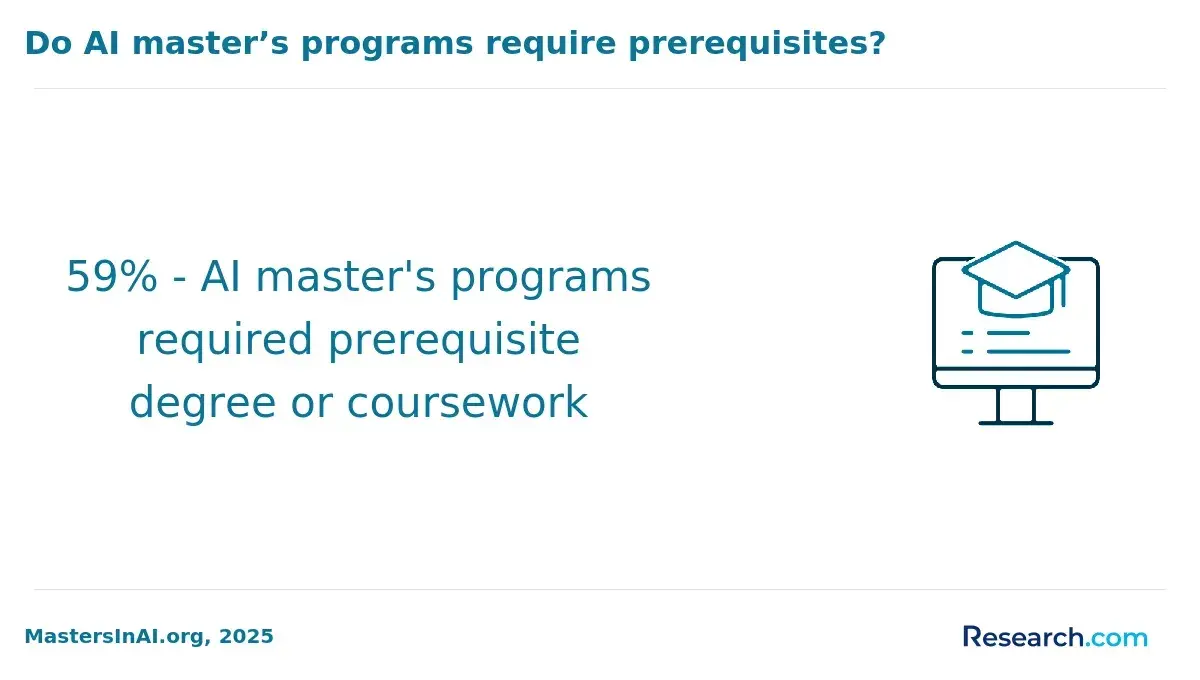
Admission to AI ethics courses tailored for recruiters generally requires a bachelor's degree or comparable professional experience, particularly in human resources, business administration, data science, or related fields. Foundational knowledge in ethical theory, data privacy, or technology helps students navigate complex issues surrounding AI's role in talent acquisition and workforce management. Some programs ask applicants to submit a statement of purpose outlining their interest in AI ethics within recruitment contexts.
Recommended backgrounds often include HR, talent acquisition, or compliance experience. Recruiters familiar with data analytics or employee data management typically find these courses more accessible, although many offerings provide introductory modules on AI and ethics frameworks for beginners. Advanced programs may require prior coursework in information systems, labor law, or organizational behavior.
Successful participants should be able to analyze case studies involving algorithmic bias, fairness, and transparency in automated hiring tools. Understanding how AI can unintentionally reinforce bias during candidate screening is essential. Courses often incorporate ethical frameworks like utilitarianism and deontology to evaluate AI applications responsibly.
Strong analytical skills, critical thinking, and commitment to continuous learning are crucial for recruiters leading responsible AI initiatives. According to LinkedIn's 2024 Workplace Learning Report, 71% of HR and TA leaders identified "responsible AI and data ethics" as a top skill to develop in their teams within the next 12 months, highlighting the importance of these educational pathways.
How long do AI ethics courses for recruiters take and what do they cost?
AI ethics courses for recruiters typically last between 4 and 12 weeks, varying by program depth and format. Shorter courses, around 4 to 6 weeks, offer foundational knowledge appropriate for entry-level recruiters or those seeking a concise overview. Longer, more comprehensive courses cover advanced topics such as bias mitigation, ethical frameworks, and compliance standards, making them suitable for HR professionals integrating AI tools responsibly.
Course pricing depends on the provider, length, and included materials. Basic courses on platforms like Coursera or edX usually range from $50 to $300. Advanced or professional certification classes offered by universities or specialized organizations can cost between $500 and $2,000. Some institutions provide subscription models granting access to multiple modules for monthly fees around $40 to $60.
Self-paced formats provide flexibility but often come at a higher price than scheduled cohort courses. Employer subsidies for professional development are common, given the strong impact of training. According to Coursera's learner outcomes data, 77% of professionals who complete AI or AI-ethics courses apply their skills at work within six months, and 45% report measurable job performance improvements.
When choosing a course, recruiters should consider:
- Duration and time commitment relative to their work schedule
- Cost in relation to budget and employer support
- Curriculum relevance to recruitment challenges involving AI tools
What certifications or professional credentials can recruiters earn in AI ethics?
Recruiters can enhance their expertise through professional credentials in AI ethics, designed to address ethical challenges in talent acquisition and workforce management. Key certifications include the AI Ethics Certificate, offered by programs like the Ethics Certification Program for Artificial Intelligence, which focus on bias mitigation, transparency, and fairness in AI systems. Another notable credential is the Certified AI Ethics Professional (CAIEP), emphasizing compliance, governance, and ethical AI deployment in organizations.
Broader AI-related certificates often include ethics modules that are valuable for recruiters. For instance, the AI For Business Certificate from institutions such as the MIT Sloan School of Management integrates ethical AI use with strategic business implementation, providing insight into ethical dilemmas faced during recruitment technology adoption.
Many human resources organizations also offer AI ethics training; the Society for Human Resource Management (SHRM) provides courses highlighting AI's ethical impact on hiring, employee data privacy, and algorithmic fairness.
These credentials boost recruiters' ability to tackle complex issues like algorithmic bias in candidate screening, support compliance with discrimination laws, and promote inclusive hiring. An SHRM survey revealed that HR professionals with at least one AI-related certificate are 1.4 times more likely to be promoted into strategic talent roles within 18 months compared to those without such credentials.
When selecting certifications, recruiters should consider ethical content depth, credential recognition, and alignment with industry standards to lead in ethical AI integration and manage risks in automated hiring.
How can AI ethics training impact recruiter careers, roles, and earning potential?
AI ethics training equips recruiters with the skills to recognize and reduce bias in AI-powered hiring tools, enhancing fairness and boosting trust in recruitment processes. This expertise transforms a recruiter's role, allowing them to contribute strategically to ethical AI policies within organizations. Professionals versed in AI ethics also become pivotal in advancing diversity and inclusion efforts by managing risks associated with automated screening systems and biased data.
Recruiters with AI ethics knowledge gain access to leadership opportunities focused on responsible AI use and compliance with anti-discrimination laws. Their specialized skills enhance negotiation power for roles involving AI governance and risk mitigation. These competencies are increasingly valued, reflected in higher salaries and career growth potential.
Certifications like UNICRI's 2026 Summer School on AI, Ethics and Human Rights, priced at €800 for online and €1,000 for in-person participation, represent typical investments for professionals pursuing this niche expertise.
Key benefits for recruiters include:
- Ability to audit and select AI tools that meet ethical standards.
- Leadership in creating transparent, fair hiring workflows.
- Improved chances for roles combining AI ethics with talent acquisition strategy.
- Strengthened negotiation leverage in AI governance positions.
AI ethics training helps recruiters stay relevant in an AI-driven recruitment landscape by addressing algorithmic transparency and enhancing candidate fairness.
What is the job outlook for recruiters who specialize in responsible and ethical AI hiring?
The job outlook for recruiters specializing in responsible and ethical AI hiring is expanding rapidly. According to the World Economic Forum's 2024 Future of Jobs Report, roles focused on AI ethics, governance, and risk-including recruiting positions-are expected to grow by 30-40% by 2030. This indicates a rising need for recruiters who understand bias mitigation, transparency, and fairness in AI-powered talent acquisition.
Recruiters with AI ethics expertise help organizations develop hiring practices that comply with new regulations and support diversity and inclusion goals. They conduct vendor assessments to ensure AI recruitment systems avoid discriminatory outcomes and continuously update hiring frameworks to reflect emerging ethical standards.
Key skills in this field include:
- Evaluating AI tools for bias and transparency before deployment.
- Designing recruitment strategies that incorporate ethical AI principles.
- Training hiring managers on AI ethics and responsible automation use.
As 44% of core workforce skills evolve due to AI adoption, specialist recruiters will guide organizations through workforce transitions and talent management strategies. Industries with strict regulations, such as healthcare, finance, and government, increasingly demand recruiters who can balance compliance with equitable hiring.
Career paths span internal recruitment teams to consulting roles advising on ethical AI integration in talent acquisition.
Other Things You Should Know About Artificial Intelligence
Artificial intelligence in recruitment can introduce biases if the data used for training algorithms reflects historical inequalities or incomplete information. This may lead to unfair treatment of certain groups or perpetuate discrimination. It is essential for recruiters to carefully evaluate AI tools for transparency and fairness to mitigate these risks effectively.
In 2027, top AI ethics courses for recruiters include "AI Ethics and Human Rights" by edX, "Artificial Intelligence Ethics for Recruitment" by Coursera, and "Bias and Fairness in AI Hiring" offered by Udacity. These courses focus on ethical best practices and help recruiters responsibly integrate AI into their hiring processes.
While AI can assist in screening and ranking candidates by processing data quickly, it cannot fully replace human judgment. Ethical recruitment relies on human insight to interpret AI outputs, consider context, and make nuanced decisions that algorithms may not capture.
Recruiters should seek AI solutions that prioritize transparency, fairness, and accountability, conducting regular audits to detect bias or errors. Training in AI ethics is crucial to understand the limitations and potential impacts of these tools, ensuring that recruitment practices remain equitable and compliant with legal standards.
References
- AI Ethics Jobs: How to Start Your Career https://www.peopleinai.com/blog/ai-ethics-jobs-guide
- Revolutionize Your Recruitment Why AI Certification is Your Next Move https://www.digitalcrestinstitute.com/blog/Revolutionize%20Your%20Recruitment%20AI%20Certs
- Coursera https://www.coursera.org
- Ethical Considerations of AI in Hiring: AI-Powered Recruitment https://www.oakwoodinternational.com/blog/ethical-considerations-of-ai-in-hiring
- When AI hires people: Why ethics matter more than ever in recruitment and selection | Emerald Publishing https://www.emeraldgrouppublishing.com/opinion-and-blog/when-ai-hires-people-why-ethics-matter-more-ever-recruitment-and-selection
- AI Training for Teachers and School Leaders: Best Courses for 2026 https://thirdspacelearning.com/blog/ai-training-for-teachers/
- Free Online AI Courses for Future of Work | Altis Recruitment https://www.altis.com/learn/prepare-for-the-ai-future-of-work-with-free-online-courses
- Certified AI Ethics and Governance Professional (CAEGP) from Tonex, Inc. | NICCS https://niccs.cisa.gov/training/catalog/tonex/certified-ai-ethics-and-governance-professional-caegp
- Free AI-Powered Recruiter Certification – Get Certified https://nextinhr.com/certifications/ai-powered-recruiter
- Top Recruiter Certifications for Hiring Professionals & HRs in 2026 https://www.reccopilot.com/blogs/best-ai-recruiter-certifications-in-2026