2027 Best AI Courses for Construction Design Teams

Co-Founder and Chief Data Scientist
Construction design teams often struggle to integrate complex data sets and collaborate efficiently amid tight deadlines and evolving project demands. Traditional approaches can slow innovation, leading to costly errors and design inconsistencies. As artificial intelligence reshapes the industry, acquiring targeted skills becomes essential for teams aiming to enhance automation, optimize planning, and improve decision-making.
Identifying courses that bridge the gap between construction knowledge and AI expertise remains challenging. This article explores the best AI courses tailored for construction design professionals, helping readers find flexible, accredited programs that enable effective upskilling and a successful career pivot into AI-driven construction design.
Key Things You Should Know
- AI courses for construction design teams in 2026 emphasize practical skills in BIM integration and generative design, reflecting a 40% industry adoption increase since 2024.
- Programs increasingly focus on cross-disciplinary expertise, blending construction knowledge with machine learning algorithms to optimize project workflows and reduce costs by up to 25%.
- Top courses offer hands-on training using the latest AI software, with 65% of surveyed professionals recommending such education to advance careers in smart construction management.
Advance Your Career with AI Online Courses
Artificial Intelligence: Implications for Business Strategy
This program provides an introduction to Artificial Intelligence and their implications for business strategy. Earn an official digital certificate.

Oxford Artificial Intelligence Programme
Explore this Oxford Artificial Intelligence programme offered in a flexible learning environment and explore topics like machine learning, automation, and robotics.

Implementing Agentic AI: Building Your Organizational Playbook
This online MIT Agentic AI course offers a practical approach to deploying AI agents in your organization, including a custom playbook. 3 weeks, exclusive launch price.

AI Adoption: Driving Business Value and Impact
This online MIT AI Adoption: Driving Business Value and Impact offers practical frameworks to close the gap between AI potential and business reality.

Artificial Intelligence in Pharma and Biotech
Discover the applications and limitations of artificial intelligence in pharma and biotech with this MIT online short course.

What are the best AI courses for construction design teams seeking practical, project-ready skills?
For construction design teams seeking the best AI courses, programs emphasizing applied machine learning, generative design tools, and AI-driven project management are crucial. Integrating software like Autodesk's BIM 360 or Rhino with Grasshopper enhanced by AI plugins offers hands-on experience critical for immediate implementation in workflows, enhancing precision and efficiency.
Key learning elements include:
- AI-powered generative design for optimizing materials and structural elements based on real-world constraints.
- Predictive analytics to forecast project risks, scheduling delays, and cost overruns.
- Natural language processing applications to automate documentation and enhance team communication.
- Seamless AI integration with CAD software to streamline iterative design processes.
- Case studies demonstrating successful AI adoption in construction projects.
Popular platforms such as Coursera and edX, often featuring university partnerships, deliver project-based learning modules that simulate real construction challenges, equipping students with job-ready skills.
These AI training programs for project-ready construction design professionals reflect a growing industry demand, with 73% of construction firms reporting AI use in 2025, up from 20% in 2024 per AGC and Procore.
Prospective students should evaluate curricula for current software tools and practical deliverables to ensure immediate applicability. For insights comparing affordability and quality, refer to the data science master rank.
Advance Your Career with AI Online Courses
Artificial Intelligence: Implications for Business Strategy
This program provides an introduction to Artificial Intelligence and their implications for business strategy. Earn an official digital certificate.
Oxford Artificial Intelligence Programme
Explore this Oxford Artificial Intelligence programme offered in a flexible learning environment and explore topics like machine learning, automation, and robotics.
Implementing Agentic AI: Building Your Organizational Playbook
This online MIT Agentic AI course offers a practical approach to deploying AI agents in your organization, including a custom playbook. 3 weeks, exclusive launch price.
How can AI training improve workflows, collaboration, and productivity for construction design teams?
AI training for construction workflow optimization significantly improves design teams' efficiency by automating complex tasks such as structural analysis and clash detection. This streamlining accelerates project timelines while reducing common errors caused by manual processes.
Collaborative AI tools for design team productivity also enable real-time data sharing and model updates, fostering better coordination among architects, engineers, and contractors. These platforms seamlessly manage version control and issue tracking, addressing typical communication challenges both onsite and in offices.
Generative design techniques powered by AI further optimize material usage and enhance structural performance, with studies showing up to a 20% reduction in materials, according to Autodesk. This improvement not only lowers costs but also supports sustainable construction practices. Hands-on AI training equips teams to leverage these advances directly, reducing dependence on external consultants.
Predictive analytics integrated into construction processes enable more informed decision-making by forecasting risks such as resource shortages or site hazards through machine learning. Training in these AI-driven tools ensures professionals can accurately interpret data and apply insights proactively.
Courses focusing on AI integration with Building Information Modeling (BIM), machine learning fundamentals, and project management software combined with practical scenario-based exercises are essential for maximizing these benefits.
For those seeking to enhance their expertise, exploring the best online masters in artificial intelligence offers a pathway to mastering these advanced technologies and gaining a competitive edge in the industry.
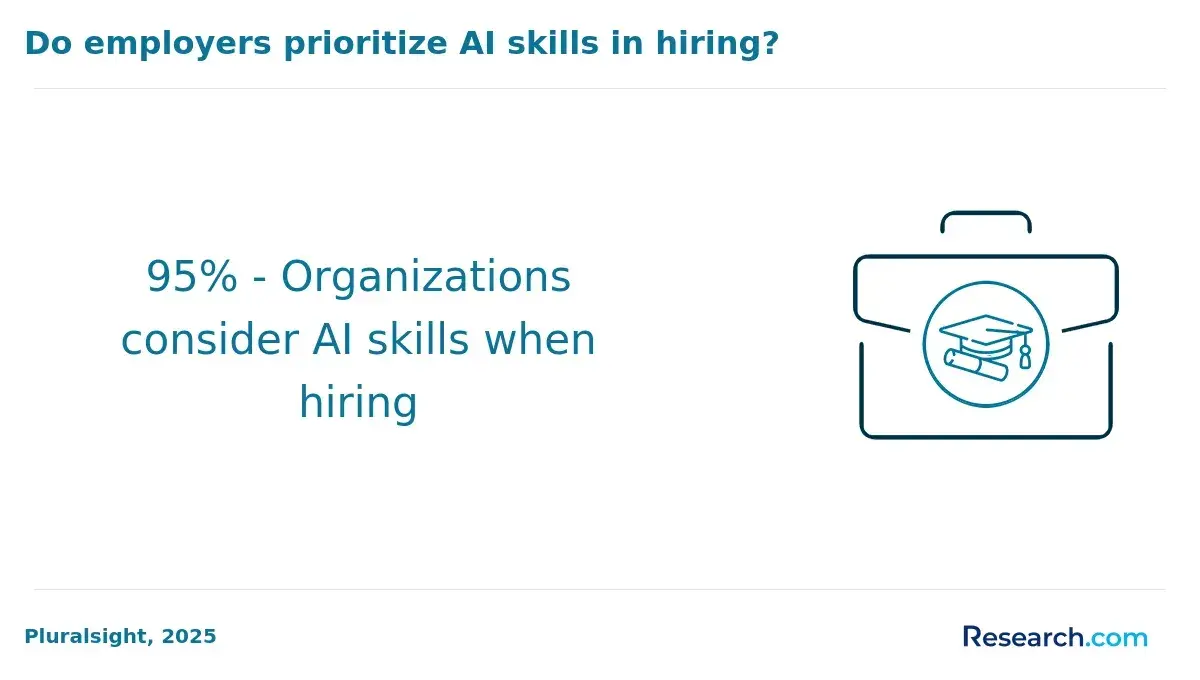
What types of AI programs are available for architects and construction designers (short courses, certificates, degrees)?
AI education for architects and construction professionals ranges from short courses to advanced degrees to suit various career stages. Many online short AI programs for construction design teams focus on practical skills, including AI-driven design software, generative design, and machine learning applied to BIM. These courses, often lasting hours to weeks, enable rapid adoption of AI tools in current projects. Examples include vendor-specific workshops, such as Autodesk's AI coordination platforms.
Certificate programs provide deeper proficiency, covering AI algorithms, data analytics, and their use in optimizing construction workflows. These typically last 3 months to a year, blending technical AI skills with project coordination knowledge, making them ideal for those pursuing AI certification courses for architects and construction professionals without committing to lengthy degrees.
Master's degree programs combine core AI theory with architecture and engineering principles to prepare students for leadership roles in integrating AI into design and construction processes.
Coursework may include advanced topics like computer vision for site analysis and predictive modeling for project scheduling. Those interested in affordable study options can explore the cheapest masters in data science, which can be relevant for construction AI roles.
Adopting AI-driven coordination tools can reduce rework by up to 30% by detecting conflicts early in design-to-build stages, according to Autodesk. These efficiency gains highlight the value of formal AI education, translating into cost savings and improved project delivery.
What core AI topics and tools should construction design professionals expect to learn in these courses?
Construction design professionals training in AI courses can develop expertise in several core topics essential for the industry's shift toward automation and data-driven workflows. These include machine learning algorithms that advance predictive analytics for assessing project risks, optimizing scheduling, and improving resource allocation.
Courses often emphasize computer vision, a critical tool for automated site inspections and monitoring construction progress by analyzing images and video to detect anomalies or track building stages. This reflects growing AI applications in construction design workflows.
Natural language processing (NLP) techniques are typically covered to enhance documentation, contract analysis, and communication workflows. The integration of robotics and automation with AI supports on-site tasks like drone mapping and automated material handling.
Additionally, training on software tools such as BIM enhanced with AI capabilities enables simulation of design scenarios and optimization of building performance. These machine learning tools for construction professionals are increasingly vital.
Courses also focus on managing big data and leveraging cloud computing, as data from sensors and IoT devices feed AI models to enable real-time decision-making. Practical experience with platforms like TensorFlow and PyTorch helps students build custom AI models applicable to construction challenges.
According to Procore Learning, construction takeoff automation can reduce estimating times by up to 80%, underscoring AI's transformative effect on workflows.
Prospective learners should consider exploring other tech-related fields through resources such as cybersecurity courses online to broaden their expertise and career opportunities in the evolving digital landscape.
How do online AI courses for construction design teams compare with campus-based and hybrid options?
Online AI courses for construction design teams offer flexibility and timely content updates compared to campus-based or hybrid formats. They are accessible anytime, enabling professionals to learn without interrupting ongoing projects. This convenience supports teams juggling multiple deadlines across various time zones and working hours.
Campus-based courses foster direct interaction with instructors and peers, benefiting hands-on learning and networking. However, they often lack the ability to quickly update material aligned with rapidly evolving AI tools like AI-assisted scheduling software. Hybrid options blend theory and practice but may still require attendance, limiting accessibility for remote or field engineers.
Online courses often emphasize practical application through real-world project simulations using current AI technology. For instance, PMI's AI in Infrastructure and Construction Projects course demonstrates a 10% to 20% reduction in schedule overruns by leveraging predictive risk identification and AI-assisted project controls.
Choosing the right format depends on a team's workload, learning preferences, and the balance between immediate skill application and academic rigor.
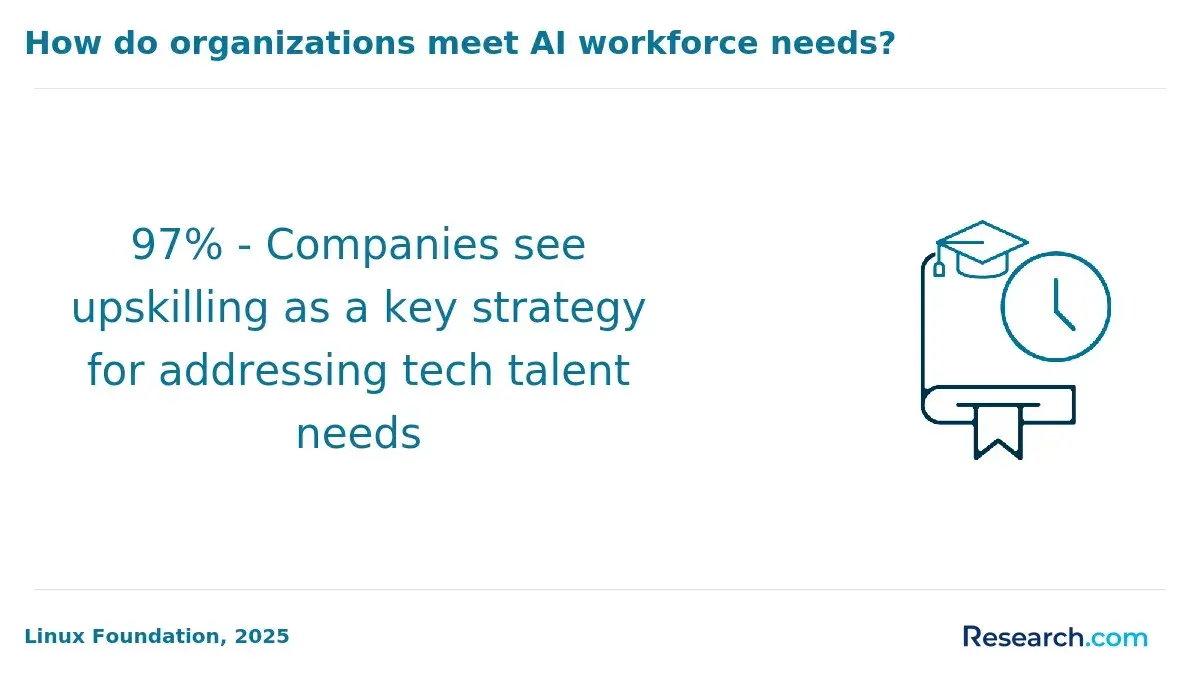
Which U.S. institutions and platforms offer accredited or industry-recognized AI training for construction design?
Several U.S. institutions offer accredited or industry-recognized AI training tailored for construction design professionals. Purdue University's Polytechnic Institute delivers specialized courses that integrate AI with construction engineering, focusing on predictive analytics and safety management to improve on-site decision-making. Stanford University's Center for Integrated Facility Engineering also provides AI programs emphasizing computer vision applications for real-time hazard detection.
Technical colleges, such as New York City College of Technology, grant certificates in AI for construction technology, covering data-driven design and automation tools widely used in the industry. Online platforms like Coursera and edX host accredited courses from universities including the University of Illinois Urbana-Champaign and Columbia University. These programs offer flexible learning paths in machine learning, computer vision, and AI algorithms specific to construction workflows.
Industry certifications from organizations such as the Construction Industry Institute (CII) validate proficiency in AI tools related to project safety and efficiency. Procore Learning notes that computer vision and predictive analytics help construction teams reduce incidents by identifying hazards in real time. Knowledge in these areas is essential for teams working to improve safety outcomes through AI integration.
Prospective students should seek programs combining theoretical AI skills with practical construction design applications, with emphasis on hands-on experience in AI safety systems, data analytics for risk reduction, and automation of design processes. Access to up-to-date software and real-world projects enhances employability and aligns training with industry standards.
What are typical admission requirements, program lengths, and tuition costs for AI courses in construction design?
Admission into AI programs for construction design professionals typically requires a bachelor's degree in architecture, engineering, computer science, or related fields. Some courses also consider candidates with substantial industry experience, especially for certificates or bootcamps.
Applicants often need foundational skills in programming languages like Python and basic knowledge of machine learning, along with portfolios demonstrating design or AI-related work.
Program duration varies by format and complexity: short-term certificates usually last 6 weeks to 6 months, focusing on practical AI applications such as automated modeling. Professional development courses extend from 3 to 12 months and involve project-based learning using AI tools for construction design. Advanced master's programs often span 12 to 24 months, covering sophisticated AI algorithms, data analytics, and BIM integration.
Tuition ranges reflect program depth and type:
- Certificate programs and online bootcamps: $1,000-$5,000
- Professional development courses and extended certificates: $5,000-$15,000
- Master's degrees in AI focused on construction design: Over $20,000, some exceeding $50,000
AI-generated visualizations significantly improve workflows by converting basic sketches or 3D models into photorealistic renders quickly, enhancing project efficiency. Investing in AI education, therefore, is valuable for those aiming to keep pace with innovations in construction design and management.
What career paths and job roles can AI-skilled construction design professionals pursue in the AEC industry?
AI-skilled professionals in architecture, engineering, and construction (AEC) have various career opportunities. Roles like AI integration specialists focus on implementing intelligent systems to improve design workflows and project management. These experts enhance collaboration using AI-powered tools for real-time data sharing and design validation. BIM AI analysts use machine learning to automate model updates and detect design clashes.
Project planners and cost estimators apply AI to predict budgets and schedules more accurately, helping to reduce risks and overruns. For example, AI-powered tools analyze historical data to forecast material requirements and labor productivity.
In procurement and contract management, AI specialists automate document review and extract key requirements, accelerating processes. According to PMI, such AI automation shortens RFP review and response times, significantly boosting efficiency in construction projects.
Data scientists and AI consultants translate complex project data into actionable insights, supporting design optimization and sustainability goals. AI-driven quality assurance roles monitor construction progress remotely, identifying defects early. Leadership positions often require combining AI knowledge with strategic planning to drive digital transformation.
Key skills include AI programming, data analytics, and familiarity with industry-specific software like Autodesk Revit enhanced with AI plugins. Understanding ethical and regulatory considerations is crucial for responsible AI deployment in construction. Aligning AI expertise with core construction design functions helps professionals stay competitive in a transforming labor market.
What salary ranges and job outlook can construction design teams expect after upskilling in AI?
Construction design professionals who develop skills in artificial intelligence can see substantial salary increases and expanded job opportunities. Entry-level BIM specialists or AI-assisted designers generally earn between $60,000 and $75,000 per year, influenced by location and company scale. Mid-career professionals with enhanced AI skills, such as expertise in predictive modeling and automated workflows, typically make $85,000 to $110,000, reflecting greater responsibilities.
Senior positions like AI-driven project managers and innovation leads command $120,000 to $160,000. These roles require leveraging AI for complex scheduling, resource allocation, and risk assessment to improve project outcomes and increase profitability. Employers value these skills due to reported productivity gains of nearly 40% when AI handles routine technical tasks, according to research from MIT Sloan cited in the engineering-design AI roundup.
The demand for construction experts who combine industry knowledge with AI fluency is growing rapidly. Areas of strong opportunity include AI-enhanced structural analysis, 3D visualization, and automated cost estimation. Professionals with these skills find roles in consulting, software development, and construction technology services.
Continuous learning is critical, with emphasis on mastering relevant software platforms and interpreting AI outputs for effective design decisions. Employers seek candidates who can translate AI-driven insights into practical strategies, making AI fluency essential for career growth and salary advancement.
How should construction design leaders evaluate and choose reputable AI courses for their teams?
Construction design professionals should carefully evaluate AI courses by focusing on curriculum relevance, instructor expertise, and practical application. Courses must address specific industry challenges like predictive modeling for project management, error detection in blueprints, and generative design processes to be truly effective. Generic AI programs often lack this specialized focus, which is crucial for successful implementation.
Instructor credentials are equally important. Opt for courses led by professionals or academics with proven experience in engineering, construction technology, or AI integration within building design. This ensures the course content is credible and applicable to real-world scenarios.
Hands-on learning opportunities such as case studies, software tool training, and simulations using real construction data enhance skill acquisition and build confidence in applying AI techniques.
Additional factors to consider include program length, flexibility of delivery formats (online or hybrid), and the value of certifications. Certifications recognized by established engineering or technology organizations add credibility when demonstrating ROI to stakeholders.
Early-adopting firms report an estimated $3.70 to $10.30 return for every $1 invested in AI, typically within two to four years. Decision-makers should weigh training costs against projected improvements in design efficiency and error reduction to maintain a competitive edge.
Construction leaders must seek targeted, expert-led, and practice-oriented AI education with demonstrated outcomes to maximize team adoption and ROI.
Other Things You Should Know About Artificial Intelligence
Ethical considerations in artificial intelligence for construction design include ensuring data privacy, transparency of AI-driven decisions, and avoiding biases in algorithmic outputs. It is important that AI tools are used responsibly to support fair labor practices and safety standards. Teams should also consider the environmental impact of AI implementations and maintain human oversight on critical design decisions.
Artificial intelligence systems can quickly analyze multiple design scenarios while accounting for new constraints such as budget changes or material availability. By leveraging machine learning, AI tools adapt to updated project parameters and propose optimized alternatives. This flexibility enhances decision-making speed and accuracy during the construction design process.
Many AI tools are designed to integrate seamlessly with popular construction and design software such as BIM (Building Information Modeling) platforms. These integrations enable real-time data exchange, improving coordination and reducing errors. Compatibility is a critical factor to consider when selecting AI solutions for construction design teams.
The best AI courses for construction design teams in 2027 focus on real-time data processing, seamless integration with existing software, and innovative solutions for project management challenges. Courses emphasize hands-on learning, offering case studies and simulations to demonstrate AI's capabilities in optimizing design workflows and addressing site-specific constraints.
References
- Future of AI engineering jobs, trends and skills for growth https://zenvanriel.com/ai-engineer-blog/future-ai-engineering-jobs-trends-skills-career-growth/
- Executive Search and Outplacement Services for the Engineering, Architecture, Construction, and Manufacturing Industries https://www.davron.net/2025-hiring-trends-in-construction-engineering-and-architecture-what-employers-and-job-seekers-need-to-know-about-salaries-remote-work-and-demand-cycles/
- How to Choose the Right AI Course for Your Team https://www.pertamapartners.com/insights/how-to-choose-ai-course-for-team
- Best Online AI Courses and Certifications in 2025 https://www.upskillist.com/blog/online-ai-courses-certifications/
- IPM AI Project Professional® https://projectmanagement.ie/courses/ipm-ai-project-professional/
- The AI compensation and talent trends shaping the job market in 2026 https://ravio.com/blog/ai-compensation-and-talent-trends
- The Future of AI in the AEC Industry - IAAC BLOG https://blog.iaac.net/the-future-of-ai-in-the-aec-industry/
- AI Fundamentals for Construction Professionals - National Institute of Technology https://www.nitaustralia.edu.au/ai-fundamentals-for-construction-professionals/
- 16 Artificial Intelligence Career Paths https://www.calmu.edu/news/artificial-intelligence-career-paths