2027 Best AI Transformation Courses for Managers

Co-Founder and Chief Data Scientist
Managers without a background in artificial intelligence often face challenges in integrating AI tools effectively within their teams. This gap can slow decision-making and hinder innovation in a fast-evolving digital landscape. Many struggle to find courses that balance technical depth with practical leadership skills and flexible schedules suitable for working professionals.
Addressing these issues requires targeted education that bridges the managerial perspective with emerging AI technologies. This article highlights the best AI transformation courses designed for managers seeking to upskill efficiently and lead AI-driven initiatives confidently, offering a clear pathway to career pivoting and informed management in this dynamic field.
Key Things You Should Know
- AI transformation courses for managers in 2026 focus on strategic integration and ethical leadership, reflecting a 45% industry growth in AI adoption since 2024.
- Programs emphasize skills in data-driven decision-making, with 62% of managers reporting improved operational efficiency after completion.
- Flexible delivery modes, including online and hybrid formats, accommodate working professionals, driving a 30% enrollment increase from 2024 to 2025.
Advance Your Career with AI Online Courses
Artificial Intelligence: Implications for Business Strategy
This program provides an introduction to Artificial Intelligence and their implications for business strategy. Earn an official digital certificate.

Oxford Artificial Intelligence Programme
Explore this Oxford Artificial Intelligence programme offered in a flexible learning environment and explore topics like machine learning, automation, and robotics.

Implementing Agentic AI: Building Your Organizational Playbook
This online MIT Agentic AI course offers a practical approach to deploying AI agents in your organization, including a custom playbook. 3 weeks, exclusive launch price.

AI Adoption: Driving Business Value and Impact
This online MIT AI Adoption: Driving Business Value and Impact offers practical frameworks to close the gap between AI potential and business reality.

Artificial Intelligence in Pharma and Biotech
Discover the applications and limitations of artificial intelligence in pharma and biotech with this MIT online short course.

What is an AI transformation course for managers and who should enroll?
An AI transformation course for managers equips leaders with essential skills to implement and guide the integration of artificial intelligence technologies within their organizations. These programs target strategic artificial intelligence training for leadership, focusing on planning, change management, data literacy, and ethical considerations. Managers learn to identify AI opportunities, evaluate technology impacts, and align initiatives with business goals, developing competencies critical for AI-driven change.
Professionals such as product managers, department heads, project leaders, and executives responsible for innovation or organizational change benefit most from these courses. Even those without a technical background gain practical frameworks to collaborate effectively with AI experts and make informed decisions. Mid-career managers seeking to future-proof their skills also find value in this leadership training.
Companies investing in AI need managers fluent in AI concepts. According to McKinsey's 2024 Global Survey on AI in the workplace, leaders who understand AI are 2.1 times more likely to lead high-performing transformations. This highlights the competitive advantage AI-savvy managers hold in accelerating business growth and innovation.
To explore programs that can build foundational tech knowledge alongside leadership skills, consider pursuing an accelerated CS degree. Mastering these areas enables managers to lead successful AI initiatives, improve operational efficiency, and support sustainable growth in rapidly evolving markets where AI plays a central role.
Advance Your Career with AI Online Courses
Artificial Intelligence: Implications for Business Strategy
This program provides an introduction to Artificial Intelligence and their implications for business strategy. Earn an official digital certificate.
Oxford Artificial Intelligence Programme
Explore this Oxford Artificial Intelligence programme offered in a flexible learning environment and explore topics like machine learning, automation, and robotics.
Implementing Agentic AI: Building Your Organizational Playbook
This online MIT Agentic AI course offers a practical approach to deploying AI agents in your organization, including a custom playbook. 3 weeks, exclusive launch price.
What skills and outcomes can managers expect from top AI transformation programs?
Managers who complete top AI transformation programs develop key managerial skills essential for guiding AI-driven initiatives effectively. These include understanding AI fundamentals like machine learning models and data analytics, empowering managers to interpret AI outputs and make sound strategic decisions. Such programs focus on aligning AI applications with business goals, fostering innovation and competitive advantage through strategic integration.
Expected business outcomes from AI training for managers often include enhanced leadership skills to manage cross-functional teams and facilitate collaboration among data scientists, IT, and business units. Change management expertise allows managers to address employee concerns and scale AI initiatives smoothly. Ethical AI use and risk management are integral parts of these programs, preparing leaders to handle data privacy, biases, and compliance challenges.
Managers also learn to measure AI project success through KPIs and ROI metrics, ensuring accountability and continuous improvement. The demand for AI-savvy leaders is rising rapidly; job postings highlighting generative AI skills increased by 323% year over year, with leadership roles among the fastest-growing categories. This highlights the urgency for professionals to develop specialized competencies.
For those interested in further education tailored to technical skills, exploring mechanical engineering programs online can complement AI knowledge with strong engineering foundations, supporting interdisciplinary career growth.
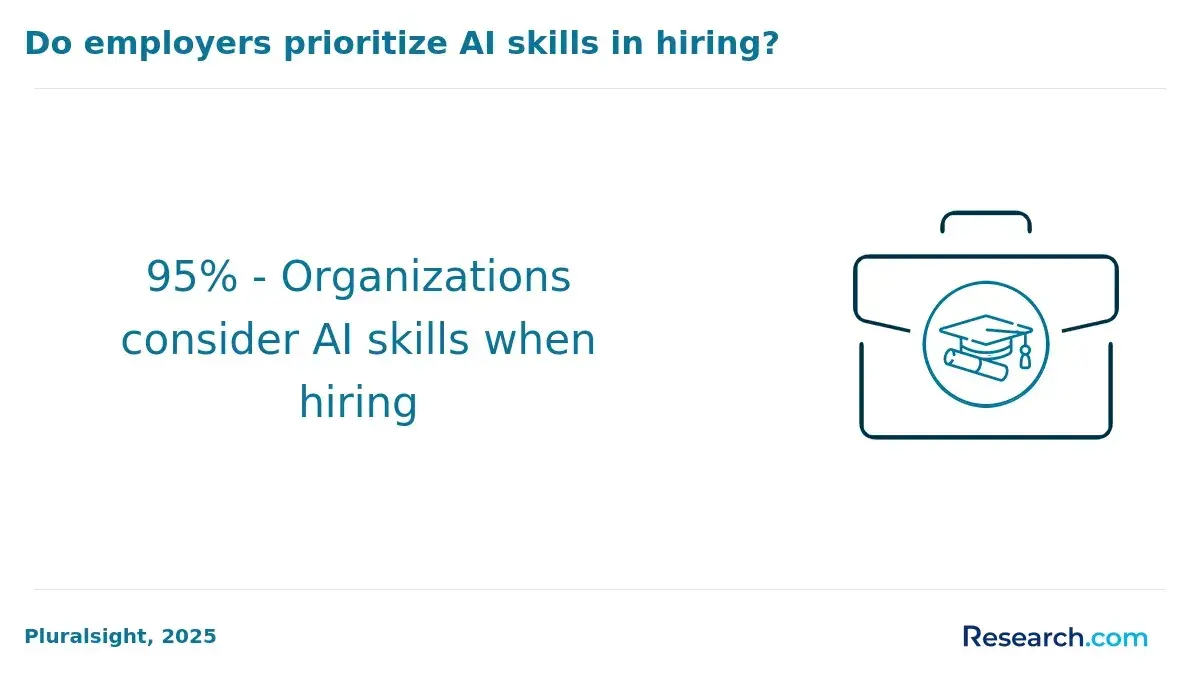
How do you choose the best AI transformation course for your management role and industry?
Choosing the best ai transformation courses for managers in North America involves aligning course content with your industry and leadership goals. Focus on programs that address sector-specific applications-such as AI in healthcare diagnostics or finance-related fraud detection-and include case studies relevant to real challenges. Effective ai training programs tailored for management roles often emphasize strategic skills like change management, vendor negotiation, and ethics, which are essential for leading AI initiatives beyond technical expertise.
Flexibility is key for working professionals; look for part-time, hybrid, or online formats that allow immediate application of skills without disrupting your career. Additionally, instructor expertise and strong industry partnerships ensure programs stay current and offer valuable networking opportunities.
Measurable career impact remains a critical factor. According to LinkedIn Economic Graph's 2025 Future of Work Report, U.S. managers proficient in AI or machine learning earned 27% higher total compensation than peers lacking these skills. Selecting courses with validated outcomes and recognized certification can enhance salary growth and promotion prospects. For those interested, a game development online degree might also be a strategic complement, integrating AI knowledge within creative technology sectors.
What types of AI transformation programs exist for managers, and how do online and campus options compare?
AI transformation programs for managers primarily come in online and campus-based formats, each catering to different professional needs. Online courses offer flexibility for working professionals, combining self-paced modules with live virtual sessions over a few weeks to several months. These programs focus on practical skills such as AI strategy integration, ethical use, and data-driven decision-making, ideal for managers seeking immediate workplace impact. Campus programs, in contrast, provide immersive learning experiences with direct faculty interaction and peer collaboration across one to two semesters. This environment encourages deeper theoretical understanding, hands-on projects, and valuable networking opportunities within the AI management community.
When exploring types of AI transformation courses available for management professionals, hybrid models have become popular, blending asynchronous coursework with live sessions for better engagement and flexibility. Selection depends on personal learning preferences, available time, and career objectives. Rapid upskilling tends to favor online formats, while comprehensive skill development benefits from campus-based study.
Organizations with at least 20% of leaders AI literate are 3.5 times more likely to see revenue growth beyond 10% from AI initiatives, underscoring the importance of AI literacy. Managers should seek programs emphasizing measurable ROI and competitive advantage. For those interested in specialized fields, numerous cybersecurity programs online for veterans demonstrate how targeted education can support career transition and advancement.
What are the typical admission requirements for AI transformation courses designed for managers?
Admission for AI transformation courses targeting managers typically requires a blend of professional experience, educational background, and proven leadership capabilities. Candidates generally need 3 to 5 years of managerial or leadership experience to connect AI applications with strategic business goals effectively. This experience supports engagement with course material focused on embedding AI into organizational workflows.
Academic prerequisites usually include a bachelor's degree in fields such as business, engineering, or computer science. Advanced technical expertise in AI or data science is rarely mandatory, though a basic understanding of digital technologies is expected. Some programs may also necessitate completing pre-course assessments or foundational modules.
Quantitative analysis skills and strategic thinking are often evaluated through essays or interviews. Increasingly, programs seek applicants who have driven innovation or managed digital transformation projects. For example, top executive courses might require resumes highlighting AI-related initiatives or recommendation letters emphasizing strategic impact. Interviews sometimes assess how well candidates grasp AI's influence on industry evolution.
The growing demand for managerial talent skilled in AI is reflected in a rise of over 60% in executive enrollment in AI-focused leadership programs between 2022 and 2024, according to GMAC 2024 Corporate Recruiters & Executive Education Insights. Applicants should be prepared to demonstrate leadership maturity and a strategic mindset to meet these evolving admission standards.
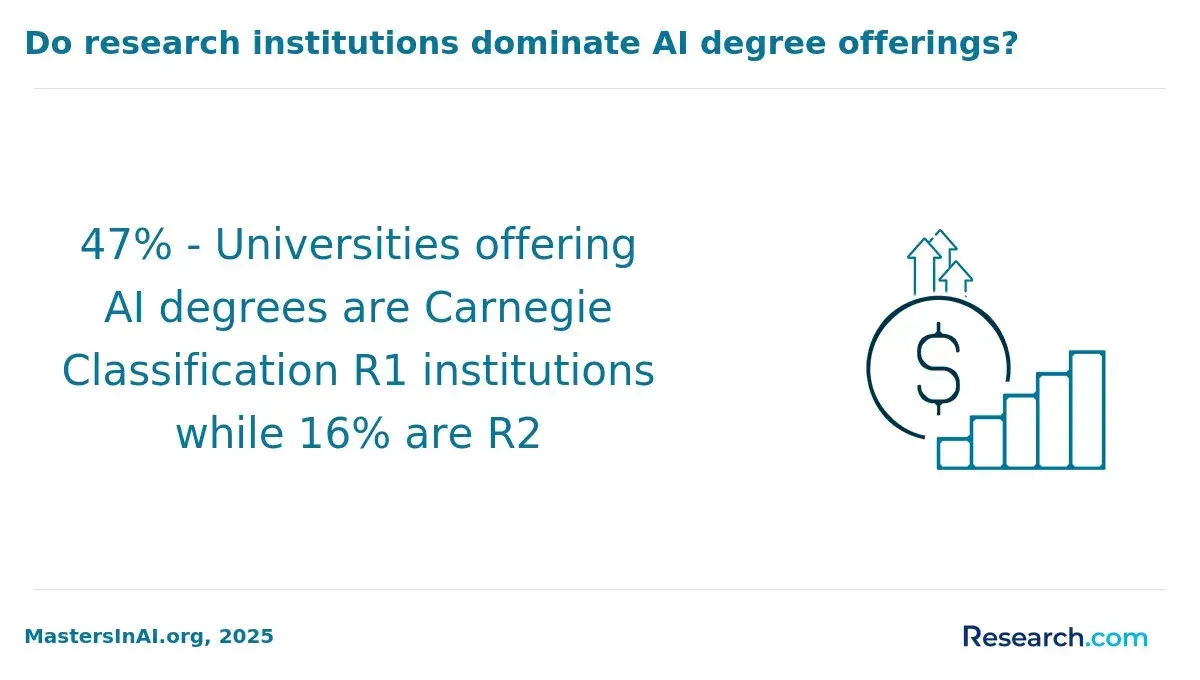
What core topics and tools are covered in leading AI transformation curricula for managers?
AI transformation training for managers centers on essential topics that support strategic AI integration in business. Core subjects include machine learning, natural language processing, and data analytics, enabling managers to assess AI's strengths and limitations effectively. Courses focus on frameworks to align AI projects with organizational goals and competitive advantage.
Key skills taught include data-driven decision-making and interpreting large datasets to improve operations. Risk management topics address ethics, bias reduction, and regulatory compliance, critical for responsible AI adoption. Practical tools such as AI project roadmapping, cost-benefit analysis, and vendor evaluation help managers navigate implementation phases.
Managers also learn about leading AI platforms like TensorFlow, IBM Watson, and Microsoft Azure AI to understand technical partnerships and resource needs. Change management approaches are introduced to ease cultural transition and workforce reskilling during AI adoption.
The MIT Sloan Management Review & BCG AI Readiness Survey found that 74% of executives completing AI strategy programs improved their ability to identify high-ROI use cases within six months, highlighting the practical value of such curricula. Overall, these programs merge theory with actionable skills, enabling managers to lead AI-driven innovation confidently and with responsibility.
How long do AI transformation courses for managers take, and what do they typically cost?
AI transformation courses for managers range widely in duration and cost, with executive programs lasting up to 12 weeks offering practical, strategic skills for busy professionals. These shorter courses enable managers to integrate AI into workflows swiftly, avoiding lengthy absences. Intensive programs balance depth and flexibility over 6 to 12 weeks, while graduate programs can extend beyond six months for more comprehensive exploration.
Costs reflect program length and prestige. Short executive courses typically fall between $3,000 and $15,000, while longer graduate-level degrees often exceed $20,000 to $50,000. Many managers prefer shorter courses for quicker, actionable results without a heavy time commitment.
According to the Financial Times Executive Education Rankings & Survey 2024, short AI executive courses yield an average return of 6.4 times the investment within a year through productivity gains and new revenue opportunities. Longer graduate programs offer a lower, 2.8 times return, underscoring the practical value of focused learning.
What career paths, leadership roles, and industries benefit most from AI transformation training for managers?
AI transformation training is critical for managers in technology-driven sectors such as finance, healthcare, manufacturing, and retail. These industries require quick adaptation to emerging AI tools to maintain competitiveness and enhance operational efficiency. Key leadership roles-product management, data strategy, IT governance, and innovation management-benefit greatly from such training, as these positions integrate AI insights into business decisions and processes.
Managers pursuing careers in AI project management, digital transformation, or AI ethics compliance coordinate teams to implement AI solutions effectively and responsibly. For example, a healthcare manager working with AI diagnostic tools must balance technical knowledge with regulatory compliance to ensure patient safety.
Data from PwC's 2024 Global AI Jobs Barometer shows companies relying solely on external AI training for managers are 1.8 times more likely to encounter persistent skill gaps after one year compared to firms combining external training with structured internal upskilling. This emphasizes the importance of blending external expertise with internal practice and knowledge sharing. Investing in AI transformation education equips managers to guide their organizations through practical challenges and maximize technology investments.
What salary impact and job outlook can managers expect after completing an AI transformation course?
Managers completing an AI transformation course from top-50 globally ranked business schools are 2.4 times more likely to receive a promotion or expanded role within a year, compared to those in unranked programs, according to the Financial Times 2024 Executive Education Impact Survey. Such advancement often results in salary increases ranging from 15% to 30%, varying by industry and job level.
These courses enhance a manager's strategic value by developing skills in AI-driven solutions that optimize operations. Employers prioritize professionals who can lead AI project deployment and data-driven decision-making teams, especially in sectors like manufacturing and finance, where AI literacy commands higher compensation.
Job stability improves as AI integration becomes ubiquitous; managers with these skills face reduced redundancy risks and have greater internal mobility. To maximize benefits, choosing accredited programs with experienced faculty and proven career outcomes is essential. Lesser-known or non-accredited courses may offer similar content but often yield limited career advantages.
Are there recognized credentials or certifications that validate AI transformation skills for managers?
By 2027, 60% of leaders will need formal training in responsible and generative ai use, up sharply from 18% in 2024, reflecting the growing emphasis on certified skills in ai transformation (Gartner 2025 Future of AI in the Enterprise forecast). Recognized credentials are vital proof that managers possess the expertise to lead ai initiatives effectively and ethically. These certifications support responsible deployment, risk management, and alignment of ai technologies with business objectives.
Notable certifications designed for managers include the Certified AI Business Professional (CAIBP), which integrates ai strategies with business goals, and the AI for Business Leaders certificate from leading universities. These programs prioritize ethical ai use, data governance, and practical management applications. Holding recognized credentials enhances a manager's credibility and readiness for cross-functional ai projects. It is essential to verify that training programs are endorsed by respected industry bodies or academic institutions to avoid knowledge gaps that may lead to ethical or operational failures.
Other Things You Should Know About Artificial Intelligence
While some technical background can be helpful, most AI transformation courses designed for managers focus on strategic and leadership perspectives rather than deep technical skills. These programs usually provide foundational AI concepts so managers can understand how AI applies to business without needing extensive coding or data science experience.
Top AI transformation courses regularly update their content to reflect the latest advances and industry applications. Many programs collaborate with AI experts, use case studies from current projects, and incorporate emerging tools to ensure managers learn relevant and practical knowledge that aligns with today's AI landscape.
Key components of 2027's best AI transformation courses for managers include a focus on strategic implementation, leadership in AI-driven settings, data-driven decision making, change management, and ethical AI practices. Such courses are designed to equip managers with the skills needed to navigate and leverage AI effectively in their organizations.
Yes, these courses emphasize the importance of bridging gaps between technical teams and business units. Managers gain skills to communicate AI concepts clearly, coordinate with data scientists, and foster collaboration that drives AI projects from development to strategic implementation.
References
- Digital Transformation Course - For Managers, Leaders, and Consultants https://cxotransform.com/p/digital-transformation-course
- Ultimate Guide: How to Choose the Right AI Training Course to Boost Your Career - ONLC https://www.onlc.com/blog/how-to-choose-ai-training-courses/
- The Business of AI: Strategies for Leaders- Online | London Business School https://www.london.edu/lbs-online/the-business-of-ai-strategies-for-leaders
- The Best AI Training Courses for HR, Managers, and Employees in 2026 | Article | Lattice https://lattice.com/articles/ai-training-courses-for-every-team
- Leading AI Transformation Training for Executives https://trainingcred.com/training-course/leading-ai-transformation-the-executive-playbook-training
- 11 AI certifications to grow your career https://www.cio.com/article/4175403/11-ai-certifications-to-grow-your-career.html
- AI Transformation and Leadership Program from Chicago Booth Executive Education https://gl.chicagobooth.edu/ai-transformation-and-leadership
- How Leadership Can Navigate AI-Driven Transformation and Organisational Change Through Purpose, People and Performance https://www.greenfield.lu/resources/how-leadership-can-navigate-ai-driven-transformation-and-organisational-change-through-purpose-people-and-performance/
- AI Adoption: Driving Change With a People-First Approach https://www.prosci.com/ai-change-management
- Artificial Intelligence (AI) for Leaders and Managers Training Course https://glomacs.com/training-course/artificial-intelligence-ai-for-leaders-and-managers