2027 Best AI Program Management Courses for Executives

Co-Founder and Chief Data Scientist
Executives seeking to lead AI-driven projects often struggle to find management courses that balance technical complexity with strategic oversight. Many existing programs focus narrowly on data science or software development, leaving leaders ill-equipped to bridge the gap between AI expertise and business objectives. This disconnect can slow decision-making and impede successful AI integration across organizations. Understanding which courses offer comprehensive AI program management training ensures executives gain practical skills in governance, ethics, and implementation strategies. This article identifies top programs designed to equip executives with the knowledge to confidently oversee AI initiatives and drive innovation within their companies.
Key Things You Should Know
- Top AI program management courses for 2026 emphasize strategic leadership, blending AI technical skills with executive decision-making to address rapid AI innovation.
- Enrollment in AI management courses surged by 38% in 2025, reflecting increased demand for executives proficient in AI ethics, risk, and governance.
- Leading programs offer hands-on capstone projects leveraging real-world AI applications, enhancing practical skills critical for senior managers in tech-driven industries.
Advance Your Career with AI Online Courses
Artificial Intelligence: Implications for Business Strategy
This program provides an introduction to Artificial Intelligence and their implications for business strategy. Earn an official digital certificate.

Oxford Artificial Intelligence Programme
Explore this Oxford Artificial Intelligence programme offered in a flexible learning environment and explore topics like machine learning, automation, and robotics.

Implementing Agentic AI: Building Your Organizational Playbook
This online MIT Agentic AI course offers a practical approach to deploying AI agents in your organization, including a custom playbook. 3 weeks, exclusive launch price.

AI Adoption: Driving Business Value and Impact
This online MIT AI Adoption: Driving Business Value and Impact offers practical frameworks to close the gap between AI potential and business reality.

Artificial Intelligence in Pharma and Biotech
Discover the applications and limitations of artificial intelligence in pharma and biotech with this MIT online short course.

What are AI program management courses for executives?
AI program management courses for executives in North America equip leaders with essential skills to oversee AI initiatives successfully. These executive training in artificial intelligence program management emphasize governance, strategy, risk assessment, and the unique challenges faced during AI project implementation. Participants learn to align AI applications with business objectives, manage diverse teams, and address ethical concerns such as bias mitigation and data privacy.
Curricula often include frameworks to evaluate AI readiness, ensure regulatory compliance, and adopt agile management suited for AI's iterative workflows. Executives gain expertise in interpreting AI performance metrics, balancing innovation with operational continuity, and fostering a culture that embraces AI adoption.
Key topics include vendor management for AI tools, integrating AI with legacy systems, and scaling solutions efficiently after deployment. Practical case studies provide executives with tools to prioritize AI investments and accurately measure ROI on projects.
A survey by Deloitte revealed that 79% of business leaders anticipate generative AI will transform industries substantially within three years, yet only 22% feel highly prepared to manage this transition. This highlights the critical need for targeted training in AI program management to harness opportunities and mitigate risks.
Prospective students can explore a wide range of data science programs that offer such leadership development in AI program management.
Advance Your Career with AI Online Courses
Artificial Intelligence: Implications for Business Strategy
This program provides an introduction to Artificial Intelligence and their implications for business strategy. Earn an official digital certificate.
Oxford Artificial Intelligence Programme
Explore this Oxford Artificial Intelligence programme offered in a flexible learning environment and explore topics like machine learning, automation, and robotics.
Implementing Agentic AI: Building Your Organizational Playbook
This online MIT Agentic AI course offers a practical approach to deploying AI agents in your organization, including a custom playbook. 3 weeks, exclusive launch price.
Which executive programs have strong accreditation and school reputation?
Executive AI program management courses with top accreditation play a crucial role for professionals targeting leadership in this specialized field. Leading business schools known for strong AI program reputation often hold prestigious accreditations such as AACSB or EQUIS. Institutions like MIT Sloan, Stanford Graduate School of Business, and Wharton School offer programs combining rigorous academic standards with expert faculty and valuable industry connections in AI research.
Accreditation not only guarantees curriculum relevance but also enhances employer recognition. Schools with recognized accreditation bodies consistently update their course content to include the latest developments in AI and management techniques. Carnegie Mellon's Tepper School, for example, integrates AI ethics and data-driven decision-making into its executive education, leveraging its reputation for technological innovation.
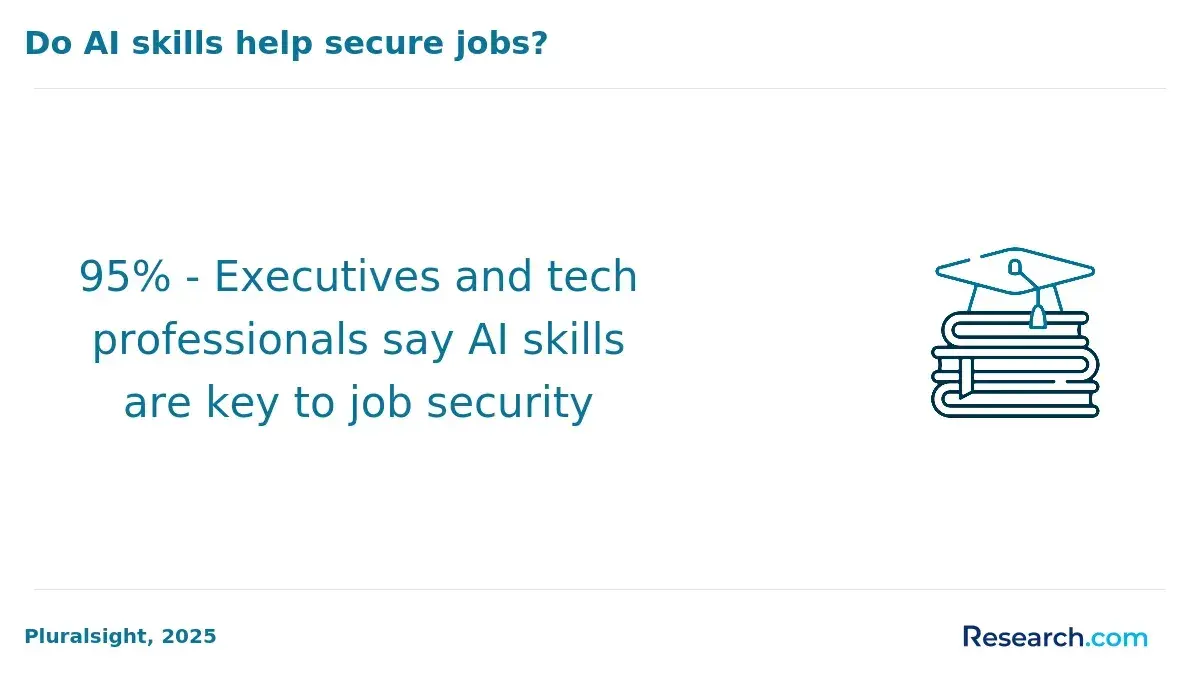
Market demand confirms the value of such credentials. Roles requiring AI skills have expanded 21 times faster than average job openings, according to LinkedIn's 2024 Jobs on the Rise report. The hybrid skill set found in AI program managers blends technical expertise with leadership capabilities, further emphasizing the need for accredited executive education options.
When choosing a program, prospective students should evaluate:
- Accreditation status such as AACSB, EQUIS, or AMBA
- School rankings in business and technology education
- Faculty research and industry engagement in AI and program management
- Alumni network strength and AI-related career placement rates
Those exploring pathways may also consider an online artificial intelligence degree for flexible options aligned with career advancement in this evolving landscape.
Are online or campus AI management courses better for executives?
Executives find online AI program management courses for executives more beneficial than campus-based options because of greater flexibility, immediate career impact, and access to updated content. Online formats accommodate hectic schedules, enabling executives to apply concepts in real time without interrupting their careers. This is especially valuable for those managing global teams or frequent travel.
Online AI courses from leading universities or reputable platforms offer case studies, mentorship, and networking through virtual cohorts, helping mitigate the challenges posed by physical distance. Campus-based AI management courses' advantages for executives include immersive environments and direct professor interaction, but they often require relocation or extended absences from work, which can delay career progress.
KPMG's global CEO survey highlights that 72% of CEOs accelerate promotions for executives leading AI initiatives successfully, with a 20-25% pay premium. Online programs frequently update curricula to reflect these business demands and include analytics tools for tracking progress and skills development, providing measurable value to employers.
For those seeking practical application and recognition, online courses outperform traditional options. Exploring an accelerated cyber security program can similarly offer focused, flexible learning paths aligned with industry needs.
What curriculum do executive AI program management courses cover?
The executive AI program management course curriculum is structured to equip leaders with essential skills for overseeing AI initiatives effectively. Key topics include AI governance frameworks that align projects with organizational goals, ethical standards, and risk mitigation related to bias, compliance, and data privacy.
Skills taught in AI program management courses for executives also emphasize strategy development, especially prioritizing AI investments based on business impact and scalability. Courses cover cross-functional collaboration to ensure smooth coordination among data scientists, engineers, and business units.
Risk management in these programs addresses uncertainties unique to AI projects, such as model degradation and operational challenges. Financial modules cover budgeting, cost-benefit analysis, and measuring ROI to support executive decision-making.
Advanced training delves into performance metrics and evaluation techniques, including interpreting model accuracy, fairness, and robustness. Program lifecycle management highlights deployment, monitoring, and continuous improvement to maintain value delivery.
Many courses include real-world case studies and simulations. McKinsey's Global AI Survey reveals that organizations with strong AI governance are 2.8× more likely to achieve a minimum of 10% EBIT uplift from AI projects. Electives may explore emerging trends like generative AI oversight or regulatory compliance across industries such as healthcare, finance, and technology.
Professionals interested in careers related to AI program management may also explore paths to become AI trainers, leveraging executive skills in AI strategy and management.
What admission requirements do executive AI management programs usually ask for?
Executive AI management programs typically require applicants to have substantial professional experience, often between 5 and 10 years in leadership or managerial roles. Candidates with demonstrated ability to lead technology projects or digital transformation initiatives are preferred. A detailed resume highlighting experience in AI, data analytics, or product management is usually essential.
Most programs require a bachelor's degree from an accredited institution. Some top-tier programs favor applicants holding advanced degrees in business, engineering, computer science, or related fields. While standardized tests like the GMAT or GRE are less common for executive tracks, competitive programs may still request them.
Applicants often submit essays or personal statements explaining their interest in AI management and alignment with career goals. Letters of recommendation from supervisors or industry leaders typically validate leadership skills and potential impact in AI strategy. Some programs include an interview to assess communication skills, strategic thinking, and understanding of AI's business implications.
Practical familiarity with AI technologies, such as machine learning or data analytics tools, is advantageous but not always mandatory. According to a Gartner study, large enterprises increased budgets for executive AI education by 34% year-over-year, with 61% planning further increases through 2026, encouraging programs to uphold rigorous admission standards to meet high professional expectations.
How long do executive AI program management courses take and what do they cost?
Executive AI program management courses vary widely in duration and intensity, from short, intensive bootcamps lasting 3 to 5 days, to comprehensive offerings extending over 8 to 16 weeks. Many longer programs are designed with part-time or modular online formats, allowing working professionals to balance study with their careers. Course commitments range from 20 to 100 hours, covering topics such as AI strategy, ethics, and implementation frameworks.
Costs also span a broad spectrum, generally between $3,000 and $15,000. Short workshops typically fall on the lower end, while university-affiliated certificates can cost more, sometimes exceeding $20,000 for premium programs featuring personalized coaching or project work. Scholarships and corporate sponsorships may reduce these expenses for qualified candidates.
Return on investment often justifies the expense. A survey by Emeritus and the Clayton Christensen Institute found that 76% of organizations recouped their executive program costs within 12 months through productivity improvements, with a median ROI of 3.1×. Prospective students should carefully weigh program rigor, time commitments, and budget against these potential career benefits.
Which certifications support AI program management careers for executives?
Certifications for AI program management careers in executive roles blend project management expertise with specialized AI knowledge. Leading credentials include the PMI Agile Certified Practitioner (PMI-ACP), PMI Professional in Business Analysis (PMI-PBA), and the PMI AI-Ready Project Management Certificate. The latter bridges traditional project frameworks with AI-driven methods. According to the PMI's "AI in Project Management" report, 82% of project professionals use AI tools, yet only 18% operate within formal AI-ready frameworks.
Other prominent certifications, such as the AI Project Management Professional (AIPMP), emphasize managing AI-specific risks, ethical concerns, and data governance. These programs often cover AI lifecycle management, model validation, and cross-functional team leadership-key skills for executives overseeing AI initiatives.
Executives benefit from understanding AI's impact on project scope, timelines, and resources, while learning to integrate AI tools into workflows without compromising governance. Many combine PMP certification with AI and data science micro-credentials from accredited universities to strengthen both managerial and technical communication skills.
Key certifications vary from strategic AI implementation to operational management but collectively enhance the ability to lead AI-driven projects with agility, governance, and ethics. This evolving skill set is crucial as AI continuously reshapes program management landscapes.
What jobs can executives pursue after AI program management training?
Executives trained in AI program management gain skills essential for leading strategic AI initiatives. Key roles available include AI program manager, who coordinates cross-functional teams to align AI efforts with business goals; AI governance lead, focusing on ethics, compliance, and risk mitigation; and AI portfolio manager, overseeing AI project selection and prioritization.
IBM's 2024 Global AI Adoption Index highlights a major challenge: 42% of enterprises cite a lack of AI governance and project-ownership skills among leaders as a significant barrier to scaling AI, nearly matching the 45% concerned with data issues. Training helps executives manage AI lifecycles, engage stakeholders effectively, and balance innovation with regulatory demands.
Other emerging positions include AI transformation officers and chief AI officers, who guide enterprise-wide AI adoption, and AI compliance managers, increasingly vital in regulated sectors like finance, healthcare, and retail. AI product managers blend technical expertise with market understanding to drive AI product development and launches. Those with consulting backgrounds can become AI transformation consultants advising organizations on governance and execution frameworks.
Practical experience in AI frameworks, data governance, and risk assessment equips executives to take on complex accountability and strategic decision-making. This training responds to leadership gaps in AI project ownership, preparing graduates as key contributors to responsible AI implementation.
What salaries do AI program management roles offer in the United States?
AI program management roles in the United States offer competitive salaries that reflect the specialized skills and leadership required. Entry-level salaries typically start near $95,000 annually. Mid-level managers often earn between $120,000 and $140,000, varying with industry and company size. Senior AI program managers and directors frequently surpass $160,000, while top executives at major tech firms or consulting agencies can receive six-figure bonuses and total compensation exceeding $200,000.
Pay differences also depend on geographic location, sector, and individual expertise. Professionals in Silicon Valley or New York command higher wages due to the cost of living and concentration of AI initiatives. Industries such as finance, healthcare, and technology tend to offer premium salaries for advanced program management skills that include AI strategy, ethical considerations, and technical fluency.
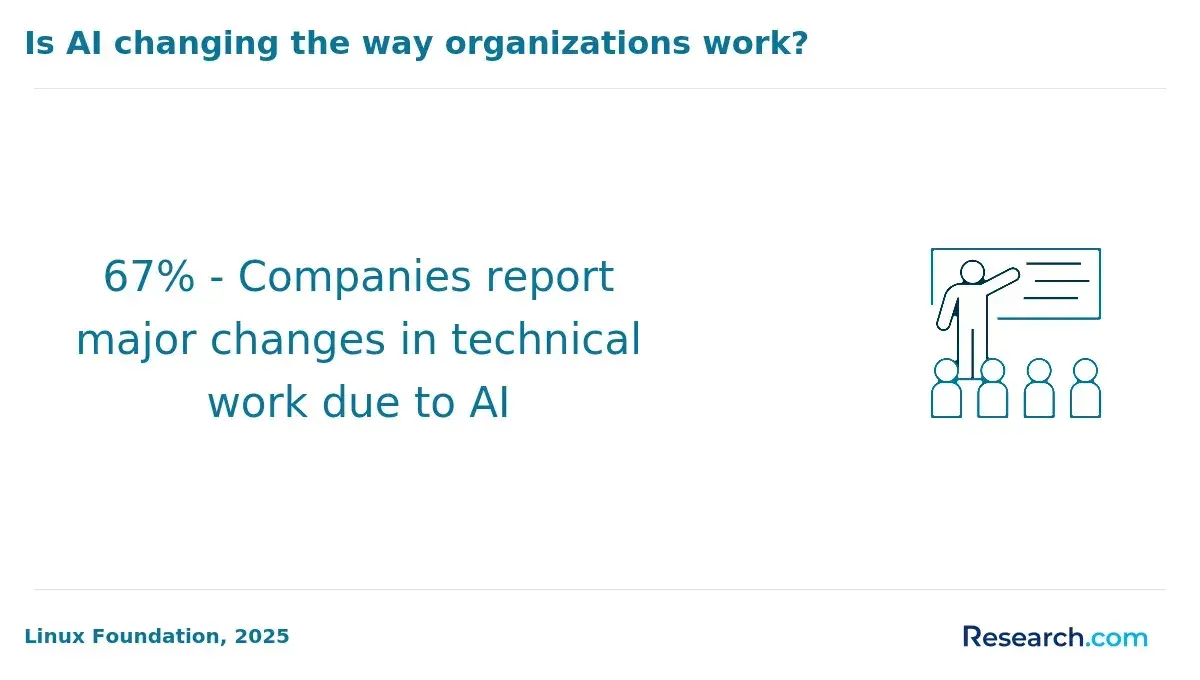
Demand for AI program management aligns with rising course enrollments. The Coursera Global Skills Report highlights an 88% year-over-year increase in enrollments for AI-for-business and AI-strategy courses tailored to managers, outpacing the 61% growth in general AI courses. This trend underscores employers' preference for leaders combining AI knowledge with program management expertise, which correlates with higher salary potential.
Gaining strategic management experience alongside AI education significantly enhances career prospects. Certifications and coursework that demonstrate proficiency in AI applications and leadership principles position candidates favorably in the competitive U.S. job market.
How do you choose a reputable executive AI management program?
Selecting an executive AI management program requires careful evaluation of key factors to ensure it meets leadership and technological demands. Opt for programs offering a comprehensive curriculum that blends leadership principles with applied AI technologies. PwC's 27th Annual Global CEO Survey (2024) highlights that 70% of CEOs expect strategic AI orchestration to be a top-three executive skill by 2029, underscoring the rising need for mastering AI ecosystems.
Assess the faculty's expertise and industry connections. Programs led by professionals with real-world AI project management experience and partnerships with Fortune 500 companies or AI research institutions deliver practical and current insights. Consider formats that offer modular, flexible learning with asynchronous content and live case discussions to fit busy executive schedules.
Look for opportunities to engage in real business challenges or capstone projects that provide hands-on experience. Accreditation from recognized business schools or professional bodies and positive alumni outcomes indicate program credibility and effectiveness.
Networking potential is crucial: programs encouraging interaction with diverse industry leaders help share best practices and collaborate on AI-driven transformations. Evaluating these elements will position executives to effectively lead in an evolving AI landscape.
Other Things You Should Know About Artificial Intelligence
In 2027, one of the top AI program management courses for executives is MIT's Professional Education’s “AI: Implications for Business Strategy.” This course offers a deep dive into AI concepts, empowering executives to integrate AI strategically into their operations while tackling ethics, implementation, and innovation.
Artificial intelligence enhances decision-making by providing data-driven insights and predictive analytics. It helps executives identify patterns and trends that may not be obvious through traditional analysis. However, human oversight remains essential to interpret results and apply strategic judgment.
Executives should develop a strong understanding of AI technology, data literacy, and the ability to communicate effectively with technical teams. Skills in change management and strategy alignment are also important to integrate AI initiatives successfully within existing organizational structures.
Common challenges include data quality issues, resistance to change among staff, and gaps in technical expertise. Organizations also struggle with aligning AI projects to clear business objectives, which can lead to underwhelming results or wasted resources if not managed properly.
References
- 50 Exec Ed Courses To Get Smart About AI - USA & Canada - Bluesky Thinking https://bluesky-thinking.com/50-exec-ed-courses-to-get-smart-about-ai-usa-canada/
- Artificial intelligence executive education programs | edX https://www.edx.org/executive-education/artificial-intelligence
- AI Project Management Jobs: Career Guide 2025 https://www.techademy.com/ai-project-management-jobs
- From the C-Suite to the AI Suite: The Best AI Leadership Courses - Emeritus Online Courses https://emeritus.org/blog/b-best-ai-leadership-courses-csuite/
- Master in Management of AI & Machine Learning - UBI Business School - QS Top 20 worldwide https://ubi.edu/master-in-management-of-ai-ml/
- AI Project Management Jobs and Compensation | PPM Express https://www.ppm.express/blog/ai-project-management-jobs-and-compensation
- Choosing the Right AI Course for Business Leaders https://www.tsa-bildung.de/en/blog/choosing-the-right-ai-course-for-business-leaders
- AI Executive Certificate https://esmt.berlin/executive-education/analytics-ai/ai-executive-certificate
- AI for Executives - Amsterdam Business School https://abs.uva.nl/content/open-programmes-abs/ai-for-executives/ai-for-executives.html
- Top 10 Business Schools for Executive Education | EXECUTIVE COURSES https://executivecourses.com/lists/top-10-business-schools-worldwide-for-executive-education