2027 Best AI Courses for Real Estate Agents

Co-Founder and Chief Data Scientist
Real estate agents face rising pressure to integrate advanced technologies into their workflows to stay competitive. The challenge lies in mastering complex artificial intelligence tools that improve client targeting, market analysis, and property valuation. Many professionals lack time or background to pursue traditional computer science degrees yet need practical, industry-relevant AI knowledge.
This article identifies top AI courses that provide flexible, accredited education tailored for real estate agents. It guides readers on programs that bridge technical skills and real estate applications, empowering agents to adopt AI confidently and advance their careers effectively.
Key Things You Should Know
- Top AI courses for real estate agents in 2026 focus on automating property analysis, leveraging predictive analytics, and enhancing client engagement through personalized virtual tours.
- By 2025, over 65% of real estate firms integrated AI tools, making knowledge of such technology essential for competitiveness and career advancement in the sector.
- Many leading courses offer practical training with real-world datasets, enabling agents to master AI applications like pricing models and market trend forecasting effectively.
Advance Your Career with AI Online Courses
Artificial Intelligence: Implications for Business Strategy
This program provides an introduction to Artificial Intelligence and their implications for business strategy. Earn an official digital certificate.

Oxford Artificial Intelligence Programme
Explore this Oxford Artificial Intelligence programme offered in a flexible learning environment and explore topics like machine learning, automation, and robotics.

Implementing Agentic AI: Building Your Organizational Playbook
This online MIT Agentic AI course offers a practical approach to deploying AI agents in your organization, including a custom playbook. 3 weeks, exclusive launch price.

AI Adoption: Driving Business Value and Impact
This online MIT AI Adoption: Driving Business Value and Impact offers practical frameworks to close the gap between AI potential and business reality.

Artificial Intelligence in Pharma and Biotech
Discover the applications and limitations of artificial intelligence in pharma and biotech with this MIT online short course.

What are the best AI courses for real estate agents and who are they right for?
The best AI courses for real estate agents in the US emphasize practical skills such as automating client communications, optimizing property valuations, and enhancing marketing strategies. These programs often include training on AI-driven CRM tools, predictive analytics for market trends, and virtual staging technologies. Agents aiming to improve operational efficiency will find foundational courses focusing on AI basics and integration into daily workflows especially valuable.
Advanced training programs designed for broker-owners and investment-focused agents cover data analysis and machine learning applications. Such courses teach how to interpret large datasets and forecast market movements to support strategic portfolio decisions. For sales-oriented agents, courses on AI-powered lead generation and personalized client engagement are essential components.
According to the National Association of Realtors 2024 NAR Technology Survey, 51% of broker-owners anticipate AI tools will have a major or transformative impact on business operations within two years. This highlights the growing need for upskilling in AI applications to maintain a competitive edge. Top AI training programs for real estate professionals balance technical understanding with industry-specific insights.
When selecting courses, consider whether curricula provide hands-on practice with current real estate AI platforms and include case studies on AI's impact in residential and commercial settings. Flexible online formats are beneficial for working professionals managing client commitments while upgrading skills. For those interested in expanding their tech foundation, pursuing a 2 year bachelor degree computer science can complement AI knowledge in real estate careers.
Advance Your Career with AI Online Courses
Artificial Intelligence: Implications for Business Strategy
This program provides an introduction to Artificial Intelligence and their implications for business strategy. Earn an official digital certificate.
Oxford Artificial Intelligence Programme
Explore this Oxford Artificial Intelligence programme offered in a flexible learning environment and explore topics like machine learning, automation, and robotics.
Implementing Agentic AI: Building Your Organizational Playbook
This online MIT Agentic AI course offers a practical approach to deploying AI agents in your organization, including a custom playbook. 3 weeks, exclusive launch price.
How can AI skills concretely help real estate agents win more clients and listings?
AI skills significantly improve real estate agents' ability to win more clients and listings by enhancing lead generation, client engagement, and market analysis. Agents using AI-powered client targeting strategies for real estate agents experience a 15-20% higher lead-to-client conversion rate compared to traditional marketing, as reported by McKinsey & Company's sector analysis.
AI automates promising lead identification by analyzing vast datasets on online behavior, demographics, and purchasing patterns. This targeted approach reduces wasted effort on low-potential prospects, allowing agents to focus on buyers showing genuine interest within specific zip codes or price ranges, thereby leveraging artificial intelligence to increase real estate listings.
Personalized client communication is boosted through chatbots and automated email campaigns, which respond instantly to inquiries, schedule property viewings, and provide tailored recommendations, increasing client satisfaction and retention.
Market trend prediction tools forecast price shifts and neighborhood demand by analyzing transaction data, economic indicators, and consumer sentiment. Agents use these insights to advise on optimal listing times and pricing strategies, improving success rates.
Additionally, AI-powered virtual tours and augmented reality attract more serious buyers and reduce time on market. For agents balancing multiple tasks, AI facilitates contract generation, document management, and compliance checks, freeing valuable time to nurture client relationships.
Those interested in building expertise to harness such AI-driven tools may explore online engineering programs that offer foundational knowledge relevant for advancing in this technology-driven industry.
What types of AI training options exist for real estate agents (short courses, certificates, degrees)?
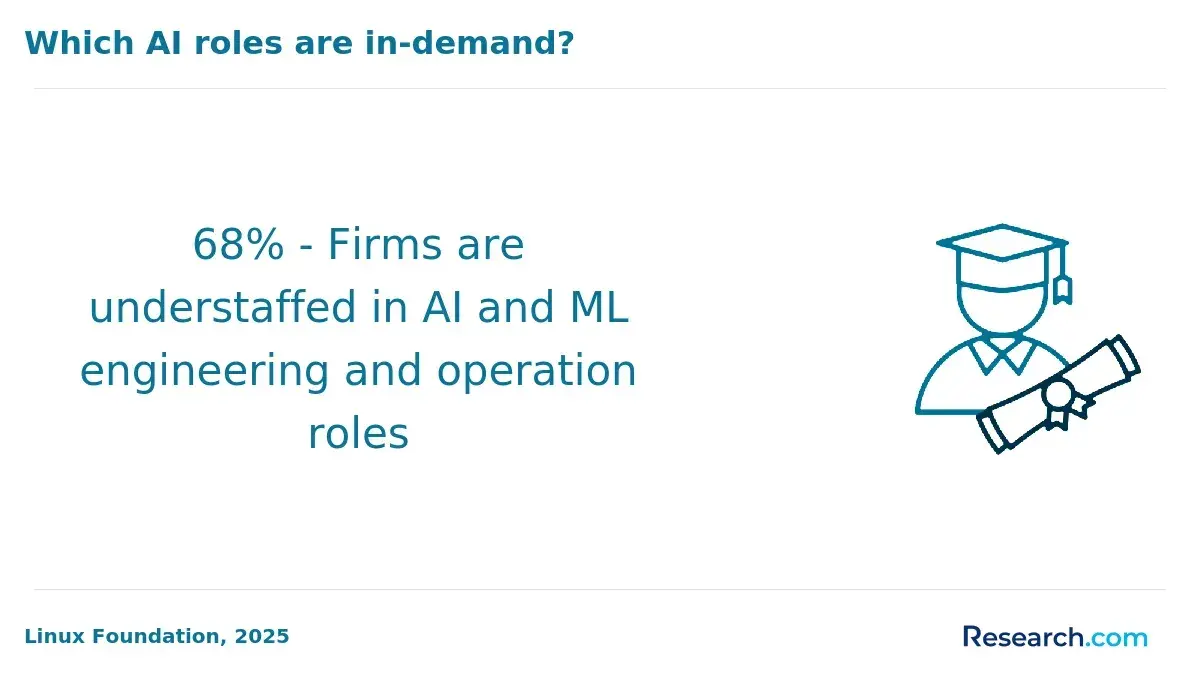
Real estate agents seeking AI certification programs for real estate professionals can select from short courses, certificate programs, or degree options depending on their career goals and available time. Short courses typically last a few weeks and emphasize practical skills like AI-powered property valuation, customer data analysis, and chatbots for client engagement.
These courses often include live demonstrations and hands-on training, aligning with the Zillow Group Industry Housing Trends Report, 2024, which revealed 72% of professionals prefer interactive learning with real tools and case studies.
Certificate programs provide a more comprehensive curriculum over several months, covering both foundational AI concepts and their direct applications in real estate marketing, predictive analytics, and risk assessment. Certificates from respected institutions enhance credibility and help agents specialize or advance their careers.
Degree programs, such as bachelor's or master's degrees focusing on data science or AI with real estate applications, deliver deep expertise suitable for leadership or strategic roles. These programs cover AI fundamentals, programming, and model deployment alongside real estate market dynamics. For those interested in advanced study, a PhD in AI online is also an option.
Real estate professionals can also benefit from short courses in artificial intelligence for real estate agents that emphasize practical skills and real-world projects. Choosing the right program depends on current experience, job demands, and long-term career ambitions.
How do online AI courses for real estate compare with in-person and brokerage-based training?
Online AI courses versus in-person real estate training offer clear benefits in flexibility and content scope. Unlike traditional sessions limited by location and fixed schedules, online learning lets agents study at their own pace, which is ideal for those managing busy and unpredictable hours.
Brokerage-based artificial intelligence education benefits for agents typically focus on company-specific tools but often lack the comprehensive coverage of emerging technologies like predictive analytics and natural language processing found in online programs.
Agents completing structured AI training report an average 27% boost in productivity within six months, based on the PwC Global Workforce Hopes and Fears Survey. Online courses also often provide certification, enhancing an agent's credentials and market appeal beyond what many brokerages offer.
For those worried about missing in-person networking, hybrid models combining live webinars with community forums offer a balanced alternative by preserving flexibility while reducing isolation.
Key advantages include broader tool coverage such as data-driven pricing models, AI-powered virtual tours, and CRM automation. These programs deliver scalable, accessible education, frequently outperforming brokerage-specific training in convenience and depth.
For agents seeking role-specific upskilling or pursuing recognized credentials, exploring the best online cyber security courses can provide a model of quality online learning that combines flexibility and industry recognition.
What should real estate agents look for in AI course accreditation and provider credibility?
Real estate agents seeking AI courses should focus on accreditation and provider credibility to ensure a high-quality and relevant education. Accredited programs from recognized bodies like the Distance Education Accrediting Commission confirm that the curriculum encompasses up-to-date AI applications designed specifically for real estate challenges rather than generic content.
Provider credibility involves evaluating instructor expertise and industry partnerships. Courses led by professionals with hands-on experience in AI-driven real estate marketing or property management offer practical knowledge. Providers associated with leading real estate or technology firms tend to keep their courses current with the latest market trends and tools.
Key indicators of effective training include case studies and measurable results. For instance, agents using AI for targeted digital advertising report a 25-30% reduction in customer acquisition costs compared to traditional methods, as noted in Salesforce's "State of Marketing in Real Estate." Such data-backed outcomes enhance course value.
When choosing a program, consider verified student reviews and available learning support, which improve overall experience and application. Ensure that certifications align with recognized industry credentials to boost professional prospects.
Also review how courses are delivered and how frequently content is updated. Rapid advancements in AI and real estate markets require programs that consistently refresh materials to reflect innovations and regulatory changes.
Which core AI topics and tools should a real estate-focused AI course cover?
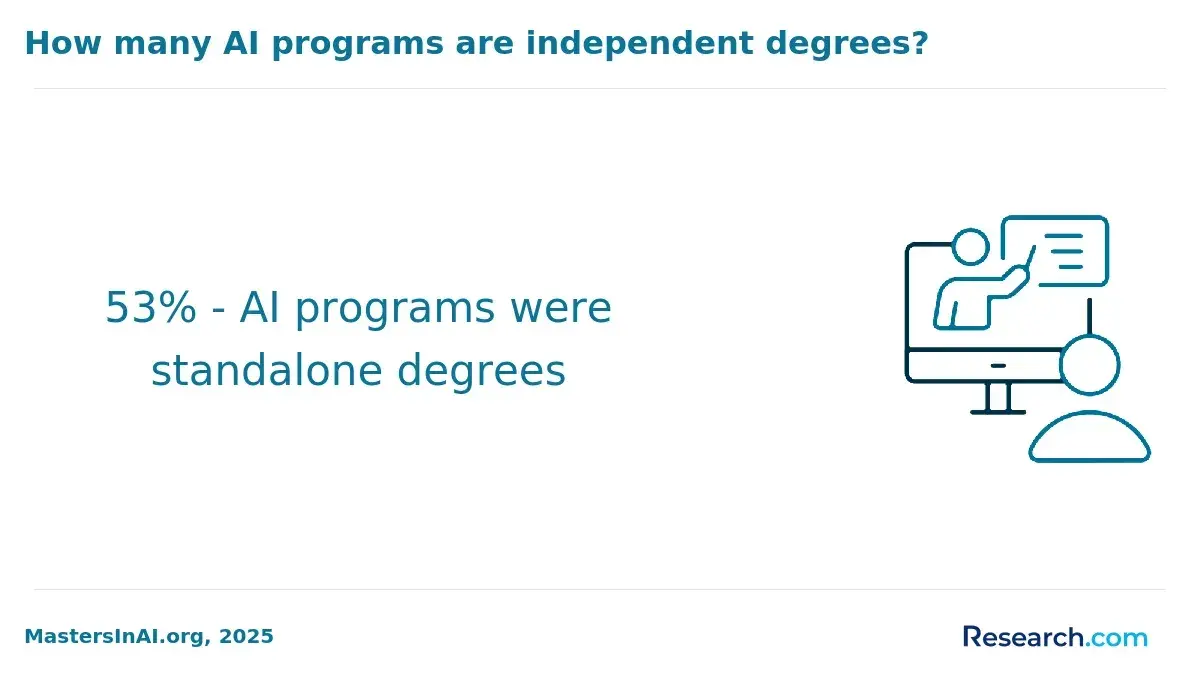
Core AI topics essential for a real estate-focused AI course include automated valuation models (AVMs), natural language processing (NLP), machine learning algorithms, and predictive analytics. AVMs enable faster, more accurate property valuations, reducing error rates by up to 40% compared with traditional comparative market analysis, according to Deloitte's "AI in Real Estate Valuations" report.
NLP tools assist real estate professionals in managing unstructured data such as client communications and market reports. They automate customer interactions and extract trends from text data, improving marketing and client management.
Machine learning supports predicting market trends, property demand, and neighborhood growth through supervised and unsupervised learning methods. This allows agents to customize strategies using client preferences and historical sales data.
Predictive analytics forecast property price changes and investment risks by analyzing historical and real-time data, helping agents optimize portfolios and advise clients effectively.
Practical AI tools also include AI-driven CRM systems, virtual staging software, and intelligent chatbots, which enhance lead generation and client engagement. Integration of AI with real estate listing platforms and mobile apps is vital for efficient workflows.
What are typical admission requirements, program length, and time commitment for these AI courses?
Admission requirements for AI courses aimed at real estate professionals typically include a high school diploma or equivalent. Some programs may also request prior real estate experience to help learners apply AI tools effectively within their industry. Advanced courses occasionally require basic knowledge of data analysis or programming, though many include introductory modules to accommodate different skill levels.
Course durations range from brief workshops lasting a few hours to more comprehensive sessions over several weeks. Formats often include self-paced online modules completed in 4 to 8 weeks or instructor-led classes extending up to 12 weeks. This flexibility supports part-time learners balancing work commitments.
Students should expect to dedicate about 3 to 6 hours weekly, with some certificate courses recommending around 5 hours of study. This includes watching video lessons, completing assignments, and engaging in practical exercises.
Real estate brokerages that use AI assistants to automate tasks like scheduling and document preparation have reported saving 10-15 hours per agent each week, highlighting the practical benefits of investing time in these programs.
Key factors to consider when choosing a course include delivery format (online versus in-person), opportunities for practical application, and availability of ongoing support or community access. Clear prerequisites and realistic time commitment expectations are essential for successful learning outcomes and effective implementation of AI tools post-completion.
How much do AI courses for real estate agents cost, and are there financial aid options?
AI courses designed for real estate agents vary significantly in cost, typically ranging from $50 to $1,200 depending on factors such as course depth, provider reputation, and delivery format. Short workshops or webinars focusing on practical AI tools usually cost between $50 and $200, making them ideal for agents seeking quick skill enhancement.
More comprehensive programs that offer certification and detailed training on AI integration in marketing, sales, and property management often exceed $500, with some reaching as high as $1,200.
Financial aid opportunities are increasingly accessible through online education platforms and real estate trade organizations. These include:
- Scholarships targeting continuing education for agents.
- Installment payment plans to spread out expenses.
- Discounts for early registration or group participation.
- Free introductory modules and AI tool demos.
Some employers, especially large brokerages, may sponsor AI course fees as part of professional development programs, helping agents boost their digital marketing capabilities. Eligibility and application processes for these aids vary, so verifying details beforehand is essential.
Investing in AI skills has measurable benefits. Real estate teams using AI to batch-create video content experience 2.3 times more social media engagement and 1.8 times more listing inquiries than those producing content manually, according to HubSpot's 2024 marketing trends report. This data highlights how higher course costs can be offset by improved business outcomes derived from AI proficiency.
What career outcomes, income impact, and competitive advantages can agents expect from AI training?
Agents completing artificial intelligence training experience significant career growth by improving lead generation, market analysis, and client engagement. AI tools enhance efficiency, enabling agents to serve more clients and close deals faster, directly boosting income potential.
According to data from the McKissock Learning 2024 survey, 61% of agents who invested less than $300 in AI courses earned at least $5,000 extra gross commission within a year, demonstrating a strong return on investment.
The competitive edge gained through AI includes early use of predictive analytics to identify valuable prospects and market trends ahead of competitors. AI-powered chatbots and automated marketing campaigns heighten customer responsiveness and brand presence. Agents also differentiate themselves by delivering personalized services derived from data-driven insights.
AI adoption leads to accelerated sales cycles and better negotiation strategies. For instance, AI-driven pricing recommendations help agents set competitive yet profitable listing prices. Moreover, automation of routine administrative tasks frees up time to focus on revenue-generating work.
These benefits underscore the importance of selecting courses offering practical experience with real estate-specific AI applications. Evaluating such education options supports agents aiming for sustained growth and market leadership.
How can real estate agents responsibly use AI while complying with MLS, brokerage, and licensing rules?
Real estate agents must ensure AI tools comply with MLS, brokerage, and licensing regulations by adhering to data privacy, authorization, and disclosure requirements. AI-generated content such as market reports or property valuations should not violate MLS rules or brokerage guidelines, avoiding unauthorized redistribution or misleading information.
Agents need to verify that their brokerage permits AI use for marketing and client communications. Transparency is essential—disclosing the role of AI when assisting customer interactions helps maintain compliance. Licensing boards also require all advertising, including AI-generated listings, to follow fair housing laws and state-specific mandates, avoiding discriminatory or inaccurate content.
Staying updated on MLS technology policies and brokerage standards related to AI is vital. Maintaining documentation of AI workflows aids audits and compliance reviews. Practical uses include analyzing market trends securely and drafting emails with conversational AI, ensuring a human reviews content before sending.
Data from the LinkedIn Learning Workplace AI Skills & ROI report highlights that agents utilizing AI weekly after training are 3.1 times more likely to achieve measurable ROI than those using it less frequently. This emphasizes disciplined, regular, and compliant AI use, maximizing investment while minimizing regulatory risks.
Other Things You Should Know About Artificial Intelligence
In 2027, top AI courses for real estate agents include “AI for Real Estate Professionals” by MIT, “AI in Real Estate” from Coursera, and “Real Estate AI Analytics” by Udacity. Each course focuses on utilizing AI tools to boost efficiency and enhance market analysis, tailored specifically for the dynamic needs of the real estate industry.
Challenges include data privacy concerns, the risk of biased algorithms, and the need for high-quality data to train AI models accurately. Additionally, integrating AI tools with existing real estate systems can be complex, and agents must stay informed about ethical and regulatory implications to avoid misuse.
A basic understanding of data science improves how agents interpret AI-generated insights and make informed decisions. While deep technical expertise is not required, knowledge of data analysis concepts enhances an agent's ability to leverage AI tools effectively and evaluate their outputs critically.
Yes, artificial intelligence can optimize marketing by targeting the right audiences, personalizing content, and predicting market trends. AI-powered platforms can automate social media ads, analyze customer behavior, and track campaign performance, allowing agents to allocate resources more efficiently and increase engagement.
References
- Student Feedback https://www.oxfordhomestudy.com/courses/ai-courses-online/artificial-intelligence-and-real-estate
- How Long Does It Take to Learn Machine Learning Completely? https://blog.nobledesktop.com/learn/machine-learning/how-long-do-machine-learning-courses-take
- AI in Real Estate: Key Use Cases, Solutions, and Challenges https://www.v7labs.com/blog/ai-in-real-estate
- AI Training for Real Estate Agents: New Allied Real Estate Certification https://www.alliedschools.com/blog/ai-training-for-real-estate-agents/
- AI Training for Real Estate Agents: New Superior Real Estate Certification https://www.superiorschoolnc.com/career-hub/grow/ai-training-for-real-estate-agents/
- AI Certificate Program & Online AI Courses | Coursiv https://coursiv.io/courses/chatgpt-for-real-estate
- Comprehensive Guide to Financial Aid for Real Estate School https://www.colibrirealestate.com/career-hub/blog/financial-aid-real-estate-school/
- How to Use AI for Real Estate Lead Generation: Strategies and Tools https://www.leadspicker.com/articles/how-to-use-ai-for-real-estate-lead-generation-a-game-changer-for-agents-and-brokers
- How Top Agents Use AI to Win More Listings https://avaassist.ai/blogs/how-top-agents-use-ai-to-win-more-listings