2027 Best AI Adoption Courses for Healthcare Project Management Teams

Co-Founder and Chief Data Scientist
Healthcare project management teams face growing pressure to integrate artificial intelligence tools to improve patient outcomes and operational efficiency. However, many professionals lack the foundational knowledge and strategic skills needed to lead AI initiatives effectively. This skill gap creates delays and missed opportunities in adopting advanced technologies critical for modern healthcare environments. Identifying comprehensive, flexible training options is essential for those seeking to pivot into this evolving field without prior technical backgrounds. This article highlights the best AI adoption courses tailored for healthcare project managers, offering pathways that balance practical expertise, accreditation, and accessibility to accelerate career transitions successfully.
Key Things You Should Know
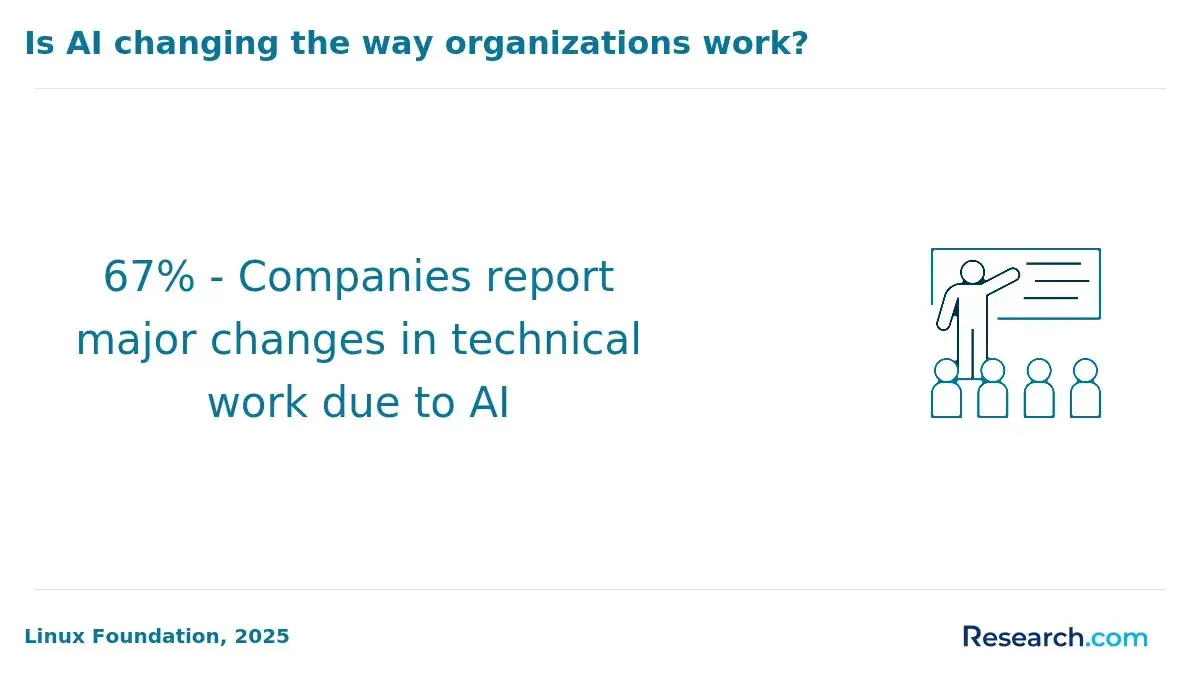
- AI adoption courses for healthcare project management emphasize integrating AI tools to improve patient outcomes, with 67% of healthcare organizations reporting enhanced efficiency after staff training.
- Programs focus on data ethics, regulatory compliance, and AI-driven decision-making critical for managing healthcare projects amid evolving legal standards in 2025.
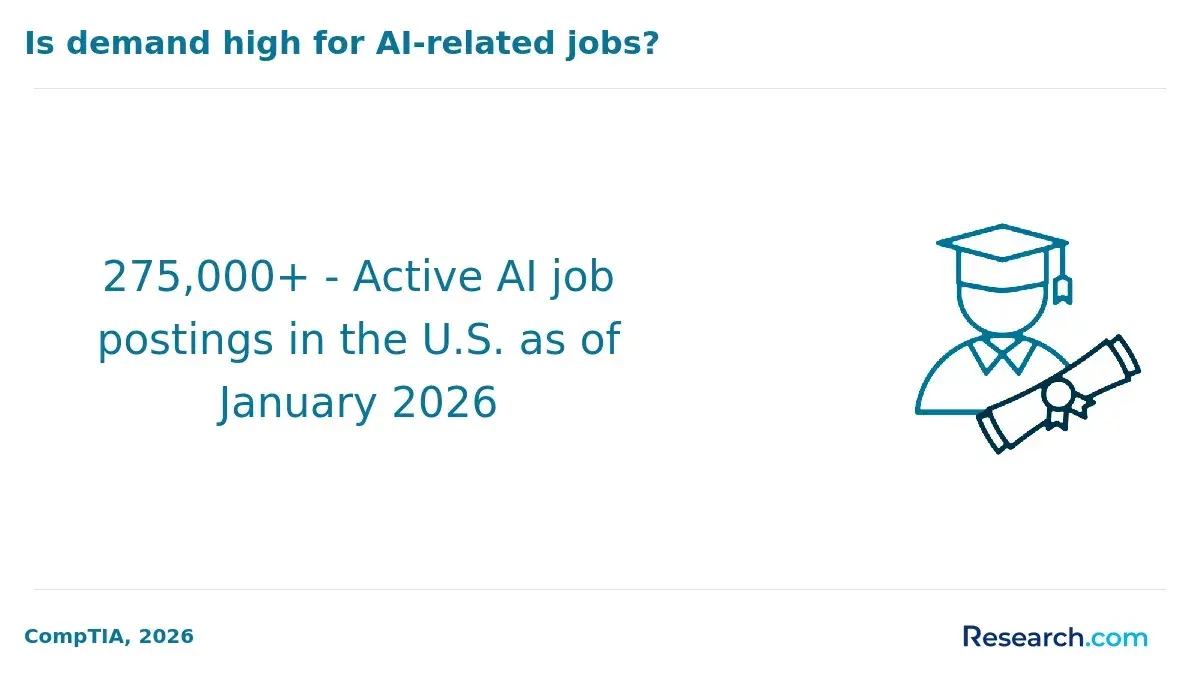
- Demand for AI skills in healthcare project management rose 45% in 2025, reflecting industry growth and the need for professionals versed in both clinical workflows and AI technologies.
Advance Your Career with AI Online Courses
Artificial Intelligence: Implications for Business Strategy
This program provides an introduction to Artificial Intelligence and their implications for business strategy. Earn an official digital certificate.

Oxford Artificial Intelligence Programme
Explore this Oxford Artificial Intelligence programme offered in a flexible learning environment and explore topics like machine learning, automation, and robotics.

Implementing Agentic AI: Building Your Organizational Playbook
This online MIT Agentic AI course offers a practical approach to deploying AI agents in your organization, including a custom playbook. 3 weeks, exclusive launch price.

AI Adoption: Driving Business Value and Impact
This online MIT AI Adoption: Driving Business Value and Impact offers practical frameworks to close the gap between AI potential and business reality.

Artificial Intelligence in Pharma and Biotech
Discover the applications and limitations of artificial intelligence in pharma and biotech with this MIT online short course.

What are AI adoption courses for healthcare project management teams and who should take them?
AI adoption training programs for healthcare project managers focus on equipping professionals with skills to integrate AI technologies into healthcare projects effectively. These healthcare project management courses with artificial intelligence integration cover fundamentals such as data analytics, workflow automation, and ethical issues unique to healthcare settings.
Participants learn to manage AI-driven initiatives like predictive patient care analytics, resource optimization through machine learning, and compliance enhancement via automated monitoring.
These courses are designed for project managers, team leaders, and coordinators handling technology-driven healthcare projects. They also benefit healthcare IT specialists collaborating with project teams to align technical and managerial goals. With 69% of organizations already using AI in project management and project managers with AI expertise earning 20-30% higher salaries, developing these skills offers a clear competitive edge.
Beginners should seek courses emphasizing healthcare applications and regulatory compliance, while experienced managers might pursue advanced training in AI model validation, risk management, and interpreting AI insights. Formats range from brief workshops on specific tools to comprehensive certifications integrating AI, project management, and healthcare policy.
Those interested in advancing their career through AI can explore opportunities after earning an AI degree to expand their expertise in this growing field. Ultimately, this training prepares healthcare project management teams to navigate technical, ethical, and operational challenges, ensuring projects meet clinical, financial, and regulatory standards while improving patient outcomes.
Advance Your Career with AI Online Courses
Artificial Intelligence: Implications for Business Strategy
This program provides an introduction to Artificial Intelligence and their implications for business strategy. Earn an official digital certificate.
Oxford Artificial Intelligence Programme
Explore this Oxford Artificial Intelligence programme offered in a flexible learning environment and explore topics like machine learning, automation, and robotics.
Implementing Agentic AI: Building Your Organizational Playbook
This online MIT Agentic AI course offers a practical approach to deploying AI agents in your organization, including a custom playbook. 3 weeks, exclusive launch price.
How can AI training improve outcomes for healthcare project management and patient care?
AI-driven healthcare project management strategies significantly enhance the efficiency and effectiveness of healthcare initiatives. Professionals trained in AI can analyze extensive data sets, streamline workflows, and improve project coordination involving complex technology integration and regulatory compliance.
These skills empower managers to use AI-powered tools for precise scheduling, risk assessment, and performance tracking, reducing delays and fostering better communication among teams.
Improving patient care with AI training allows healthcare managers to implement personalized treatment plans and early risk detection systems. Predictive analytics identify high-risk populations and flag potential adverse drug interactions, enabling proactive adjustments in care.
AI literacy also supports the integration of machine learning models for diagnostic assistance, enhancing clinical decision-making and minimizing errors.
Healthcare project managers skilled in AI are equipped to tackle challenges related to data security, electronic health record interoperability, and ethical concerns surrounding automation. A deep understanding of AI algorithms' limitations and biases ensures responsible use and ongoing improvement of AI applications in healthcare.
- Improved project efficiency through real-time data analysis and automated reporting.
- Enhanced patient outcomes via precision medicine and predictive care models.
- Stronger compliance with healthcare regulations using AI-driven monitoring tools.
- Reduction of operational costs by automating administrative tasks and optimizing supply chains.
Market demand for professionals combining AI and healthcare expertise is rapidly increasing. The World Economic Forum forecasts a 30% growth in roles requiring AI and data literacy in health by 2027, highlighting the value of such skills. For those considering further education, exploring options like the cheapest online industrial engineering degree may provide an accessible path to developing these competencies.
What types of AI adoption programs are available for healthcare project managers online and on campus?
Healthcare project managers interested in AI adoption courses for healthcare project managers online can choose from certificate programs, professional development workshops, and graduate degrees. Certificate programs typically cover AI integration in healthcare workflows, data analytics, and ethical concerns, often including practical modules on leveraging AI tools for project planning and execution in clinical and administrative settings.
Professional development workshops concentrate on skills such as AI-driven risk assessment, predictive modeling, and change management. These short sessions help managers gain applied knowledge quickly and address urgent organizational needs. Many universities and professional organizations offer hybrid formats that blend in-person labs with virtual instruction to optimize learning.
On campus AI programs for healthcare project management teams often include master's degrees in healthcare informatics or health systems management with an AI specialization. These comprehensive programs emphasize strategic AI implementation, governance, and compliance, preparing managers to lead system-wide AI adoption and large-scale initiatives.
Demand for AI training is backed by data from an Accenture analysis showing operational efficiency improvements up to 30% and cost reductions between 15-20% in health systems using AI extensively. For those also considering expanding their technical skills, an online game design degree offers a pathway into related tech fields.
What should you look for in an accredited AI adoption course for healthcare professionals?
Accredited AI adoption courses for healthcare teams in the US should provide comprehensive coverage of AI implementation tailored to healthcare settings. Essential curriculum components include data privacy, clinical workflow integration, and regulatory compliance.
Practical training in healthcare project management training with artificial intelligence integration is crucial, especially in aligning AI solutions with patient outcomes and organizational goals. Risk management strategies to identify and mitigate AI failures or biases must also be emphasized.
Ethics and governance training is vital. A HIMSS survey revealed that 76% of healthcare organizations cited "lack of internal governance and responsible AI training" as a top barrier to scaling AI initiatives. Leading programs teach how to establish AI governance frameworks and ethical guidelines that ensure patient safety and industry compliance.
Look for programs offering real-world case studies where learners address diagnostic support or patient monitoring challenges. Interdisciplinary content combining clinical expertise with AI technology management enhances practical value.
Verify accreditation by recognized healthcare or educational bodies to ensure quality standards. Courses that provide collaboration opportunities with healthcare institutions or vendors add an extra layer of experience.
Technological literacy is necessary, covering AI tools like natural language processing and predictive analytics relevant to project management. Competency validation through projects or exams enables professionals to confidently lead AI adoption aligned with care goals.
For those interested in broader quantitative skills, consider exploring data analysis programs that complement healthcare AI initiatives.
What core skills and topics do AI adoption curricula for healthcare project management usually cover?
AI adoption curricula for healthcare project management emphasize core skills that enable successful implementation of AI-driven projects. Key methodologies such as Agile, Lean, and Six Sigma are essential for managing the complexities of healthcare AI, including multidisciplinary teams and strict compliance requirements.
Technical knowledge is crucial, covering machine learning basics, data analytics, natural language processing, and AI model validation techniques. This expertise helps project managers collaborate effectively with data scientists and clinicians to align AI tools with clinical and operational goals.
Compliance with regulations like HIPAA, along with ethical considerations such as bias mitigation and transparency, form a vital part of training. Managers learn how to protect patient data privacy while navigating healthcare's legal landscape.
Change management strategies and stakeholder engagement are taught to overcome resistance and ensure smooth adoption of AI tools. Risk assessment practices address challenges like system failures or unintended clinical consequences.
Healthcare data management, focusing on interoperability standards and data governance, supports seamless integration between electronic health records and AI platforms.
According to Techademy's 2025 guide on AI project management, professionals with AI project management certifications can expect a 25-30% salary increase within a year, highlighting the career benefits of this specialized training.
What are the typical admission requirements and prerequisites for these AI adoption programs?
Admission requirements for AI adoption courses in healthcare project management typically include a bachelor's degree in healthcare administration, IT, nursing, or related fields. Programs often prefer applicants with 2-5 years of experience in healthcare or project management to ensure familiarity with healthcare workflows-critical for applying AI effectively.
Prerequisites may involve foundational skills in data analytics, basic programming, or digital health technologies. Some programs require completion of introductory machine learning or statistics courses, while others offer bridge modules for those lacking a technical background.
Applicants usually submit a resume, personal statement, and letters of recommendation demonstrating readiness for interdisciplinary training. Although GRE scores are less common now, competitive programs might still request them. Part-time and executive tracks often accept candidates without formal healthcare degrees but expect proven leadership or project management achievements.
The 2024 HIMSS AI in Healthcare report highlights that 58% of health systems plan to increase budgets for AI-related workforce training in 2024-2025, marking it as the fastest-growing digital transformation spend. This trend favors candidates who show a commitment to integrating AI tools through prior projects or continuing education.
Core admission criteria emphasize a solid academic foundation, relevant healthcare experience, and technical literacy as essential for success in AI healthcare programs.
How long do AI adoption courses for healthcare project teams take and what do they cost?
AI adoption courses for healthcare project management teams typically range from 4 weeks to 6 months, depending on the program's depth and format. Short bootcamps or certificate programs often last 4 to 8 weeks with part-time schedules, suitable for working professionals. More comprehensive courses, including hands-on projects, case studies, and strategy development, can extend up to 6 months.
For instance, Harvard Medical School offers an 8-week program titled "AI in Health Care: From Strategies to Implementation," designed for healthcare professionals focused on practical AI application.
Costs vary widely based on program prestige, duration, and delivery method:
- Online certificate programs typically range from $1,000 to $5,000.
- Longer executive education or university-affiliated certificates may cost between $7,000 and $15,000, reflecting faculty expertise and resource access.
- In-person programs often carry higher fees due to networking and personalized instruction.
Free or low-cost general AI courses exist but usually lack healthcare-specific content essential for project teams operating in clinical environments. Data from Harvard Medical School shows over 70% of participants already had some AI training, highlighting the value of specialized healthcare AI programs.
When selecting a course, consider your team's current AI literacy, project timelines, and budget. Focus on programs delivering applied healthcare AI knowledge aligned with regulatory, ethical, and clinical workflows unique to healthcare project management.
What healthcare jobs and leadership roles can AI adoption training in project management prepare you for?
AI adoption training in healthcare project management prepares professionals for diverse roles blending clinical expertise, technology, and leadership. Key positions include healthcare project managers overseeing AI integration in hospital systems, clinical informaticists managing data workflows, and IT project coordinators focusing on healthcare solutions.
Leadership roles such as AI program directors and chief innovation officers require mastery of project management principles tailored to AI systems.
Such training enables professionals to handle challenges like coordinating multidisciplinary teams, managing regulatory compliance, and ensuring smooth AI deployment in clinical workflows. For example, healthcare project managers trained in AI bridge communication between data scientists and clinical staff, aligning AI tools with patient care needs. Clinical leaders use AI adoption skills to assess algorithm impacts on treatment protocols and patient outcomes.
Cross-functional roles combining AI literacy with clinical and IT skills are increasingly vital. According to a 2024 McKinsey report on healthcare AI maturity, organizations investing in cross-functional AI training (clinical, IT, and project management) were 2.5 times more likely to advance AI pilots into scaled deployment than those training only technical teams.
Positions benefiting from AI adoption training include AI implementation specialists, healthcare transformation project leads, and innovation managers focused on digital health. Mid-level managers responsible for resource allocation and risk mitigation also gain from this training, supporting faster, effective AI integration in healthcare systems.
What salary ranges and career advancement opportunities exist for healthcare project managers with AI skills?
Healthcare project managers who possess AI skills typically earn between $90,000 and $140,000 annually, influenced by factors like experience, location, and company size. Entry-level salaries start around $75,000, while senior roles, especially those overseeing AI integration or strategic AI implementation, can surpass $160,000. Expertise in generative AI applications for healthcare improves workflow efficiency, making these professionals highly valuable.
Career growth often involves shifting from operational project management to strategic leadership positions. According to PMI's 2024 "AI in Project Management" report, AI could impact up to 80% of project management tasks by 2030, increasing emphasis on stakeholder communication, decision-making, and innovation oversight. Those skilled in AI tools are better positioned to advance to roles like AI Program Manager, Digital Transformation Lead, or Chief Innovation Officer.
- Project Manager to AI Integration Lead, managing teams implementing AI solutions.
- Senior Project Manager focusing on data analytics and predictive modeling.
- Consultant advising healthcare organizations on AI adoption and best practices.
These positions require a combination of healthcare expertise and strong AI literacy, often coupled with knowledge of data privacy and ethics. Employers prioritize professionals who can align clinical needs with AI capabilities, accelerating advancement opportunities in large healthcare systems, biotech companies, and government agencies.
Are there industry-recognized certifications or standards for AI adoption in healthcare project management?
Certifications and standards for AI adoption in healthcare project management are evolving but still limited. Most key certifications emphasize foundational AI and project management skills rather than healthcare-specific AI frameworks. The Project Management Institute (PMI) offers the PMI Agile Certified Practitioner (PMI-ACP) and AI-focused courses that provide adaptable frameworks for healthcare settings.
Healthcare-specific credentials, like the Certified Professional in Healthcare Information and Management Systems (CPHIMS), include AI and data analytics modules, though they do not yet focus exclusively on AI adoption.
Standards from organizations such as the Healthcare Information and Management Systems Society (HIMSS) and the American Medical Informatics Association (AMIA) establish best practices for ethical AI use, risk management, compliance, and interoperability. These are crucial for project managers integrating AI technologies in healthcare environments.
Cost is an important factor when upskilling project teams. According to 2025 pricing data compiled by Techademy, entry-level AI project management courses start around $149 per learner, significantly lower than the $1,000-$2,500 range typical of technical AI bootcamps. These affordable courses cover essential skills like budgeting, stakeholder communication, and regulatory considerations necessary for AI project success.
Prospective students should assess certifications on focus, depth, and relevance to healthcare projects. Combining general AI project management credentials with healthcare IT certifications and adherence to established industry standards offers comprehensive preparation for managing AI adoption effectively while meeting regulatory requirements.
Other Things You Should Know About Artificial Intelligence
Healthcare project management teams often encounter challenges such as data privacy concerns, the complexity of integrating AI systems with existing healthcare infrastructure, and the need for staff training. Regulatory compliance and ethical considerations around AI decision-making also require careful management. These factors can slow adoption and require multidisciplinary collaboration to address effectively.
Artificial intelligence enhances decision-making by providing data-driven insights, predictive analytics, and automation of routine tasks. This allows project managers to identify risks, allocate resources efficiently, and optimize workflows. AI tools can improve accuracy and speed in assessing project outcomes, leading to better strategic decisions.
Change management is critical when integrating AI, as it addresses staff adaptation, shifts in workflow, and potential resistance. Effective communication, training, and stakeholder engagement help ensure successful AI adoption. Managing expectations and providing ongoing support reduce disruptions and improve acceptance across the healthcare organization.
References
- Certified AI Foundations for Healthcare Professionals: 7 Powerful Reasons to Enroll Today https://thecasehq.com/courses/certified-ai-foundations-for-healthcare-professionals/
- Cost of Implementing AI in Healthcare: Real Costs & Financial Impact | Orangesoft https://orangesoft.co/blog/the-real-cost-of-implementing-ai-in-healthcare
- AI Project Management Skills & AI Leadership Guide https://www.tsa-bildung.de/en/blog/ai-project-management-skills-ai-leadership-guide
- Top 10 Considerations for Successful AI Adoption https://aretiiles.com/2025/01/01/top-10-considerations-for-successful-ai-adoption/
- AI Project Management Jobs: Career Guide 2025 https://www.techademy.com/ai-project-management-jobs
- Adopting AI that serves the needs and values of universities https://www.eua.eu/publications/reports/adopting-ai-that-serves-the-needs-and-values-of-universities.html
- Top 10 AI Courses for Clinicians https://litfl.com/top-artificial-intelligence-courses-for-doctors/
- The Healthcare AI Adoption Index https://www.bvp.com/atlas/the-healthcare-ai-adoption-index
- EU Launches “Apply AI” Strategy to Accelerate AI Adoption - Pearl Cohen https://www.pearlcohen.com/eu-launches-apply-ai-strategy-to-accelerate-ai-adoption/
- How to Use AI for Project Management: A Complete Guide https://www.atlassian.com/work-management/project-management/ai-project-management