2027 Best AI Courses for Engineering Managers Using Generative AI

Co-Founder and Chief Data Scientist
Engineering managers face growing pressure to integrate generative AI into projects without a technical background in the field. This gap often leads to misaligned strategies, inefficient teams, and missed innovation opportunities. Bridging this divide requires targeted education that balances managerial skills with practical AI knowledge.
Accessible, flexible learning options are essential for professionals who need to upskill while maintaining their current roles. This article analyzes top AI courses designed specifically to equip engineering managers with the necessary understanding of generative AI technologies and applications. It aims to guide readers toward programs that enable effective leadership in AI-driven environments.
Key Things You Should Know
- Engineering managers using generative AI can access courses focused on integrating AI tools into workflow, with 65% of top programs updated for 2025 to cover the latest model architectures and deployment strategies.
- These courses emphasize leadership in AI-driven project management, including data ethics and scalability, addressing a growing demand for professionals overseeing AI teams, which is expected to grow 23% by 2026.
- Accessible formats include hybrid and online learning, enabling working professionals to balance upskilling with job duties, with certificate programs showing a 40% increase in enrollment from 2024 to 2025.
Advance Your Career with AI Online Courses
Artificial Intelligence: Implications for Business Strategy
This program provides an introduction to Artificial Intelligence and their implications for business strategy. Earn an official digital certificate.

Oxford Artificial Intelligence Programme
Explore this Oxford Artificial Intelligence programme offered in a flexible learning environment and explore topics like machine learning, automation, and robotics.

Implementing Agentic AI: Building Your Organizational Playbook
This online MIT Agentic AI course offers a practical approach to deploying AI agents in your organization, including a custom playbook. 3 weeks, exclusive launch price.

AI Adoption: Driving Business Value and Impact
This online MIT AI Adoption: Driving Business Value and Impact offers practical frameworks to close the gap between AI potential and business reality.

Artificial Intelligence in Pharma and Biotech
Discover the applications and limitations of artificial intelligence in pharma and biotech with this MIT online short course.

What is generative AI for engineering managers, and why does it matter for your career?
Generative AI models create content such as code, text, or designs based on input data, revolutionizing engineering management by automating routine coding, speeding prototyping, and enhancing decision-making through intelligent data synthesis.
Rapid adoption across industries highlights its importance, with a 2024 McKinsey survey showing 65% of organizations regularly use generative AI in at least one business function, up from 33% the previous year. This shift underscores the career benefits of generative AI in engineering management, where mastering these technologies becomes increasingly vital.
Key generative AI applications for engineering managers include:
- Automating code generation to accelerate development and reduce errors
- Creating design alternatives for complex system architectures
- Enhancing predictive maintenance via AI-driven operational data analysis
- Optimizing resource allocation through AI forecasts of project bottlenecks
Managers lacking generative AI proficiency risk falling behind as AI-augmented teams excel. Developing skills in AI integration, critical evaluation of outputs, and strategic alignment is essential to lead effectively. Furthermore, navigating AI's ethical use and workflow changes demands focused learning.
For those considering upskilling, a one year computer science degree can provide a concentrated pathway to mastering these competencies and staying competitive in evolving engineering roles.
Advance Your Career with AI Online Courses
Artificial Intelligence: Implications for Business Strategy
This program provides an introduction to Artificial Intelligence and their implications for business strategy. Earn an official digital certificate.
Oxford Artificial Intelligence Programme
Explore this Oxford Artificial Intelligence programme offered in a flexible learning environment and explore topics like machine learning, automation, and robotics.
Implementing Agentic AI: Building Your Organizational Playbook
This online MIT Agentic AI course offers a practical approach to deploying AI agents in your organization, including a custom playbook. 3 weeks, exclusive launch price.
What types of AI courses best help engineering managers lead generative AI initiatives?
Engineering managers involved in generative AI projects benefit most from AI leadership training for engineering managers that combines technical expertise with strategic oversight. Courses covering core algorithms like neural networks, transformers, and large language models provide the foundation to evaluate project feasibility and lead technical teams effectively. These programs often include data strategy, AI ethics, and risk management, enabling leaders to make informed decisions about governance and responsible AI use.
Generative AI project management courses tailored to leadership challenges cover iterative model training, bias mitigation, and collaboration across teams. Case studies on scaling AI solutions in production prepare managers to handle integration challenges and change management within organizations.
Hands-on components, such as managing AI workflows or MLOps pipelines, empower managers to analyze performance metrics and resolve bottlenecks. Communication skills are emphasized to bridge gaps between data scientists and stakeholders, translating AI capabilities into clear business value.
According to PwC's 2024 Global CEO Survey, 77% of CEOs see workforce upskilling in AI and related technologies driving measurable productivity gains within 12-18 months. Targeted upskilling allows managers to:
- Guide AI development aligned with strategic objectives
- Mitigate ethical and operational risks proactively
- Manage teams through complex AI implementation phases
- Communicate AI impacts clearly to non-technical stakeholders
- Drive measurable business outcomes faster
For professionals seeking to advance in technology-related fields, combining such AI leadership training with a foundational credential, like a mechanical engineering degree, can provide a strong technical base alongside emerging AI skills.
How do you choose reputable AI courses for engineering managers using generative AI?
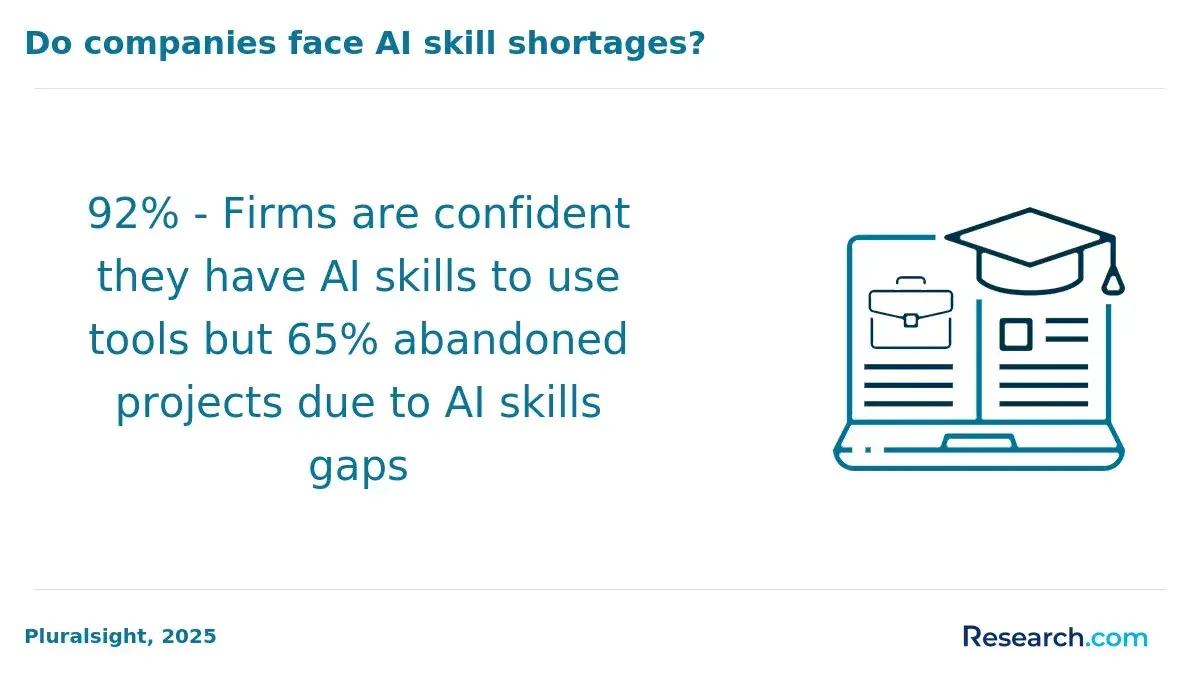
Choosing the best generative AI courses for engineering managers involves assessing curriculum relevance, instructor expertise, and hands-on applicability. Many programs now emphasize AI literacy specifically for non-technical leaders, addressing a critical gap identified by 64% of CIOs and technology leaders. Essential topics include integrating generative AI within engineering workflows, decision-making using AI outputs, and assessing risks tied to AI deployments.
Top AI training programs for engineering leadership often feature instructors with proven experience in both AI and engineering leadership roles. For example, courses taught by senior AI product managers who have led generative AI implementations in large teams provide valuable, actionable insights. Look for offerings that include case studies or projects showcasing real-world AI management scenarios.
Programs that combine theoretical knowledge with interactive labs or simulation environments offer valuable practical experience. Regular updates to reflect the rapid evolution of generative AI tools and models are also important. Accreditation by recognized institutions or endorsements from respected industry organizations can further validate a course's quality.
Peer reviews and testimonials from engineering managers who have completed a program reveal its effectiveness in enhancing managerial skills. For those seeking related education in technology fields, an online game development degree might also be worth exploring, reflecting the growing intersection between software engineering and AI-driven innovation.
What should the curriculum of an AI course for engineering managers include?
An AI course curriculum for engineering managers should cover core technical concepts such as machine learning algorithms, model training, and data preprocessing to enable clear communication with technical teams and effective project evaluation. Including generative AI training for engineering leadership, courses often explore models like GPT and diffusion networks, helping managers utilize these technologies in engineering projects.
Leadership skills geared toward AI project management are vital. Key subjects include identifying high-impact AI use cases, resource allocation, risk management, and ethical concerns such as bias and transparency. Engineering managers must learn to integrate AI into workflows while coordinating cross-functional teams and aligning initiatives with business goals.
Practical learning through case studies, simulations, or capstone projects enhances the ability to translate theory into impactful execution. A Coursera survey revealed that engineering managers completing structured AI courses are 42% more likely to lead AI projects to production compared to those who learned informally.
Additional curriculum topics often include data strategy, model evaluation metrics, and AI lifecycle management to support continuous improvement and scaling. Training on collaboration with data scientists, ethics, and regulatory compliance prepares managers for real-world AI adoption challenges.
For those veterans seeking advanced technical education, an online electrical engineering degree for military veterans can complement AI leadership training by strengthening foundational skills and broadening career options.
How do online, hybrid, and on-campus AI programs compare for busy engineering leaders?
When selecting between online, hybrid, and on-campus AI programs, engineering leaders must weigh factors like schedule flexibility, engagement depth, and networking opportunities. Online formats offer maximum convenience through asynchronous learning, ideal for busy managers seeking foundational knowledge without interrupting work. This aligns with a notable 160% increase in enrollments in courses like "AI for business and non-technical professionals," reflecting growing demand for accessible learning.
Hybrid programs combine online lectures with in-person sessions, balancing flexibility with collaborative and hands-on experiences. This approach suits managers who want to deepen understanding of generative AI tools via workshops or labs while maintaining a manageable schedule. Hybrid models support experiential learning, which is crucial for leading teams integrating AI systems.
On-campus options provide immersive, rigorous training and extensive peer interaction but demand substantial time commitments. They offer live expert guidance and access to university resources, accelerating technical mastery, though such intensity may challenge leaders with demanding roles and travel.
Ultimately, the best choice depends on each leader's availability and goals. Busy professionals favoring quick, practical application often select online courses, whereas those pursuing advanced skills invest in hybrid or on-campus formats despite potential scheduling obstacles.
What admission requirements and prior experience do AI programs for engineering managers expect?
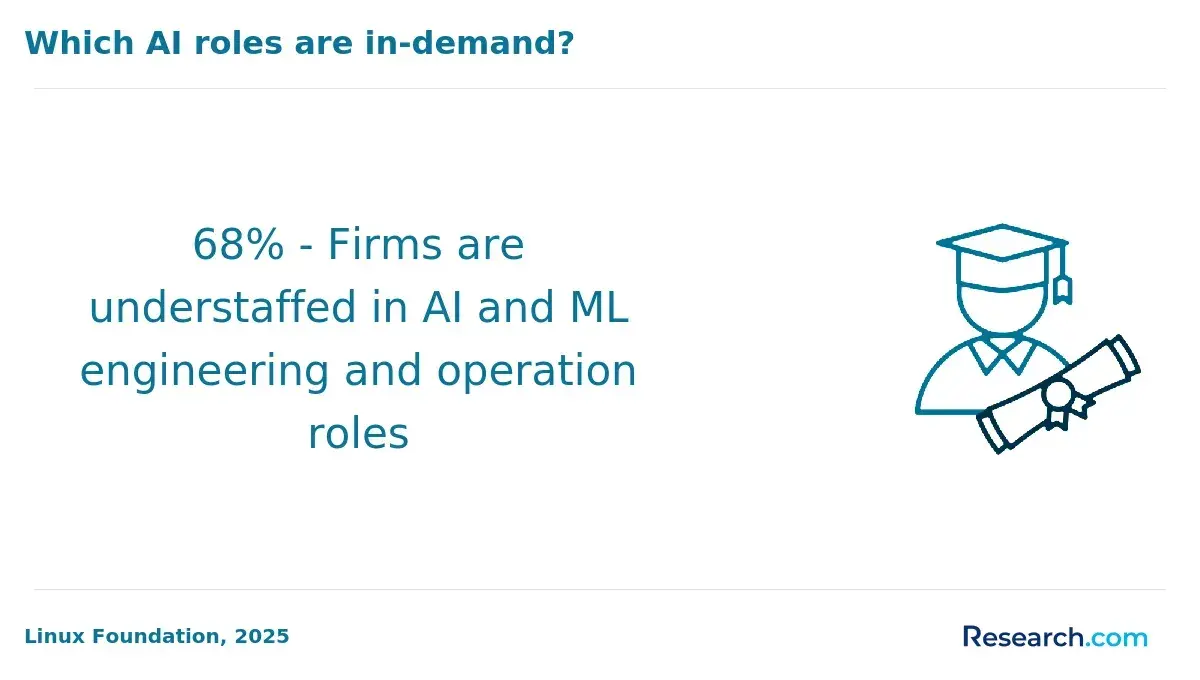
AI programs for engineering managers typically require a strong combination of technical skills, managerial experience, and foundational knowledge in artificial intelligence or related STEM fields. Most applicants hold at least a bachelor's degree in engineering, computer science, or a close discipline, with prior experience in software development, machine learning, or data science often required. Programs tailored for working professionals also look for leadership experience managing engineering teams or AI-related projects.
Essential skills commonly include proficiency in programming languages like Python, familiarity with machine learning frameworks, and understanding of model deployment. Some courses expect prerequisite knowledge such as neural networks, natural language processing, or cloud computing. Candidates may need to demonstrate completion of introductory AI or data science courses or hold relevant certifications.
The increasing demand for generative AI expertise is reflected in the 2024 GitHub Octoverse report, which shows a 148% rise in repositories tagged with "LLM" and "agents." This growth has influenced admissions criteria, placing emphasis on applied skills like prompt engineering, transformer architectures, and agent-based systems.
Standardized test scores are rarely required for professional AI programs but might be requested for degree programs. Recommendations that verify technical and leadership abilities, along with portfolios of AI projects or contributions to open-source repositories, significantly strengthen applications.
How long do AI courses for engineering managers take, and what do they cost?
AI courses for engineering managers vary widely, from brief focused sessions lasting 8 to 40 hours to comprehensive certification programs requiring 3 to 6 months of study. Condensed workshops provide foundational knowledge on generative AI and leadership strategies.
More extensive certifications, such as Microsoft Azure AI Engineer, AWS Machine Learning Specialty, and Google Cloud AI Professional, involve hands-on labs and exam preparation. These vendor-specific certifications are valuable for managers needing official recognition.
Costs depend on course depth and provider: entry-level workshops or online offerings generally range from $200 to $1,000, while vendor certifications and professional bootcamps often cost between $1,500 and $4,000. Employers may subsidize certification expenses due to their direct impact on team productivity and project success.
Research shows cloud AI certifications correlate with salary increases of 8-12%, highlighting the career advantage of investing in recognized programs. When selecting courses, managers should consider current AI knowledge, available study time, and career objectives.
Those moving into AI leadership roles might prefer multi-month certification tracks, while those seeking quick upskilling may opt for intensive workshops scheduled within a workweek.
Investment in quality AI education backed by recognized certifications enhances both practical management capabilities and career growth in AI-driven environments.
Which universities and platforms offer accredited or industry-recognized generative AI programs?
Top universities such as Massachusetts Institute of Technology (MIT), Stanford University, and Carnegie Mellon University offer graduate-level certificates and microcredentials blending AI expertise with management skills. For instance, MIT's Professional Certificate in Machine Learning & Artificial Intelligence focuses on practical applications for executives and technical leaders, while Stanford's AI Graduate Certificate caters to professionals aiming for academic rigor and industry relevance.
Online platforms like edX and Coursera collaborate with these institutions to provide flexible programs accessible to working managers. Examples include the University of Washington's AI for Business Strategy and the University of Texas at Austin's AI in Practice. Many of these credentials are accredited or carry industry recognition highly valued by employers.
A 2024 edX/2U survey revealed that 74% of professionals completing university-backed AI microcredentials experienced positive career changes such as promotions, role shifts, or salary increases within a year. For managers leading AI efforts, programs combining hands-on generative AI projects, ethical case studies, and leadership frameworks are crucial.
Before enrolling, verify that the credential is formally recognized and supported by career services. Professional organizations and AI-focused bootcamps affiliated with accredited universities also provide valuable supplementary development. Ensuring accreditation and career support can maximize return on investment for engineering managers.
What roles, promotions, and leadership paths can AI-trained engineering managers pursue?
AI-trained engineering managers have several career advancement opportunities that leverage their expertise in generative AI and related technologies. Common paths include becoming a director of engineering, overseeing multiple teams focused on integrating AI-driven solutions, or moving into product roles as AI product managers, who shape the vision and execution of AI-enhanced products while bridging technical and business teams.
Leadership roles can evolve further to positions like VP of engineering or chief technology officer (CTO), where professionals drive strategic AI adoption, ethics, and innovation across organizations. Others may specialize as AI architects or machine learning engineering leads, designing scalable generative AI systems.
AI-savvy managers often transition into cross-functional positions such as data science leadership, AI strategy consulting, or innovation leadership in industries like healthcare, finance, and autonomous systems. These roles focus on translating AI capabilities into business value.
Fast-track reskilling through bootcamps and MOOCs supports accelerated promotions, reflecting the 32% growth in enrollments for short-form tech and AI programs noted in HolonIQ's global edtech market analysis. Enhancing technical skills with leadership in AI ethics, project management, and stakeholder communication prepares managers for complex responsibilities in AI governance and operational scaling.
What salaries and job outlook can engineering managers expect after upskilling in generative AI?
Engineering managers with skills in generative AI enjoy significantly higher salaries and expanded career opportunities. In the United States, average salaries range from $140,000 to $180,000 annually, with senior roles at leading tech companies surpassing $200,000. Demand for AI-savvy leaders is growing rapidly, estimated at 25% per year through 2030, driven by sectors like software development, autonomous vehicles, healthcare technology, and finance.
Key skills for advancement include designing AI-powered systems, managing AI ethics and governance, and leading teams through AI adoption. Organizations value managers who understand AI algorithms and can develop learning roadmaps to upskill their teams.
IBM's Global AI Adoption Index reports that 59% of high-performing companies have formal AI skills roadmaps for technical leaders, compared to just 23% among lower performers, demonstrating a strategic advantage for AI expertise.
Practical certifications and courses focusing on generative AI applications, innovation leadership, and organizational change enhance job prospects and compensation. Engineering managers can unlock broader leadership roles linking technical teams with executives by mastering these competencies.
Other Things You Should Know About Artificial Intelligence
In 2027, top courses for engineering managers focusing on generative AI include MIT's "Generative AI for Leaders," Stanford's "AI Management Program," and Udacity's "AI for Business Leaders." These courses cover AI integration strategies, ethical considerations, and practical applications.
Engineering managers often encounter challenges like data quality issues, the complexity of AI model selection, and resistance from teams unfamiliar with AI technologies. Additionally, balancing AI innovation with existing workflows and managing expectations around AI capabilities requires clear communication and strategic planning. Overcoming these challenges is critical for successful AI integration.
Staying current requires continuous learning through reputable courses, attending industry conferences, and engaging with AI research publications. Networking with AI experts and participating in professional communities also supports knowledge growth. This proactive approach enables managers to lead with informed strategies that leverage the latest AI developments.
In addition to technical expertise, engineering managers benefit from strong skills in project management, cross-functional communication, and strategic thinking. Leadership abilities that foster collaboration between AI specialists and other stakeholders are essential. These complementary skills help ensure that AI initiatives align with broader business goals.
References
- How I Use AI as an Engineering Manager https://mentorcruise.com/blog/how-i-use-ai-as-an-engineering-manager-8b46a/
- Prompt Engineering Careers 2026: Roles, Salaries, Skills https://futureagi.com/blog/agi-careers-prompt-engineering-opportunities/
- AI career pathways explained practical guide for engineers https://zenvanriel.com/ai-engineer-blog/ai-career-pathways-practical-guide-engineers-2026/
- Best Online AI MBA Courses https://www.upskillist.com/blog/best-online-ai-mba-courses/
- Generative AI Salary in India: Trends You Need to Know https://socialprachar.com/blog/generative-ai-salary-in-india-trends-you-need-to-know
- The Engineering Manager Path: A Full Career Pivot, Not a Promotion - Tahir Shahzad https://tahirshahzad.com/the-engineering-manager-path-a-full-career-pivot-not-a-promotion/
- Ultimate Guide: How to Choose the Right AI Training Course to Boost Your Career - ONLC https://www.onlc.com/blog/how-to-choose-ai-training-courses/
- Generative AI for Software Development https://www.deeplearning.ai/specializations/generative-ai-for-software-development
- Emerging Career Paths In AI: Roles And Skills - AI People Agency https://aipeople.agency/emerging-career-paths-in-ai/
- Top 10 AI certifications and courses for 2025 https://www.techtarget.com/whatis/feature/10-top-artificial-intelligence-certifications-and-courses