2027 Best AI Strategy Courses for Real Estate Content Marketing Teams

Co-Founder and Chief Data Scientist
Real estate content marketing teams face growing pressure to produce personalized, data-driven campaigns that capture audience attention and boost conversion rates. Traditional strategies often fall short in managing the volume and complexity of market data efficiently. Integrating artificial intelligence tools requires understanding AI strategies tailored to content marketing challenges unique to real estate.
Without proper training, teams risk misapplication or underutilization of these technologies, limiting growth potential. This article explores the best AI strategy courses designed to equip real estate content marketing professionals with practical skills, enabling them to leverage AI effectively for improved campaign performance and decision-making.
Key Things You Should Know
- Top AI strategy courses for real estate content marketing emphasize practical skills in machine learning tools, boosting marketing efficiency by up to 35% through targeted automated campaigns.
- Programs often feature case studies from real estate markets, illustrating the use of AI in property valuation, lead generation, and personalized advertising to increase ROI.
- By 2026, enrollment in AI-focused marketing courses has grown 40% in the U.S., reflecting rising demand for professionals fluent in AI-driven content strategies.
Advance Your Career with AI Online Courses
Artificial Intelligence: Implications for Business Strategy
This program provides an introduction to Artificial Intelligence and their implications for business strategy. Earn an official digital certificate.

Oxford Artificial Intelligence Programme
Explore this Oxford Artificial Intelligence programme offered in a flexible learning environment and explore topics like machine learning, automation, and robotics.

Implementing Agentic AI: Building Your Organizational Playbook
This online MIT Agentic AI course offers a practical approach to deploying AI agents in your organization, including a custom playbook. 3 weeks, exclusive launch price.

AI Adoption: Driving Business Value and Impact
This online MIT AI Adoption: Driving Business Value and Impact offers practical frameworks to close the gap between AI potential and business reality.

Artificial Intelligence in Pharma and Biotech
Discover the applications and limitations of artificial intelligence in pharma and biotech with this MIT online short course.

What are AI strategy courses for real estate content marketing teams?
AI strategy courses tailored for real estate marketing teams equip professionals with targeted skills to integrate artificial intelligence tools into content marketing workflows. These programs emphasize practical training in automating property descriptions, social media advertising, and personalized email campaigns, driving effective content marketing using artificial intelligence tools in real estate. Students also learn to analyze data for market trends, optimize messaging, and align AI initiatives with business goals and KPIs.
With the real estate sector facing challenges in keeping up with technology, such courses address urgent needs by improving engagement rates, lead conversion, and operational efficiency. Key components include ethical evaluations and compliance with industry regulations alongside hands-on software experience.
Variations of these courses often cover specialized areas such as luxury real estate, commercial property, and rental markets to address diverse client behaviors. Marketing teams benefit from enhanced data-driven decision-making, scalability, and personalization through these focused educational pathways.
Those considering career or professional growth in this field should recognize that mastering such skills can significantly impact their roles and salaries. For context on career opportunities, explore the applied artificial intelligence salary landscape, which reflects growing demand and competitive compensation within tech-driven marketing positions.
Advance Your Career with AI Online Courses
Artificial Intelligence: Implications for Business Strategy
This program provides an introduction to Artificial Intelligence and their implications for business strategy. Earn an official digital certificate.
Oxford Artificial Intelligence Programme
Explore this Oxford Artificial Intelligence programme offered in a flexible learning environment and explore topics like machine learning, automation, and robotics.
Implementing Agentic AI: Building Your Organizational Playbook
This online MIT Agentic AI course offers a practical approach to deploying AI agents in your organization, including a custom playbook. 3 weeks, exclusive launch price.
Which skills do these courses teach real estate marketers?
Real estate marketers develop essential skills to integrate AI-powered content marketing strategies for real estate teams by mastering data analysis and interpretation. This enables them to leverage property trends, client behaviors, and engagement metrics to deliver precisely tailored campaigns. They learn to design and automate personalized content using natural language generation tools, improving efficiency and consistency across various platforms.
Training includes applying machine learning algorithms to segment audiences and predict optimal timing and formats for content delivery. Ethical use of AI in marketing is emphasized to ensure compliance with data privacy laws and to prevent bias in automated decisions. Additionally, marketers acquire expertise in AI-driven customer relationship management (CRM) systems, streamlining lead generation and follow-up processes.
Technical skills extend to using AI-powered image recognition for enhanced property listings and virtual staging, along with managing conversational AI like chatbots and voice assistants to maintain client engagement around the clock. These skills address challenges in scaling personalized outreach and handling extensive datasets in real estate marketing skills using artificial intelligence tools.
According to PwC's Global AI Deals and Investment Update, real estate firms increased AI-related tech spending by 34% year-over-year, reflecting significant demand. Predictive pricing models and localized content generation are key examples. Those interested in advancing their expertise can explore the best online master's in artificial intelligence to build a competitive edge.
How do online and in-person AI courses compare?
Online and in-person AI courses for real estate marketing teams differ mainly in flexibility, interaction, and hands-on experience. Online formats provide greater scheduling flexibility, allowing professionals to learn at their own pace, which suits teams spread across locations or with varied availability. In contrast, in-person courses foster immediate feedback and collaboration through direct interaction with instructors and peers, enriching understanding of complex AI applications.
The benefits of in-person and online Artificial Intelligence training also depend on course design. Online platforms often use up-to-date digital tools and interactive modules enabling learners to apply AI strategies to real estate data sets. Meanwhile, in-person sessions often feature workshops simulating marketing campaigns to refine AI-driven real estate content.
Decision-makers should consider learning styles and team needs. Beginners may find classroom settings better for stepwise guidance, while experienced teams might prefer advanced online courses offering quick access to AI software and analytics dashboards. Both formats support growing AI literacy, backed by data showing companies using generative AI in real estate marketing gained 15-25% growth in marketing-qualified leads and a 10-20% rise in digital campaign ROI.
Cost and networking vary: online courses generally cost less and scale easily, whereas in-person training offers stronger real estate sector connections. For professionals exploring advanced data skills, programs like the MS data science online are worth considering when balancing these factors.
What accreditation or provider credentials should you check?
Verifying accreditation is a crucial step when selecting an AI strategy course accreditation for real estate marketing teams. Ensure the program is accredited by respected bodies such as the Accreditation Council for Business Schools and Programs (ACBSP) or regional higher education authorities to guarantee a comprehensive and industry-standard curriculum.
Top provider credentials for AI content marketing courses include established educational institutions, professional associations, or companies with proven expertise in AI applications and real estate marketing. Courses led by instructors with verifiable experience in AI-driven content strategy and successful real estate campaigns carry more weight.
Look for courses that feature partnerships with industry leaders or certifications from reputable AI tool vendors, demonstrating practical value. Programs offering case studies or measurable participant outcomes indicate real-world effectiveness. Additionally, confirm that the content aligns with best practices in AI-enhanced content workflows, as marketers using generative AI can produce three times more content while spending 25% less time on tasks, according to the HubSpot State of Marketing report.
Transparency about curriculum updates to reflect evolving AI technology, data privacy, and ethical AI use is essential. Avoid outdated or unverified programs to maintain learning quality and career credibility. For those exploring broader technology education options, consider an affordable online computer science degree to complement AI strategy skills in marketing and real estate.
What curriculum topics are most useful for real estate marketing?
AI strategy in real estate marketing centers on video production, content personalization, and data analytics. Despite 41% of recent home buyers valuing video tours and neighborhood videos as very important, only 18% of agents consistently produce such content. This gap signals a pressing need for training in AI-assisted video creation tailored to real estate.
- AI-powered video marketing: automating video tours, virtual staging, and customized neighborhood highlights.
- Content personalization through machine learning: tailoring listings and marketing messages to buyer demographics and preferences.
- Natural language generation (NLG): creating engaging, SEO-optimized property descriptions and social media captions automatically.
- Predictive analytics: analyzing market trends and buyer behavior to design targeted ad campaigns and forecast demand. Integrating chatbots and conversational AI for real-time engagement and lead qualification.
- Social media automation: scheduling and optimizing posts with AI tools specialized in real estate platforms.
Practical exercises should include building AI-driven video walkthroughs using synthetic environments and developing segmented email campaigns based on buyer intent. Addressing ethical considerations and data privacy in AI marketing is crucial for sustainable practice. Mastery over these topics helps real estate marketing teams bridge production gaps, improve engagement, and increase lead conversion rates in a competitive market.
What are the admission requirements for AI strategy courses?
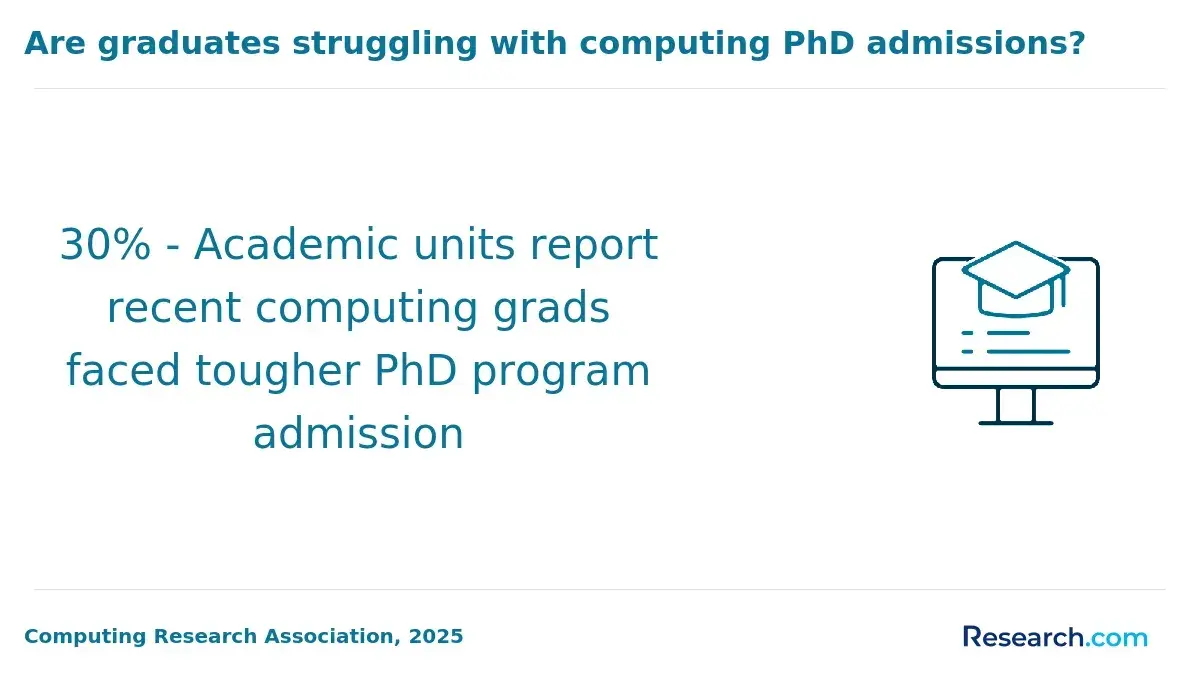
Admission requirements for AI strategy courses in real estate content marketing typically include foundational knowledge in marketing, data analytics, or technology. Many programs expect applicants to hold a bachelor's degree in business, marketing, computer science, or a related field. Those without degrees may qualify through relevant work experience. Strong computer literacy and familiarity with digital marketing tools are common prerequisites.
Some courses require prior experience in real estate or content creation to better contextualize AI applications. Advanced programs might mandate completion of introductory AI or SEO training modules, or submission of a portfolio showcasing content marketing skills or data projects. Standardized test scores and GPA requirements are less common but can apply in university certificates or graduate offerings. International students generally must demonstrate English proficiency through exams such as TOEFL or IELTS. Online courses usually have fewer formal barriers but expect readiness to engage with technical content.
Given AI-assisted SEO's proven impact on real estate content-Search Engine Journal reports a median 32% rise in organic traffic within 12 months-admissions focus on candidates able to leverage data-driven tools. Prospective students without a strong analytics background might boost eligibility by completing preparatory workshops in machine learning basics and real estate market dynamics. Applicants are advised to prepare academic credentials, technical skills, and portfolios to succeed in mastering AI strategies that enhance property marketing performance.
How long do AI strategy courses usually take?
AI strategy courses for real estate content marketing teams vary widely in duration, typically ranging from a few hours to several weeks. Short workshops or bootcamps lasting 4 to 12 hours are suitable for professionals seeking a quick grasp of AI applications like predictive analytics and automated content personalization. More comprehensive certificate programs extend from 4 to 12 weeks, offering in-depth training on integrating AI tools across marketing channels, data ethics, and performance measurement.
Course format significantly impacts the time commitment. Self-paced online options allow learners to progress in days or months, fitting diverse schedules. Instructor-led courses require regular weekly attendance over a set period, ensuring structured learning.
Real estate marketing teams focusing on AI-driven personalization can greatly improve campaign results. A 2024 benchmark report from Campaign Monitor highlights that campaigns using dynamic subject lines and tailored content achieved 41% higher open rates and 29% higher click-through rates.
To maximize training ROI, professionals should consider their team's experience and objectives:
- Beginners may benefit from longer foundational courses covering AI strategy and ethics.
- Experienced marketers often prefer shorter programs focusing on tool implementation and analytics.
What do AI strategy courses cost, and what affects pricing?
AI strategy courses for real estate content marketing teams vary widely in cost, typically ranging from free introductory options to over $3,000 for in-depth professional certifications. Factors affecting pricing include course depth, provider reputation, and included materials. For instance, short workshops may cost less than $200, while comprehensive programs with personalized coaching can exceed $2,500.
The delivery format also influences cost. Self-paced online courses generally have lower fees compared to live instructor-led or hybrid sessions. Corporate or group training packages often offer discounts but require a commitment upfront. Subscription models granting access to multiple courses appeal to teams focused on continuous skills growth.
Pricing reflects the content scope as well. Programs specializing in real estate marketing automation, content personalization, and AI-driven analytics command higher prices due to their focused expertise. Conversely, general AI literacy courses are more affordable but less tailored to marketing needs.
Deloitte's "State of AI in the Enterprise" survey highlights that organizations with structured AI training for marketing teams reduce repetitive tasks by 23% and cut external agency spend by 19%, helping justify upfront costs. Additional pricing factors include certification options, access duration, and technology platforms. Students should consider courses with real-world simulations and case studies, as these enhance learning but can increase costs.
Which jobs can real estate content marketers get after training?
Real estate content marketers skilled in AI strategy can explore various specialized roles, including AI content strategist, marketing data analyst, and digital campaign manager. Each position requires expertise in data interpretation, automation, and personalized content creation, leveraging AI tools to optimize targeting, lead generation, and engagement across digital platforms.
Key roles such as AI-driven market research analysts analyze large datasets to detect emerging trends and consumer preferences, enabling tailored messaging. Content optimization specialists employ AI algorithms to boost search engine rankings and automate scheduling, enhancing workflow efficiency.
Predictive analytics proficiency supports roles like customer insights manager, where AI-generated forecasts refine marketing strategies to maximize conversions. Additionally, natural language generation skills open opportunities as AI-enabled copywriters who create dynamic, personalized real estate content at scale.
The 2024 Urban Land Institute Emerging Trends in Real Estate report highlights that 68% of executives view a lack of in-house AI and data expertise as a barrier to digital strategy, underscoring demand for marketers blending real estate knowledge with advanced AI skills.
Career paths also include machine learning integration, predictive modeling, and automation system management within real estate marketing teams. Mastery of AI tools positions professionals to lead innovative campaigns and advance digital transformation initiatives in real estate.
How do you choose the best AI course for your team?
Choosing an AI course for your real estate content marketing team should align with your organization's strategic goals and skill gaps. Research from Accenture shows that firms with clear AI strategies grow revenue 50% faster over three years versus those running isolated pilots. This underscores the need for courses that cover enterprise-wide AI deployment, not just technical skills.
When evaluating courses, focus on:
- Content relevance, including marketing analytics, customer segmentation, and content automation tools tailored to real estate.
- Instructor expertise and practical application through case studies or projects in asset-heavy industries.
- Delivery format, such as self-paced online modules for flexible learning or cohort-based programs for collaboration.
- Certification value from recognized institutions to increase team credibility.
Hands-on experience is crucial. Look for workshops on AI-driven content creation platforms and predictive analytics that directly improve marketing outcomes. Courses addressing ethical AI use and data privacy in real estate marketing are increasingly important.
Lastly, consider course costs relative to your budget and prioritize those demonstrating measurable results or partnerships with industry leaders. Investing in formal AI education can significantly enhance your team's impact and support revenue growth.
Other Things You Should Know About Artificial Intelligence
Artificial intelligence enhances real estate content marketing by automating data analysis and customer segmentation. It allows marketing teams to generate personalized content based on buyer behavior and market trends, increasing engagement and conversion rates. Additionally, AI-powered tools streamline content creation through natural language generation and image recognition.
In 2027, the most overrated aspect of AI strategy courses is often the promise of fully automated content creation. While AI tools can streamline many tasks, achieving the nuanced understanding needed for effective storytelling typically still requires human input, especially in real estate marketing.
While AI tools can automate repetitive tasks and provide data-driven insights, they do not fully replace human creativity. AI excels at optimizing content distribution and analyzing performance, but human marketers remain essential for crafting unique brand narratives and emotional connections that resonate with audiences. Collaboration between AI and marketers produces the best outcomes.
Machine learning algorithms help identify customer preferences and predict market movements, which optimize targeting strategies. Natural language processing enables content creation and sentiment analysis to tailor messaging effectively. Additionally, computer vision supports virtual tours and property image analysis, enhancing the visual appeal of listings.
References
- In-Person vs. Online Training: What Does the Research Say? | Continu https://www.continu.com/blog/in-person-vs-online-training
- How to Choose the Right AI Course for Your Team https://www.pertamapartners.com/insights/how-to-choose-ai-course-for-team
- AI for Content Marketing 101 [Certification Course] https://learn.marketingacademy.ai/courses/AI-for-Content-Marketing-101
- The Business of AI: Strategies for Leaders- Online | London Business School https://www.london.edu/lbs-online/the-business-of-ai-strategies-for-leaders
- Skills That You Can Learn In The Real Estate Market - Le Maison Realtors https://lemaisonrealtors.com/skills-that-you-can-learn-in-the-real-estate-market/
- How long will the course take? https://www.elementsofai.com/faq/how-many-hours-will-the-course-take
- Best AI Solutions for Corporate Training in 2026 (Ranked) | Go1 https://www.go1.com/blog/best-ai-solutions
- AI pricing: how much does AI cost in 2025? | Future Processing https://www.future-processing.com/blog/ai-pricing-is-ai-expensive/
- AI Training for Marketing Teams: 2026 Guide | O8 https://www.o8.agency/blog/ai/ai-training-programs-for-marketing-teams
- AI for Marketers https://www.sectionai.com/courses/ai-for-marketers