2027 Best AI Strategy Courses for Investment Research Teams

Co-Founder and Chief Data Scientist
Investment research teams face growing pressure to integrate advanced technologies like artificial intelligence to enhance data analysis and forecasting accuracy. However, many professionals lack tailored educational resources that address the unique challenges of applying ai in financial contexts. This skills gap can delay strategic decision-making and reduce competitive advantage in markets driven by rapid innovation.
Identifying flexible, accredited courses that combine practical applications with foundational theory is essential for teams aiming to pivot effectively into this field. This article reviews top ai strategy courses designed specifically for investment research professionals, offering guidance to select the best paths for skill development and career advancement.
Key Things You Should Know
- Leading AI strategy courses in 2026 emphasize hands-on applications in investment research, reflecting a 35% growth in incorporating AI-driven analytics in asset management since 2024.
- Top programs integrate interdisciplinary curricula combining data science, finance, and ethical AI use, addressing regulatory challenges and bias mitigation critical for investment teams.
- On average, investment research teams completing advanced AI strategy training report a 20% improvement in forecasting accuracy and decision-making speed within one year.
Advance Your Career with AI Online Courses
Artificial Intelligence: Implications for Business Strategy
This program provides an introduction to Artificial Intelligence and their implications for business strategy. Earn an official digital certificate.

Oxford Artificial Intelligence Programme
Explore this Oxford Artificial Intelligence programme offered in a flexible learning environment and explore topics like machine learning, automation, and robotics.

Implementing Agentic AI: Building Your Organizational Playbook
This online MIT Agentic AI course offers a practical approach to deploying AI agents in your organization, including a custom playbook. 3 weeks, exclusive launch price.

AI Adoption: Driving Business Value and Impact
This online MIT AI Adoption: Driving Business Value and Impact offers practical frameworks to close the gap between AI potential and business reality.

Artificial Intelligence in Pharma and Biotech
Discover the applications and limitations of artificial intelligence in pharma and biotech with this MIT online short course.

What is an AI strategy course for investment research teams and who should take it?
An AI strategy course for investment research professionals equips teams with skills to integrate artificial intelligence technologies within investment processes. Key topics include data analysis automation, predictive modeling, natural language processing for market sentiment, and AI-enhanced risk management. Many programs incorporate practical exercises using AI platforms relevant to financial services.
The best practices in artificial intelligence for investment research teams focus not only on technical skills but also on strategic application. Quantitative analysts may develop AI-driven trading algorithms, while research directors address ethical implications and business alignment. Data scientists entering asset management gain insights into industry-specific challenges, including regulatory compliance and financial data complexities.
According to the PwC Global Asset and Wealth Management Survey, by 2026, 54% of asset and wealth management executives expect AI to have the greatest impact on business models, up from 29% in 2023. This demonstrates the critical need for investment teams to develop AI strategic capabilities to stay competitive.
Organizations increasingly require professionals who can critically assess AI tools and align them with corporate strategies. For those interested in expanding their technical and leadership expertise, pursuing an accelerated computer science degree online can provide foundational knowledge to complement specialized AI strategy courses.
Advance Your Career with AI Online Courses
Artificial Intelligence: Implications for Business Strategy
This program provides an introduction to Artificial Intelligence and their implications for business strategy. Earn an official digital certificate.
Oxford Artificial Intelligence Programme
Explore this Oxford Artificial Intelligence programme offered in a flexible learning environment and explore topics like machine learning, automation, and robotics.
Implementing Agentic AI: Building Your Organizational Playbook
This online MIT Agentic AI course offers a practical approach to deploying AI agents in your organization, including a custom playbook. 3 weeks, exclusive launch price.
What skills and learning outcomes should the best AI strategy courses deliver for investment analysts?
Investment analysts seeking advanced ai strategy skills must develop expertise that combines technical knowledge with practical financial applications. Important areas include data-driven decision-making and using machine learning algorithms to analyze market trends, forecast asset prices, and enhance portfolio management. Handling large datasets, applying natural language processing to unstructured financial documents, and deploying generative AI tools for scenario analysis and risk assessment are core competencies.
Key learning outcomes for investment research with ai emphasize proficiency in Python or R programming and a solid grasp of supervised and unsupervised learning techniques. Ability to interpret AI model outputs within a financial context is critical. Practical experience with algorithmic trading, fraud detection, and alternative data analysis through case studies reinforces these skills. Ethical concerns and regulatory compliance are also essential topics given the growing role of AI in finance.
Strategic thinking enables analysts to align AI projects with firm objectives, assess feasibility, manage technical teams, and communicate AI insights effectively. Soft skills such as evaluating AI limitations and committing to ongoing education are crucial for long-term success.
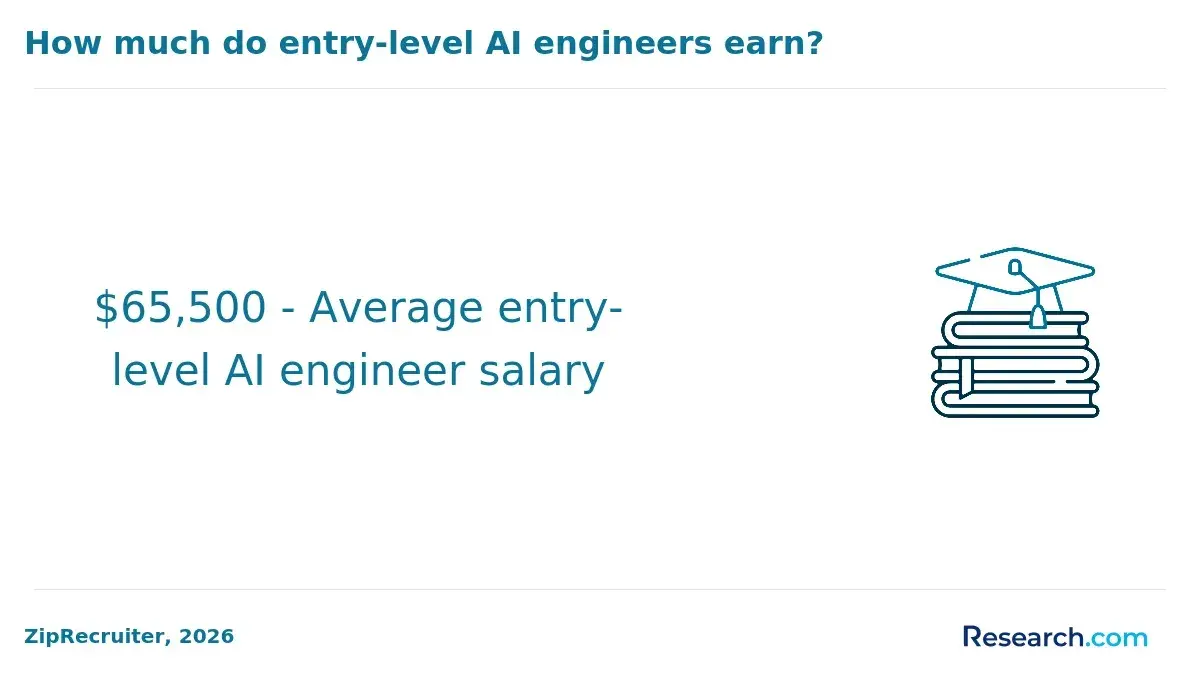
The increasing market demand is evident in job postings citing generative AI skills in U.S. financial services, which surged by nearly 200% between 2023 and 2024, according to the LinkedIn Economic Graph and Future of Work Report 2024. Prospective students can explore affordable options by considering an AI degree online to build these in-demand competencies.
How do AI strategy courses for investment research teams differ from general AI or data science programs?
AI strategy courses tailored for investment research teams provide specialized training that differs significantly from general AI and data science training. These programs emphasize domain-specific skills that combine financial theory, market dynamics, and AI tools specifically designed for investment analysis. Unlike broader programs focusing on algorithms and programming, these courses apply AI to predictive modeling, risk management, and portfolio optimization.
Specialized investment research applications in AI strategy education include:
- Use of financial datasets such as market prices, economic indicators, and alternative data like news sentiment or ESG metrics.
- Emphasis on interpretability and compliance, ensuring transparency within regulated financial environments.
- Training on platforms and tools used by buy-side and sell-side analysts, including algorithmic trading systems.
- Case studies covering AI deployment for investment signal detection, fraud identification, and automating research workflows.
Finance professionals leveraging these specialized AI skills often earn 22% higher total compensation compared to peers without AI integration, as reported by the World Economic Forum and Accenture. This data underscores how AI strategy courses tailored for investment research teams deliver clear value beyond generic data science proficiency.
These courses enhance understanding of market microstructure, investment theory, and AI model tuning, enabling practitioners to develop models aligned with investment goals. Students should seek programs featuring hands-on projects with real financial data to navigate practical challenges effectively. For those interested in related technology fields, a cybersecurity online degree may complement financial AI expertise.
Which types of degrees, certificates, or executive programs offer the strongest AI strategy training for investment research?
Degrees and executive programs focused on data science, machine learning, and AI strategy provide essential skills for investment research teams. Specific master's degrees in data science or business analytics paired with AI electives build a strong technical foundation for applying AI in finance. Programs such as Master of Science in Artificial Intelligence or Data Analytics emphasize algorithm development, predictive modeling, and practical deployment-key for quantitative research roles.
Executive degrees in AI strategy for financial research teams increasingly cater to mid-career professionals aiming to integrate AI into investment decision-making, risk management, and regulatory compliance. Certificate programs from top business schools offer modules on AI applications in finance, delivering strategic leadership training without requiring a full degree.
Professional certificates emphasize AI strategy, machine learning, and natural language processing to develop targeted skills. Popular options blend theory with tools like Python and TensorFlow, helping teams enhance investment models and automate analysis. Many prospective students explore fast track cyber security degree options to complement AI expertise and strengthen technology credentials.
Corporate trends reflect booming demand: 79% of global financial institutions increased budgets for AI and data-science training, raising per-employee AI spending by 35% year-over-year (Deloitte Global Financial Services Industry Outlook 2025). Students should seek programs offering hands-on labs, finance case studies, and instructors with industry experience to address challenges such as algorithm bias, data privacy, and model interpretability.
How can investment research teams compare online, hybrid, and campus-based AI strategy programs?
Investment research teams evaluating ai strategy programs should weigh key factors tied to practical outcomes and their specific needs. Online programs offer flexible, accessible options for busy professionals, often featuring asynchronous content that supports self-paced learning. However, these programs may lack live interaction and immediate feedback crucial for mastering complex technical skills.
Hybrid programs blend online convenience with periodic in-person sessions, providing direct instructor engagement, networking, and hands-on workshops. For example, weekend intensives on ai applications in capital markets help teams balance flexibility with experiential learning.
Campus-based programs immerse students in face-to-face collaboration and offer richer access to research facilities and faculty experts. Although often more costly and time-intensive, they accelerate skill development and build valuable professional networks for advancing ai-driven investment insights.
Teams should consider the specific ai competencies required-such as machine learning model development versus data integration-and focus on programs emphasizing real-world ai implementation. Broad adoption of ai tools has shown a 27% reduction in fundamental research time and a 5-7 percentage point improvement in hit rates over 12 months, according to the McKinsey "AI in Capital Markets" report.
Other factors include cost, team availability, and collaboration potential. For rapid productivity gains, hybrid or campus-based programs with hands-on projects aligned to investment research challenges are generally preferable to purely online options.
What curriculum topics and tools are most important in an AI strategy course for investment research?
Key curriculum topics in an AI strategy course for investment research combine technical skills with governance and risk management. Core subjects include machine learning algorithms, natural language processing, and financial data analytics. Mastery of tools like Python, TensorFlow, or PyTorch supports hands-on model creation and validation, enabling investment teams to generate actionable market insights.
Risk management and compliance often receive inadequate attention, yet they are vital. The EY Global Wealth & Asset Management Report 2024 highlights that only 28% of asset managers feel equipped to oversee AI models for regulatory adherence, even though 72% intend to increase AI usage. Training in ethical AI frameworks, explainability techniques, and regulatory requirements is essential to close this gap and ensure responsible AI deployment.
Additional topics include data governance, cybersecurity, and integrating AI into investment workflows. Scenario analysis and AI stress testing improve model resilience, while portfolio construction using AI insights enhances strategic asset allocation. Programs incorporating case studies and real financial datasets prepare professionals to contribute effectively in evolving AI-driven environments. Choosing courses that balance technical expertise with regulatory and ethical considerations addresses the growing demand for AI governance and advanced investment strategies by 2026.
How can students verify accreditation, instructor expertise, and program quality for AI strategy education?
Verification of accreditation is essential when considering AI strategy education. Trusted organizations like the Council for Higher Education Accreditation (CHEA) and the U.S. Department of Education's database provide reliable sources to confirm programs meet rigorous quality standards. Accreditation ensures curriculum relevance and protects students from low-quality or unrecognized providers.
Instructor qualifications play a significant role in program quality. Candidates should look for faculty with doctoral degrees or substantial expertise in AI strategy, machine learning, or investment analysis. Indicators of strong instructor backgrounds include publications, patents, and affiliations with leading companies or academic institutions. Official program pages, Google Scholar, and LinkedIn profiles offer transparent verification.
Quality programs combine up-to-date AI methodologies with practical applications such as case studies and hands-on exercises. Prospective students benefit from consulting independent reviews, alumni testimonials, and third-party rankings. Comparing online and in-person formats is advisable since online AI courses from institutions like MIT Sloan and Harvard often cost 70-80% less and reach significantly more global learners than executive in-person programs.
What are the typical admission requirements, time commitment, and tuition costs for AI strategy programs?
Admission to AI strategy programs typically requires a bachelor's degree in finance, computer science, economics, or related fields. Many programs also prefer candidates with professional backgrounds in investment research or data analysis. Applicants generally submit transcripts, a resume, and a statement of purpose explaining their interest in applying artificial intelligence in financial settings. Some advanced programs expect prerequisites in programming or statistics.
Course duration varies, with most programs designed for investment professionals lasting 8 to 20 weeks. These courses often offer part-time, modular formats to accommodate working schedules, requiring 5 to 10 hours per week. A common structure includes an 8-week program featuring live lectures and project-based assignments that replicate real-world AI integration into research workflows.
Tuition costs fluctuate based on program depth and prestige. Certificate programs usually range between $2,000 and $8,000, whereas executive education courses can exceed $15,000. Scholarships and employer-sponsored funding options are sometimes available. Self-paced online options tend to be more affordable but might lack personalized feedback or networking opportunities.
With nearly 60% of investment professionals using generative AI co-pilots weekly by late 2024-up from 13% in early 2023-programs emphasize practical AI applications in investment research. Prospective students should seek courses that balance foundational AI knowledge with hands-on exposure in investment workflows to maximize career impact.
What career paths, roles, and promotion opportunities can AI strategy training unlock in investment research?
AI strategy training in investment research opens numerous career advancement opportunities across financial sectors. Professionals gain expertise qualifying them for roles like AI strategy analyst, quantitative research lead, data science manager, and AI integration consultant. These positions include responsibilities such as managing AI-driven models, optimizing data workflows, and translating complex AI outputs into market insights.
Expertise in AI strategy also prepares individuals for leadership roles such as chief data officer or head of AI innovation, where strategic technology decisions influence organizational direction. Firms piloting AI frequently cite data quality and integration challenges as key barriers to scaling AI in trading and research, according to the McKinsey Global AI Survey - Financial Services Cut 2024. Professionals skilled in AI strategy are critical to overcoming these hurdles, enabling scalable AI deployment while meeting regulatory standards.
Investment research teams particularly value those who integrate AI into asset allocation, risk management, and market sentiment analysis. Mastery of AI strategy enhances career mobility within hedge funds, asset management, and fintech firms emphasizing AI innovation.
How do AI strategy skills impact salary potential and long-term job security in investment research?
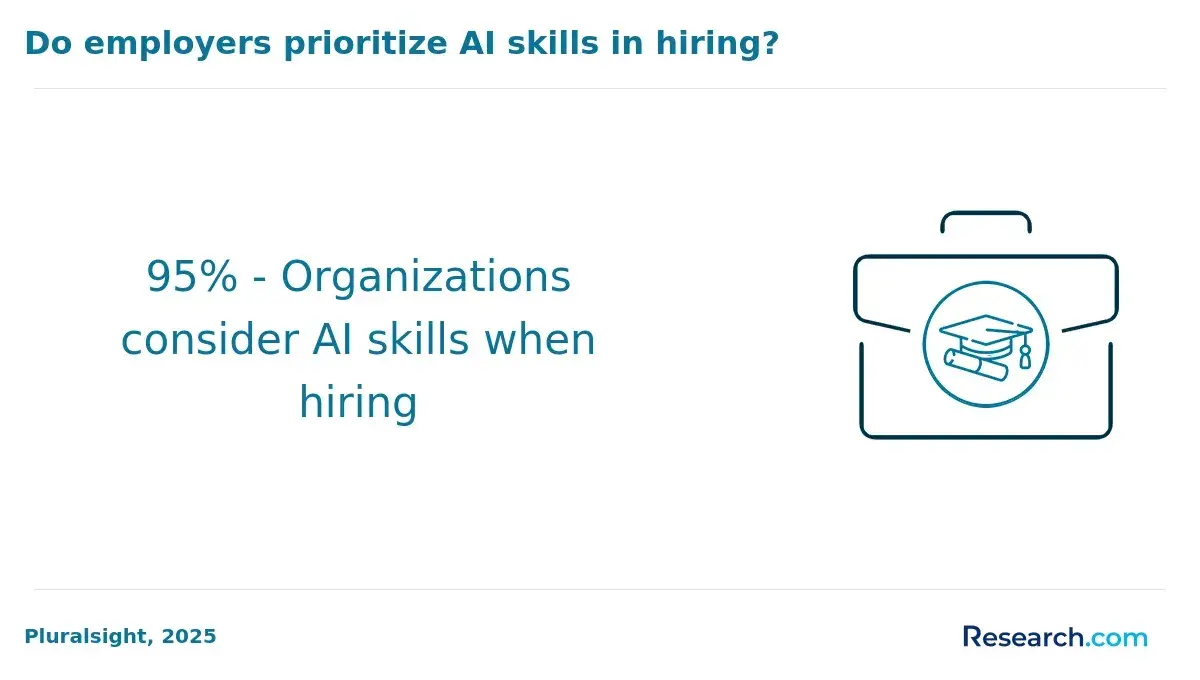
AI strategy skills significantly boost salary potential and long-term career prospects in investment research. Expertise in AI-driven data analysis, machine learning model development, and algorithmic forecasting positions professionals for roles with higher pay and greater responsibility. According to PwC's Global Asset and Wealth Management Survey 2024, by 2028, 43% of new hires in this sector will require advanced AI and data science skills-more than double the share in 2023. This sharp increase highlights the growing demand for AI competencies.
Investment researchers skilled in AI strategy often earn 20% to 35% more than peers without these capabilities. Companies value professionals who integrate AI tools to optimize portfolio management and risk assessment. Mastery of AI frameworks like TensorFlow or PyTorch, paired with asset management expertise, can open pathways to roles such as quantitative analyst, data strategist, or AI product lead.
Key practical steps include identifying personal AI skill gaps, pursuing courses that mix finance and machine learning, and showcasing achievements through projects or certifications. Organizations expect candidates to deploy AI for predictive analytics, automate research workflows, and ensure model interpretability. Neglecting AI strategy skills risks job stagnation, while adopting them is vital for staying relevant in a rapidly changing market.
Other Things You Should Know About Artificial Intelligence
Data privacy is critical because AI systems often handle sensitive financial and personal data. Investment research teams must comply with regulations such as GDPR and CCPA to protect client information. Ensuring data privacy enhances trust and reduces legal risks, while poor practices can lead to data breaches and loss of reputation.
Artificial intelligence is a tool designed to augment, not replace, human analysts in investment research. AI can efficiently process large datasets and identify patterns, but human expertise remains essential for contextual analysis and strategic decision-making. The best results come from collaboration between AI technologies and skilled analysts.
Implementation challenges include integrating AI with existing systems, ensuring data quality, and managing organizational change. Teams often need to invest in training and infrastructure while addressing skepticism from stakeholders. Additionally, aligning AI outputs with regulatory requirements and ethical standards can be complex.
References
- Creating Opportunities For All In The Intelligent Age https://www.weforum.org/stories/2026/01/creating-economic-opportunities-for-all-in-the-intelligent-age/
- Artificial Intelligence & Machine Learning - AIMT https://www.lambtoncollege.ca/programs/international/aimt
- 50 Exec Ed Courses To Get Smart About AI - USA & Canada - Bluesky Thinking https://bluesky-thinking.com/50-exec-ed-courses-to-get-smart-about-ai-usa-canada/
- 5 Best AI tools for investment research in 2026 https://www.thirdbridge.com/en-us/about-us/media/perspectives/ai-tools-investment-research
- AI in Finance - Training The Street - Financial Training, Finance Training, Investment Banking Training, Financial Modeling Training https://trainingthestreet.com/ai-for-finance/
- Quality Assurance with AI and Automation: The Prospects for Educational Assessment https://www.ieac.org.uk/40-Quality-Assurance-with-AI-and-Automation-The-Prospects-for-Educational-Assessment-blog.php
- AI for Managers https://esmt.berlin/executive-education/analytics-ai-programs/ai-managers
- AI for Private Equity: Practical 2026 Guide https://www.tommasomariaricci.com/blog/ai-for-private-equity
- How Will AI Affect the US Labor Market? https://www.goldmansachs.com/insights/articles/how-will-ai-affect-the-us-labor-market
- AI in investment research https://research-center.amundi.com/article/ai-investment-research