2027 Best AI Governance Courses for Loan Officers

Co-Founder and Chief Data Scientist
Loan officers increasingly face ethical and compliance challenges as AI systems reshape lending decisions. Inadequate understanding of AI governance can lead to biased outcomes, regulatory penalties, and loss of borrower trust. Addressing these risks requires specialized knowledge to navigate AI ethics, data privacy, and legal frameworks effectively.
This article examines top AI governance courses designed for loan officers seeking to bridge this critical skills gap. It highlights flexible, accredited programs tailored for professionals transitioning from unrelated fields. The aim is to guide readers toward educational paths that empower them to implement responsible AI practices confidently within lending environments.
Key Things You Should Know
- AI governance courses for loan officers focus on ethical data use, compliance with emerging federal regulations, and risk mitigation in loan decision processes, reflecting 2025 regulatory trends.
- Programs increasingly integrate practical AI tools training, with over 65% of courses offering hands-on modules to improve loan accuracy and reduce bias in automated credit assessments.
- Enrollment in AI governance for finance-related roles grew by 40% between 2024 and 2025, driven by industry demand for transparency and accountability in AI-driven lending.
Advance Your Career with AI Online Courses
Artificial Intelligence: Implications for Business Strategy
This program provides an introduction to Artificial Intelligence and their implications for business strategy. Earn an official digital certificate.

Oxford Artificial Intelligence Programme
Explore this Oxford Artificial Intelligence programme offered in a flexible learning environment and explore topics like machine learning, automation, and robotics.

Implementing Agentic AI: Building Your Organizational Playbook
This online MIT Agentic AI course offers a practical approach to deploying AI agents in your organization, including a custom playbook. 3 weeks, exclusive launch price.

AI Adoption: Driving Business Value and Impact
This online MIT AI Adoption: Driving Business Value and Impact offers practical frameworks to close the gap between AI potential and business reality.

Artificial Intelligence in Pharma and Biotech
Discover the applications and limitations of artificial intelligence in pharma and biotech with this MIT online short course.

What are the best AI governance courses for loan officers and how do they work?
Top AI governance certification programs for loan officers emphasize compliance with financial regulations, ethical frameworks, risk management, and regulatory standards tailored to lending services. These programs combine theory and practical applications, including case studies on AI-driven credit scoring, fraud detection, and automated underwriting. Certifications from industry-focused providers cover risk identification, mitigation, and audit practices designed for loan origination systems.
Loan officers benefit from understanding how AI models make decisions while ensuring adherence to laws like the Equal Credit Opportunity Act and the Fair Lending Act. Effective courses stress transparency, accountability, and explainability in AI systems to help evaluate algorithms for bias and discrimination. Hands-on exercises using real-world datasets allow learners to interpret AI outputs, assess risks, and implement governance frameworks aligned with evolving regulations.
This best artificial intelligence governance training for loan officers typically includes:
- Designing AI risk controls aligned with federal and state lending regulations
- Monitoring AI outcomes to detect compliance lapses or unintended biases
- Reporting and documenting AI governance processes for audit readiness
Demand for professionals skilled in AI governance is rapidly growing, with compliance roles in U.S. financial services increasing dramatically. Loan officers can leverage these programs to remain competitive and meet expanding governance responsibilities. Those interested in advancing their education may also explore data science master US ranking options via data science master US ranking for related fields to enhance their expertise further.
Advance Your Career with AI Online Courses
Artificial Intelligence: Implications for Business Strategy
This program provides an introduction to Artificial Intelligence and their implications for business strategy. Earn an official digital certificate.
Oxford Artificial Intelligence Programme
Explore this Oxford Artificial Intelligence programme offered in a flexible learning environment and explore topics like machine learning, automation, and robotics.
Implementing Agentic AI: Building Your Organizational Playbook
This online MIT Agentic AI course offers a practical approach to deploying AI agents in your organization, including a custom playbook. 3 weeks, exclusive launch price.
Why do loan officers need AI governance training in modern mortgage and consumer lending?
Loan officers in mortgage lending face increasing complexity as regulations evolve to include ai-specific requirements. By early 2024, 62% of financial services firms worldwide complied with at least one such rule, with 27% anticipating more regulations soon. This regulatory landscape makes ai governance training for loan officers in mortgage lending essential to navigate compliance, particularly in underwriting, fraud detection, and customer profiling systems.
Proper training allows loan officers to interpret ai outputs accurately, minimizing risks linked to bias, discrimination, and errors that could lead to penalties or harm reputation. It also enables them to explain how ai-driven creditworthiness assessments work, fostering transparency with both borrowers and regulators.
Additionally, knowledge of AI compliance in consumer loan underwriting equips officers to monitor algorithm performance continuously, detect unintended impacts, and adjust processes as needed. Training covers important areas such as data privacy, algorithmic fairness, and maintaining audit trails, reinforcing ethical lending practices amid shifting regulations.
Loan officers lacking governance skills risk flawed decisions from opaque ai systems and non-compliance issues. Training also promotes collaboration with data scientists and compliance teams to align ai tools with business and legal standards. Enhancing this expertise improves client trust and strengthens institutional integrity.
Prospective students aiming to build or update their skills can explore AI degree programs that offer foundational knowledge in these critical areas.
What types of AI governance programs can loan officers take (short courses, certificates, degrees)?
Loan officers can enhance their skills through various AI governance certificates for loan officers tailored to different career paths and time commitments. Short courses in AI governance for finance professionals offer focused knowledge on managing AI risks in credit and mortgage decisions, typically spanning a few weeks. These emphasize regulatory compliance, ethical AI application, and minimizing bias in lending algorithms. Such courses are often available online or in person through professional training providers and universities.
Certificate programs provide a more comprehensive understanding of AI governance frameworks, including risk assessments, audits, and transparency practices. These programs, lasting several months, usually involve practical projects and are ideal for loan officers who want to strengthen credentials and prove expertise without a lengthy commitment.
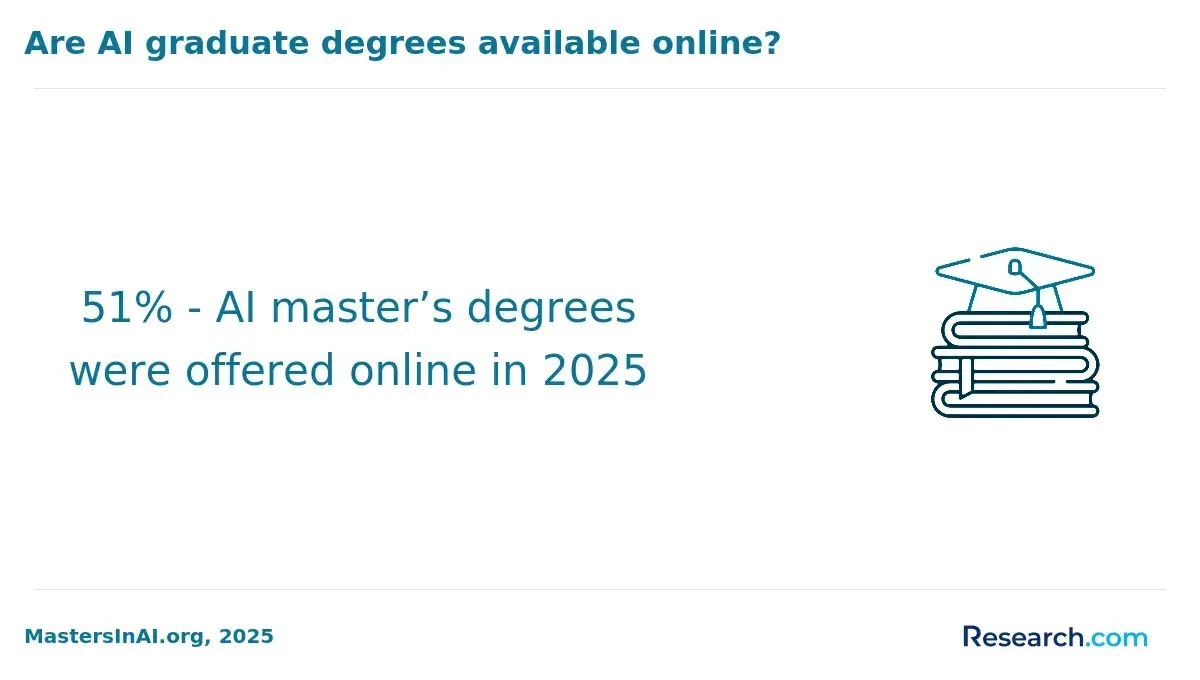
Degree programs, such as master's degrees in data science, AI ethics, or risk management, integrate AI governance extensively. They deliver advanced training on AI methodologies, legal standards, and quantitative risk evaluation, suited for those targeting leadership in compliance or loan processing. Prospective students can explore online masters data science options to find programs aligned with these goals.
The STRATMOR Group's 2024 findings highlight that lenders with solid AI model risk management can reduce credit-decision errors and compliance issues by up to 30% compared to less managed models, underscoring the importance of formal AI governance education for loan professionals.
What topics and skills are covered in AI governance courses specifically for loan officers?
AI governance compliance for loan officers demands mastery of ethical and transparent AI use in lending. Key areas cover regulatory frameworks like the Equal Credit Opportunity Act (ECOA) and the Fair Housing Act, which set the foundation for compliant automated decision systems. Loan officers develop skills to detect and reduce algorithmic bias, ensuring fairness across diverse applicant groups.
Courses emphasize artificial intelligence risk management, training loan officers to evaluate AI credit scoring models, recognize false positives or negatives, and safeguard data privacy. They learn to interpret AI outputs clearly, helping explain decisions to clients and regulators. Technical knowledge often includes machine learning basics, data analytics, and integrating AI workflows within loan origination systems.
Practical applications focus on fraud detection, predictive analytics for loan default risk, and improving underwriting efficiency. Continuous AI monitoring and audit trails support accountability by detecting performance drift over time. Loan officers with advanced AI and data-analytics capabilities earn 18-22% higher total compensation on average than peers without these skills in U.S. depository institutions, highlighting the financial benefit of these competencies.
For professionals developing loan officer skills in artificial intelligence risk management, expanding knowledge through related fields is valuable. Many also explore complementary training, such as cyber security courses online, to strengthen their overall digital risk awareness.
How do online AI governance programs for loan officers compare with campus or hybrid options?
Online ai governance programs for loan officers offer significant flexibility, allowing professionals to balance studies with work commitments. These programs often feature modular curricula focused on compliance, risk management, and ethical algorithm use, which are essential for reducing biases in loan approvals. Interactive components such as case discussions and simulations enhance practical skills for online learners.
In contrast, campus and hybrid options provide in-person networking, direct access to faculty, and hands-on workshops. These formats help deepen understanding through real-time case studies and scheduled seminars on fair lending controls and risk mitigation. Hybrid courses, in particular, combine self-paced learning with collaborative sessions, benefiting those seeking mentorship and peer engagement.
Both delivery methods prioritize addressing disparities identified by regulatory reviews, like the Consumer Financial Protection Bureau's findings showing disparity ratios up to 40% higher in protected-class mortgage approvals without strong governance. Programs emphasize bias detection, compliance monitoring, and thorough evaluation of AI-driven underwriting models to tackle these issues effectively.
- Online: Flexible scheduling, accessible nationwide, suitable for working professionals
- Campus/Hybrid: Enhanced direct engagement, hands-on experience, deeper networking
- Both: Emphasis on compliance, risk, and fair lending to address documented disparity risks
How can loan officers evaluate accreditation and regulatory alignment of AI governance programs?
Loan officers assessing AI governance education should first ensure programs have regional accreditation from bodies recognized by the U.S. Department of Education or the Council for Higher Education Accreditation (CHEA). This confirms the program meets stringent quality standards. Regulatory alignment with agencies like the Consumer Financial Protection Bureau (CFPB) or the Federal Housing Finance Agency (FHFA) is equally essential, guaranteeing coverage of compliance risks in AI-driven loan processing.
Key curriculum topics to verify include algorithmic fairness, bias mitigation, data privacy, and explainability-critical areas for regulatory and ethical adherence in lending. Programs featuring real-world compliance case studies or partnerships with regulatory bodies offer practical value. Faculty expertise should span AI ethics and financial regulation to support comprehensive learning.
Certificates or industry-recognized professional designations awarded upon completion carry significant weight in demonstrating regulatory competence. Loan officers should request documentation such as compliance benchmarks and post-graduation audit results. Comparing programs with industry best practices, like data from the 2024 STRATMOR Group benchmarking study, can reveal strong operational benefits: mortgage lenders using governed AI reduced manual review time by 60-80% and cut per-loan fulfillment costs by about $258 on average.
Continuing education aligned with evolving regulations and endorsements from professional loan officer associations further validate program credibility and practical impact.
What are the typical admission requirements and prerequisites for AI governance training?
Admission to AI governance training for loan officers generally requires a bachelor's degree in fields like finance, business administration, information technology, or related areas. Some programs accept candidates with extensive mortgage lending or loan-processing experience instead of formal degrees. Basic skills in data analysis, statistics, or introductory AI concepts are commonly expected to ensure participants can follow the curriculum effectively.
Prerequisites often include knowledge of regulatory compliance, risk management, and ethical frameworks, all vital for managing AI tools responsibly. Loan officers new to artificial intelligence may need to complete foundational modules on AI fundamentals and data privacy, bridging knowledge gaps and building a solid base for advanced governance training.
Practical experience with financial software or loan underwriting systems is frequently recommended to help contextualize AI applications within the workflows of loan processing. Proficiency in workflow automation or relevant software is often preferred to maximize learning outcomes.
A survey by HousingWire highlights that 72% of loan officers currently lack formal AI training, although 68% anticipate AI skills becoming critical soon. This gap emphasizes the importance of prerequisite knowledge to enable effective engagement with AI governance content and evolving industry standards.
Overall, admissions focus on combining formal education, work experience, and technical foundations, with preparatory resources offered to accommodate diverse learning backgrounds and support success.
How long do AI governance programs for loan officers take and what do they cost?
AI governance programs for loan officers vary widely in length and depth, typically lasting from a few weeks up to six months. Shorter workshops or professional certificates often take 4 to 8 weeks and focus on foundational topics such as algorithmic fairness, compliance regulations, and risk management. More extensive part-time or continuing education programs usually span 3 to 6 months and cover detailed frameworks for AI model governance, data ethics, and regulatory requirements specific to mortgage and consumer lending.
Costs depend on program duration and provider, ranging from $500 to over $7,000. Entry-level certificates aimed at working professionals generally cost between $500 and $1,500, ideal for rapid skill acquisition. Specialized bootcamps or longer certificate courses can range from $2,000 to $5,000, often including personalized instruction and compliance simulations. University-affiliated or advanced courses may surpass $7,000, integrated with broader compliance or risk management curricula.
When selecting a program, confirm it addresses critical areas such as AI model validation, transparency standards, and mitigation of algorithmic bias. Programs offering practical case studies better prepare loan officers to tackle real-world compliance challenges. Employers today prioritize candidates who combine technical AI governance expertise with knowledge of mortgage-specific regulations.
- Program length: 4 weeks to 6 months
- Cost range: $500 to $7,000+
- Key subjects: algorithmic fairness, AI model validation, compliance
How can AI governance training impact loan officer roles, career paths, and advancement opportunities?
AI governance training significantly boosts loan officers' ability to handle complex regulatory and ethical issues in lending. This expertise helps ensure AI tools are applied fairly and transparently, minimizing risks of bias and noncompliance. A survey of U.S. bank customers revealed that 64% of borrowers would place more trust in AI-supported loan decisions if lenders clearly communicated how AI governance ensures fairness. Loan officers skilled in AI governance can thus increase customer confidence and improve loan approval rates by promoting transparency.
Such training also equips loan officers with interdisciplinary skills vital for career growth. They become capable of overseeing AI system audits, collaborating with data scientists, and contributing to policy development within financial institutions. For instance, they can lead efforts to assess algorithmic fairness or explain AI-driven credit decisions to clients and regulators.
These competencies open doors beyond traditional loan origination roles, including positions in risk management, compliance, or AI project leadership. As regulatory scrutiny advances, lenders value professionals who ensure AI solutions comply with legal and ethical standards, positioning loan officers for leadership in digital transformation and ethical AI adoption.
Training in AI governance addresses challenges such as identifying algorithmic bias, balancing automation with human oversight, and clearly communicating AI processes to customers. Loan officers gain practical skills in critically interpreting AI outputs, supporting enhanced decision-making and career advancement in the evolving financial services sector.
Are there industry certifications or professional standards in AI governance relevant to loan officers?
Certifications and professional standards in AI governance relevant to loan officers are evolving quickly due to AI's expanding role in financial risk and compliance. Although no single certification is tailored exclusively for loan officers, several credentials and frameworks address their needs indirectly or directly.
Loan officers involved in AI-driven credit risk decisions should explore the Certified Artificial Intelligence Practitioner (CAIP) credential or specialized courses focusing on AI governance in financial services. These programs highlight key topics such as ethical AI use, bias reduction, and regulatory compliance, all essential in credit underwriting and risk assessment.
Global standards from organizations like the Institute of Electrical and Electronics Engineers (IEEE) and the International Organization for Standardization (ISO) define AI governance principles, including transparency, accountability, and robustness. Understanding these enables loan officers to navigate AI-powered credit models responsibly.
Additionally, compliance frameworks such as the Fair Credit Reporting Act (FCRA) and guidelines from the Consumer Financial Protection Bureau (CFPB) require loan officers to ensure fairness and explainability in AI applications to meet legal standards.
Generative AI is projected to generate up to $340 billion in annual value by 2025, with a significant portion linked to risk and compliance functions, according to a 2024 McKinsey analysis. This growth emphasizes the importance of formal AI governance training for loan officers to leverage opportunities while managing compliance risks effectively.
Other Things You Should Know About Artificial Intelligence
In 2027, top AI governance courses for loan officers address ethical concerns by offering curricula on bias mitigation, transparency, and compliance. Institutions such as MIT, Stanford, and the AI Governance Academy provide comprehensive programs ensuring responsible AI deployment in loan processing.
Artificial intelligence tools used in lending must comply with data privacy laws like the GDPR and CCPA. These systems typically employ encryption and data anonymization to protect sensitive applicant information. Proper governance ensures that applicant data is used only for intended purposes and safeguarded against unauthorized access.
While artificial intelligence can automate routine tasks, it is unlikely to fully replace loan officers soon. AI enhances decision-making by providing faster data analysis and risk assessments, but human judgment remains essential for complex evaluations and customer relationships. Loan officers will increasingly work alongside AI as collaborators rather than being replaced.
Explainability refers to the ability to understand and communicate how an AI system arrives at its decisions. For loan officers, explainability is critical to justify lending outcomes to clients and regulators. AI governance frameworks emphasize transparency to build trust and ensure compliance with fair lending laws.
References
- All Aboard the AI Train: A Practical Roadmap for Lenders - STRATMOR Group https://www.stratmorgroup.com/all-aboard-the-ai-train-a-practical-roadmap-for-lenders/
- An AI governance certification will boost your career | The Corporate Governance Institute https://www.thecorporategovernanceinstitute.com/insights/guides/an-ai-governance-certification-will-boost-your-career/
- AI training for loan officers: Why AI proficiency is critical for helping borrowers https://www.housingwire.com/articles/ai-training-for-loan-officers-why-ai-proficiency-is-critical-for-helping-borrowers/
- Top 10 AI Tools for Mortgage Loan Officers https://www.oncourselearning.com/resources/top-10-ai-tools-for-mortgage-loan-officers
- Artificial Intelligence Governance for Banking Compliance https://elevateconsult.com/insights/artificial-intelligence-governance-banking-compliance/
- MISMO Launches AI Governance Framework For Mortgage Lenders – NMP https://nationalmortgageprofessional.com/news/mismo-launches-ai-governance-framework-mortgage-lenders
- AI Governance Frameworks: Global Standards, Regulations, and Best Practices - EvalCommunity Academy https://academy.evalcommunity.com/ai-governance-frameworks/
- AI Governance Library https://www.aigl.blog/
- Artificial Intelligence Governance Essential Guide https://www.menaexecutivetraining.com/post/everything-you-need-to-know-about-artificial-intelligence-governance
- MISMO Releases FRAME: Framework for AI Governance in Mortgage Lending | MBA https://www.mba.org/news-and-research/newsroom/news/2026/06/11/mismo-releases-frame--framework-for-ai-governance-in-mortgage-lending