2027 Best AI Agent Courses for Content Strategists

Co-Founder and Chief Data Scientist
Content strategists often face the challenge of integrating AI tools effectively to optimize content creation and distribution. Without a clear understanding of AI agent capabilities, many struggle to identify the right skills and courses needed to remain competitive. This gap can slow career progress or limit opportunities in an evolving digital landscape. Navigating numerous course options without guidance adds confusion and wastes resources. This article analyzes top AI agent courses designed for content strategists, focusing on accessibility, relevance, and practical outcomes to help professionals make informed decisions and successfully pivot into AI-enhanced roles.
Key Things You Should Know
- AI agent courses tailored for content strategists emphasize automating content generation, data-driven audience analysis, and strategic campaign optimization to enhance efficiency and creativity.
- By 2025, 67% of content professionals reported improved productivity after completing focused AI training, reflecting the growing integration of AI tools in marketing workflows.
- Top courses offer hands-on experience with leading AI platforms, ensuring learners master both theoretical concepts and practical applications relevant to evolving digital content ecosystems.
Advance Your Career with AI Online Courses
Artificial Intelligence: Implications for Business Strategy
This program provides an introduction to Artificial Intelligence and their implications for business strategy. Earn an official digital certificate.

Oxford Artificial Intelligence Programme
Explore this Oxford Artificial Intelligence programme offered in a flexible learning environment and explore topics like machine learning, automation, and robotics.

Implementing Agentic AI: Building Your Organizational Playbook
This online MIT Agentic AI course offers a practical approach to deploying AI agents in your organization, including a custom playbook. 3 weeks, exclusive launch price.

AI Adoption: Driving Business Value and Impact
This online MIT AI Adoption: Driving Business Value and Impact offers practical frameworks to close the gap between AI potential and business reality.

Artificial Intelligence in Pharma and Biotech
Discover the applications and limitations of artificial intelligence in pharma and biotech with this MIT online short course.

What is an AI agent and why do content strategists need specialized training in it?
An AI agent is a software system that autonomously performs tasks such as decision-making and interacting with users by leveraging machine learning, natural language processing, or other artificial intelligence techniques. For content strategists, AI agent applications for content strategy development serve as essential tools to automate creation, optimize campaign management, and analyze engagement, reducing the need for manual input. Specialized training in AI agents equips these professionals with the expertise to effectively integrate AI into their workflows.
Content strategists need this specialized training because working with AI agents requires understanding complex technologies beyond basic content management. This includes configuring AI parameters, interpreting data insights, and managing ethical concerns such as bias and transparency. Without these skills, strategists risk generating irrelevant content, losing user engagement, or facing regulatory challenges. For example, automating social media and email campaigns demands setting clear goals and continuously assessing AI outputs.
According to a 2025 Deloitte Digital study, companies utilizing autonomous AI agents in marketing workflows saw a 32% increase in content output and a 21% reduction in campaign cycle times, demonstrating the competitive edge gained by skilled strategists. Training also helps with challenges like:
- Selecting AI tools aligned to specific content objectives.
- Interpreting AI-generated data to improve strategies.
- Maintaining brand voice consistency and compliance.
- Balancing automation with human creativity and oversight.
Those interested in advancing their skills can explore accelerated computer science programs that focus on AI technologies, providing valuable knowledge and credentials for a career involving AI agents.
Advance Your Career with AI Online Courses
Artificial Intelligence: Implications for Business Strategy
This program provides an introduction to Artificial Intelligence and their implications for business strategy. Earn an official digital certificate.
Oxford Artificial Intelligence Programme
Explore this Oxford Artificial Intelligence programme offered in a flexible learning environment and explore topics like machine learning, automation, and robotics.
Implementing Agentic AI: Building Your Organizational Playbook
This online MIT Agentic AI course offers a practical approach to deploying AI agents in your organization, including a custom playbook. 3 weeks, exclusive launch price.
What defines the best AI agent courses specifically tailored for content strategists?
Courses designed as the best ai agent courses for content strategists blend technical know-how with marketing applications, focusing on building skills in creating and managing AI systems that streamline content production and personalization. These programs cover essential areas such as natural language processing, prompt engineering, and AI-driven analytics tailored for content strategy workflows.
The top content strategist training in ai agent tools prioritizes hands-on experience with widely used AI technologies like GPT-based models and chatbot builders. Practical projects, including AI-generated editorial calendars and automated social media content, enhance skill development. Additionally, students benefit from real-world case studies addressing challenges like audience segmentation, engagement forecasting, and SEO improvement.
Ethical considerations remain vital, with curricula highlighting responsible AI use, data privacy, and minimizing algorithmic bias to protect brand integrity. Adaptability to new AI innovations is also emphasized through continual learning components or course updates.
Market trends reinforce the need for this expertise; the 2025 LinkedIn Workforce Report revealed a 314% growth in job postings mentioning "AI agents" or "agentic AI," especially in marketing and content roles. Those seeking affordable pathways can explore options like an AI degree online to gain comprehensive training.
How do AI agent courses for content strategy differ from general AI or prompt engineering programs?
AI agent courses focused on content strategy skills provide tailored training that integrates autonomous AI tools into the content creation and management lifecycle. Unlike general AI courses that cover broad topics like machine learning algorithms and natural language processing, these programs emphasize practical applications for content strategists, such as automated content ideation, audience segmentation via AI-driven analytics, and workflow automation to optimize publishing schedules.
Unlike prompt engineering programs, which focus on crafting inputs for AI models, AI agent courses teach configuring multi-agent systems capable of independently generating, testing, and refining content based on performance metrics. This approach helps strategists scale operations efficiently and ensures brand consistency through AI-managed content pipelines.
- Focus on user experience and cohesive brand messaging maintained by AI workflows
- Training on AI oversight and ethical considerations relevant to marketing and editorial standards
- Integration of cross-platform distribution strategies using AI monitoring tools
- Hands-on experience deploying AI agents within content management systems and analytics platforms
These programs also address challenges like maintaining originality, aligning AI output with evolving marketing goals, and ensuring compliance with content regulations. Employers highly value such expertise; PwC's 2025 Generative AI at Work report notes that professionals trained in advanced generative and agentic AI receive 18-23% higher compensation than peers. For prospective students seeking AI education, understanding differences between AI agent training and prompt engineering programs is essential. Additionally, those comparing the cyber security online degree cost and related tech education investments should consider the growing value of specialized AI agent courses.
What types of degrees, certificates, and short courses teach AI agents for content strategy?
Degrees, certificates, and short courses that focus on AI agent certification programs for content strategy generally fall into three primary categories: computer science, marketing analytics, and specialized AI content instruction. Bachelor's and master's degrees in computer science or data science equip students with essential skills like machine learning, natural language processing, and software development, which are crucial for building and integrating AI agents into digital content planning workflows.
Programs in marketing analytics and digital marketing now often include AI-related modules centered on automation and data-driven strategies to optimize audience targeting and content personalization. Many professional certificates, offered by universities or tech companies, concentrate on practical AI tools vital for content production, covering areas like prompt engineering, content automation, and assessing AI-generated results.
Short courses designed for rapid skill development blend technical and marketing insights. These courses enable professionals to deploy AI agents effectively, automating up to 60-70% of tasks related to content briefing, drafting, and repurposing, as noted by a McKinsey analysis. Professionals often pursue these options for accelerated upskilling to increase efficiency in content operations.
Students and professionals choosing degrees in artificial intelligence for digital content planning should evaluate their background and goals. Options include:
- Technical degrees offering deep foundational knowledge
- Marketing analytics programs combining strategy with AI
- Certificate and short courses for focused, role-specific training
For those interested in cybersecurity aspects related to AI, exploring the best cybersecurity courses can complement their understanding of AI agent frameworks within content strategy.
How do online AI agent courses compare with campus-based programs for content strategists?
Online AI agent courses offer swift access to the latest tools and frameworks, ideal for content strategists seeking immediate skill development or career transitions. These programs rapidly update curricula to reflect dynamic changes in ai-driven marketing workflows. In contrast, campus-based programs provide deeper theoretical foundations and wider interdisciplinary knowledge, benefiting those pursuing research or comprehensive expertise.
Key advantages of online courses include affordability, accessibility for working professionals, and project-based learning that simulates real-world content lifecycle management with autonomous AI agents. Gartner's forecast highlights that over 70% of enterprise marketing organizations are expected to adopt such agents by 2027, a significant increase from under 10% in 2024.
Campus programs often feature stronger networking opportunities and credentials recognized by employers but involve longer durations and fixed schedules that may delay workforce entry. For example, strategists aiming to deploy semi-autonomous AI for content personalization may find online micro-credentials or bootcamps more practical, while traditional degrees focus on AI models and ethics.
When choosing between formats, consider your career goals: online courses for rapid, hands-on tool mastery and campus programs for foundational theory and academic recognition. Evaluate course relevance, instructional quality, and alignment with Gartner's adoption trends to inform your decision.
What core skills and topics are covered in AI agent curricula for content strategists?
Content strategists expanding their skill set with ai agent curricula gain expertise in natural language processing, machine learning, and automation workflows. These programs emphasize how ai agents generate, optimize, and personalize content to boost audience engagement effectively.
Training highlights proficiency in generative AI tools and automation platforms that streamline content creation and distribution. Key skills include prompt engineering, data analysis, and interpreting AI-driven insights to tailor content to market trends and consumer behavior. Case studies often illustrate successful ai agent deployments within campaigns and editorial workflows.
Strategic development involves integrating AI into existing content ecosystems while managing ethical challenges like bias and misinformation. Maintaining brand voice across automated outputs and solving real-time content adaptation problems are central themes. Practical projects require crafting AI-powered content strategies and automating repetitive tasks to increase productivity with precision.
Collaboration techniques for working alongside AI developers to customize agents for unique organizational needs are also taught. Addressing the skills gap is vital; according to the World Economic Forum's 2025 Future of Jobs report, 58% of surveyed CMOs see a "significant" skills gap in AI-agent and workflow-automation capabilities on their teams. This underscores a pressing need for content strategists to master these technologies to remain competitive and lead digital transformation initiatives.
What are the typical admission requirements and time to completion for these AI agent programs?
Admission to AI agent courses designed for content strategists generally requires a bachelor's degree and some experience with content management or digital marketing tools. Foundational skills in data analysis or introductory programming are often essential and can be demonstrated through prior coursework or professional experience. Certain advanced certificates may ask for a portfolio showcasing strategic content projects or a technical assessment focused on AI tools.
Course durations vary by format and depth:
- Certificate and professional development programs typically last 4 to 12 weeks, with a weekly commitment of 5-10 hours.
- Part-time bootcamps and extended diploma courses range from 3 to 6 months, offering comprehensive training in AI workflows and automation.
- Self-paced options provide flexibility, allowing completion between 1 and 9 months depending on individual schedules.
- Hybrid or cohort-based programs follow stricter schedules aligned with live sessions and project deadlines.
- Full-time immersive courses are often 6 to 12 weeks, focusing on rapid skills acquisition.
Students should carefully assess their time availability alongside current work responsibilities. Content strategists proficient in AI can expect a salary premium of 22-27% compared to peers without these skills, according to the 2024 Robert Half Creative & Marketing Salary Guide. Programs that blend technical instruction with practical applications are particularly effective for maximizing career impact.
Preparation involves building core digital skills and selecting a program aligned with personal timelines and learning preferences, with completion times ranging from one month to six months.
How much do AI agent courses for content strategists cost, and what funding options exist?
AI agent courses for content strategists range from $300 to $2,500 based on program length, depth, and provider reputation. Short online courses or bootcamps typically cost between $300 and $700, focusing on integrating AI agents into content workflows. More extensive certificate programs and professional development tracks may charge from $1,200 to $2,500, often including advanced tools and one-on-one mentoring. While some free introductory courses are available, they seldom provide the depth necessary for strategic roles.
Funding options include employer sponsorships, especially in marketing and media sectors adopting AI tools for content strategy. Many platforms offer installment plans and scholarships aimed at underrepresented groups pursuing AI education. Federal financial aid usually does not apply unless the course is part of a degree program. Specific grants from organizations promoting STEM and tech education can help offset costs. For instance, some professional associations in digital marketing provide tuition support for AI-focused upskilling.
Enrollment in courses explicitly labeled "AI agents" or "agentic AI" surged more than 800% between 2024 and 2026, according to Class Central's 2026 report. Investing in these programs is aligned with growing market demand. Prospective students should assess course outcomes and look for practical applications and industry partnerships to maximize their learning and career impact.
What careers, job titles, and industries can AI agent-skilled content strategists pursue?
AI agent-skilled content strategists find diverse career opportunities across technology, e-commerce, finance, healthcare, and media industries. Key roles include Content Strategist, AI Content Specialist, Marketing Automation Manager, Customer Experience Manager, and Digital Campaign Analyst. These positions focus on data-driven and personalized content delivery to boost engagement and conversion rates.
Professionals in this field design and manage content personalization, automate customer journey orchestration, and analyze performance metrics. Collaboration with data scientists, UX designers, and product managers is common, with some specialists moving into AI ethics and governance to ensure responsible AI use.
Challenges they address include minimizing bias in AI-generated outputs, integrating AI workflows with existing systems, and interpreting AI analytics for strategic decision-making. Mastery of tools like natural language processing platforms and journey orchestration software provides a competitive edge.
According to the 2025 Salesforce State of Marketing report, teams using AI agents for content personalization and journey orchestration were 1.9× more likely to see significant growth in engagement and conversions than those relying on traditional automation.
Industries embracing AI agents prioritize expertise in automated content delivery systems that adapt to user needs, emphasizing measurable business outcomes and innovation.
What salary ranges and job outlook can content strategists with AI agent expertise expect?
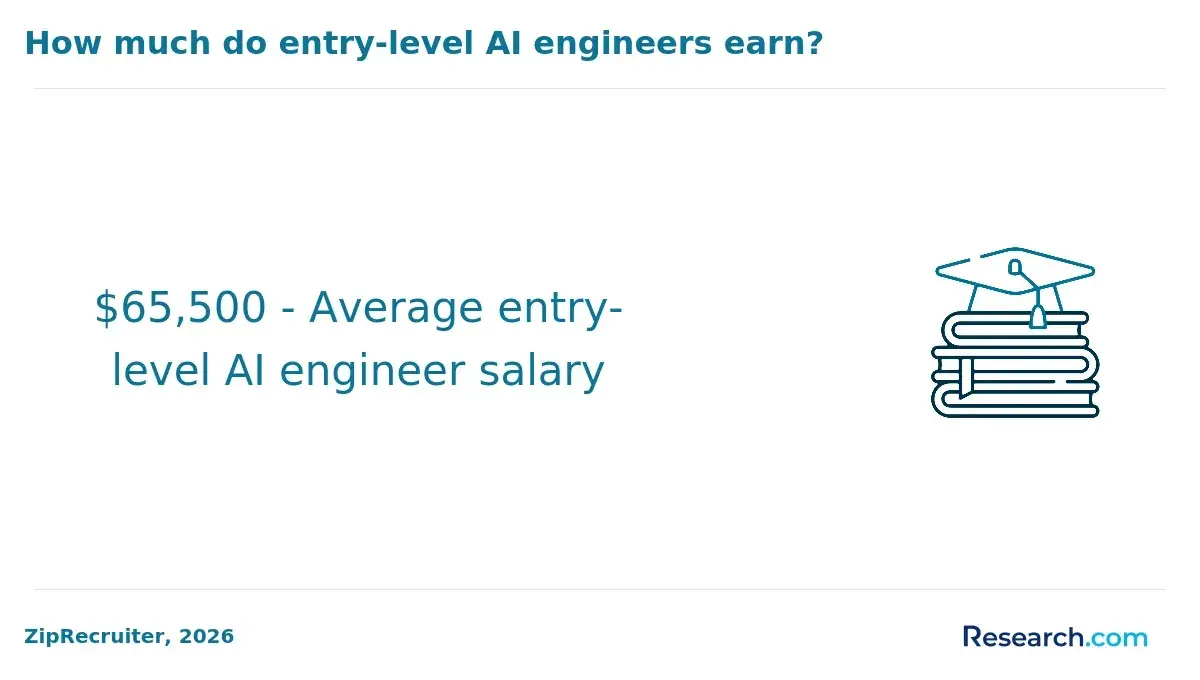
Content strategists with expertise in AI agents enjoy salary ranges from about $70,000 to $120,000 annually in the United States, depending on factors like experience, location, and industry. Entry-level positions typically start near $65,000, while professionals skilled in advanced ai agent techniques such as content automation, personalization, and risk management can earn above $130,000. Specialized knowledge in AI governance and ethical considerations further boosts earning potential, addressing growing concerns about brand safety and content integrity.
The demand for these professionals is rising as more enterprises adopt AI agents for content-related functions. IBM's 2025 Global AI Adoption Index shows 61% of companies using AI agents now prioritize brand and content risk management, up from 37% in 2023. This shift increases the need for strategists knowledgeable in both content strategy and responsible AI application.
Key skills sought by employers include AI agent workflow design, adherence to governance frameworks, and cross-team collaboration. Candidates must help mitigate risks from misinformation, biases, and automated errors while leveraging AI tools to improve audience targeting and content efficiency.
Industries like healthcare, finance, and technology are expanding hires for this role. Professionals adept at combining strategic content planning with AI agent expertise and compliance awareness are well positioned to advance their careers and negotiate competitive compensation packages.
Other Things You Should Know About Artificial Intelligence
The best courses for content strategists in 2027 to understand AI's industry impact include "AI in Content Strategy" by edX, "AI for Business Leaders" by Coursera, and Udacity's "Artificial Intelligence for Content." These courses cover AI fundamentals, industry applications, and strategic integration.
Content strategists must consider issues such as data privacy, algorithmic bias, and transparency in AI-generated content. Ensuring responsible use involves verifying sources, avoiding misinformation, and maintaining user trust. Ethical guidelines often require clear disclosure when AI tools contribute to content creation or distribution.
Yes, understanding AI agents allows content strategists to communicate more effectively with developers, data scientists, and marketers. This shared knowledge facilitates smoother integration of AI technologies into content processes and drives more cohesive team outcomes. It also helps in setting realistic expectations and project goals involving AI tools.
Continuous education in AI involves participating in webinars, workshops, and industry conferences focused on emerging technologies and trends. Content strategists can also engage with online platforms offering updated courses and certifications. Staying informed about AI developments is essential to leverage new tools and maintain competitive expertise.
References
- Top 10 AI certifications and courses for 2025 https://www.techtarget.com/whatis/feature/10-top-artificial-intelligence-certifications-and-courses
- AI Agents in Marketing: The Complete Guide to Agentic AI (2026) | The JADA Squad https://www.jadasquad.com/blog/ai-agents-in-marketing
- Prompts vs. Workflows vs. Agents: Key Differences | Confluent https://www.confluent.io/compare/prompts-vs-workflows-vs-agents/
- Effective context engineering for AI agents https://www.anthropic.com/engineering/effective-context-engineering-for-ai-agents
- AI Agents Academy - AI Agent Online Training & Certification https://agentacademy.ai/
- What Skills Do Teams Need to Work with AI Agents? | Capability Guide https://www.pedowitzgroup.com/what-skills-do-teams-need-to-work-with-ai-agents-capability-guide
- How to Use AI Agents for Your Digital Marketing | Digital Marketing Institute https://digitalmarketinginstitute.com/blog/how-to-use-ai-agents-for-your-digital-marketing
- AI Marketing Agents: The Complete Guide https://cdp.com/articles/ai-marketing-agents-guide/
- Gen AI Agents: Transform Your Organization | Google Skills https://www.skills.google/paths/3980/course_templates/1267
- 7 Things You Must Do Before Deploying a Multi-User AI Agent https://www.mindstudio.ai/blog/7-requirements-before-deploying-multi-user-ai-agent/