2027 Best AI Strategy Courses for Media Companies Managing AI Policies

Co-Founder and Chief Data Scientist
Media companies face complex challenges managing evolving ai policies amid rapid technological advancements and regulatory scrutiny. Without a clear strategy, teams risk compliance failures, ethical missteps, and inefficient resource allocation. This can lead to damaged reputations and financial penalties. Navigating these issues requires specialized knowledge tailored to media industry dynamics and policy frameworks. The article highlights top courses designed to equip professionals with practical skills for developing, implementing, and overseeing ai governance strategies. It aims to guide readers in selecting programs that balance flexibility with rigorous training, enabling a confident transition into leadership roles managing ai policies within media organizations.
Key Things You Should Know
- By 2025, over 70% of media companies incorporated AI strategy courses to navigate complex AI policy landscapes, reflecting growing industry demand for regulatory compliance expertise.
- Courses emphasize ethical AI use and risk management, addressing concerns about bias, misinformation, and privacy in media production and distribution.
- Interdisciplinary programs combine AI technology fundamentals with media law, policy analysis, and strategic communication to prepare professionals for leadership in evolving AI environments.
Advance Your Career with AI Online Courses
Artificial Intelligence: Implications for Business Strategy
This program provides an introduction to Artificial Intelligence and their implications for business strategy. Earn an official digital certificate.

Oxford Artificial Intelligence Programme
Explore this Oxford Artificial Intelligence programme offered in a flexible learning environment and explore topics like machine learning, automation, and robotics.

Implementing Agentic AI: Building Your Organizational Playbook
This online MIT Agentic AI course offers a practical approach to deploying AI agents in your organization, including a custom playbook. 3 weeks, exclusive launch price.

AI Adoption: Driving Business Value and Impact
This online MIT AI Adoption: Driving Business Value and Impact offers practical frameworks to close the gap between AI potential and business reality.

Artificial Intelligence in Pharma and Biotech
Discover the applications and limitations of artificial intelligence in pharma and biotech with this MIT online short course.

What is an AI strategy course for media companies and who should take it?
AI strategy courses for media policy development empower professionals to create, implement, and manage AI-driven policies tailored to the media and entertainment industry. These training programs on managing AI ethics in media companies focus on issues like content personalization, ethical AI use, data governance, regulatory compliance, and innovation strategies. Participants gain skills to align AI initiatives with business goals while addressing risks such as bias, misinformation, and privacy violations.
These programs are vital for media executives, policy makers, product managers, and legal advisors responsible for AI adoption and governance. For instance, a content director using generative AI tools for video editing must grasp AI capabilities to develop effective policies. Compliance officers benefit by staying current on AI-related regulations to ensure organizational adherence. Professionals advancing into AI policy roles in media also find this training valuable.
The media and entertainment sector is among the fastest-growing adopters of generative AI, with spending predicted to rise 70.7% annually from 2023 to 2028. Key course components include:
- Understanding generative AI technologies and their media applications
- Developing ethical frameworks for AI content creation
- Implementing data privacy and security protocols
- Strategizing AI investments and vendor partnerships
- Navigating regulatory landscapes and intellectual property concerns
Those interested in accelerating their AI expertise might consider a 2 year computer science degree online to complement their knowledge and career prospects.
Advance Your Career with AI Online Courses
Artificial Intelligence: Implications for Business Strategy
This program provides an introduction to Artificial Intelligence and their implications for business strategy. Earn an official digital certificate.
Oxford Artificial Intelligence Programme
Explore this Oxford Artificial Intelligence programme offered in a flexible learning environment and explore topics like machine learning, automation, and robotics.
Implementing Agentic AI: Building Your Organizational Playbook
This online MIT Agentic AI course offers a practical approach to deploying AI agents in your organization, including a custom playbook. 3 weeks, exclusive launch price.
How can AI strategy courses help media companies manage AI governance and content policies?
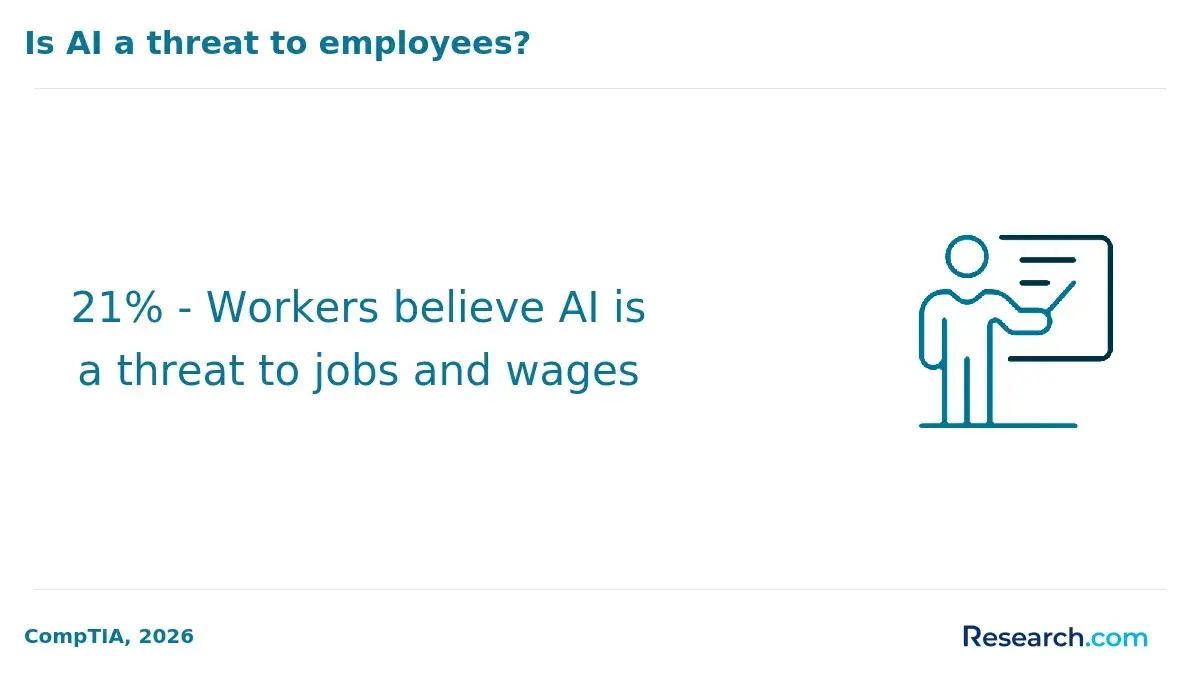
AI strategy courses for media companies managing content policies provide essential frameworks for responsible AI use, enabling organizations to establish clear governance and ethical standards. These courses address a pressing concern reflected in a 2024 Pew Research Center survey, where 52% of U.S. journalists reported their newsrooms lack policies on generative AI. By focusing on content policy development, these trainings help media companies reduce risks such as misinformation, privacy breaches, and intellectual property violations.
Such courses teach transparency measures like disclosing AI involvement in content creation and offer strategies to monitor AI outputs for bias or inaccuracies. Compliance with emerging regulatory standards is another core component, helping companies avoid legal issues related to data use and content moderation. Additionally, AI strategy training on media governance and compliance encourages creating balanced governance structures, including AI ethics committees and audit processes.
Practical case studies demonstrate embedding AI policies into daily editorial workflows, such as setting review procedures for AI-generated stories and defining limits on AI's role in news distribution. This equips media professionals to manage challenges around automated content that could spread false information or infringe copyrights. These courses also foster collaboration between editorial, legal, and technical teams to ensure comprehensive policy enforcement across departments.
For those interested in advancing their expertise, pursuing an AI masters degree can deepen understanding and leadership in this rapidly evolving field.
What skills and learning outcomes do the best AI strategy courses for media leaders provide?
The best AI strategy courses for media leaders develop essential skills to address AI's growing impact on media integrity and business practices. Students learn to identify risks linked to AI-manipulated content, focusing on verification and authenticity tools. DeepMedia's 2024 deepfake tracking report indicates a 900% increase in AI-generated or altered media online from 2022 to 2024, underscoring urgent demand for expertise in detecting deepfakes and synthetic media. These programs build AI strategy skills for media companies by emphasizing strategic frameworks that guide ethical AI policies and compliance.
Courses cover how to craft organizational AI policies that prioritize transparency, data privacy, and user trust. Risk management related to AI's influence on content creation and distribution is a key focus. Learning outcomes in AI policy management for media leaders often include:
- Mastering AI detection technologies and verification protocols to safeguard news authenticity
- Understanding regulatory environments shaping AI use in U.S. and global media
- Designing ethical AI governance models balancing innovation and accountability
- Applying AI tools to enhance content workflows without sacrificing editorial integrity
- Leading cross-functional teams through AI adoption and change management
Practical case studies may focus on combating misinformation during elections or managing AI-generated marketing content. Graduates emerge ready to implement AI strategy policies that protect organizations from reputational and legal risks while leveraging AI's benefits. For those interested in advancing their expertise, a master of data science online program can provide strong foundational skills complementary to AI strategy in media leadership.
What types of AI strategy programs exist for media professionals, from certificates to graduate degrees?
AI strategy certificate programs for media professionals vary from short-term courses to comprehensive graduate studies. Certificate programs often focus on AI policy, ethics, and practical skills like evaluating AI tools for content creation and audience engagement. These programs, such as executive certificates in AI strategy or digital transformation, usually last weeks to months and cater to working professionals.
Graduate degrees in AI strategy and media management provide deeper expertise, combining AI technology with media leadership, governance, and regulation. These master's programs typically span one to two years and prepare students for leadership roles that manage AI integration and data privacy in media environments. Many offer hybrid or part-time formats, allowing professionals to balance work while completing interdisciplinary coursework that includes computer science, communications, law, and business.
Deloitte's survey highlights that 79% of C-suite leaders expect generative AI to significantly transform their business within three years, but only 22% feel highly prepared, underscoring the urgent need for advanced AI strategy education focused on leadership and ethical decision-making.
Prospective students should look for accredited programs with experienced faculty and practical learning opportunities like internships or capstone projects. For those seeking an accessible, affordable path, an affordable online computer science degree can also provide foundational skills relevant to AI strategy in media contexts.
How do online AI strategy courses for media compare with campus and hybrid options?
Online AI strategy courses offer unparalleled flexibility and accessibility compared to campus and hybrid programs. They allow media professionals to learn without relocating, crucial for teams needing to apply skills immediately. Most online options feature asynchronous lectures and interactive modules, enabling learners to study complex AI policy frameworks at their own pace-unlike the fixed schedules of campus classes. Hybrid courses combine online convenience with occasional in-person sessions, appealing to those who value face-to-face networking but still require flexibility.
Campus programs provide deeper immersion through real-time discussions, hands-on workshops, and access to campus AI labs. They suit individuals seeking comprehensive engagement and peer collaboration but can delay knowledge acquisition and create logistical challenges for full-time professionals. Hybrid formats balance these benefits but may limit the depth of online content and increase costs because of travel requirements.
Cost is a key factor: online courses usually cost 20-40% less than campus programs, making them ideal for media companies aiming to train multiple employees quickly. McKinsey's 2024 marketing and sales research estimates generative AI could add $200-$340 billion annually to advertising and marketing, underscoring the value of scalable, rapid online training for AI-literate commercial teams.
What core topics and case studies are covered in AI strategy curricula for news and entertainment?
Curricula for AI strategy in news and entertainment emphasize ethical deployment, regulatory compliance, content verification, and risk management. Students engage with frameworks that promote transparency in automated journalism and address ethical challenges posed by synthetic media. Training prioritizes minimizing bias and misinformation, reflecting concerns highlighted in a 2024 World Economic Forum survey that ranked AI-related misinformation among the most critical global risks.
Key components include case studies focused on real-world challenges such as detecting deepfakes, evaluating AI tools for personalized content delivery, and ensuring user privacy. Programs also cover the creation of AI governance structures tailored to comply with evolving international and local regulations, analyzing policies from major media outlets like the BBC and NPR, which have established AI oversight committees to monitor risks.
Students learn crisis response protocols that mitigate reputational damage from AI-driven misinformation and participate in practical exercises that simulate collaboration between editorial teams and AI specialists to balance innovation with ethical safeguards. Critical questions addressed span verifying AI outputs without sacrificing speed, addressing liability in algorithmic content curation, and training staff in AI literacy to detect policy violations.
These comprehensive approaches equip professionals to anticipate AI risks, design adaptive policies, and sustain trust by blending technical expertise with a strong ethical framework.
How can media organizations evaluate accreditation and program quality for AI strategy training?
Media organizations seeking accredited AI strategy training should focus on programs endorsed by recognized institutions and professional bodies, ensuring academic rigor and practical relevance. Certifications from regional accrediting agencies or technology education boards offer dependable validation of program quality.
Effective curricula align with media-specific AI applications, covering content generation, ethical use, policy, and challenges like misinformation or copyright. Hands-on projects using generative AI tools enhance practical skills.
Faculty expertise-demonstrated through research, industry roles, and speaking engagements-adds significant value. Peer reviews, alumni success, and employer feedback further reveal program impact.
Affordability and flexibility are essential, especially for newsroom professionals balancing work and study. Online, self-paced courses with clear certification pathways offer practical solutions. Given that 43% of newsrooms use generative AI but only 20% provide formal training, investing in accredited programs addresses a critical skill gap.
Programs that teach AI ethics, legal compliance, and policy frameworks support responsible media use. Partnerships with media companies or AI vendors can indicate current industry relevance. Transparent metrics, like certification pass rates and job placement data, help gauge overall program quality.
What are typical admission requirements, program length, and tuition costs for AI strategy courses?
Admission to AI strategy programs for media professionals generally requires a bachelor's degree in business, technology, media studies, or related fields. Applicants often need two to five years of relevant experience in media, technology, or data analytics. Some courses expect foundational knowledge in data science or programming, while advanced programs may require prior exposure to machine learning concepts. Application materials commonly include a resume, statement of purpose, and recommendations to highlight professional goals and expertise.
Program lengths vary by format and depth. Short certificate or executive courses usually run 6 to 12 weeks part-time, fitting working professionals' schedules. Graduate-level specialization tracks can last from 6 to 18 months, while full-time immersive options, though less frequent, typically last 3 to 5 months.
Tuition costs depend on program type: executive education or certificates typically charge $2,000 to $8,000, whereas graduate-level programs range from $15,000 to $40,000. Modular or pay-per-course options may help reduce upfront expenses. Employer tuition sponsorship or reimbursement is common due to the demonstrated ROI of AI skills in media strategy.
A 2024 Accenture study reports media firms using advanced AI-driven personalization see up to 25% higher engagement and a 10-30% revenue uplift compared to those using basic segmentation. These outcomes emphasize the importance of strong AI education for media professionals seeking to boost impact and career growth.
What career paths, roles, and industries do AI strategy courses open for media professionals?
AI strategy courses equip media professionals with the skills needed to advance technology integration and policy development in their field. Graduates often take on roles such as AI policy advisors, digital transformation managers, and AI ethics officers. These positions require expertise in AI governance, regulatory compliance, and ethical issues specific to media content and distribution.
Many media companies seek AI strategists to develop responsible AI frameworks that align with corporate goals and public expectations. Other common roles include AI product managers and innovation leads, who use strategic AI knowledge to enhance content personalization, audience analytics, and operational efficiency. Success in these positions depends on strong change management abilities to overcome workforce resistance and skill shortages.
Key industries benefiting from AI strategy expertise include traditional and digital media, streaming services, advertising agencies, and content studios. Regulatory bodies working on media standards and AI legislation also provide career opportunities.
PwC's 2024 Global CEO Survey reveals that 72% of media and entertainment CEOs plan to significantly increase AI investments in the next three years, while 58% identify workforce skills and resistance to change as major barriers. Practical experience from these courses empowers professionals to lead AI initiatives balancing innovation with ethics, focusing on workforce training, risk assessment, and cross-functional collaboration.
How much can AI strategy leaders in media expect to earn and what is the job outlook?
AI strategy leaders in media companies earn between $110,000 and $180,000 annually, with variations based on experience, company size, and location. Entry-level roles related to AI integration and policy start near $90,000, while senior positions, including AI strategy directors or heads of AI governance, often surpass $200,000. Freelance consultants with expertise in AI ethics and compliance typically charge hourly rates from $100 to $250, reflecting the specialized nature of their work.
The demand for AI strategy professionals in media is strong, driven by ongoing digital transformation and increasing regulatory focus. Experts who can navigate AI policy effectively are highly sought after. For example, LinkedIn's 2024 Workplace Learning Report shows profiles listing "AI strategy" receive 39% more recruiter engagement than those without this skill.
Career opportunities include:
- AI-driven content moderation policy
- Transparency frameworks for algorithmic recommendations
- Data privacy compliance and governance
Media companies expanding AI capabilities require leaders who balance innovation with ethical and legal concerns. Professionals must design internal guidelines and work closely with legal and technical teams.
Education in AI strategy benefits from certifications and courses focused on real-world policy implementation and stakeholder communication. Staying updated on industry trends and regulatory changes is essential for career growth and employability.
Other Things You Should Know About Artificial Intelligence
In 2027, top AI strategy courses for media companies managing AI policies include "AI Strategy for Media Executives" from MIT, "AI Policy Implementation in Digital Media" from Stanford, and "AI Governance and Ethics" from Oxford. These courses focus on ethical AI use, strategic decision-making, and policy integration tailored for the media industry.
Artificial intelligence enables media companies to tailor content recommendations based on user behavior, preferences, and demographics. This enhances user engagement by delivering relevant stories efficiently. However, it requires careful management to avoid creating echo chambers and to balance personalization with diverse viewpoints.
Artificial intelligence streamlines media production by automating tasks such as transcription, video editing, and metadata tagging. These efficiencies reduce operational costs and speed up content delivery. Nonetheless, human oversight remains crucial to ensure quality and context sensitivity.
Effectiveness can be assessed through metrics like audience engagement, accuracy of AI-generated recommendations, and operational cost savings. Media companies should also monitor ethical compliance and potential biases in AI outputs. Continuous testing and feedback loops are necessary to refine AI tools in real-world conditions.
References
- AI - Artificial Intelligence | London Business School https://www.london.edu/executive-education/ai
- How to Develop an AI Policy for Your Organization | Canadian Management Centre https://cmcoutperform.com/How-to-Develop-AI-Policy-for-your-Organization
- AdVenture Media AI Training vs. Generic Online AI Courses: Which Actually Delivers ROI for Small Businesses? https://adventuremedia.ai/blog/adventure-media-ai-training-vs-generic-online-ai-courses-which-actually-delivers
- Case studies show how AI is changing the news industry https://www.inma.org/blogs/conference/post.cfm/case-studies-show-how-ai-is-changing-the-news-industry
- B.Tech in AI Course: Eligibility, Fees, Admission & Career https://manavrachna.edu.in/blog/btech-ai-course-eligibility-fees-admission-career
- AI governance: A guide to responsible AI for boards https://www.diligent.com/resources/blog/ai-governance
- CHEA/CIQG Webinar-The Changing Landscape of Quality Assurance: How Does AI Make a Difference? | Council for Higher Education Accreditation https://www.chea.org/cheaciqg-webinar-changing-landscape-quality-assurance-how-does-ai-make-difference
- Blog https://admissiongoals.com/post/ai-machine-learning-programs-europe-admission-guide-international-students
- Top Career Opportunities in AI Digital Marketing https://www.aipowereddigital.marketing/blog/top-career-opportunities-in-ai-digital-marketing
- Guidance on the Responsible Use of Artificial Intelligence (AI) in Accredited Continuing Education (CE) - ACCME https://accme.org/resource/guidance-on-ai/