2027 Best Berkeley Online AI Courses for Managers

Co-Founder and Chief Data Scientist
Managers in various industries often struggle to grasp artificial intelligence technologies quickly enough to integrate them effectively into decision-making and strategy. Limited time and a non-technical background can hinder timely upskilling, leaving professionals at a disadvantage in data-driven environments. Finding reputable, flexible courses that balance theory with practical application is critical for career growth and business impact. This article examines the best Berkeley online AI courses designed specifically for managers seeking an accessible, accredited path to develop relevant expertise and leverage artificial intelligence confidently within their organizations.
Key Things You Should Know
- Berkeley's 2026 online AI courses for managers emphasize practical leadership skills, integrating AI strategy with real-world business applications to enhance decision-making and innovation.
- Courses feature updated 2025 curricula, incorporating ethical AI use, data privacy, and emerging technologies, reflecting a 35% industry demand increase for AI-literate management roles.
- Flexible schedules and certificate options support working professionals, with most courses offering completion within 3 to 6 months to quickly advance AI-related managerial careers.
Advance Your Career with AI Online Courses
Artificial Intelligence: Implications for Business Strategy
This program provides an introduction to Artificial Intelligence and their implications for business strategy. Earn an official digital certificate.

Oxford Artificial Intelligence Programme
Explore this Oxford Artificial Intelligence programme offered in a flexible learning environment and explore topics like machine learning, automation, and robotics.

Implementing Agentic AI: Building Your Organizational Playbook
This online MIT Agentic AI course offers a practical approach to deploying AI agents in your organization, including a custom playbook. 3 weeks, exclusive launch price.

AI Adoption: Driving Business Value and Impact
This online MIT AI Adoption: Driving Business Value and Impact offers practical frameworks to close the gap between AI potential and business reality.

Artificial Intelligence in Pharma and Biotech
Discover the applications and limitations of artificial intelligence in pharma and biotech with this MIT online short course.

What makes Berkeley's online AI courses for managers different from other executive programs?
Berkeley California executive artificial intelligence courses focus on bridging the gap between growing AI investments and organizational preparedness. A 2025 Accenture survey revealed that while 79% of executives plan to increase generative AI spending, just 38% feel ready to manage the associated risks. Berkeley's online AI leadership training for managers addresses this by emphasizing risk management, ethical frameworks, and operational integration over purely technical skills.
The curriculum trains managers to align AI solutions with business strategies, lead diverse teams, and ensure regulatory compliance. Practical applications include evaluating AI's impact on customer experience, supply chains, and productivity through case-based learning. Scenario planning and risk assessment models prepare leaders to anticipate challenges like data bias and privacy concerns.
Faculty who consult with leading tech companies provide timely insights on market trends and regulations, ensuring relevant, expert instruction. These courses stand out for their leadership orientation and strategic focus, making them ideal for executives balancing innovation with governance.
Students interested in related fields can explore top affordable data science degrees to complement their AI expertise and broaden career opportunities.
Advance Your Career with AI Online Courses
Artificial Intelligence: Implications for Business Strategy
This program provides an introduction to Artificial Intelligence and their implications for business strategy. Earn an official digital certificate.
Oxford Artificial Intelligence Programme
Explore this Oxford Artificial Intelligence programme offered in a flexible learning environment and explore topics like machine learning, automation, and robotics.
Implementing Agentic AI: Building Your Organizational Playbook
This online MIT Agentic AI course offers a practical approach to deploying AI agents in your organization, including a custom playbook. 3 weeks, exclusive launch price.
Which Berkeley online AI programs are best suited for current and aspiring managers?
Berkeley's online AI programs for managers focus on equipping leaders with practical skills to drive AI-driven business transformation. The Berkeley Artificial Intelligence Strategy Program is designed for executives aiming to integrate AI into corporate strategy without requiring deep technical knowledge. It covers AI capabilities, ethical issues, and effective AI project management.
For those seeking broader training, the AI For Business Leaders Certificate offers AI fundamentals paired with digital strategy insights. It prepares mid-level to senior managers to identify AI use cases, evaluate vendor solutions, and foster collaboration across teams. This certificate is ideal for managers who must bridge technical and business units.
Data from Berkeley Executive Education shows over 65% of participants in AI and digital strategy programs hold director-level or higher roles from 50+ countries, reflecting a strong demand for concise, advanced AI leadership education. These short-format courses suit busy schedules and span weeks rather than months.
Additional advantages include analyzing real-world AI deployment challenges and networking with peers from diverse sectors. Those interested in AI product oversight or policy will appreciate the blend of theory, ethics, and implementation.
Choosing between these offerings depends on your role: strategic leaders may prefer the AI Strategy Program, while cross-functional managers benefit more from the Business Leaders Certificate. For a broader view of affordable options, consider exploring an AI degree.
Berkeley online AI courses for managers represent some of the best Berkeley AI programs for aspiring managers looking to lead AI adoption confidently.
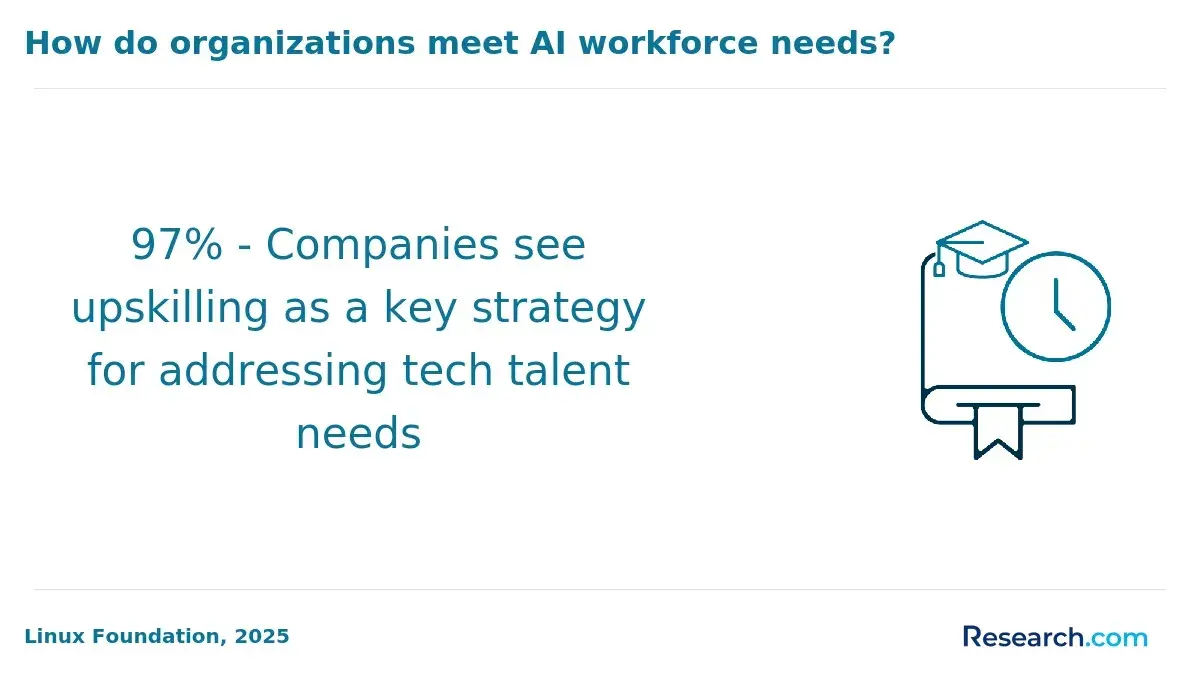
How do Berkeley's online AI offerings compare with traditional on-campus options for managers?
Berkeley's online ai courses versus traditional campus programs for managers highlight flexible learning tailored to busy executives. Unlike fixed semester schedules of in-person classes, Berkeley's online offerings provide modular content accessible anytime, allowing immediate application to real-world challenges.
Berkeley's AI for Executives program focuses on strategic leadership and practical implementation, which aligns well with enterprise needs. Research shows that organizations where senior leaders receive structured AI training are 2.3 times more likely to see revenue growth exceeding 5%, emphasizing the value of focused executive education. This reinforces the advantage of Berkeley's tailored online training compared to traditional options.
Comparing Berkeley online ai education with in-person management training reveals differences in approach. On-campus programs may offer deeper theoretical foundations and peer networking, but Berkeley's courses integrate live seminars, AI tool demonstrations, and case studies on governance and ethics, reflecting the fast-evolving AI landscape. Online learners also benefit from continual content updates and a strong alumni network, elements that may be less prominent in campus settings.
Managers interested in ongoing support and practical expertise might also consider complementary skill development programs, such as pursuing a game development degree, which incorporates AI applications in creative industries.
What AI skills and managerial competencies do Berkeley's online curricula actually teach?
Berkeley's online AI course in managerial skills development equips professionals with both technical know-how and strategic insight to lead AI-driven projects. Core competencies include understanding machine learning algorithms, data analytics, natural language processing, and AI model deployment. These abilities help managers critically interpret AI outputs, assess data-driven recommendations, and collaborate effectively with technical teams.
Key managerial competencies taught in Berkeley AI programs focus on strategic decision-making under uncertainty, ethical AI governance, and integrating AI solutions into organizational workflows. Managers also learn to evaluate risks such as bias and privacy concerns while aligning AI initiatives with business goals. This approach helps reduce common challenges in AI adoption, including mistrust and misalignment between technical and business units.
Practical learning draws on case studies covering AI applications in marketing optimization, supply chain automation, and customer experience enhancement. Leadership modules emphasize fostering cross-functional collaboration, driving digital transformation, and managing AI-driven change.
The ROI of Berkeley's online AI strategy certificates demonstrates their value. A survey of over 2,500 online executive education learners found that 72% of those earning university-branded AI or digital transformation certificates received a promotion, role expansion, or salary increase within 12 months. For those interested in related fields, explore online electrical engineering degrees for veterans as a complementary path.
What are the admission requirements and application timelines for Berkeley's online AI courses?
Berkeley's online Artificial Intelligence courses for managers generally require applicants to hold a bachelor's degree from an accredited institution. While prerequisites vary, foundational knowledge in statistics, programming, or business analytics is typically expected. Some programs also request professional experience, such as the Berkeley Artificial Intelligence Professional Program, which recommends at least two years in data-driven decision-making roles.
Application deadlines depend on course format; many offer rolling admissions allowing applications up to weeks before start dates, while others follow a quarterly cycle with deadlines one to two months in advance-spring quarter applications often close in late January. Prospective students should check official program pages to confirm specific dates.
Typical admission materials include an online application, academic transcripts, and a resume or CV. Some courses require statements of purpose or letters of recommendation, especially for certificate or professional credential tracks. Technical assessments are uncommon but may appear in advanced modules.
Studying at Berkeley can significantly enhance career prospects. According to the 2025 Future of Jobs Insight Report by the World Economic Forum, U.S. managers with AI skills earn a median salary premium of 13-20% over those without. This highlights the value of timely application and admission compliance to access career benefits.
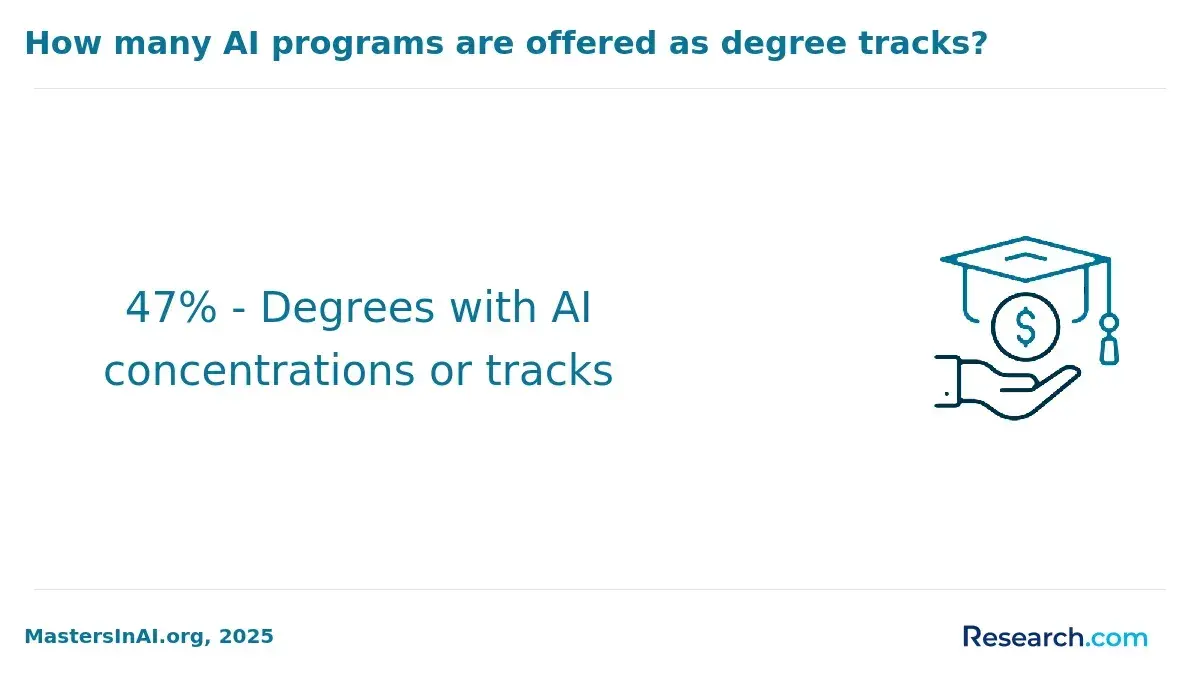
How long do Berkeley's online AI programs for managers take, and how are they structured?
Berkeley's online AI programs for managers typically last 6 to 12 weeks, offering flexibility for working professionals with an estimated 5 to 8 hours of weekly study. These courses blend asynchronous lectures, live sessions, interactive case studies, and real-world projects to ensure practical application. For instance, foundational courses focus on AI strategy and implementation over 6 weeks, while advanced programs extend to 12 weeks, covering technical insights and leadership challenges.
Content is organized into weekly modules covering core AI principles, data-driven decision-making, ethical considerations, and digital transformation. Peer collaboration and real-time discussions foster engagement despite the online format. Some programs include capstone projects simulating AI integration management, enabling learners to apply theory to actionable strategies.
This practical and modular approach aligns with growing demand for AI skills in leadership roles. A benchmark study by Emeritus comparing Berkeley with top business schools found AI and digital transformation program enrollment grew by 46% year-over-year among professionals, highlighting the effectiveness of these programs for upskilling without career disruption.
What do Berkeley's online AI programs cost, and what funding options are available for managers?
Berkeley's online AI programs for managers vary in cost, generally ranging from $2,500 to $7,000 based on the course's scope and duration. Foundational certificate courses typically start around $2,500, while more comprehensive executive programs with multiple modules can exceed $7,000. These prices reflect Berkeley's strong academic reputation and access to industry leaders.
Funding options have become more accessible, with over 60% of participants in Berkeley Executive Education's online certificate programs receiving partial or full employer sponsorship. This trend indicates that companies increasingly view AI education as a strategic investment in workforce development rather than a personal expense.
Managers seeking to finance their AI education should consider several approaches:
- Request employer sponsorship by demonstrating how the program supports business goals and emerging AI technologies.
- Investigate professional development budgets or tuition reimbursement programs within their organizations.
- Apply for scholarships or financial aid offered directly through Berkeley, which may lower overall costs.
- Utilize flexible payment plans that allow tuition to be spread over several months.
By leveraging these financial strategies and engaging early with HR or learning and development departments, professionals can access valuable AI education without shouldering the full cost upfront. Clear communication about the program's benefits enhances the likelihood of securing organizational support, which is increasingly vital as AI skills become critical across industries.
How is Berkeley accredited, and why does accreditation matter for online AI management programs?
Berkeley holds accreditation from the WASC Senior College and University Commission (WSCUC), a regional agency recognized by the U.S. Department of Education. This accreditation confirms adherence to high academic standards in curriculum quality, faculty expertise, and student support services. For those considering online AI management programs, accreditation ensures that coursework aligns with industry needs and educational best practices, providing a credible and vetted learning experience.
Accredited programs impact recognition, credential value, and eligibility for financial aid. Employers and professional organizations often require degrees or certificates from such institutions. For managers aiming to strategically integrate AI into business areas like marketing, operations, or finance, accredited programs signal relevant and up-to-date skills.
Rapid workforce changes underscore the value of this accreditation. LinkedIn's 2025 Workplace Learning Report noted a 160% year-over-year rise in business leaders adding "AI strategy" or "AI for business" to profiles, particularly non-technical managers. Accredited courses ensure content meets these evolving demands by combining AI knowledge with leadership skills.
Online accredited courses also offer flexibility without lowering academic standards. They include qualified instructors and verified resources, assuring students that completed AI programs support career advancement with recognized, transferable credentials.
What leadership roles and career paths can Berkeley-trained AI-savvy managers pursue?
Managers trained in Berkeley's AI-focused programs can pursue diverse leadership roles across industries where the strategic integration of artificial intelligence is essential. These roles include AI project leads, product managers for AI-driven solutions, chief data officers, and innovation managers who connect technical expertise with business strategy. Common sectors include technology consulting, healthcare technology, financial services, and manufacturing, all of which are rapidly transforming with AI.
Combining AI competence with Berkeley's cutting-edge curriculum prepares managers to lead AI ethics committees and develop governance frameworks for responsible AI use. According to Gartner's 2025 CIO and Technology Executive Survey, 73% of enterprises pilot or deploy generative AI, but only 26% provide formal training for business leaders. This gap creates an urgent need for AI-fluent managers who can align AI strategies with ethical and regulatory compliance.
AI-driven business transformation roles include:
- Director of AI Strategy, defining use cases to optimize workflow and customer experience
- Operations manager leveraging machine learning for automation and quality control
- AI product owner managing cross-functional teams and product lifecycle
- Risk management lead addressing AI bias and compliance risks
Berkeley's practical training arms managers to foster AI adoption roadmaps, evaluate vendor solutions, and measure ROI for AI investments. Graduates develop the strategic vision and leadership agility necessary to scale AI maturity in organizations.
How can managers choose the right Berkeley online AI course for their industry and goals?
Managers aiming to leverage Berkeley online AI courses should carefully assess how each program fits their industry demands and career goals. This involves evaluating course content, skill level, and the focus on practical application. For instance, healthcare managers might prioritize courses addressing AI ethics and patient data analytics, while those in finance could favor programs centered on algorithmic trading and risk management.
The Coursera Global Skills Report reveals a 75% increase in enrollments for "AI for Business" among managers and directors, emphasizing the growing need for structured learning to improve managerial decision-making and impact.
Key criteria to consider include:
- Course prerequisites: Select beginner-friendly options without a technical background or advanced courses for experienced professionals.
- Industry relevance: Identify courses featuring case studies and tools commonly used in your sector.
- Skill outcomes: Choose programs that teach measurable skills like AI project management, data interpretation, or AI governance.
- Learning format: Opt between flexible schedules or cohort-based programs based on your availability and need for peer interaction.
- Certification and recognition: Prioritize courses awarding respected credentials to enhance employer credibility.
Consider your career trajectory carefully-whether moving toward AI leadership roles or integrating AI to optimize workflows-and pick courses emphasizing relevant competencies to ensure practical, industry-specific benefits.
Other Things You Should Know About Artificial Intelligence
Berkeley's 2027 online AI courses provide managers with strategic insights on leveraging AI for decision-making, risk management, and innovation. These courses offer practical case studies, addressing industry-specific applications to enhance operational efficiency and competitive advantage, making them invaluable for managers aiming to implement AI effectively.
AI enables managers to make data-driven decisions by providing advanced analytics and predictive insights. It automates routine tasks and highlights trends that might be missed by traditional methods. This allows managers to allocate resources more efficiently and respond faster to market changes, improving overall strategic outcomes.
Managers must consider issues such as bias in AI algorithms, data privacy, and transparency. Ensuring AI systems operate fairly without discriminating against any group is critical. Additionally, managers need to comply with regulations regarding user data and communicate clearly about AI's role in decision processes to maintain trust.
While AI can automate many administrative and analytical tasks, it cannot fully replace managers. Human skills like leadership, emotional intelligence, and strategic judgment remain essential. AI is best seen as a tool that enhances managerial capabilities rather than substituting them.
References
- Generative AI & Machine Learning | Berkeley Course | Summer Springboard - Summer Springboard https://summerspringboard.com/teen-programs/data-science-berkeley/
- AGTU | Global Degree Online https://agtu.us/en/programs/graduate-programs/computer-science/master-artificial-inteligence/quality/
- AI for Executives Program https://www.gogradia.com/course/ai-for-executives-program-b97ac
- AI Career Paths for Managers: Building Leadership in the AI Era - AI People Agency https://aipeople.agency/ai-career-paths-for-managers/
- Online vs Campus Artificial Intelligence Degree Programs: Complete Comparison https://hakia.com/compare/artificial-intelligence-online-vs-campus/
- Ultimate Guide: How to Choose the Right AI Training Course to Boost Your Career - ONLC https://www.onlc.com/blog/how-to-choose-ai-training-courses/
- Top 32 Executive Courses in Berkeley | EXECUTIVE COURSES https://executivecourses.com/schools/california/city/berkeley
- What 20 Hours a Week Inside the Berkeley AI ML Bootcamp Looks Like - Emeritus Online Courses https://emeritus.org/blog/b-inside-berkeley-ai-ml-bootcamp/
- Best AI Courses for Professionals in the USA https://fueler.io/blog/best-ai-courses-for-professionals-in-the-usa
- University of California Berkeley - WSCUC https://www.wscuc.org/institutions/university-of-california-berkeley/