2027 Best AI Strategy Courses for Life Sciences Executives

Co-Founder and Chief Data Scientist
Life sciences executives often face the challenge of integrating artificial intelligence into their organizations without a clear strategy or technical background. Rapid advancements create pressure to adopt AI-driven solutions while managing regulatory, ethical, and operational risks. Many struggle to find comprehensive training that balances technical knowledge with industry-specific applications. This gap can hinder innovation and competitive advantage in a data-driven market. This article examines top AI strategy courses designed specifically for life sciences leaders, helping them acquire the skills to effectively lead AI initiatives and drive transformative outcomes within their organizations.
Key Things You Should Know
- Life sciences executives increasingly prioritize AI strategy courses, with enrollment growth rising by 27% from 2024 to 2025, reflecting AI's expanding role in drug development and personalized medicine.
- Top courses emphasize practical AI applications in genomics, clinical trials, and regulatory compliance, equipping leaders to drive innovation within complex healthcare ecosystems.
- Flexible online and hybrid formats dominate offerings, enabling busy professionals to develop critical AI leadership skills while balancing demanding careers.
Advance Your Career with AI Online Courses
Artificial Intelligence: Implications for Business Strategy
This program provides an introduction to Artificial Intelligence and their implications for business strategy. Earn an official digital certificate.

Oxford Artificial Intelligence Programme
Explore this Oxford Artificial Intelligence programme offered in a flexible learning environment and explore topics like machine learning, automation, and robotics.

Implementing Agentic AI: Building Your Organizational Playbook
This online MIT Agentic AI course offers a practical approach to deploying AI agents in your organization, including a custom playbook. 3 weeks, exclusive launch price.

AI Adoption: Driving Business Value and Impact
This online MIT AI Adoption: Driving Business Value and Impact offers practical frameworks to close the gap between AI potential and business reality.

Artificial Intelligence in Pharma and Biotech
Discover the applications and limitations of artificial intelligence in pharma and biotech with this MIT online short course.

What is an AI strategy course for life sciences executives and who is it best for?
An AI strategy course for life sciences executives prepares senior leaders to effectively integrate artificial intelligence into pharmaceutical, biotechnology, and medical product organizations. These programs emphasize practical frameworks that drive AI-driven innovation, optimize R&D pipelines, enhance operational efficiency, and boost commercial success. Participants gain skills to identify high-impact AI use cases, evaluate technology readiness, and lead cross-functional teams toward digital transformation.
Ideal candidates for executive training in artificial intelligence for life sciences include C-suite executives, senior R&D managers, strategy directors, and innovation leads responsible for technology roadmaps or data-driven decision-making. For example, a chief innovation officer at a pharma company might explore generative AI applications in drug discovery, while senior commercial leaders focus on AI-powered market segmentation and customer analytics.
Life sciences leaders face challenges such as accelerating clinical trials with AI, ensuring regulatory compliance, and justifying AI investments to stakeholders. These courses offer strategies to balance innovation with risk, strengthen cross-team collaboration, and navigate evolving data governance.
McKinsey estimates generative AI could unlock $60-110 billion annually in pharmaceuticals and medical products through improvements in R&D, operations, and commercial activities. This highlights why executives must understand AI's potential and challenges thoroughly. Professionals considering this field may find valuable insights by exploring an artificial intelligence degree as part of their education and career development.
Advance Your Career with AI Online Courses
Artificial Intelligence: Implications for Business Strategy
This program provides an introduction to Artificial Intelligence and their implications for business strategy. Earn an official digital certificate.
Oxford Artificial Intelligence Programme
Explore this Oxford Artificial Intelligence programme offered in a flexible learning environment and explore topics like machine learning, automation, and robotics.
Implementing Agentic AI: Building Your Organizational Playbook
This online MIT Agentic AI course offers a practical approach to deploying AI agents in your organization, including a custom playbook. 3 weeks, exclusive launch price.
How can AI strategy training help life sciences executives drive innovation and competitive advantage?
AI strategy training for life sciences innovation equips executives with the skills to integrate artificial intelligence into drug development, clinical trials, and operations, driving competitive advantage. Leaders gain insight into using predictive modeling to speed candidate selection and real-time data analysis for adaptive trials, reducing time to market and cutting costs without sacrificing quality.
By developing AI skills for life sciences executives, organizations enhance alignment between technology and business goals, enabling smarter investments and efficient resource use. Executives can guide cross-disciplinary teams to create scalable AI solutions that improve patient outcomes and regulatory adherence, such as applying machine learning to large genomic datasets for personalized medicine.
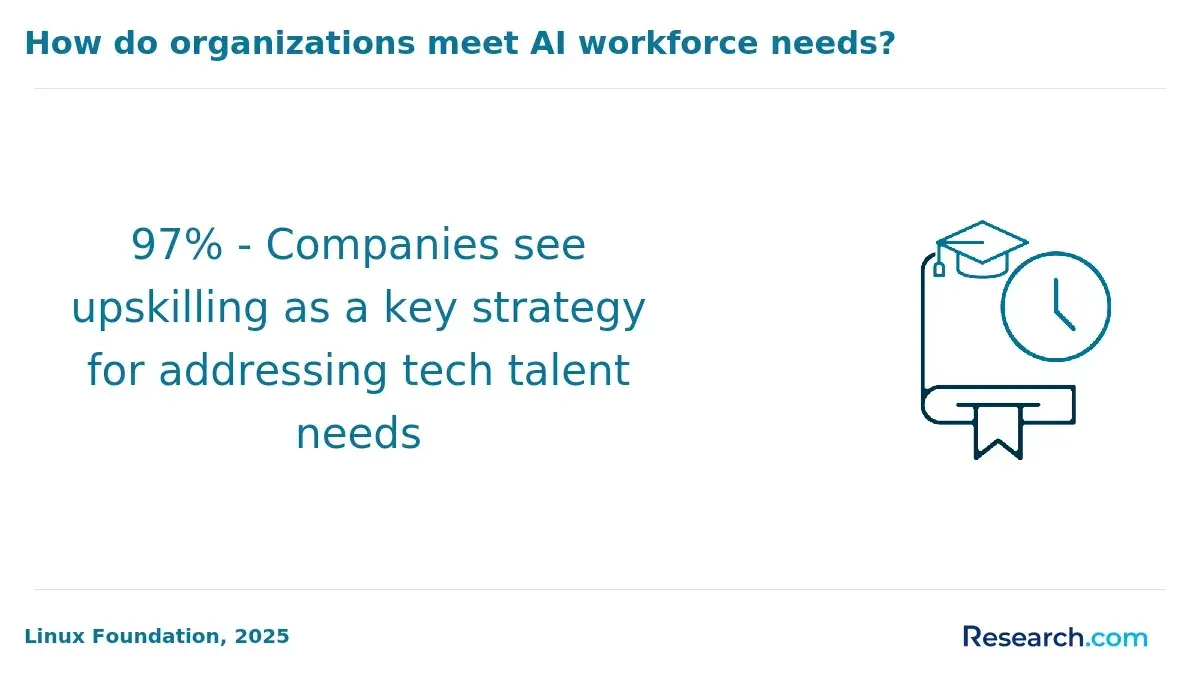
A key workforce trend is the rising demand for AI capabilities. A 2024 IQVIA report shows job postings in biopharma requiring AI or machine-learning skills grew 122% from 2020 to 2023, far outpacing overall R&D growth. Executives with AI strategy training are better prepared to recruit, retain, and upskill talent in this evolving landscape.
Additionally, AI strategy education fosters critical thinking about ethical AI use and data privacy, addressing growing regulatory scrutiny. For those seeking affordable study options, exploring the cheapest online mechanical engineering degree programs can offer flexible pathways into AI-related technical skills.
What types of AI strategy programs are available for life sciences leaders in the U.S.?
Life sciences executives in the U.S. seeking AI strategy certification programs can choose from three main formats tailored to their roles and learning goals. Executive education certificates, offered by universities and specialized institutions, provide in-depth curricula covering AI fundamentals, data governance, and ethical issues specific to the life sciences sector. These courses emphasize strategic leadership and are ideal for senior managers pursuing formal recognition.
Professional development workshops focus on targeted topics such as AI-driven drug discovery, machine learning applications in diagnostics, and real-world data usage. These shorter programs suit leaders who need actionable insights for immediate challenges without enrolling in extended courses.
Short-term immersive bootcamps deliver hands-on experience with AI tools and data science methods, often involving project-based learning and direct collaboration with AI experts. Such programs help executives quickly build practical competencies.
Across all offerings, understanding both technical and ethical aspects of AI deployment remains crucial. According to Deloitte's global life sciences talent survey, senior leaders with advanced AI/data science proficiency typically earn 18-22% more than peers without these skills. This highlights the value of enrolling in executive education courses on artificial intelligence strategy in the U.S. life sciences sector.
For professionals exploring related fields, researching options like game design degrees can also enrich tech expertise and career prospects.
Employer Confidence Share in Online vs. In-Person Degree Skills, Global 2024

How do online AI strategy courses compare with on-campus and hybrid options for executives?
Online AI strategy courses for life sciences executives offer unmatched flexibility, allowing busy professionals to balance demanding schedules without relocating or commuting. Hybrid formats blend asynchronous online work with occasional in-person sessions, supporting convenience while enhancing networking opportunities. These options are ideal for those who cannot afford extended absences from leadership roles but still want rigorous learning experiences.
On-campus programs at top institutions like Stanford, MIT, and Harvard provide immersive environments fostering rich peer interaction and faculty engagement. According to Poets&Quants for Execs, 72% of executives completing elite AI/ML executive education at these schools received promotions, expanded responsibilities, or significant pay raises within 18 months, highlighting the strong career impact of in-person learning. However, the trade-off is less scheduling flexibility compared to online options.
Efforts to narrow the experiential gap include online courses with real-time discussions, group projects, and mentorship, but some find face-to-face interaction critical for strategic relationship-building. Hybrid AI strategy programs for executives aim to combine the best of both worlds by offering targeted residencies alongside digital access.
Deciding among online, on-campus, or hybrid programs depends on priorities such as career advancement speed, geographic constraints, learning style, and networking needs. For those interested in advancing their academic qualifications alongside executive training, exploring a PhD in data science online may also complement these strategic education paths.
What should life sciences executives look for in accredited and reputable AI strategy programs?
Life sciences leaders benefit most from accredited AI strategy programs that blend domain-specific knowledge with practical leadership training. Accreditation ensures the curriculum adheres to rigorous academic and industry standards, providing a reliable foundation. Effective programs include modules on AI-driven drug discovery, clinical trial optimization, and regulatory frameworks tailored to the sector's unique challenges.
High-quality courses often feature case studies and applied projects illustrating how AI shortens R&D cycle times and cuts costs. For instance, McKinsey's analysis highlights that AI-enabled drug discovery and early development can reduce R&D cycles by 25-50% and lower expenses by up to 15%. Such quantitative insights help executives grasp the strategic value of AI and prepare for implementation.
Instruction by faculty with interdisciplinary expertise in life sciences and AI is essential. This expertise bridges computational methods with biopharma business realities. Programs offering access to industry leaders, labs, or partnerships also enhance networking and practical learning.
Flexibility in program delivery through modular or hybrid formats supports busy professionals, facilitating continuous career growth. Valuable curriculum components include strategic decision-making tools, risk assessment techniques, and guidance on ethical AI usage.
Measurable outcomes like industry-recognized certifications or continuing professional education credits validate skills and bolster career advancement within this competitive field.
What core topics and skills are typically covered in AI strategy courses for life sciences?
AI strategy courses for life sciences executives cover essential topics to integrate AI effectively in their organizations. These include data governance and quality management for handling clinical, genomic, and real-world datasets securely and compliantly. The curriculum emphasizes machine learning fundamentals and predictive analytics, helping leaders understand algorithm development, validation, and applications such as drug discovery and patient stratification.
Business transformation aspects demonstrate how AI reshapes commercial strategies, including omnichannel engagement and personalized marketing, paired with change management to encourage cross-functional adoption. Regulatory and ethical issues, such as FDA guidelines and data privacy laws, ensure compliance and trust in AI deployment.
Hands-on case studies illustrate practical AI applications like portfolio optimization using AI-driven market analysis and improved clinical trial recruitment through predictive insights. Executives gain skills in evaluating AI vendors, creating AI roadmaps aligned with strategic goals, and measuring return on investment.
A 2024 IQVIA study highlights that pharma companies leveraging advanced AI for commercial and omnichannel engagement achieved 5-10% higher incremental sales growth versus peers using traditional methods. This underscores mastering AI's commercial impact and strategic use.
Training also focuses on interpreting AI outputs for decision-making, integrating AI within IT infrastructure, and fostering collaboration between data scientists and business leaders. These competencies help executives drive AI innovation and maintain a competitive edge in life sciences markets.
What are the common admission requirements and ideal background for these executive programs?
AI strategy courses for life sciences executives typically require a bachelor's degree in relevant fields such as life sciences, engineering, business, or computer science. Many programs also prefer candidates with 5 to 10 years of experience in executive or managerial roles within biopharma, medtech, or healthcare. Familiarity with digital health technologies or prior exposure to AI concepts is often required to ensure participants engage effectively with advanced topics like AI governance, algorithmic transparency, and regulatory frameworks.
Ideal candidates blend scientific knowledge with business acumen. For instance, professionals with clinical research backgrounds and strategic leadership experience are better equipped to address risk management and compliance in AI-driven environments. Executives moving from traditional R&D roles benefit from courses that explore AI's influence on regulatory oversight and product innovation lifecycles.
A 2024 Deloitte life sciences regulatory outlook highlights that over 60% of biopharma and medtech leaders expect increased AI-related regulatory scrutiny by 2026, yet only 23% feel their leadership is well trained in AI governance.
Applicants commonly submit professional references or letters of recommendation to confirm leadership and strategic impact. Some programs request a statement of purpose explaining how AI integration aligns with organizational goals. Preparatory modules or recommendations to complete basic AI or data analytics courses are often offered to accommodate diverse technical backgrounds.
How long do AI strategy programs for life sciences executives take, and what do they cost?
AI strategy programs designed for life sciences executives vary significantly in duration and depth. Short, intensive workshops generally last 2 to 5 days and focus on core AI concepts, strategic frameworks, and relevant case studies tailored to pharmaceuticals or biotech industries. These formats are ideal for leaders seeking quick insights to inform AI investment decisions.
More detailed certificate programs extend from 8 to 16 weeks and cover AI technologies, data governance, regulatory impacts, and AI-driven innovation management. These courses often combine live sessions, collaborative projects, and peer discussions, equipping executives with practical skills and strategic understanding necessary for digital transformation.
Costs can differ widely, ranging from $3,000 to $7,000 for short workshops and $8,000 to $25,000 for comprehensive certificate programs. Prestigious business schools or specialized institutes typically offer programs at the higher end of this scale, reflecting enhanced content quality and networking opportunities.
When choosing a program, executives should consider their time constraints, learning objectives, and potential return on investment. Research such as BCG's 2024 global AI survey highlights that companies investing broadly in leadership and employee AI upskilling are 2.5 times more likely to gain significant financial benefits versus those focusing narrowly on technology vendors.
Selecting a program with a balanced curriculum and suitable duration maximizes strategic impact and practical application within organizations.
What career outcomes, roles, and promotion pathways can follow AI strategy training in life sciences?
AI strategy training in life sciences helps executives accelerate career growth and move into leadership roles such as chief data officer, head of digital transformation, or director of AI strategy. These positions focus on driving innovation pipelines and optimizing clinical development using AI technologies. Career advancement often involves transitioning from functional management to enterprise-level strategy leadership, using AI insights to guide corporate R&D budgets and regulatory policies.
Specialized programs improve skills needed to develop data-driven commercial strategies, supporting advancement to roles like VP of commercial analytics or innovation lead. Executives with AI strategy expertise are increasingly valuable in investment and portfolio management, aiding life sciences companies in identifying promising AI-enabled drug candidates and diagnostics startups.
Key strategic challenges addressed include integrating AI into workflows and managing ethical and compliance risks, critical for senior leaders. A study by ExecOnline found that participants in university-backed executive AI programs were 30% more likely to report high impact on strategic decision-making than those in vendor-led technical trainings, underscoring the importance of comprehensive AI strategy education for measurable business outcomes.
Executives aiming for promotion should seek programs emphasizing cross-functional leadership and strategic AI applications, beyond technical skills alone. Developing fluency in AI's effects on patient outcomes, regulatory frameworks, and competitive positioning is vital for enterprise-wide influence and C-suite readiness in the life sciences sector.
Are there industry-recognized certificates or credentials in AI strategy for life sciences executives?
Industry-recognized certificates designed for life sciences executives focus on closing the AI skills gap revealed by PwC's global CEO Survey, which shows 70% of health and pharmaceutical CEOs expect AI to transform their business models by 2029, but only 34% feel their leadership teams are ready. These credentials equip leaders with practical knowledge essential for navigating AI's impact in healthcare.
Top institutions like MIT Sloan and Stanford's Artificial Intelligence in Healthcare Initiative offer certifications combining online learning with live case studies. These programs emphasize strategic leadership, data ethics, digital transformation, and managing innovation within pharmaceuticals and biotech industries.
Valuable credentials cover key areas such as:
- Data-driven decision-making frameworks for drug development and patient engagement
- Understanding AI models relevant to diagnostics and personalized medicine
- Leadership in digitization, compliance, and AI governance in healthcare
Professional organizations, including the Association of Clinical Research Professionals (ACRP), also develop AI competency certificates that carry industry credibility. Choosing certificates endorsed by industry bodies enhances career prospects and ensures leaders can effectively guide AI initiatives aligned with evolving business models.
Other Things You Should Know About Artificial Intelligence
Life sciences executives often encounter challenges such as data privacy concerns, integration of AI with existing systems, and a shortage of skilled personnel. Additionally, regulatory compliance and ensuring the ethical use of AI algorithms are significant hurdles when deploying AI solutions in this highly regulated industry.
Artificial intelligence enhances decision-making by processing vast datasets quickly and identifying patterns that may not be visible through traditional analysis. It supports predictive modeling for drug development, patient outcomes, and operational efficiencies, resulting in more informed and timely strategic decisions.
Executives should possess a strong understanding of AI fundamentals, including machine learning and data analytics, alongside industry-specific knowledge. Leadership skills in change management, strategic planning, and cross-functional collaboration are also critical to successfully guide AI implementation efforts.
In 2027, AI strategy courses for life sciences executives offer insights into leveraging technology for improved drug discovery, patient care, and operational efficiency. Executives learn to align AI initiatives with business strategies, navigate ethical considerations, and enhance innovation, ultimately leading to competitive advantages in the industry.
References
- AI Executive Certificate https://esmt.berlin/executive-education/analytics-ai/ai-executive-certificate
- Digital, Data & AI https://www.hec.edu/en/executive-education/our-programs-individuals/management-topics/digital-data-ai
- Executive MBA in English https://www.kozminski.edu.pl/en/programs/postgraduate-programs/executive-mba-english
- Reimagining life sciences roles with AI and automation https://www.mercer.com/en-ch/insights/people-strategy/hr-transformation/reimagining-life-sciences-roles-with-ai-and-automation/
- Artificial Intelligence (AI) in Life Sciences Training Courses https://ipi.academy/product/subject/109/artificial-intelligence-ai-in-life-sciences
- Developing an AI Talent Strategy in Life Sciences - McDermott + Bull - Executive Search + Interim Leaders https://mbexec.com/developing-an-ai-talent-strategy-in-life-sciences/
- Best AI Agent Courses for C-Level Leaders (2026 Guide) https://aiagentsacademy.ai/blog/best-ai-agent-courses-c-level-leaders-2026
- What Are the Admission Requirements for Online Executive MBA Programs | MIT SDE https://mitsde.com/knowledge-center/admission-requirements-for-online-executive-mba-programs
- How the Competitive Advantage of AI Drives Business Growth https://www.tredence.com/blog/competitive-advantage-of-ai
- AI in Life Sciences: Is your organisation ready? https://www.grantthornton.ie/insights/factsheets/ai-readiness-life-sciences/