2027 Best AI Courses for Recruiters

Co-Founder and Chief Data Scientist
Recruiters often struggle to keep pace with the rapidly evolving landscape of artificial intelligence, which reshapes how talent is identified, evaluated, and hired. Traditional recruitment approaches may overlook crucial AI-driven tools that enhance candidate sourcing and screening efficiency. This gap inhibits recruiters from fully leveraging data insights and predictive analytics that artificial intelligence offers.
Understanding these technologies and their practical applications becomes essential for strategic hiring decisions. This article examines the best AI courses tailored for recruiters, focusing on flexible, accredited programs that facilitate career transitions into AI-driven recruitment roles, empowering professionals to adapt and excel in the changing job market.
Key Things You Should Know
- AI courses for recruiters in 2026 prioritize practical applications, with 72% of offerings focusing on automated candidate screening, predictive analytics, and bias reduction techniques.
- Most top programs incorporate hands-on projects and real-world data sets to improve skills in AI-driven recruitment tools, with over 65% updated using 2025 datasets.
- Flexible online and hybrid course formats dominate, catering to working professionals; 58% of learners report increased hiring efficiency within six months of completion.
Advance Your Career with AI Online Courses
Artificial Intelligence: Implications for Business Strategy
This program provides an introduction to Artificial Intelligence and their implications for business strategy. Earn an official digital certificate.

Oxford Artificial Intelligence Programme
Explore this Oxford Artificial Intelligence programme offered in a flexible learning environment and explore topics like machine learning, automation, and robotics.

Implementing Agentic AI: Building Your Organizational Playbook
This online MIT Agentic AI course offers a practical approach to deploying AI agents in your organization, including a custom playbook. 3 weeks, exclusive launch price.

AI Adoption: Driving Business Value and Impact
This online MIT AI Adoption: Driving Business Value and Impact offers practical frameworks to close the gap between AI potential and business reality.

Artificial Intelligence in Pharma and Biotech
Discover the applications and limitations of artificial intelligence in pharma and biotech with this MIT online short course.

What are the best AI courses for recruiters?
The best AI training courses for recruiters emphasize practical skills that enhance talent sourcing, candidate screening, and data-driven decisions. Courses like "AI in Recruiting" on Coursera and "Artificial Intelligence for HR" from LinkedIn Learning focus on tools such as automated resume parsing, predictive analytics, and chatbot strategies. Recruiters benefit most from programs combining foundational knowledge with ethical considerations and hands-on applications.
Top online AI certification programs for recruitment professionals often include training on AI-powered applicant tracking systems (ATS) and machine learning basics. Platforms like HireVue or Pymetrics help bridge AI theory with real-world hiring technology. Courses featuring modules on bias mitigation and compliance ensure responsible use of AI in recruitment.
Given AI's rapid evolution, continuous learning through micro-credentials or workshops is essential. Recruiters should select offerings aligned with their industry, such as tech, healthcare, or finance, where AI use varies widely. According to LinkedIn's 2025 Future of Recruiting report, 74% of talent leaders see AI tools as "very important" to their strategy within two years.
Training varies from beginner to advanced levels, with beginners focusing on AI fundamentals and experienced recruiters exploring analytics and algorithms. Programs offering case studies, simulations, and real-time tool exposure maximize skill development for today's AI-driven hiring environment. For those considering broader data roles, pursuing a data scientist degree can also enhance recruitment analytics capabilities.
Advance Your Career with AI Online Courses
Artificial Intelligence: Implications for Business Strategy
This program provides an introduction to Artificial Intelligence and their implications for business strategy. Earn an official digital certificate.
Oxford Artificial Intelligence Programme
Explore this Oxford Artificial Intelligence programme offered in a flexible learning environment and explore topics like machine learning, automation, and robotics.
Implementing Agentic AI: Building Your Organizational Playbook
This online MIT Agentic AI course offers a practical approach to deploying AI agents in your organization, including a custom playbook. 3 weeks, exclusive launch price.
What skills do recruiters need to use AI effectively?
Recruiters leveraging the use of artificial intelligence in recruitment processes must develop a blend of technical and analytical skills. Data literacy is crucial as AI tools analyze large volumes of candidate data, offering insights on candidate fit, sourcing efficiency, and diversity outcomes. Familiarity with AI-powered applicant tracking systems (ATS) and automated screening tools helps recruiters streamline workflows and reduce time-to-hire.
Technical understanding also involves basic programming knowledge or working with AI platforms to collaborate effectively with data scientists and technology teams. Recruiters adept at configuring AI algorithms can customize screening criteria to improve job relevance and reduce bias. Knowledge of natural language processing (NLP) supports the effective deployment of AI chatbots and resume parsers.
Ethical judgment is essential to ensure AI use in recruitment maintains fairness, privacy, and regulatory compliance. Recruiters must audit AI outputs to prevent unintended discrimination or errors. Strong communication skills remain vital to clearly explain AI-driven recommendations to hiring managers, balancing machine insight with human decision-making.
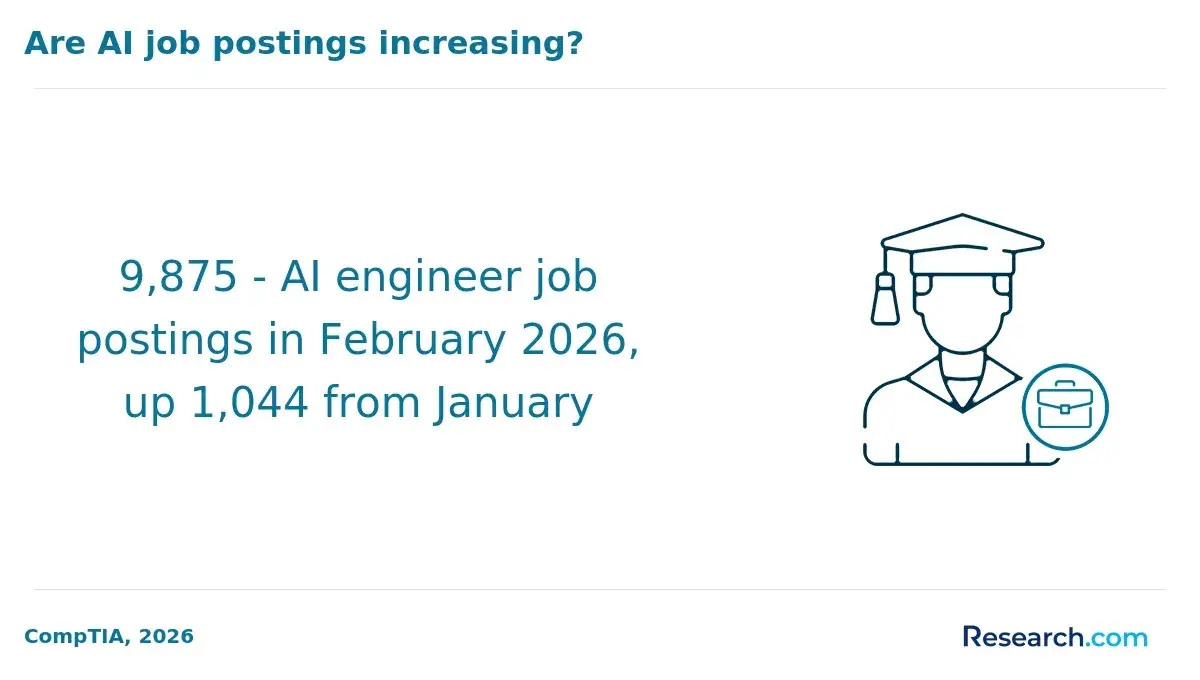
According to labor market data, job postings mentioning both "recruiting" and "AI" have grown significantly, reflecting employer demand for recruiters versed in AI technology. Professionals seeking to enhance their expertise in this area can explore an AI degree to build skills aligned with essential recruiter skills for effective ai integration.
Which AI certifications help recruiters advance their careers?
AI certifications that best help recruiters advance their careers emphasize practical skills in AI-driven talent sourcing, candidate evaluation, and HR analytics. Certifications from reputable platforms like IBM, LinkedIn Learning, and Coursera focus on integrating AI tools into the recruitment lifecycle. Examples include IBM's AI Foundations for Business Professional and LinkedIn's Talent Sourcing with AI, teaching recruiters how to leverage AI efficiently in candidate screening and outreach-important for those seeking the best artificial intelligence certification courses for recruitment professionals.
These certifications cover vital competencies such as automated resume parsing, predictive analytics to identify top candidates, and ethical considerations in AI use. Recruiters aiming to grow their expertise can pursue additional training in machine learning basics or natural language processing (NLP) to understand how AI algorithms improve candidate matching.
Gartner's HR Technology Survey shows that organizations training recruiters in AI sourcing tools reduce the time-to-fill roles by 21%, illustrating the direct impact of AI certifications on recruitment effectiveness and ROI. When selecting a certification, recruiters should consider:
- Whether it covers widely used AI tools like smart ATS or conversational chatbots.
- If it offers hands-on modules simulating real recruitment scenarios.
- The recognition by employers and opportunities for continued learning.
Data literacy is another crucial element, enabling recruiters to interpret AI-generated insights for data-driven hiring decisions. Platforms like Coursera's AI for Everyone and edX's Data Science for HR provide foundational knowledge that complements specialized certifications.
Recruiters interested in career growth should also explore related fields such as game development, which increasingly leverages AI. For those curious, an informative resource on an online game development degree can broaden technology skills applicable across industries.
How do online and campus AI courses compare for recruiters?
Online AI courses versus campus programs for recruiters each offer unique benefits tailored to different learning needs. Online courses provide flexibility for busy professionals, allowing them to balance work and study while mastering skills like resume screening algorithms and candidate matching tools. These courses are often updated rapidly to reflect emerging trends, important as 42% of HR departments already use AI, with another 27% planning adoption by 2026, according to SHRM. However, online formats might miss out on direct networking and hands-on collaboration opportunities.
Benefits of campus and online AI training in recruitment come into play through campus courses that offer structured environments supported by faculty expertise and project-based learning. These programs often include labs simulating AI-driven hiring processes, giving practical experience with complex models such as machine learning and natural language processing. Campus credentials may also carry greater recognition with employers, enhancing career prospects.
Recruiters should consider their preferred learning style and goals. Those wanting immediate application of AI tools might favor concise online classes focused on platforms like AI-powered interviewing. In contrast, campus courses suit those seeking deeper technical knowledge and peer interaction. Some find a blended approach optimal, mixing online modules with on-campus workshops for comprehensive skill development. For insights into how much do AI trainers make roles, this can guide career decisions in the evolving AI talent acquisition field.
What topics are covered in AI courses for recruiters?
AI courses designed for recruiters focus on vital topics that enhance hiring efficiency and decision-making. Key subjects cover machine learning algorithms, natural language processing, and data analytics, enabling recruiters to effectively use automated tools for screening resumes, ranking candidates, and predicting job fit. Ethical concerns are addressed, especially bias reduction in AI-driven recruitment systems, promoting fair hiring practices.
Training often emphasizes practical skills such as building and operating AI-powered applicant tracking systems (ATS), deploying chatbots for candidate engagement, and automating repetitive tasks to accelerate hiring. Some courses also teach advanced data visualization methods to help interpret recruitment metrics and generate actionable insights. Content may vary to address specific needs like technical hiring or high-volume recruiting.
Recruiters are trained to recognize AI limitations and balance AI insights with human judgment through strategies like monitoring model performance and maintaining oversight. Clear communication of AI concepts within organizations is also a critical component to foster transparency and adoption.
Professional learners in HR and recruiting show notably higher engagement, with data from Coursera's 2024 Impact Report indicating a 34% higher completion rate for AI-related courses than the platform's average for professional certificates, reflecting the growing value of AI skills in recruitment roles.
What are the admission requirements for recruiter-focused AI courses?
Admission criteria for recruiter-focused artificial intelligence courses in 2026 depend largely on the program but typically require foundational knowledge and relevant experience. Certificate or professional development courses usually expect a high school diploma or its equivalent, with some favoring candidates who have backgrounds in human resources, business administration, or related fields. More specialized programs emphasizing technical skills often mandate a bachelor's degree in subjects like business, psychology, or computer science.
Competency in basic data literacy and familiarity with recruitment software is increasingly important. Many courses recommend or require proficiency in spreadsheet analysis or introductory coding, which supports working with AI-driven applicant tracking and resume scanning systems.
Practical recruitment or HR experience is often required to enhance the application of course content to real-world situations. For example, natural language processing (NLP) programs for resume screening often ask for one to two years of recruiting experience. Advanced programs may also require statement of purpose submissions, letters of recommendation, or proof of professional growth to evaluate candidates' motivation and fit.
According to ZipRecruiter data from 2024, recruiters skilled in artificial intelligence earn about 11% more than peers without AI expertise. Prospective students are advised to check each program's specific requirements and demonstrate readiness to integrate AI technology into recruiting effectively for maximum career benefit.
How long do AI courses for recruiters usually take?
AI courses for recruiters vary widely in length, typically ranging from a few hours to over 12 weeks depending on the content and delivery method. Many introductory programs aimed at busy professionals last 4 to 8 weeks, usually requiring 3 to 5 hours weekly. These focus on practical skills such as using AI tools to improve candidate sourcing and screening efficiency.
For quick upskilling, intensive bootcamps or workshops lasting one to two days offer targeted training on specific AI platforms or techniques, designed for recruiters needing immediate productivity gains. More comprehensive courses or certification tracks extend beyond 12 weeks, covering foundational AI concepts, data ethics, and recruiting technology integration. They equip recruiters to lead AI adoption strategically across hiring processes.
According to McKinsey's Gen AI in the Workplace report, AI can automate or accelerate 18-23% of recruiters' tasks, making effective training essential. Course selection should align with individual goals-shorter for tactical tool use, longer for strategic leadership development.
Course delivery options include self-paced online formats, offering flexibility, and live sessions, which provide interaction and real-time feedback. A recruiter's prior experience with recruitment tech also helps determine the most suitable course duration and format.
How much do AI courses for recruiters cost?
AI courses for recruiters vary widely in cost, depending on the level of depth and credentialing. Entry-level online classes are often priced under $100 and are ideal for recruiters seeking a fundamental grasp of how AI influences hiring. Mid-tier options, typically costing between $200 and $700, frequently provide practical labs focused on candidate screening and engagement. Advanced programs and certifications from recognized institutions usually range from $1,000 to $3,000 or more, offering comprehensive training on AI tools, predictive analytics, and bias reduction.
Research shows the value of AI skills in recruiting: a study by the IBM Institute for Business Value found companies using AI-powered chatbots and personalization achieved a 15% higher candidate satisfaction score. This underscores the practical impact of AI proficiency.
Recruiters should assess their specific goals when selecting courses. For instance, hiring managers interested in AI-driven candidate experience may prefer training on chatbot integration and personalized outreach. Those focused on reducing bias may choose programs emphasizing AI ethics and fairness.
Some platforms also provide subscription models offering ongoing updates on evolving AI techniques, usually costing $50 to $100 monthly. Overall, investing a few hundred to several thousand dollars typically secures meaningful AI knowledge that improves recruitment outcomes.
What jobs can recruiters get with AI training?
Recruiters trained in artificial intelligence gain access to diverse roles combining data analysis, talent acquisition, and strategic workforce planning. AI recruitment specialists develop machine learning models to pinpoint ideal candidates, dramatically enhancing hiring efficiency. Talent acquisition analysts apply AI tools to assess candidate data trends and forecast future hiring demands. HR technology consultants integrate AI-driven solutions into recruitment systems to streamline processes.
Strategic roles also emerge, such as workforce planners using predictive analytics to optimize staffing and reduce labor costs, and candidate experience managers employing AI-powered chatbots and automated scheduling to ensure smooth interview communication. Additionally, AI ethics officers oversee the ethical implementation of AI in recruitment, managing algorithmic bias and compliance.
Deloitte's 2024 Human Capital Trends report highlights that 59% of organizations intend to boost budgets for AI skills training in HR and recruiting over the next 12 to 18 months, signaling strong market demand. Recruiters aiming to advance should develop expertise in natural language processing, data interpretation, and AI platform management. These skills help professionals stand out and align with evolving industry standards.
How do you choose a reputable AI course for recruiters?
Choosing a reputable AI course for recruiters involves evaluating curriculum relevance, instructor expertise, and opportunities for practical application. Focus on programs covering AI tools commonly used in recruiting, such as natural language processing for resume screening, predictive analytics, and candidate matching algorithms. Ensure the course aligns with 2026 industry standards and incorporates real-world case studies or scenarios. The World Economic Forum's Future of Jobs Report 2025 projects a 22% global growth in demand for AI-enabled HR and talent acquisition specialists from 2025 to 2030, highlighting the urgency of quality training in this field.
Check that instructors have experience both in AI development and human resources, such as implementing AI recruitment tools within large organizations. Look for certifications recognized by established HR professional bodies or AI industry groups to validate the program's credibility. Hands-on experience also matters. Select courses offering projects or labs with AI software used in recruitment, including chatbots and automated interview platforms.
Training that addresses AI ethics and bias reduction prepares recruiters for practical challenges. Additional factors to consider include flexible scheduling options for working professionals and verified student success stories demonstrating improved hiring efficiency or career transitions into AI-enhanced roles. Prioritize these elements to meet the growing market demand effectively.
Other Things You Should Know About Artificial Intelligence
In 2027, recruiters looking to enhance their AI knowledge can consider courses like "AI for Recruitment" from LinkedIn Learning, "Introduction to AI" from Coursera, and "AI and Machine Learning for Recruiters" offered by Udemy. These courses focus on AI applications in recruitment and provide practical insights and tools to optimize hiring processes.
Artificial intelligence automates many time-consuming tasks such as resume screening, candidate sourcing, and interview scheduling, allowing recruiters to focus on strategic activities. It also uses predictive analytics to identify high-potential candidates and improves matching by analyzing vast amounts of data quickly. This results in faster and more efficient hiring.
AI is designed to augment recruiters rather than replace them. While AI handles repetitive tasks and data processing, human recruiters are essential for evaluating cultural fit, interpreting nuanced communication, and making final hiring decisions. The combination of AI and human insight yields the best results.
Ethical concerns include the risk of bias in AI algorithms that might discriminate against certain groups. Transparency in how AI tools operate and make decisions is necessary to maintain trust. Additionally, candidates' privacy must be protected when collecting and processing personal data through AI systems.
References
- Campus Recruiting Software- Most Common & Widely Used https://testnhire.com/blog/campus-recruiting-software-most-common-widely-used
- AI Skills for Resume: What Recruiters Look for in 2026 https://agilemania.com/ai-skills-for-resume
- AI-Powered Recruitment Online Course | TalentLibrary https://www.talentlms.com/library/ai-powered-recruitment/
- Top 5 AI Certifications That Actually Help You Get Hired https://aixqp.com/top-5-ai-certifications-that-actually-help-you-get-hired/
- Revolutionize Your Recruitment Why AI Certification is Your Next Move https://www.digitalcrestinstitute.com/blog/Revolutionize%20Your%20Recruitment%20AI%20Certs
- AI for Recruiters & Talent Sourcers Course - Workplace AI Institute https://workplaceaiinstitute.com/courses/ai-for-recruiters-talent-sourcers/
- How to Use Generative AI as a Recruiter - Learning Path https://www.socialtalent.com/course-library/learning-path/how-to-use-generative-ai-as-a-recruiter
- AI certifications: What employers actually want in 2026 - Spiceworks https://www.spiceworks.com/it-careers/ai-certifications-what-employers-actually-want-in-2026/
- Coursera - Impact Report https://www.coursera.com/impact-report
- Recruiters in 2026 - 5 Must-Have Skills in the Age of Automation https://www.thetalentpool.ai/blogs/5-must-have-skills-for-recruiters-in-2026/